Grand Lake
Grand Lake, United States
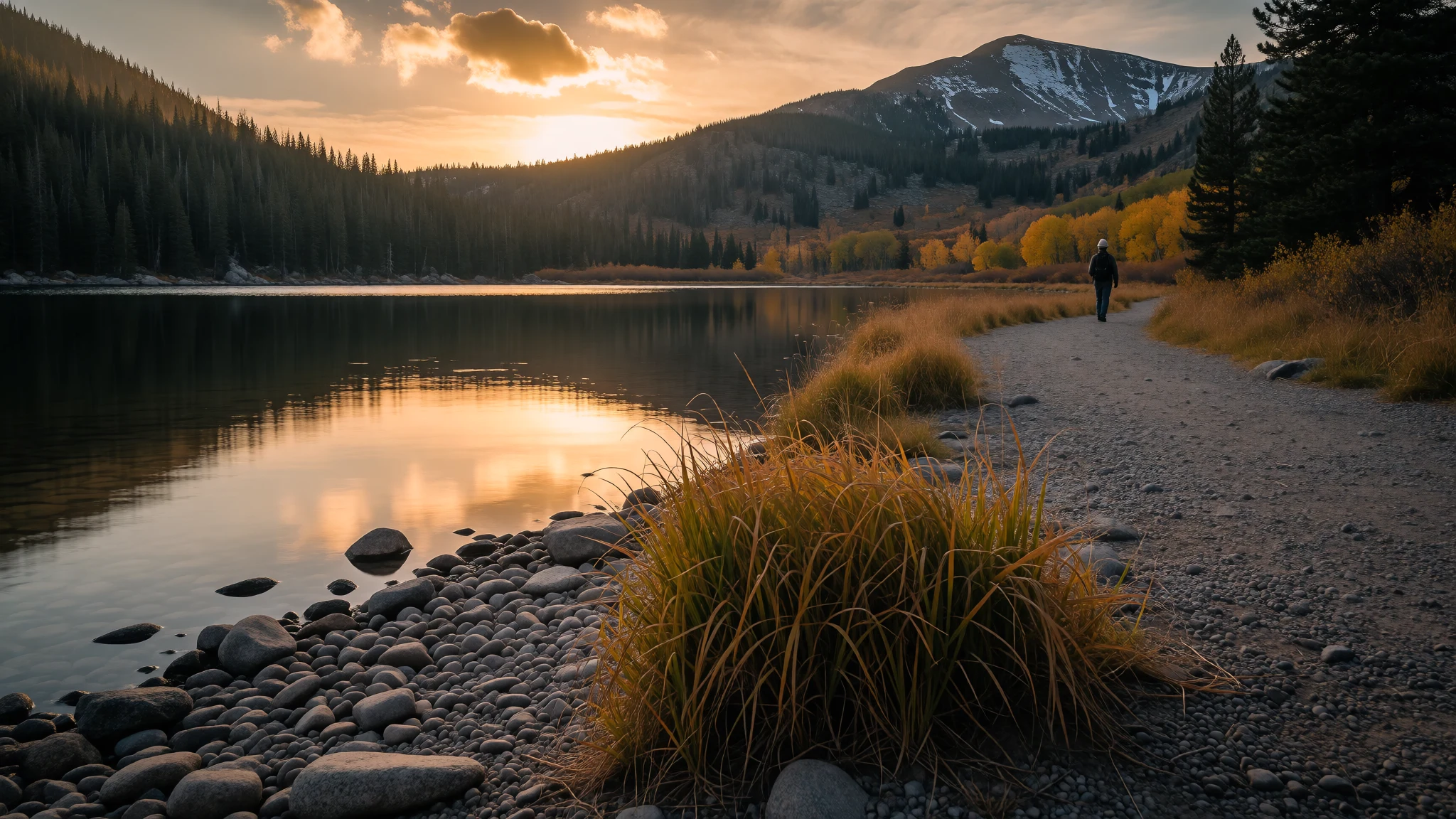
Grand Lake is a quiet log-and-boardwalk town on Colorado's largest natural lake, and the western door into Rocky Mountain National Park.
The place
Grand Lake is a small town in Grand County, Colorado, standing at an elevation of 2,551 m on the shore of the lake it is named after. Its population is about 410, which says how little of it there is: a short run of streets, a lakefront, a boardwalk of independent shops, and then forest in almost every direction. The town sits at the western gateway of Rocky Mountain National Park, which wraps around both the lake and the settlement, so most people arrive either to enter the park or to spend time on the water. Framed by mountain peaks, marshy edges, and nearby reservoirs, Grand Lake—Colorado's biggest naturally occurring body of water—has a setting that feels distinctly more alpine than resort-like. The climate is subalpine: the growing season is brief, summer nights stay cold, and warm weather is a short bonus rather than a promise. Snow comes early and lingers, and winter is quiet. The town began as a supply and outfitting stop for mining camps in the hills, and that practical frontier-store character still shows in its log buildings and wooden sidewalks. Trail Ridge Road leaves the western side of town, enters the park and climbs across the mountains towards Estes Park on the far side, while Granby, the nearest larger town, lies to the south-west. Grand Lake suits a few slow days of walking, boating and evenings at the theatre far better than a long checklist.
Its story
Grand Lake began as a working town rather than a holiday one. Founded in 1879, it served as a base where prospectors and miners bought supplies and arranged outfitting before heading up to the high camps of Lulu City, Teller City and Gaskill. When those camps faded, the town turned its attention to the lake and to visitors, and early postcards sold it as a place for fishing, cabins and water sports. That shift has defined it ever since; today it is a tourist town at the edge of Rocky Mountain National Park, which closes in around it. The Kauffman House, built in 1892, is a surviving piece of that transition. Made of logs, it took in travellers for decades and was later rescued by the local historical society and opened as a museum. The town's best-known tale is a darker one. Fred Selak, nicknamed the Hermit of Grand Lake, ran a stage line, saloons and other businesses, and ended up owning a good deal of land and a stake in mining ventures. He lived alone in a cabin outside town, and neighbours whispered that he kept a fortune hidden there, though he was also known for lending money to locals. When friends grew worried and went to look, they found the cabin ransacked and the floorboards torn up, with Selak nowhere to be found. While the initial investigation found no leads, two suspects were later identified and confessed to the murder, and both were executed in 1928.
What to see
- Kauffman House Museum — Town centre, Grand Lake
The Kauffman House is a rustic log building from 1892 that once took in travellers as a guest house and now serves as a museum run by the local historical society. It is on the national register of historic places and is the only log lodging of its age left in town. Go for the timber construction and a glimpse of early tourist life.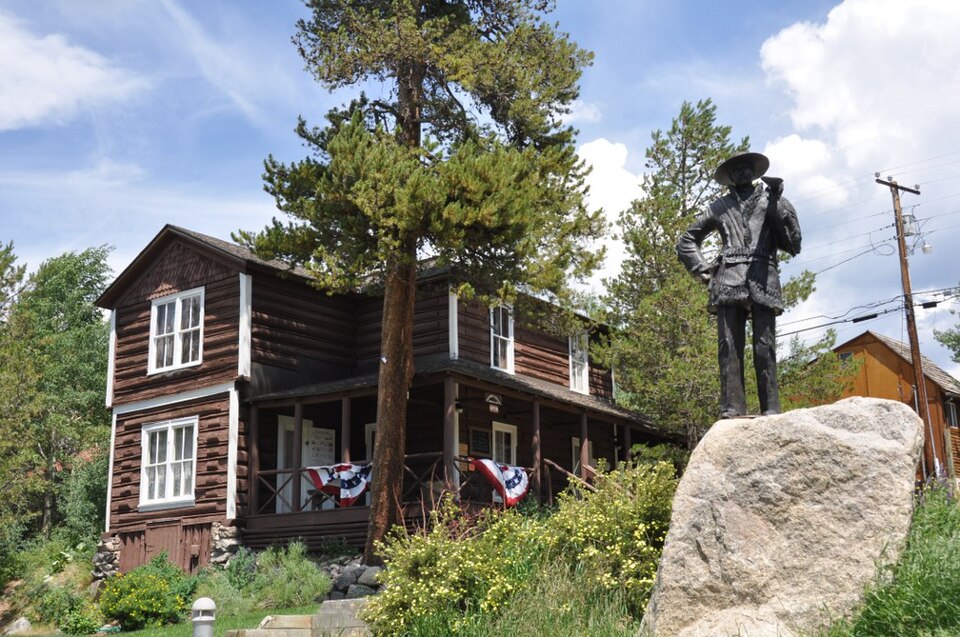
- Grand Lake shoreline — Lakefront, Grand Lake
The lake is the reason the town exists, and it stands as Colorado's biggest natural body of water. Public and privately run marinas, a boat ramp and public docks line the shore, so choices range from hiring a boat to simply walking the edge at dusk. Mornings are usually calmer, and afternoon cloud can bring sudden rain.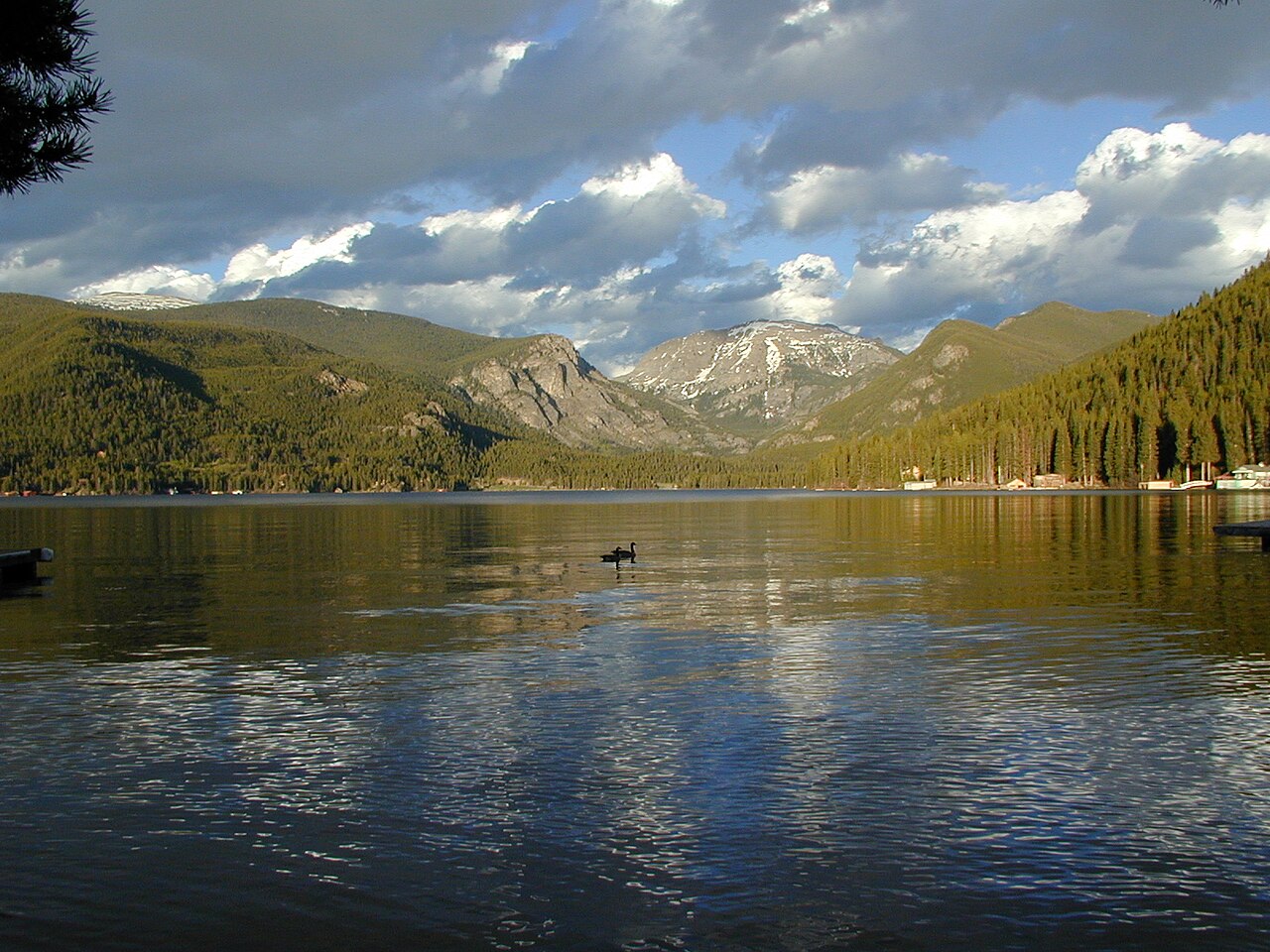
- The boardwalk — Town centre, Grand Lake
Locals use the word boardwalk for a block of wooden-fronted shops beside the main street. Everything is independently owned and there are no chains, so it mixes coffee shops, small restaurants, souvenir stores, boutiques and handmade jewellery. It makes an easy hour of browsing, and a good place to shelter when a mountain shower arrives.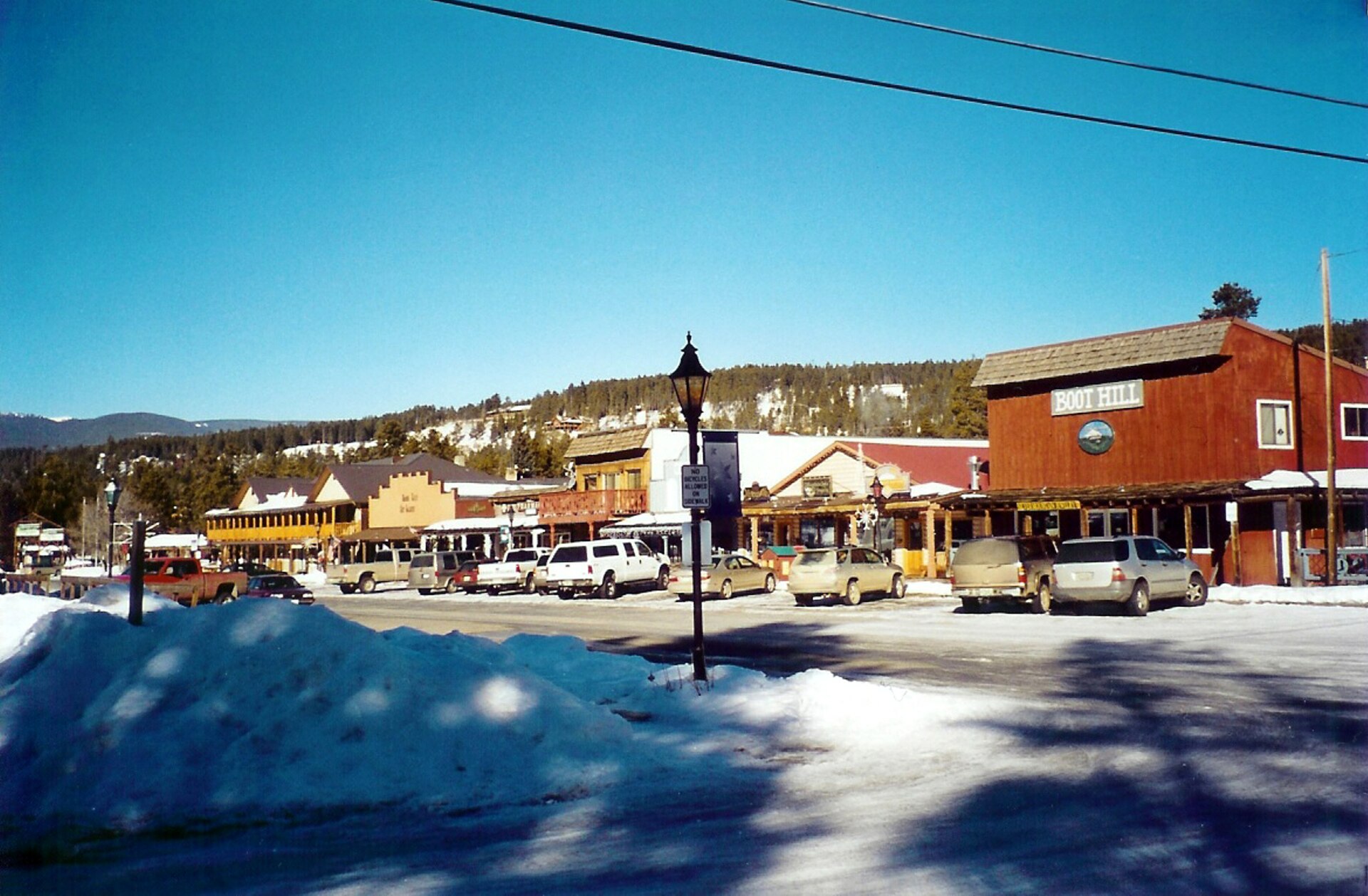
- Rocky Mountain Repertory Theatre — Grand Lake
This summer-stock company stages Broadway-style musicals through the warm months, with a final production in September, in a large modern theatre complex built for it. It is an unexpectedly polished evening for a town this size, and a good use of the hours after the afternoon weather turns. Check the official site for programme and booking. - Shadow Mountain Lake and the park gateway — South and north of the town
Next to Grand Lake lies Shadow Mountain Lake, a reservoir whose calm water and mountain backdrop appear on vintage postcards of the area. Just north of town, the park entrance opens onto Trail Ridge Road, the high route across the mountains to Estes Park. Check the park's official page for road and weather conditions first.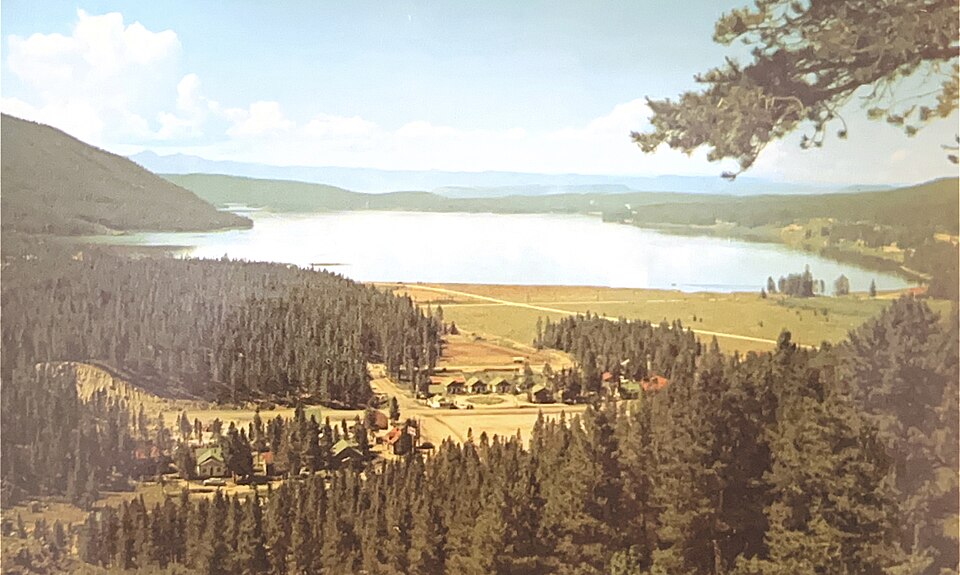
Culture
Grand Lake's culture is that of a small mountain town that lives on summer visitors and has learned to do it with some character. The centre of social life is the boardwalk, a block of wooden-fronted shops where everything is locally owned and chains are absent. Coffee shops, small restaurants, jewellery makers and souvenir stores sit side by side, and staff often know regulars by name. Evenings belong to the Rocky Mountain Repertory Theatre, a summer-stock company that stages Broadway-style musicals in the warm months and carries on into September. Locals and holidaymakers share the audience, and the mood is relaxed and unpretentious. Outdoors, the culture is practical: fishing, boating, hiking and early starts, with the afternoon weather watched closely. The town also keeps its past close, through the Kauffman House museum and old postcards that sold the lake as a playground long before the park became the main draw. Winters are far quieter, and some businesses open only in season, so the town's rhythm follows the weather more than the calendar. Visitors who treat it as a community rather than a backdrop tend to get the warmest welcome, which means buying from the small shops, arriving on time at the theatre and respecting residents' privacy and property. Keep a respectful distance from elk and moose around the lake and never feed wildlife.
What to wear
Grand Lake has no single traditional costume, and its dress history is that of the American mountain frontier. Miners, stage drivers and outfitters wore tough denim, wool, flannel, leather boots and felt hats, and echoes of that workwear survive in the checked shirts, canvas jackets and cowboy boots seen in local shops and at summer events. Today, what people actually wear is outdoor practical: fleece, lightweight down jackets, hiking boots or trail shoes, baseball caps and sunglasses, with jeans or shorts depending on the hour. Evenings at the theatre are casual, and nobody dresses up beyond a clean jumper or shirt. A visitor should plan around altitude and changeable weather. Even in summer, nights are cold and afternoons can bring rain, so pack layers: a base layer, a warm fleece, and a waterproof shell that fits in a daypack. Sun is strong at 2,551 m, so bring a hat, sunglasses and high-factor sunscreen. Sturdy, broken-in footwear with good grip suits the park trails and wet lakeside paths, while sandals are fine for the boardwalk. Visitors in cooler months should add gloves, a woollen hat and insulated boots. There are no religious dress codes to worry about, though swimwear belongs by the water rather than in shops.
What to eat
- Rainbow trout — Restaurants near the lakefront and boardwalk
Trout from Colorado's cold waters is a regional staple, usually pan-fried or grilled with lemon and butter. Order it at a lakeside restaurant or a family eatery near the boardwalk, and ask whether it is locally sourced or farmed. - Elk or bison burger — Grills and taverns on the main street
Game meat is common on mountain menus, and a burger is the easiest way to try it. It tastes leaner and slightly sweeter than beef, often served with caramelised onion or local cheese. - Breakfast burrito — Coffee shops and breakfast cafés on the boardwalk
A flour tortilla stuffed with eggs, potato, cheese and sometimes sausage, often smothered in green chilli sauce. It is the standard fuel before a long day on the trails and easy to carry. - Green chilli stew — Casual restaurants and diners in town
A thick, warming Colorado stew of pork, green chillies and tomatoes, eaten with tortillas. It is spicier than it looks, and welcome after a cold evening or wet afternoon by the lake. - Homemade fudge and ice cream — Sweet shops along the boardwalk
Holiday towns like this one lean on sweets, and the boardwalk shops make fudge, caramel and scooped ice cream that people eat while strolling. Expect flavours such as peanut butter, mountain berry and salted caramel.
Plan it
Best time. June to September, when roads and trails are most open and days are hottest, though nights stay cold at this altitude. Afternoon showers are common in summer, so plan outdoor activities for the morning. Winters are long and snowy, and much of the town goes quiet.
How long. 2–3
Getting there. Fly into Denver International Airport and drive to Grand Lake, either over Trail Ridge Road via Estes Park when it is open or around via Granby. A car is by far the easiest way to reach the town; check the park's official page for seasonal road closures.
Budget. mid
Tips
- Start walks and lake outings early, because afternoon cloud and rain build quickly
- Carry layers and a waterproof even on warm days, as nights are chilly
- Drink plenty of water and pace the first day, as the altitude is 2,551 m
- Book summer theatre seats and lodging well ahead, and check townofgrandlake.com for local events
- Carry some cash and a card, since small shops and seasonal businesses vary
Etiquette
- Keep a safe distance from wildlife and never feed it
- Follow marked trails and take all litter with you
- Keep noise low in the evenings, as many residents live right beside the lakefront
Nearby
Sources
- Wikidata Q2275147 (CC0)
- Wikipedia: Grand Lake, Colorado (rev 1379357868) (CC BY-SA 4.0)
- Wikivoyage: Grand Lake (Colorado) (rev 5013355) (CC BY-SA 4.0)
- Town of Grand Lake CO.jpg — Unknown author (Public domain)
- GrandLakeCO KaufmannHouse.jpg — User:Magicpiano (CC BY-SA 2.5)
- A Double Rainbow over Grand Lake, CO.jpg — Lightbulb Noob (CC0 1.0)
- Grand Lake.jpg — Unknown author (CC BY 2.5)
- Shadow Mountain Adjoining Grand Lake — Sanborn Souvenir Co. (Public domain)
- Abandoned House, Grand Lake, CO 2007 — Don Graham (CC BY-SA 2.0)
- Afternoon Rain, Grand Lake, CO 7-28-12 — Don Graham (CC BY-SA 2.0)
- CAMPGROUND - NARA - 544855.jpg — Environmental Protection Agency (Public domain)


Wildlife
- Elk (animal)
Think of the elk as a big, handsome deer, the second biggest in its whole family, also known as the wapiti. Around the lake is where you may spot one, though no particular season or hour is promised, so stay patient and keep your eyes open. Watch from a respectful distance, let the animal go about its business undisturbed, and never offer it food, however tame it may seem.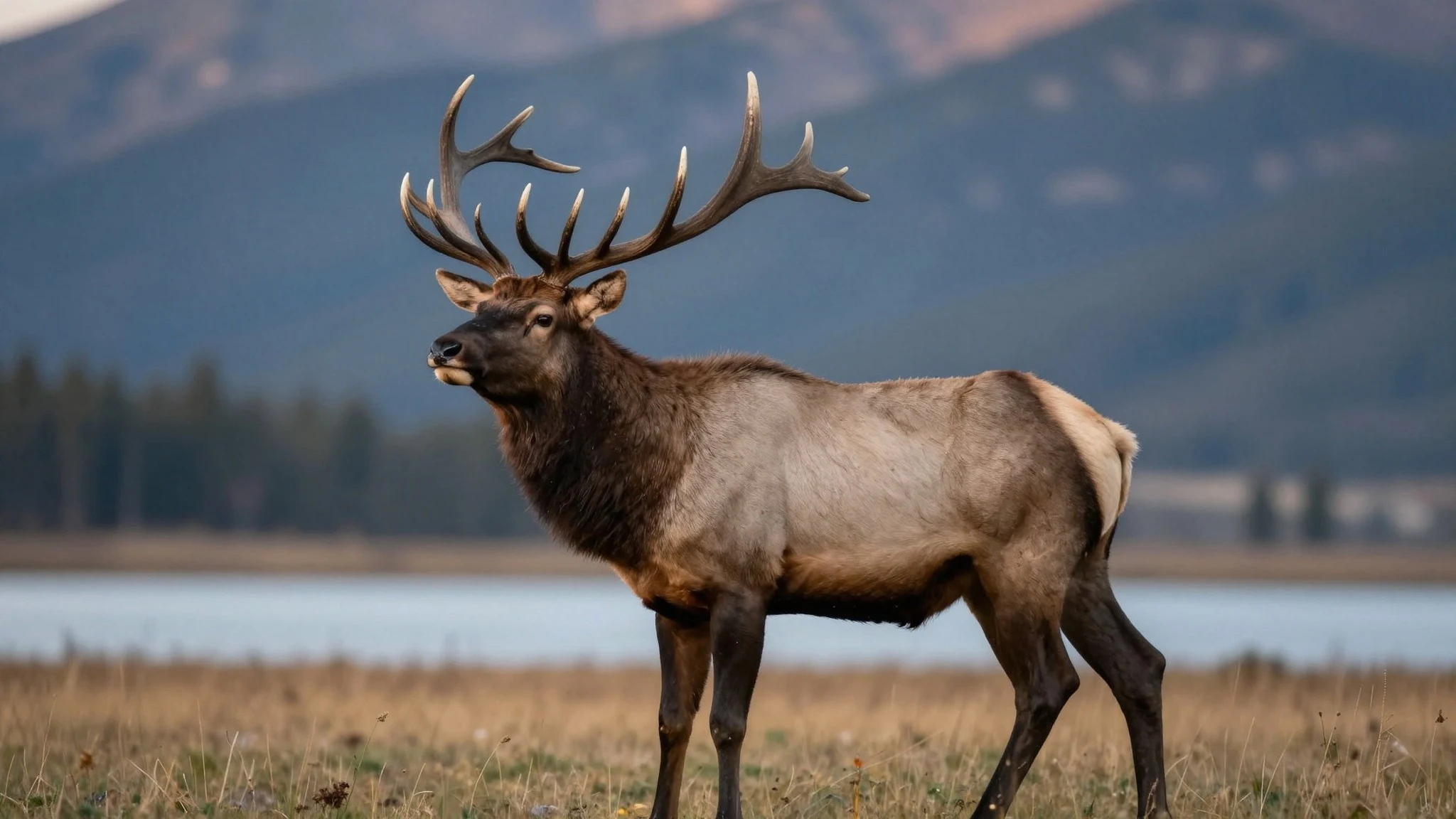
- Moose (animal)
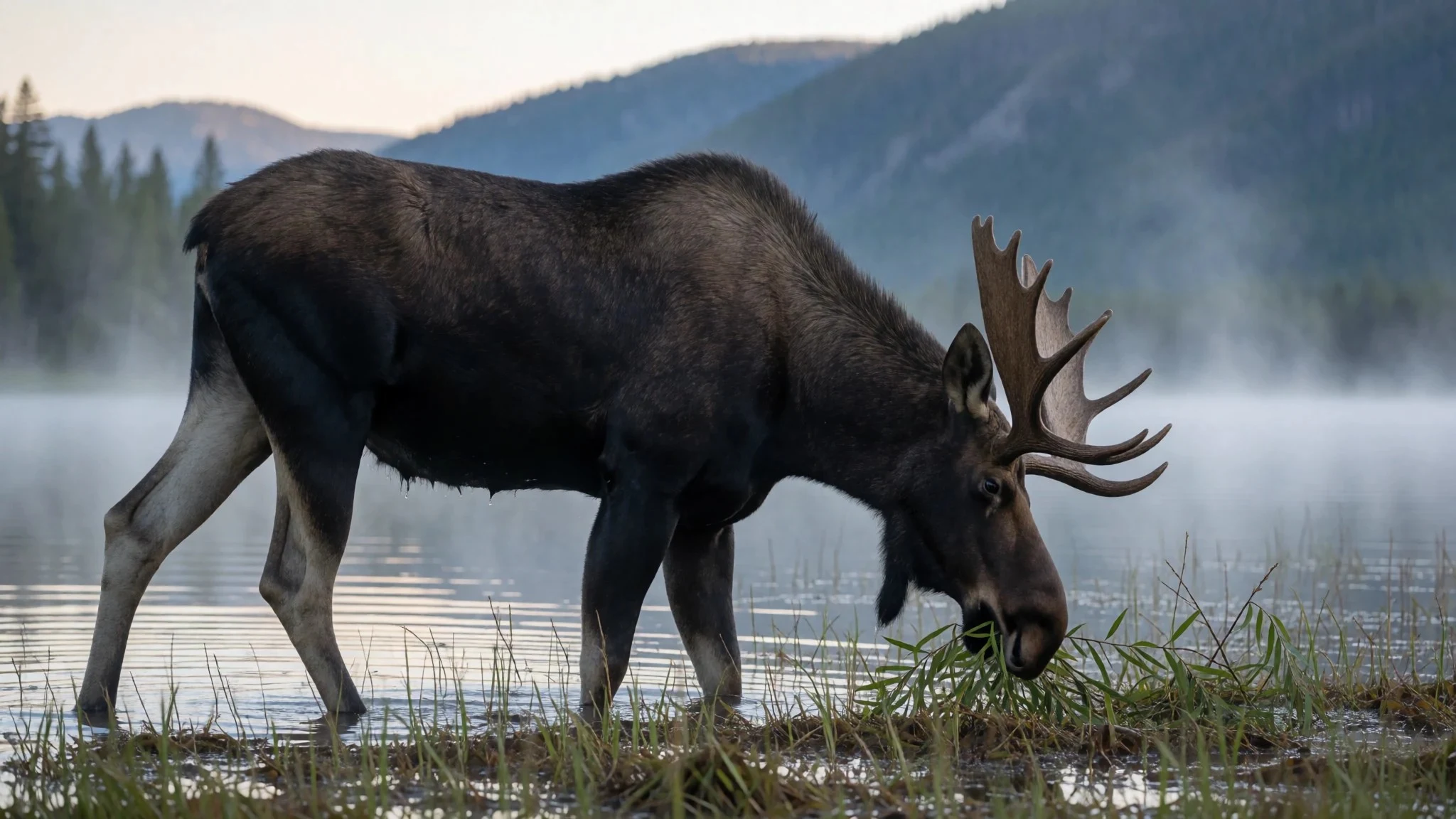
The moose is the giant of the deer world, taller and heavier than any other deer, with broad, flat antlers like great open hands on most males. Look for one around the lake, though no particular season or time of day is promised, so be patient. Keep a respectful distance, watch calmly without crowding it, and never feed it; wild food is best for wild animals.