Glass House Mountains
Glass House Mountains, Australia
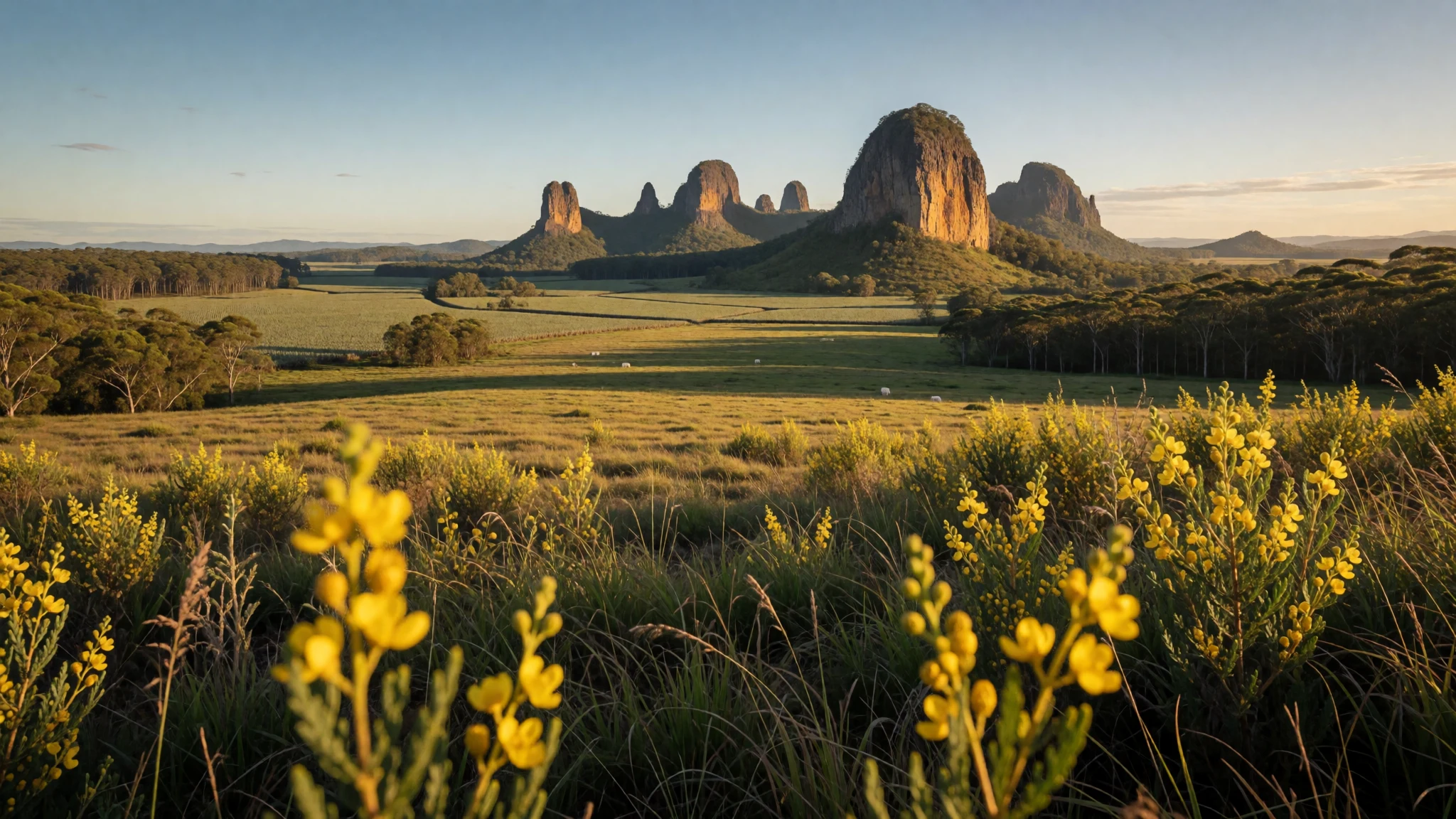
Dramatic volcanic plugs that rise abruptly from the Queensland coastal plain, offering unique hiking and striking silhouettes.
The place
The Glass House Mountains are a striking cluster of thirteen volcanic peaks that break the horizontal line of the Sunshine Coast in Queensland. Unlike a traditional mountain range, these are isolated plugs of hard rock that stand like sentinels over a landscape of pineapple farms and poultry runs. The highest point is Mount Beerwah, reaching an elevation of 556 metres, though the peaks vary wildly in shape and size. Some are sheer cliffs, while others are more rounded, creating a jagged skyline that is visible for miles across the coastal plain.
Visiting the Glass House Mountains feels like entering a prehistoric landscape. The area is a mix of rugged national park terrain and rural agricultural land, where the quiet of the bush is occasionally broken by the sound of distant machinery from local quarries. For those coming from Brisbane, it is a relatively short drive north, making it a popular spot for day-trippers. While the peaks themselves are the main draw, the surrounding reserves provide lush, shaded walks that contrast with the exposed, sun-baked rock of the summits. Depending on the season, the heat can be intense, and the humidity of the subtropical coast often clings to the skin, but the views from the top provide a refreshing breeze and a sense of immense scale.
Its story
The story of the Glass House Mountains is one of fire and patience. Roughly 26 to 27 million years ago, molten rock forced its way upward through the earth's crust, cooling into dense, hard plugs of comendite within the vents of ancient volcanoes. For millions of years, the softer surrounding sandstone and volcanic exteriors were slowly stripped away by wind and rain, leaving behind the skeletal cores we see today. These volcanic remnants are an enduring record of the East Australia hotspot's ancient activity.
Human history here is layered. Long before European arrival, the Gubbi Gubbi and Jinibara peoples lived among these peaks, giving each a traditional name and embedding them into the cultural fabric of the region. In 1770, Lieutenant James Cook sailed past and noted that the shapes of the mountains reminded him of the glass furnaces he had seen in Yorkshire, giving the range its English name. Later, in 1799, Matthew Flinders explored the Pumicestone Passage and scaled Mount Beerburrum. Today, the mountains are recognised on the Australian National Heritage List, serving as a bridge between the deep geological time of the earth and the living traditions of the local Aboriginal people.
What to see
- Mount Beerwah
The tallest peak in the group, offering the most commanding views of the Sunshine Coast. Out of respect for its sacred values, visitors are asked not to climb the peak, as tradition suggests doing so brings bad luck.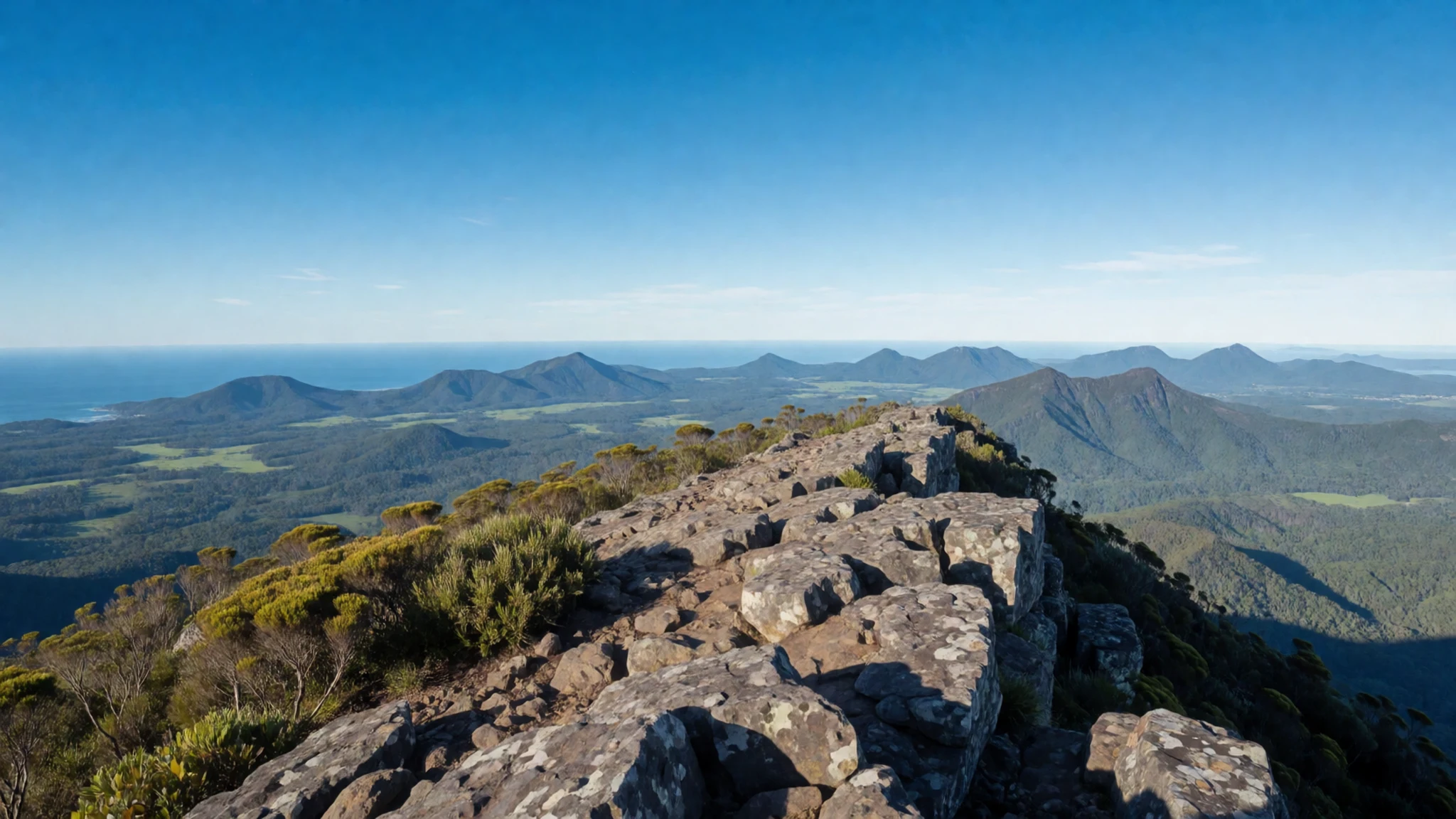
- Mount Tibrogargan
Perhaps the most iconic silhouette in the range, this peak is often described as resembling a human face looking east toward the ocean. It is a significant site for both hikers and cultural study.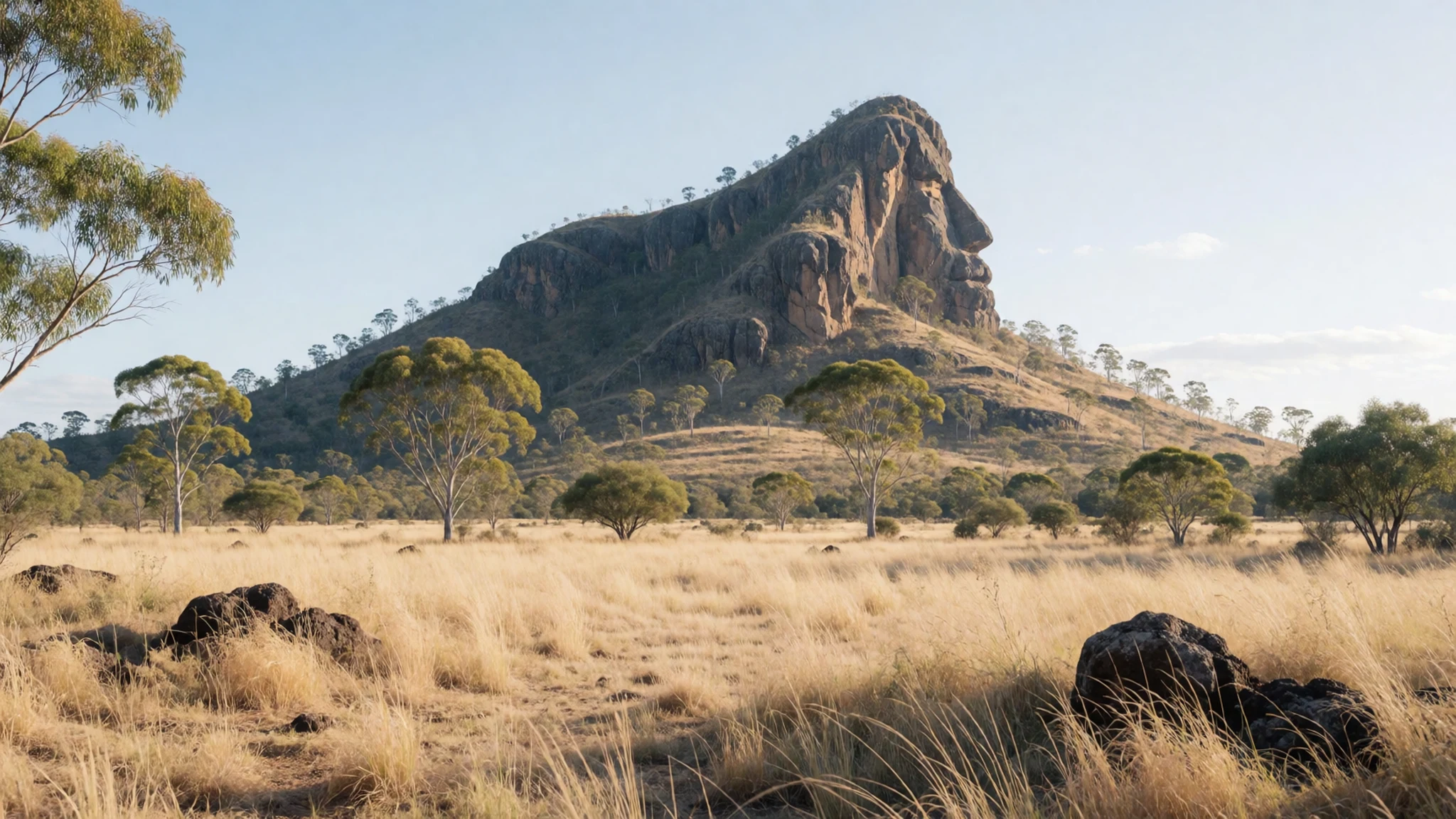
- Mary Cairncross Reserve
A tranquil sanctuary at the foot of the mountains featuring rainforest walks and a museum. It is the best place to see the peaks framed by lush, subtropical greenery without a strenuous climb.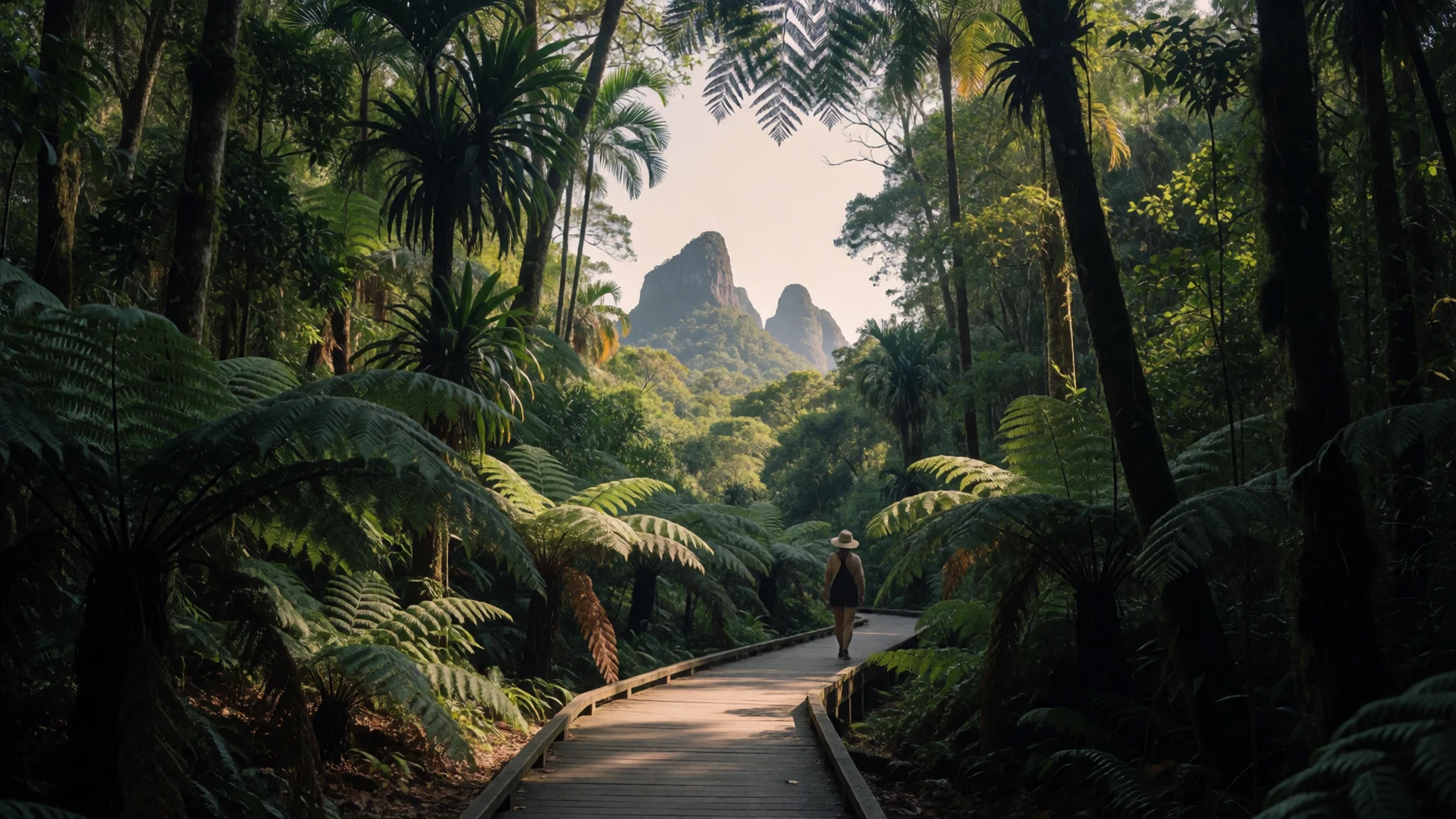
- Mount Ngungun
Known for its interesting subvolcanic rock formations and a more accessible climb compared to the larger peaks, providing an excellent panoramic view of the surrounding agricultural plains.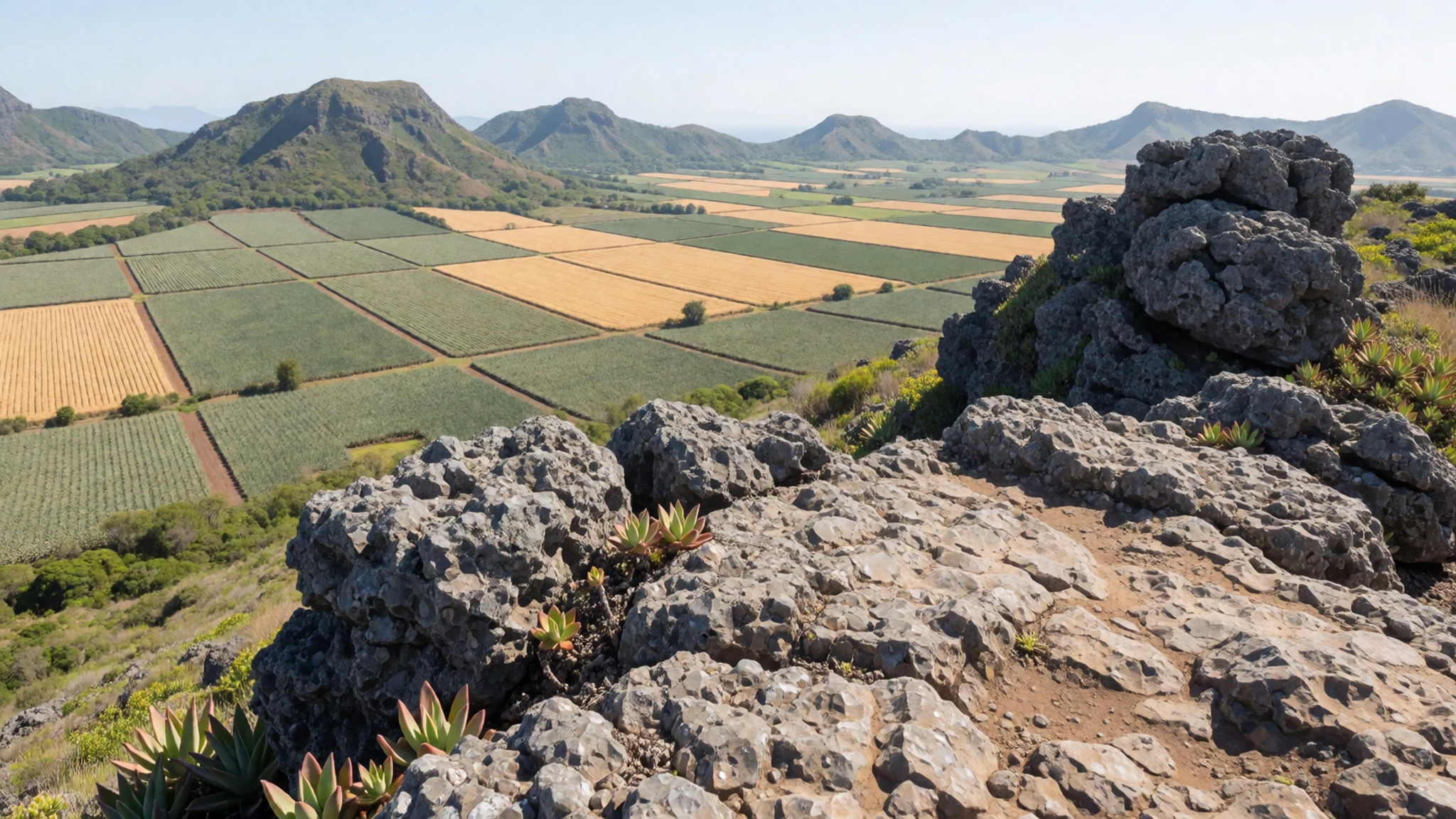
- Sunset Point
A prime location for photographers and those looking to avoid the climb. It offers a wide, unobstructed view of the main peaks as they catch the evening light.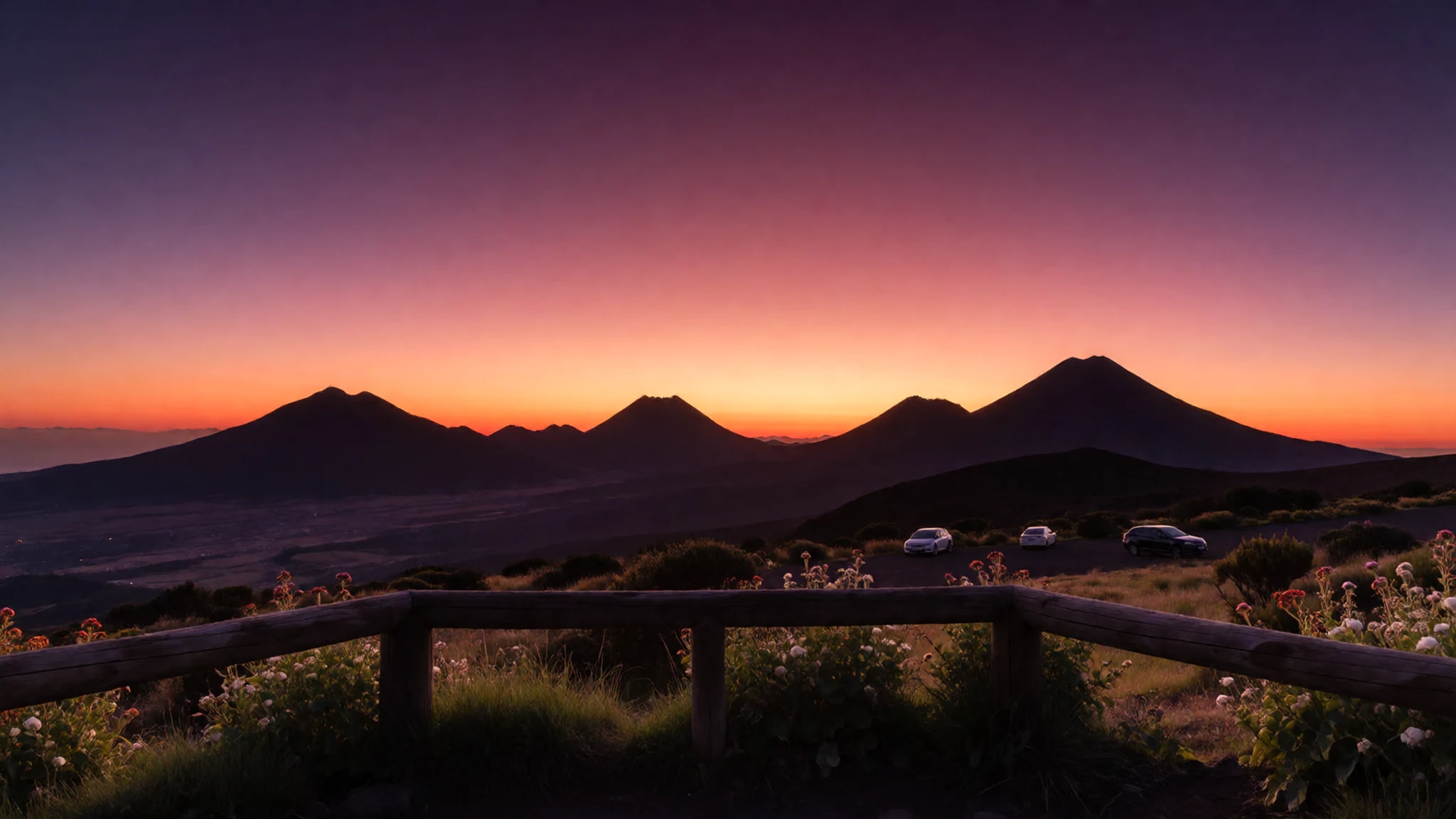
Culture
The culture of the Glass House Mountains is a blend of deep indigenous heritage and Queensland's rural farming identity. For the Gubbi Gubbi and Jinibara people, these peaks are not merely geological features but ancestral landmarks with profound spiritual meaning. This connection remains vital today, and the traditional names of the peaks continue to be used alongside the colonial ones. In the valleys, the culture is one of hard work and agriculture, dominated by pineapple growers and poultry farmers who have shaped the land around the volcanic plugs.
Visitors will find a community that is generally laid-back and welcoming, typical of the Sunshine Coast hinterland. There is a strong emphasis on conservation and the protection of the National Park, as the fragile volcanic soil and native flora are susceptible to damage from over-tourism. The area is a place of quiet contemplation and outdoor endurance, where the slow pace of country life meets the raw power of nature. Please stay on marked trails to protect the native vegetation and avoid erosion.
What to wear
Traditional dress in the region is tied to the heritage of the Gubbi Gubbi and Jinibara peoples, though these are now primarily worn during cultural ceremonies and community events. In the modern day, the local attire is quintessential rural Queensland: practical, durable, and designed for the heat. You will see plenty of cotton work shirts, sturdy denim, and wide-brimmed hats among the farming community.
For visitors, the dress code is entirely functional. The climate is subtropical, meaning high humidity and intense sun. Lightweight, breathable fabrics like linen or moisture-wicking synthetics are essential. For those hiking the peaks, sturdy hiking boots or trail shoes with good grip are non-negotiable, as the volcanic rock can be slippery or jagged. A wide-brimmed hat, high-SPF sunscreen, and sunglasses are mandatory to survive the midday sun on the exposed summits. In the townships, casual wear—shorts and t-shirts—is the norm, but a light jacket is useful for the cooler evenings in the hinterland.
What to eat
- Fresh Pineapple — roadside stalls along the Steve Irwin Way
The region is famous for its pineapple farms; look for roadside stalls selling gold, sweet fruit grown in the volcanic soil.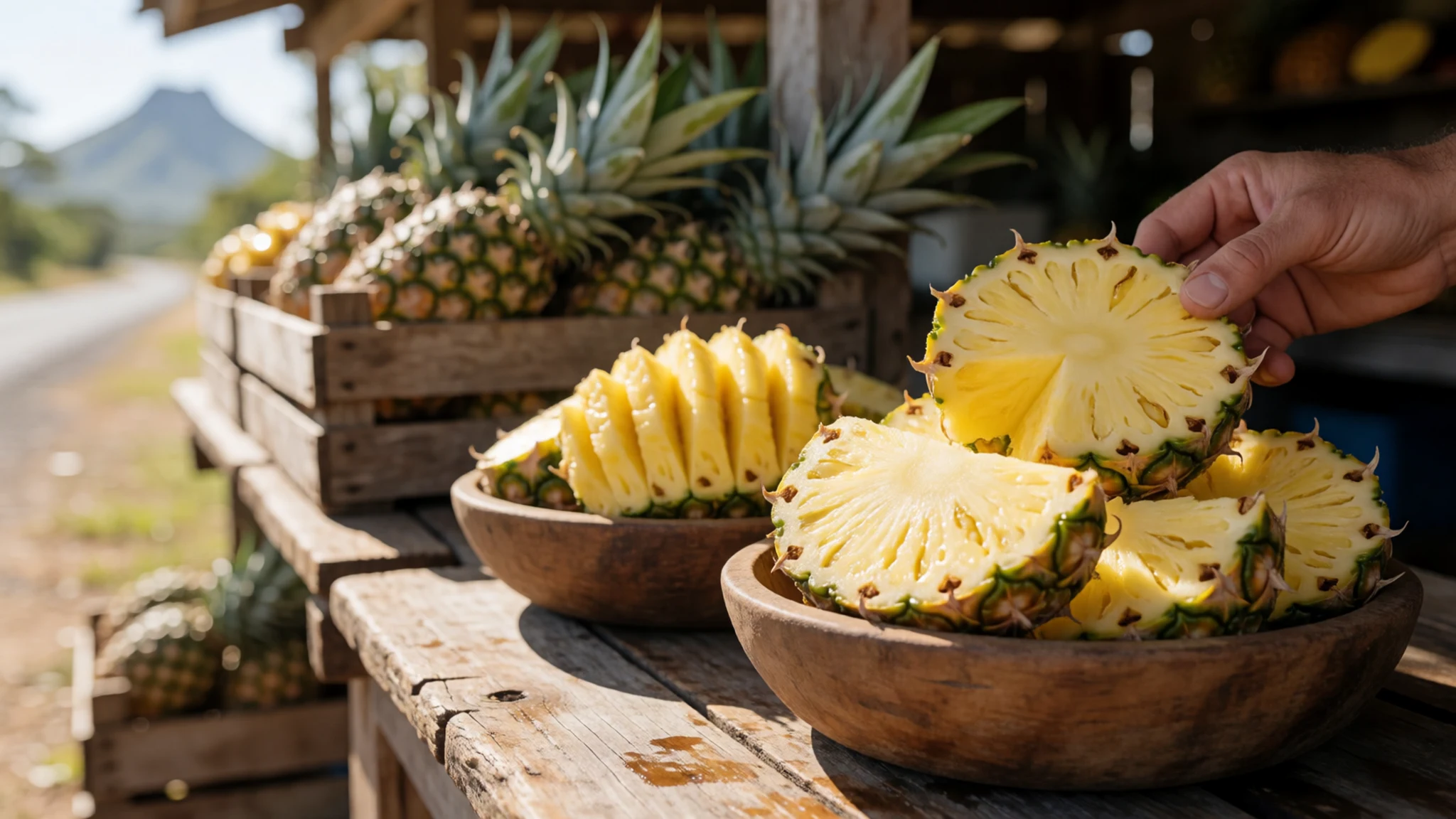
- Country-style Pies — local bakeries in the Glass House Mountains township
Hearty, flaky meat pies that are a staple of Australian rural travel, perfect for a post-hike meal.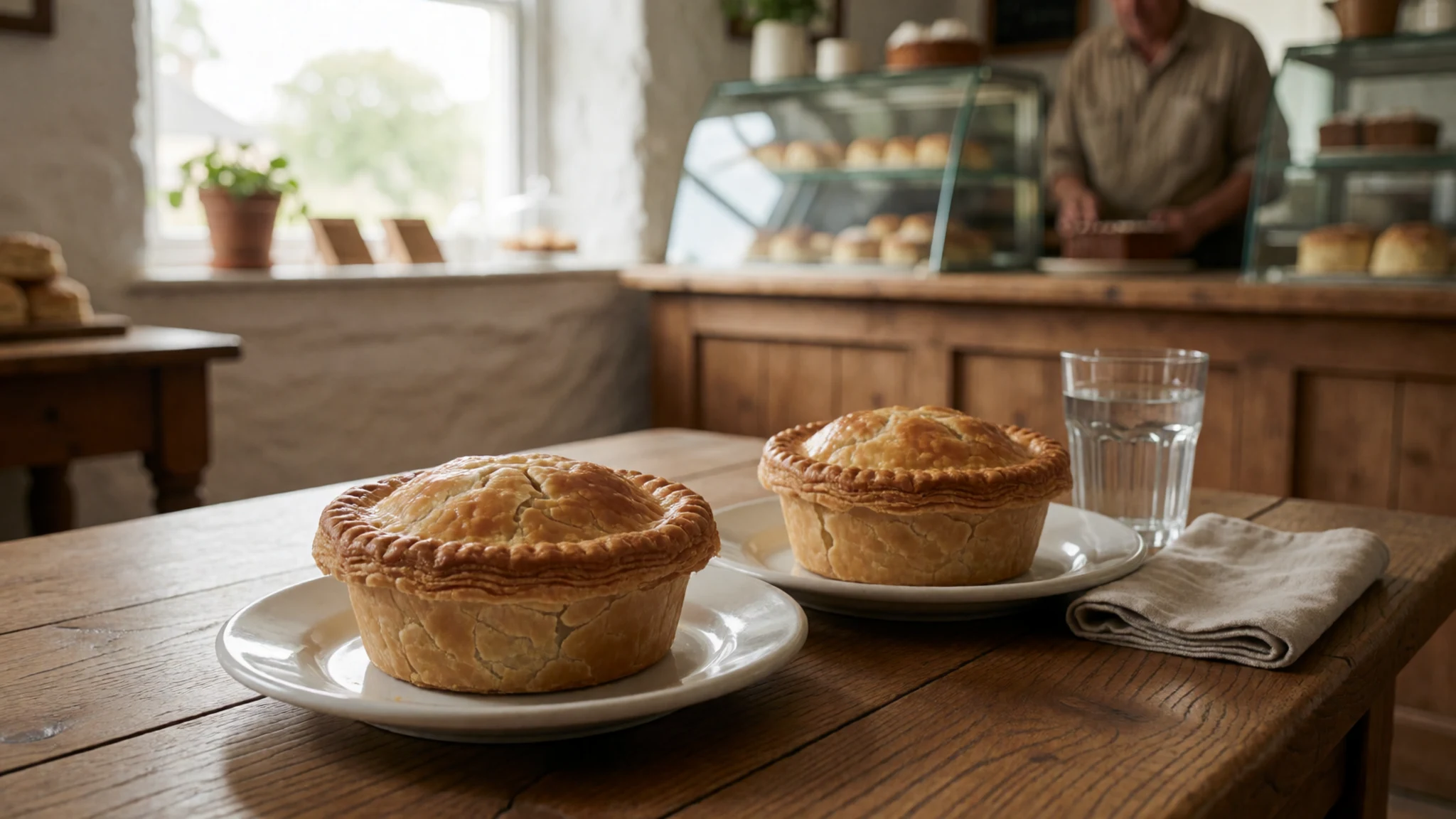
- Farm-fresh Eggs — farm gates and local markets
Given the poultry farming in the valleys, locally sourced eggs are a common and fresh find. - Cold Brew Coffee — small cafes in Beerwah or Glass House Mountains
A necessary refreshment to combat the Queensland humidity during a summer visit.
Plan it
Best time. May–August are ideal to avoid the extreme summer heat and the heavy rains of the January–March period.
How long. 1–2
Getting there. Drive north from Brisbane via the Bruce Highway, turning onto Steve Irwin Way. Alternatively, take a train to Beerwah or Glass House Mountains stations.
Budget. low
Tips
- Carry significantly more water than you think you need for hikes
- Arrive at trailheads before 8 am to beat the heat and crowds
- Check local weather alerts for sudden subtropical storms
- Bring a physical map as mobile reception can be spotty in the valleys
Etiquette
- Stick to designated paths to prevent soil erosion
- Carry all your rubbish back out of the National Park
- Respect the spiritual significance of the peaks to Aboriginal people
Nearby
Sources
- Wikidata Q1529753 (CC0)
- Wikipedia (CC BY-SA 4.0)
- Wikivoyage (CC BY-SA 4.0)