Gatlinburg
Gatlinburg, United States
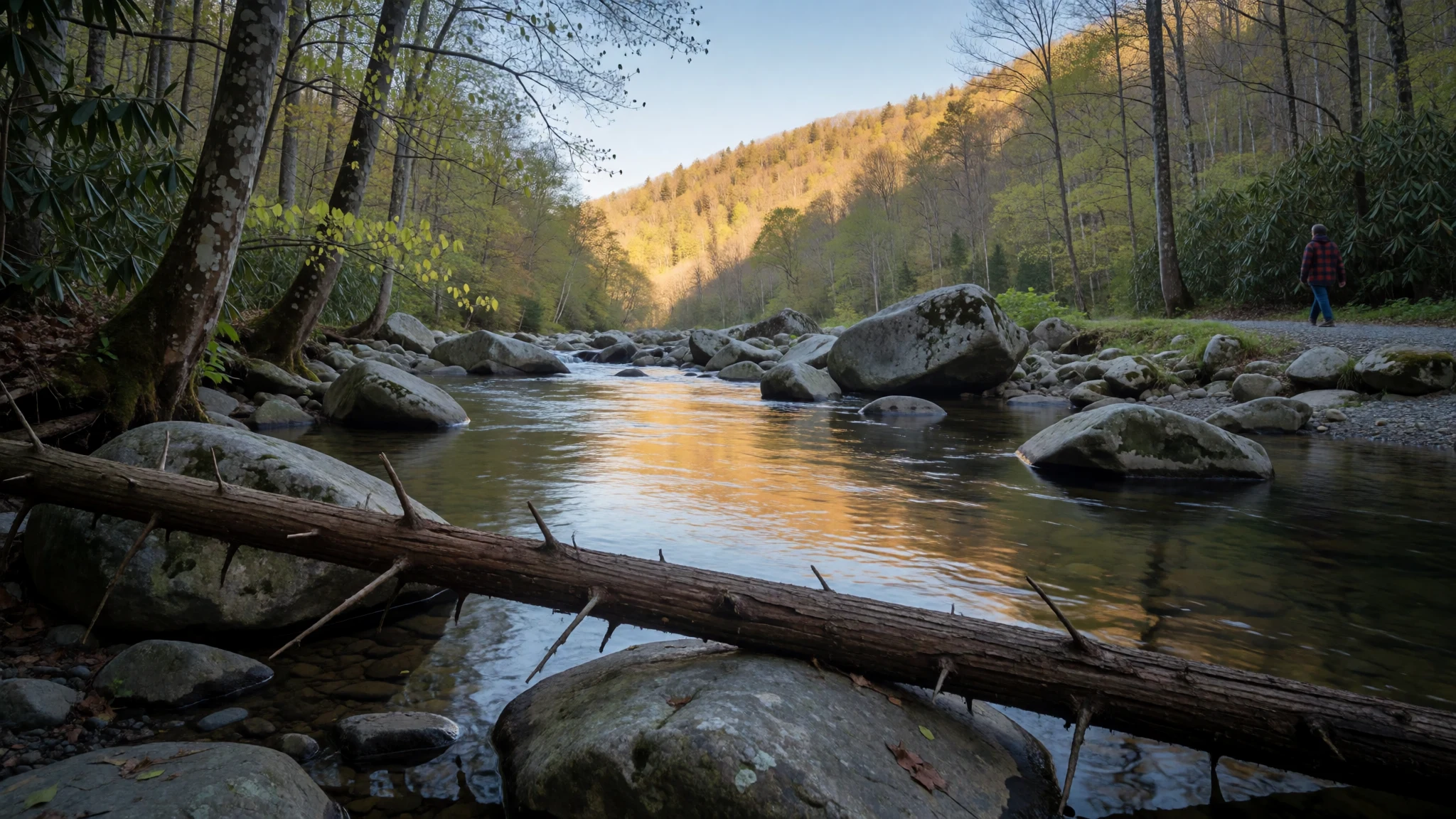
Gatlinburg is a lively mountain strip at the door of the Great Smokies, best used as a base for early starts on the trails.
The place
Gatlinburg is a small resort city in Sevier County, Tennessee, with a population of 3,577 and an elevation of 393 metres, squeezed into a narrow valley at the edge of Great Smoky Mountains National Park. Ridges close in on every side: the Le Conte and Sugarland massifs to the south, Cove Mountain to the west, Big Ridge to the north-east and Grapeyard Ridge to the east. The West Fork of the Little Pigeon River runs through the valley floor, and the town is strung along a single main road, US 441, which crosses it from north to south. That road explains most of what the place feels like. Pancake houses, fudge shops, museums of oddities, chair lifts and cabin-rental offices line the strip, and on summer weekends both the pavements and the traffic crawl. Pigeon Forge, the home of the Dollywood theme park, lies a short drive north, while the park boundary and the Sugarlands area are just south. Most people come for the mountains and stay on for the evening promenade, the aquarium and the mini-golf. The climate is humid subtropical, with hot, sticky summers and cool, wet winters, and the high ridges can bring serious snow in some years. Gatlinburg is not a quiet village and does not pretend to be. It works best as a base: a bed, a big breakfast, then out onto the trails early and back for a lively evening on the main drag. Anyone wanting solitude should be inside the park before the town wakes, or travel outside the school holidays.
Its story
Gatlinburg grew out of a footpath. Long before the town existed, Cherokee hunters, and other peoples before them, followed the Indian Gap Trail up the West Fork of the Little Pigeon River to reach game in the forested coves of the Smokies, then crossed the crest and dropped into North Carolina along the Oconaluftee. Today's US 441 follows much the same line, though it now climbs over Newfound Gap rather than Indian Gap. European trappers and hunters probably camped on the flats in the 1700s, but the first person who planned a permanent home there was William Ogle, a South Carolinian born in 1751. With Cherokee help he cut and notched logs for a cabin, then went back to Edgefield to fetch his family and bring in one more harvest. Malaria swept the low country, and Ogle died in 1803 before he could return. His widow, Martha Huskey Ogle, took the children to relatives in Virginia. The family later came back, and a log cabin from around 1807 still stands in town under the Ogle name. From that single homestead the settlement grew slowly, a farming community in a remote valley, until the formation of the national park next door turned it towards visitors. The tourist town of cabins, attractions and trolleys is built on that change, and the old trail line under the main road is its oldest thread.
What to see
- Ogle Cabin — Central Gatlinburg
The Ogle Cabin, a log house dating from around 1807, is a reminder that Gatlinburg began as a farming settlement rather than a resort. It carries the name of the family whose patriarch first cut logs on these flats. Set apart from the busy strip, it takes about half an hour and makes a quiet counterweight to the attractions.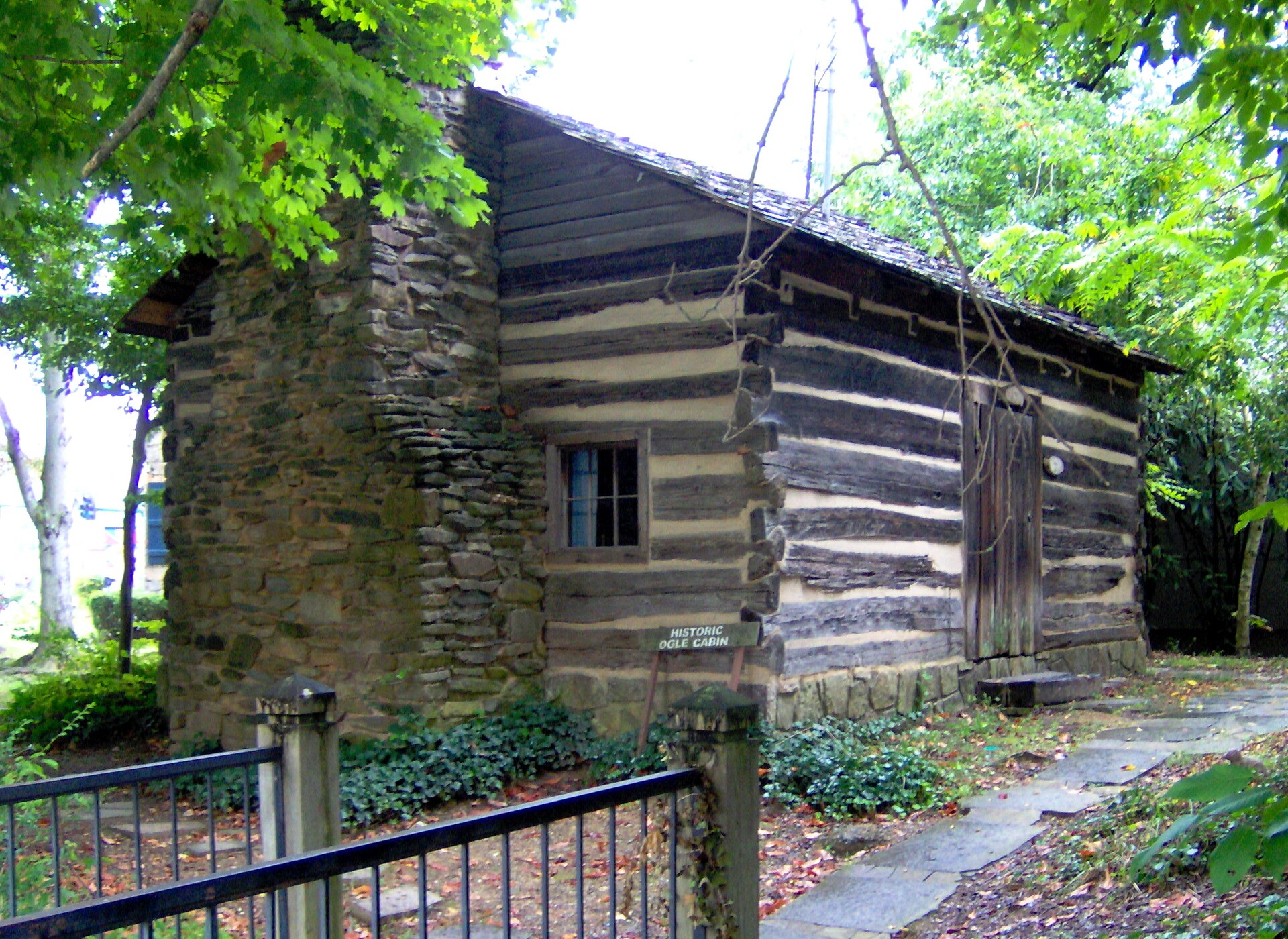
- Gatlinburg Trail — Edge of town, at the national park boundary
The Gatlinburg Trail runs from the foot of the town into the national park, so a woodland walk can begin almost from the pavement. It is an easy way to meet the forest on a first morning. Starting early means fewer people and a calmer sense of the valley before traffic builds.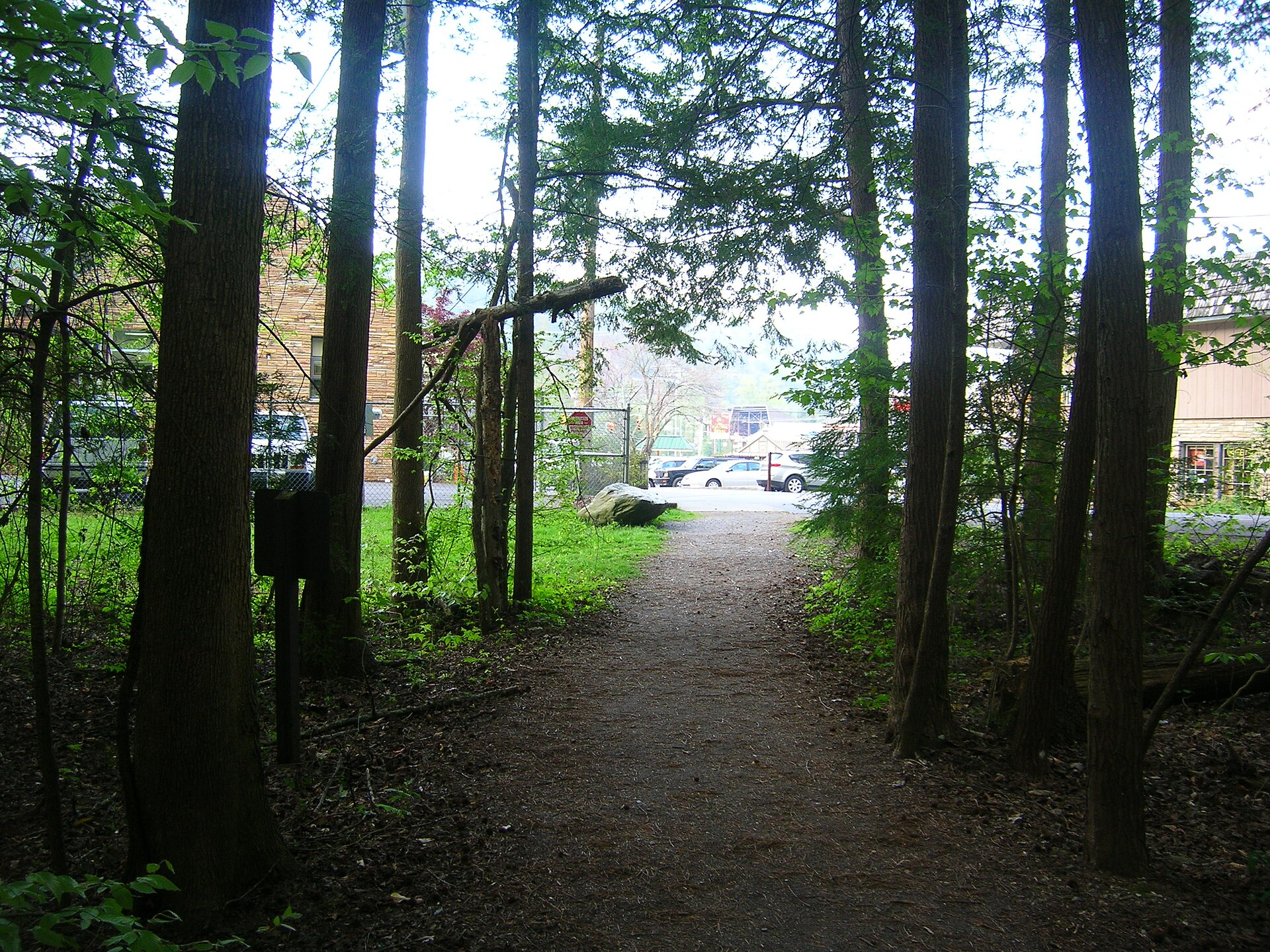
- Ober Gatlinburg — Mountain above the town, reached by road or aerial tramway
Ober Gatlinburg sits on the mountain above town and can be reached by road or by aerial tramway. It combines a ski area, an alpine slide and a bear habitat, so it suits families more than purists. Snow is variable, so check the operator's official site for conditions before planning around skiing. - Arrowmont School of Arts and Crafts — Near the main strip, Gatlinburg
Arrowmont is a craft school in Gatlinburg and a calmer corner of town for anyone tired of the strip. Its focus is hands-on making, with workshops and exhibitions of craft that echo the long handwork traditions of the Appalachian region. Check the school's own website for gallery access and class details before visiting. - Museum of Salt and Pepper Shakers — Central Gatlinburg
The Museum of Salt and Pepper Shakers is one of the stranger stops in a town full of them, a small collection devoted entirely to table condiment holders in comic and decorative forms. It rewards a short, cheerful visit and suits a rainy afternoon, and it shows the collector's-attic side of Gatlinburg tourism. - Gatlinburg SkyLift — Crockett Mountain, above downtown
The Gatlinburg SkyLift carries riders up Crockett Mountain for wide views over the town and the surrounding ridges, and a footbridge at the top spans two mountain peaks. Clear mornings give the best outlook, while fog or wind can spoil it. Check the operator's site for conditions and ticket details.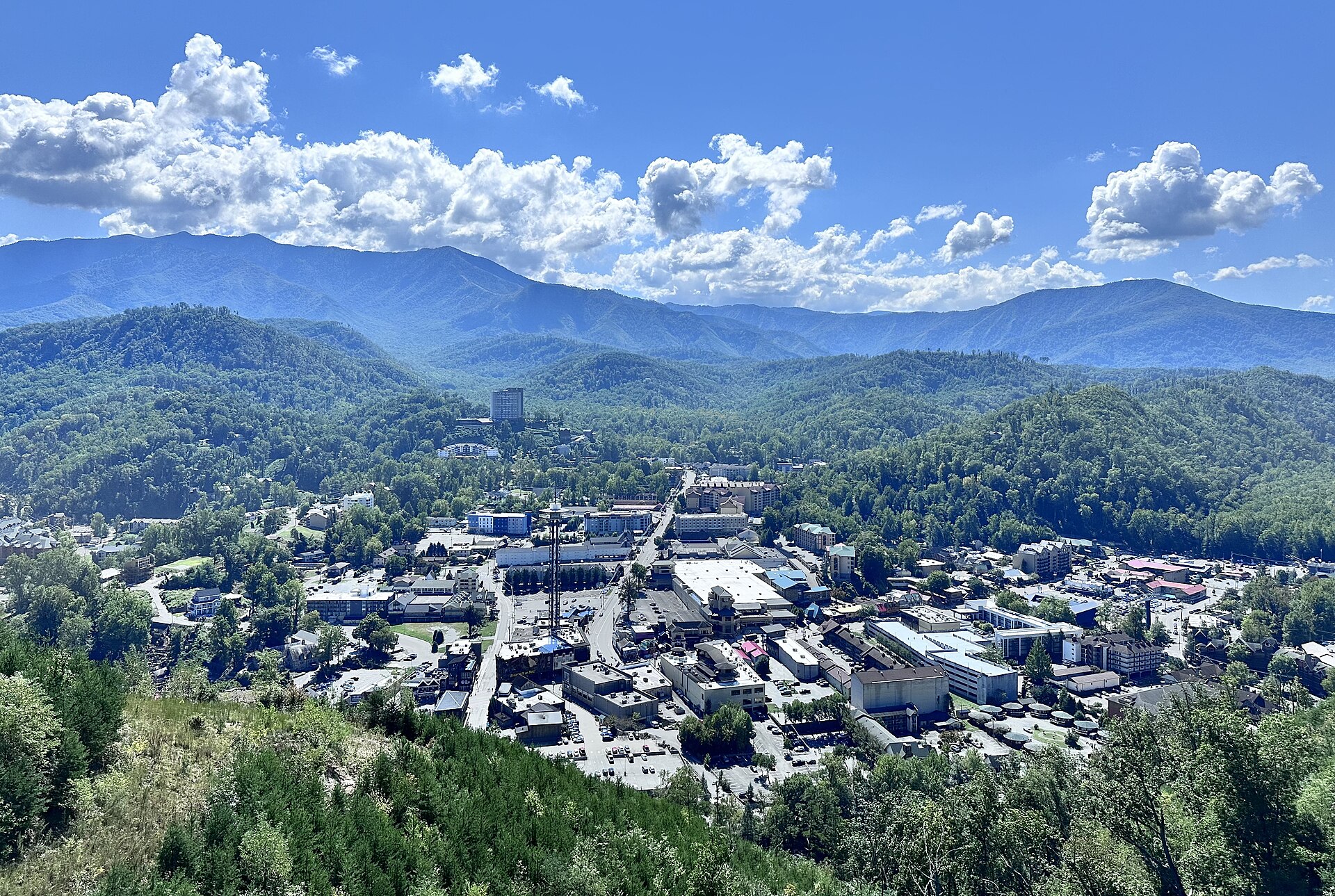
Culture
Gatlinburg has an Appalachian core under a cheerful resort surface. The older story belongs to the Cherokee, who hunted these ridges for centuries, and to farming families such as the Ogles, whose log-built homestead still stands. That heritage survives in cabin architecture, in the craft teaching at Arrowmont, and in local pride in the national park next door. Music, quilting, woodwork and storytelling are the mountain arts most associated with this part of the Smokies, and church and community events still shape the calendar for residents. Over that sits a tourism economy: a long main street of museums, souvenir shops, candy makers, pancake houses and family entertainment, openly playful and not at all austere. Visitors will find service that is warm and chatty, evenings that are lively but family-oriented, and a strong sense that the mountains, not the attractions, are the reason the town exists. Weekends in summer and autumn are crowded, so patience on pavements and in queues is part of local etiquette. In the national park, stay well back from wildlife, never feed bears, and keep food and rubbish secured so animals do not learn to seek it from people.
What to wear
Traditional dress in the Smokies has two strands. Early settler families wore homespun wool and linen, with cotton calico for everyday dresses and shirts, and quilting made use of every scrap of cloth; these textiles now appear mainly in craft shows, museums and festivals. Cherokee clothing has its own tradition, including ribbon shirts and ribbon skirts, which are worn today at ceremonies and gatherings and are made by Cherokee artists. Everyday dress in Gatlinburg now is casual and outdoorsy: jeans or shorts, T-shirts, fleeces, baseball caps and trail shoes or sturdy trainers, with sandals on the main strip in summer. Nothing formal is expected, even in the better restaurants. A visitor should dress for weather and walking. Summers are hot and humid, so light, quick-drying layers, a hat and sun protection work well. Winters are cool and wet, and snow is possible, so bring a warm coat, a waterproof jacket and gloves. Shoes matter most: boots or trail shoes with good grip suit the park paths, which turn muddy and slippery after rain. For a church service, neat, modest clothes are appropriate, though no strict code applies on the street.
What to eat
- Pancakes — The pancake houses along the main strip
Stacks of pancakes are the town's signature breakfast, served in the pancake houses along the main strip. Queues build at weekends and in school holidays, so go early. Plain buttermilk stacks are fine, though fruit toppings and flavoured syrups are common. - Pit barbecue — Smokehouses and barbecue restaurants around town
Slow-smoked pork, ribs and chicken arrive with slaw, beans and cornbread in the smokehouses and barbecue restaurants around town. The meat is cooked low and slow over wood. Portions are generous, so sharing a plate is sensible. - Biscuits and sausage gravy — Cafés and breakfast diners on the main street
Soft, flaky biscuits under peppery sausage gravy are a Southern breakfast classic, found in cafés and diners on the main street. It is heavy fuel before a day on the trails, and country ham often comes alongside. - Steak — Saloon-style and lodge-style steakhouses along the strip
Steakhouses with a saloon or lodge feel serve grilled steaks with baked potatoes and are common along the strip. They are busiest in the evening, and booking ahead is wise at weekends. Cabin-style interiors suit the mountain setting. - Fudge and taffy — Candy shops on the main street
Candy shops along the main street make fudge and pull taffy in the window, so the process is part of the show. Samples are usual. Boxes travel well as gifts, though summer heat can soften chocolate.
Plan it
Best time. April–May for spring greenery and wildflowers, and October–November for autumn colour. Summers are hot, humid and crowded, and winters are cool and wet, with occasional snow on the ridges.
How long. 2–3
Getting there. Fly to Knoxville, then drive to Gatlinburg on US 441 through Sevierville and Pigeon Forge; there is no passenger rail, so a car is the practical way. Traffic on the final stretch can be slow at summer weekends, and a bypass road helps if heading straight to the national park. Within town, the Gatlinburg Trolley saves driving.
Budget. mid
Tips
- Enter the national park early in the morning, before the main road fills up
- Book cabins and weekend stays well ahead for autumn colour and school holidays
- Park once and use the trolley or walk the strip rather than driving it
- Carry water and a rain layer, as mountain weather changes quickly
- Check the official city website, http://www.ci.gatlinburg.tn.us/index.html, for events and parking
Etiquette
- Never feed or approach wildlife, especially bears
- Stay on marked trails and carry rubbish out
- Keep noise down in cabin areas at night
Nearby
Sources
- Wikidata Q1008520 (CC0)
- Wikipedia: Gatlinburg, Tennessee (rev 1378218883) (CC BY-SA 4.0)
- Wikivoyage: Gatlinburg (rev 5429816) (CC BY-SA 4.0)
- Photo: Downtown Gatlinburg, Tennessee (CC BY-SA 2.0)
- Photo: Relief location map of the USA (Uwe Dedering) (CC BY 3.0)
- Photo: Gatlinburg Ogle Cabin (Brian Stansberry) (CC BY 3.0)
- Photo: Downtown Gatlinburg from Aquarium (CC BY-SA 2.0)
- Photo: White Oak Flats Cemetery (CC BY-SA 2.0)
- Photo: The Gatlinburg Trail running into the town (CC BY-SA 2.0)
- Photo: Gatlinburg viewed from the Gatlinburg SkyPark (APK) (CC BY 4.0)
- Photo: Heavy snowfall in Gatlinburg, TN (GatewayPolitics) (CC BY-SA 4.0)


Wildlife
- American black bear (animal)
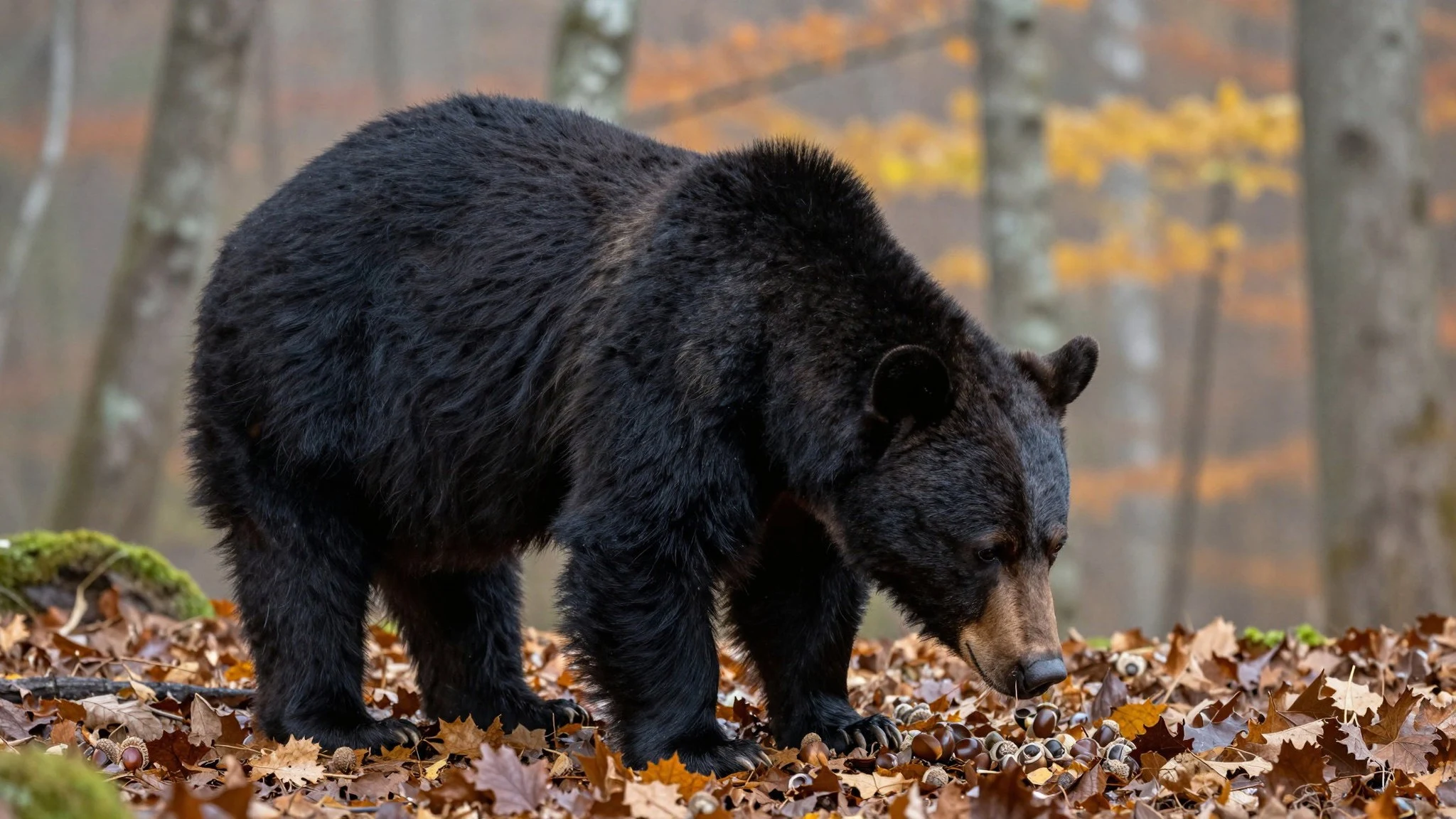
The American black bear is the smallest bear in North America, a medium-sized, forest-loving animal that will eat almost anything, depending on the season. You may meet one in the national park, where it belongs. Stay well back and watch from a distance. Never feed a bear, and keep your food and rubbish secured, so that bears do not learn to look for meals from people. Sometimes hungry bears wander towards towns, which is why care matters.