Florida Keys
Florida Keys, United States
A chain of low coral islands strung across turquoise water, where the road is a causeway and the sea is the main attraction.
The place
The Florida Keys stretch as a winding string of low coral islands from southern Florida, representing the southern tip of the continental United States. From the mainland they swing south-west and then west, ending at Key West, the last inhabited island, with the uninhabited Dry Tortugas beyond. The Atlantic lies to the east and the Gulf of Mexico to the north-west, while the shallow expanse of Florida Bay runs along the inner edge. Cuba is not far across the Florida Straits. Most of the islands belong to Monroe County, with Key West as its seat and home to a large share of everyone who lives in the chain. The land is flat and thin, often little wider than the road itself, so the water is the main event: pale flats, mangrove fringes and reefs close to shore. The climate is tropical, with a hot, wet summer and a dry, breezy, sunny winter that brings most visitors. Fishing and tourism keep the economy going, and the Keys are less about ticking off sights than about beaches, boats, diving and slow evenings. Addresses are given as mile markers along the single main highway, which is how locals say where anything is. Hurricanes are a real part of life here, and evacuations to the mainland do happen.
Its story
The story of the Florida Keys begins with people who left little in writing. The Calusa and Tequesta lived here before Europeans arrived, and in the early sixteenth century Juan Ponce de León charted the islands and called them Los Mártires, the Martyrs, because from the sea the rocks looked like suffering men. The word key comes from the Spanish cayo, a small island. Key West grew rich on wrecking, the salvage of ships lost on the reefs, and its position on trade routes linking New Orleans, Cuba and the Bahamas helped make it the largest town in Florida for many years. Better navigation meant fewer wrecks, and the town declined late in the nineteenth century. For generations the islands could only be reached by water. That changed when Henry Flagler, who had already opened up Florida's Atlantic coast, pushed his railway south over the sea on a string of trestles. Several hurricanes set the work back, but it was finished in the early twentieth century, and the railway and later the road stitched the islands together. Storms stayed a threat. The Labour Day hurricane of the nineteen-thirties, which came ashore near Islamorada, remains the strongest to strike the United States, and its surge washed right across the low islands.
What to see
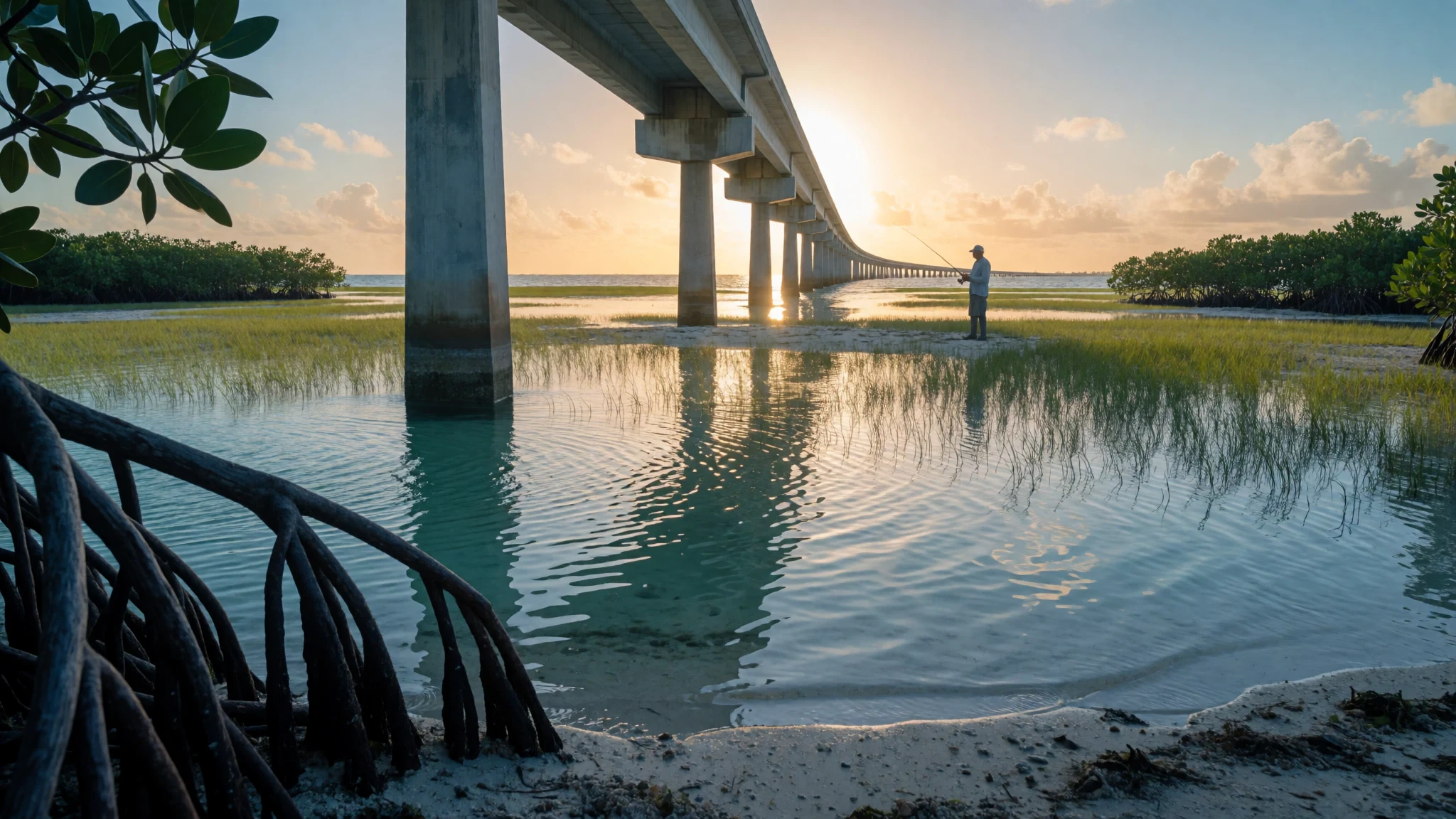
- The Overseas Highway — The whole chain, Miami to Key West
The road itself is a sight. Built along the route of Flagler's old railway, it hops from key to key on long bridges, with water on both sides and mile markers counting the way south. Drive it slowly, stop at the small beaches and fish shacks, and expect traffic on winter weekends.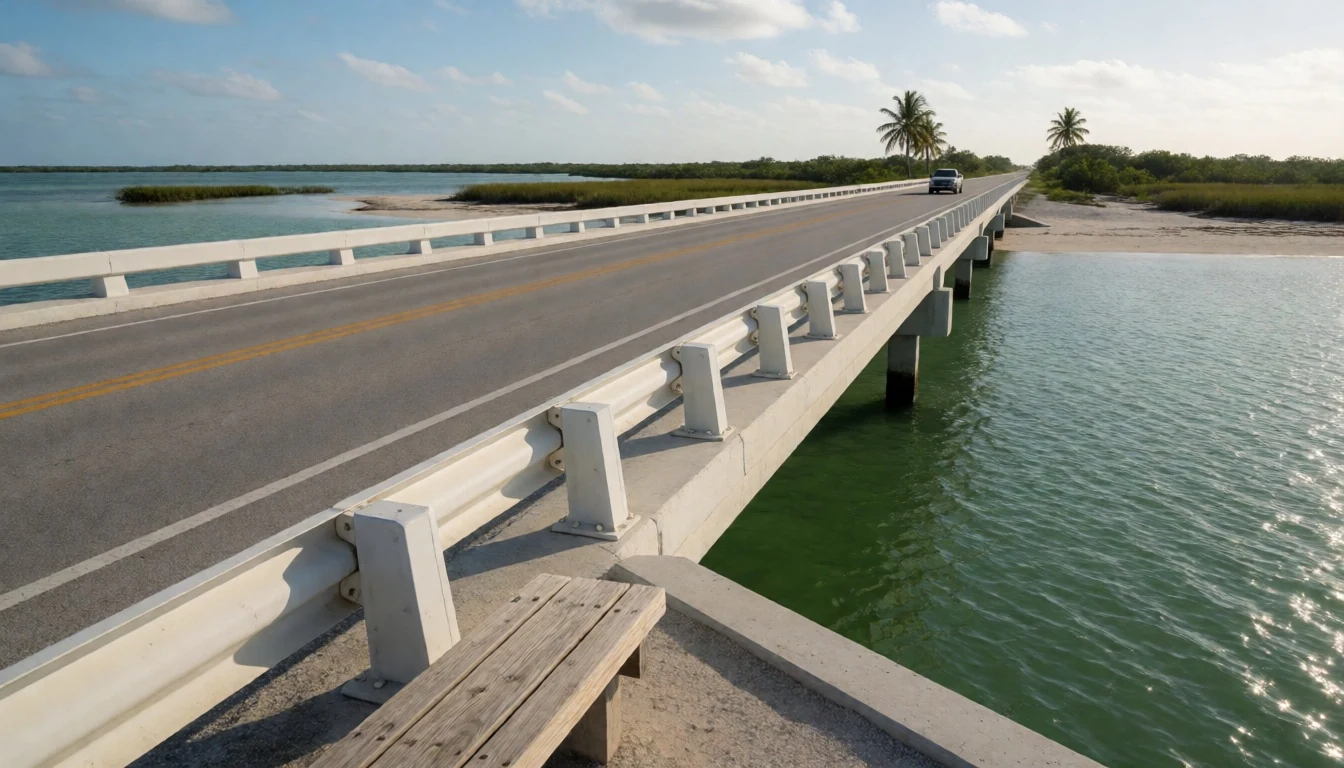
- Old Town Key West and the Hemingway Home — Key West
Key West packs several museums into a walkable grid, including the Ernest Hemingway Home and Museum, Audubon House and Tropical Gardens, and the Key West Art and History Museum in the old Custom House. Wander the lanes in the morning, before the heat and the cruise-ship crowds build.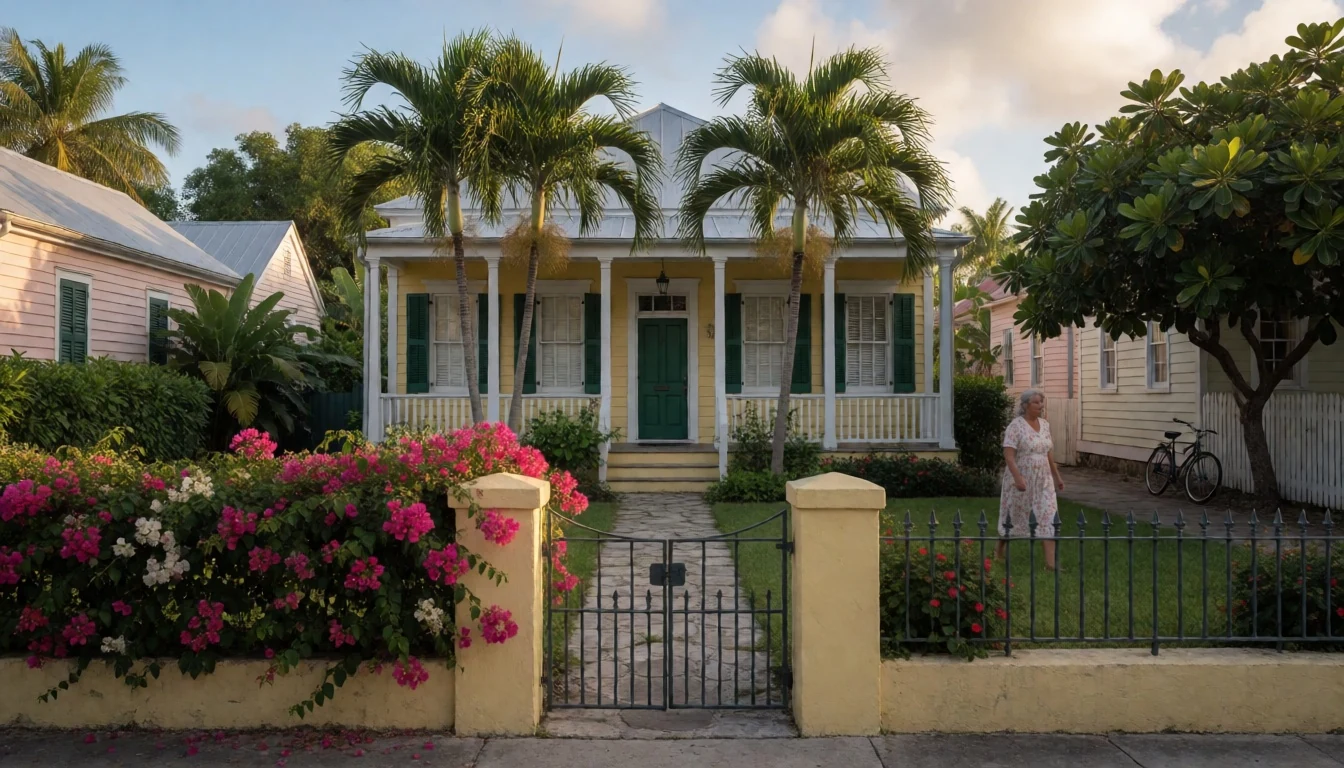
- Bahia Honda State Park — Lower Keys, near Big Pine Key
Bahia Honda is a state park with sandy beaches, clear shallows and wide southern views. It is also known among locals as a dark-sky spot, where the night sky opens up without city glow. Check the official park site for entry arrangements, and note that Monroe County adds a small extra tax.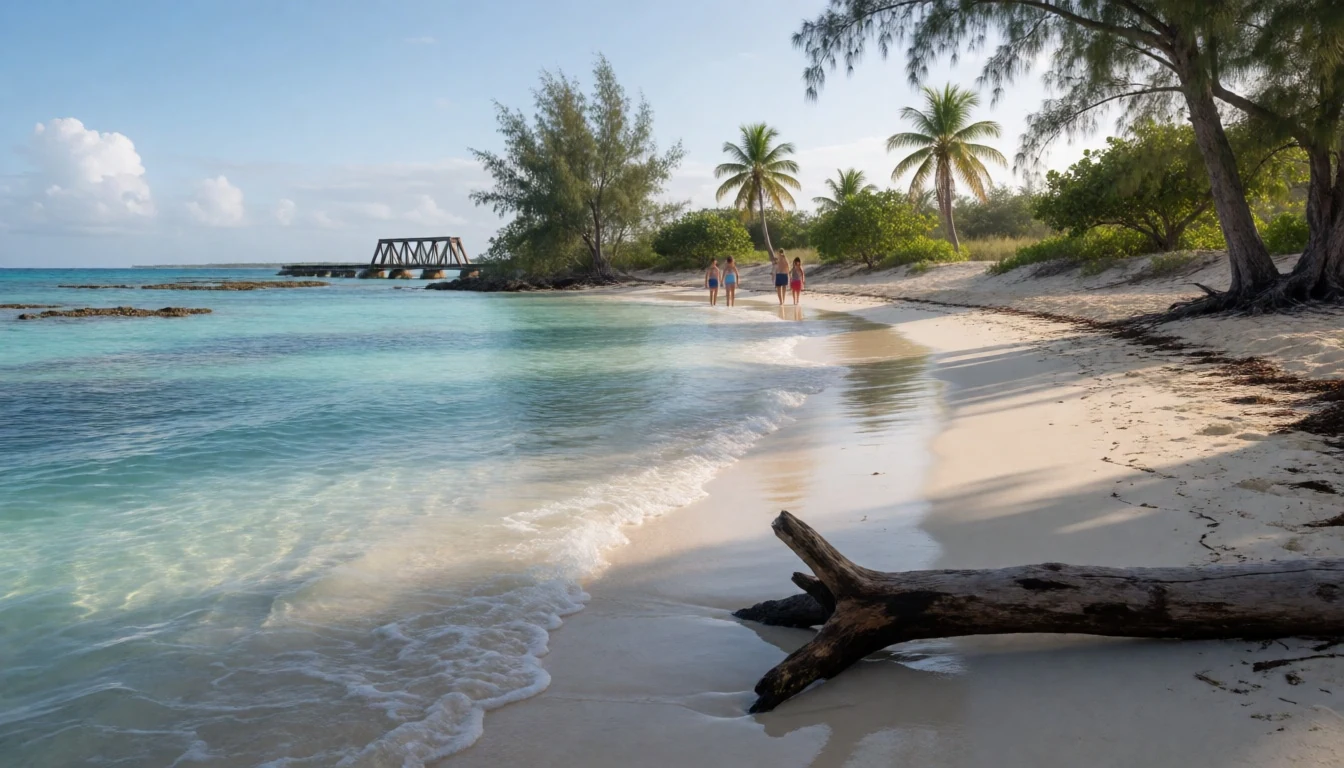
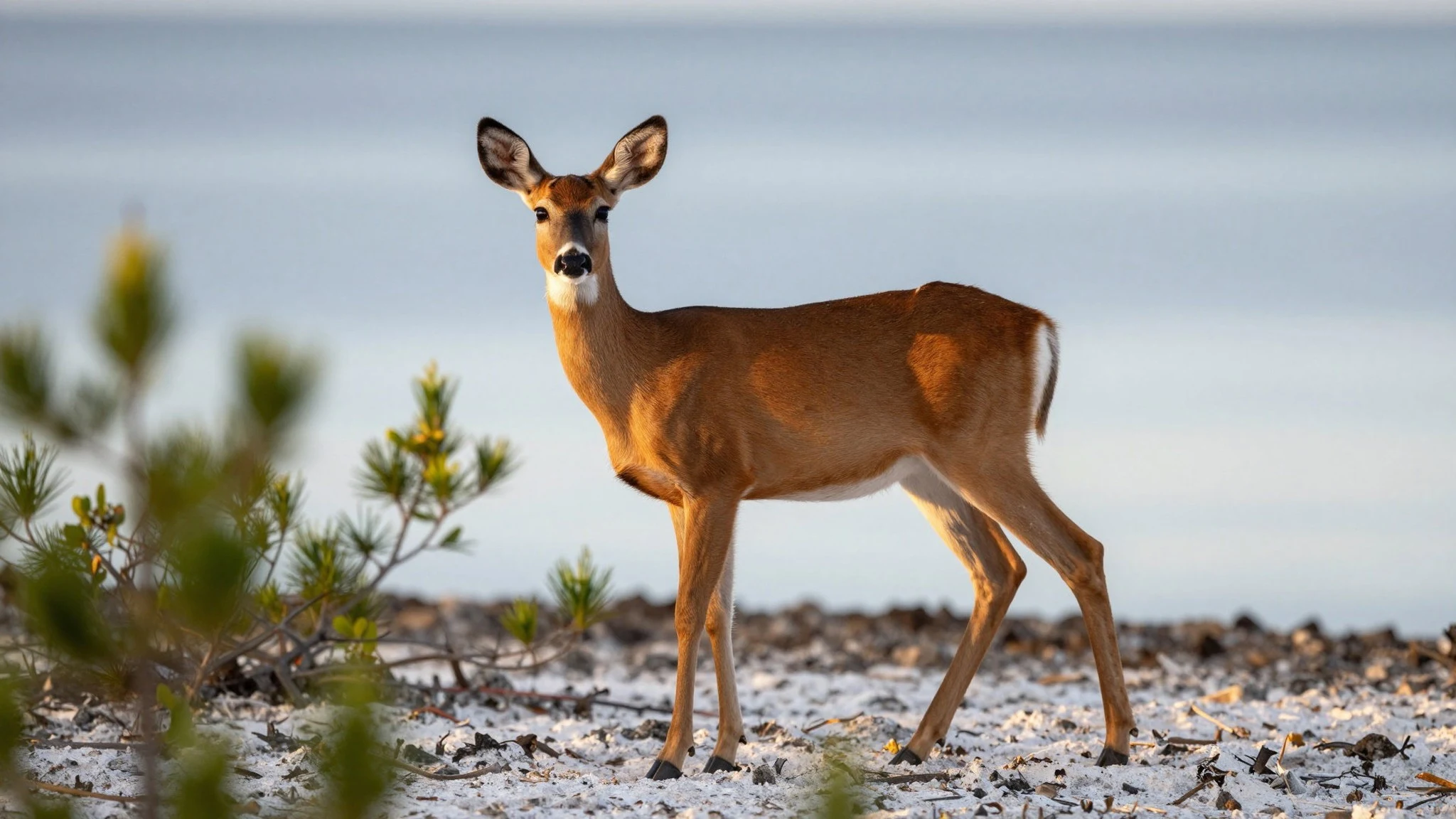
- Key deer on No Name Key — Lower Keys, Big Pine Key area
The small Key deer live in the Lower Keys, and No Name Key is one of the places to look for them, usually at dawn or dusk beside quiet roads. Keep your distance, never feed them, and drive carefully, since the animals are used to the roads and easy to miss.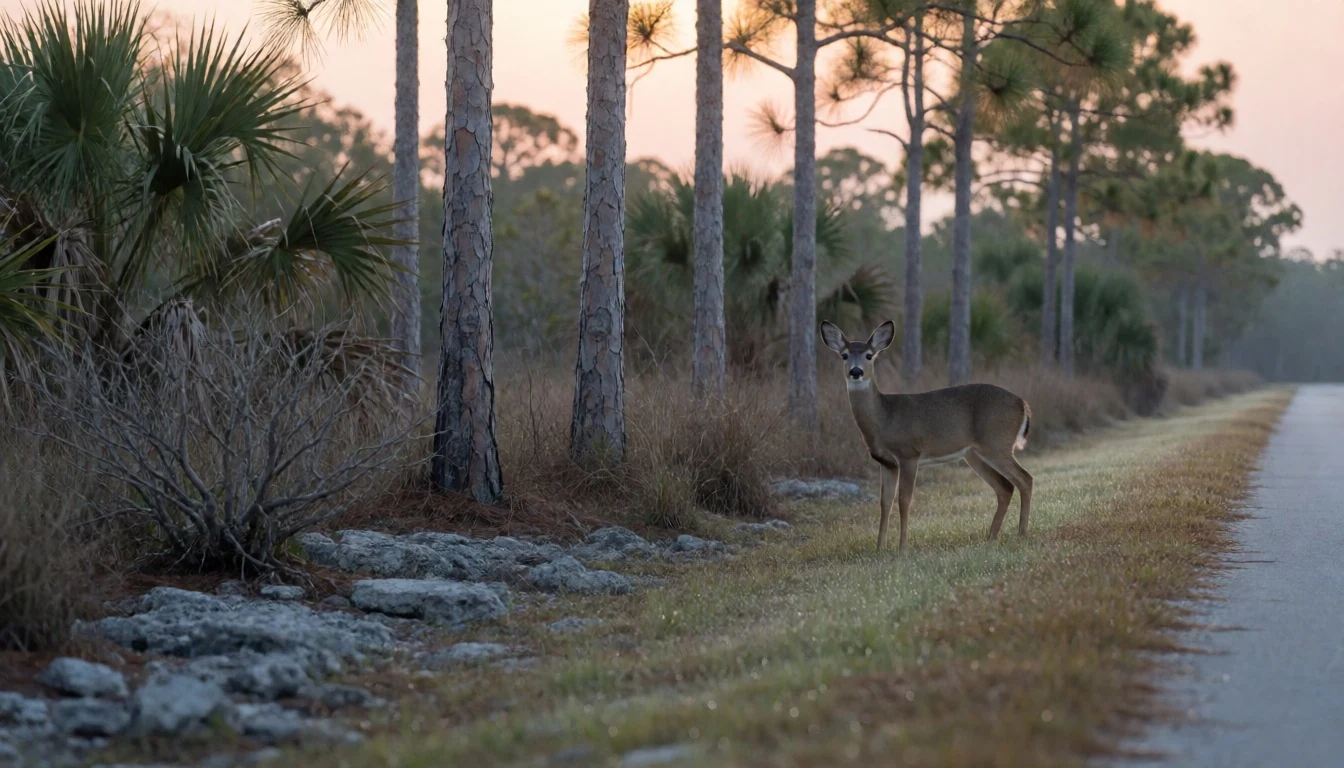
- Reefs and wrecks for diving — Offshore, Upper and Middle Keys
Diving is one of the main reasons people come. Sites between Biscayne National Park and Key West offer warm water, healthy-looking reef and varied marine life, and wreck dives such as Spiegel Grove and the USNS Vandenberg. Book with a licensed operator, and ask about conditions on the day.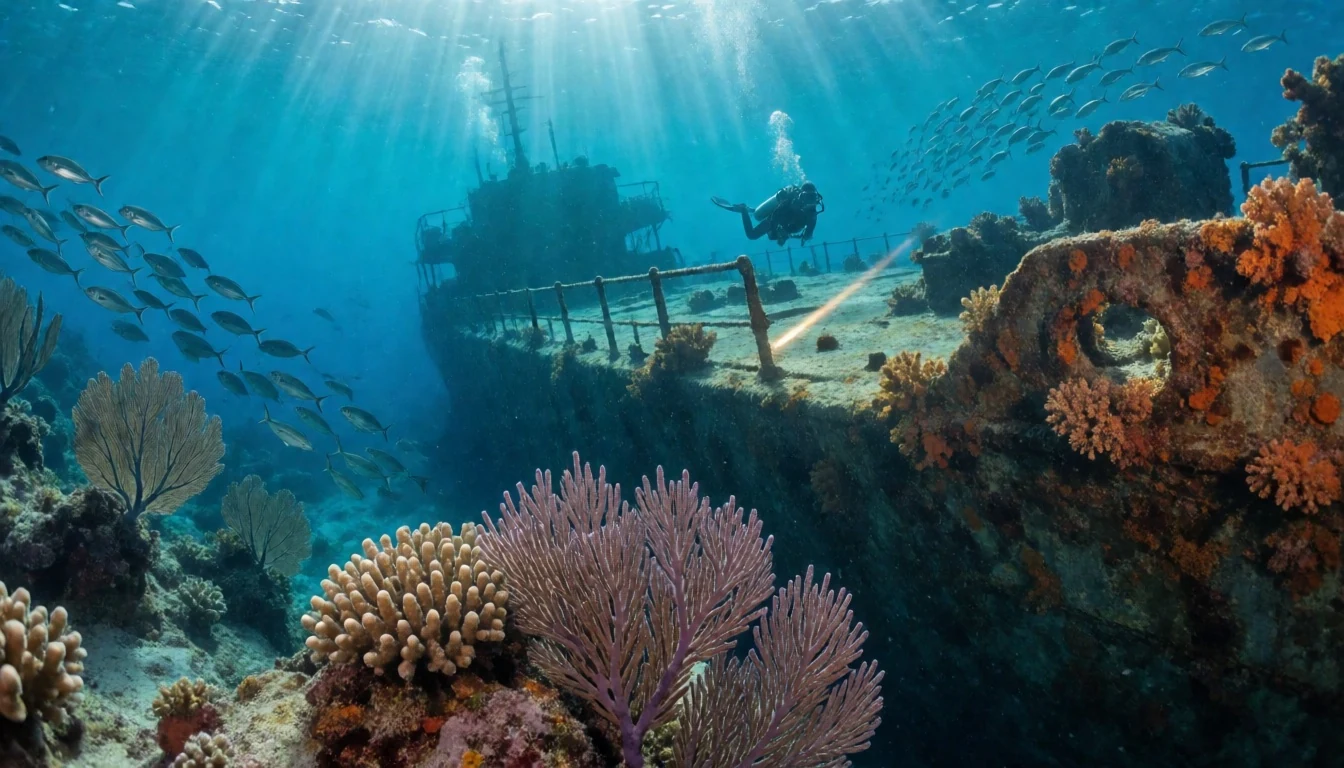
Culture
Life in the Florida Keys is shaped by water and weather. Fishing and tourism are the main industries, and many people work on boats, in dive shops, or in the restaurants and guesthouses that serve winter visitors. Conversation tends to turn to the sea, the wind and the next storm. Key West carries a different mood from the rest of the chain: a mix of Caribbean and Cuban influences, a long history of wreckers and traders, a literary reputation tied to Ernest Hemingway, and a bar-hopping nightlife that locals have a dry sense of humour about. The Upper and Middle Keys are quieter, more about fishing piers, marinas and small artist communities such as the sculpture-filled Rain Barrel area at Islamorada. The dark skies of the Middle and Lower Keys also draw astronomers, and Scout Key hosts the Winter Star Party, an annual gathering of amateur stargazers and astrophotographers. Hurricanes are part of the local calendar, and residents take warnings seriously, so a calm acceptance of closures and evacuations is normal. Pace is unhurried; plans bend around tides, wind and the heat of the day. Whatever the setting, keep your voice and music low near the water and on boats, and never touch, stand on or take anything from the coral or the wildlife.
What to wear
The Florida Keys have no formal regional costume, and it is more honest to say so than to invent one. The nearest thing to a local tradition comes from Key West's Cuban ties, where the guayabera, a loose cotton or linen shirt with pleats and four pockets, is worn at celebrations and by older men on warm evenings. Otherwise the working wardrobe is practical: long-sleeved fishing shirts with vents, wide hats, rubber boots and boat shoes, all built to deal with sun and salt. Today most people wear shorts, light T-shirts, sundresses and sandals, with swimwear under almost everything. Evenings in Key West run more colourful, from printed shirts to flowing dresses, but nothing is formal, and a clean linen shirt passes almost anywhere. Visitors should dress for strong sun and humidity: breathable cotton or linen, a brimmed hat, sunglasses and reef-safe sun cream. Bring a light rain jacket for summer downpours and a thin layer for breezy winter evenings or air-conditioned restaurants. Footwear matters more than style. Pack sandals for the beach, closed shoes for walking, and water shoes if you plan to snorkel or wade over rock and coral. No special dress code applies at the main sights, though cover up when walking away from the beach into shops or restaurants.
What to eat
- Key lime pie — Cafés and restaurants in every town, especially Key West
The Keys' signature dessert is a tart custard of lime juice in a crumbly crust, once made with limes grown here. Almost every restaurant has its own version, from sharply sour to sweet. Try a slice in a small café before deciding which style you prefer.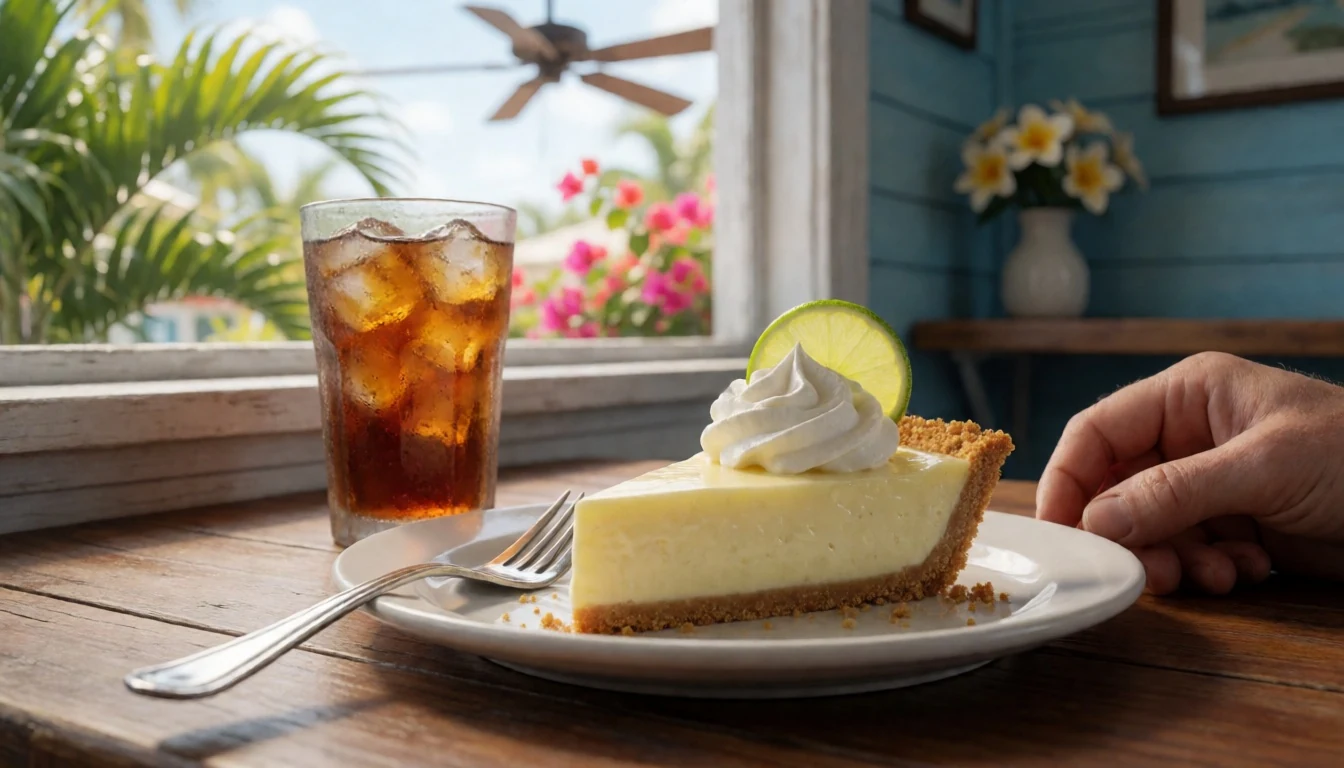
- Conch fritters — Waterfront bars and seafood shacks along the highway
Small fried balls of batter studded with chopped conch, a large sea snail pronounced konk. They are crisp outside, chewy within, and usually served with a dipping sauce. Order them as a starter at a waterfront bar, and compare versions between islands.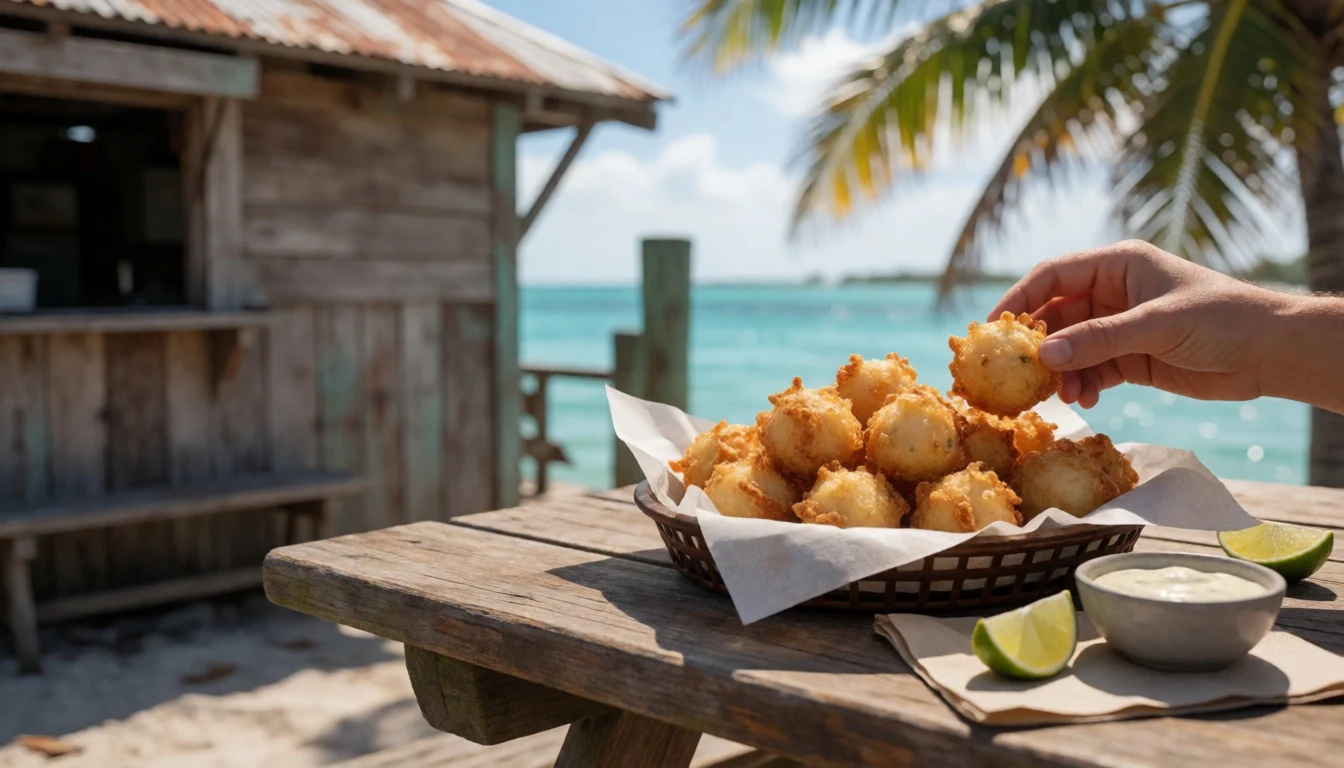
- Conch chowder — Casual seafood restaurants across the Middle and Lower Keys
A warm, peppery soup made with conch, tomato and vegetables. It is hearty enough to count as a light lunch, and tastes best after a morning on the water. Recipes differ from kitchen to kitchen, some thin and tangy, some thick and creamy. - Grilled catch of the day — Dockside restaurants and fish houses near marinas
Local menus lean on whatever the boats have landed, often grilled, blackened or served in a sandwich with a squeeze of lime. Ask what came in that morning, and choose the simplest preparation to taste the fish itself. - Cuban sandwich — Small lunch counters and bakeries in Old Town Key West
Key West's Cuban heritage shows up in pressed sandwiches filled with roast pork, ham, cheese and pickles on soft bread. They are filling, inexpensive and easy to eat on a bench. Pair one with strong, sweet Cuban coffee for a quick lunch.
Plan it
Best time. November to April is the dry season, with sunny skies, warm breezy days and little rain, which is also the busiest time. June to October is hot and wet, with a real risk of tropical storms and hurricanes, so check forecasts and travel insurance terms if you go then.
How long. 3–5
Getting there. Fly to Miami International Airport and drive south on the Overseas Highway, the single road through the chain, to reach Key West; the journey takes most of a day with stops. Key West also has its own small airport, and a ferry links Key West with Fort Myers and Marco Island on the Gulf coast.
Budget. high
Tips
- Book accommodation well ahead for the winter season, especially in Key West
- Start drives and boat trips early to avoid heat and traffic
- Carry water, sun cream and insect repellent, particularly near mangroves at dusk
- Cards are widely accepted, but keep a little cash for small shacks and parking
- Check official park and operator websites for entry arrangements, and watch hurricane forecasts from summer to autumn
Etiquette
- Do not touch, stand on or collect coral, shells or wildlife
- Never feed Key deer, and drive slowly on the Lower Keys roads
- Keep noise down in residential streets and on the water at night
Nearby
Sources
- Wikidata Q537749 (CC0)
- Wikipedia: Florida Keys (CC BY-SA 4.0)
- Wikivoyage: Florida Keys (CC BY-SA 4.0)
- Florida Keys from Key West to Big Pine Key by Sentinel-2 (Copernicus Sentinel-2, ESA) (CC BY-SA 3.0 igo)
- U.S. Route 1, Florida Keys (Shanbin Zhao) (CC BY 3.0)
- Florida plateau (unknown author) (Public domain)
- Floridakeys-nasa (Jeff Schmaltz, MODIS Rapid Response Team, NASA/GSFC) (Public domain)
- Florida Keys from Lower Matecumbe Key to Key Largo by Sentinel-2 (Copernicus Sentinel-2, ESA) (CC BY-SA 3.0 igo)
- The Lower Keys (Richard Weil) (CC0 1.0)
- Royal Poinciana (Averette) (CC BY 3.0)
- Key deer male (Averette) (CC BY 3.0)


Wildlife
- Key deer (animal)
The Key deer is a tiny, endangered deer found nowhere else in the world, a bit like a deer shrunk to fit an island. Look for it in the Lower Keys, including No Name Key, usually at dawn or dusk beside quiet roads. Keep a respectful distance, stay quiet and let it go about its business. Never feed it; that harms these gentle animals and puts them in danger near traffic.