Durango
Durango, United States
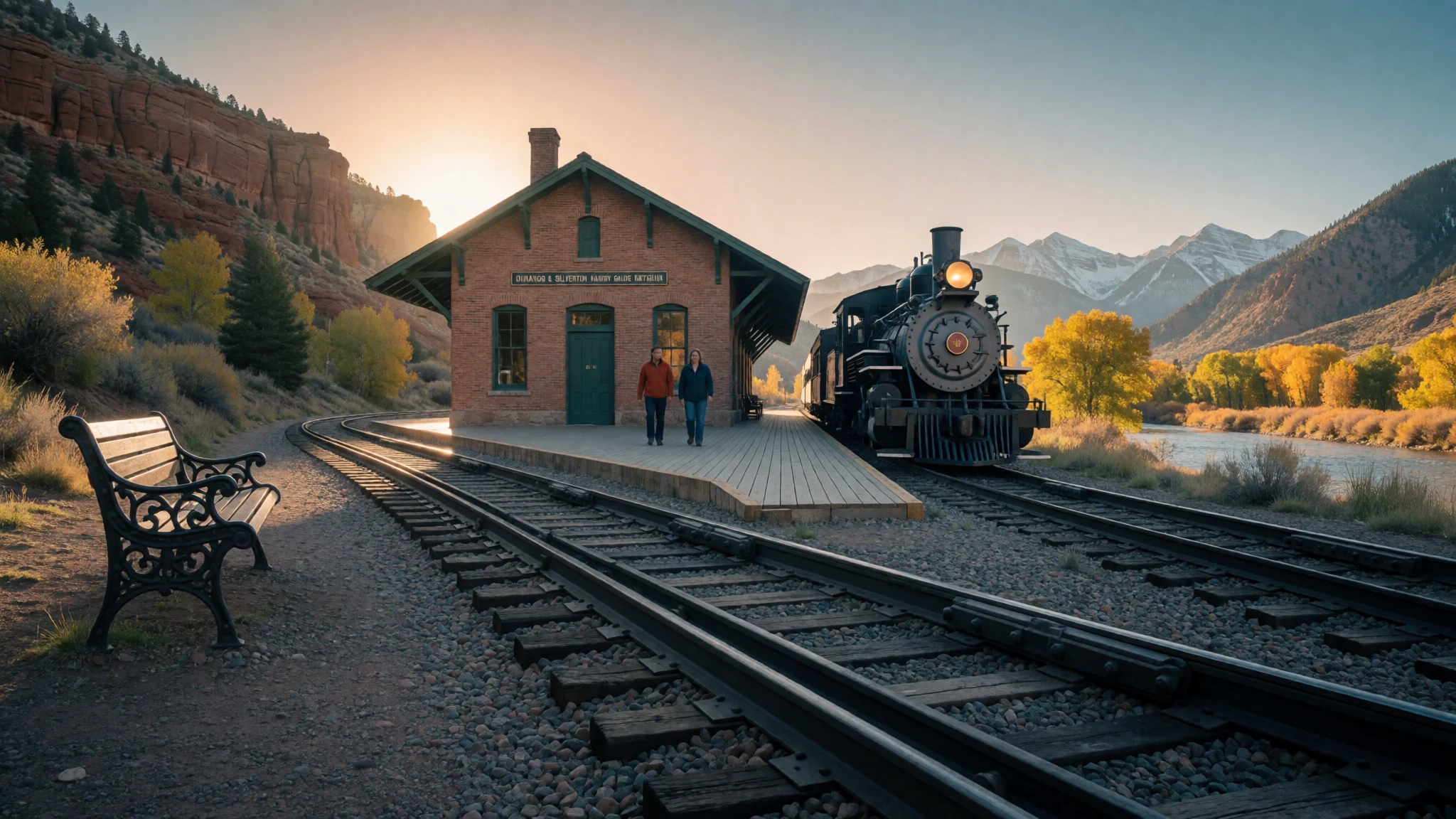
Durango pairs a working steam railway and an Old West main street with river, red bluffs and snowy San Juan peaks right outside town.
The place
Durango sits at 1,988 m in the south-west corner of Colorado, in the valley of the Animas River, and is the county seat of La Plata County. The 2020 census counted 19,071 residents, making it the most populous place in the county, though it still feels like a compact town rather than a city. Red sandstone bluffs line the valley floor, and beyond them the San Juan Mountains rise in ragged ridges that hold snow well into spring. The Four Corners, where Colorado meets New Mexico, Arizona and Utah, is a short drive away, so the town doubles as a base for exploring the wider region. Fort Lewis College gives Durango a student presence that shows in its cafés, bike racks and trail culture. Downtown is organised around Main Avenue, a historic district of galleries, restaurants, bars and shops, with the railway depot at its southern end. The climate is continental: summers are warm and dry, winters cold with real snow, and the altitude makes the sun sharp and the nights cool even in July. Most visitors come for the narrow-gauge steam train, but many stay for the river, the mountain biking, the skiing at Purgatory and the easy conversation with locals, who have a name for being friendly and unfussy. Summer weekends bring crowds and higher accommodation costs, while spring and late autumn are quieter, if less predictable.
Its story
Durango began as a railway project rather than a settlement that grew by chance. Long before that, the Ute people lived in and moved through this part of the Animas Valley. The Denver and Rio Grande Railroad, pushing a line towards the mining camps of the San Juan Mountains, chose the site in the months leading up to 1881 as a base for its yards and workshops. A small community called Animas City already stood a little way up the valley, but negotiations with it were brief, and the railway simply built its own town beside the river. The new place was named by a former Colorado governor, and it grew quickly as a hub for freight, passengers and supplies. The purpose of the whole enterprise was the line to Silverton, where silver and other ore had to be hauled down from the high country. Once the tracks reached that mountain town, the trains carried both goods and people, and Durango prospered on the traffic. Labourers on the line were paid modest daily wages, and the town's early character was shaped by railwaymen, miners and merchants. Mining faded in time, but the railway did not disappear. Today the same route runs as a heritage line, still using historic steam locomotives and old rolling stock, so the reason Durango exists is also the reason many people visit it.
What to see
- Durango & Silverton Narrow Gauge Railroad — Railway depot, south Main Avenue
The steam train that gave Durango its reason for being still leaves from the depot at the southern end of Main Avenue, bound for the mountain town of Silverton. The round trip is a full day with time to wander at the far end. Book ahead in summer, and check the railway's own site for schedules.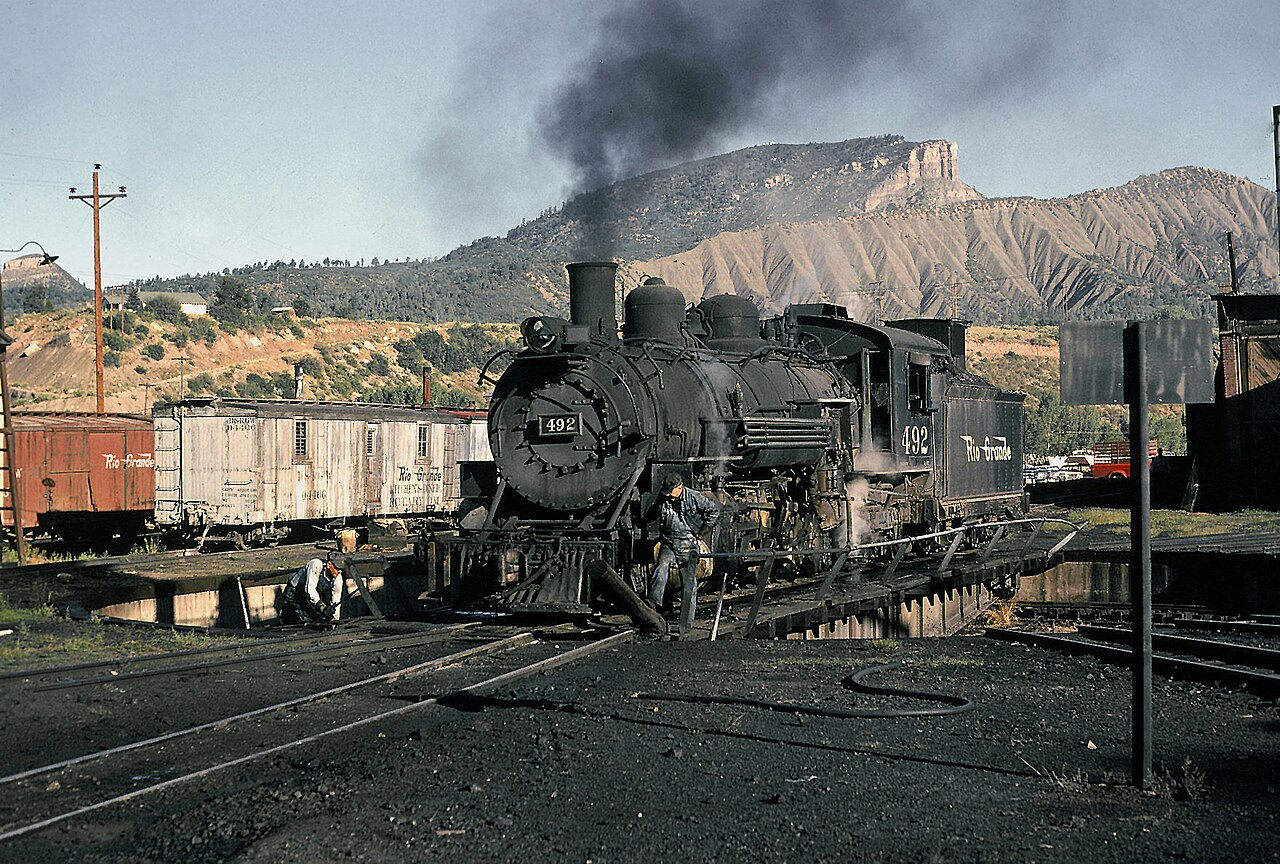
- Historic Main Avenue — Downtown
Main Avenue is a registered historic district and the old centre of town. Brick façades hold galleries, boutiques, restaurants and bars. The Strater and the General Palmer, two historic hotels, stand near the railway end. Walking it slowly in the morning gives the clearest feel of the town's Old West image.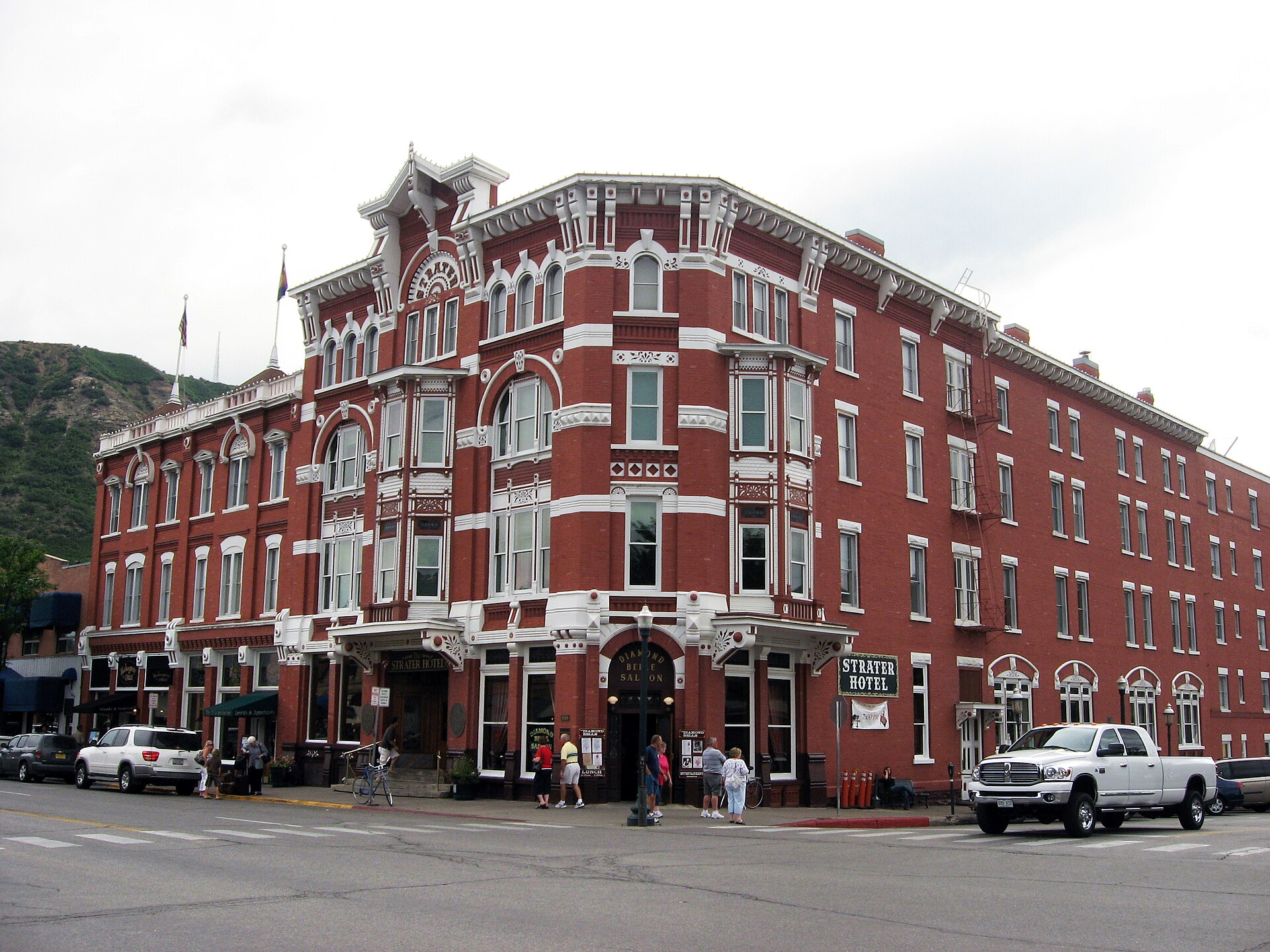
- Fort Lewis College Rim Trail — Fort Lewis College, above downtown
The college campus sits on a bluff above town, and a trail along its edge looks back over Durango, the valley and the mountains beyond. A road circles the campus perimeter for those who prefer to drive. It works well as a short late-afternoon outing when the light softens.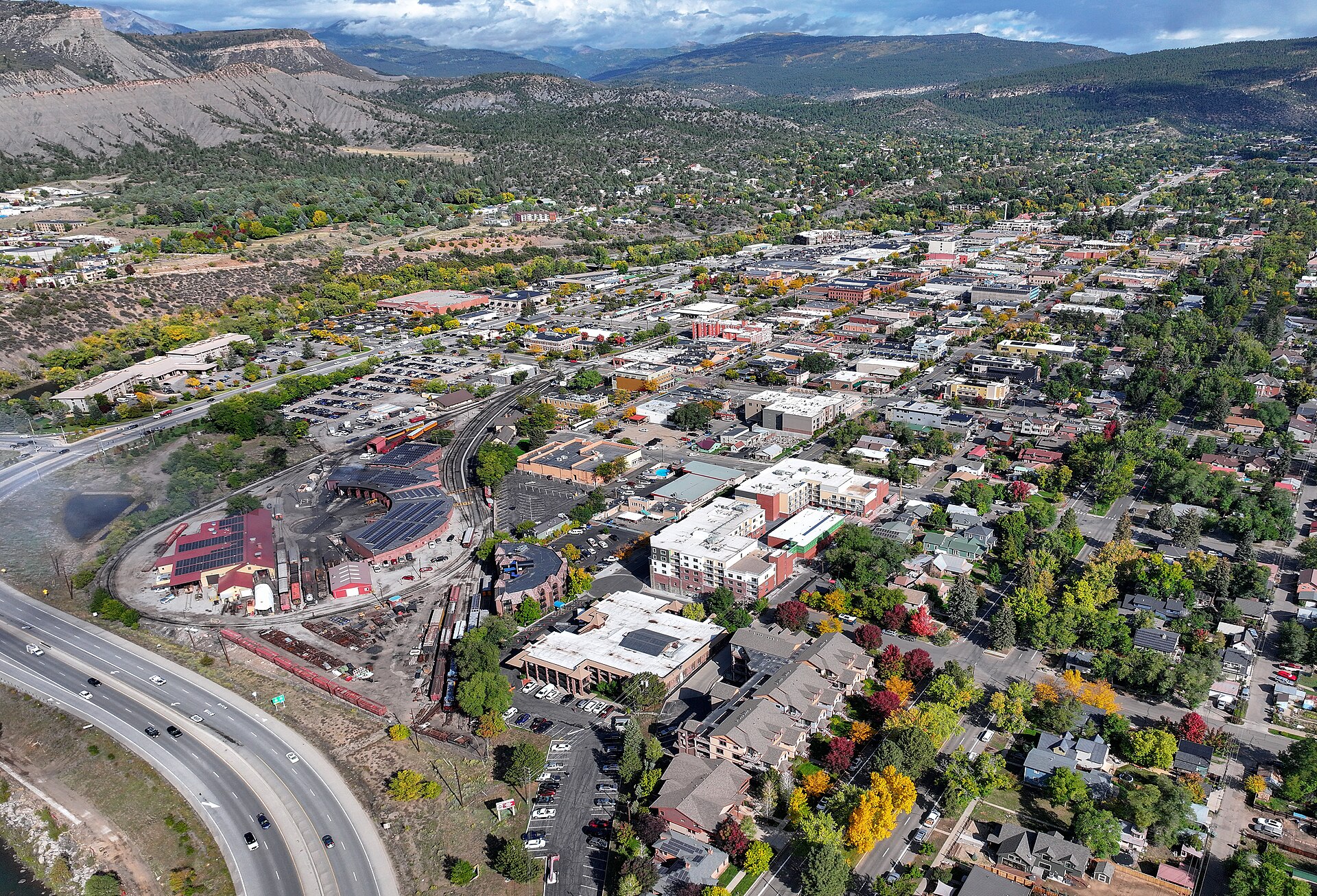
- Powerhouse Science Centre — Riverfront, near downtown
A science museum in a converted building beside the river, close to downtown. It makes a sensible choice on a wet or very cold day, or for families who need a break from trains and trails. Check the official listing for opening times before going. - Purgatory at Durango Mountain Resort — North of Durango, San Juan Mountains
North of town, the road climbs into the San Juan Mountains to the Purgatory ski area. Winter brings skiing and snowboarding, while the warmer months bring lifts, trails and cooler air. Mountain weather changes fast, so carry layers whatever the season, and expect snow on the road in winter. - Vallecito Lake — San Juan National Forest, northeast of Durango
A lake in the San Juan National Forest, northeast of town, used for fishing, boating, hiking and horse riding in summer. It is quieter than the railway corridor and suits a half-day escape. Services are limited, so bring food and water and check conditions on the forest's official pages.
Culture
Durango's culture blends railway heritage, Old West theatre and a young, outdoorsy college-town energy. The Ute people were the first inhabitants of the valley, and their history sits behind the later story of railwaymen, miners and ranchers that the town prefers to tell. Main Avenue carries most of that story in its brick buildings, and the steam train is treated as a living piece of working heritage rather than a museum exhibit. Cowboy entertainment is part of the offer, with chuckwagon suppers and stage shows in the valley, and it is best taken in good humour as a performance of the past rather than the past itself. Beyond the nostalgia, daily life revolves around rivers, trails and snow: people talk about conditions, bikes and skis much as other towns talk about traffic. Galleries and live performance at the arts centre add a quieter creative strand, and the college keeps the cafés busy during term. Locals are known for being easy-going and chatty, and a friendly greeting in a shop or on a trail is normal. Tourism is year-round, but summer and ski season are the busiest. Near the depot and turntable, keep behind the barriers and off the tracks, and ask before photographing staff or other visitors up close.
What to wear
Durango has no single regional costume, so the clothing story here is layered. The Ute people, who first lived in this valley, traditionally wore tanned hide, often decorated with beadwork, and ceremonial dress of that kind is worn today at powwows and cultural events rather than in daily life. Ranch and railway history left the Western look behind: denim, felt or straw hats, leather boots and woven blankets, still seen at rodeos, cowboy shows and in the town's boutiques. Across the Four Corners region, Navajo weaving and silver jewellery are widely sold, and Durango's galleries stock such work. What people wear day to day is practical outdoor clothing: fleece, technical jackets, trail shoes, sandals in summer and caps against the sun. Few places expect smart dress, and a clean shirt and jeans suit almost any restaurant. Visitors should dress for altitude and changeable weather. Bring layers even in July, since mornings and evenings run cool, plus a hat, sunglasses and high-factor sun cream because the thin air makes the sun strong. Waterproofs help in the afternoon storms of summer, while winter calls for a proper coat, gloves and boots with grip. Sturdy walking shoes handle the trails, and a warm jacket is wise on the open train carriages.
What to eat
- Local beef and wild game — Restaurants along Main Avenue
Beef and game such as elk and venison appear on Durango menus, often alongside locally grown produce. Look for steaks, burgers and stews on Main Avenue and in ranch-style dining rooms, and ask staff what is local that day. - Mexican plates — Family-run Mexican restaurants downtown
The town has several authentic Mexican restaurants serving enchiladas, burritos and chile-smothered dishes. Green and red chile are the usual choices. Ask for a mild sample first if the heat is a worry, since local kitchens can be generous with it. - Texas-style barbecue — North Main Avenue and the main road through town
Slow-smoked brisket, ribs and sides turn up at barbecue restaurants along North Main Avenue. It is hearty, filling food that suits a day on the trail or after the train. Portions are generous, so sharing is sensible. - Chuckwagon supper — Ranch-style venues in the valley outside town
A cowboy-style supper, usually of roast meat, beans and bread, eaten at long tables with live music afterwards. It is touristy by design and good fun with a group. Book ahead in summer, and check the venue's own site for dates. - Diner breakfasts and honey — Cafés and diners downtown, and local markets
Diners and cafés serve eggs, pancakes and strong coffee, often with local honey and cheeses on the side. They are the usual way to start before an early train or hike, and are fairly relaxed about seating at busy times.
Plan it
Best time. June to October: summer is warm and dry for the train, river and trails, and September and October bring cooler air and clearer days. Winter suits skiers, but snow can close high passes such as Wolf Creek Pass on the road from the east.
How long. 2–3
Getting there. Durango–La Plata County Airport serves the town; check current routes. By road, highways reach Durango from all directions, but driving in from the east on US 160 crosses Wolf Creek Pass, which often closes in winter. Silverton and Mesa Verde are reachable from town for day trips.
Budget. mid
Tips
- Book the steam train well ahead in summer and on autumn weekends, and check the railway's own site for schedules
- Allow a day or two to adjust to 1,988 m: drink plenty of water, go easy on alcohol and wear sun protection
- Carry layers and a waterproof, since mountain weather changes quickly
- Check road conditions before driving over high passes between late autumn and spring
- Visit the official city site, www.durangogov.org, for local notices and events
Etiquette
- Stay behind barriers and off the tracks near the depot and rail yard
- Ask before photographing people, and respect private land when hiking or fishing
- Pack out rubbish on trails and around the lake
Nearby
Sources
- Wikidata Q1012665 (CC0)
- Wikipedia: Durango, Colorado (rev 1383504222) (CC BY-SA 4.0)
- Wikivoyage: Durango (Colorado) (rev 5401367) (CC BY-SA 4.0)
- Photo: Aerial view of Durango, Colorado — Quintin Soloviev (CC BY 4.0)
- Photo: The Strater Hotel — Ken Lund (CC BY-SA 2.0)
- Photo: D&RGW 492 Durango turntable — Drew Jacksich (CC BY-SA 2.0)
- Photo: 2011 Road Odyssey (5868297949) — cogdogblog (CC BY 2.5)
- Photo: 2011 Road Odyssey (5868859300) — cogdogblog (CC BY 2.5)
- Photo: USDA Rural Development (7929972622) — USDAgov (CC BY 2.5)
- Photo: USDA Rural Development (7929972148) — USDAgov (CC BY 2.5)
- Photo: USDA Rural Development (7929971448) — USDAgov (CC BY 2.5)


