Douala
Douala, Cameroon
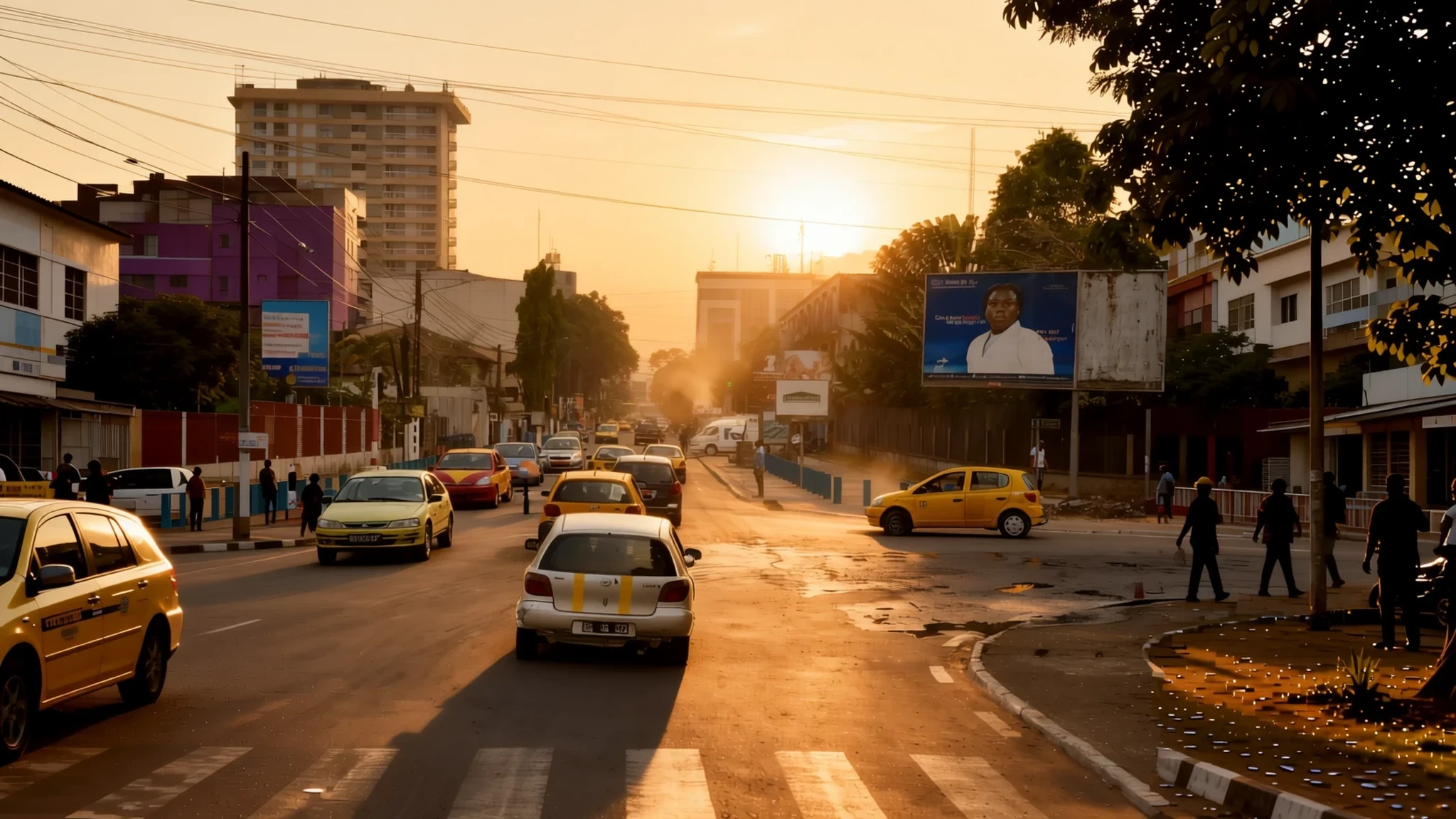
Douala is Cameroon’s working harbour city—hot, busy and coastal—where art, history and everyday food spill out onto the streets.
The place
Douala feels like a city built for movement: ports, markets, traffic, music, and the Wouri River shaping everything around it. On the Atlantic coast of Cameroon, it sits where water and commerce meet, and you can sense that rhythm in the way people go about their day.
As the country’s economic capital and the main hub for the CEMAC region, Douala handles a lot of exports—oil, cocoa and coffee, timber, metals and fruits—so the skyline has that practical, business-first energy. It’s also the administrative centre of the Littoral Region, with government buildings, galleries, churches and modern venues living side by side.
Expect a tropical monsoon climate: warm temperatures that stay relatively steady through the year, plus stretches of warmth that can feel heavy with humidity. The best travel months listed are January, February, and December—when temperatures are coolest and the dry spells make sightseeing feel far less punishing.
The city is spread across different quarters, and the “best” Douala is usually found by moving rather than hovering: walk a few blocks, then change streets; try a market-side snack, then duck into a cultural stop. Crowds vary by neighbourhood, but the overall vibe is always lively. It’s not a place for rushing—Douala rewards patience, planning for heat and humidity, and having a few cash payments ready for small purchases.
Its story
Douala’s story starts with the coast. The earliest European visitors in the area were Portuguese, coming to a river estuary that was known as the Rio dos Camarões, and contact with outsiders gradually shaped local life. Later, the settlement grew through waves of migrants, with communities forming around different places along the Wouri.
As trade expanded, the region became a crossroads linked to wider Atlantic routes, including the transatlantic slave trade. That history still sits beneath the present-day city, even when today’s focus is on work, shipping and everyday commerce.
By the nineteenth century, the town was described as a mix of distinct local villages, and colonial powers arrived with their own plans. German rule followed during the period when the area became a German protectorate, and later the governance shifted again when French and British mandates took over the German colonial territories after the First World War. Douala’s role as a political and administrative centre also came and went—its importance tied closely to who controlled commerce and ports.
What makes Douala feel coherent is that the present is never separate from the past. The city’s layout reflects the river, its bridges connect neighbourhoods, and its cultural venues and memorial-style landmarks echo older layers. Even the way people dress for the heat, the way streets bustle, and the way seafood-and-street food circulates all underline the same idea: Douala is a port city first, and everything else grows around that.
What to see
- Douala Maritime Museum — Bonanjo
Douala Maritime Museum is a strong introduction to the city’s port identity, including how the maritime world shaped local life. The building has a boat-like form, and it sits in Bonanjo’s administrative area, so it’s easy to pair with nearby civic sights.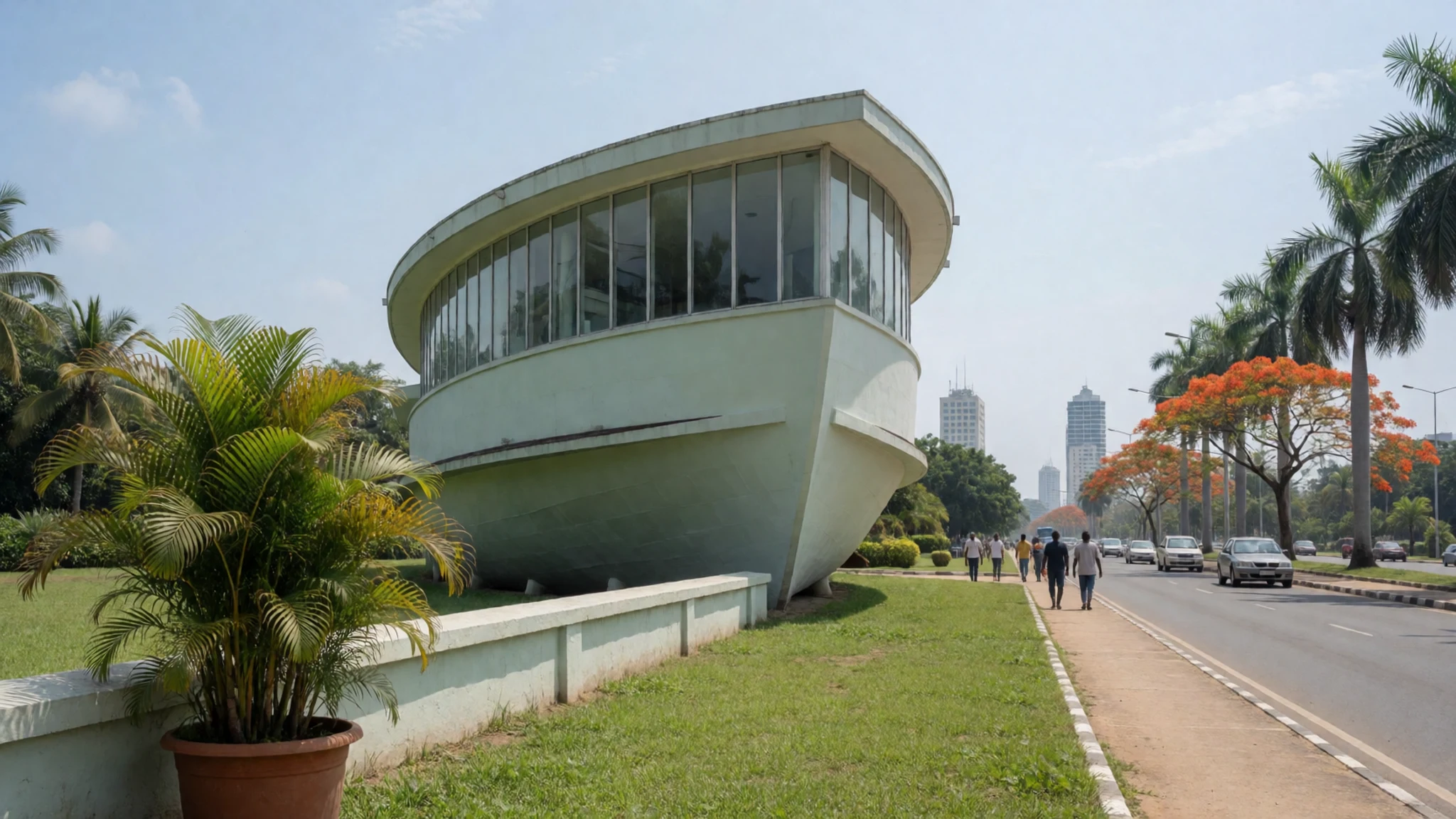
- Place du Gouvernement — Bonanjo
Place du Gouvernement is centred on a colonial-style complex near Doual’art and the Parc Bonanjo area across the street, with a monument to an unknown soldier. It’s a good, straightforward stop for understanding the city’s civic core and walking between cultural points.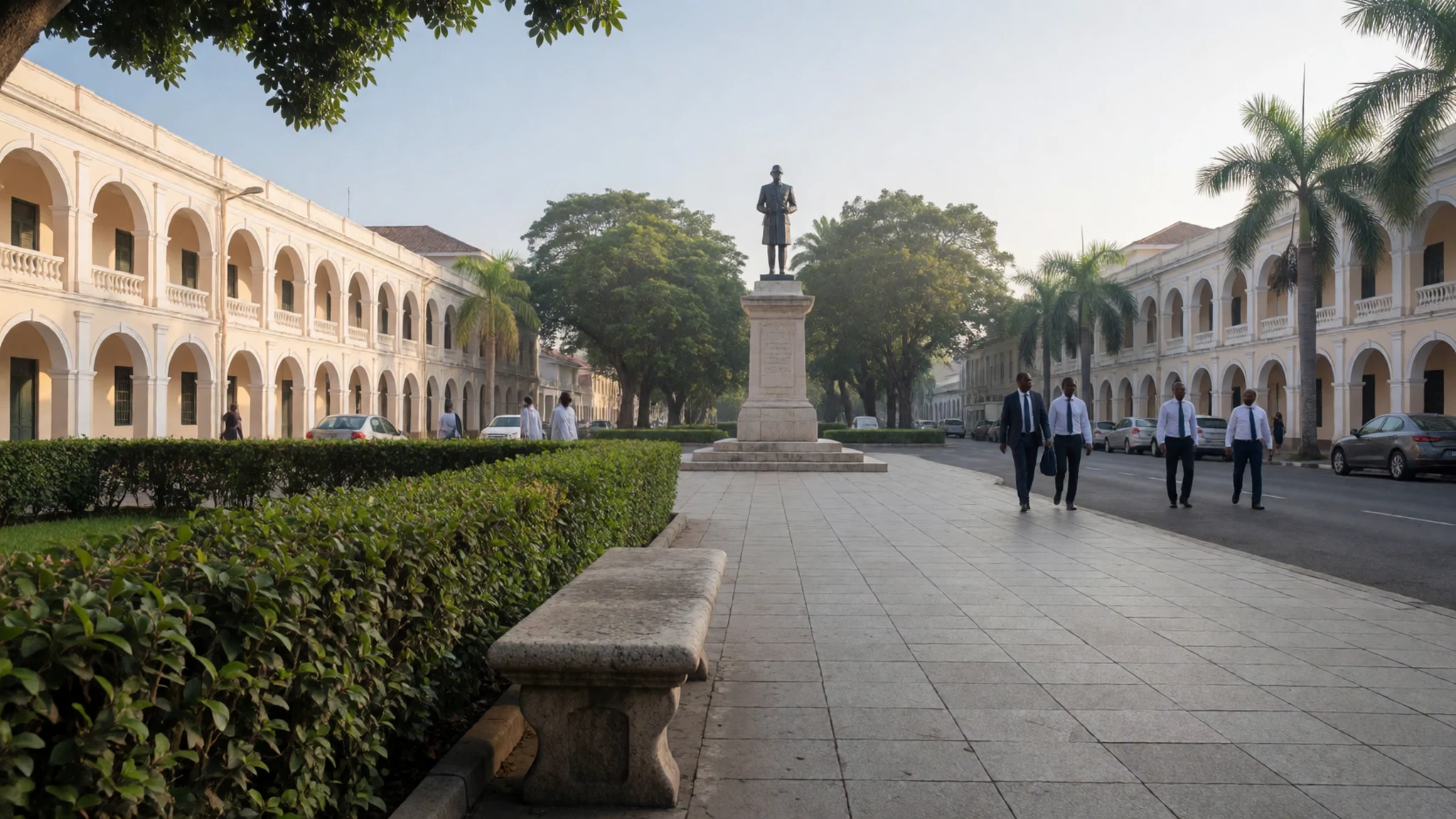
- Cathedral of St Peter and Paul Bonadibong — Bonadibong
The Cathedral of St Peter and Paul Bonadibong is a calm contrast to the street noise—an ecclesiastical landmark you can use as an anchor for a longer loop in the Bonadibong side of the city. Arrive in daylight to catch details clearly.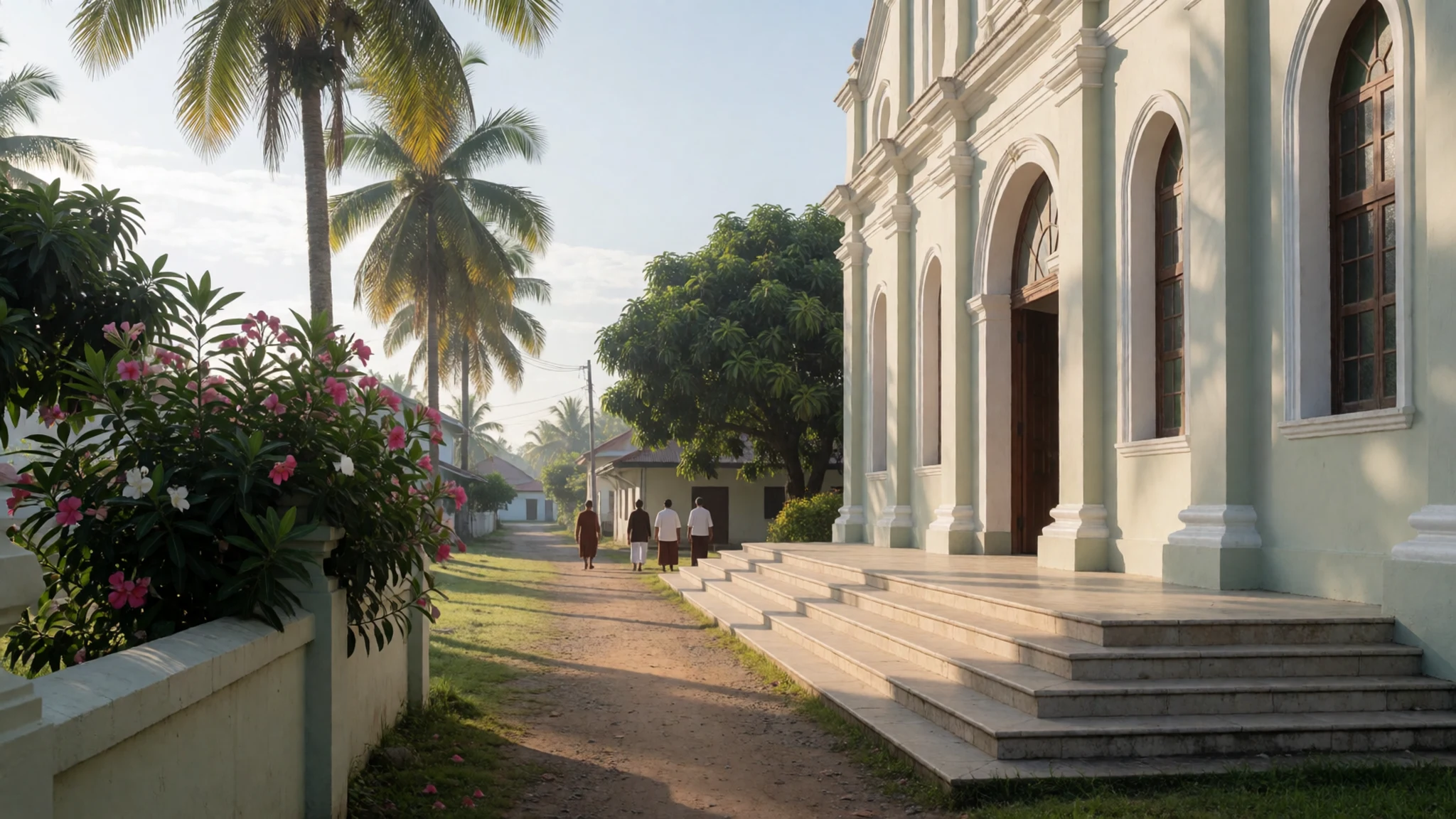
- Doual’art (La Pagode) — Bonanjo
Doual’art, housed in La Pagode, puts local artists and community creativity at the centre. The venue’s architecture nods to a pagoda shape, so it’s visually recognisable, even when you’re just passing through the neighbourhood.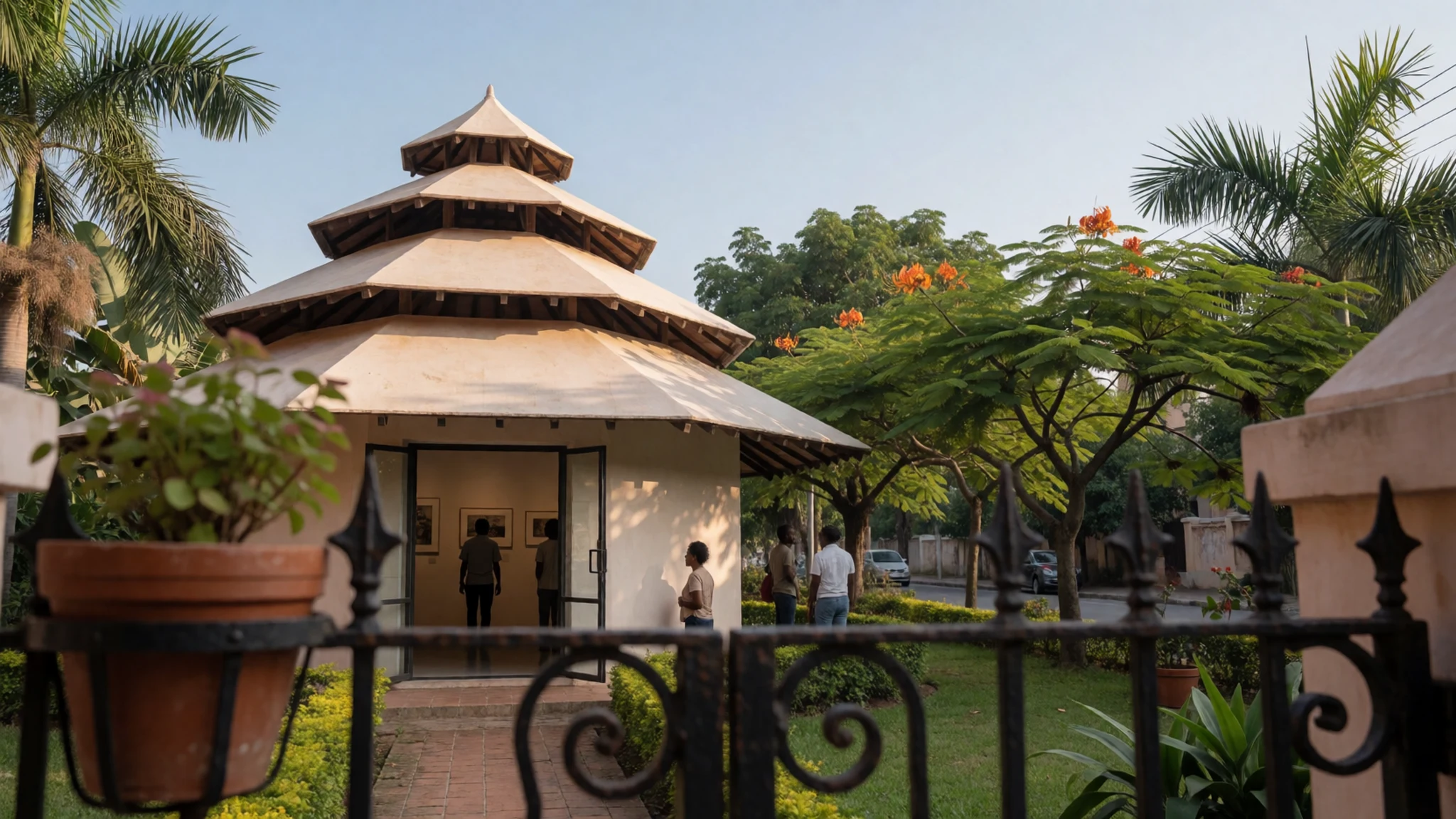
- La Nouvelle Liberté — Douala roundabout area
La Nouvelle Liberté is an abstract roundabout artwork and monument made from recycled metal, associated with Joseph-Francis Sumégnél. It’s an easy photo stop in the middle of city movement, and it sparks conversation—freedom themes made physical.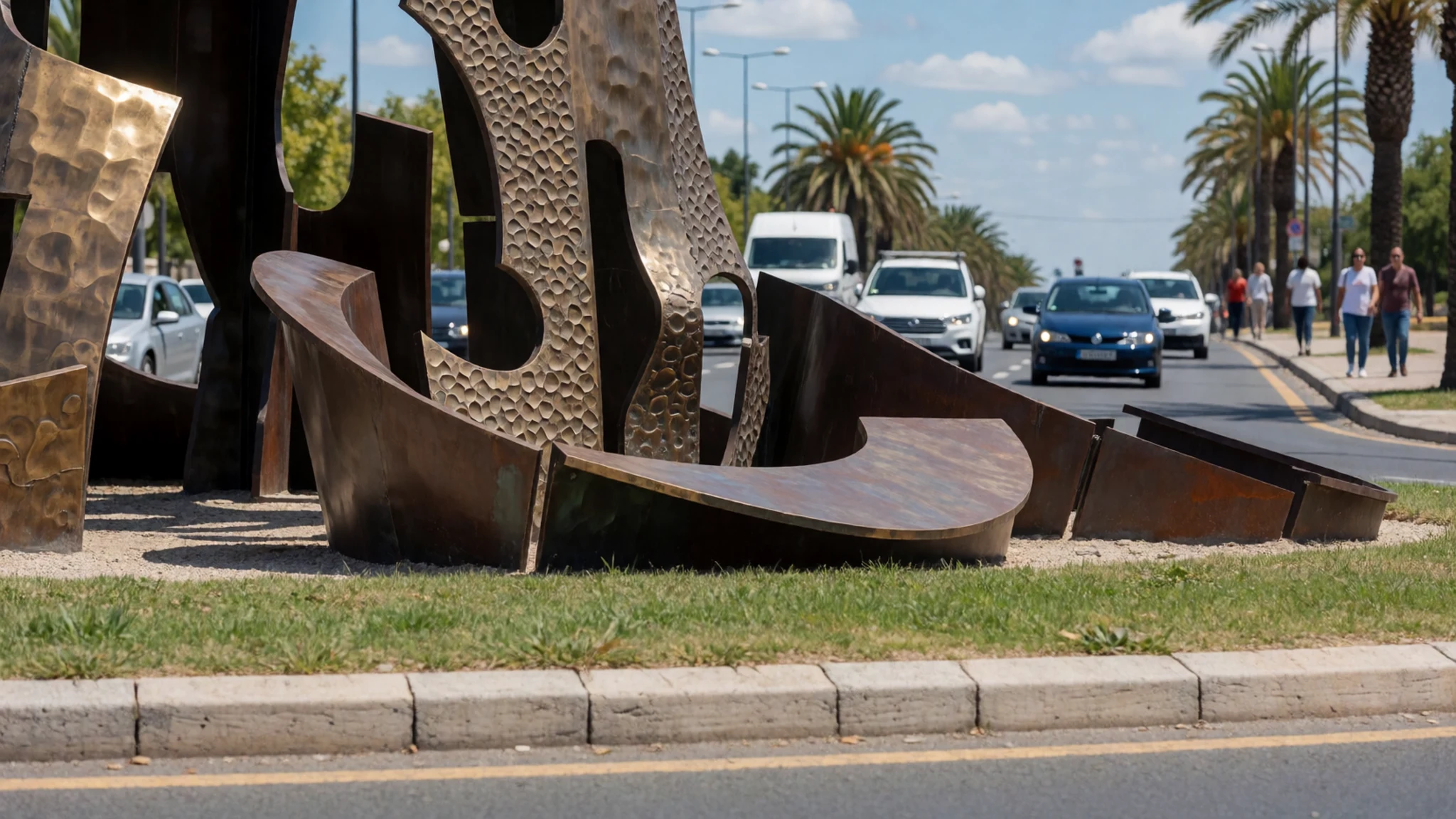
- CanalOlympia Bessengué — Bessengué
CanalOlympia Bessengué is where you can catch performances and events in a cinema-and-venue setting. It’s useful if you want a break from daytime heat and a chance to experience Douala’s entertainment side beyond museums and markets.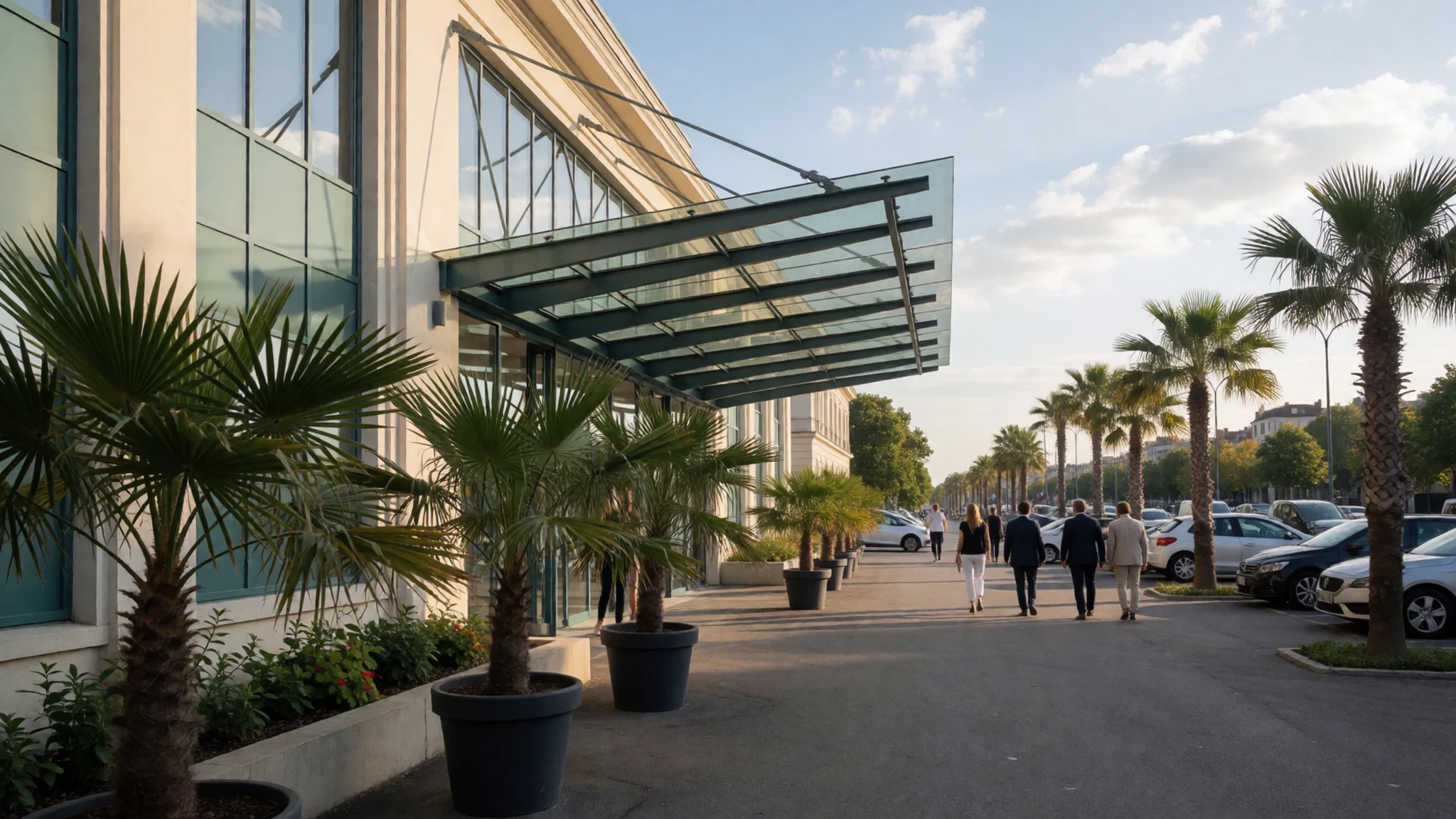
Culture
Douala’s culture is loud and communal: galleries, churches, public art and performance spaces sit inside the same street ecology as everyday errands. The city’s maritime and port legacy shows up in how people think about work and movement, while modern creativity appears in venues like Doual’art and in street-facing art at major roundabouts.
Local etiquette is mostly about respect and comfort. People often dress for the heat, and visitors should aim for breathable fabrics and practical footwear. In religious spaces, keep voices down and dress modestly, especially at entrances. When you’re photographing artworks or public monuments, it’s usually fine to take pictures, but patience helps—especially when there are people passing through or waiting.
Because Douala is a working city, crowds can build around event venues and popular public areas, but the pace can also soften at cultural stops. If someone is clearly doing something important—crossing, collecting goods, attending an event—don’t hover in their path; step aside, then continue once it’s natural.
Visitor etiquette: dress modestly for churches, keep phone cameras discreet around people, and avoid blocking walkways in busy cultural spots.
What to wear
In Douala, clothing choices revolve around humidity and heat. Traditional dress in the region includes Sawa cultural styles, often worn for ceremonies and community events, with patterned fabrics and coordinated wraps or tailored pieces. Textile details—prints, colours and draped shapes—are a big part of the look, and you’ll notice how neatly they’re arranged when people dress up for gatherings.
Day-to-day wear is practical: lightweight shirts, trousers or skirts, and breathable dresses are common, along with sandals or sturdy shoes that can handle uneven sidewalks. In busier areas or when there’s a lot of walking, loose-fitting items are a comfort advantage.
For visitors, pack light layers you can sweat in and still move comfortably. If visiting churches, cover shoulders and avoid very short hemlines; long skirts or trousers and a top with sleeves help. For markets and outdoor wandering, choose closed-toe shoes or sandals with a good grip—rainy conditions can make ground surfaces slick. Bring a small umbrella or light rain layer even when the forecast looks calm, because humidity and showers can arrive without much warning.
What to eat
- Nice Cream — Bd de la Liberté
Nice Cream on Bd de la Liberté is a laid-back stop for sweet cravings after heat—ice cream and milk shakes, plus diner-style bites like pizza and shawarma. It’s the kind of place you pop into when you want something easy and reliable.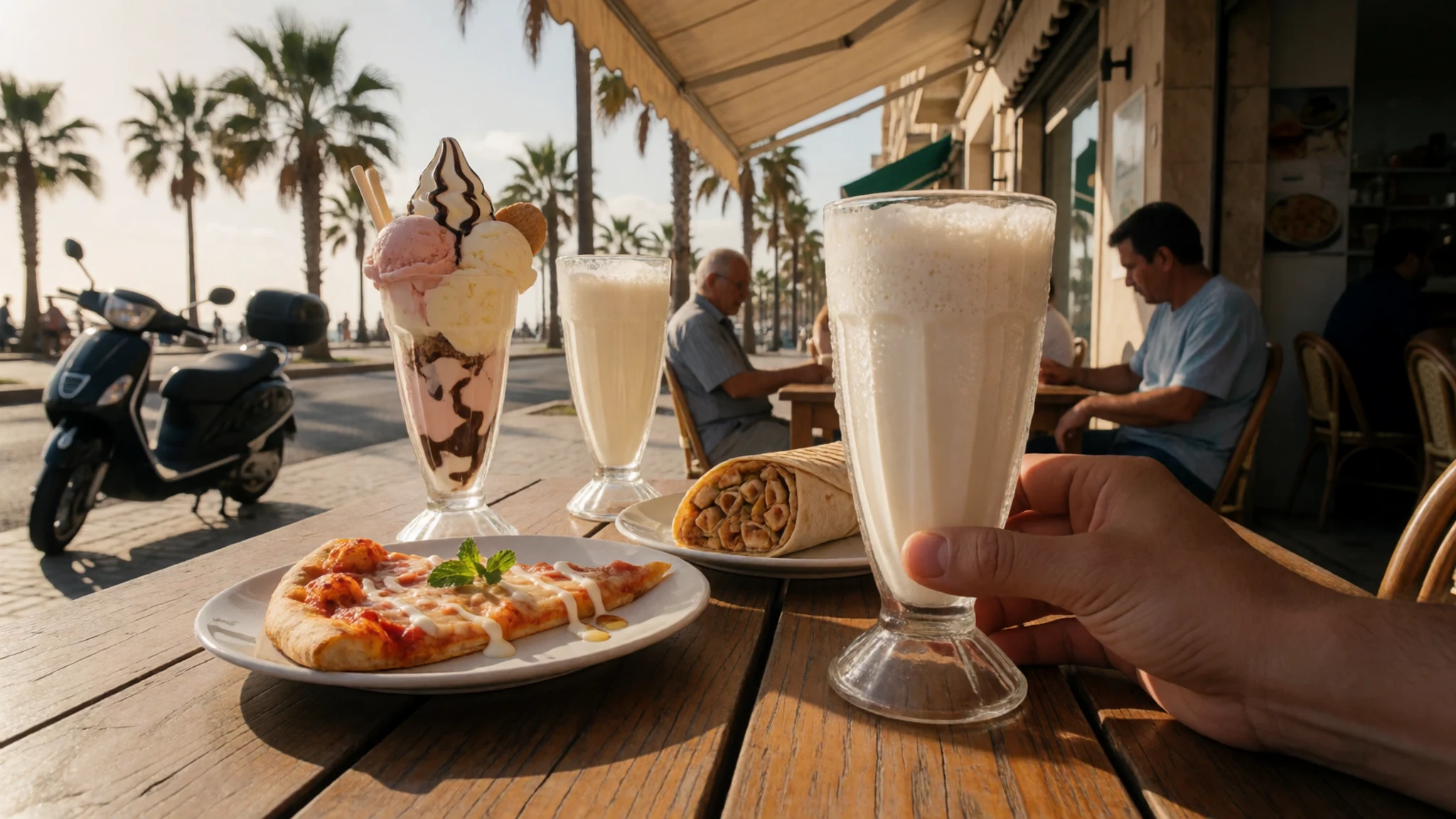
- Mediterranee — Bd De Liberte
Mediterranee on Bd De Liberte leans Mediterranean: Greek-style plates and pizza are the main draw. It’s a helpful option when you want air-con comfort and a familiar menu format while still staying in the neighbourhood flow.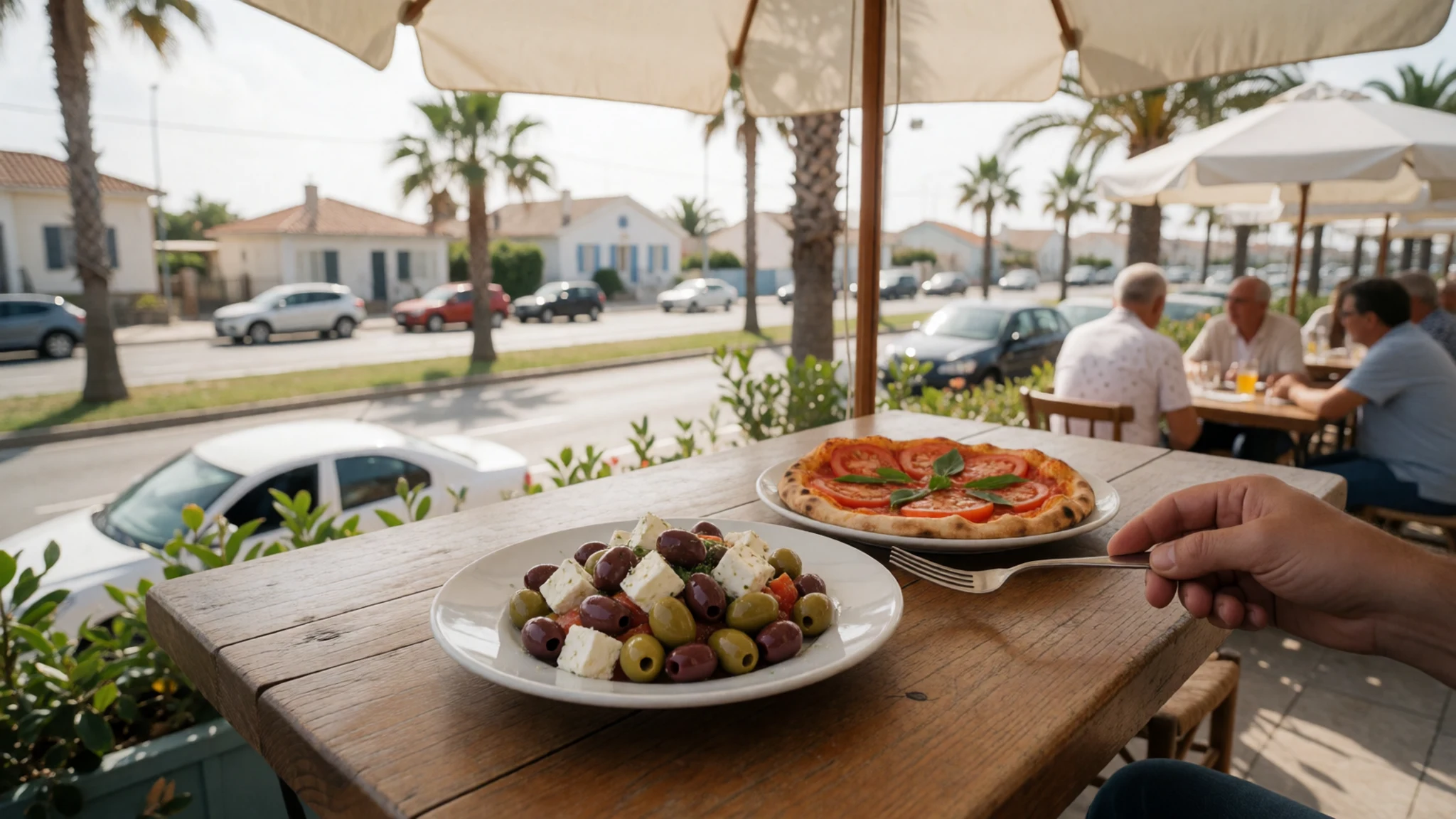
- Saga Africa — Bd de la Liberté
Saga Africa on Bd de la Liberté focuses on regional fare, which makes it a good choice for tasting flavours that feel closer to the region than standard fast food. Go for a sit-down meal where the menu is built around local ingredients and styles. - Aladdin (Lebanese) — Douala city (Lebanese eatery)
Aladdin is a Lebanese eatery option in Douala for dishes like wraps, grilled items and other Middle Eastern classics. It’s a solid “change of pace” meal if you’ve had enough seafood and want something savoury with lots of flavour. - Le Dernier Comptoir Colonial — Rue de Verdun
Le Dernier Comptoir Colonial on Rue de Verdun is where to look if you’re after seafood—fish and prawns feature prominently. If the day has been long, this is the kind of stop that makes sense as a proper, slower meal rather than a quick bite.
Plan it
Best time. January–February for the most comfortable, drier conditions, and December as a good alternative; Douala’s tropical monsoon climate means it warms up and turns much wetter in the middle of the year.
How long. 3–4
Getting there. Douala International Airport is the main gateway; from there, the rest of the city is typically reached by taxi or private car, depending on where you stay. Intercity rail services run from Yaoundé with a central station at Gare de Bessengue just off Blvd. de la Réunification.
Budget. mid
Tips
- Plan museum and gallery time for earlier hours to avoid the worst of the midday humidity
- Use landmarks like Bonanjo’s museums and civic square to build a walkable loop, then switch to car for longer hops
- Keep some cash for small purchases around markets and street stalls
- Carry water and consider a light rain layer; tropical conditions can change quickly
- If you’re going to an event at a venue like CanalOlympia Bessengué, aim to confirm plans in advance rather than relying on walk-up certainty
Etiquette
- Dress modestly for church visits and keep voices low inside
- Ask before photographing people, especially at busy public spaces
- Don’t block walkways when you pause for photos around monuments and roundabouts
Nearby
Sources
- Wikidata Q132830 (CC0)
- Wikipedia (CC BY-SA 4.0)
- Wikivoyage (CC BY-SA 4.0)
- Quarter Bali à Douala Cameroun (photo) (CC BY-SA 4.0)
- Mairie de Douala 5 e (photo) (CC BY-SA 4.0)
- Aéroport de Douala (cameroun) (photo) (CC BY-SA 4.0)
- Bonamousadi douala Cameroon (photo) (CC BY-SA 4.0)
- Université de la Cote Douala Logbessou (photo) (CC BY-SA 4.0)
- Hotel Ibis Douala Bonanjo (photo) (CC BY-SA 4.0)
- Douala-Stade Mbappé Léppé (7) (photo) (CC BY-SA 4.0)
- Douala Grand Mall (photo) (CC BY-SA 4.0)


