Yaoundé
Yaoundé, Cameroon
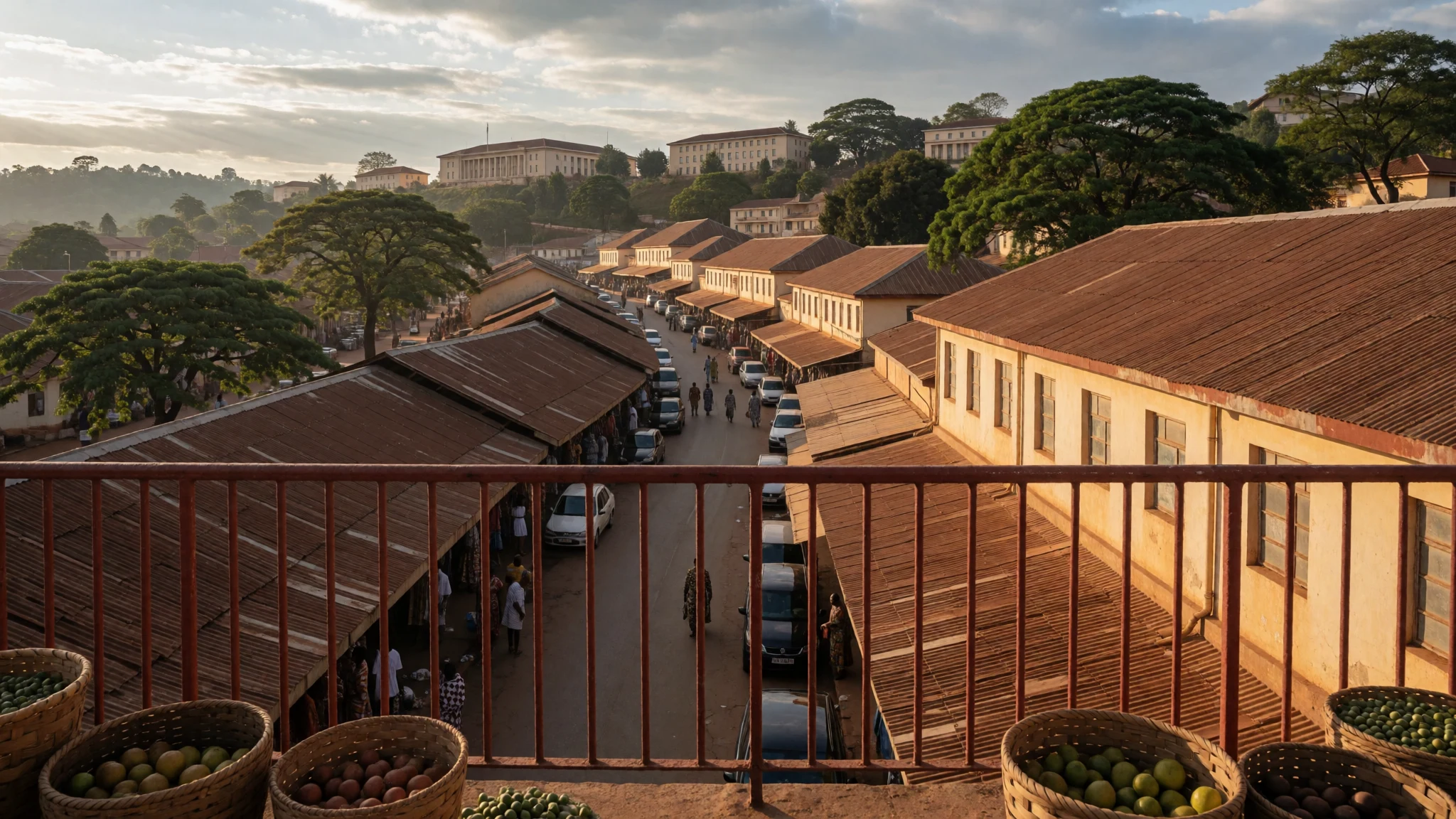
Yaoundé is Cameroon's hill capital, a green administrative city of markets, museums and long rains above the coastal heat.
The place
Yaoundé is the capital of Cameroon, a hilly city in the Centre Region. The Mfoundi, a minor river, threads the urban area on a north-south line. The city stands at 764 metres, high enough that equatorial warmth is milder than on the coast, and is home to 2440462 people. Slopes break the street plan, so a short walk from the Central Market toward the government quarter rises and falls more than the distance suggests. The state, more than the port trade, sets the tone. Ministries and the headquarters of the Bank of Central African States occupy the formal avenues, while the presidency sits apart in Etoudi and the market and older commercial streets carry everyday trade. Administration still anchors the economy, alongside plants and workshops in tobacco, dairy goods, beer, clay, glass and timber. The port of Douala handles more commerce; Yaoundé is where the state is run. French fills offices, schools and street signs. Alongside it, Ewondo Populaire, a Beti pidgin, is the ordinary speech of the city, and many families speak Ewondo at home. The skyline mixes colonial blocks, independence-era monuments and later towers such as the CNPS building. From the market roof and from Independence Square the hills close the view on every side. At dusk, people walk the first stretch home as the light goes over the centre. Rain, more than heat, organises the year: wet weather covers a long run of months, with a short lull in the middle, so the slopes stay green and the laterite turns slippery after a shower.
Its story
Yaoundé takes its name from the Yaunde, or Ewondo, the Beti people on whose land the station grew. Before any colonial post, the forests of the south and east were home to Baka communities, and Bantu-speaking groups had long moved out from the Cameroonian highlands. Farther north, Fulani herders, a pastoral Muslim people of the western Sahel, had already brought much of the savanna under their authority, a history that still sits apart from the forest cultures of the centre. The settlement itself begins in 1888. Lieutenant Richard Kund and Hans Tappenbeck, German explorers, chose the ground with the chiefs of Ela Esono. The post, Epsumb or Jeundo — Yaunde Station in English — stood between the Nyong and the Sanaga, where the forest starts to thin. The botanist Georg August Zenker then ran it as a farm research station under the name Jaunde. Rubber and ivory moved through the station, paid for with cloth and iron brought in from outside. Once Major Dominik had posted soldiers there, a Pallottine mission and a school could open at Mvolyé, which is now a suburb of the capital. Belgian forces arriving from the Congo held Jaunde through the later part of the First World War. After Germany's defeat, France took charge of eastern Cameroon and chose Yaoundé as the colonial capital. The port city of Douala kept the commercial lead, while the inland capital continued to spread. Yaoundé kept the government when the colonial territory became a republic.
What to see
- National Museum — City centre
Yaoundé's National Museum occupies the former presidential palace in the centre, a residence from the French colonial years. Rooms set masks, wood and metalwork beside later pieces, so the collection holds both older courtly objects and the country's life since independence. The building is half the visit: formal facades and inner courts still read as a seat of power, not a purpose-built gallery.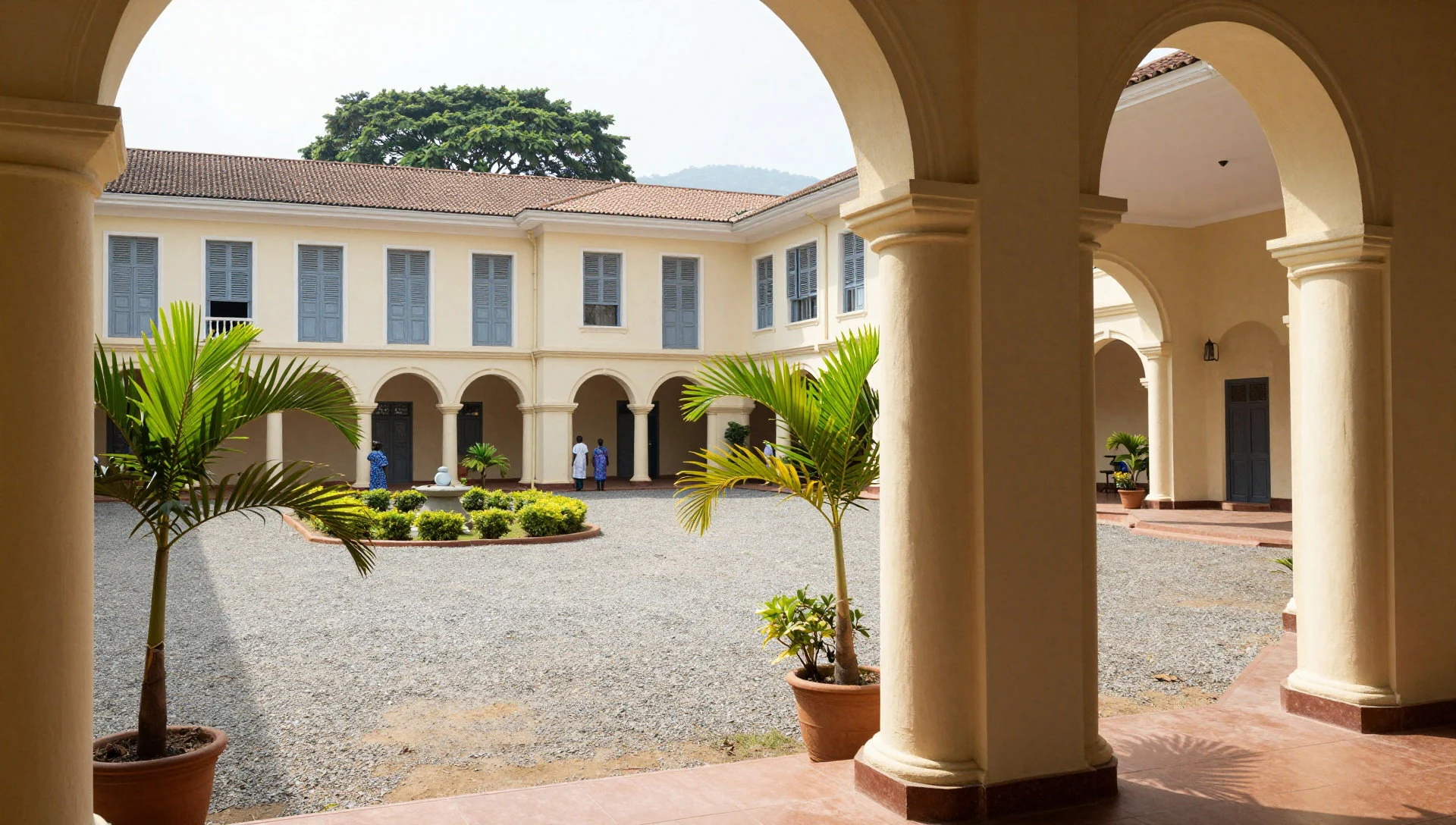
- Cameroon Art Museum — West of the centre
The Cameroon Art Museum in Yaoundé occupies a former Benedictine monastery on the western side of the centre. Its rooms concentrate on traditional work: masks, bronze and carved wood, shown at a scale that lets each object sit on its own. Thick walls and a quiet court slow the visit, which suits pieces made for ceremony rather than for a shop window.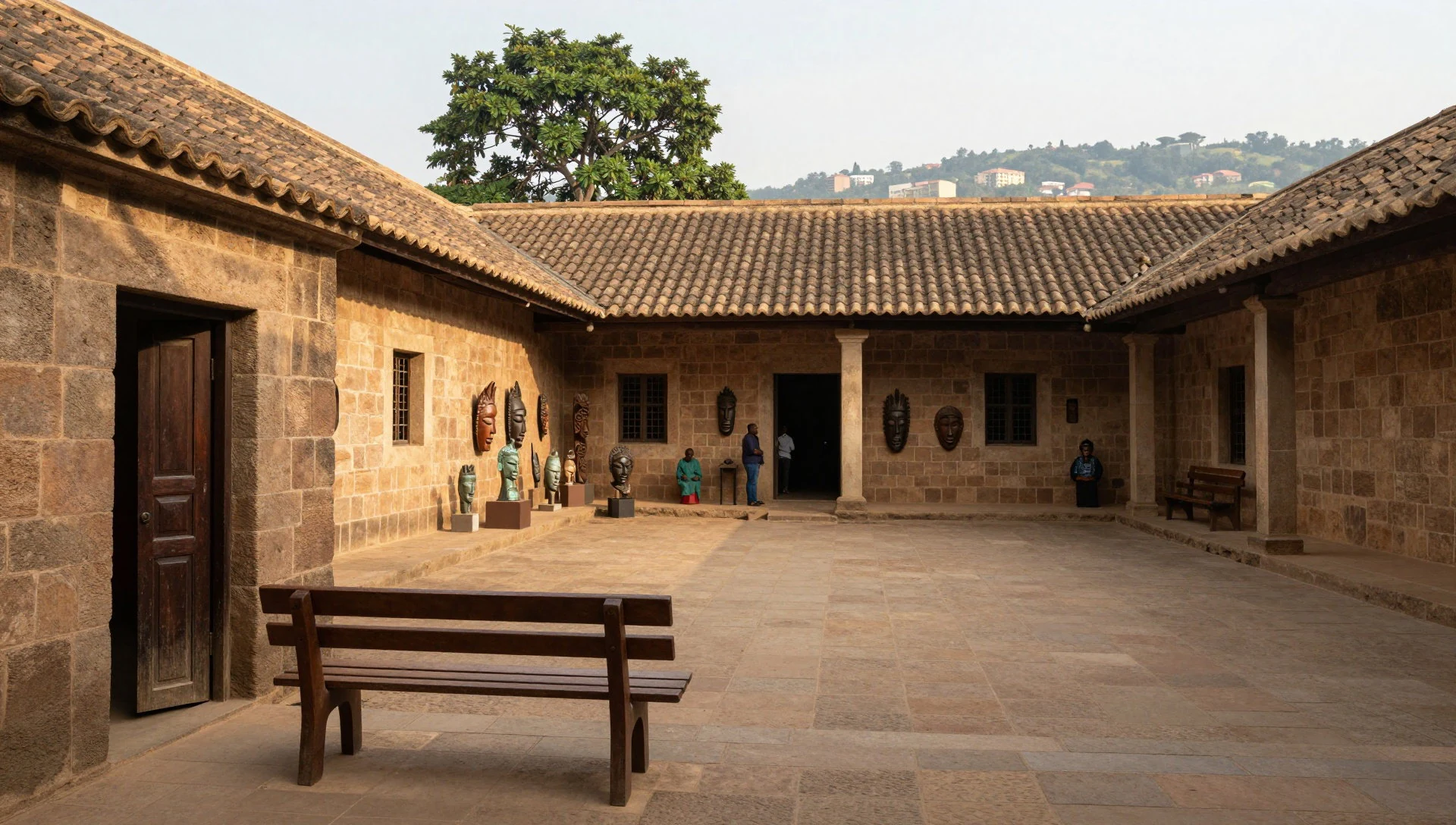
- Afhemi Museum — City centre
Yaoundé's Afhemi Museum focuses on traditional art from western and northwestern Cameroon, a highland tradition distinct from the Beti work of the capital. A highlight is the former royal treasury: regalia, cloth and objects that once belonged to a court rather than to a single household. The collection is specialist and modest, a clear complement to the broader national displays in the city.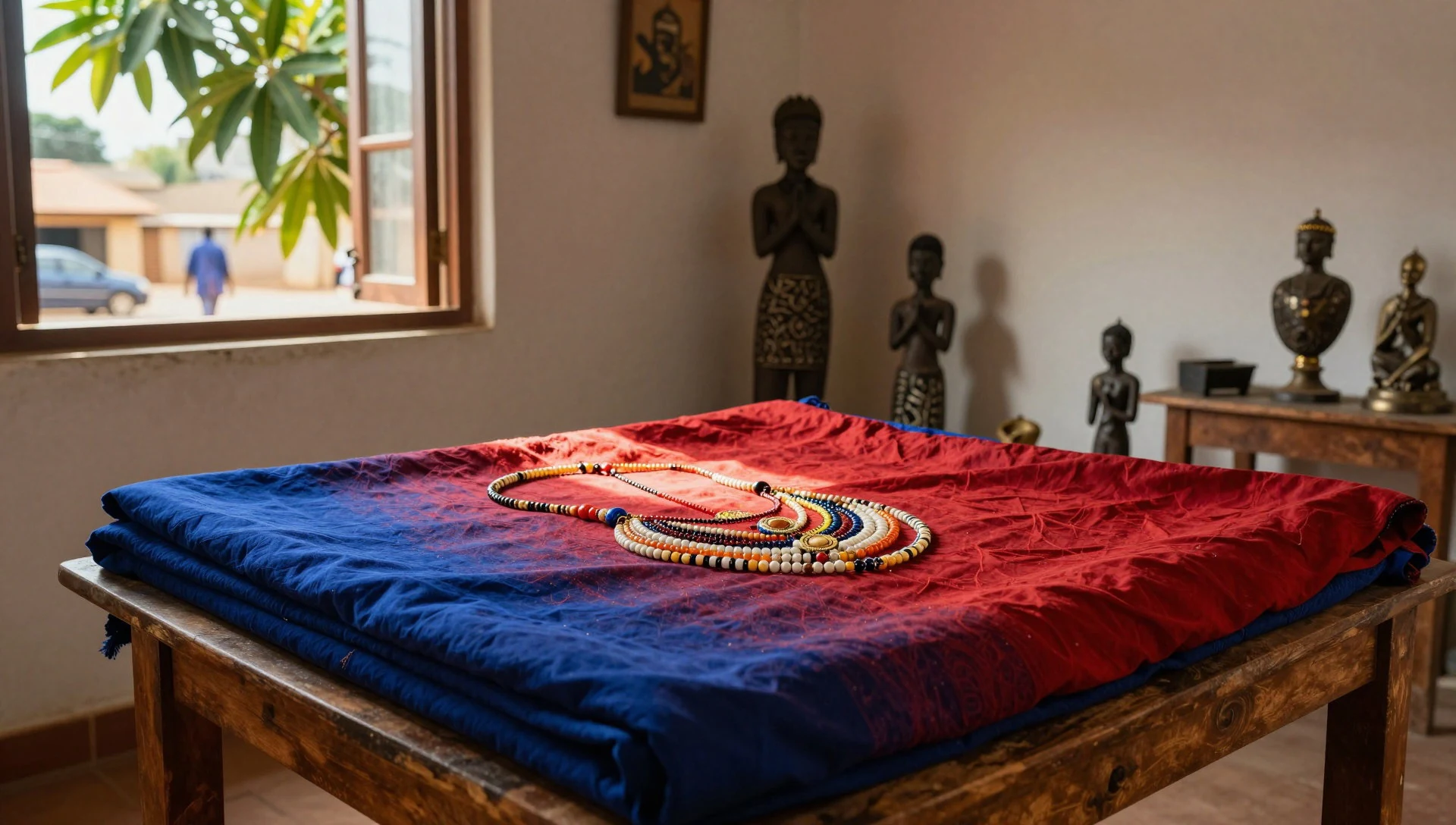
- Cathédrale Notre Dame des Victoires — City centre
Notre Dame des Victoires is the cathedral of the Archdiocese of Yaoundé, a large church in the centre that still shows unfinished work even though it has long been in use for worship. It reads as both a skyline landmark and a working parish. The interior stays cool after the glare of the street, and the people inside are mostly local worshippers rather than tour groups moving on a timetable.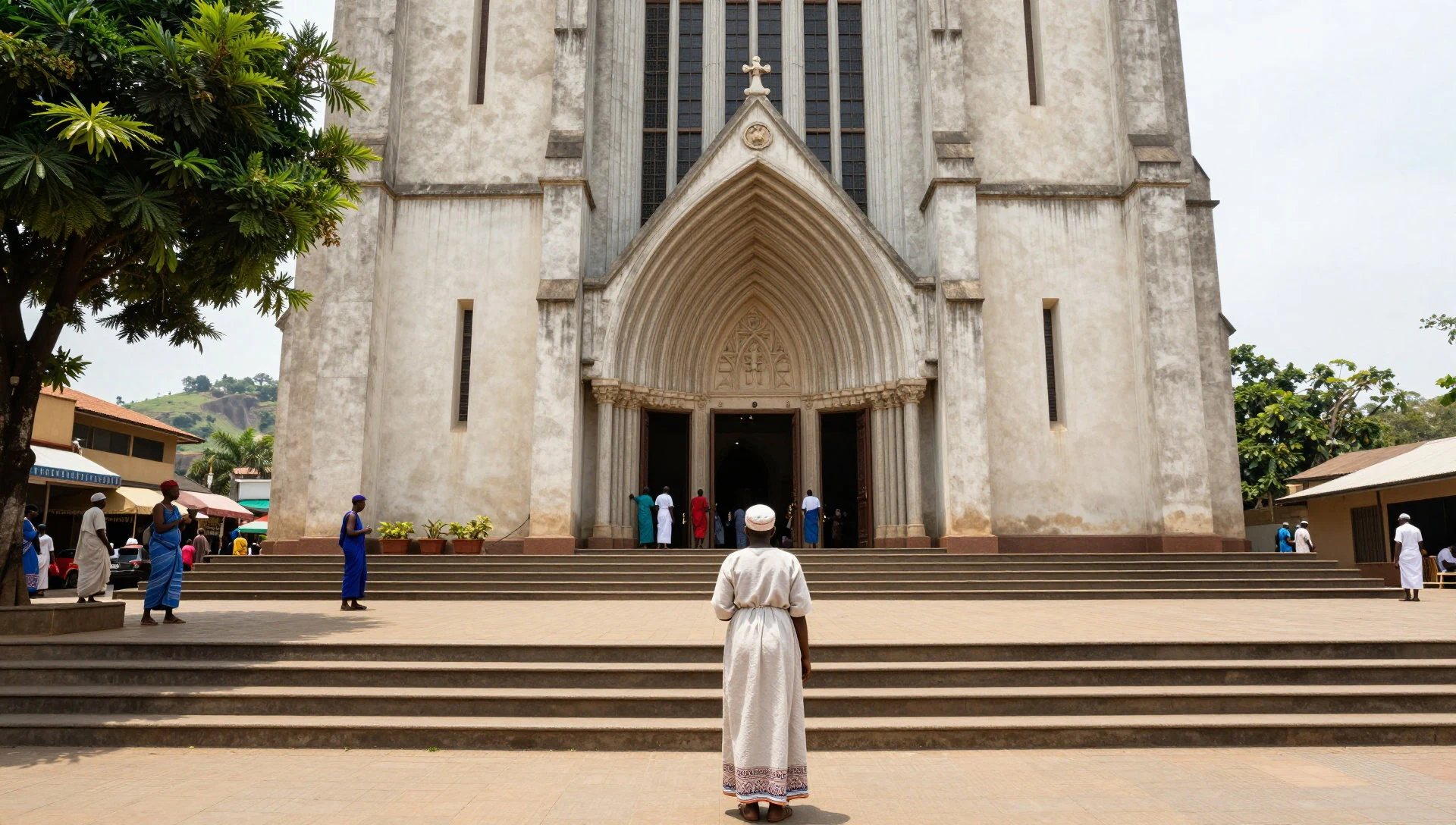
- Palais des Sports de Warda — North of the centre
The Palais des Sports de Warda is Yaoundé's indoor arena, a Chinese-built hall for team games and individual sports from basketball to judo. It is a working venue, so the interest is the calendar: match days fill the seats, and a quiet morning shows the scale of the hall without the crowd. The building sits north of the centre.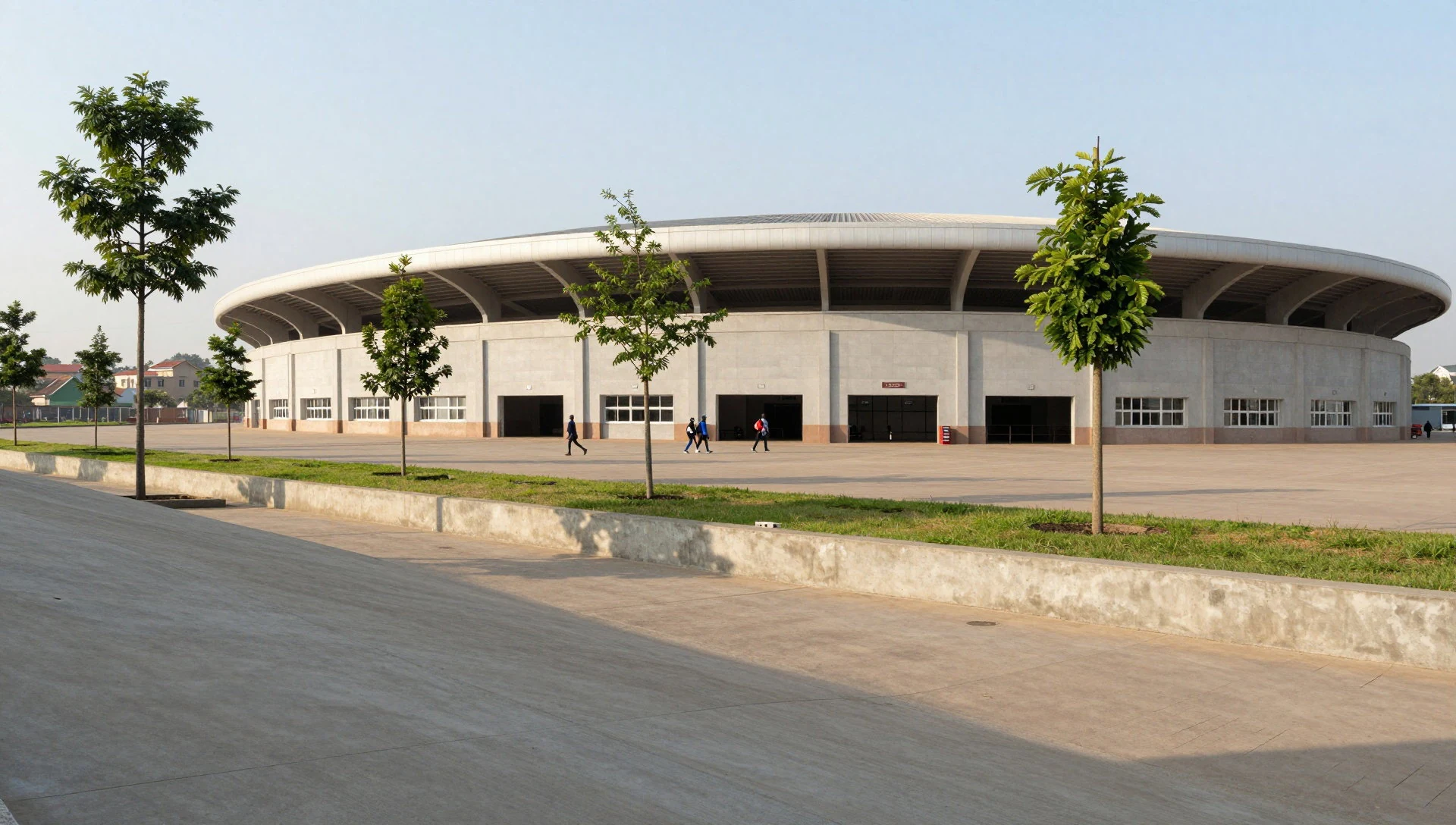
Culture
Yaoundé's public life is Beti at its root and national in its institutions. Ewondo is the language of many homes, and Ewondo Populaire, a Beti pidgin, carries everyday talk in markets and on the street. French remains the language of school, church announcements and the civil service. Museums do a lot of the city's cultural hosting: the National Museum in the old presidential palace, the Cameroon Art Museum in a former Benedictine monastery, the Afhemi Museum's court treasury, and smaller houses such as the Blackitude Museum. The Municipal Lake and the Mvog-Betsi Zoo-Botanic Park give the hills a green counterweight to the ministries, and the Congress Centre at Tsinga is where the state puts on its formal gatherings. Time here is looser than in many European capitals. Exact answers about how long a journey will take, or how far a quarter is, are not the local habit. Official street names are a poor guide, because residents direct one another by hills, markets and known buildings. Photography is welcome when it is negotiated. Ask before photographing a person in Yaoundé; people are often glad to be in the picture, and may ask a small fee, but an uninvited shot causes real offence.
What to wear
Yaoundé's ceremonial dress is built on cotton pagne, the wax-print cloth sold in the markets in long lengths. Women wrap it as a skirt or have it tailored into a kaba, a long dress worn for church, weddings and family gatherings; men of the same occasions wear an embroidered boubou or a simpler tunic over trousers. Among the Ewondo and other Beti families of the capital, these clothes appear at funerals, namings and Sunday services, not as daily uniform. On an ordinary weekday the city looks different. Civil servants and bank staff wear suits, collared shirts, knee-length dresses and closed shoes; students and younger workers wear jeans, trainers and football shirts; market traders keep a pagne wrapper with a T-shirt or blouse. Imported fashion and local tailoring sit side by side on the same pavement. Visitors do best in the same practical range. Light cotton or linen handles the humidity, with a layer for cool offices and a compact rain jacket through the long wet months. Closed shoes cope with wet laterite and with formal buildings. In public, and especially around churches and government offices, shorts, flip-flops, sleeveless tops and beachwear look underdressed. Shoulders and knees stay covered at Notre Dame des Victoires and at Mary Queen of the Apostles Basilica.
What to eat
- Poisson braisé — Grill eateries near the nightclub streets
Yaoundé's grilled fish is cooked over charcoal and served in unfussy eateries, often with a sharp sauce and a plate of chips. The barbecued-fish places cluster near the nightclub streets, where the grills light in the late afternoon and keep going into the evening.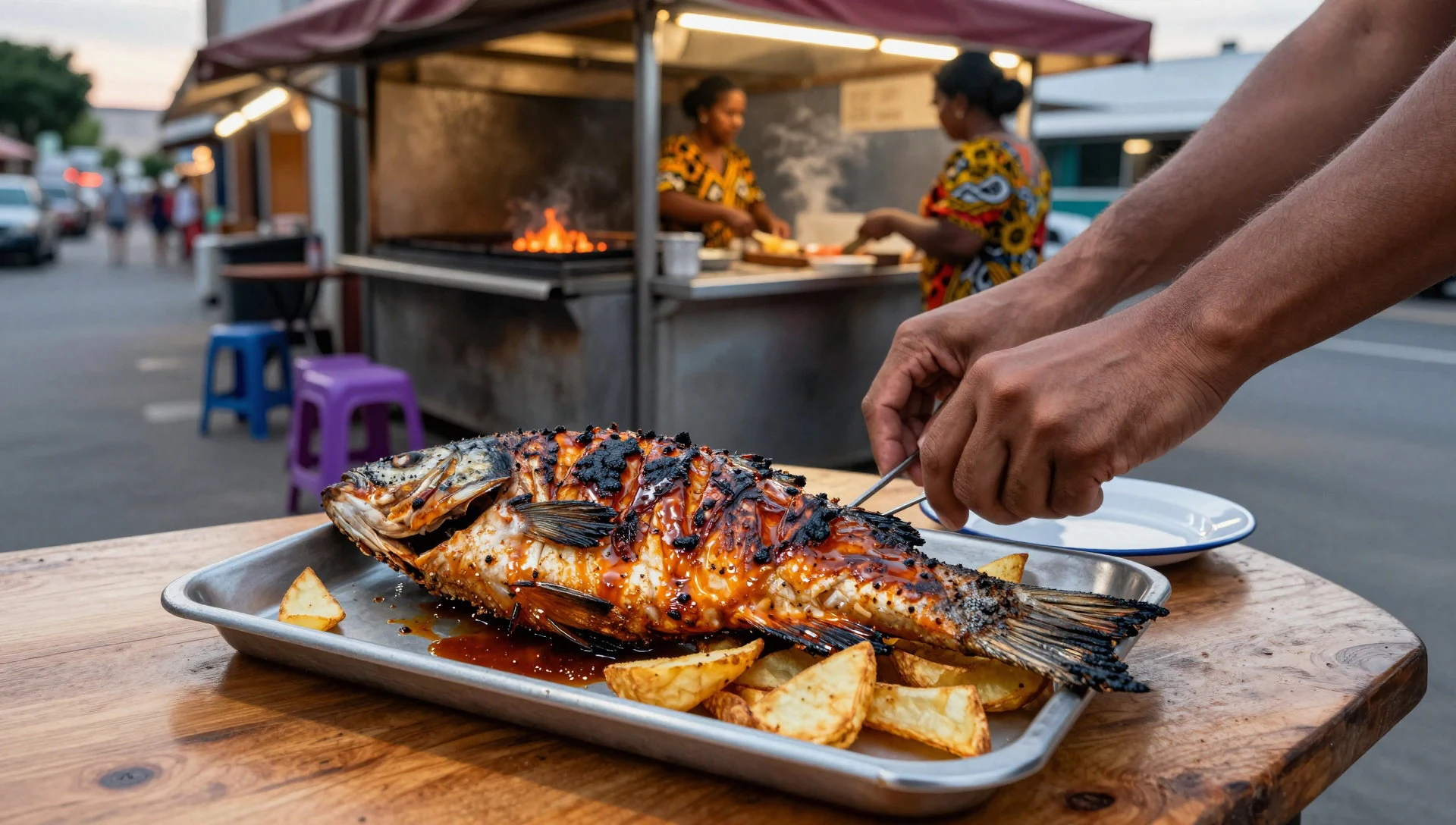
- Brochettes — Snack counters beside nightclubs
Skewers are a standard snack at Yaoundé's grill counters: meat on a stick, charred, and eaten with bread or chips. Counters that specialise in them sit beside nightclubs and along busy commercial streets, sometimes with a guarded yard and a calmer room than the pavement suggests.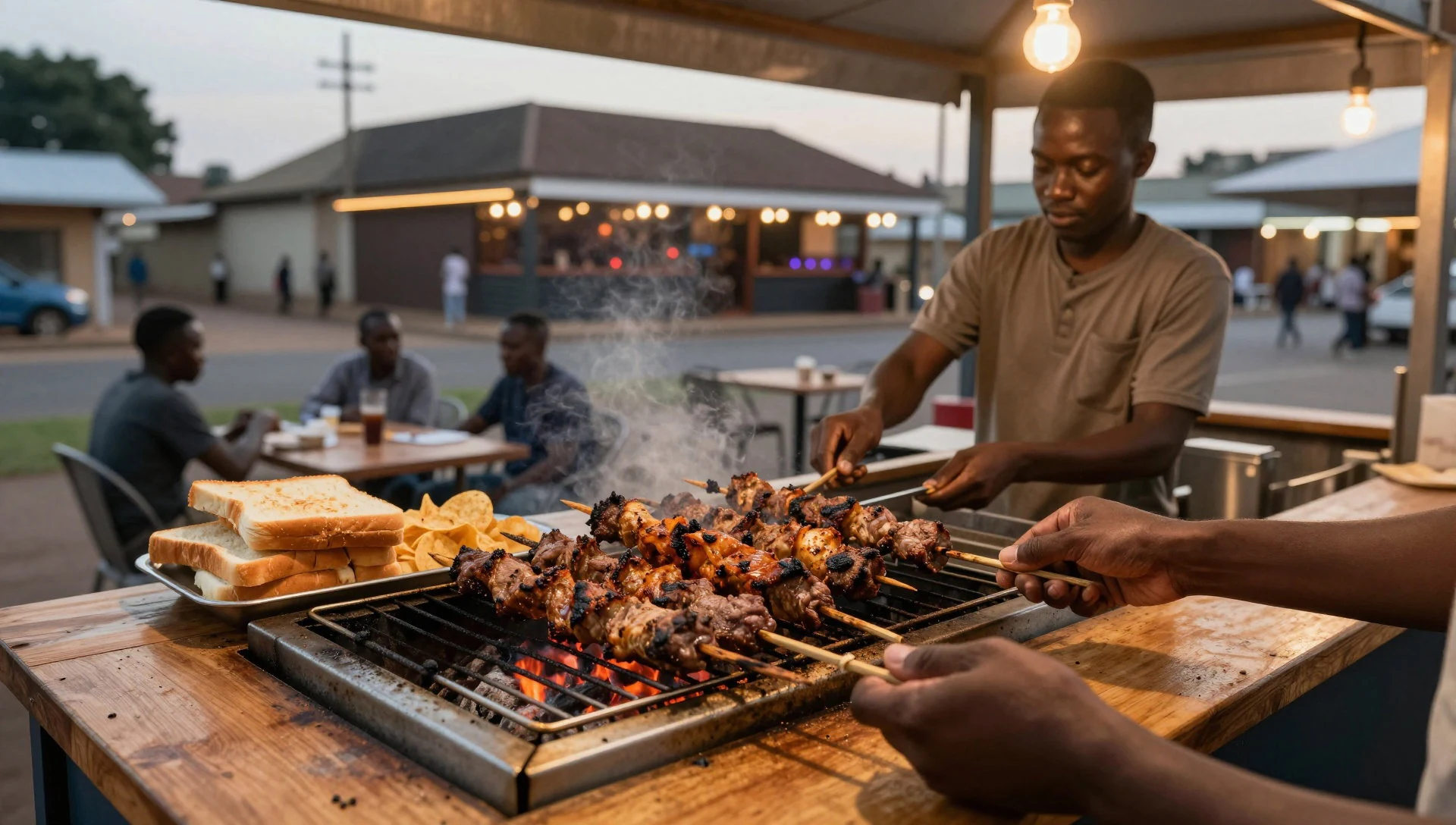
- Lebanese plates — Bastos
Lebanese plates are easy to find in Bastos, a northern residential quarter of Yaoundé with larger eateries. Grills, flatbreads and small shared dishes suit a long lunch in the heat. Several rooms there also serve pizza, so a mixed table is normal. - Turkish and Mediterranean grills — Bastos
Turkish and Mediterranean cooking has a foothold in Bastos, Yaoundé's northern restaurant quarter. The rooms serve grilled meats, salads and breads, and they do not pour alcohol. They suit a familiar menu on an evening when a heavier local plate is not the plan. - Fried fish and chips — Snack rooms near the nightclub streets
Fried fish and chips are a separate habit from the charcoal grill in Yaoundé. Small snack rooms serve the fish with a heap of chips, often with a guarded yard close to the nightclub streets. The plate is quick, and it suits a late return to the centre.
Plan it
Best time. The long wet season runs from March to November, with a noticeable lull in July, so the easier months for walking Yaoundé's hills fall before March and after November. The city stays warm all year; altitude keeps the heat short of a coastal equatorial day.
How long. 3-4
Getting there. Most journeys reach Yaoundé via Douala. Domestic flights link the port city with the capital, and buses cover the same inland leg. Camrail runs several daytime passenger trains from Douala and a daily overnight train from Ngaoundéré with couchettes and sleepers.
Budget. mid
Tips
- Use landmarks, not street names, when asking the way; many residents do not use the official names.
- Begin museum and church visits in the morning, before heat and office traffic build.
- Carry cash for markets and small counters; cards are patchy outside large businesses.
- Pack a light rain jacket for the long wet months and wear shoes that grip on wet hills.
- Leave slack in the day; answers about duration and distance are often approximate.
Etiquette
- Ask permission before photographing a person, and agree any small fee before the picture.
- Wear modest clothing in public; shorts, flip-flops, sleeveless shirts and beachwear cause offence.
- Keep voices down in the cathedral and the basilica, and follow the lead of people who are there to worship.
Nearby
Sources
- Wikidata Q3808 (CC0)
- Wikipedia (rev 1381445391) (CC BY-SA 4.0)
- Wikivoyage (rev 5422865) (CC BY-SA 4.0)
- photos/01-yaound-view-from-central-market-2014.jpg (CC BY-SA 4.0)
- photos/02-immeuble-cnps-yaounde.jpg (CC BY-SA 4.0)
- photos/03-minist-re-de-l-ducation-yaounde-cameroun.jpg (CC BY-SA 4.0)
- photos/04-bank-of-central-african-states-2014-front.jpg (CC BY-SA 4.0)
- photos/05-independence-square-cameroon.jpg (CC BY-SA 4.0)
- photos/06-yaound-day-over.jpg (CC BY-SA 4.0)
- photos/07-yaound-sports-palace-2014-01.jpg (CC BY-SA 4.0)
- photos/08-mus-e-national-du-cameroun-01.jpg (CC BY 3.0)


