Limbe
Limbe, Cameroon
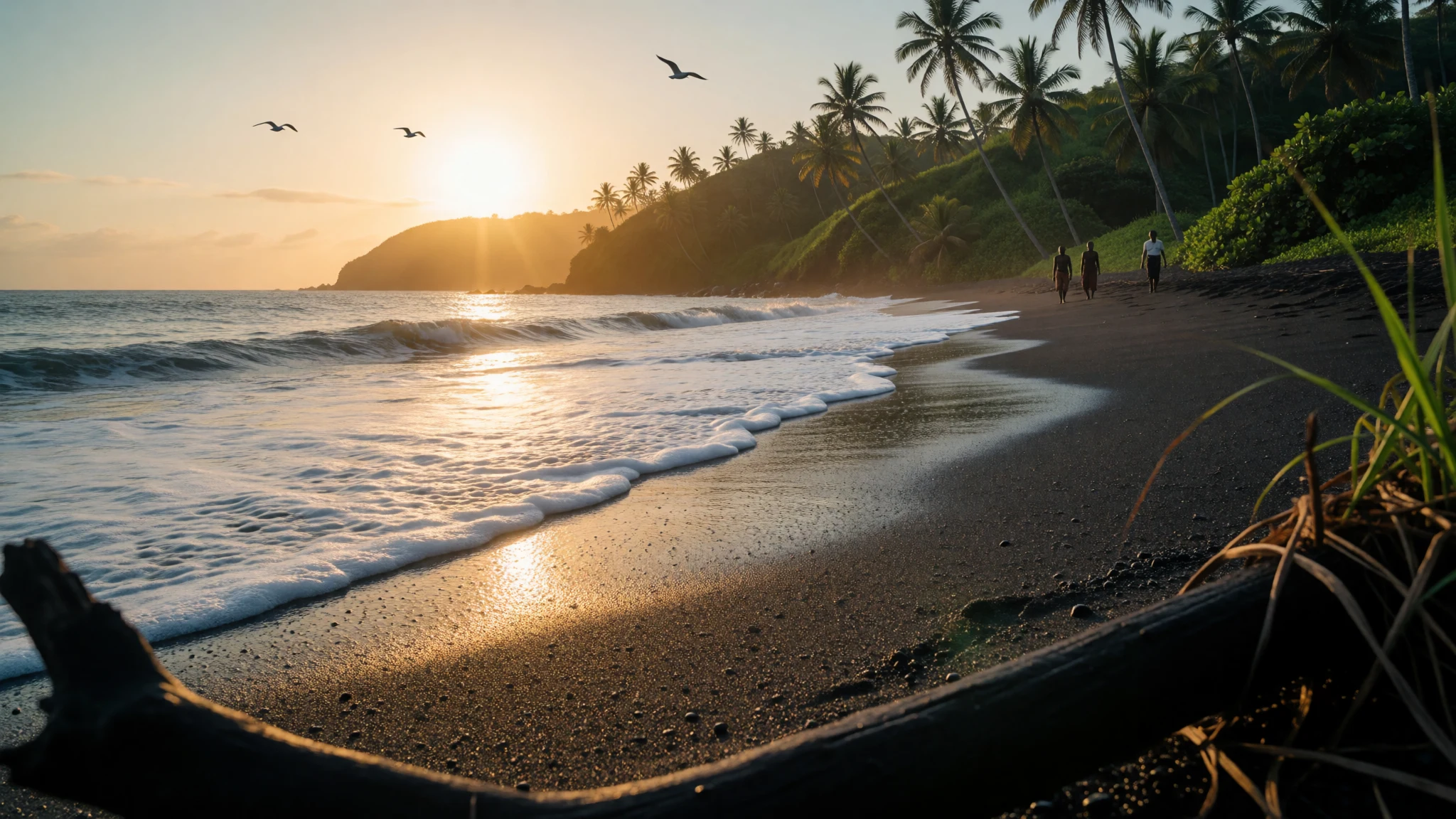
Limbe is an English-speaking Cameroonian coast town of dark sand beaches, grilled fish at dusk, a botanic garden and a painful slave-trade history.
The place
Limbe is a seaside city in Cameroon's South-West Region, home to about 84,223 people, where the Atlantic meets dark sand beneath the green slopes of the volcanic coast. Until 1982 it was called Victoria, and the old name still turns up in conversation and on older signs. The city's motto, "A Town of Friendship", is displayed over the road as people arrive. English is widely spoken here, as in neighbouring Buea, which gives Limbe a different feel from the French-speaking parts of the country. Most residents are Christian, from Catholic, Protestant and Pentecostal congregations, with a Muslim minority.
Limbe is a working town as much as a resort. The Cameroon Development Corporation, headquartered at Bota, grows and exports rubber, bananas, tea and palm oil, and the SONARA refinery processes crude oil, so plantations, industry and fishing canoes share the same horizon. The seaport is not operating, and most of the country's freight goes through Douala instead. Visitors come for the beaches, the botanic garden, the wildlife centre and the seafood, and for the history at Bimbia, the old slave port.
The weather deserves honesty. It is hot, humid and extremely wet for much of the year; Debunscha, along the coast, records about 10,000 mm of rain annually. Evenings are the social hour, with fish grilling on the sand and music drifting from beach bars.
Its story
Limbe's modern story starts in 1858, when the British Baptist missionary Alfred Saker founded a settlement here and named it Victoria. The town and its surroundings were not at first part of the German colony of Kamerun, and stayed under British administration. In 1886 Britain and Germany traded the territory for German rights elsewhere in Africa, and in 1887 Victoria passed to German control. That same year, Swiss Presbyterian missionaries bought the mission land from the Baptist Missionary Society. A few German-era buildings still stand as a reminder of that period.
The First World War brought fighting to Cameroon, and in 1915 Victoria returned to British hands as part of British Cameroon. A cannon from the 1916 fighting is kept as a memorial. The town kept the name Victoria for decades after the colonial era ended, until 1982, when president Ahmadou Ahidjo had it renamed Limbe.
A harder chapter has only recently been acknowledged. The Cameroonian government has recognised the region's part in the trade in enslaved people, and the site at Bimbia, where captives were held before being shipped across the Atlantic, is being restored for visitors. Its ruins date to the 1600s and give a physical sense of how people were marched from far inland to the coast. Limbe's friendly motto sits alongside that history, and the town does not hide it.
What to see
- The black sand beaches — Along the town seafront
The dark sand along Limbe's Atlantic shore is the town's calling card, and it looks striking against the green hills and grey-blue sea. Walk at low tide for firm footing, and come late in the afternoon when the heat eases. Swimming depends on the surf and the day, so ask locals about currents first.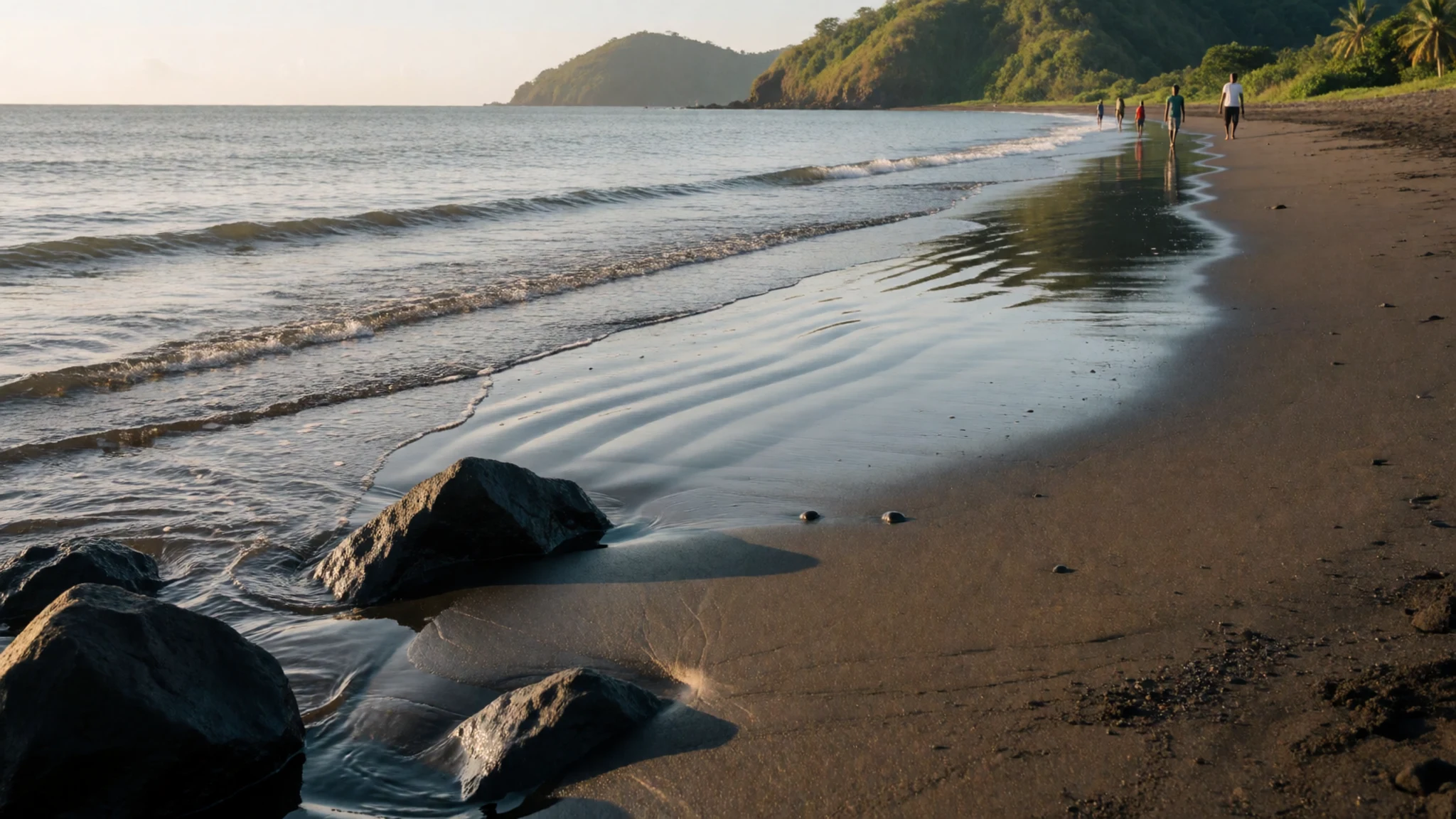
- Botanic garden and wildlife centre — Western side of town
The botanic garden shows a wide range of plants and explains what local people use them for, and the neighbouring zoological site works on conserving endangered species found in Cameroon. Shaded paths make it a comfortable escape from midday sun. It is a good first stop for families and for anyone curious about forest plants.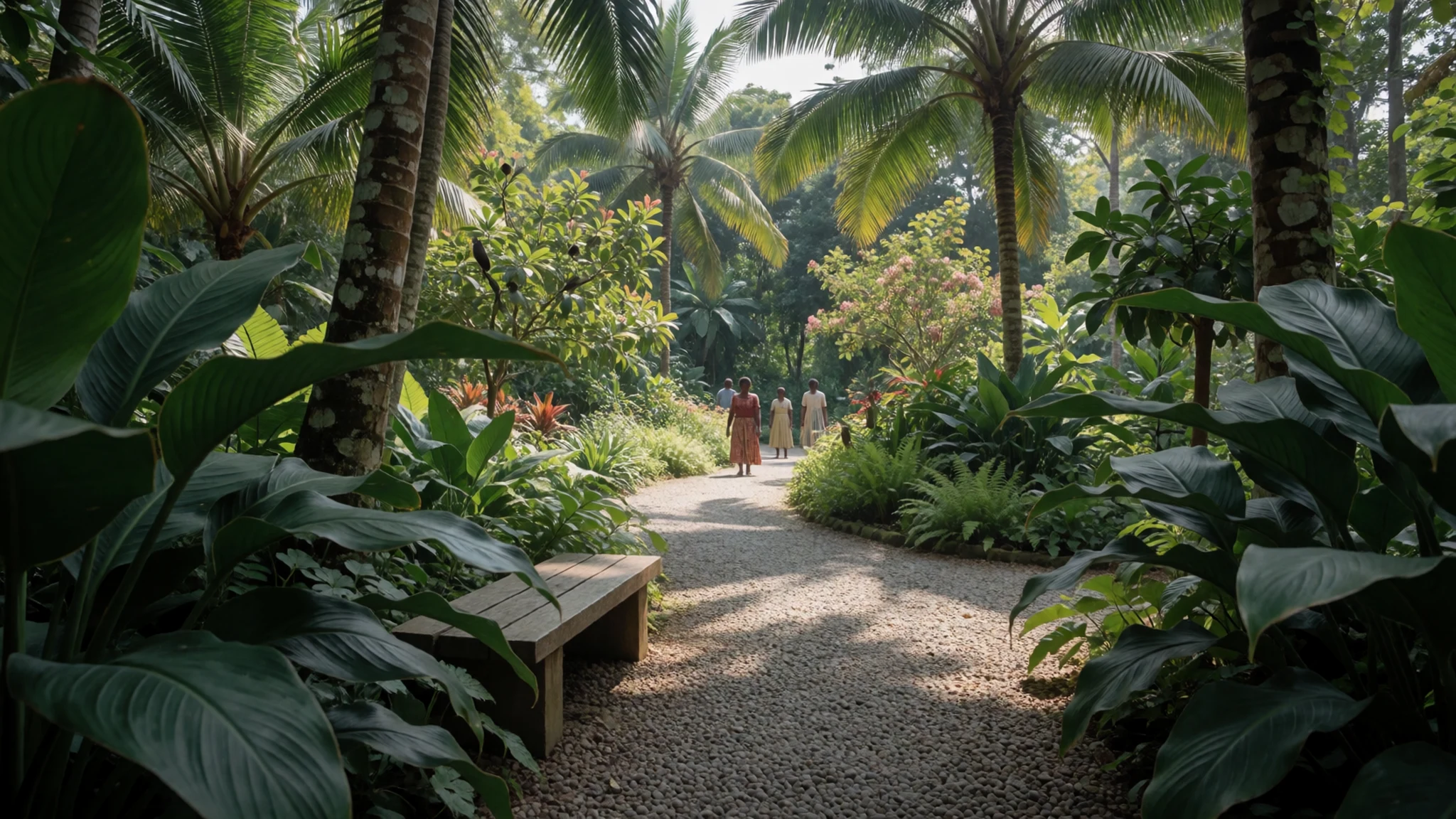
- Alfred Saker monument — Town centre
A monument honours the Baptist missionary who founded the settlement in 1858. It is a short, easy stop that helps explain why the town was first called Victoria and why English and church life are so strong here. Nearby, look for the monument marking 150 years of Limbe, and the older German-period buildings.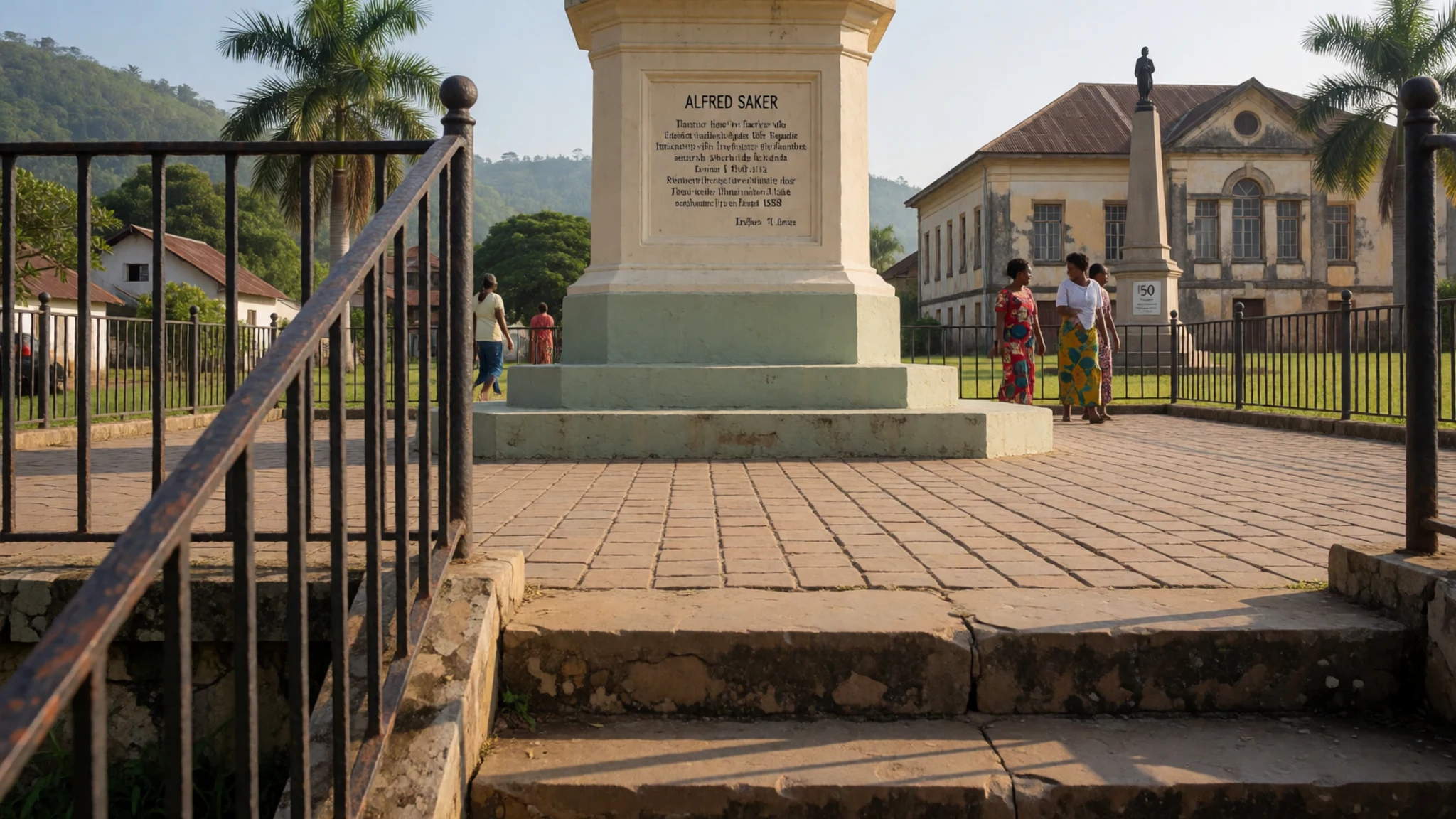
- Bimbia slave port — East of Limbe
Bimbia holds the ruins of huts built by Europeans to confine captives before shipment, and it is being restored for visitors. It is a sombre place, best visited with a local guide who can describe the routes captives travelled. Arrange transport in advance and allow a half day, as the access roads can be rough.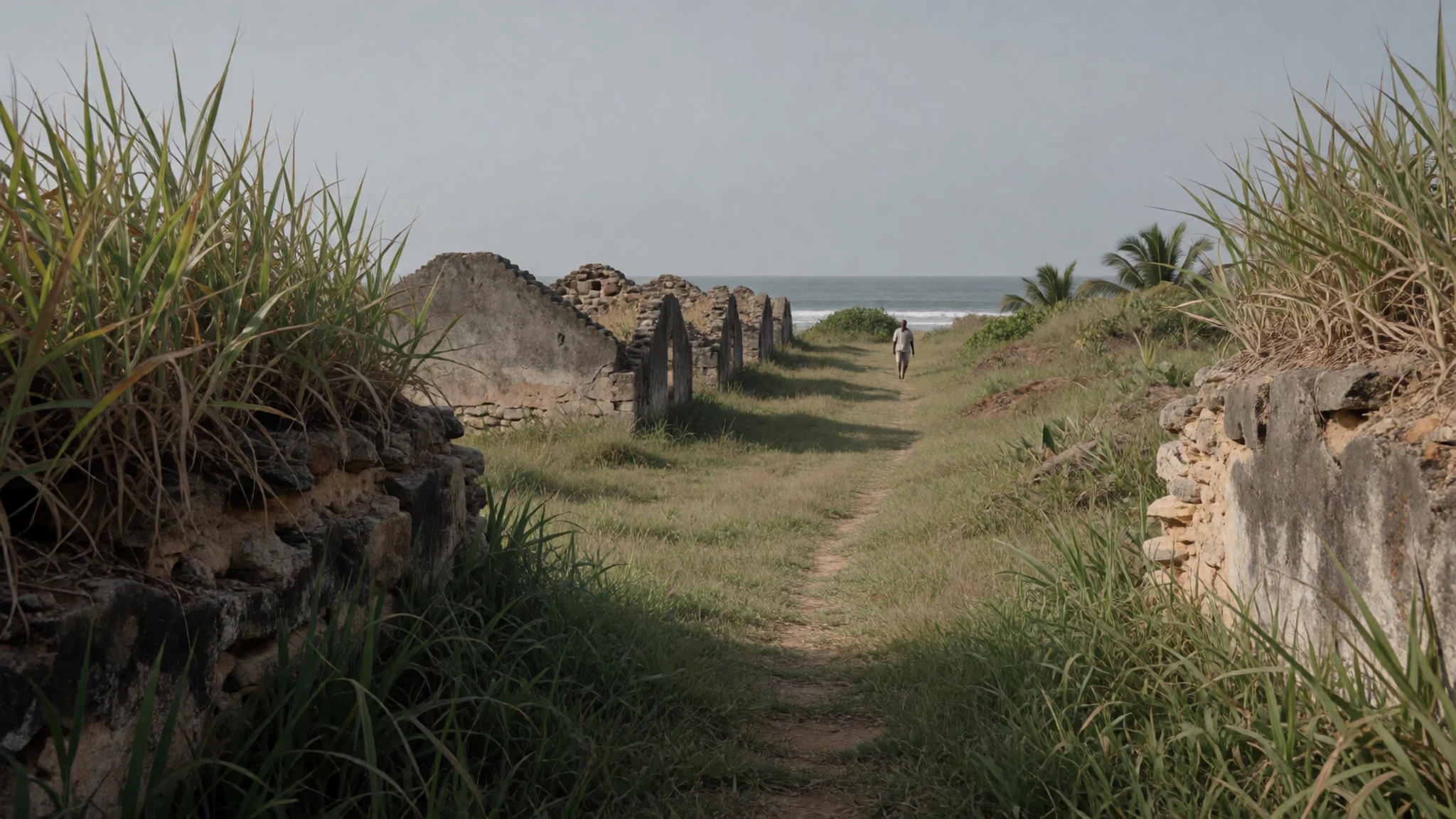
- Idenau lava fields — North-west of Limbe
At Idenau, a small fishing community along the coast to the north-west, the ground still carries the marks of an eruption of Mount Cameroon, with dark rock running towards the sea. Boats connect it to Limbe, which makes the trip an adventure in itself. Go in dry weather, when the road and sea are calmer.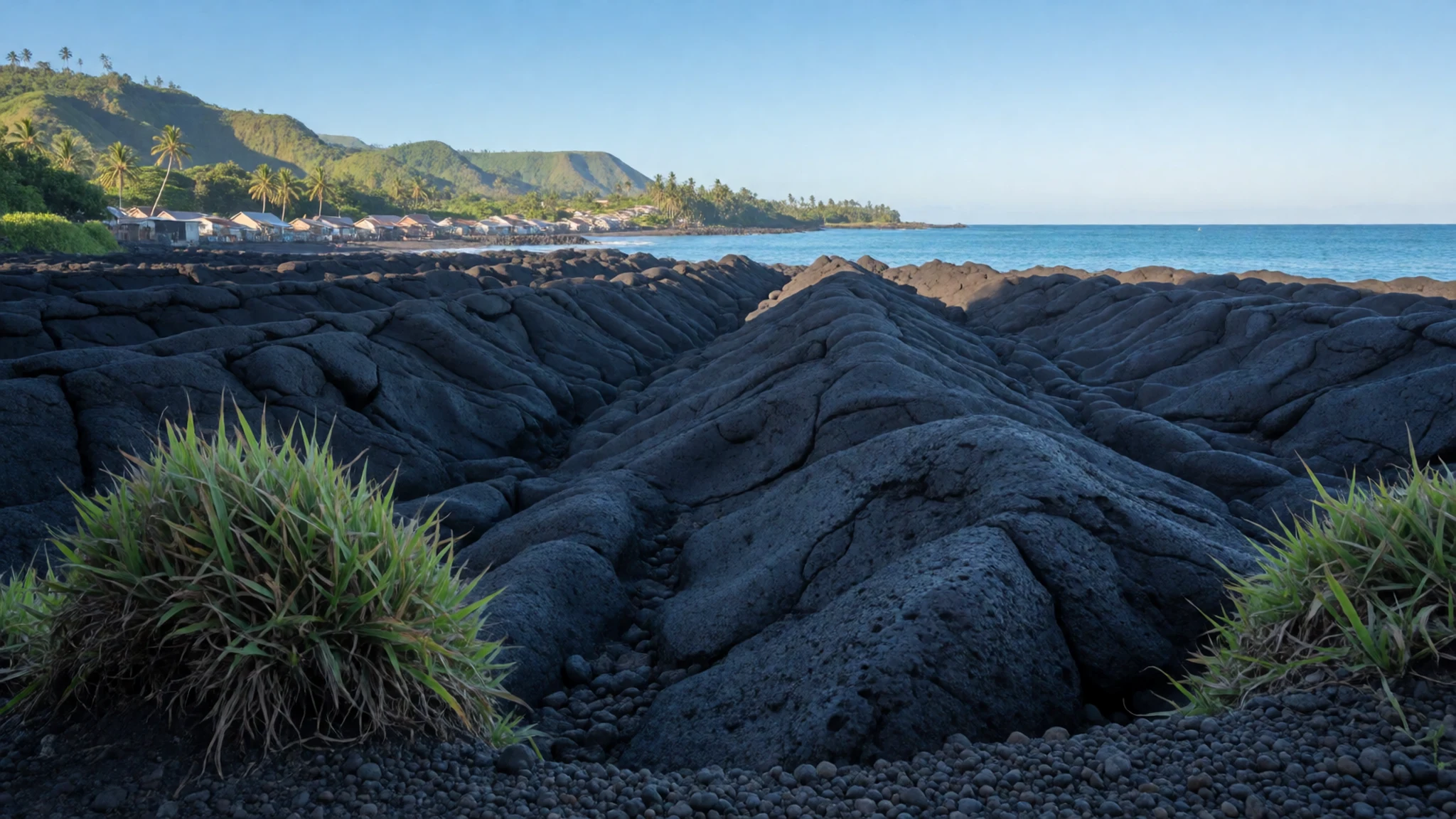
Culture
Limbe is a meeting point of peoples. The Bakweri are the coastal community most linked to the area, and the plantations drew workers from across Cameroon, so the town mixes languages, churches and cooking. English and Pidgin are heard everywhere, and Sunday services are a visible part of life, with Christians of several denominations and a Muslim community living side by side.
The main cultural event is Limbe FESTAC, the Festival of Arts and Culture organised by the city council every year since 2014. It opens with a caravan through the streets and includes a fashion parade, the election of Miss FESTAC, exhibitions, a canoe race, traditional dances and displays of local dishes. Visitors come from across Cameroon and from abroad, and neighbouring African countries show their own traditions alongside it. If dates fit, it is the best chance to see dance, dress and cooking in one place.
Daily life is sociable. People greet one another before asking for anything, markets are lively and negotiated, and evenings gather around the grills and drinking spots on the beach. Handicrafts, carved wood and beadwork are sold by makers and small stalls, and a friendly conversation usually matters more than a quick sale. The town's slogan about friendship is meant sincerely, and the pace is unhurried.
Ask before photographing people, stalls or soldiers, and be careful around military or government buildings, where photography may be refused.
What to wear
Traditional dress in Limbe draws on several Cameroonian traditions rather than one. Women wear the kaba, a loose gown in printed cotton, often with a matching wrapper and headtie, for church, weddings and festivals. Celebrations may also bring out toghu, the richly embroidered cloth associated with the Grassfields, and men wear tailored tunics or shirts in the same bright prints. The prints are usually factory-made cotton, picked for pattern and colour, and tailors in town will sew an outfit within days.
Everyday clothes are practical for heat and humidity: light shirts, jeans or skirts, and sandals or trainers. Smart clothes are common for church and offices, and the festival fashion parade shows how young designers blend traditional prints with modern cuts. Football shirts are everywhere.
Visitors should pack light, breathable cotton or linen, plus a rain jacket, since showers can arrive without much warning and are heavy in the wet season. Swimwear is fine on the beach but should be covered up in town. For churches and mosques, shoulders and knees should be covered, and women may want a scarf to hand. Sturdy sandals or closed shoes suit the rough roads at Bimbia and the wet paths in the botanic garden, and a hat and sunscreen help on the open sand.
What to eat
- Roasted fish — Beach grills and drinking spots, in the evening
Fish grilled over charcoal, usually served with pepper sauce, fried plantain or bobolo. It is the typical evening meal in Limbe, cooked fresh from the day's catch, and the smoky smell along the shore is hard to miss.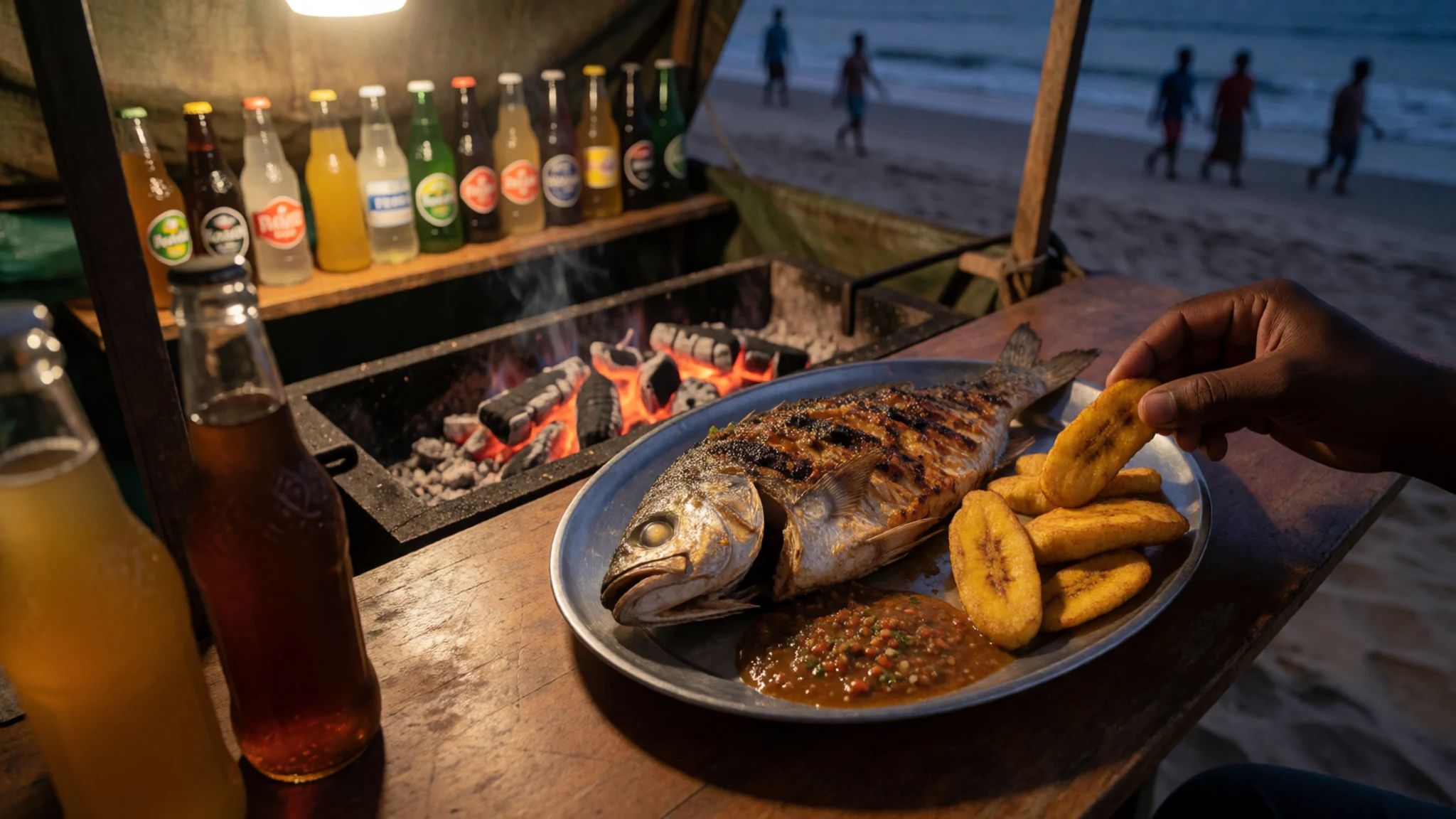
- Janga prawns — Seafront eateries and fish stalls near the landing beaches
Prawns are known locally as janga, and the abundance of them is said to be how Cameroon got its name from Portuguese sailors. They are boiled, grilled or stewed, and are best eaten with fingers while sitting beside the sea.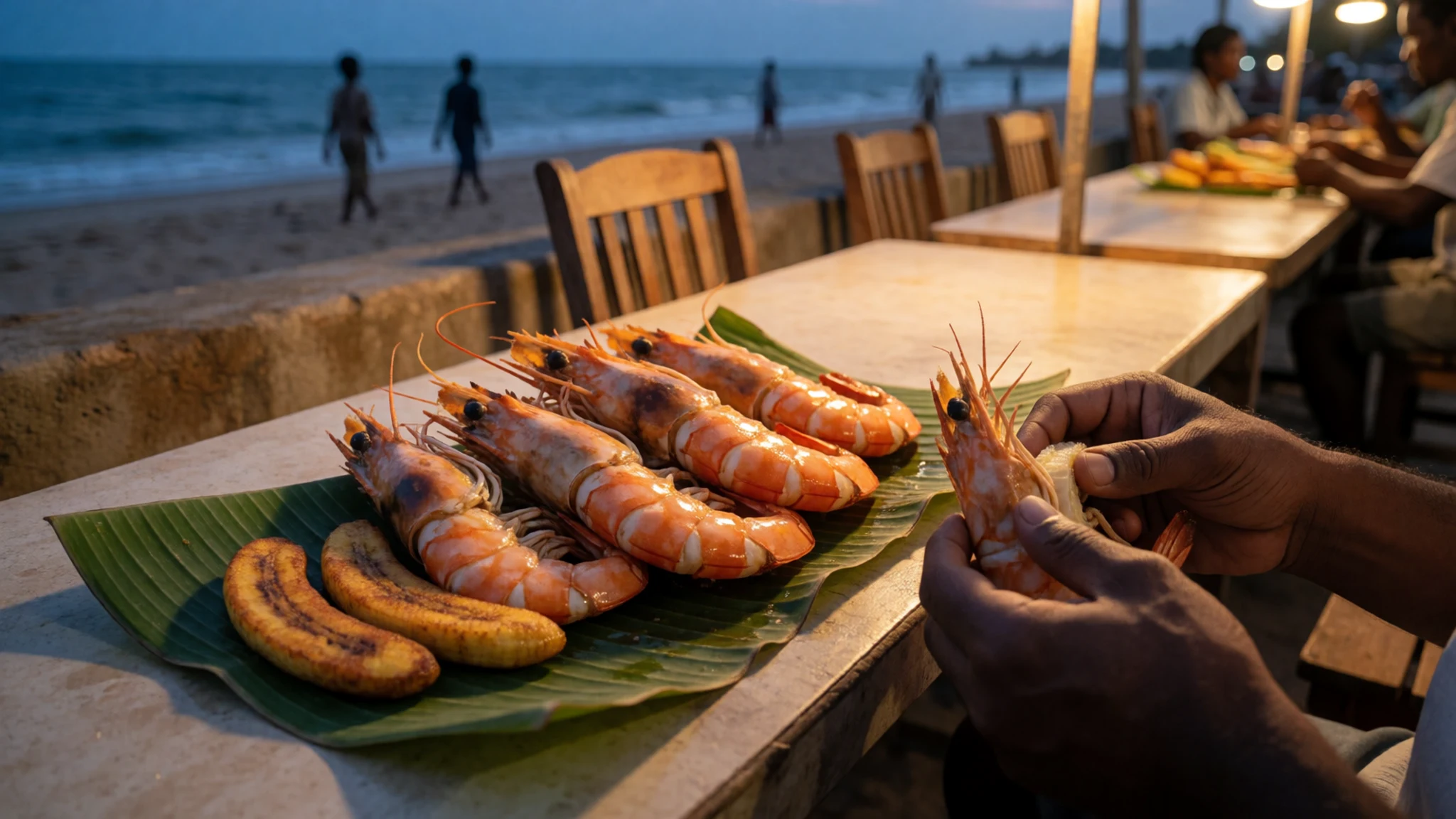
- Ekwang — Home-style local restaurants and festival food displays
A traditional coastal dish made from grated cocoyam wrapped in leaves and cooked slowly with spices and dried fish or meat. It is rich, a little sticky and filling, and the Bakweri and neighbouring peoples treat it as a celebration food. - Eru and fufu — Everyday eateries and market food stalls
Eru is a leafy vegetable stew, cooked with palm oil and often with fish or meat, eaten with fufu made from cassava or maize. Fufu is shaped by hand and used to scoop the stew. It is a hearty, filling meal. - Kwacoco bible — Local eateries and the FESTAC food displays
Grated cocoyam wrapped in banana leaf and steamed, often with palm oil and fish. It is a traditional Bakweri speciality that is simple, earthy and rich, and it is mostly served in homes and at cultural events.
Plan it
Best time. November to February is the drier, more comfortable stretch for beaches and day trips. The wet season, roughly mid-year, brings heavy rain, rough sea and muddy roads, and the coast is among the wettest places in the country.
How long. 2–3
Getting there. Fly to Douala, the main gateway for the region, then continue by road to Limbe in a transport bus, shared taxi or private car; ask locally for the current journey time. Boats also run to Limbe from Idenau and Bota Wharf.
Budget. low
Tips
- Pack a rain jacket even in the dry months, and keep electronics in waterproof bags
- Carry cash for markets, beach grills and transport, as card use is limited
- Hire a local guide for Bimbia and Idenau, and fix the return transport before setting off
- Drink bottled water and use mosquito repellent, especially at dusk
- Check the official site or ask your accommodation about festival dates if you want to see FESTAC
Etiquette
- Greet people before asking a question or bargaining
- Ask permission before photographing people, and avoid photographing soldiers or government buildings
- Treat the Bimbia slave-port ruins with respect and follow your guide's advice
Nearby
Sources
- Wikidata Q819314 (CC0)
- Wikipedia: Limbé, Cameroon (rev 1385089389) (CC BY-SA 4.0)
- Wikivoyage: Limbe (rev 5362246) (CC BY-SA 4.0)
- Limbé, one of Cameroon's anglophone cities (photo) (CC0 1.0)
- Alfred Saker monument, Normann (photo) (CC BY 2.5)
- Mer horizon, Limbé, Nadnad30 (photo) (CC BY-SA 4.0)
- Limbe Botanic Garden information centre, BabyBen98 (photo) (CC BY-SA 4.0)
- Limbe, Atlantic Ocean, Awah Nadege (photo) (CC BY-SA 4.0)
- Cameroon handicraft, Abdourassoul (photo) (CC BY-SA 4.0)
- Bakoko quarter, Limbe, Kih Denis (photo) (CC BY-SA 4.0)
- Cameroonian soldiers in Limbe, Yacouba Ouedraogo (VOA) (photo) (Public domain)


