Dja Faunal Reserve
Dja Faunal Reserve, Cameroon
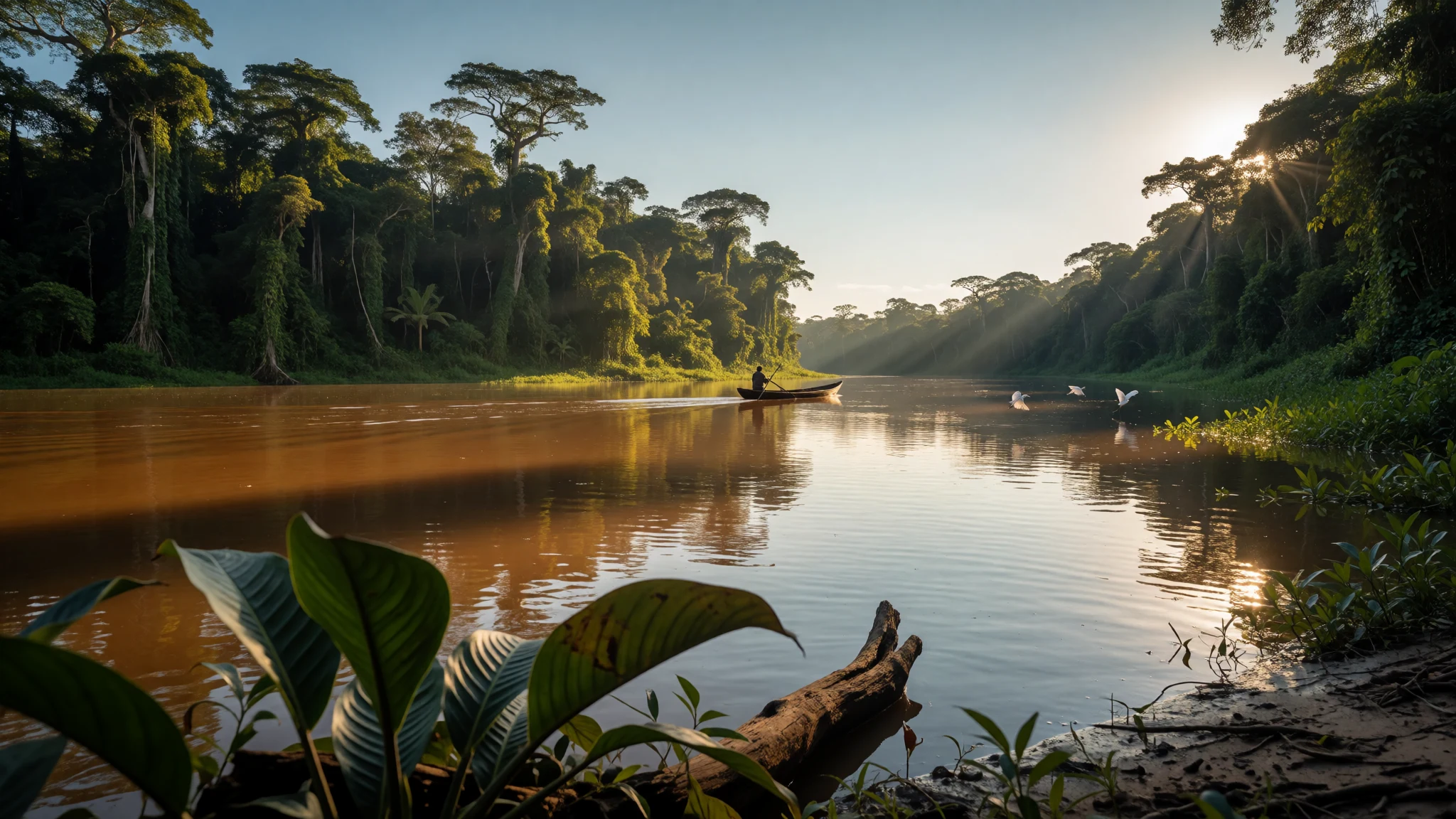
Dja Faunal Reserve is a UNESCO-listed rainforest refuge where intact habitat and low disturbance make wildlife encounters feel rare rather than staged.
The place
Dja Faunal Reserve (Réserve de faune du Dja) sits in southeastern Cameroon, wrapped by dense rainforest in the Congo Basin. The Dja River nearly completely surrounds the reserve, creating a natural boundary and giving the whole place a “water-and-forest” shape rather than a simple grid of trails. It’s also a UNESCO World Heritage Site, placed on the list in 1987, and it’s managed by Dja Conservation Services (DCS) under the direction of a conservator.
What makes Dja feel different on the ground is the sense that the forest is still mostly left alone. Reports from managers and conservation partners focus on the lack of disturbance, and visitors typically come for a guided, patient kind of looking—more “listen and wait” than “race to a viewpoint”. The reserve is associated with strong protection efforts and ongoing support from international partners and supporters of conservation in Cameroon.
Wildlife diversity is a headline here, including threatened mammals, but the honest expectation is that sightings can be infrequent. The forest is thick, light moves strangely under the canopy, and many animals stay near cover. Monkeys are present, but you probably won’t see them on every day.
Practically, planning matters. Access involves rough dirt roads that can slow travel even over short distances. During wetter periods, conditions can deteriorate quickly, turning “short” into “long” and making the need for local knowledge feel essential.
Its story
Dja Faunal Reserve has a conservation timeline that stretches back decades. It was created in 1950, then later recognised internationally when it became a World Heritage Site in 1987. That shift matters: it helped lock in attention and support around the forest and the species living inside it.
Geographically, the reserve is part of the broader Congo Basin rainforest system, which is often described through its density and connectivity. The Dja River is central to that story. It forms the almost-complete enclosure of the reserve, so the landscape isn’t just “forest with animals”; it’s forest shaped by water flow and boundaries. That natural boundary is also one reason the area is discussed as well-protected.
Biology is another theme. Dja is especially linked with primate conservation, with multiple species identified among what the reserve protects—including primates that are often hard to see elsewhere. The management approach, led by DCS, is shaped by the idea that reducing disturbance helps more than it harms: when the forest stays quiet and intact, animals have more space to persist.
Dja also connects outward. It adjoins with protected areas in neighbouring countries to form a larger conservation region known as TRIDOM, which covers habitat across borders. For visitors, this bigger context can make the trip feel less like a single stop and more like entering a protected rainforest network—where the main “attraction” is the continued existence of the habitat itself.
What to see
- Dja River edges (boat and crossings)
Dja Faunal Reserve is almost encircled by the Dja River, and that waterline is where movement feels tangible. Look out for ferries and crossing points used by local transport—slow, practical routes that also help structure how trips flow through the area.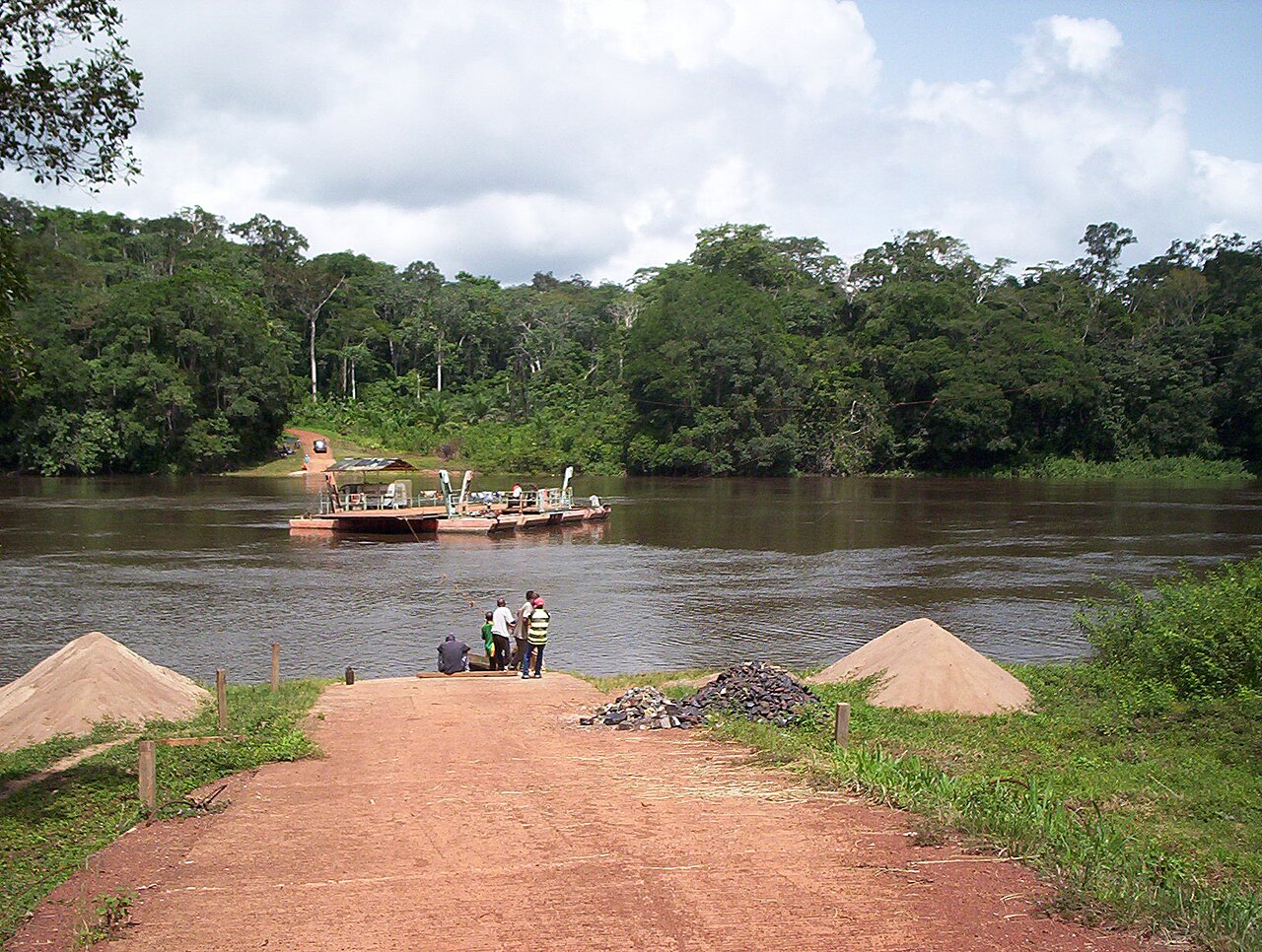
- Forest trails with a guide — Inside the reserve
Most “sights” at Dja are experiences: walking under tall canopy, hearing birds and insects, and tracking clues rather than chasing big landmarks. The thick forest can swallow views, so the real payoff is time spent with a guide who understands where animals tend to move. - Pirogue viewpoints along the river — East Province river stretch near crossings
A pirogue on the Dja River can give a steadier rhythm for seeing the riverbanks and their gradual changes. It’s not a city-view kind of sightseeing—more about texture: muddy margins, forest walls, and the way light spreads across the water.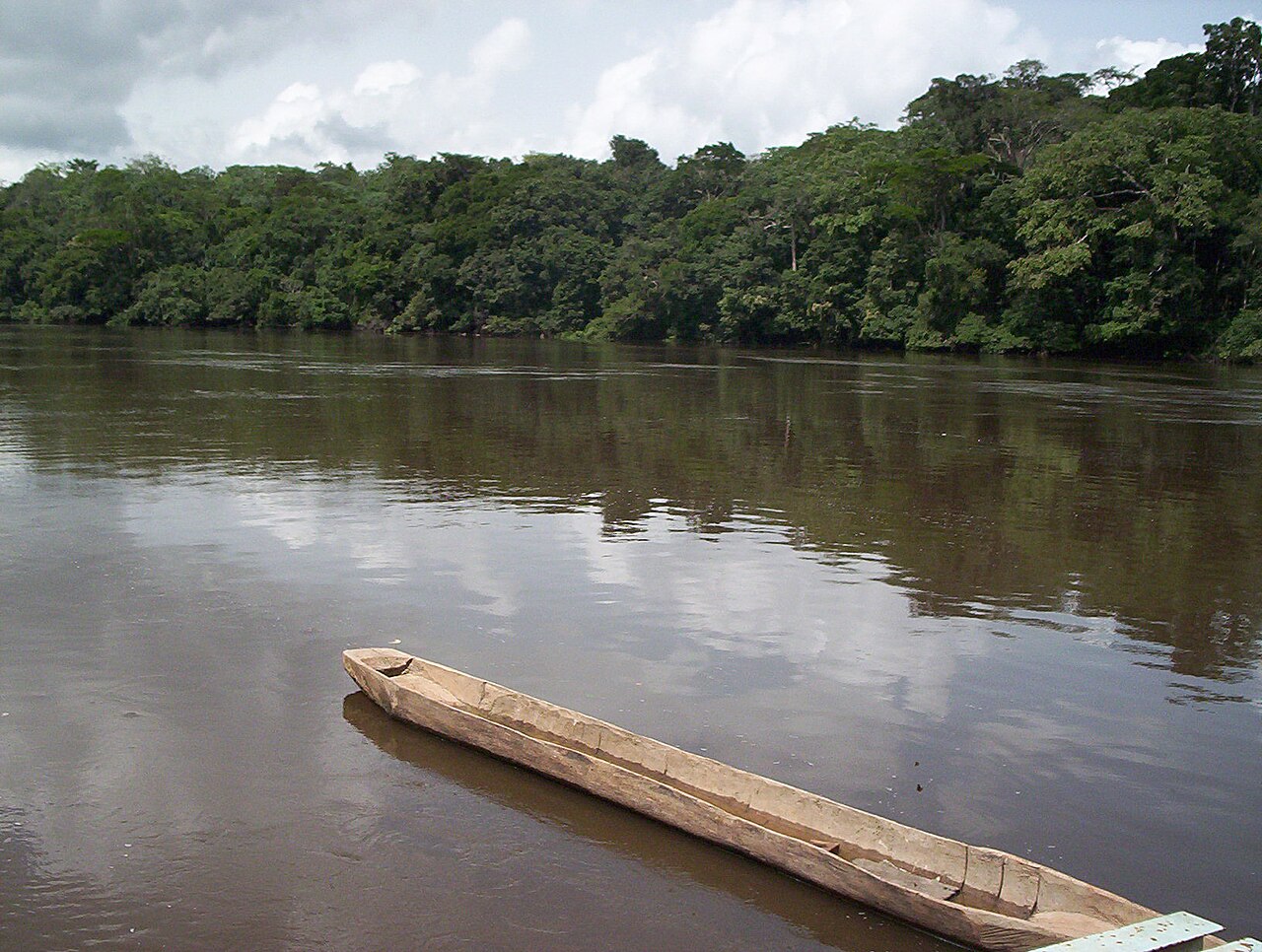
- Pygmy villages (traditional dance visit) — Village area just outside the reserve
Near the reserve, pygmy villages may be visited with permission, including a chance to see traditional dance. Community visits are usually arranged through local contacts, so confirm what’s possible with your organiser before travel and be respectful of boundaries. - River views from quieter banks — Riverbanks south of Lomié and north of Ngoila
The Dja River’s scale becomes easier to grasp from calm stretches where the canopy opens slightly. River-view moments help break up the day from walking and waiting, and they’re a good place to regroup before continuing further into the forest.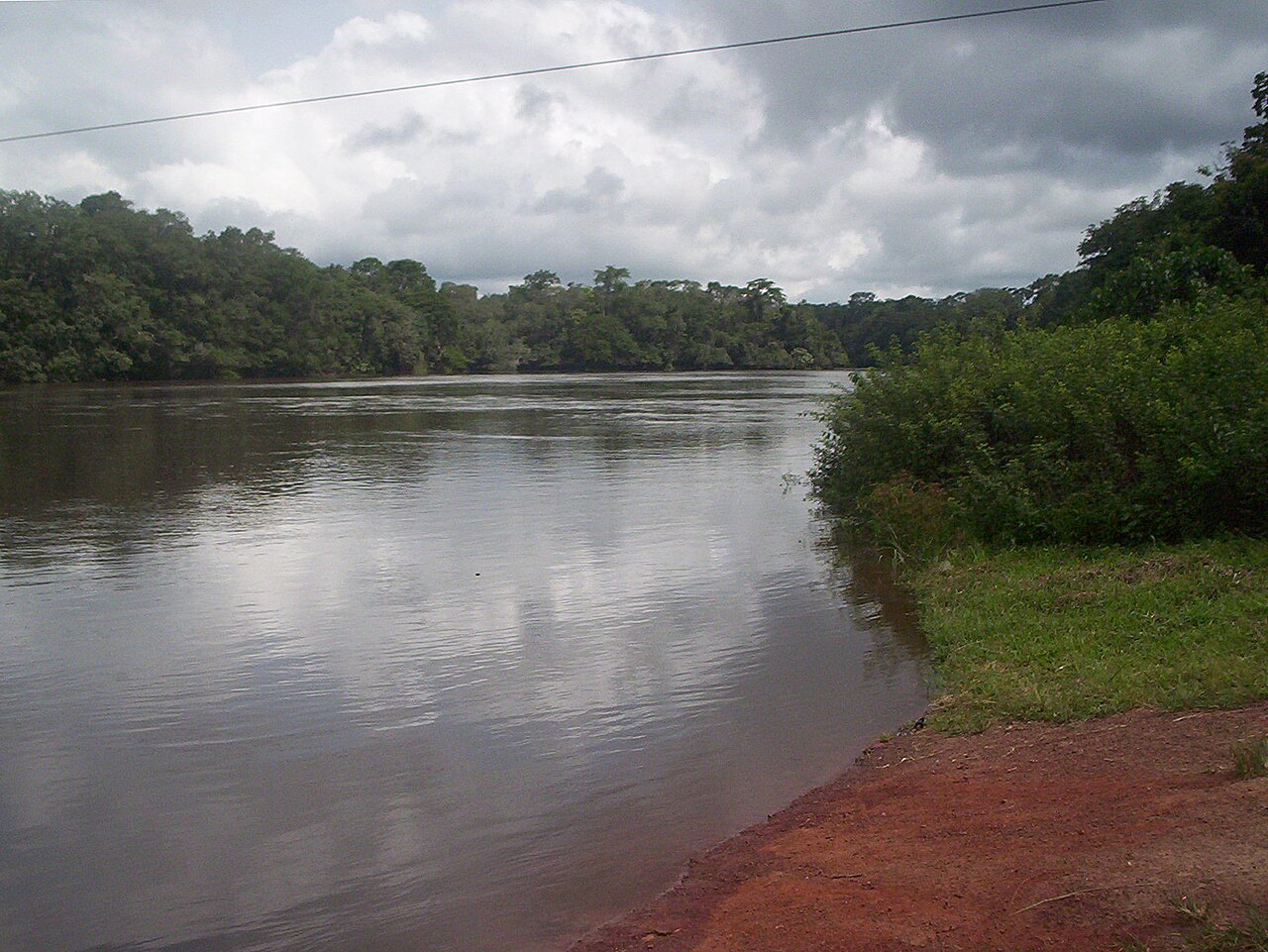
Culture
Dja Faunal Reserve is not a place with “cultural stops” in the typical museum sense; most cultural contact comes through living communities near the forest and through how guides and organisers work. Visits to pygmy villages can include traditional dance, but these are community moments, not performances on demand. Arranging properly through local contacts is part of the respect and safety side of the trip.
Because the reserve is managed and protected, there’s also a strong conservation culture around how people move through the forest. The overall message from management and experienced guides is simple: disturbance matters, and the best wildlife time usually comes from patience, quiet movement, and following local guidance on where and when to go.
For photography, think about consent and practicality. People may be working, waiting, or moving between tasks, and the forest environment doesn’t always support long, intrusive filming sessions. Keep requests brief, follow what you’re told, and if someone says no, treat it as final.
On the ground, expect a few realities: rough roads outside, limited conveniences, and days where the main “win” is sharing the forest with good company rather than ticking a checklist of animals. Visitor behaviour shapes how welcome the area feels for everyone.
Respect consent and permission for village visits and photography, and follow your guide’s instructions around the reserve.
What to wear
At Dja Faunal Reserve, clothing is mostly about rain-forest function rather than style. The traditional dress in and around the region varies by community, but a common theme is fabric that suits warm, humid conditions and modest coverage around villages. Visitors should expect that dress norms may be more conservative near communities and around traditional settings, so wearing clothing that covers shoulders and knees is a safe baseline.
In day-to-day life now, people generally dress for practicality—light layers that handle humidity, and shoes that can handle muddy ground. Outside the reserve, the road conditions can be rough, and “nice footwear” usually becomes wet and dirty fast.
For visitors, focus on what the environment demands: breathable long trousers, a long-sleeved top for insects and under-canopy brushing, and a waterproof layer for rainy periods. Closed-toe trainers or hiking shoes with grip are the right call because tracks can be slippery. If visiting village areas, bring a clean spare top and aim for modest coverage so the visit feels comfortable for everyone.
Finally, pack for long days outdoors: keep a hat or cap, use insect repellent, and plan on clothes that can dry slowly in humid weather.
What to eat
- Simple village meals (ask what’s cooking) — Village area just outside the reserve
Food is often practical rather than fancy. Some locals may cook for visitors if asked, so expect whatever’s available that day rather than a menu. If plans are uncertain, keep expectations flexible. - Carry your own supplies if you’re picky — On-route and at your camp or accommodation
Because choices can be limited away from towns, bringing your own food is the easiest way to manage preferences. Even if you plan to try local meals, having backup items reduces stress on days affected by rough road conditions. - Market-style snacks and basics — Local markets in nearby settlements
Staples and quick, snackable foods can be easier to source in surrounding areas than inside the reserve. Think of this as “fuel for the day” rather than a sit-down meal—useful when walking days run long. - Community cooking meals — Community homes during arranged visits
When you’re offered a shared meal, accept it with gratitude and keep it simple. These meals tend to be home-style and may be eaten informally. Ask about ingredients if there are dietary restrictions.
Plan it
Best time. March–April and October–November are comfortable windows for Dja Faunal Reserve, avoiding the worst of wet-season hassle; June is rainy and can turn roads and access slow, while August can be hot and humid.
How long. 3–4
Getting there. Travel is typically arranged from regional hubs via rough dirt roads to the village just outside the reserve; long overland legs are common. The last stretch is usually reached by local transport, and some travellers use a 4x4 vehicle for the conditions.
Budget. mid
Tips
- Book through a tour company (for example, in Yaoundé) and confirm the access plan well ahead
- Choose a local guide who understands the area and can offer practical advice
- During the rainy period, expect delays and plan extra buffer days
- If the plan includes village time, coordinate expectations in advance through your organiser
Etiquette
- Follow your guide’s instructions for where and when to move in the forest
- Ask before photographing people during village visits
- Keep quiet and avoid unnecessary disturbance while walking
Nearby
Sources
- Wikidata Q843147 (CC0)
- Wikipedia — Dja Faunal Reserve (rev 1362722026) (CC BY-SA 4.0)
- Wikivoyage — Dja Faunal Reserve (rev 4869775) (CC BY-SA 4.0)
- photos/01-dja-river-and-pirogue.jpg (CC BY 3.0)
- photos/02-dja-faunal-reserve-109434.jpg (CC BY-SA 3.0 igo)
- photos/03-crossing-the-dja-on-a-ferry.jpg (CC BY 3.0)
- photos/04-dja-river-view.jpg (CC BY 3.0)
- photos/05-dja.jpg (CC BY-SA 2.5)
- photos/06-fleuve-le-dja.jpg (CC BY-SA 4.0)
- photos/07-muendung-lobo.jpg (Public domain)
- photos/08-osm-ledja.png (CC BY-SA 2.0)


