Dinosaur National Monument
Dinosaur National Monument, United States
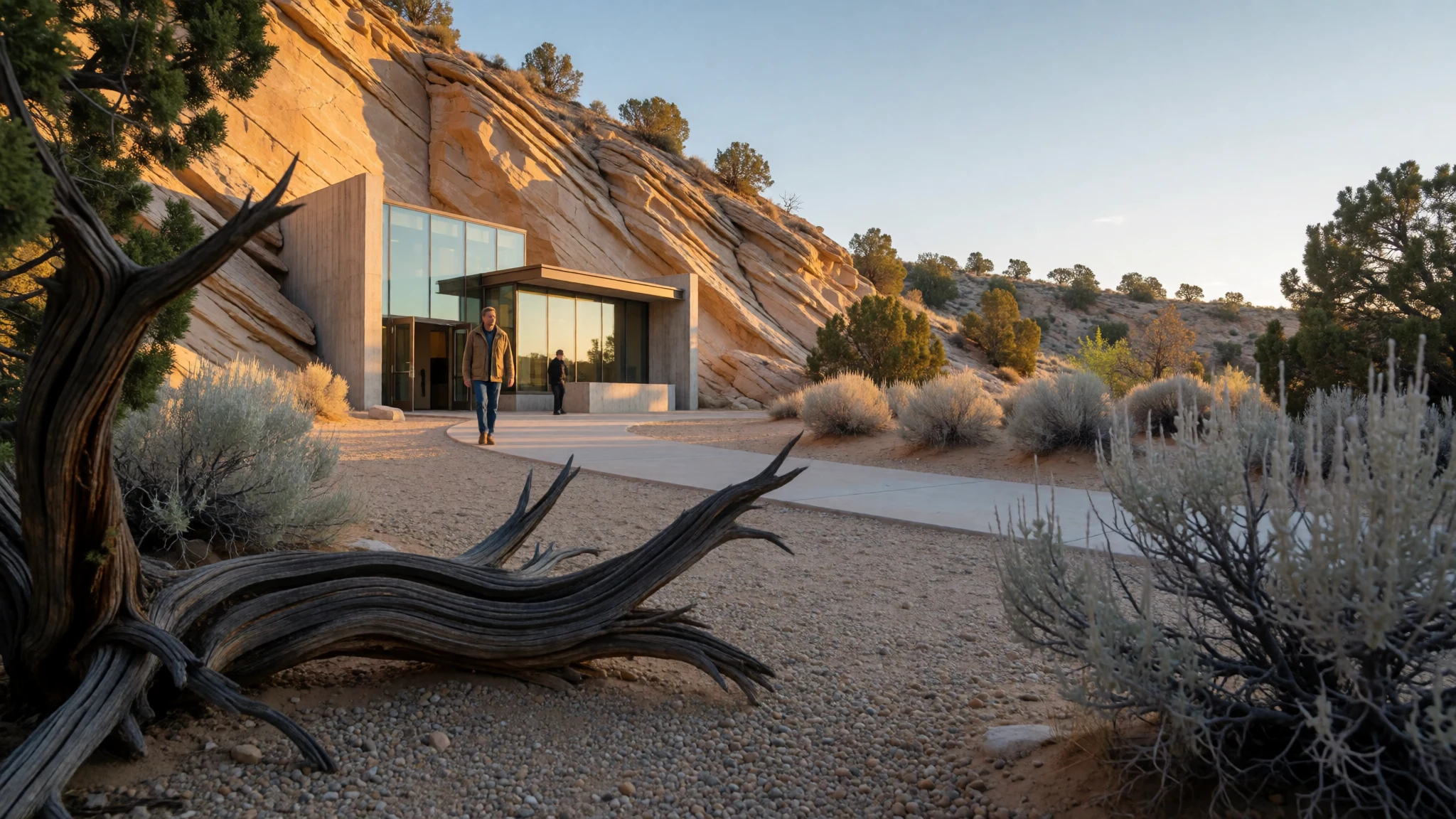
Dinosaur National Monument lets visitors see Jurassic bones still lodged in the rock, then follow two desert rivers through folded canyons.
The place
Dinosaur National Monument straddles the Colorado–Utah border on the southeast flank of the Uinta Mountains, where the Green and Yampa rivers meet. Most of the land lies on the Colorado side, yet the fossil quarry that gave the park its name sits in Utah, a short drive north of the small town of Jensen. Vernal, Utah, is the nearest proper city, and Dinosaur, Colorado, is the closest Colorado town. Neither is large. The monument has two districts, each with its own visitor facilities: the Quarry area, built around the fossil wall, and the Canyon area, where the rivers have cut deep into the rock. Both are reached from the same main highway. This is high desert, which means big skies, thin shade and wide swings in temperature between day and night. The quarry was protected in 1915, and later additions brought in canyons, rock art and old homesteads. Most people arrive for the bones and stay longer than planned once they see the gorges. Services are sparse. There is no lodging and there are no restaurants inside the monument, so visitors base themselves in Vernal, Dinosaur or Rangely and carry food and water in. Distances between fuel stops can be longer than they look on a map, and many park roads are unpaved clay that becomes impassable after rain. It is a landscape where geology is laid open like pages, and the pace suits people who like space and quiet.
Its story
Dinosaur National Monument has been a place of record-keeping for a very long time, first by people and then by stone. Before the fourteenth century, the Fremont people lived here in small bands, sheltering under rock overhangs and in shallow caves or small villages. They hunted mule deer and bighorn sheep, gathered pine nuts, berries and cactus fruit, and grew corn, beans and squash, sometimes with irrigation. They left no great buildings. What remains is their art: petroglyphs and pictographs of figures with trapezoid bodies, apparent headdresses, necklaces and shields, alongside animals, spirals and circles. Why the culture faded is still debated, with drought, shrinking resources and the influence of neighbours all suggested. The second story is much older. Early in the twentieth century, Earl Douglass of the Carnegie Museum found the first Apatosaurus vertebrae at a site that became the Carnegie Quarry. The scale of what lay in the sandstone became clear, and the surrounding area was declared a national monument in 1915. Since then, the monument has grown to include far more than the quarry, covering river canyons and a great many other fossil sites. Today the park holds remains of dinosaurs such as Allosaurus and various sauropods, and the Abydosaurus skull found here is the type specimen for its species. Human art and Jurassic bone sit in the same landscape.
What to see
- Quarry Exhibit Hall — Quarry district, Utah
The Quarry Exhibit Hall is built over a tilted wall of rock with about fifteen hundred dinosaur bones still embedded in it, so you see fossils where they were found rather than behind glass. It is indoors, which helps in heat or snow. Plan to linger and look for the long neck vertebrae.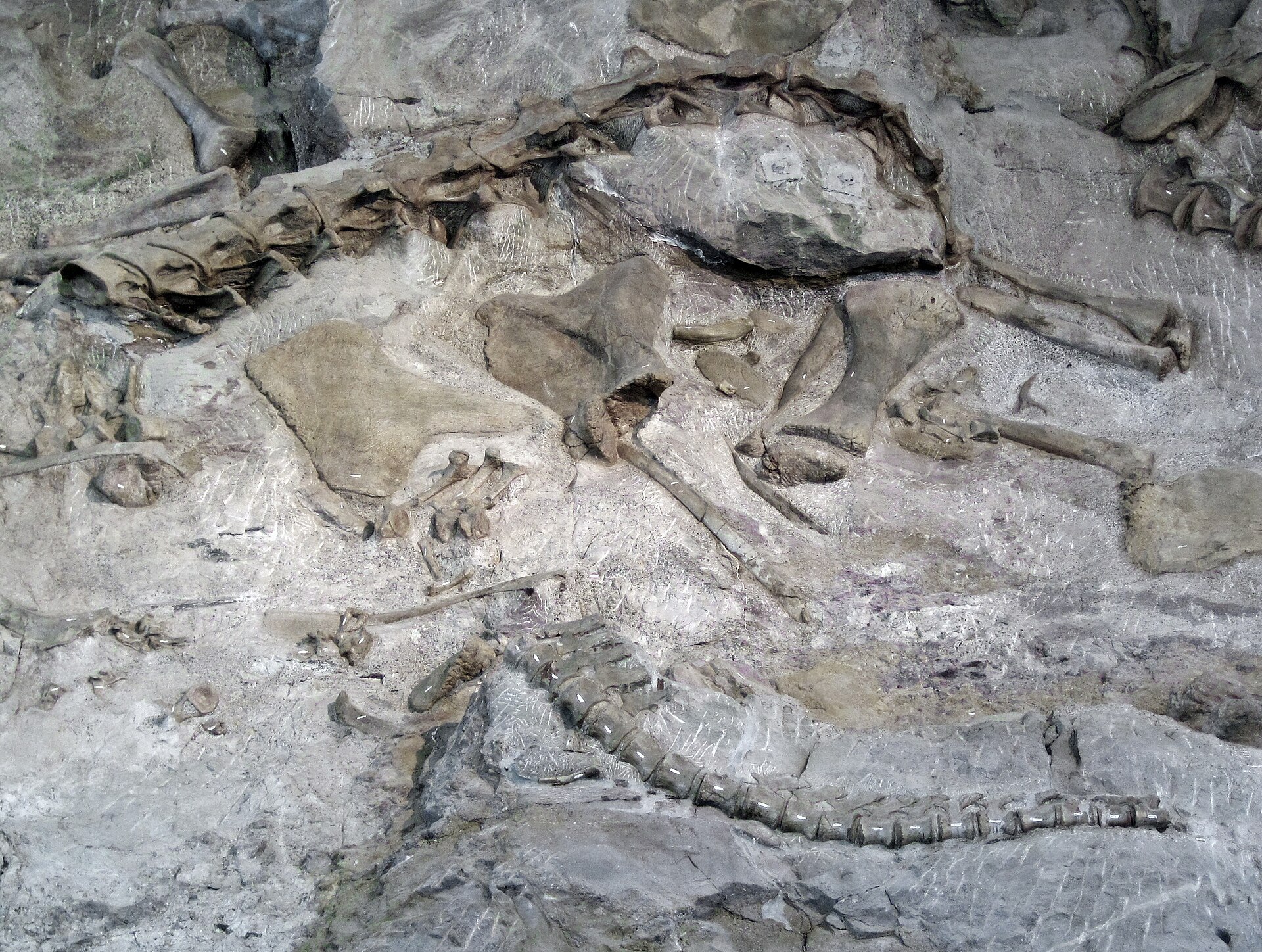
- Canyon Visitor Centre — Canyon district, Colorado
The Canyon Visitor Centre is the starting point for the monument's mountain and river side. Its exhibits explain the facilities and roads in the Canyon area, and rangers can say which unpaved routes are passable. Stop here before driving the long scenic road, since services further on are almost nonexistent. - Split Mountain gorge — Quarry district, along the Green River
Split Mountain is a gorge where the Green River slices through steeply tilted rock layers. The Tour of the Tilted Rocks self-guided drive runs close to it and ends at a homestead. The boat ramp here is where many river trips begin, and the picnic area makes a good stop.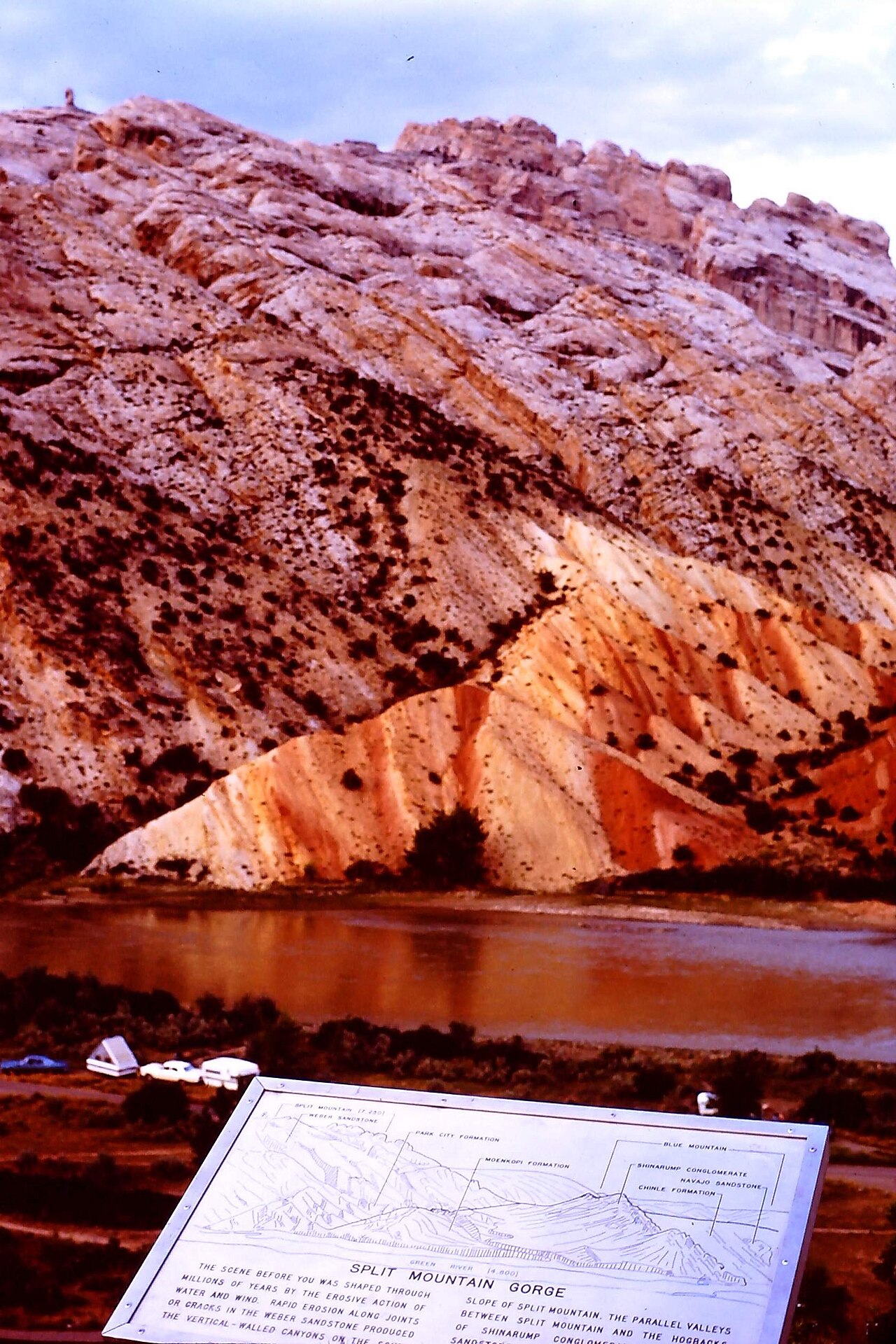
- Fremont rock art — Both districts, at signed sites
Petroglyphs left by the Fremont people appear on cliff faces at several signed spots. Look for bighorn sheep, lizards, snakes and figures with decorated shoulders and headgear. Binoculars help, and early or late light makes the pecked lines easier to see. Ask rangers which panels are easiest to reach.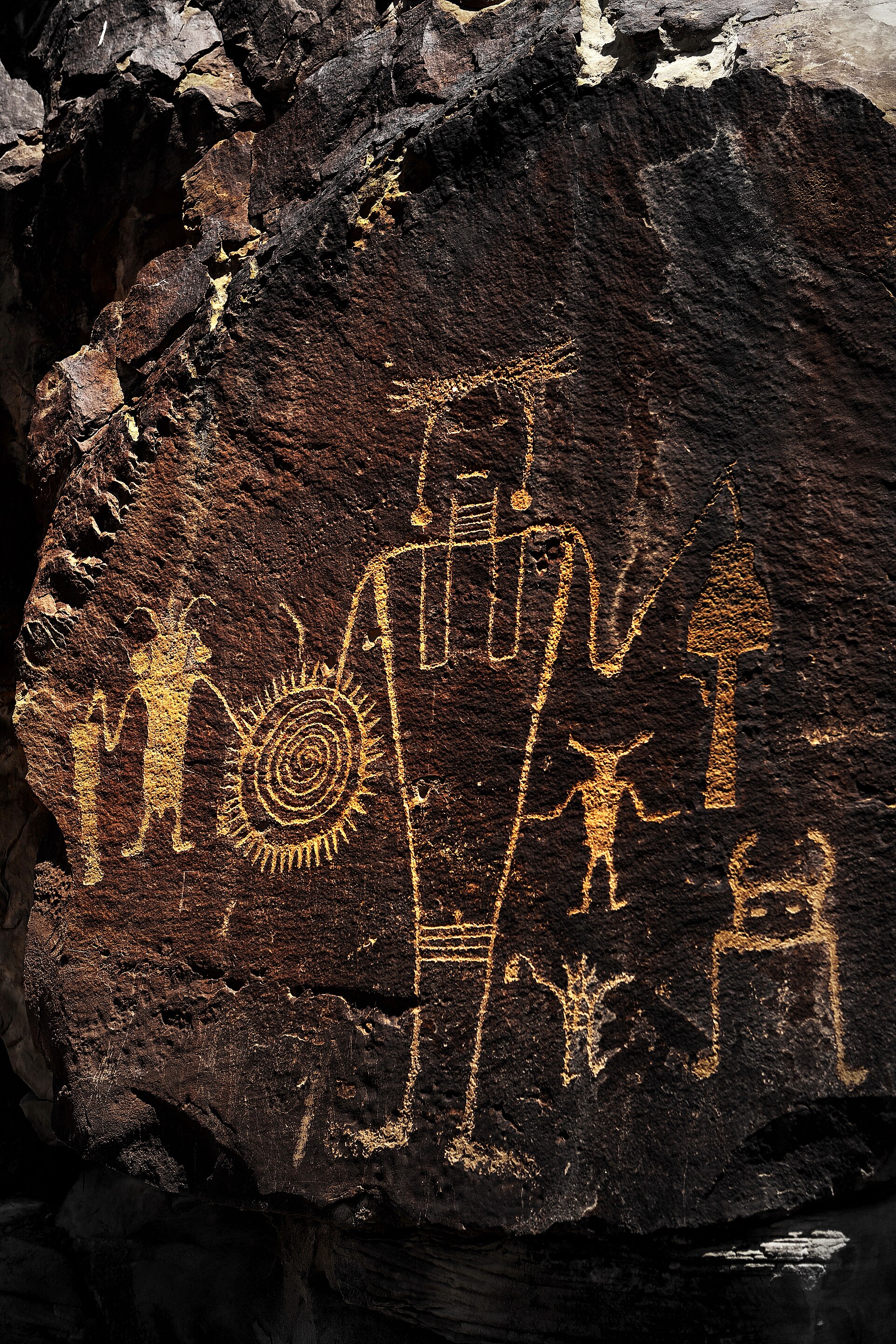
- Green and Yampa river trips — Canyon district rivers
Both rivers run through the monument, with rapids rated demanding enough that anyone without river experience should go with an authorised commercial guide. The official website lists approved outfitters. Trips range from a day to several days, and are the best way to see canyon walls that roads never reach.
Culture
Dinosaur National Monument carries several layers of human story, and none of them is loud. The oldest visible layer is Fremont rock art, pecked and painted onto cliffs by people who lived in shelters and small villages; the trapezoid-bodied figures, bighorn sheep and spirals are still readable today. Later came ranchers and homesteaders, and the Josie Bassett Morris homestead at the end of the Tour of the Tilted Rocks drive shows how hard a self-reliant life was in this dry country. The science culture is as strong as the history. The quarry is a working place of palaeontology, and the early Carnegie Museum excavations are the reason the monument exists. Rangers and volunteers talk about bones with an enthusiasm that rubs off on visitors. People in Vernal, Dinosaur and Rangely are practical and friendly, used to travellers who arrive underprepared for distance and heat. River running is its own tradition here, with guides who are cautious and know the rapids well. Expect an unhurried, outdoors-first atmosphere, early nights and very few people after dark. Rock art, fossils and old homestead objects are fragile and belong to everyone, so look closely but never touch, rub, chalk or collect anything, and keep to the marked paths.
What to wear
Dinosaur National Monument has no living tradition of ceremonial dress to describe, and it would be dishonest to invent one. The Fremont people left no surviving garments that the brief can name, but their rock art shows figures with elaborate headdresses, earrings, necklaces and shields, which suggests decoration mattered even if the textiles themselves have not survived. What people wear now is plain and practical. In Vernal, Dinosaur and Rangely, ranch and outdoor clothes dominate: jeans, work shirts, wide-brimmed hats, sturdy boots and fleeces, with nothing formal expected anywhere. For a visit, dress for the season, because this is a land of extremes. Summer days can be fiercely hot and nights cool, so wear light long sleeves, a hat, sunglasses and sun cream, and carry a warm layer. Winter is far colder, with snow common, so bring insulated boots, gloves and a proper coat. Closed shoes with good grip suit the rocky trails and the clay surfaces of the park roads. If you are rafting, choose quick-drying clothes and secure footwear, and ask your guide what to pack. There are no modesty rules at the sites, but covering shoulders and legs helps against sun and scratchy desert plants.
What to eat
- Riverside picnic lunch — Picnic area near the Split Mountain boat ramp
With no restaurants inside Dinosaur National Monument, lunch is usually something packed: sandwiches, fruit and a large flask of water, eaten at a picnic table near the river. It is simple, but the setting beside the gorge makes it a highlight of the day. - Trailhead snack box — Harpers Corner trailhead picnic area
Bring crackers, cheese, nuts and dried fruit to the picnic spots along the Harpers Corner road. They suit a long drive in a dry climate and keep well in heat. Pick up supplies in a nearby town beforehand, since nothing is sold along the road. - Diner breakfast — Cafés and eateries in Vernal, Dinosaur or Rangely
Before an early start, the nearby towns offer the usual American morning plate of eggs, potatoes, toast and coffee. It is filling, and it carries you through a morning of hiking or the walk through the quarry exhibit. - Burger and chips supper — Family eateries in Vernal
After a day in the sun, simple grills serving burgers, chips and cold drinks are the easiest choice in the gateway towns. Menus are plain, portions generous, and the atmosphere relaxed. Ask staff about local places, as dining options change over time.
Plan it
Best time. May–June and September–October are the most comfortable months, with milder days. Summer can be very hot, though nights are cool. Winter is very cold, with snow that melts quickly in the dry sun, and unpaved roads become impassable when wet in any season.
How long. 2–3
Getting there. The nearest large airports are Salt Lake City and Denver, each a long drive of several hours. Both districts are reached from the same main highway, and Vernal, Utah, is the usual base for the Quarry area. There is no public transport inside the monument, so a car is essential.
Budget. mid
Tips
- Keep the fuel tank above half full, as services are far apart
- Check weather and road reports before using unpaved clay roads, which can be impassable when wet
- Carry plenty of water, food and sun protection, since nothing is sold inside the monument
- Book lodging in Vernal, Dinosaur or Rangely early in summer, as there is none in the park
- Check the official site, https://www.nps.gov/dino/index.htm, for current hours, fees, river permits and guide lists
Etiquette
- Do not touch or collect fossils, rock art or homestead objects
- Drive slowly and watch for wildlife on the roads
- Raft only with an authorised guide unless you are an experienced river runner
Nearby
Sources
- Wikidata Q1226698 (CC0)
- Wikipedia: Dinosaur National Monument (rev 1371084294) (CC BY-SA 4.0)
- Wikivoyage: Dinosaur National Monument (rev 5350419) (CC BY-SA 4.0)
- Photo: Diplodocus vertebrae, James St. John (CC BY 2.5)
- Photo: Camarasaurus, Rob Glover (CC BY-SA 2.0)
- Photo: Relief location map of the USA, Uwe Dedering (CC BY 3.0)
- Photo: Entrance sign, Kenneth Carpenter (CC BY-SA 4.0)
- Photo: NPS official map (Public domain)
- Photo: Split Mountain Gorge, Drbogdan (CC BY-SA 4.0)
- Photo: Strata towards the Quarry Visitor Center, Kenneth Carpenter (CC BY-SA 4.0)
- Photo: Petroglyphs, Ducilla1 (CC BY-SA 4.0)


Wildlife
- Mule deer (animal)
The mule deer is the deer with ears as big as a mule's, which is how it got its name. It is an animal of western North America, and people who lived in this land long ago hunted it for food. Watch from a respectful distance so it never feels crowded, keep your voice low and your movements slow, and ask a guide to help you find it. Please never feed it; wild deer are healthiest finding their own meals.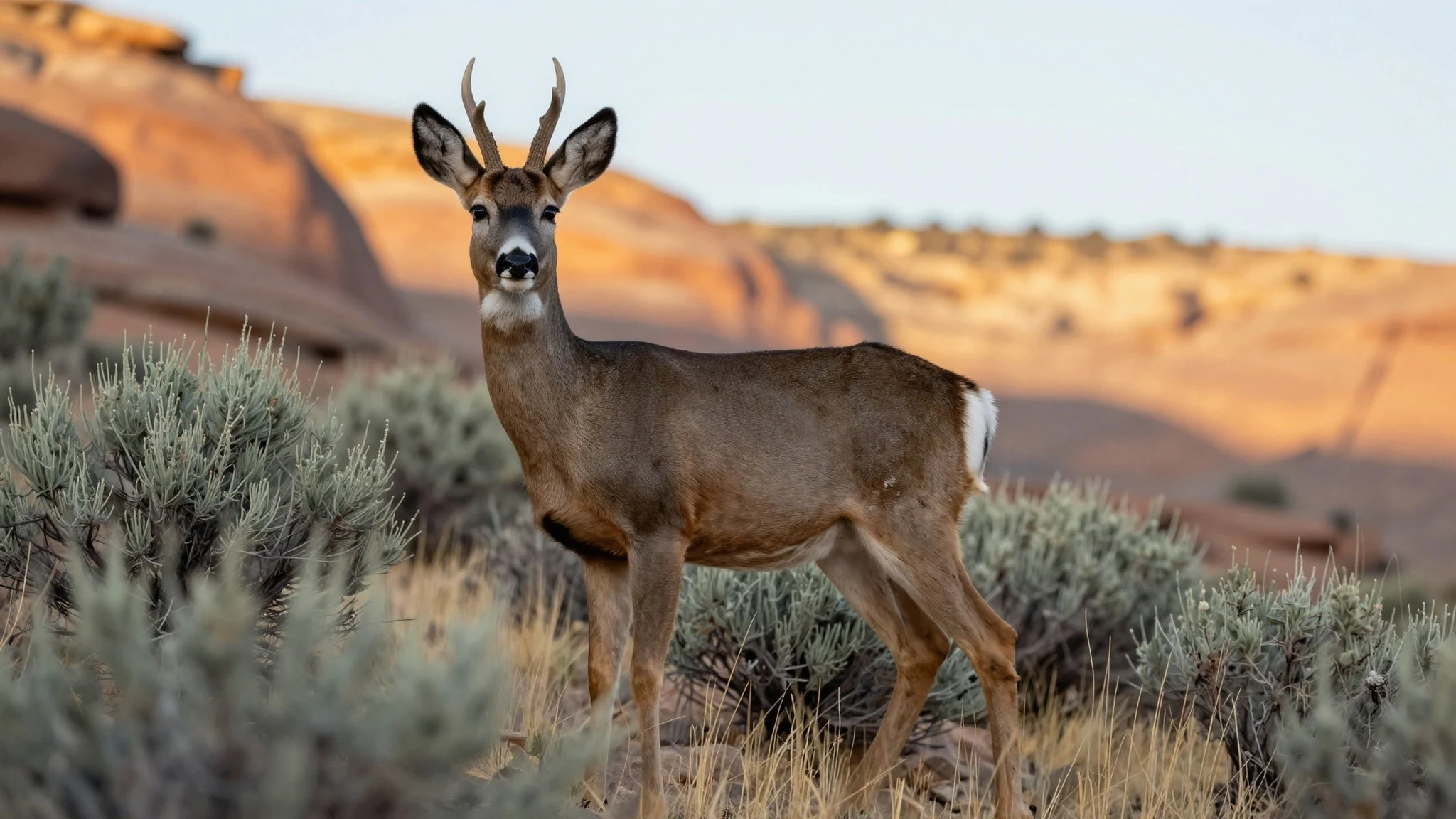
- Bighorn sheep (animal)
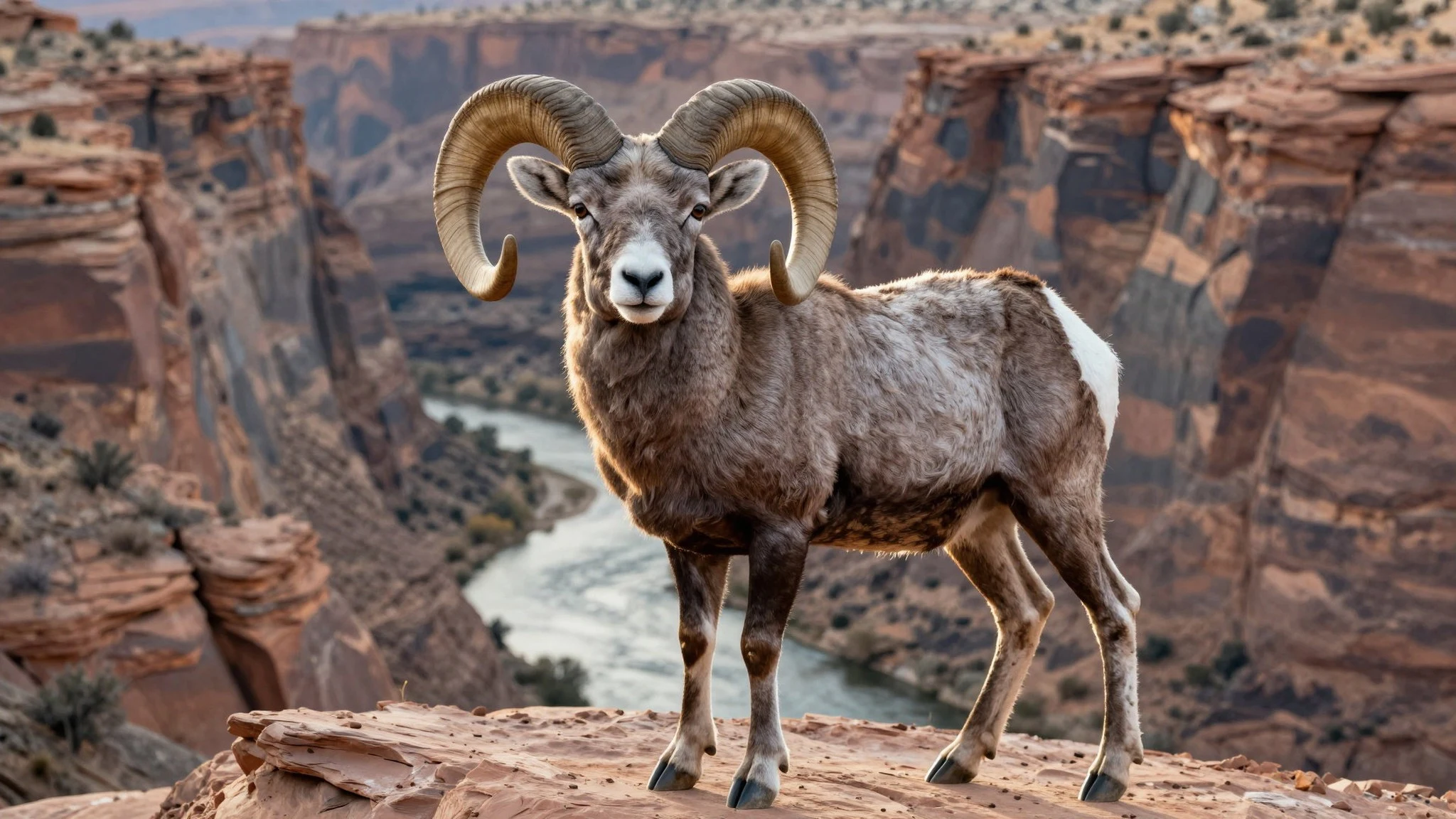
The bighorn is the wild sheep with giant horns, so heavy that a pair can weigh up to 14 kg. It is native to North America, and people who lived in this land long ago hunted it for food. Watch from a respectful distance, keep quiet and still, and ask a guide to help you find it. Please never feed it; wild sheep should find their own food, and a calm animal is far more rewarding to watch.