Denver
Denver, United States
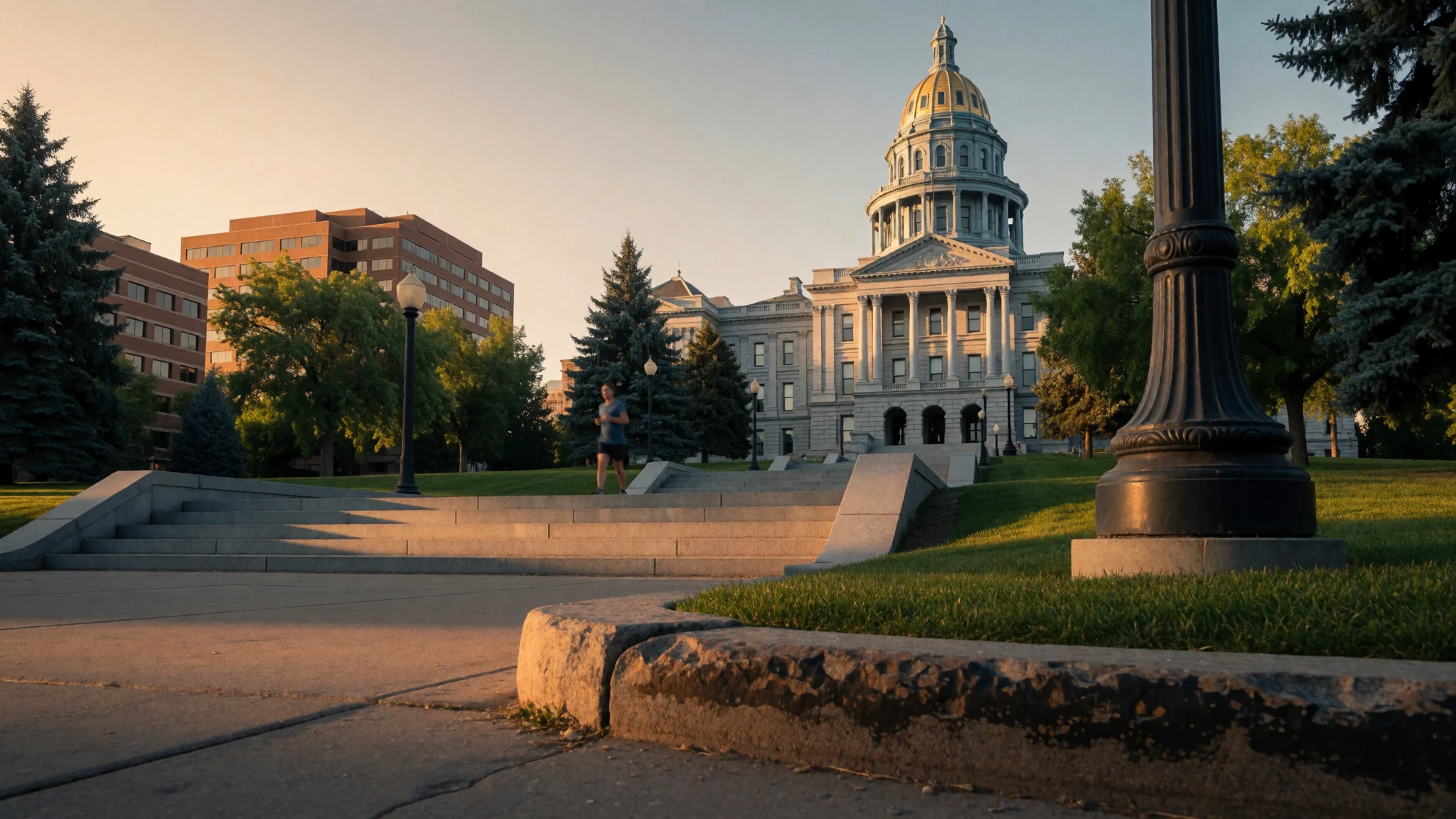
Denver is a sunny, walkable-in-the-middle city on the edge of the Rockies, good for museums, music and an easy base for the mountains.
The place
Denver is the capital of Colorado, a consolidated city and county of 715,522 people standing 1,609 m above sea level, which explains its nickname, the Mile High City. It lies in the valley of the South Platte River on the western edge of the High Plains, with the Front Range of the Rocky Mountains rising just to the west. That setting shapes everything: flat, gridded streets near the middle of town, then a wall of mountains on the horizon whenever the air is clear. Cherry Creek meets the South Platte close to where the city began, and the old rail yards beside that junction are now Union Station and the neighbourhoods around it. The metropolitan area spreads across ten counties and holds about 3.1 million people, so many of the places visitors want are a short train or car ride out: the red sandstone foothills at Morrison, then the mountain towns beyond. Denver works both as a gateway and as a destination in its own right. The city centre is compact enough to walk, with a long pedestrian mall, a domed capitol, museums clustered around a civic park, and a lively food and brewery scene in the districts to the north and west. The air is dry and the altitude is noticeable for the first day or two, especially for anyone arriving from sea level. One honest caveat: beyond the core this is a car-oriented American city, so distances between neighbourhoods are longer than the map suggests, and public transport will not reach every trailhead or venue.
Its story
Denver grew out of a gold rush, on land that already had owners. Cheyenne, Arapaho, Ute, Apache and Comanche peoples lived and moved across the country around the South Platte River long before any prospector arrived. The 1851 Treaty of Fort Laramie recognised a huge block of plains as Cheyenne and Arapaho territory, and the ground that is now Denver lay inside it. Then came 1858 and word of gold in the Rocky Mountains. A party of prospectors from Lawrence, Kansas, had already built a camp called Montana City on the riverbank that summer, the first settlement in what became Denver. The town proper was founded in 1858 where Cherry Creek meets the South Platte, and it took its name from James W. Denver, who was governor of Kansas Territory at the time. Settlers flooded across the treaty lands, and territorial officials pressed Washington to shrink the area promised to the Cheyenne and Arapaho. The settlers' interests won out. That sequence is the uncomfortable base of the city's frontier image, and several local museums now tell the story from more than one point of view. The gold itself mattered less in the long run than the business of supplying it. Denver became the commercial and rail hub for a wide region of plains and mountains, and the money that followed paid for theatres, opera houses, parks and the grander buildings of the centre. The early confidence of those boom years is still visible in the streets, even though the prospecting camps are long gone.
What to see
- Colorado State Capitol — Civic district, southern edge of the city centre
The Colorado State Capitol is a domed building at the southern edge of the city centre, and it anchors the civic district. It makes an easy first stop on foot, with the pedestrian mall running north from the area. Tour arrangements and public access change, so check the official state website before planning a visit. - Denver Union Station — Lower downtown rail district
Denver Union Station is the restored rail terminal in the old rail-yard district. It still handles Amtrak and local rail, and the great hall now holds restaurants, bars and plenty of seating. Even without a train to catch, it is a pleasant place to wait out a hot afternoon or start a walk through the neighbourhood.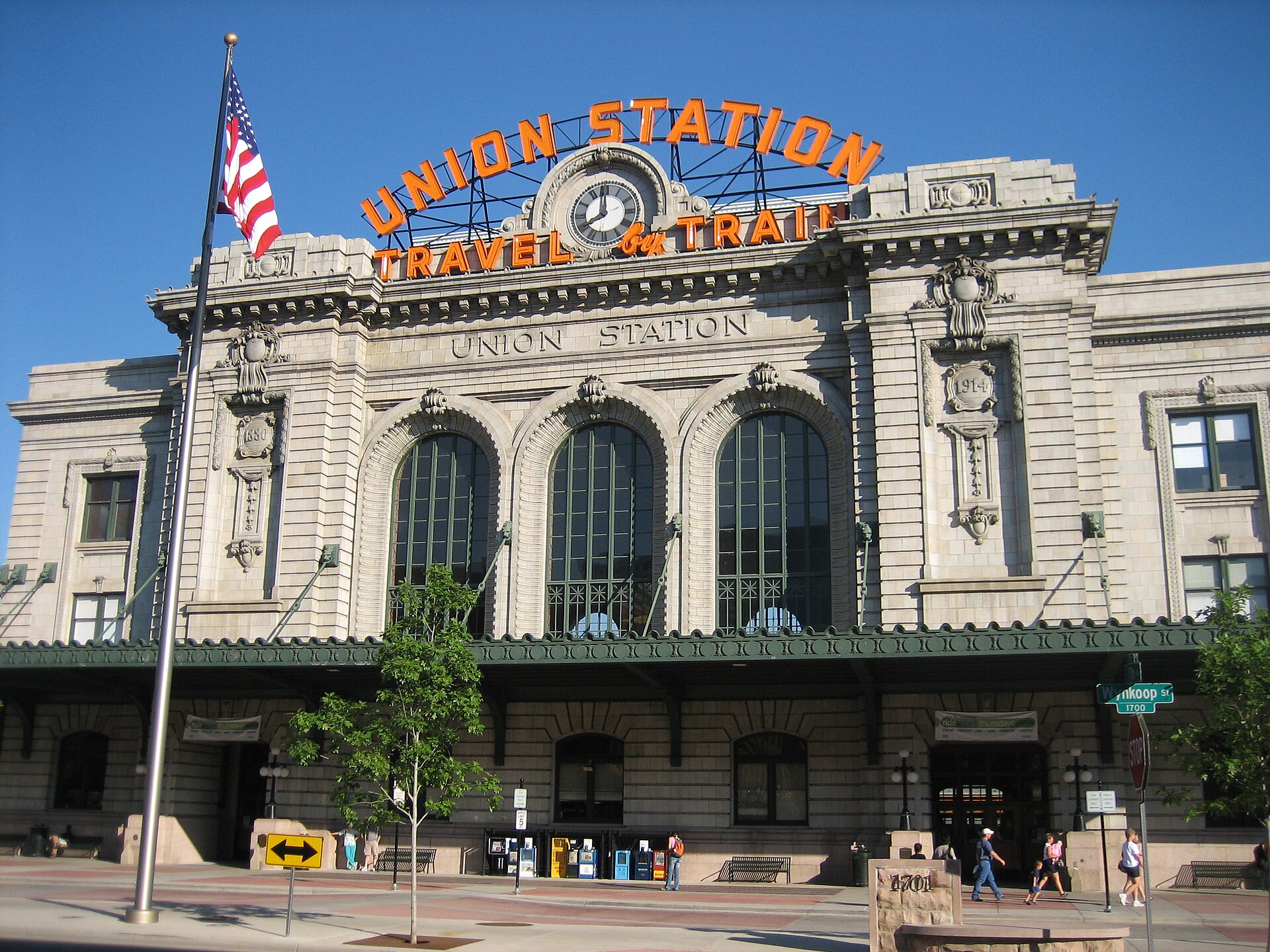
- Denver Art Museum — Civic park cultural cluster
The Denver Art Museum sits in the cluster of cultural buildings around the civic park, a short walk from the capitol. Its collections and temporary exhibitions change through the year, so look at the museum's own website for what is on and how to book before turning up on a busy weekend.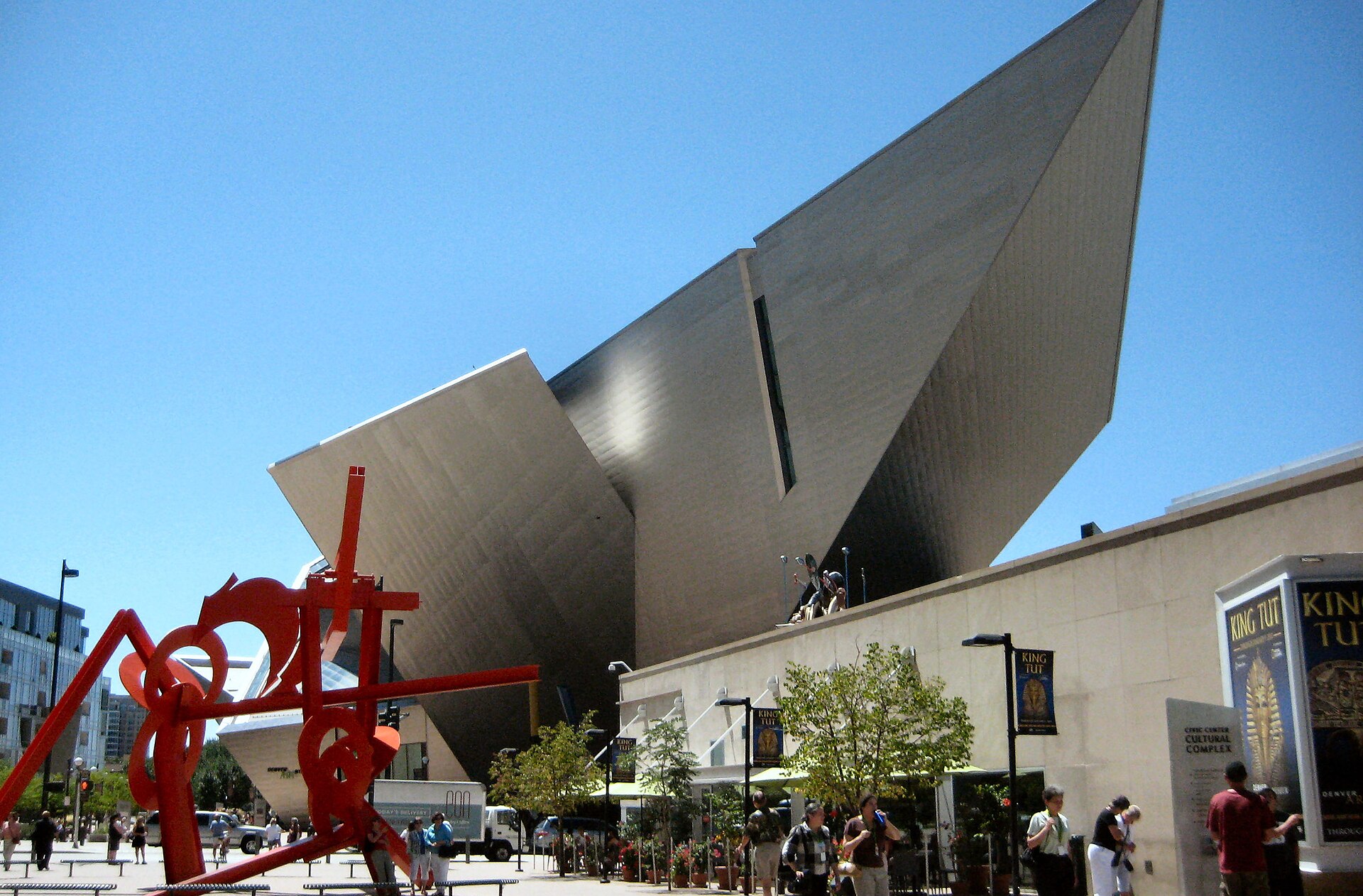
- Red Rocks Amphitheatre — Morrison, foothills west of Denver
Red Rocks Amphitheatre is an open-air concert venue set among tilted red sandstone slabs at Morrison, in the foothills west of the city. It faces east, so evening shows look out over the plains. Events are ticketed and popular, so check the official listings and plan the drive or shuttle in advance.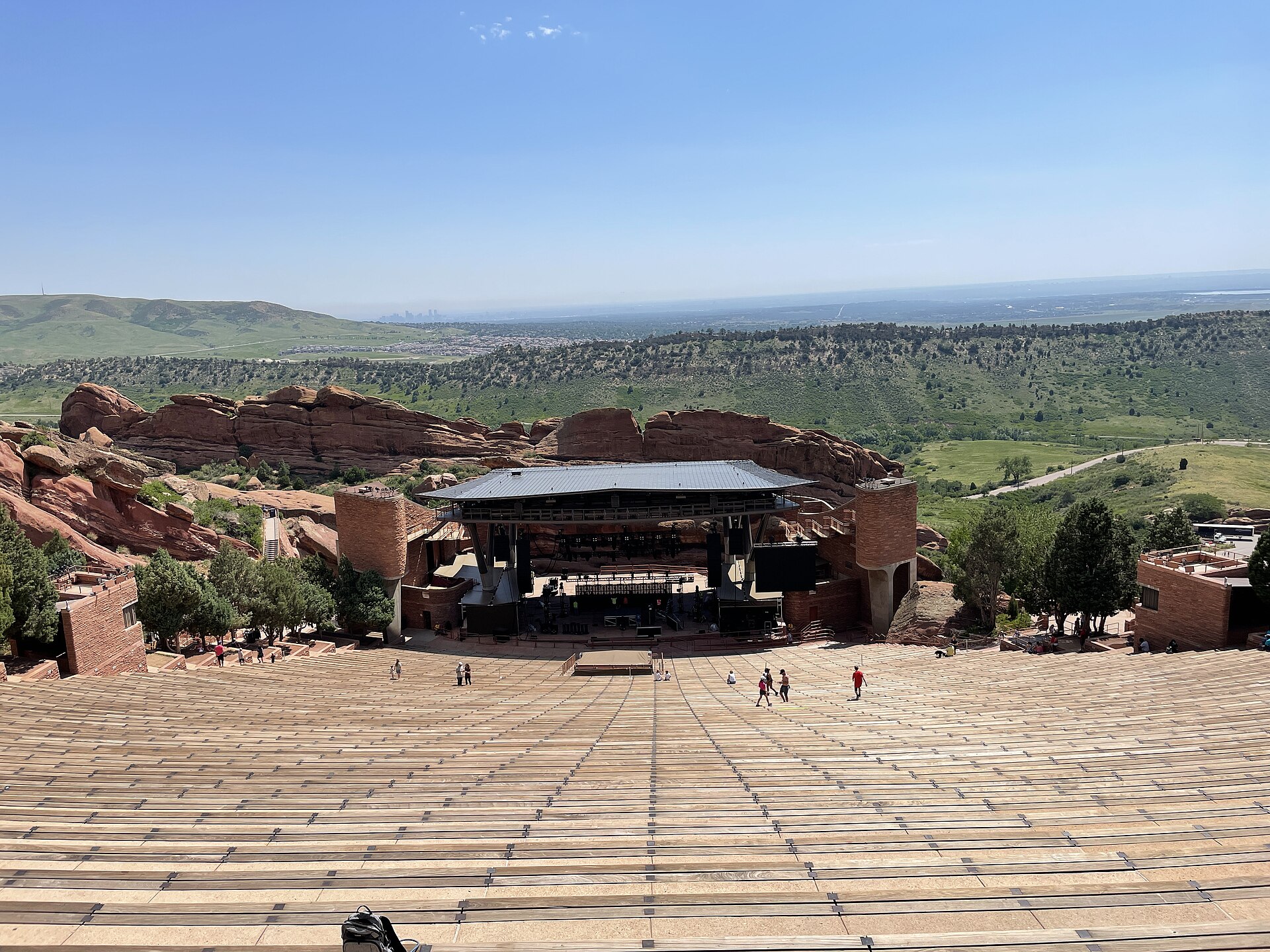
- Chamberlin Observatory — University of Denver campus area
Chamberlin Observatory was built in 1890 and still works as an observatory, run by the University of Denver. It is a historic landmark in a residential area south-east of the centre. The public can attend star parties and other events, so check the university's website for dates and how to reserve a place. - Black American West Museum — Five Points neighbourhood
The Black American West Museum fills the former home of Dr Justina Ford, said to be Colorado's first Black woman doctor. The museum records the part Black pioneers played in settling the Old West, a story often left out of cowboy legend. The building was moved to this site to be preserved.
Culture
Denver's cultural life began almost with the city itself. Apollo Hall opened soon after the founding and put on plays for eager settlers, and in the 1880s the mining magnate Horace Tabor built the city's first opera house. After 1900 city leaders ran a beautification drive that produced many of the parks, parkways and museums still in use, along with a civic auditorium that is now the Ellie Caulkins Opera House. Theatre, music and visual art have kept their public backing since then, and the main performing arts complex in the centre hosts touring shows and local companies through the year. Beyond the stage, the culture is outdoor and informal. Locals bike the river paths, hike on weekends, and treat a sunny winter day as an excuse to sit on a patio. Craft breweries, live music at the Red Rocks venue and baseball nights at Coors Field are all part of an ordinary week. The city is also working through its frontier history more openly than it once did, and visitors will find Indigenous, Black and women's histories given real space in smaller museums. Denver can feel relaxed to the point of casual, and conversation with strangers comes easily. In restaurants and bars, add a tip for table service because the bill rarely includes one, and ask before photographing people at events or markets.
What to wear
Denver has no single traditional dress, but two older traditions still show up. The Cheyenne, Arapaho and Ute peoples, whose lands these were, have long made regalia from hide, beadwork, quills and feathers, which is worn at powwows and ceremonies and displayed in local museums. The ranching and mining past left western wear: denim, felt hats, leather boots and snap-button shirts, seen most at rodeos and at the big winter stock show. What people actually wear now is mostly outdoor casual. Fleece jackets, trail shoes, puffer vests, caps and sports-team shirts are normal in cafes, offices and concert crowds alike, and few restaurants expect more than a tidy shirt. Weather decides much of it, because mornings can be cold and afternoons hot, and a dry, high-altitude sun is strong. For a visitor, layers are the answer: a light waterproof for sudden summer storms, a warm layer for evenings and winter, a hat and sunscreen all year. Comfortable walking shoes suit the city centre, while sturdy shoes or boots matter on foothill trails and snow. There are no dress rules for churches or public buildings beyond ordinary good sense, though smarter clothes suit the opera house or a formal dinner. Bring a refillable water bottle and do not rely on a cloudless sky to last the day.
What to eat
- Smothered green chile burrito — Neighbourhood Mexican-American eateries and breakfast counters
A burrito covered in green chile sauce is the dish most locals name first. Pork and chile stewed together, spooned over a wrapped tortilla, gives a warm, mildly fiery plate. Look for it in neighbourhood Mexican-American eateries and at breakfast counters across the west and north of the city. - Denver omelette — Classic diners and older cafes
The Denver omelette folds diced ham, green pepper and onion into eggs, and it is a diner staple across the American West. It suits a slow weekend breakfast with hash browns and coffee. Classic diners and older cafes in the city centre and along the main avenues still serve it. - Giardiniera sandwich — Local sandwich chains and delis near the pedestrian mall
Local sandwich shops here pile store-made fillings into long rolls, and one house favourite is hot pepper giardiniera, a chopped pickled relish with a sharp, spicy bite. It travels well to a park bench or a train platform. Look for the city's own sandwich chains and delis near the pedestrian mall. - Rocky Mountain oysters — Old-style steakhouses and western saloons
Despite the name, these are fried bull calf testicles, a ranching-country curiosity served sliced, breaded and fried with a dipping sauce. Treat them as a novelty starter to share rather than a main course. They turn up on the menus of old-style steakhouses and western-themed saloons. - Craft beer and food-hall plates — Taprooms and food halls in the River North district
Denver has a dense craft-brewing scene, and many taprooms put a rotating food truck outside or serve snacks to match. Food halls such as the Central Market in the River North district bring bakers, butchers and noodle counters under one roof, which is handy for groups who cannot agree.
Plan it
Best time. May–June and September–October for mild days, clear skies and good mountain access; July and August are warm with sudden afternoon storms, and winter is cold but often sunny, with ski country within reach.
How long. 2–3
Getting there. Denver International Airport, then a commuter rail line to Union Station in the city centre; Amtrak's California Zephyr also stops at Union Station daily, though long-distance delays are common. Check the official city site, denvergov.org, for local transport links.
Budget. mid
Tips
- Drink plenty of water and go easy on alcohol for the first day, because the altitude is 1,609 m
- Use sunscreen and a hat even on cool days; the sun is strong at height
- Book Red Rocks shows and popular museum exhibitions ahead, and check official websites for current times and fees
- Hire a car or book a shuttle for the foothills and mountain towns; the city centre itself can be done on foot and by rail
- Cards are accepted almost everywhere, but carry a little cash for tips and small stalls
Etiquette
- Tip table-service staff, as bills usually leave it to you
- Ask before photographing people at events, markets and powwows
- Keep to marked paths and take your rubbish home in foothill parks
Nearby
Sources
- Wikidata Q16554 (CC0)
- Wikipedia: Denver (rev 1386828261) (CC BY-SA 4.0)
- Wikivoyage: Denver (rev 5434902) (CC BY-SA 4.0)
- Photo: Denver, Colorado skyline (cropped), Quintin Soloviev (CC BY 4.0)
- Photo: Denver, Colorado skyline (cropped 3x5), Quintin Soloviev (CC BY 4.0)
- Photo: 16th Street Mall lights, Pcharles (CC BY 3.0)
- Photo: Denver Art Museum, J. Miers (CC BY 3.0)
- Photo: Denver Union Station, Darkshark0159 (Public domain)
- Photo: Red Rocks Amphitheatre, Dough4872 (CC BY-SA 4.0)
- Photo: Coors Field, Brianvaltierra (CC BY-SA 4.0)
- Photo: Denver Millenium Bridge from Commons Park West, Isarra (CC BY 3.0)


