Della Falls
Della Falls, Canada
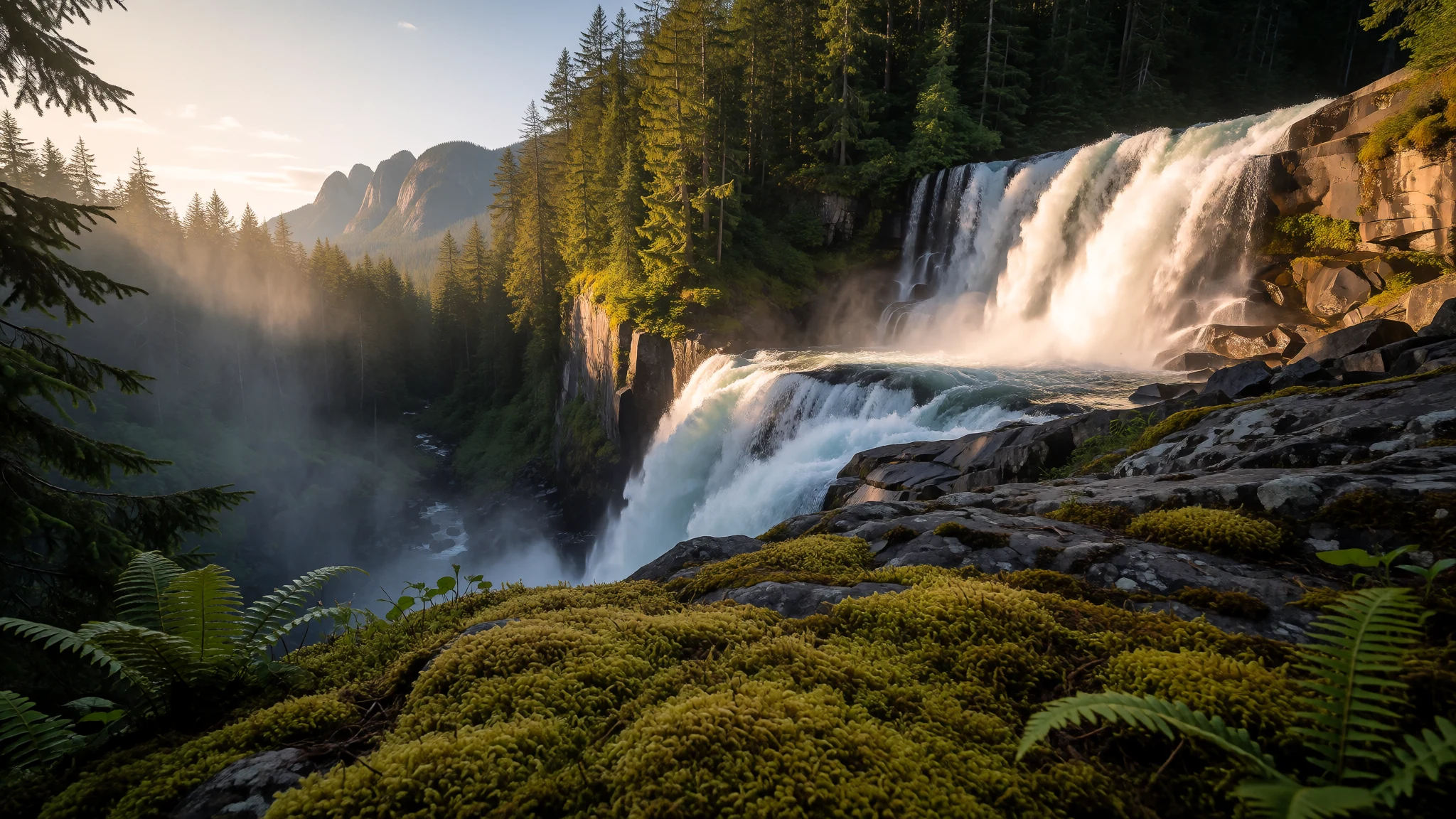
Della Falls drops 440 m down a Vancouver Island mountainside with no road to its base, so seeing it means a real wilderness trip.
The place
Della Falls sits in Strathcona Provincial Park, in the mountainous interior of Vancouver Island, British Columbia. Its total drop is 440 m, split into several tiers, and on the island only Kiwi Falls, in Schoen Lake Provincial Park, is taller. Meltwater leaves Della Lake high on the slope, tumbles out in the upper cascades and then steps down a rock wall into forest. No road reaches the base. Visitors normally cross Great Central Lake by boat and then walk the valley trail, so the falls are a trip of several days rather than a stop on a drive. The forest along the way is wet, mossy and full of old conifers, and mountain hemlock grows on the slopes where the Love Lake trail gives a long view back across the valley. Nine Peaks stands behind the lake. Flow is strongest while snow is melting and thins in dry late summer, and cloud often sits over the upper tiers, so a clear view of the whole staircase is never guaranteed. The park is remote. In mountain country across the province, mobile coverage can drop out entirely, so paper maps, spare food and a plan for bad weather matter more here than at a roadside viewpoint. For anyone content with walking, camping and uncertain skies, Della Falls is a tall waterfall with no car park beside it.
Its story
Della Falls lies in country that belonged to Indigenous nations long before the English name appeared on a map. Across what is now British Columbia, people spoke more than thirty languages from seven families when Europeans began to record them. On the coast, where salmon were abundant, communities stayed in settled villages with layered social structures. Nuu-chah-nulth, Coast Salish and Kwakwaka'wakw nations have long lived on Vancouver Island, and their own names and stories for the mountains and valleys are best heard from the nations themselves. Contact with Europeans began with trade and was, for a time, workable for many Indigenous communities. Smallpox and other imported diseases then devastated them. For years Spain, Russia, the United Kingdom and the United States all claimed the region, and the British and Americans tried to share control of the land west of the Rockies before the border was settled. On the island, prospectors and loggers pushed into the mountain valleys, and the English name of the falls is generally linked to a prospector's wife. Today the falls are protected inside a provincial park, and the long approach is part of what keeps them quiet. Visitors who want to understand the wider history can start at the Royal British Columbia Museum in Victoria, or at Indigenous-run cultural centres and museums elsewhere in the province.
What to see
- Della Falls from the Love Lake trail — Strathcona Provincial Park
The trail towards Love Lake climbs above the valley floor and opens gaps in the trees where the full height of Della Falls shows at once. Mountain hemlock frames the foreground. This is the place to judge the scale of the tiers, and the view is usually best when cloud lifts from the upper rim.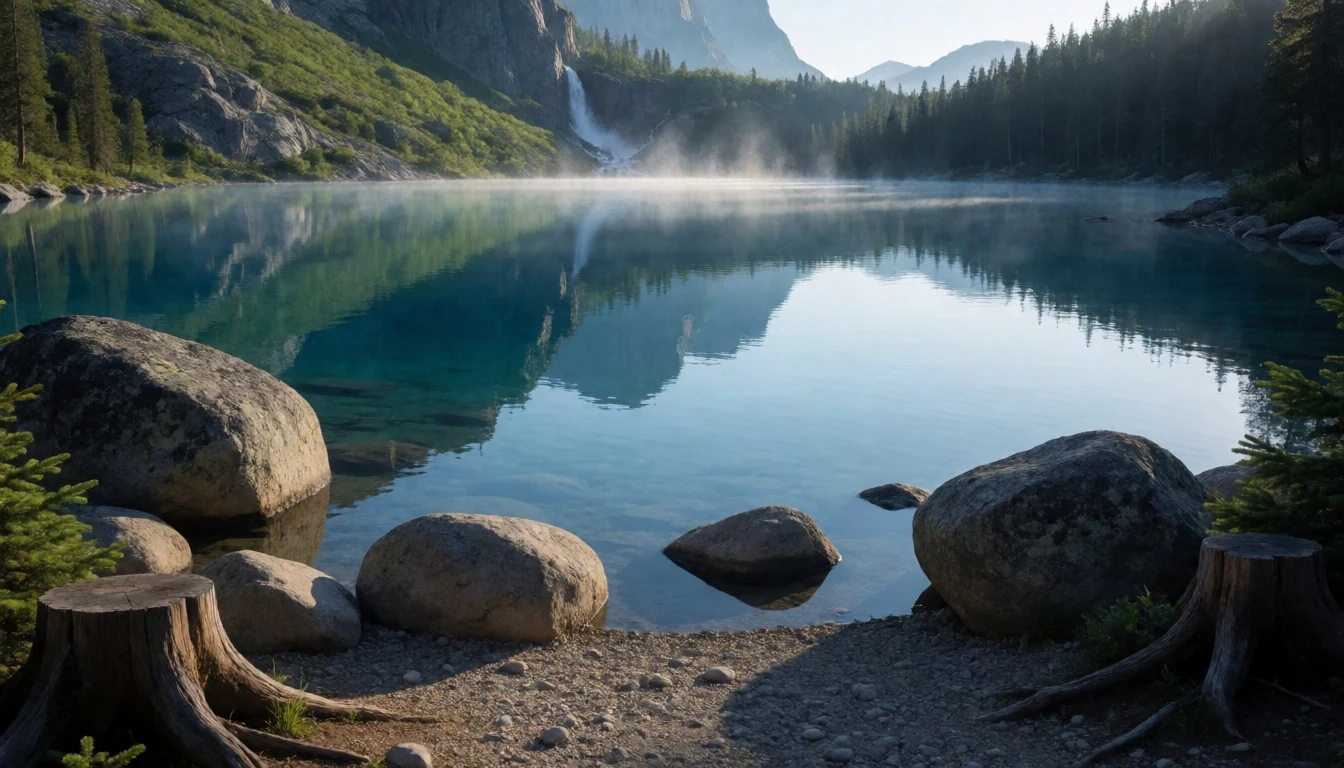
- The upper cascades and Della Lake — Above the falls
Della Lake is the source. Water gathers in a high basin and pours over the lip in the upper three cascades. Reaching the area takes real climbing, and conditions change quickly. Check trail reports with the park before attempting it, and expect wet rock, cold wind and sudden cloud.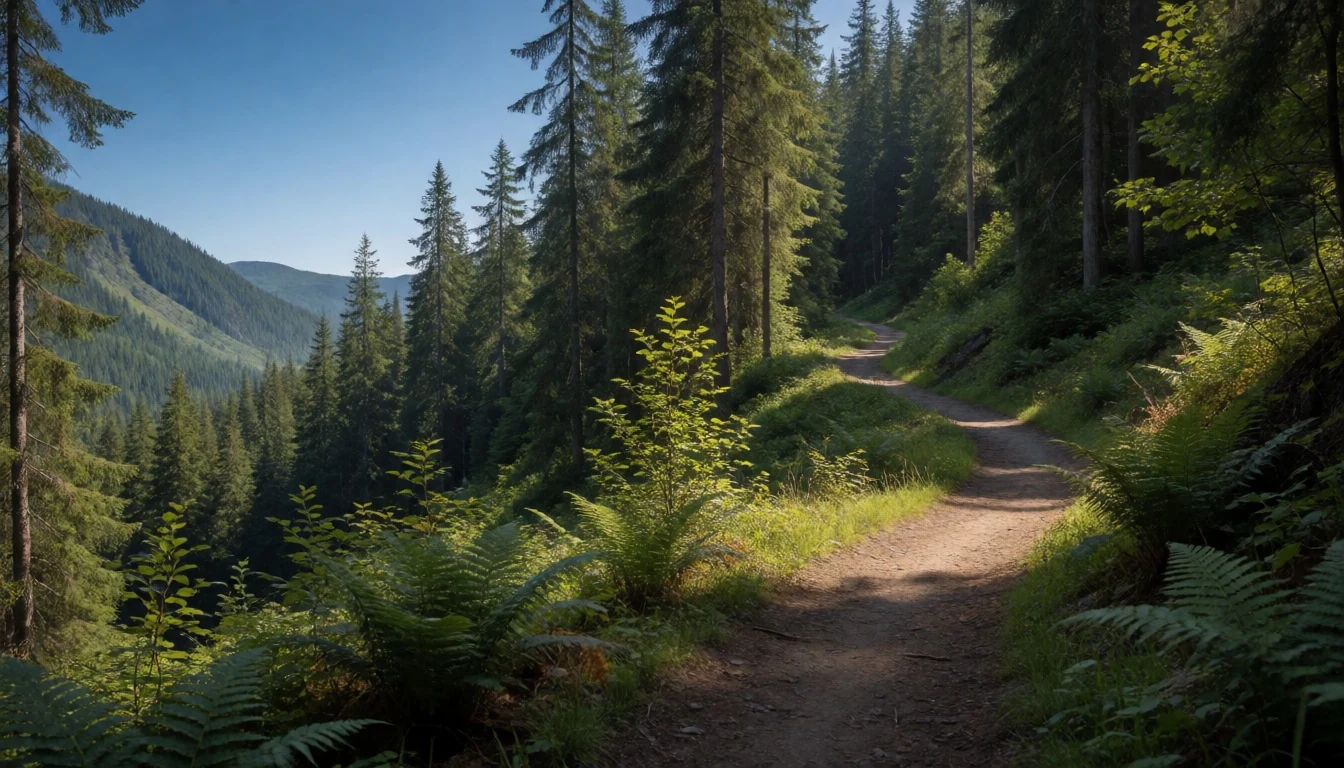
- The base of the falls — Head of the valley trail
At the foot of the falls, spray drifts across boulders and the cliff fills most of the sky. Most visitors arrive after a long walk up the valley, usually with camping on the way. Keep to marked ground, because wet rock and loose stones near the pool are slippery.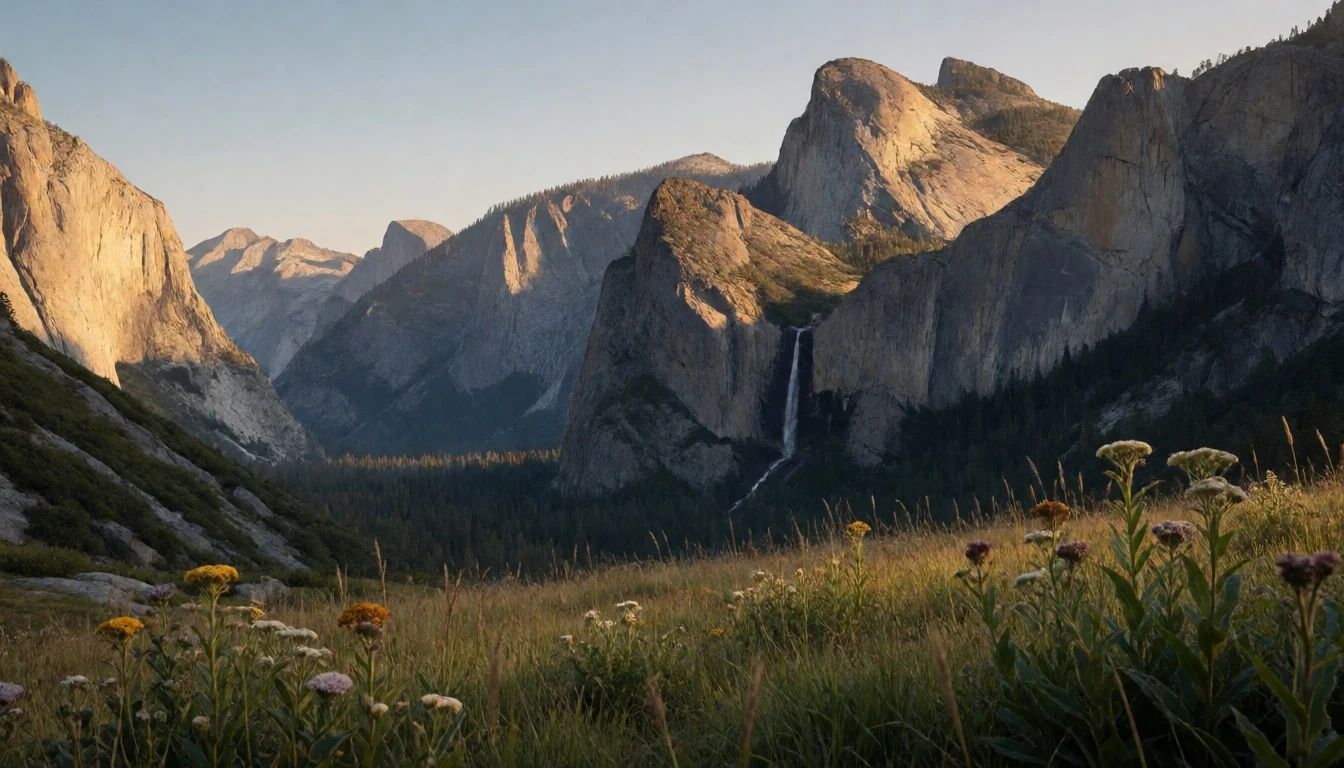
- Nine Peaks — Behind Della Lake
Nine Peaks forms the jagged skyline behind the falls and Della Lake. It shows best from the Love Lake and Mount Septimus trail, where ridge, lake and falling water line up in a single frame. Mornings often bring clearer air than afternoons, when cloud tends to gather on the summits.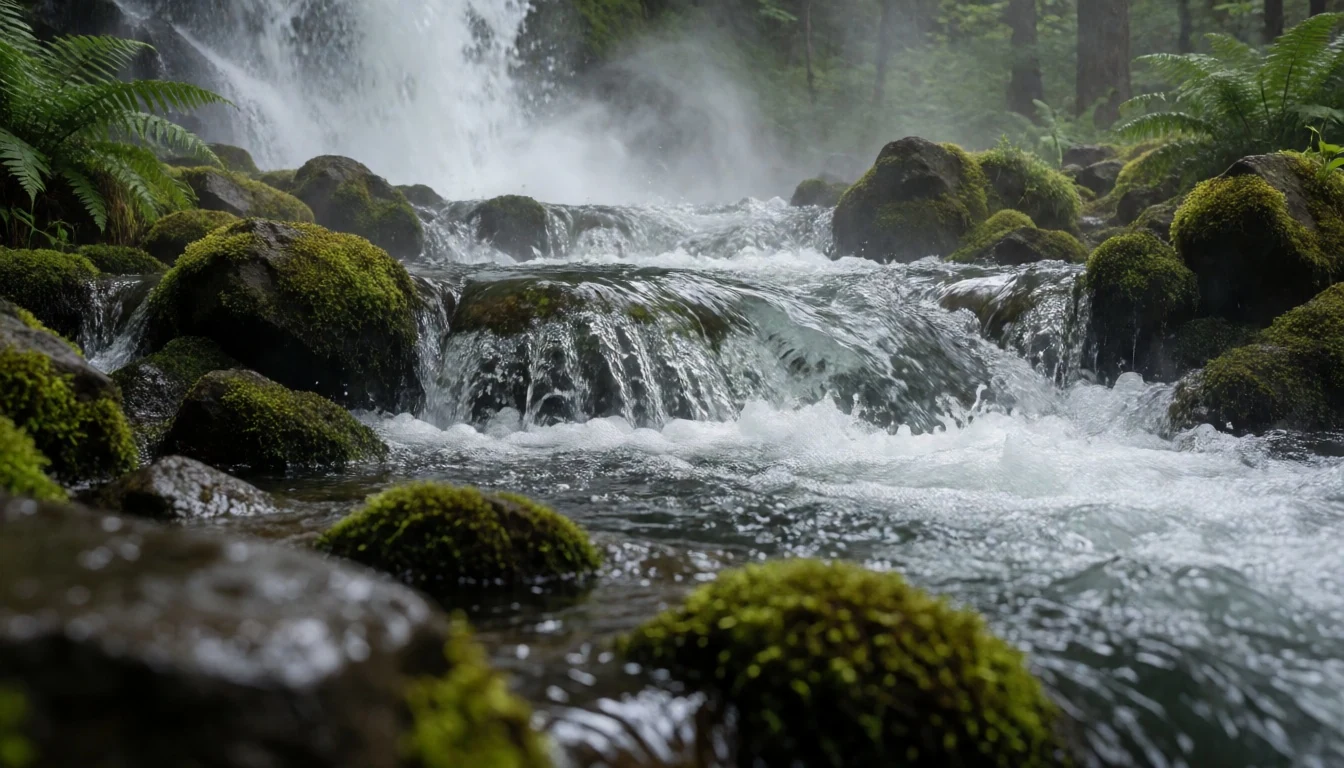
- Great Central Lake — Approach to the trailhead, west of Port Alberni
Great Central Lake is the long approach to the Della Falls trail. The crossing, usually by boat, passes steep forested shores and sets the pace for the whole trip. Boat services and schedules change, so check with the operator and the park before planning the walk.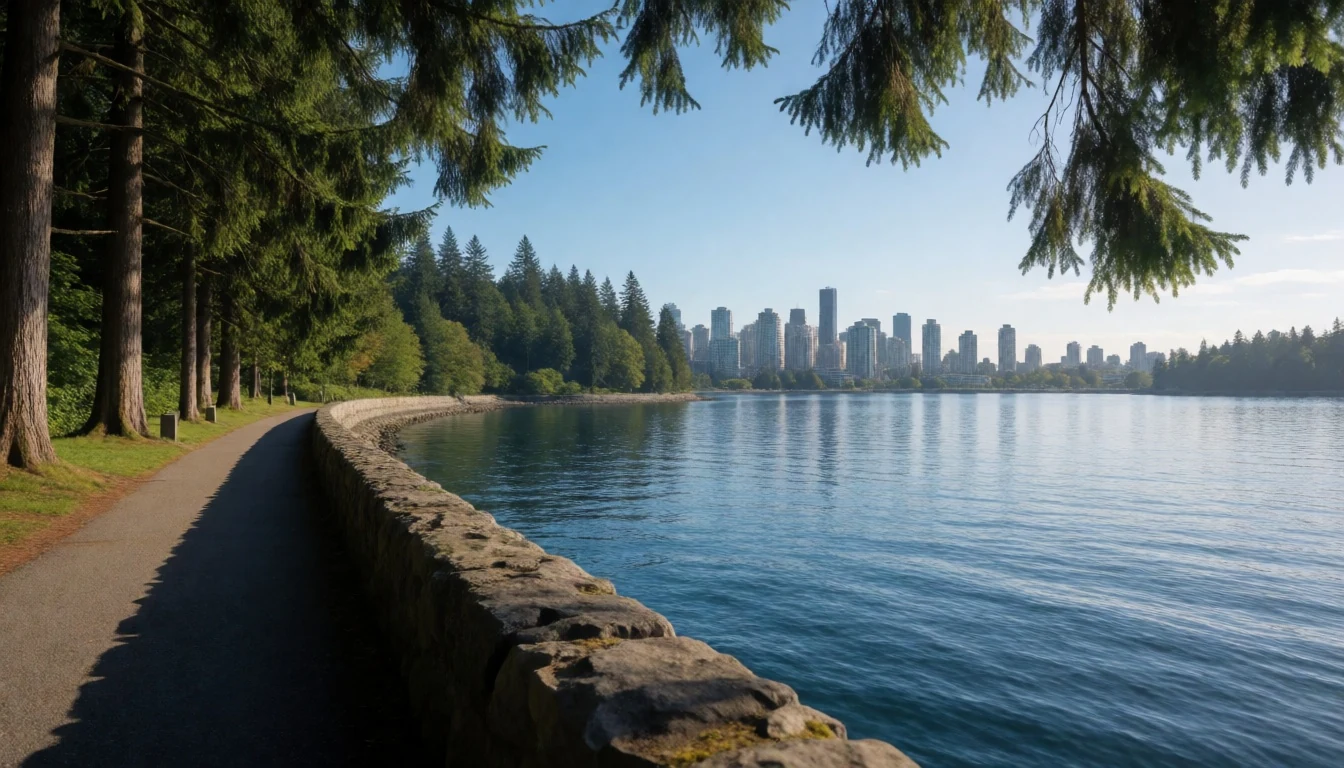
Culture
Della Falls stands in the traditional territories of Indigenous nations, and British Columbia's culture today is a layered one, shaped by those nations and by settlers from Europe, Asia and elsewhere in North America. The mountains and lakes around the falls are not empty wilderness in the eyes of the people whose ancestors lived and fished on the island, and many nations now run their own cultural centres, guided walks and museums. Visitors who want context can find it in Victoria at the Royal British Columbia Museum, in smaller museums along the island, and in Indigenous-led tours where those are offered. Terms matter: Indigenous or First Nations are the generally accepted words today, and older labels are best avoided. The culture of the trail itself is quieter and practical. Hikers share campsites, help each other with river crossings and weather news, and expect people to be self-reliant, because rescue is slow in such remote country. Talk is low, music stays off, and people leave a camp looking as if nobody had stayed. Rangers set the rules on fires, food storage and group size, and those rules exist to protect both wildlife and the valley. On the Della Falls trail, carry out all your rubbish, store food as the park directs, keep your voice low at camp and on the path, and never leave anything behind at the falls.
What to wear
Around Della Falls, traditional dress belongs to the Indigenous nations of Vancouver Island, such as the Nuu-chah-nulth and the Coast Salish peoples. Historically, they wove capes and hats from cedar bark and spruce root, and Coast Salish weavers worked wool into blankets. Wool button blankets, decorated with shell buttons and painted or appliquéd crests, are worn at ceremonies, potlatches and gatherings today, along with carved and painted regalia. Everyday clothing in British Columbia is practical and casual. Fleeces, waterproof shells, jeans, trainers and boots are the norm, in towns as much as on trails, and nobody expects smart dress outside the cities. For the falls, wear layers, because mornings and the high ground are cold even in summer. A waterproof jacket is essential on the island's wet side, and quick-drying trousers beat cotton, which stays damp. Strong, broken-in boots with a good grip are the sensible choice for roots, mud and wet rock, with spare dry socks. Add a sun hat and sunglasses for open stretches. There are no dress rules at the falls themselves. If invited to a cultural event or visiting an Indigenous centre, dress neatly, ask before photographing regalia or people, and treat anything worn for ceremony with respect.
What to eat
- Wild salmon — Harbour-side restaurants and fish counters in island towns
Salmon is one of British Columbia's signature foods. It is served grilled on a cedar plank, smoked, or cured as lox. Island fish counters and harbour restaurants usually have it fresh in season, and smoked salmon travels well for trail lunches.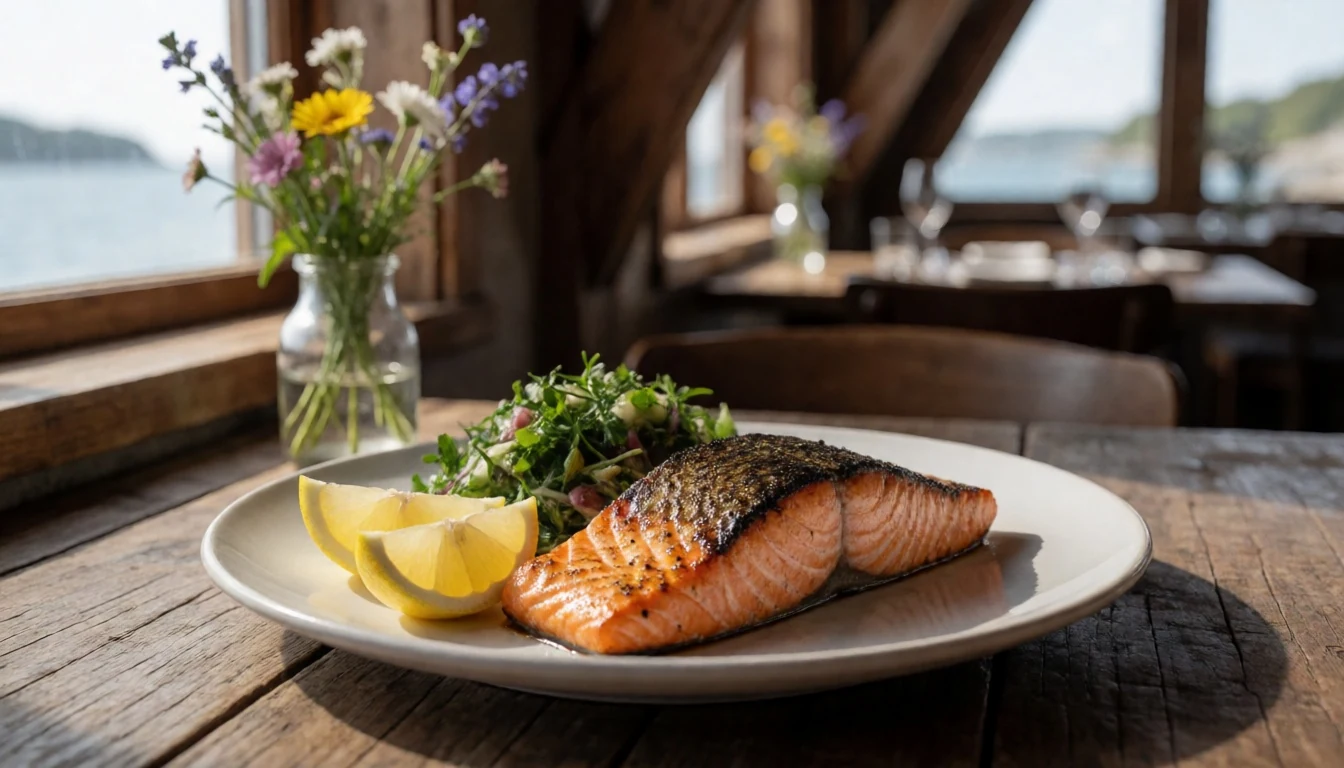
- Geoduck — Seafood restaurants in Vancouver and larger island towns
Geoduck, a very large clam, is the other shellfish the province is known for. It is sliced thin and served raw as sashimi, or quickly stir-fried or cooked in soup. It tends to appear on menus where seafood is the focus, often in East Asian restaurants.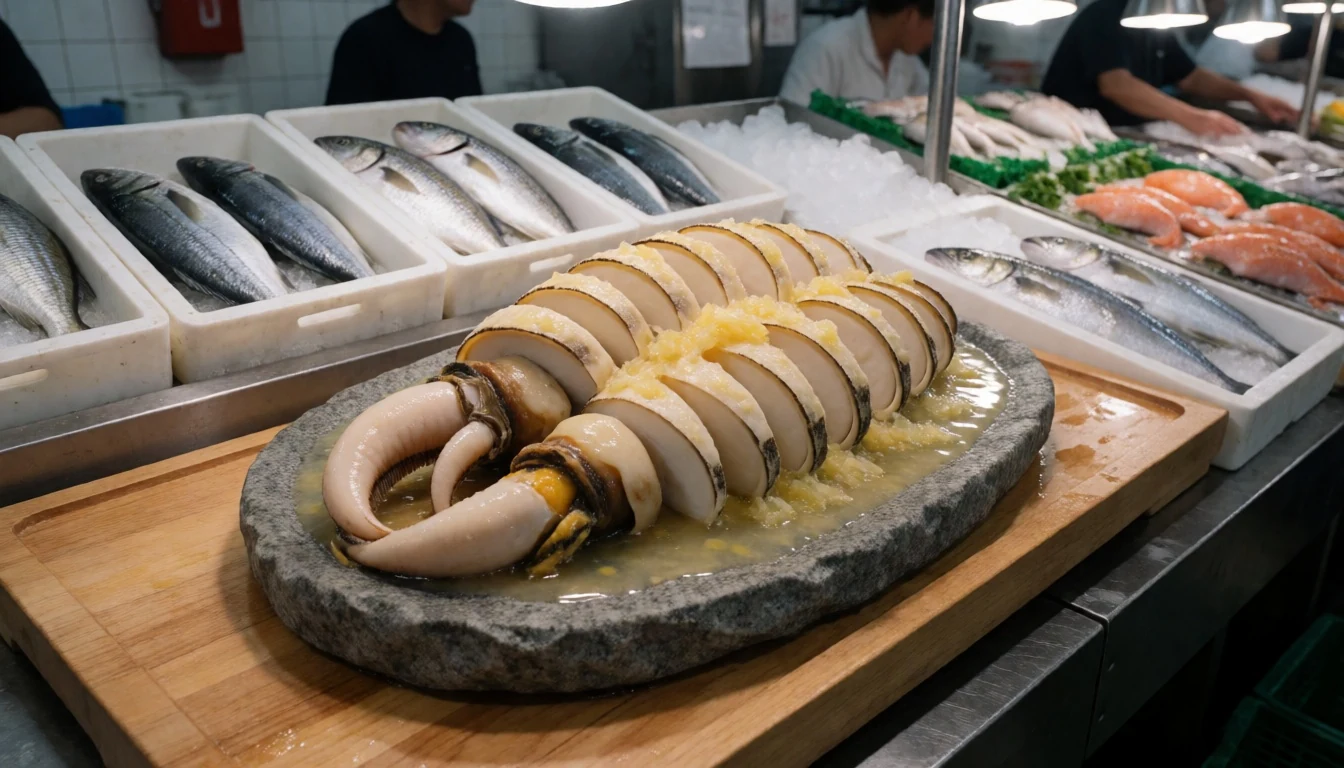
- Nanaimo bar — Bakeries and cafés in Nanaimo and across the island
The Nanaimo bar is a no-bake square with a crumbly coconut and chocolate base, a custard-flavoured middle and a hard chocolate top. It is named after the island city of Nanaimo and is easy to carry, which makes it a popular snack for the trail. - Fish and chips — Harbour kiosks and casual eateries near the water
Battered white fish with thick chips is common in Pacific coast towns, usually cooked to order and eaten outside by the harbour. It is a good meal before the long boat and trail trip, or after coming back down to the road. - Dim sum and noodles — Chinese restaurants in Vancouver or Richmond
Most visitors pass through Vancouver, where Chinese and Japanese restaurants fill nearly every commercial block. Richmond is known for dim sum, noodle shops and East Asian malls. It is an easy place to eat well before heading out to the island.
Plan it
Best time. July to September, when the trail is generally driest and the lake boat is most likely to be running; snowmelt keeps the falls fuller in early summer, and the island's wet-side weather makes waterproofs necessary in any month.
How long. 3–4
Getting there. Fly into Vancouver International Airport (YVR), then take a ferry and drive across Vancouver Island to Port Alberni; the last leg is usually a boat across Great Central Lake, followed by the valley trail on foot. Check boat times and trail status with the park and the operator before you go.
Budget. mid
Tips
- Book campsites and the lake boat well ahead for summer, and check current park advisories before leaving.
- Carry a paper map and a plan for bad weather, since mobile coverage in mountain country can be missing altogether.
- Start walking early in the day so you reach camp in daylight.
- Pack waterproofs, a warm layer and spare dry socks even in summer.
- Bring a water filter and carry food that can be stored safely away from wildlife.
Etiquette
- Pack out all rubbish and follow the park's rules on fires and food storage.
- Keep to marked trails and leave plants, rocks and wildlife undisturbed.
- Ask before photographing people or any Indigenous cultural sites and objects.
Nearby
Sources
- Wikidata Q2745537 (CC0)
- Wikipedia: Della Falls (rev 1372189204) (CC BY-SA 4.0)
- Wikivoyage: British Columbia (rev 5400129) (CC BY-SA 4.0)
- Photo: Della Falls 3 (Rob Dabal) (CC BY 3.0)
- Photo: Della Falls 2 (Clayoquot) (CC BY-SA 1.0)
- Photo: Della Falls flickr (Su-Laine) (CC BY-SA 2.0)
- Photo: Della Falls from Love Lake Trail (benaltair) (CC BY-SA 2.0)
- Photo: Della Falls, Strathcona Provincial Park (GibsonClark) (CC BY-SA 4.0)
- Photo: Della Falls (Clayoquot) (CC BY-SA 1.0)
- Photo: Della Lake and Falls (Fraser.harris) (Public domain)
- Photo: Nine Peaks and Della Falls (GibsonClark) (CC BY-SA 4.0)


Wildlife
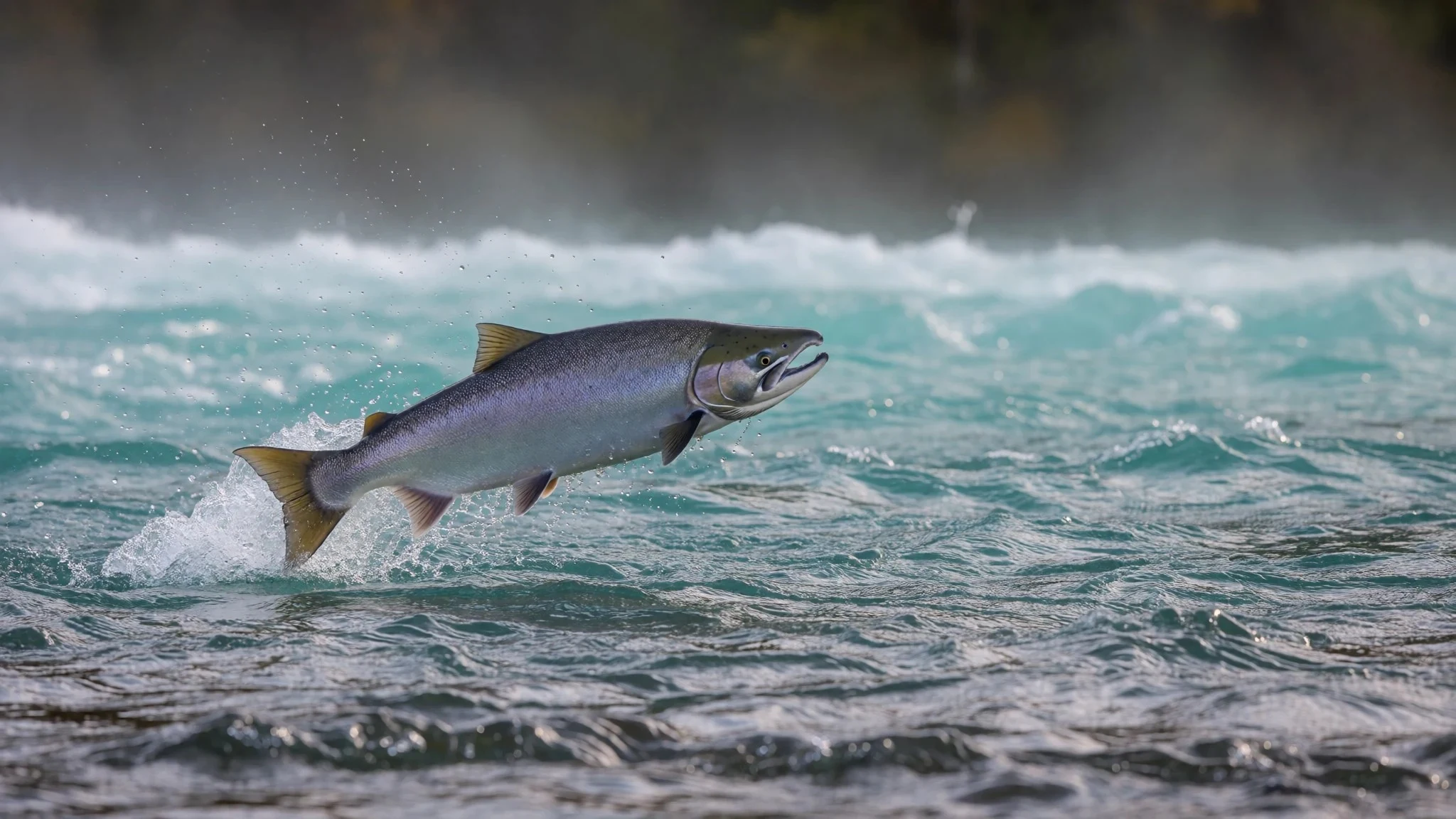
- Salmon (animal)
Pacific salmon are sea-going fish that find their way back to the very stream where they were born, rather like a traveller returning home. They are migratory hunters of the cold rivers and waters of the North Pacific, and each one breeds only once in its life. Ask a local guide where and when to look at Della Falls. Watch quietly from a respectful distance, let them go about their journey undisturbed, and never feed them.