Bonavista
Bonavista, Canada
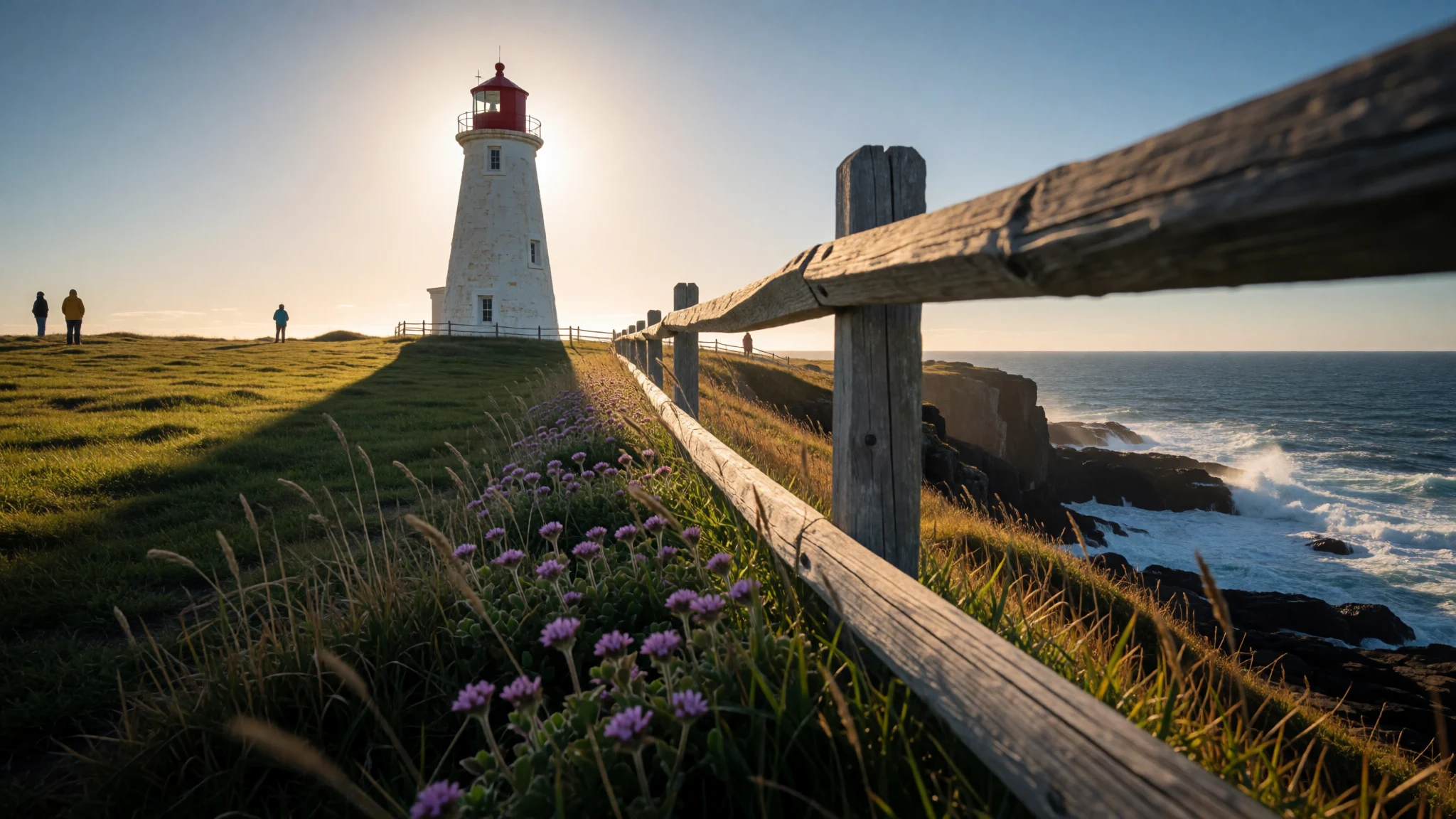
Bonavista is a windswept Newfoundland fishing town with a Cabot legend, restored merchant buildings, a working lighthouse and puffin and whale boat trips.
The place
Bonavista sits on the Bonavista Peninsula in Newfoundland and Labrador, Canada, and had about 3,190 residents at the 2021 count. Most Newfoundland fishing settlements huddle in steep coves, but this one was laid out on an open plain, which gave it room to spread across roughly 31.5 sq km. St John's, the provincial capital, is about 300 km away by road. The setting is exposed. Cold surrounding water gives the town a subarctic climate, with June averages below 10 °C, and the wind averages around 32.6 km/h, so a jacket is a year-round habit. Winters bring heavy snow, though the worst cold is milder than at inland places on a similar latitude. The town's fortunes have followed the sea. Cod made it a regional centre, and when the fishery closed in 1992 the population of about 6,500 roughly halved. Today a snow crab fishery and tourism carry the economy, and the streets of painted wooden houses, restored merchant buildings and small museums show that mix. Tourism is seasonal, so many businesses close from November to April, and July and August are when the town is fully open. Visitors tend to remember the talk: people here enjoy a long conversation, and a quick errand can turn into a half-hour on a doorstep.
Its story
Bonavista takes its name from an exclamation credited to John Cabot, the Italian navigator Giovanni Caboto, who sailed from Bristol in the Matthew in 1497 with a commission from Henry VII of England. Tradition says he cried out something like "O buon vista" on sighting land, and both the town and the nearby cape carry the phrase. His party found signs that the land was already inhabited: a path leading inland, the remains of a fire and a carved, painted stick. Word of the rich fishing grounds then spread across Europe. By the 16th century Spanish, Portuguese, Dutch, French and English crews were working the waters off the cape, and the Iberian presence faded, leaving France and England as rivals. That rivalry turned violent at times, and in 1704 a French attempt to burn the town failed. The Treaty of Utrecht in 1713 created the French Shore, with Bonavista at its eastern end, and fishing rights stayed a source of friction. The harbour was a poor one and needed several breakwaters, yet its closeness to fishing and sealing grounds to the north made the town a key centre. By the 1890s it served around 20,000 people on the peninsula. The Ryan Premises, now run by Parks Canada, preserves the merchant trade that drove that prosperity.
What to see
- Cape Bonavista Lighthouse — Cape Bonavista, north of town
Cape Bonavista Lighthouse stands on the headland north of town and works as a museum as well as a landmark. Visitors can go inside, which few historic lighthouses allow, and see the interpretive displays. Early or late in the day gives softer light on the cliffs, and a windproof layer is sensible even in July.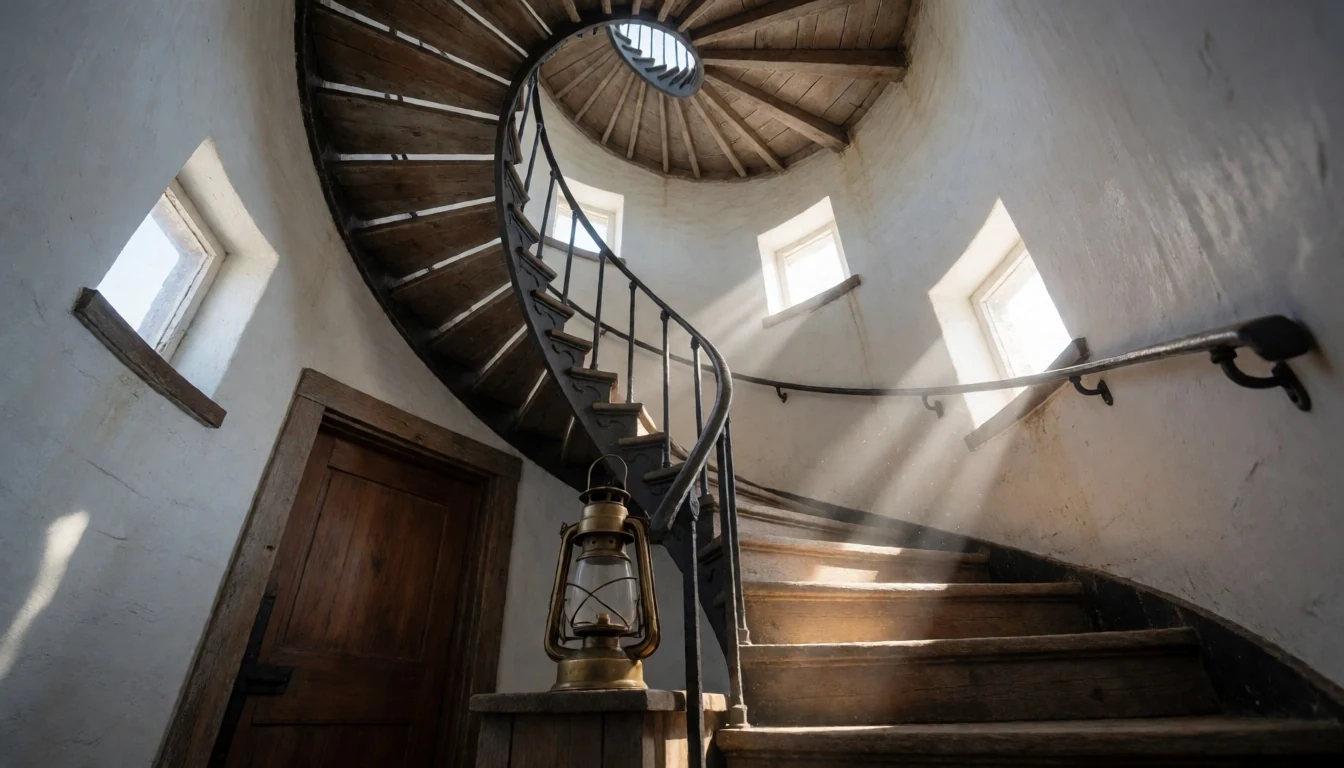
- Ryan Premises — Harbour area
The Ryan Premises in Bonavista is a National Historic Site run by Parks Canada. Its 19th-century buildings once housed the Ryan family and the stores and workspaces of their cod business. Walking through gives a clear sense of how salt fish was handled, stored and sold, and why merchants held such sway over outport life.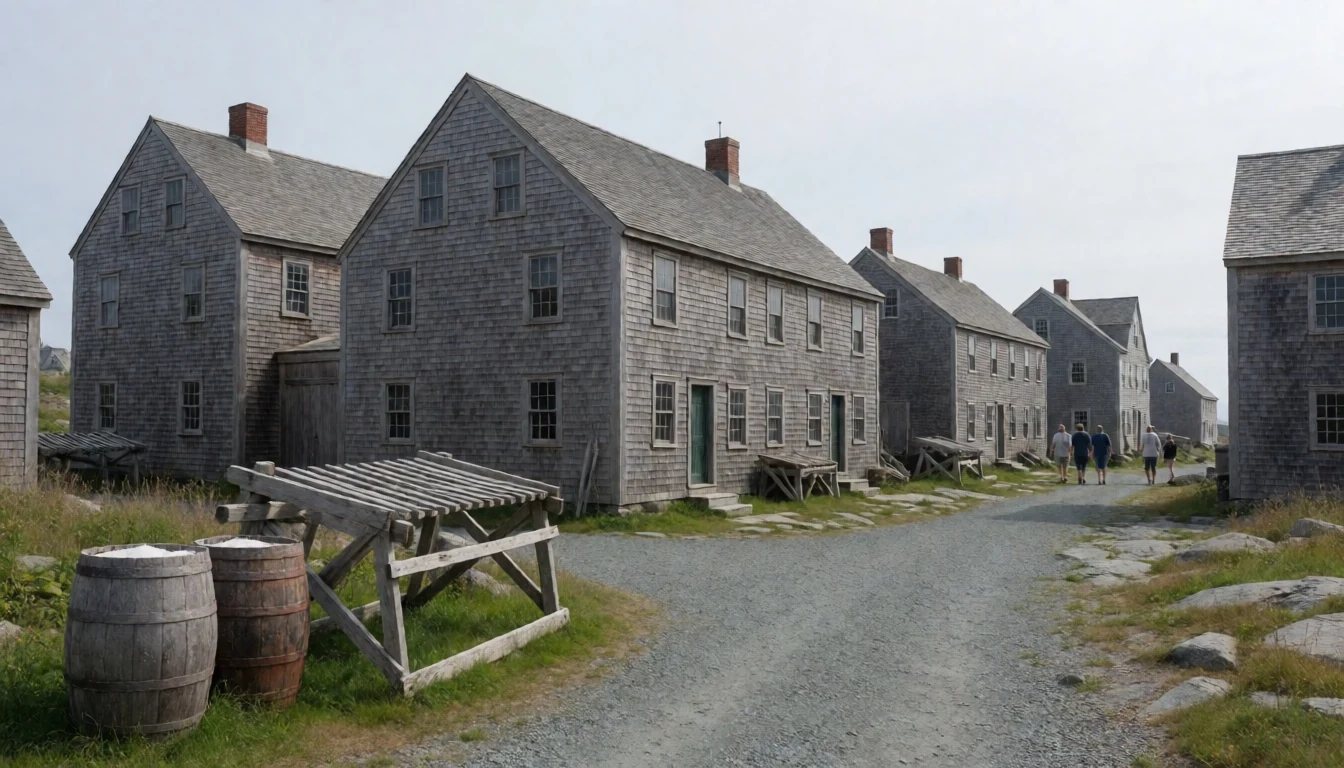
- Matthew Legacy — Town centre
The Matthew Legacy in Bonavista is a small museum, heavy on text, about the era of Cabot's voyage. Its centrepiece is a replica of his ship the Matthew, built in 1997 for the 500th anniversary of the landing. It suits readers more than browsers, and a rainy afternoon is a good time for it.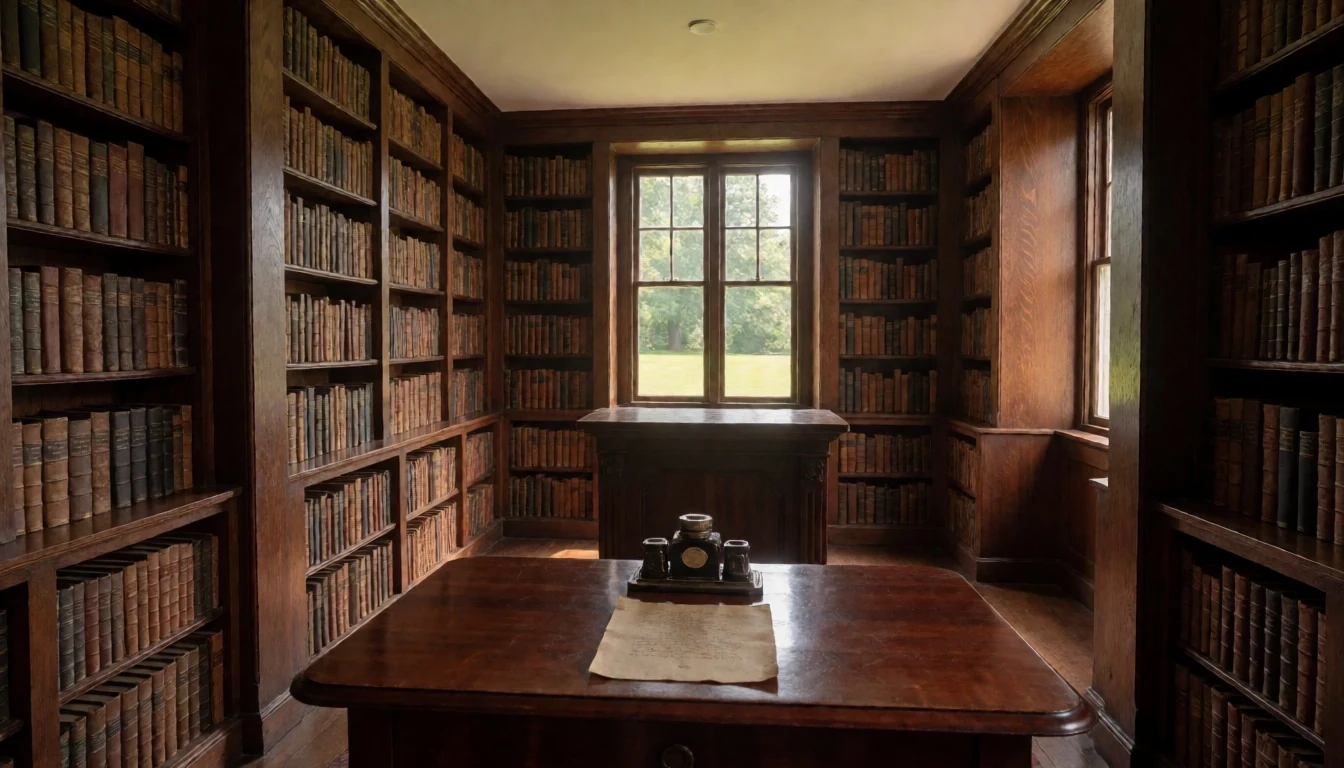
- Mockbegger Plantation — Town centre
Mockbegger Plantation in Bonavista was the family home of Newfoundland's first Canadian senator, and it has been restored to the 1940s. Guides lead tours through the rooms, and the library with its chapel-like feel is the highlight. Events are often held here in summer, so check the programme before arriving.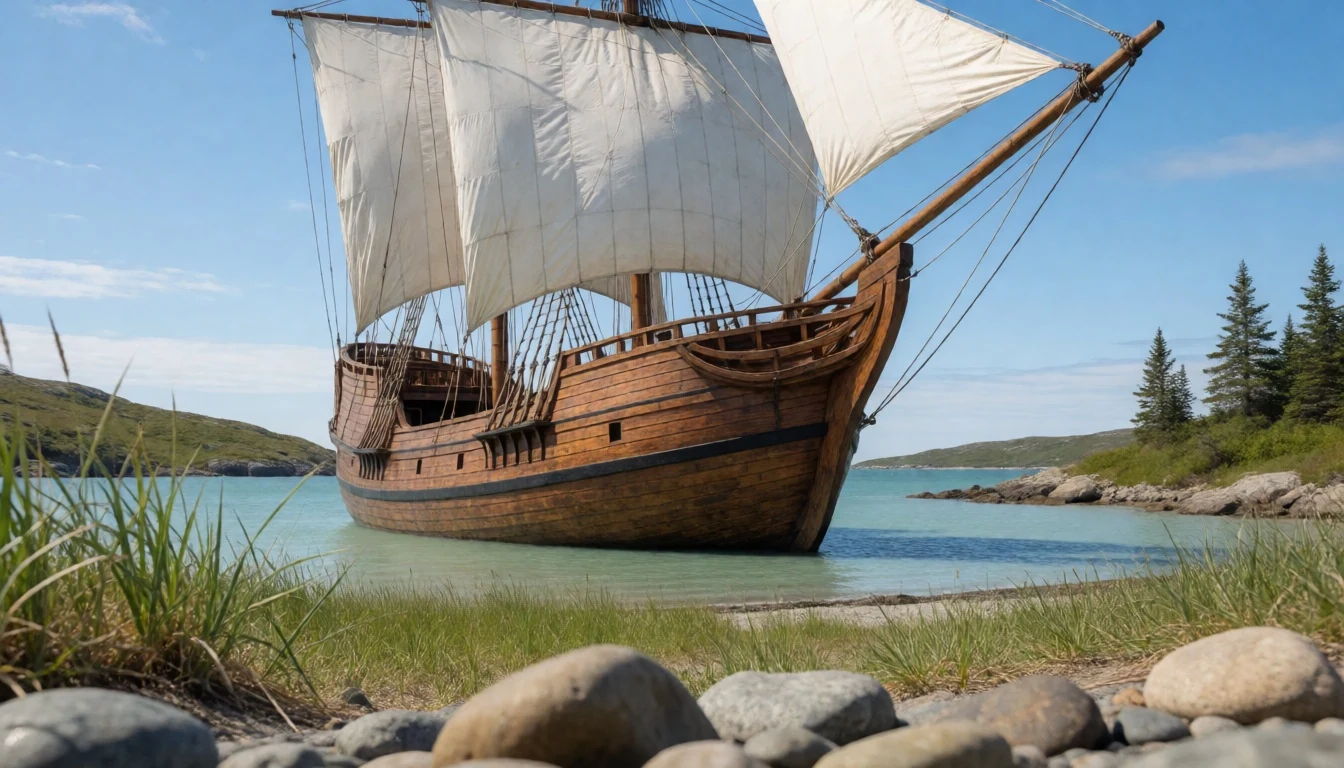
- Home from the Sea — Outskirts of Bonavista
Home from the Sea in Bonavista is a modern multimedia museum on the early seal hunt. It covers the hard reality of the work, remembers local men who died in it, and holds a large gallery of seal-hunt paintings from the 20th century. It is thoughtful and sometimes uncomfortable, and sits outside the town centre.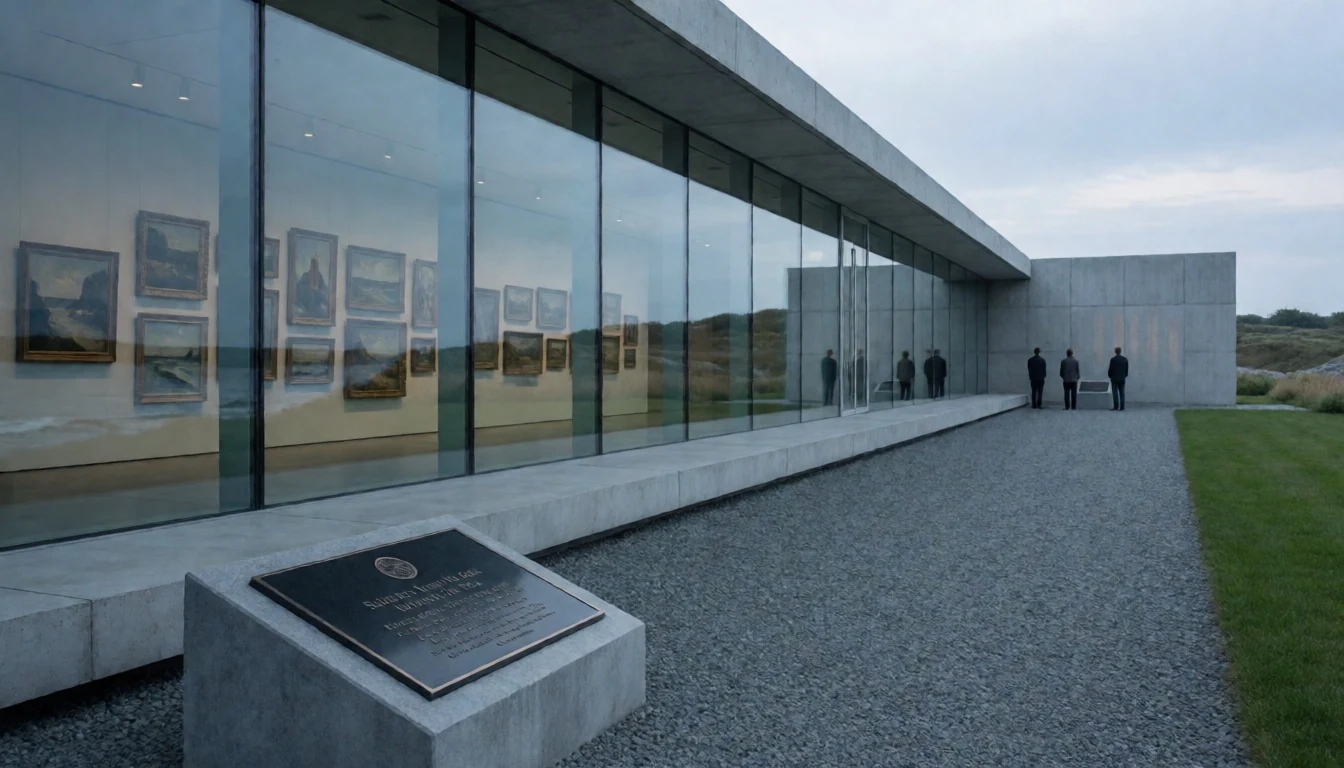
- Puffin and whale boat trips — Bonavista harbour
Boat trips from Bonavista run in the warm months and last roughly two and a half hours, either in an open zodiac or in a hard-hulled boat with heated indoor seating and washrooms. They head along the coast for seabirds and whales. Book ahead in July and August, and dress for open water.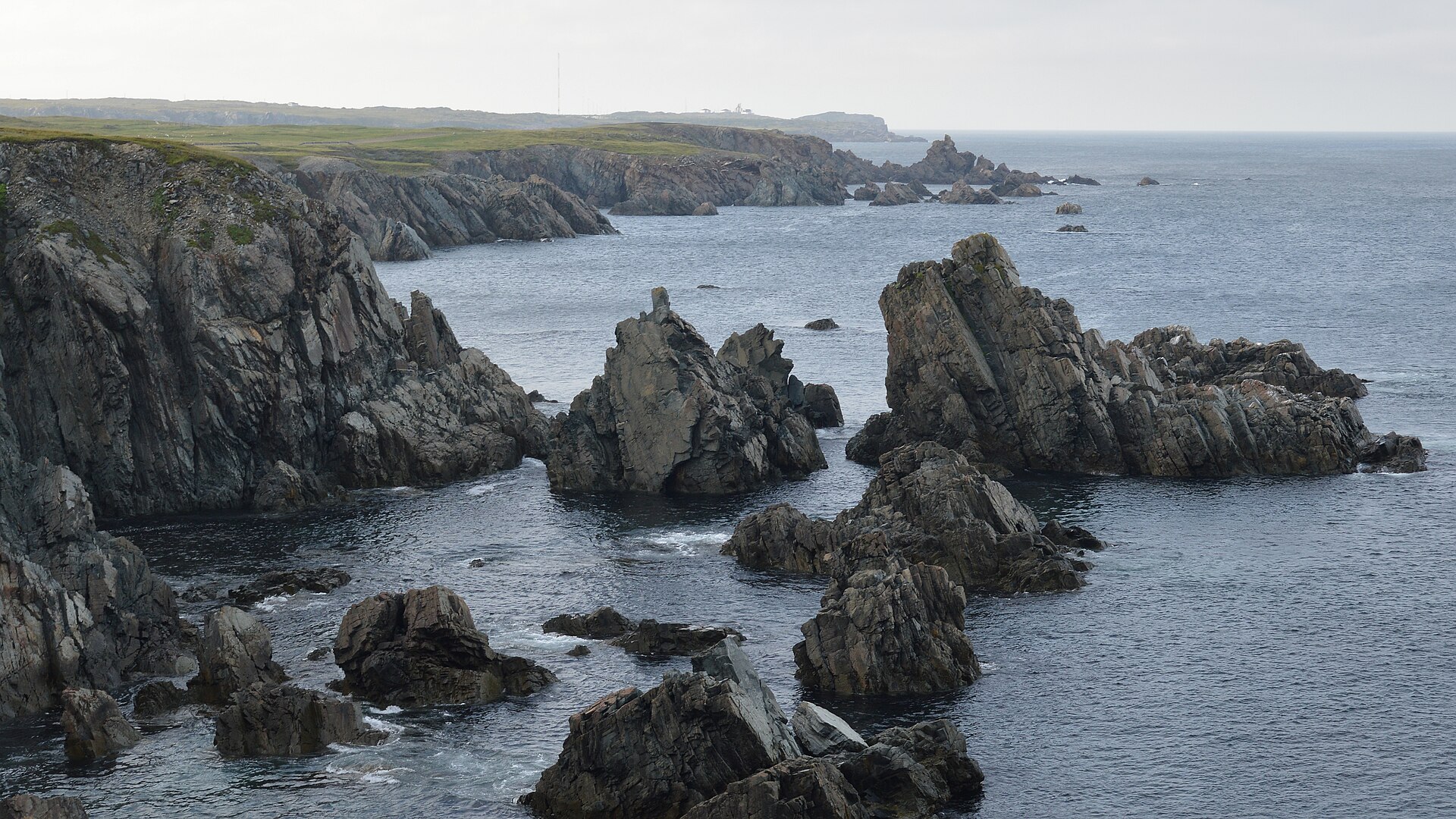
Culture
Bonavista's culture is that of a Newfoundland outport town, shaped by fishing, church life and a habit of talking. The cod fishery was the backbone of the community for centuries, and its closure left a mark that people still mention. Fishing has not vanished; snow crab and boats in the harbour keep the old rhythm alive, and so do the stories told in kitchens and on wharves. The history here is also layered: Cabot's landing, the French and English contest over the coast, and the sealing trade all feature in local museums, and the seal hunt in particular is remembered as dangerous work that took many lives. Local pride is easy to find, whether in a restored merchant house or a hand-painted sign. Newfoundland English has its own rhythms and vocabulary, and visitors should not worry if some phrases take a moment to follow, because people are usually glad to explain. Summer brings events at the museums and the occasional community gathering, and the pace is relaxed. Winter is quieter, with many places shut. Bonavista rewards slowness; the people who enjoy it most are those who stop to chat. When talking to fishers about the seal hunt or the lost fishery, listen first and avoid arguing the politics, since both are personal subjects here.
What to wear
Traditional working dress in Bonavista grew out of the fishery: oilskin coats and sou'westers against spray, rubber boots, and hand-knitted wool jumpers, socks and mittens made at home through the long winters. Wool was prized because it kept warmth even when damp, and knitting remained a household skill passed down through families. These are not costumes worn for festivals so much as practical clothes that now appear in museum displays and craft shops. Today people in Bonavista dress for the weather: fleeces, waterproof jackets, jeans, sturdy boots and a cap or toque, with good knitwear still common. Clothing is casual almost everywhere, including in restaurants and churches, and nobody dresses up for visitors. A visitor should plan for wind and changeable weather even in summer, since June averages stay below 10 °C. Pack layers, a windproof and waterproof outer shell, a warm hat and gloves, and sunglasses for bright days on the water. Footwear matters: wear grippy, closed shoes or light boots for cliff paths and wet harbour boards. For boat trips bring an extra warm layer, as it is always colder offshore. In winter, add insulated boots and proper snow clothing.
What to eat
- Snow crab — Seafood diners and eateries near the harbour
Snow crab is the catch that supports Bonavista's fishing economy today. It is served boiled or in cakes and salads when the season allows. Ask at harbourside eateries and local diners what has come in recently, since supply depends on the fishery.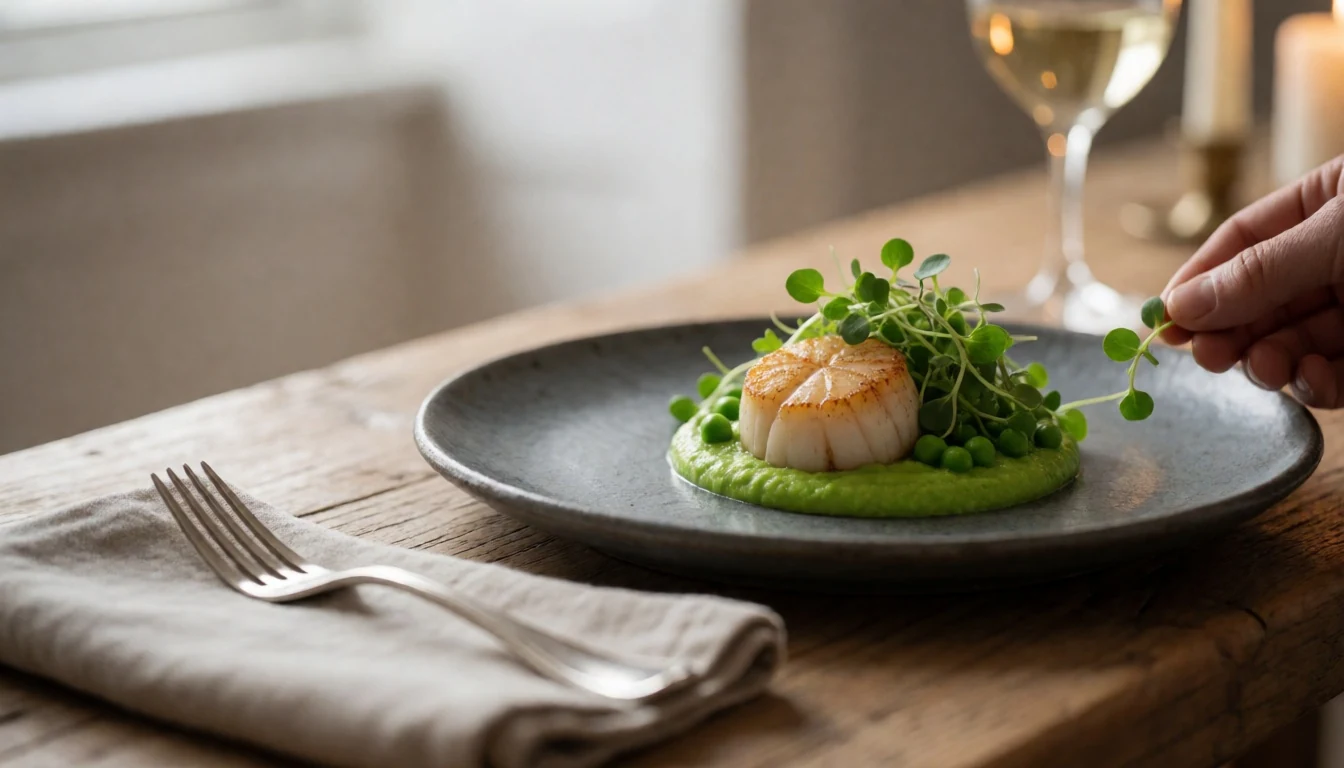
- Pan-fried cod and chips — Classic Newfoundland diners and take-aways
Cod is the fish that built Bonavista, and a plate of it battered or pan-fried is the town's classic meal. Expect it with chips and sometimes coleslaw or peas. Portions are generous, and quality tends to be very good at places that focus on seafood.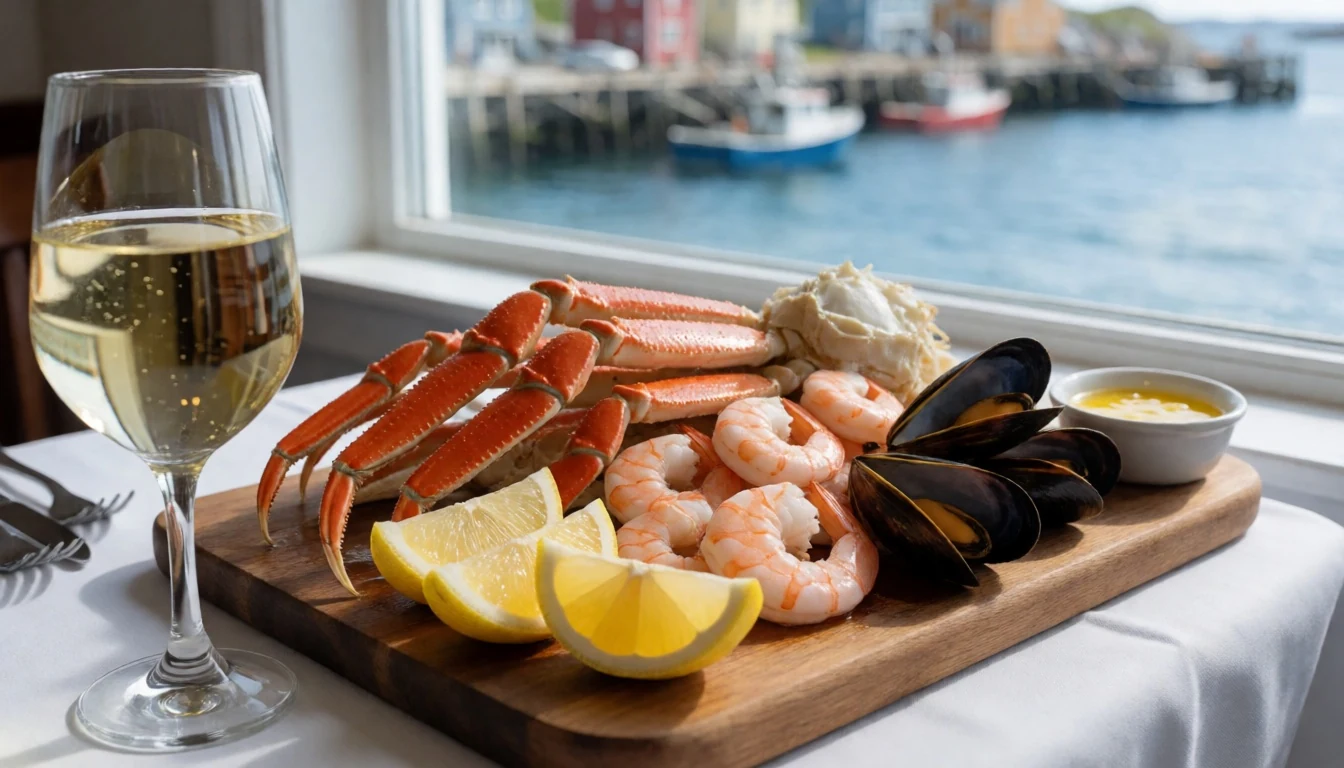
- Jiggs' dinner — Home-style diners and community kitchens
Jiggs' dinner is the traditional Newfoundland boiled dinner, usually salt beef with potatoes, carrot, cabbage and turnip, often with pease pudding. It is Sunday-table food, and some local diners and home-style kitchens offer a version, so ask what is cooking that day. - Toutons — Breakfast diners in town
Toutons are pan-fried rounds of bread dough, eaten hot with molasses or butter for breakfast. They are filling, simple and sweet, and a sensible start before a day of walking in the wind. Many breakfast spots list them alongside eggs and bacon. - Fish cakes — Diners and local cafes
Fish cakes in Bonavista are patties of salt cod and potato, fried until crisp and served with pickles or beets. They turn up as a side or a light lunch, and show how the town once made cheap preserved fish into everyday food.
Plan it
Best time. July and August, when the town is fully open and boat trips run several times daily. June is cool, with averages below 10 °C, and winter lasts from December to April, with heavy snow and many businesses closed from November to April.
How long. 2–3
Getting there. Fly to St. John's International Airport or to Gander, then drive; Bonavista is about three and a half hours from St John's and about three hours from Gander. The peninsula has three road junctions, at Port Blandford, the Bonavista overpass and Clarenville, so follow the signs for Bonavista. Ferries from North Sydney, Nova Scotia, reach Port aux Basques, or Argentia in season.
Budget. mid
Tips
- Hire a car; public transport is thin and the sights are spread along the peninsula
- Visit between July and August, and check opening times of museums and tours on the town's site before travelling
- Book boat trips early in peak season and take extra warm layers
- Expect strong wind at the cape; a windproof jacket is useful even in summer
- Check the official town website, https://www.townofbonavista.com/, for events and seasonal closures
Etiquette
- Chat with locals; conversation is part of the welcome
- Respect the museums' memorials to people lost at sea and at the seal hunt
- Keep to marked paths near cliff edges and the lighthouse
Nearby
Sources
- Wikidata Q2909951 (CC0)
- Wikipedia: Bonavista, Newfoundland and Labrador (rev 1385973331) (CC BY-SA 4.0)
- Wikivoyage: Bonavista (rev 5395567) (CC BY-SA 4.0)
- Bonavista harbour — User:Silverchemist (CC BY 3.0)
- Bonavista Harbour August 2nd 2022 — Yergoneby (CC BY-SA 4.0)
- Orange Hall, Bonavista — Robthepiper (CC BY 3.0)
- Cape Bonavista Lighthouse 01 — Melissa Methamphetamine (CC BY-SA 2.0)
- Bayly's Cove — Dirac (CC0 1.0)
- Bonavista Banner — David Ooms (CC BY 2.5)
- Bonavista Coast, 2019-08-13 — Ryan Hodnett (CC BY-SA 4.0)
- Bonavista Harbour August 2022 — Yergoneby (CC BY-SA 4.0)


