Anticosti Island
Anticosti Island, Canada
Anticosti Island is a remote limestone island in the Gulf of St. Lawrence, with white cliffs, roaming deer and a long shipwreck history.
The place
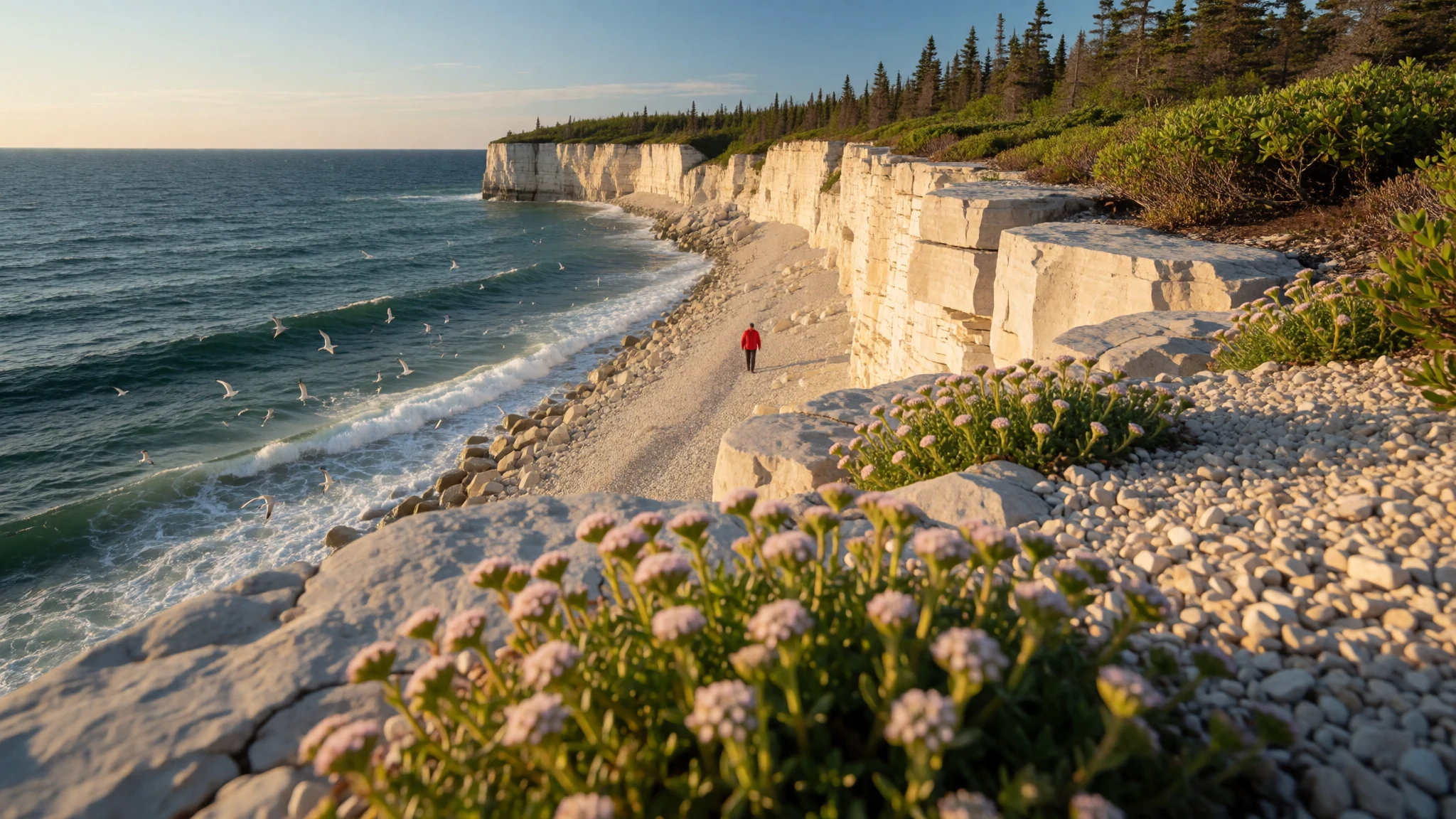
Anticosti Island sits in the Gulf of St. Lawrence, where the river estuary opens towards the sea, and it belongs to Quebec's Côte-Nord region. Two narrow channels separate it from the mainland: the Jacques Cartier Strait to the north and the Honguedo Strait towards the Gaspé Peninsula to the south. In area it exceeds Prince Edward Island, yet only about 177 people live here permanently, most of them in the village of Port-Menier at the western tip. The whole island is a single municipality, L'Île-d'Anticosti. The ground is flat-topped limestone, part of the eastern St. Lawrence lowlands, with white cliffs on the oceanfront, pale gravel shores, rivers running clear over rock, and spruce forest and bog inland. The highest peak rises to 306 m. Wildlife is the real draw. Deer wander through the village, and beavers, otters and seals live in the quieter parts. Much of the land is managed by Sépaq Anticosti, a provincial agency, with a national park protecting a further slice, while private outfitters hold hunting and fishing rights over a large share of the rest. Services are thin: one small clinic, no hospital, and in places a very long way to any other help. Sailors once nicknamed these waters the 'Cemetery of the Gulf' because of the hundreds of wrecks along the coast.
Its story
For thousands of years before any European charts, Anticosti Island was hunting ground for Indigenous peoples who lived on the mainland. Jacques Cartier passed along its coast in 1534, and France later counted it as part of its colonial territory. Settlement began in 1680, when Louis XIV granted Louis Jolliet the seigneury covering Anticosti and the Mingan Archipelago, a reward for his exploring towards the Mississippi and Hudson Bay. Jolliet built a fort and moved in with his wife, four children and six servants in the spring of 1681. In 1690 troops from Massachusetts under William Phips, retreating after a failed attempt on Quebec City, took the fort and wintered in it. After Jolliet died in 1700 his three sons inherited, and the family held the island until the Treaty of Paris in 1763 moved it into British North America. Its administration then shuffled between Newfoundland and Lower Canada before it became part of Quebec at Confederation in 1867. Through these years the owners mostly cut timber, and little else was built. A later chapter, when the businessman Henri Menier controlled the island, is told through furniture and artefacts in the Eco-museum at Port-Menier, and the village still carries his name.
What to see
- Eco-museum, Port-Menier — Port-Menier
The Eco-museum in Port-Menier is the best single stop for understanding the island. It covers the natural history of Anticosti and displays furniture and artefacts from the Henri Menier years. It makes a sensible first visit, ideally on a wet or windy day when the coast is less inviting.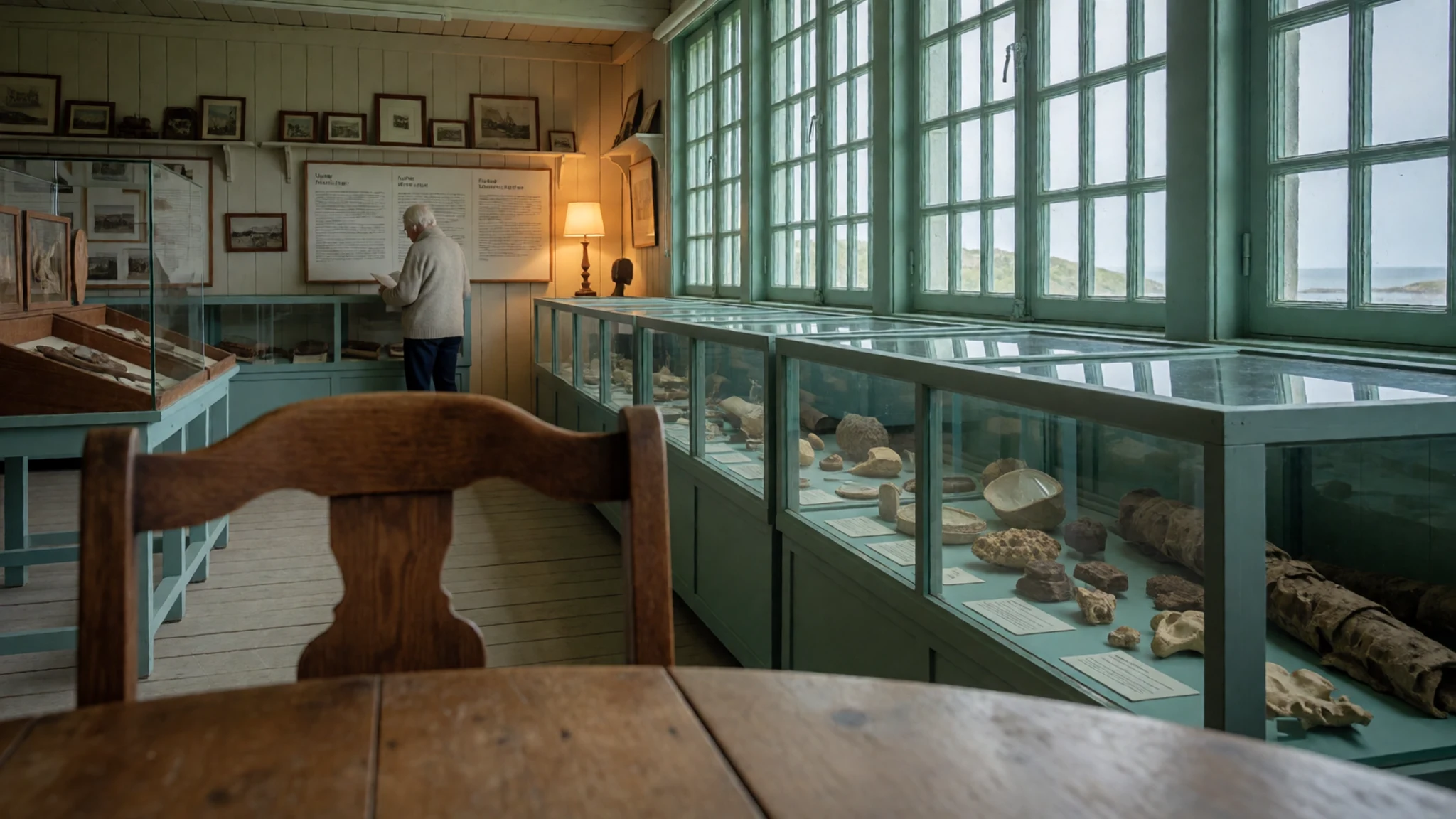
- Parc national d'Anticosti — Eastern and central island
The national park protects white oceanfront cliffs, rivers and forest. Walking, horse riding, sea kayaking and birdwatching are all supported, and local wildlife includes beavers, otters and seals. Check the official Sépaq pages before travelling, since access and facilities are managed by the agency.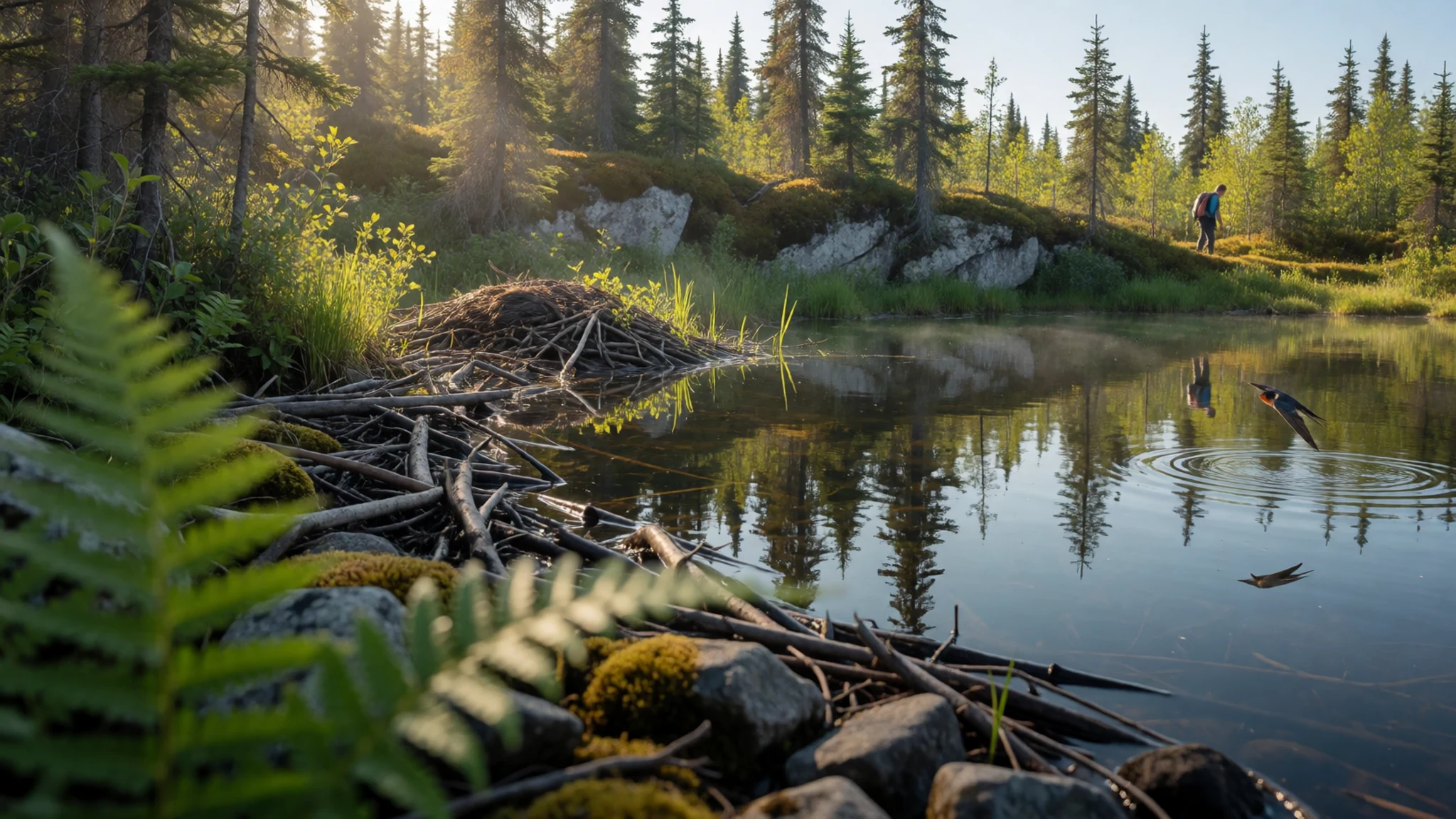
- Lighthouses and Vauréal Falls — Near Vauréal Falls
Six lighthouses stand on the island's coast. Carleton Lighthouse is close to Vauréal Falls, and the cliffs there give a good vantage point for whale watching. Bring binoculars and warm layers, because the wind off the gulf is steady even in summer.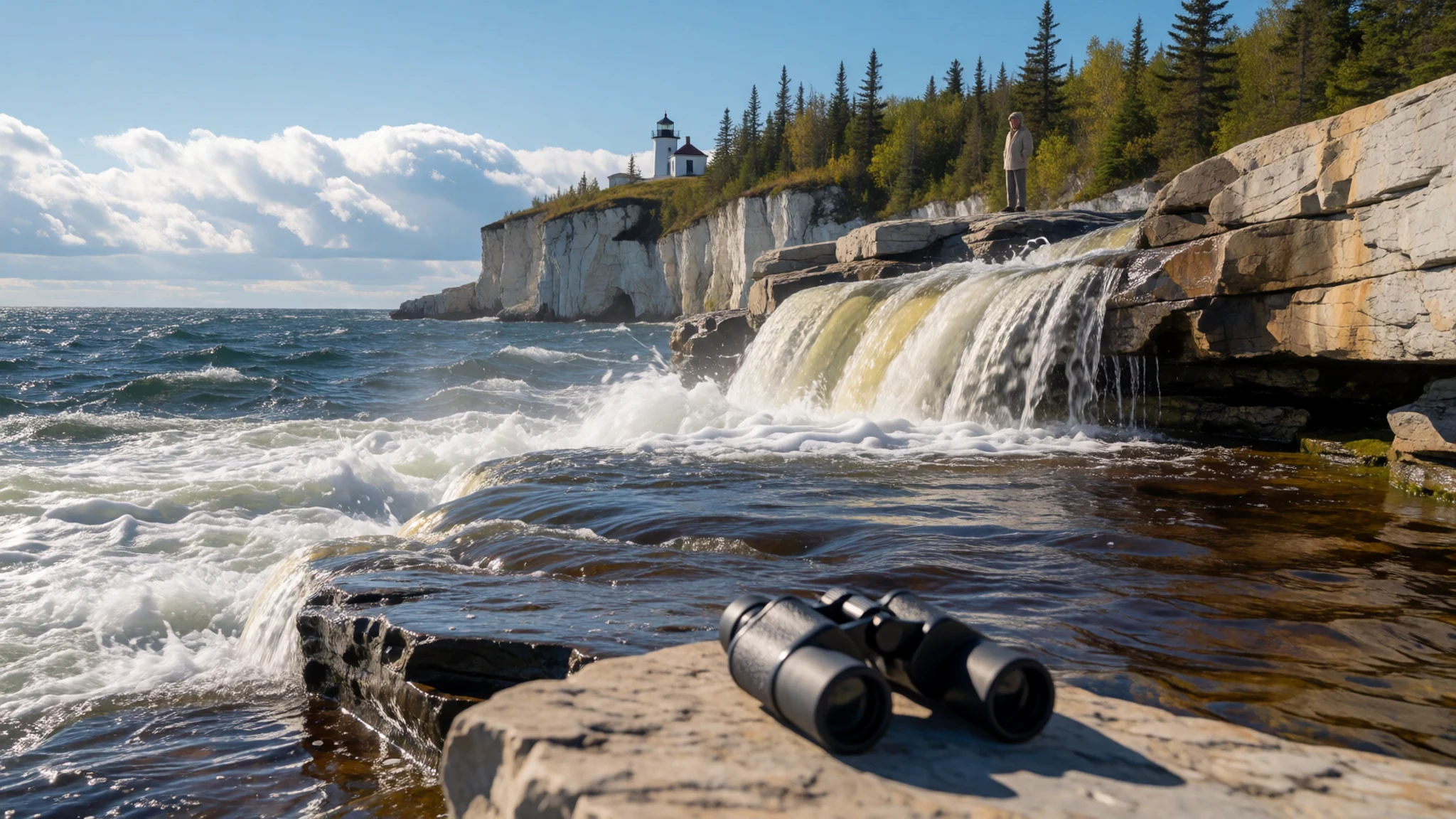
- Shipwrecks of the coast — Pointe-de-l'Ouest and Pointe-Carleton
Hundreds of ships have been lost around Anticosti. Two wrecks are easiest to reach on foot: the Calou at Pointe-de-l'Ouest, and the Wilcox off Pointe-Carleton. Rusted ribs of metal on a stony shore explain the island's old nickname better than any sign.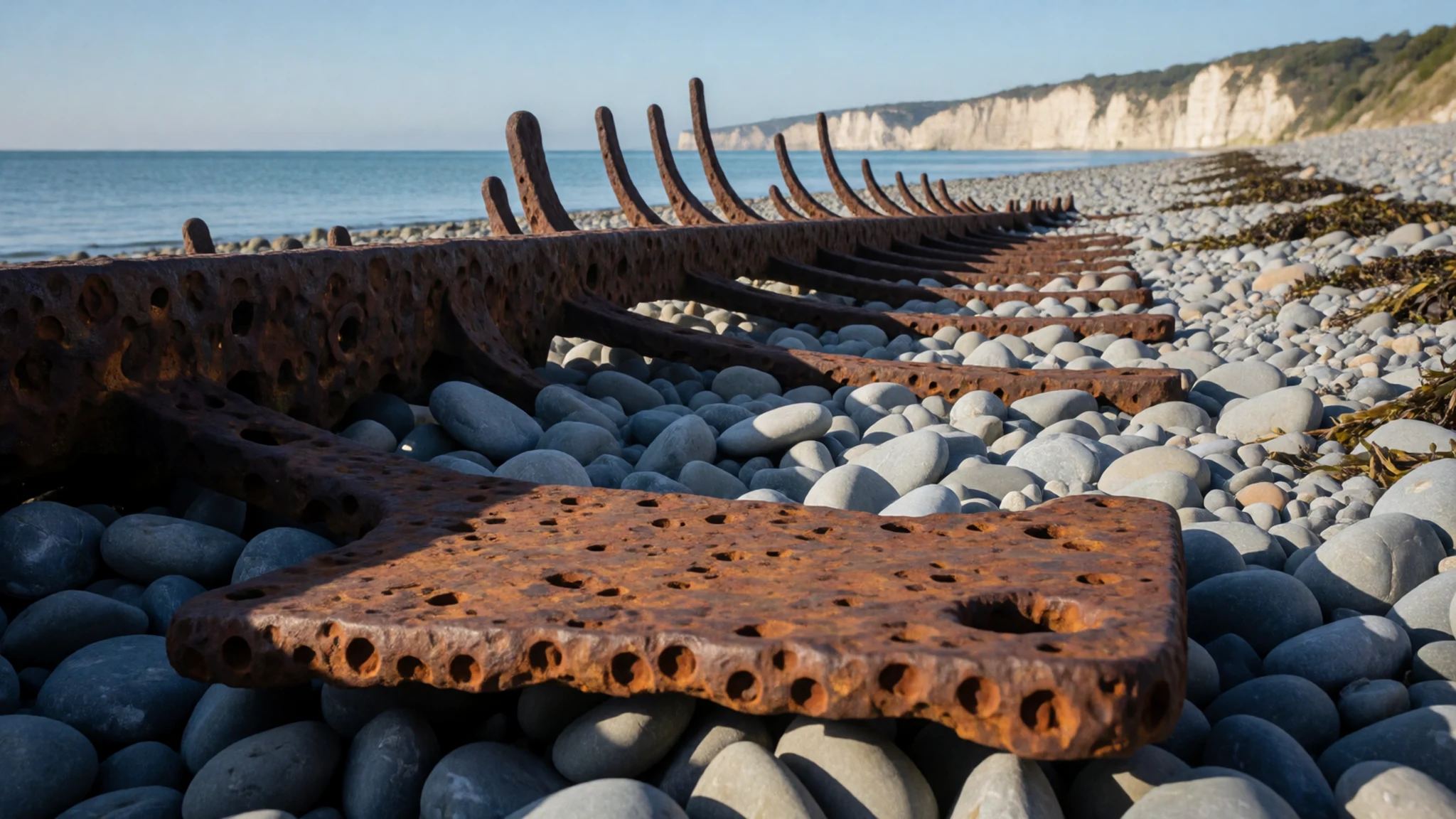
- McDonald River banks — McDonald River
The banks of the McDonald River are known to botanists for limestone-loving wildflowers, among them wild orchids and butterworts photographed here in July. The river also holds salmon and trout, which anglers need a provincial licence to fish. Summer is the season for plants.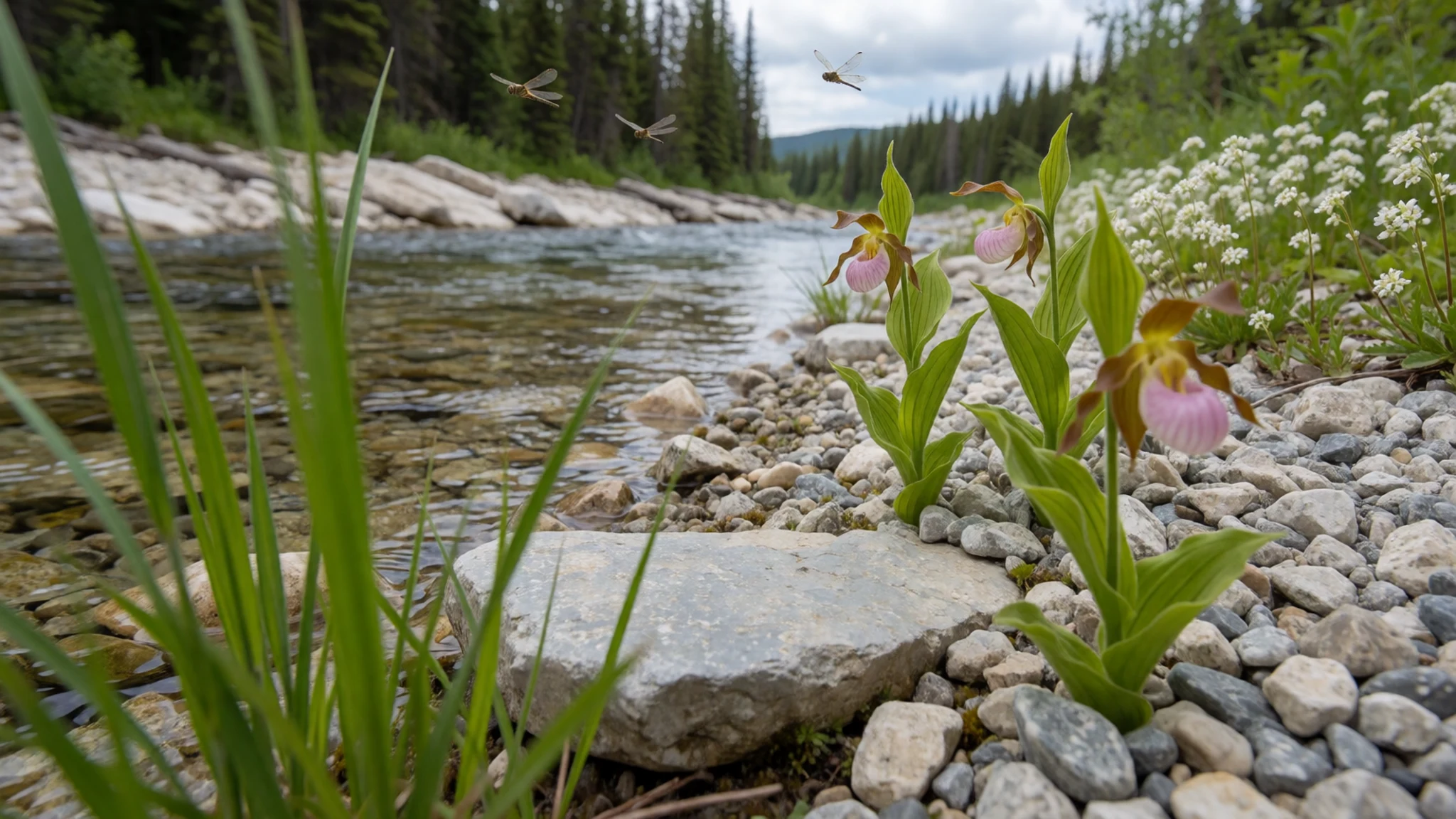
Culture
Anticosti Island is a French-speaking corner of Quebec, and daily life is shaped by how few people live there. With a permanent population of about 177, Port-Menier works like a close village in which the grocer, the inns and the information house are the social centres. The island's economy leans on outdoor tourism, above all hunting and salmon fishing, and the culture around those pursuits is practical: early starts, constant talk about weather, and respect for licences and quotas. Past owners treated the island first as timber land and then as a private estate, and the Eco-museum keeps furniture and artefacts from the Henri Menier years, a reminder that much of the island's story is of outsiders arriving and leaving. Indigenous peoples had hunted here for thousands of years before that. Wildlife is part of ordinary life too: deer graze in the village, and drivers learn to brake for them at any hour, because a collision with a deer does real damage and one with a moose can be deadly. Visitors who pick up a few words of French, buy supplies from the local co-operative and plan around the boat and flight schedules are generally met with warmth. Greet people in French with a friendly 'bonjour' first, and ask before photographing residents or stepping onto land that belongs to a hunting outfitter.
What to wear
Anticosti Island has no distinctive regional costume that anyone could point to, and it would be dishonest to invent one. Its people arrived as lighthouse keepers, timber workers, estate staff and later outfitters, and clothing has always followed the work. The Indigenous peoples who hunted here for thousands of years came from the mainland, and the island itself has no recorded textile tradition. What people wear now is practical outdoor clothing: waterproof jackets, wool or fleece layers, rubber boots, caps and sturdy trousers. During hunting season bright orange outer layers are a sensible sight, both among hunters and among anyone else walking in the woods. Evenings in Port-Menier are casual, and nobody dresses up for the inns or the grocery. A visitor should pack for a maritime climate, where wind off the gulf can turn a mild afternoon cold quickly. Bring a windproof and waterproof shell, warm mid-layers even in summer, a hat, and gloves for early mornings on the water. Footwear matters most: waterproof hiking boots for gravel shores, wet rock and boggy forest paths, plus sandals or light shoes for the inn. Long sleeves and trousers help against biting insects in warm months, and sun protection is useful on the open cliffs. There are no religious dress codes to worry about, but muted colours suit wildlife watching.
What to eat
- Fresh bread and pastries — The co-operative grocer in Port-Menier
The bakery counter at the local co-operative grocer in Port-Menier supplies loaves and pastries for breakfasts and packed lunches. It is the practical starting point for anyone self-catering or camping, since supplies elsewhere on the island are scarce.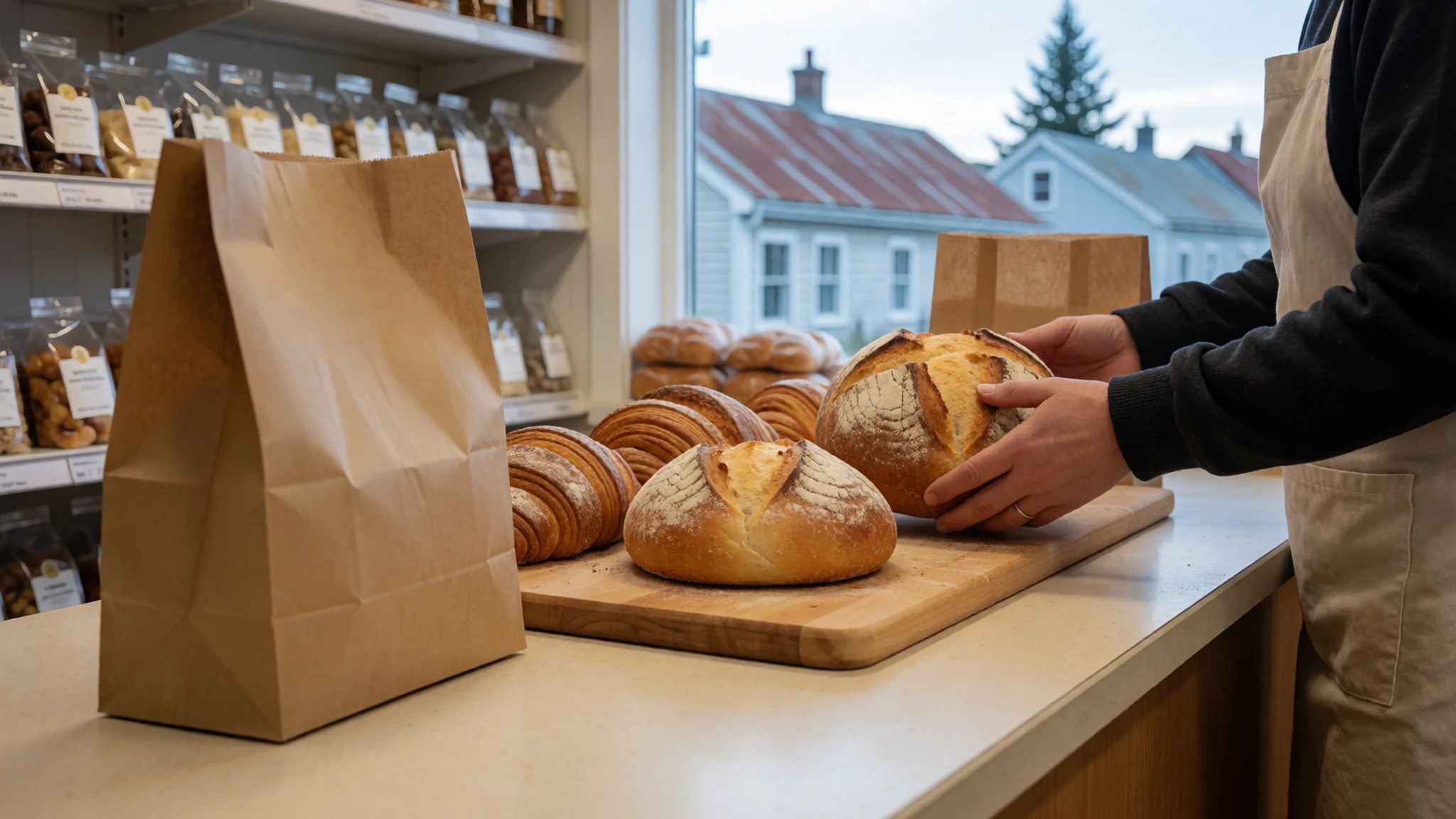
- Pizza and barbecued chicken — The co-operative grocer in Port-Menier
Hot takeaway food on Anticosti is simple and filling: pizza and barbecued chicken from the grocer's counter. It suits hungry hikers and anglers coming off a long day, and it is easy to carry to the picnic area outdoors.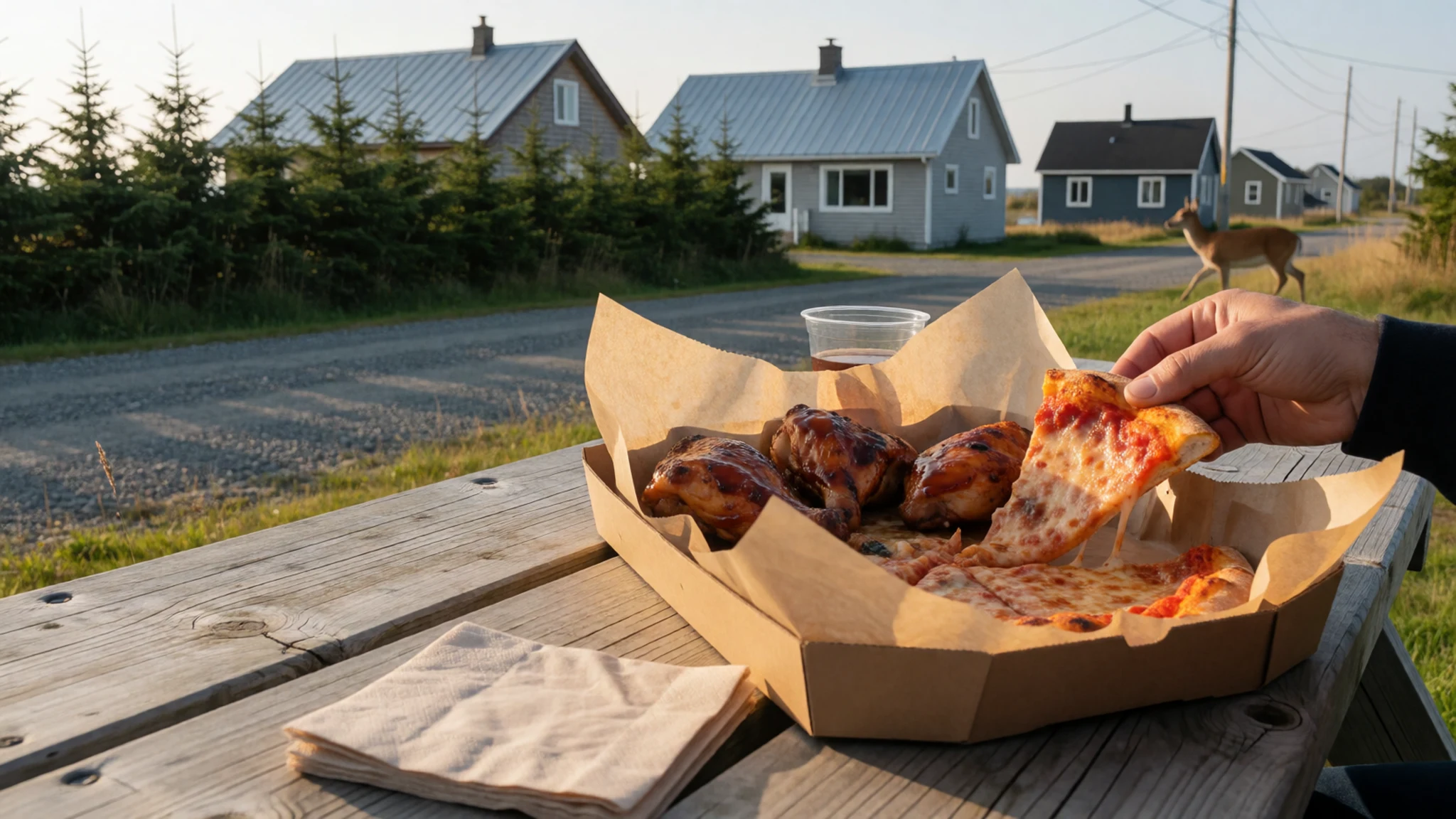
- Local seafood — The co-operative grocer in Port-Menier
Seafood is sold at the grocer alongside fishing bait, so it is plainly part of island life. Availability depends on the season and the boats, so ask what has come in rather than expecting a fixed menu. - Salmon and trout — Inns and outfitters' lodges
Salmon and trout are the island's famous fish, caught in its rivers by anglers with a provincial licence. Some inns and lodges serve the catch at dinner, though a visitor not on a fishing package should ask before assuming it is on offer. - Venison and game — Auberge restaurants and hunting lodges
Deer are plentiful, and thousands of hunters come each season, so game is the natural dish of the island. Lodge kitchens and inn restaurants are the likeliest places to eat it, usually as a hearty stew or roast.
Plan it
Best time. July and August are the hottest and most comfortable months for hiking, sea kayaking, birdwatching and whale watching, with long days and open water. October and November are the wettest months and mark the hunting season, when lodgings fill with hunters. Shoulder months and winter bring cold, limited services and fewer transport links, so confirm everything first.
How long. 3–5
Getting there. The usual gateways are Havre-Saint-Pierre, Sept-Îles and Baie-Comeau, with the M/V Nordik Express calling at Port-Menier by boat. Outfitters run charter flights, sometimes from Mont-Joli, Sept-Îles, Havre-Saint-Pierre, Québec or Montréal. Check the official Destination Anticosti site (destinationanticosti.ca) for current schedules.
Budget. high
Tips
- Book transport and lodging well ahead, since boats and charters are limited and hunting season fills inns
- Bring most supplies and any medication; there is one small clinic and no hospital
- Drive slowly and watch for deer, even in the village, and especially at dusk
- Hunting and fishing both need a provincial licence, so arrange this before arrival
- Carry cards and some cash, and confirm with your inn what it accepts
Etiquette
- Greet people in French first and keep noise low in the village at night
- Ask before photographing residents or entering outfitters' land
- Stay on marked trails and keep a respectful distance from wildlife
Nearby
Sources
- Wikidata Q575033 (CC0)
- Wikipedia: Anticosti Island (rev 1381185753) (CC BY-SA 4.0)
- Wikivoyage: Anticosti (rev 5424198) (CC BY-SA 4.0)
- Anticosti Island image by Landsat, NASA (Public domain)
- Baie de la Tour, Thosetimes (CC BY-SA 4.0)
- RiviereHuileAnticosti.jpg, unknown author (Public domain)
- Cypripedium arietinum, Green Optics (CC BY 2.5)
- EtangCastor.jpg, R. Rancourt (Declic~commonswiki assumed) (Public domain)
- Pinguicula vulgaris, Nichole Ouellette (CC BY 4.0)
- Draba incana, Nichole Ouellette (CC BY 4.0)
- Orchis rotundifolia, Nichole Ouellette (CC BY 4.0)


Wildlife
- White-tailed deer (animal)
The white-tailed deer is a graceful, medium-sized grazer, and one of the most widespread wild animals in the Americas. On Anticosti you may find it wandering among the houses of the village, and drivers there learn to slow down for it at any hour. Watch from a comfortable distance, keep your voice low, and ask a guide to help you find it. Please never feed it; a wild deer should find its own meals.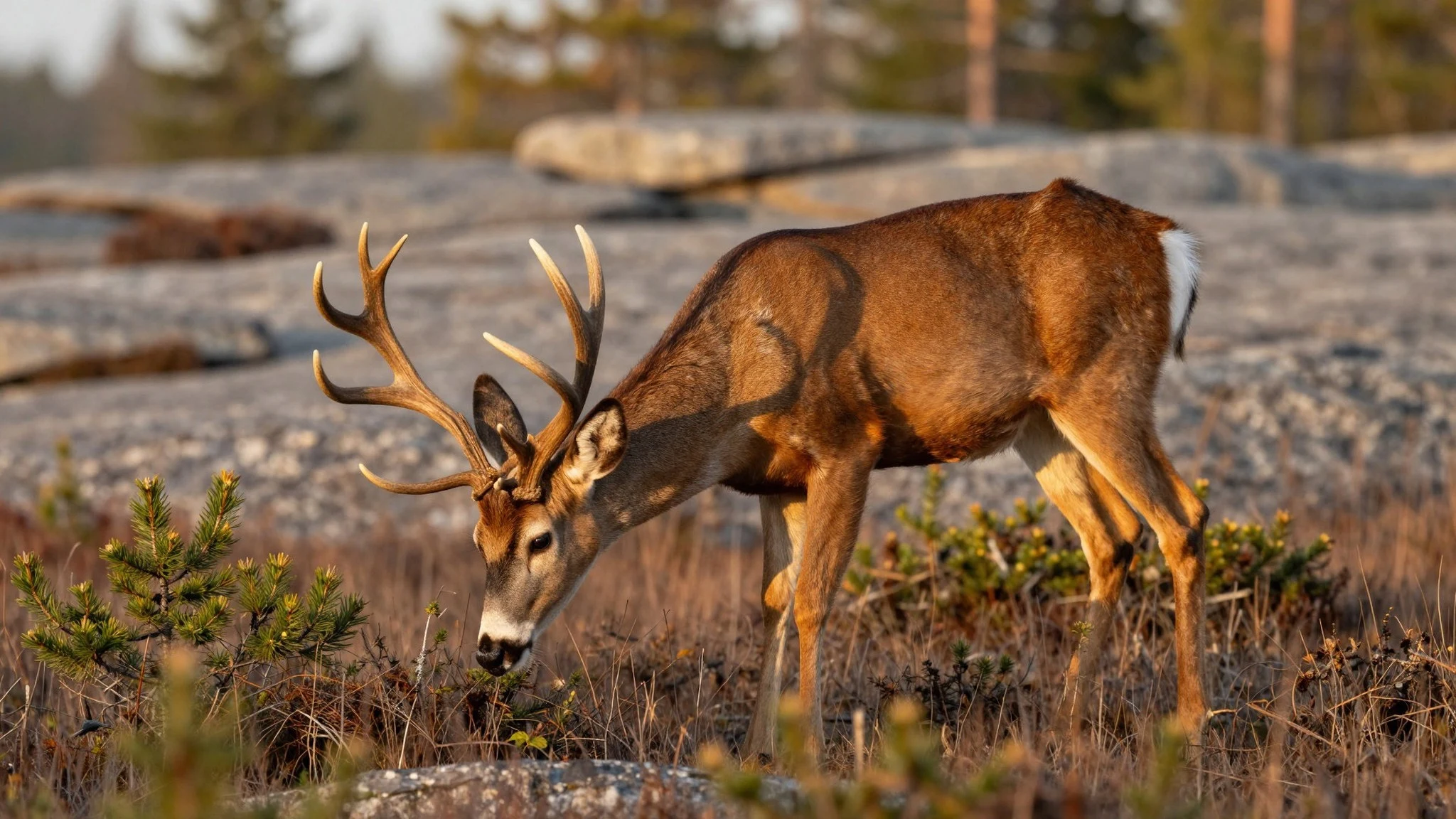
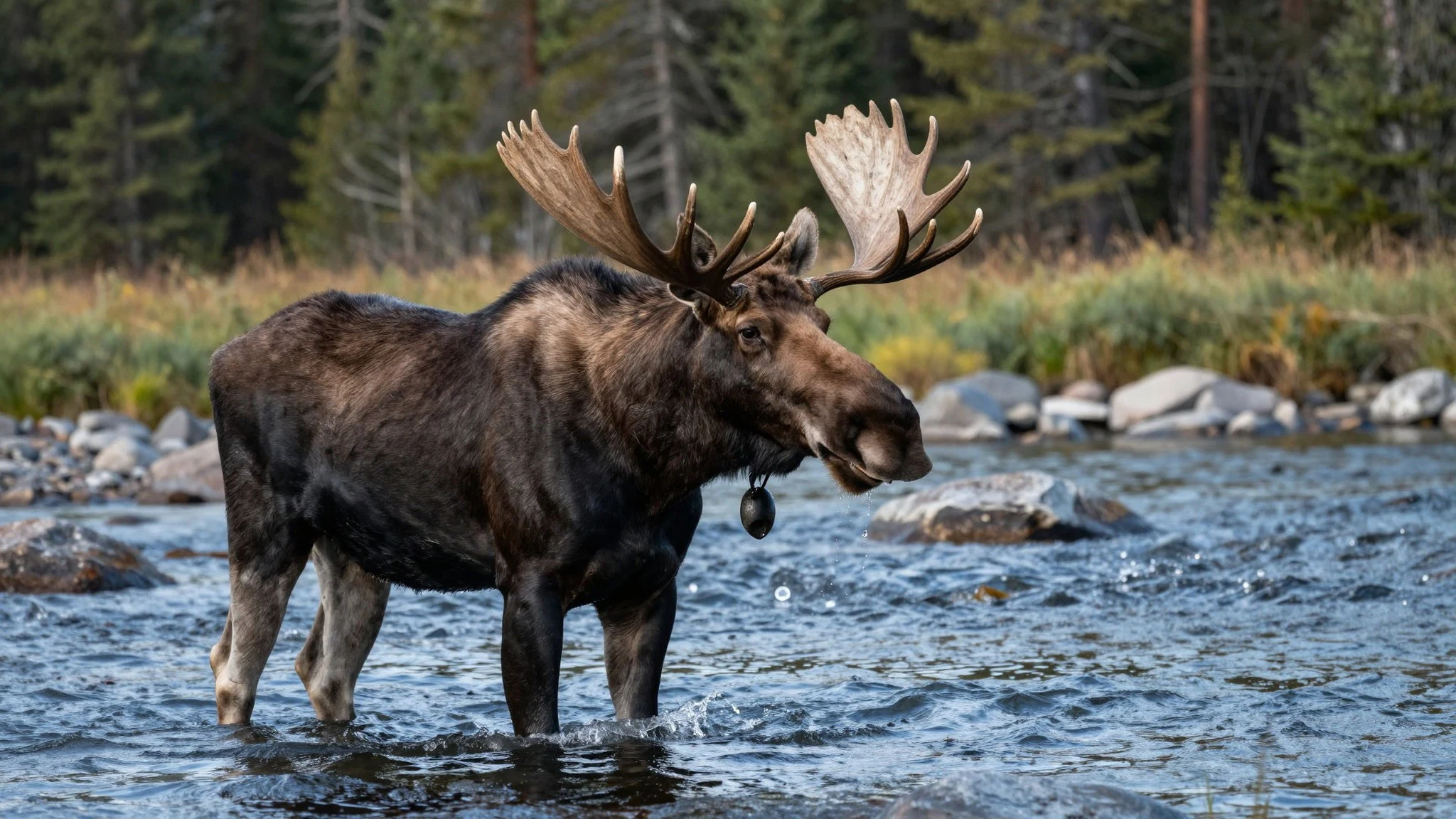
- Moose (animal)
The moose is the biggest deer in the world, a towering giant whose males wear broad, flat antlers like great open hands. It favours cool northern forests. On Anticosti drivers are wise to take great care on the road at any hour, since a collision with one can be deadly. If you do see one, stay well back, keep quiet, let a guide lead, and never feed it.