Baffin Island
Baffin Island, Canada
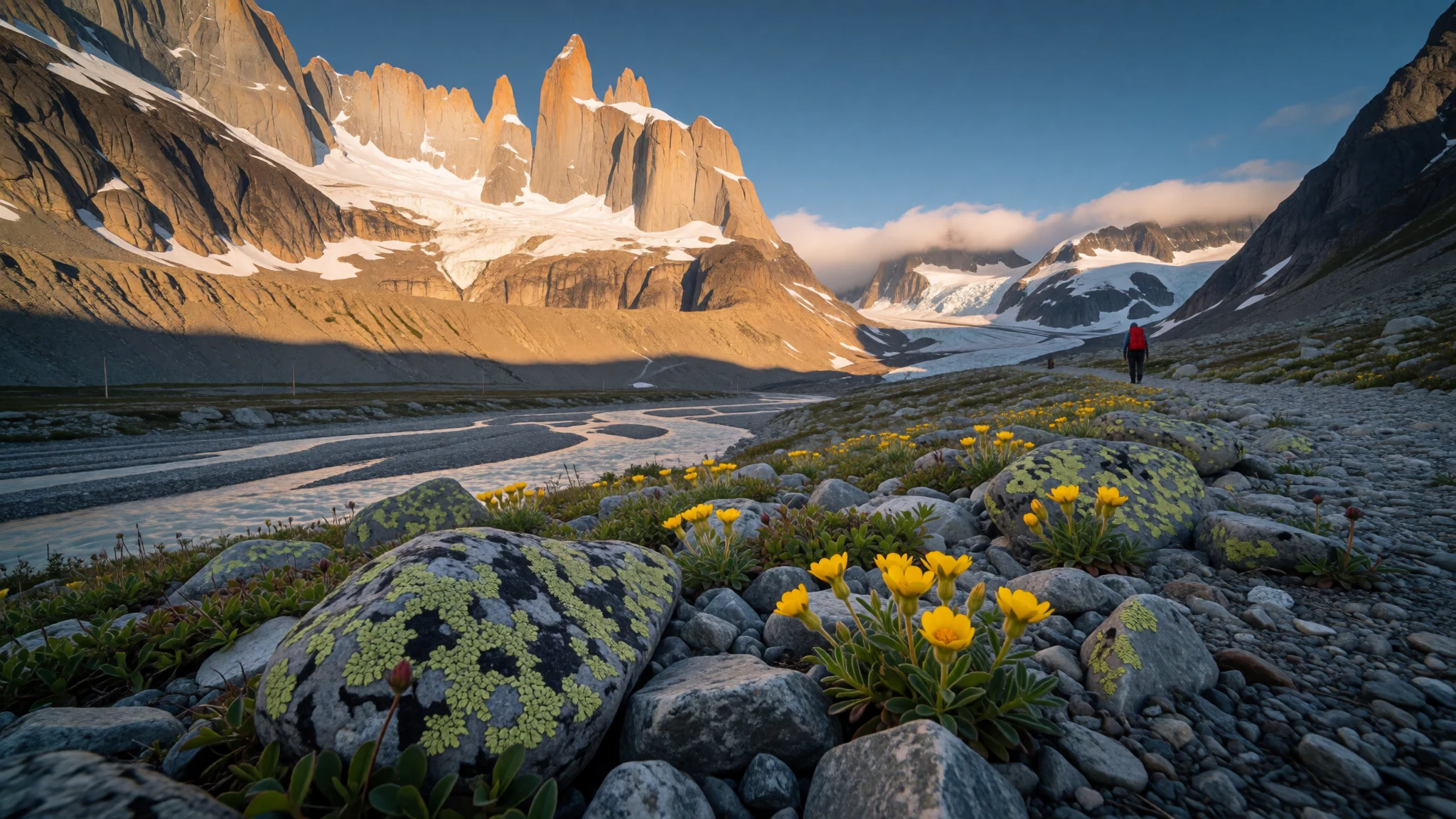
Baffin Island offers vast Arctic wilderness, sheer coastal fjords, and deep Inuit cultural traditions beneath summer skies that never darken.
The place
Baffin Island rises out of the freezing waters of northern Canada as a massive expanse of tundra, jagged summits, and ancient ice fields. Situated between Hudson Strait and high Arctic sea lanes, the island forms a dramatic coastal border facing Greenland across Davis Strait. The landscape is dominated by the steep peaks of the Arctic Cordillera along the north-eastern coast, where high granite cliffs drop into narrow ocean fjords carved by massive glaciers. Vast inland plateaus extend westward toward Foxe Basin, covered in tundra vegetation that clings to frozen earth.
The settlement of Iqaluit sits on Frobisher Bay near the southern coast, serving as the administrative hub for the region. Communities remain small and isolated, dotting coastal inlets where sea ice defines daily life for much of the year. Transport between settlements relies on regional air travel or snowmobiles and boats when seasonable conditions allow. During the short summer months, the sun remains constantly above the horizon in northern areas, while winter brings months of twilight and intense atmospheric lights. Ocean ice seals the coastlines through winter and spring, breaking apart slowly during midsummer to grant brief maritime access to remote fjords and coastal islands. Wildlife such as arctic foxes, seals, and migratory sea birds navigate these cold coastal fringes and wide valleys.
Its story
Baffin Island has grounded human survival in the extreme north for over three thousand years. Early pre-Dorset and Dorset cultures adapted to sea ice and tundra conditions, carving tools from bone and hunting coastal marine life. Around seven hundred years ago, the Thule people—direct ancestors of modern Inuit—arrived from the west with refined hunting technology, including dogsleds and skin boats, establishing permanent winter settlements along protected bays.
European contact began around the year one thousand when Norse navigators sailing from Greenland reached the coast, naming the rocky territory Helluland. Sagas describe icy coasts populated by arctic foxes and vast stone slabs along the water. Archaeological sites along Tanfield Valley reveal evidence of early trade interactions between indigenous hunters and visiting Norse seafarers along the icy shoreline. Centuries later, English explorers arrived seeking passage to Asia, mapping southern inlets and giving names to major coastal geographical features.
The island shifted from ancestral nomadic hunting routes to settled hamlets during the middle of the twentieth century as trading posts, missions, and administrative outposts took root. In recent decades, local residents voted to restore traditional Inuktitut names to major settlements, including Iqaluit. Modern Baffin Island maintains a living connection to these ancient maritime hunting routes while serving as a centre for contemporary Inuit art and governance.
What to see
- Auyuittuq National Park — Eastern Baffin Island
Located along the Cumberland Peninsula of Baffin Island, this remote wilderness park features towering granite cliffs, glacier-carved valleys, and dramatic peaks like Mount Thor. Hikers explore river valleys under the summer midnight sun, while winter travellers navigate frozen routes by dog sled across sea ice.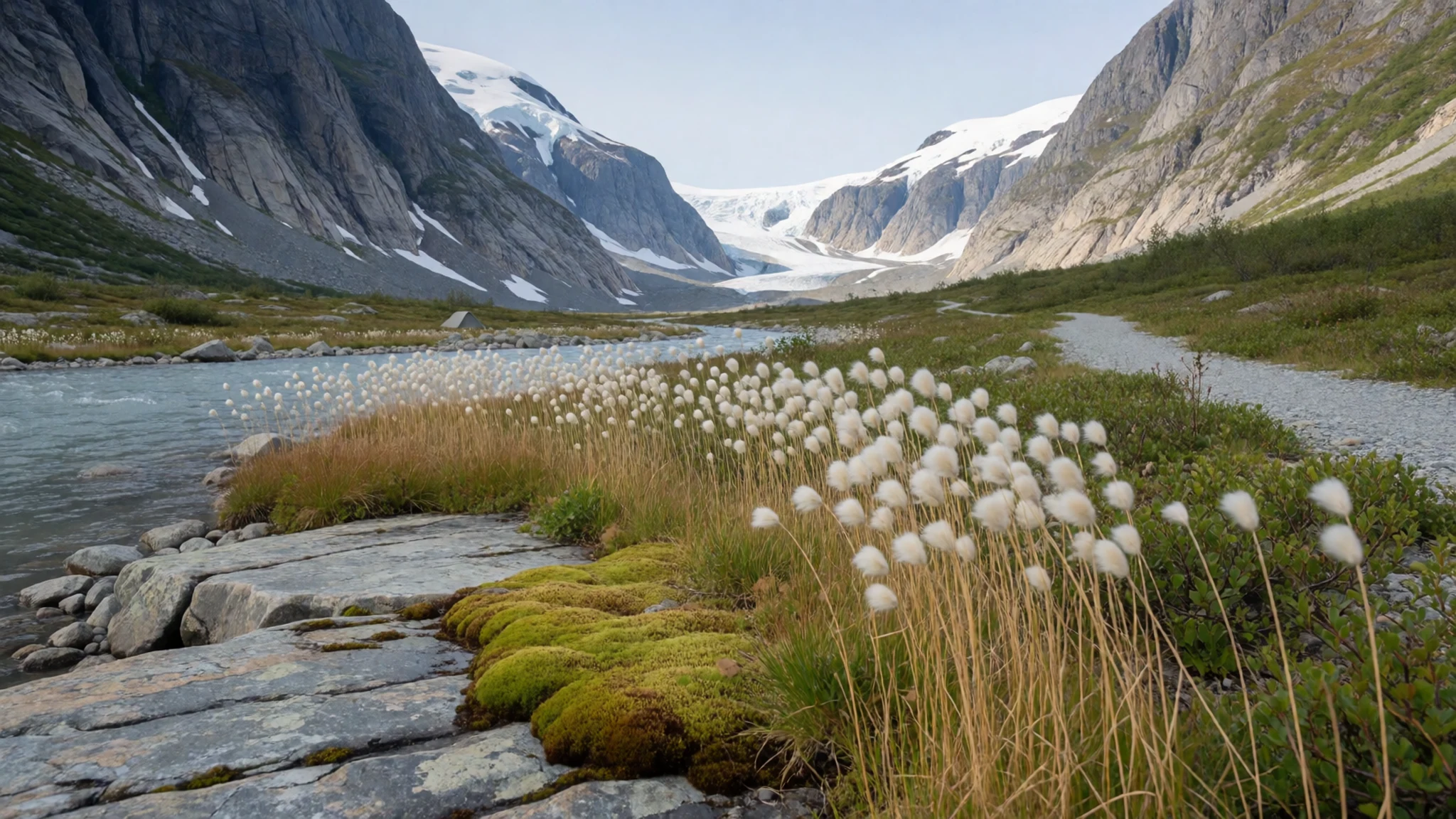
- Iqaluit Town Centre — Frobisher Bay
Situated on southern Baffin Island at the head of Frobisher Bay, Nunavut's capital offers essential cultural sites including the territorial legislature and the regional museum. Visitors can view traditional soapstone carvings, examine historic Arctic artifacts, and admire the distinctive igloo-shaped Anglican cathedral that serves local residents.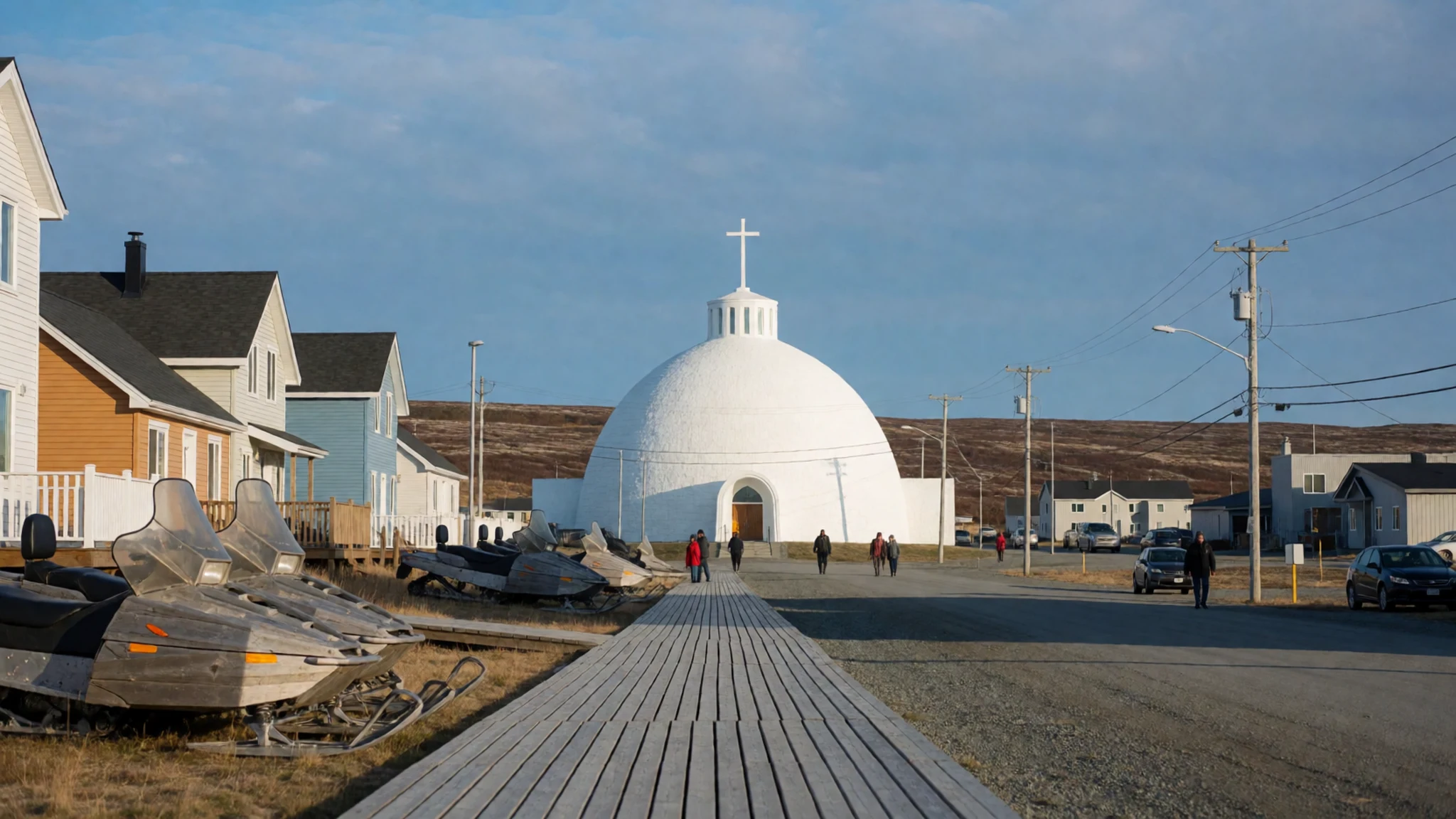
- Itijjagiaq Trail — Southern Baffin Island
Running across the southern landscape of Baffin Island between Iqaluit and Kimmirut, this traditional travel route forms part of the Trans Canada Trail system. The path guides trekkers across tundra plateaus and water channels, following historic Inuit travel corridors across Katannilik Territorial Park.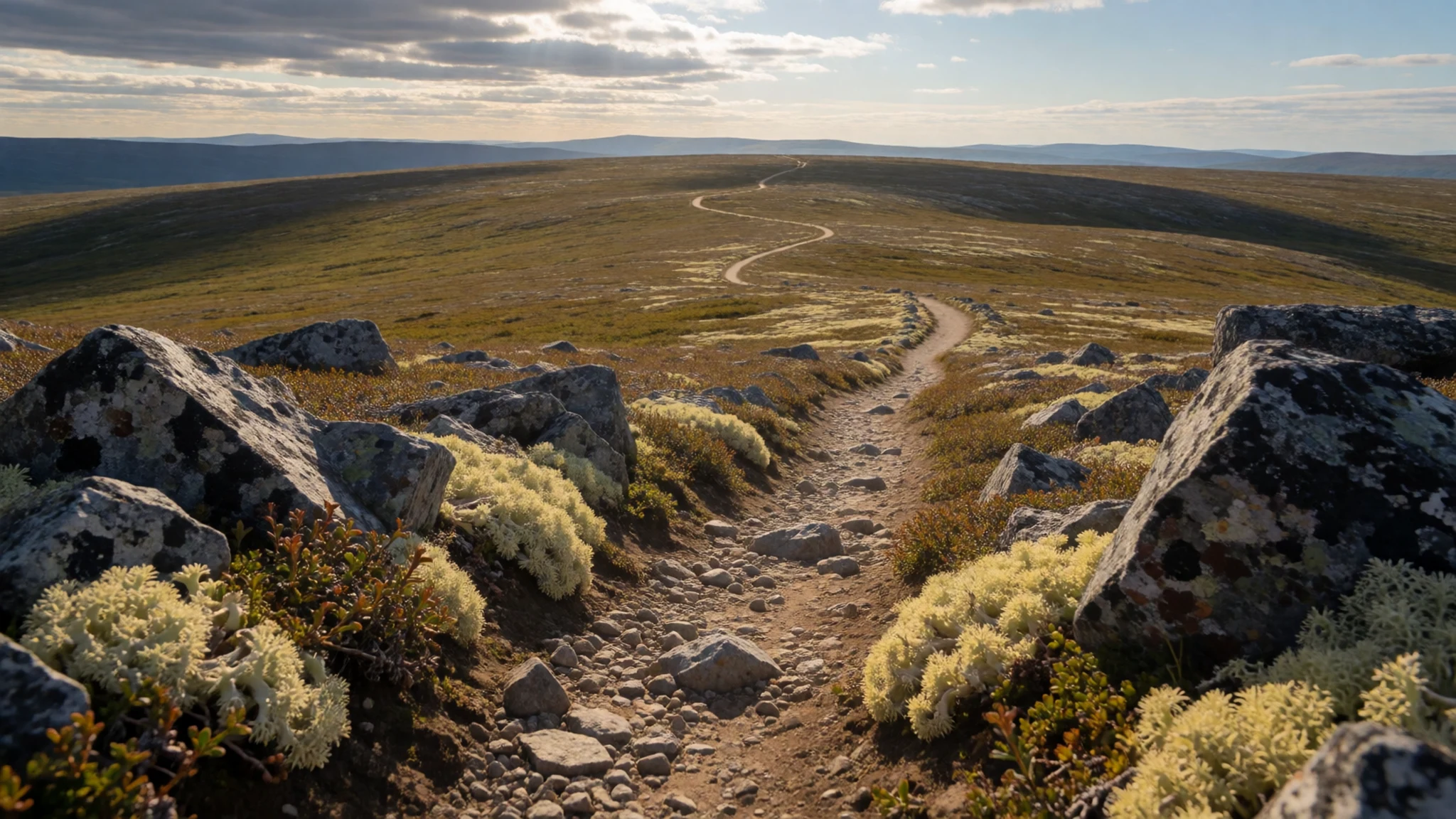
- Pangnirtung — Cumberland Sound
Set against steep coastal mountains on Baffin Island, the hamlet of Pangnirtung serves as a renowned hub for Inuit printmaking and woven tapestries. Local craft centres display intricate artwork reflecting northern wildlife and traditional mythology, while guiding outfitters organise summer boat excursions into nearby fjords.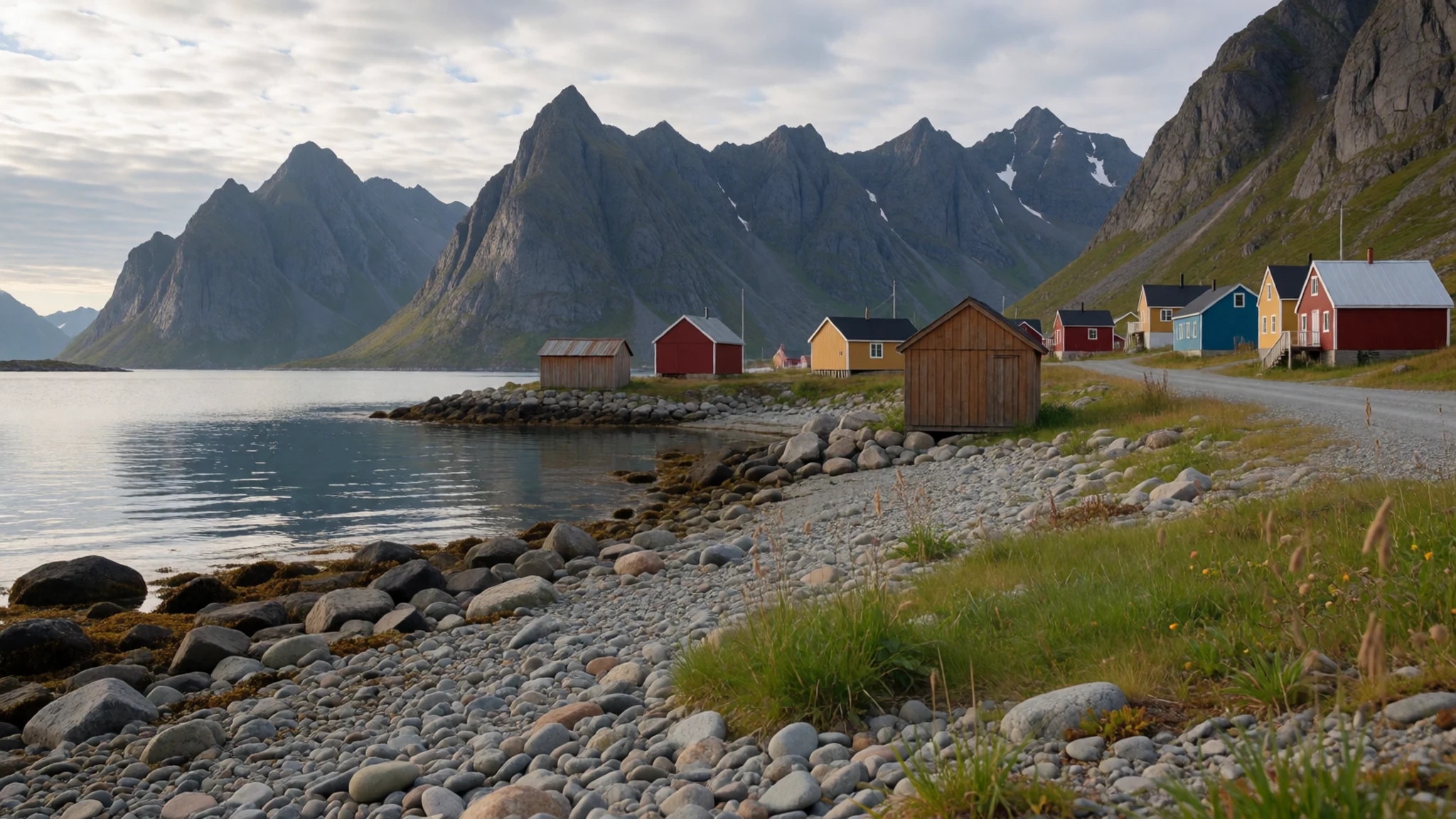
- Sam Ford Fjord — North-eastern coast
Carved into the north-eastern coast of Baffin Island, this deep ocean fjord is famous for its massive vertical rock faces rising straight out of frozen waters. Expedition vessels navigate past sea ice and glacier tongues, providing views of arctic marine life and sheer granite cliffs along the remote shore.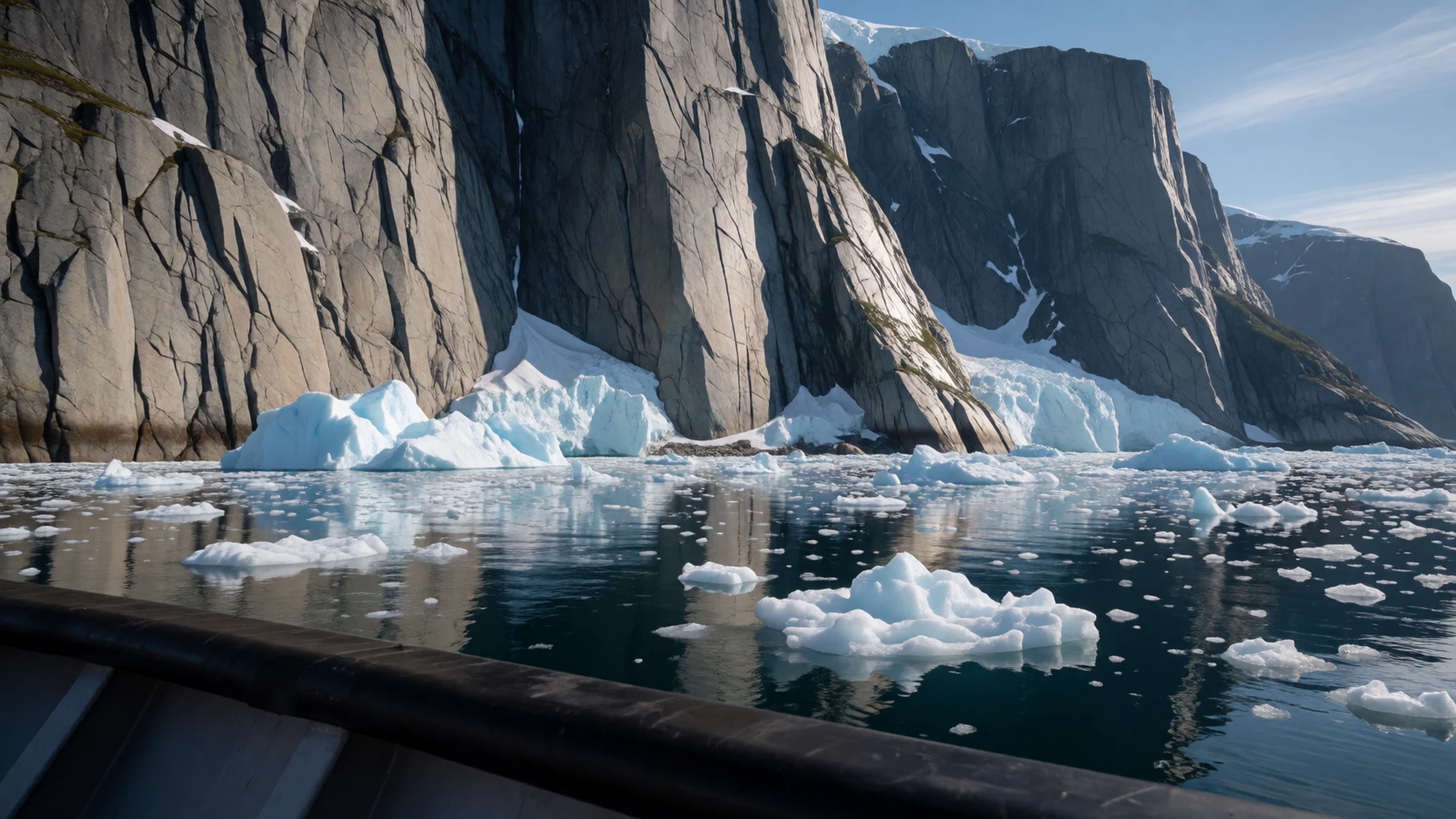
Culture
Baffin Island is shaped by millennia of Inuit heritage, where seasonal hunting traditions and deep respect for the land define local community life. Oral storytelling, drum dancing, and throat singing remain central forms of cultural expression, handed down through generations alongside traditional survival skills. Local artisans are world-renowned for soapstone carving, printmaking, and intricate woven tapestries that depict Arctic wildlife, sea spirits, and elders' memories. Inuktitut is widely spoken across all hamlets, alongside English, preserving native terminology for ice conditions, weather patterns, and geographic features.
Community life revolves around seasonal movements, with residents hunting seal, char, and caribou depending on ice thaw and weather conditions. Sharing harvested food among neighbours and elders remains a vital social custom that reinforces community bonds. Respecting these ancient customs and supporting local art cooperatives helps sustain cultural heritage across the remote northern territory. When visiting hamlets on Baffin Island, always ask for permission before taking photographs of local residents, elders, or private property.
What to wear
Fashion on Baffin Island has always been dictated by extreme sub-zero temperatures and cold coastal winds. Traditional Inuit attire relies on animal pelts, including seal skin and caribou hide, expertly sewn with sinew to create windproof, insulated garments. The parkas, known as amauti, feature an enlarged hood designed to carry infants against the mother's back, while waterproof sealskin boots, called kamiks, keep feet warm in ice and slush during coastal hunts.
Today, residents on Baffin Island combine traditional fur-lined outer garments with modern cold-weather synthetic insulation. Heavy-duty parkas, insulated snow pants, thermal fleece mid-layers, and woollen beanies are standard daily wear in hamlets during autumn, winter, and spring. Handcrafted sealskin mittens and kamiks remain prized items worn for community celebrations and outdoor travel.
Visitors must prepare for extreme, rapidly changing weather by dressing in multiple technical layers, including windproof and waterproof outer shells. Heavy insulated boots, thermal base layers, thick wool socks, and face protection are essential even during summer months.
What to eat
- Arctic Char — Local eateries and community feasts in Iqaluit
Harvested from icy coastal waters, this rich pink fish is eaten fresh, smoked, or frozen in thin slices. Served in local eateries across Baffin Island hamlets, char is a staple protein valued for its clean, buttery flavour.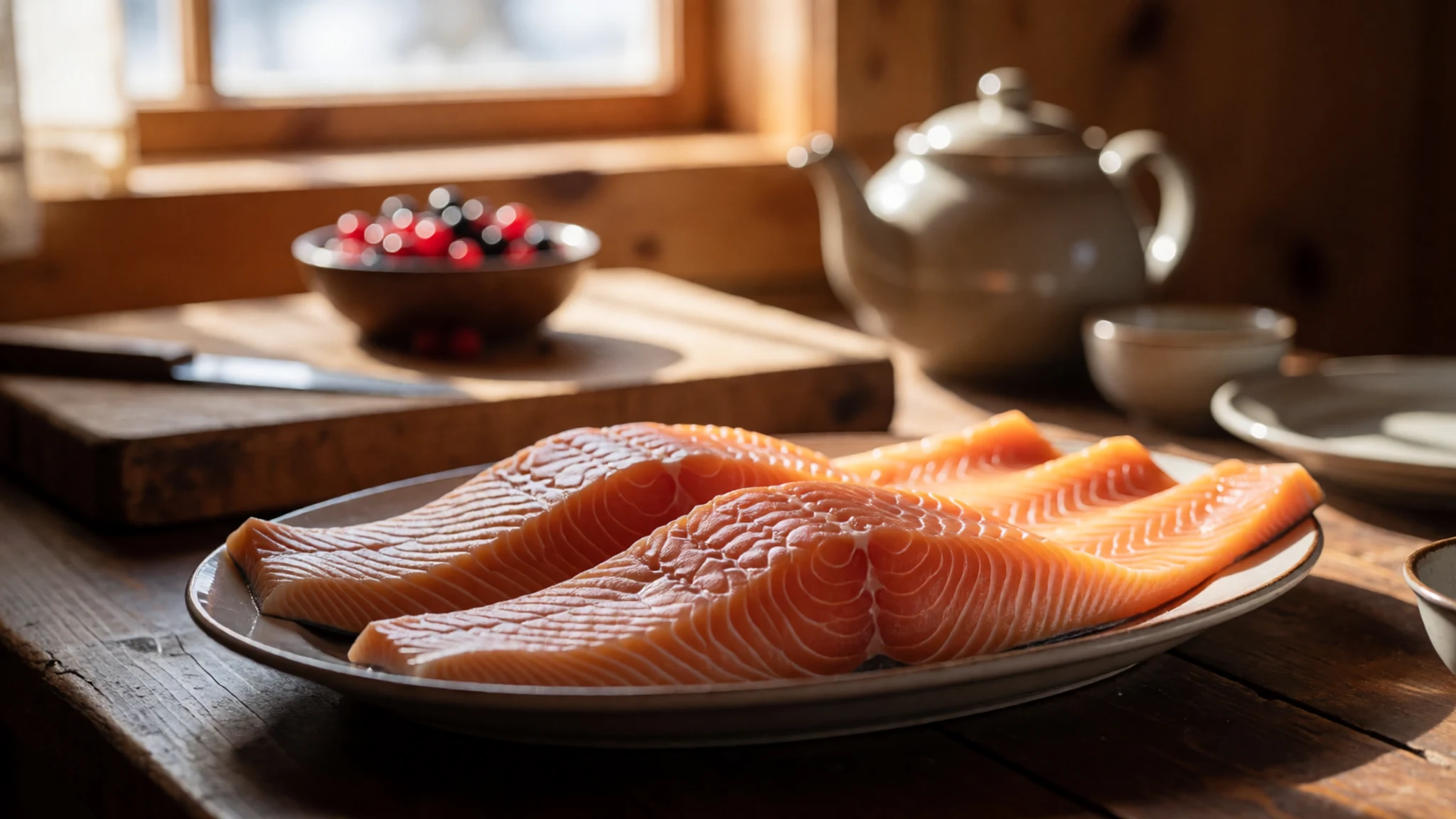
- Maktaaq — Community gatherings and coastal hunting camps
A traditional Inuit delicacy made from whale skin and blubber, maktaaq is typically enjoyed raw, frozen, or aged. Shared during community gatherings on Baffin Island, it provides vital vitamins and energy required for severe Arctic weather.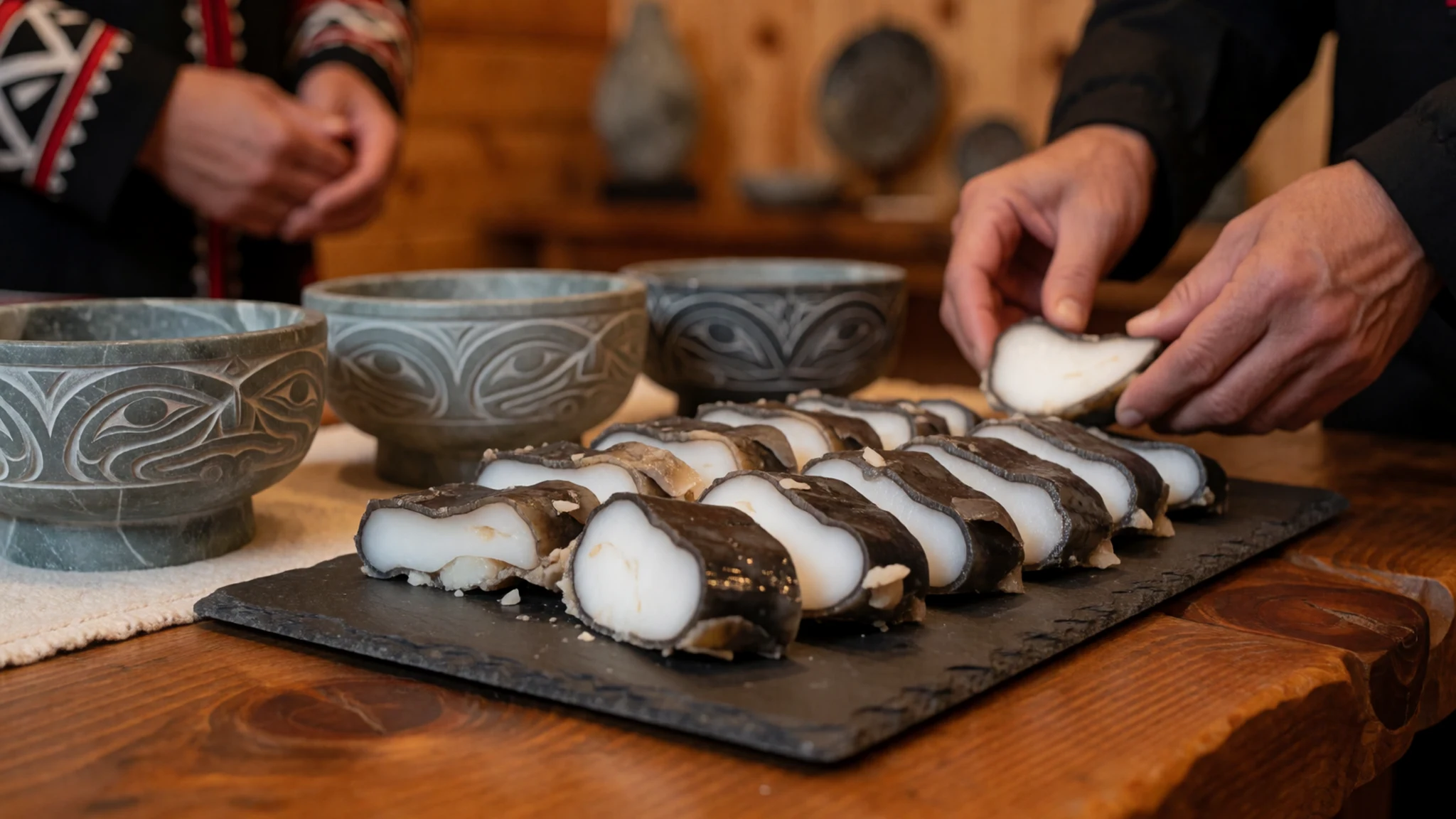
- Caribou Stew — Family homes and local community dining halls
Slow-cooked with root vegetables and hearty broth, caribou meat yields a tender, lean dish packed with rich flavour. Served at community dining halls across Baffin Island, this warming meal offers comfort during long, freezing winter months. - Bannock — Bakeries and community markets across Baffin Island
Introduced by fur traders and adopted into Northern cuisine, this quick bread is pan-fried until golden or baked in ovens. Available in community markets and home kitchens on Baffin Island, it is eaten hot alongside soups, stews, or jam.
Plan it
Best time. July and August offer the mildest temperatures and ice-free coastal access, while March and April provide bright daylight for winter dogsledding and aurora watching.
How long. 5–7
Getting there. Fly into Iqaluit Airport from Ottawa or Montreal, followed by regional flights on small aircraft to reach smaller coastal hamlets.
Budget. high
Tips
- Book flights and guided expeditions months in advance due to limited seats
- Carry sufficient cash as small hamlet stores may experience card reader outages
- Pack complete waterproof windproof layers regardless of the summer season
- Confirm emergency medical travel insurance covering remote Arctic evacuation
Etiquette
- Always obtain permission before photographing local residents or their children
- Hire licensed local Inuit guides when traveling outside established hamlets
- Never disturb archaeological sites, cairns, or historic tundra structures
Nearby
Sources
- Wikidata Q81178 (CC0)
- Wikipedia (rev 1384759532) (CC BY-SA 4.0)
- Wikivoyage (rev 5122504) (CC BY-SA 4.0)
- Photo 01-wfm-baffin-island.jpg (Public domain)
- Photo 02-baffin-topo.png (CC BY-SA 4.0)
- Photo 03-baffin-island-northeast-coast-1997-08-07.jpg (CC BY-SA 2.5)
- Photo 04-baffin-island.jpg (Public domain)
- Photo 05-mount-thor-peak-1997-08-07.jpg (CC BY-SA 2.5)
- Photo 06-plane-buzzes-pangnirtung.jpg (CC BY 2.5)
- Photo 07-sea-ice-off-baffin-island.jpg (Public domain)
- Photo 08-baffin-island-curious-as-a-fox.jpg (CC BY-SA 2.0)


