Banks Island
Banks Island, Canada
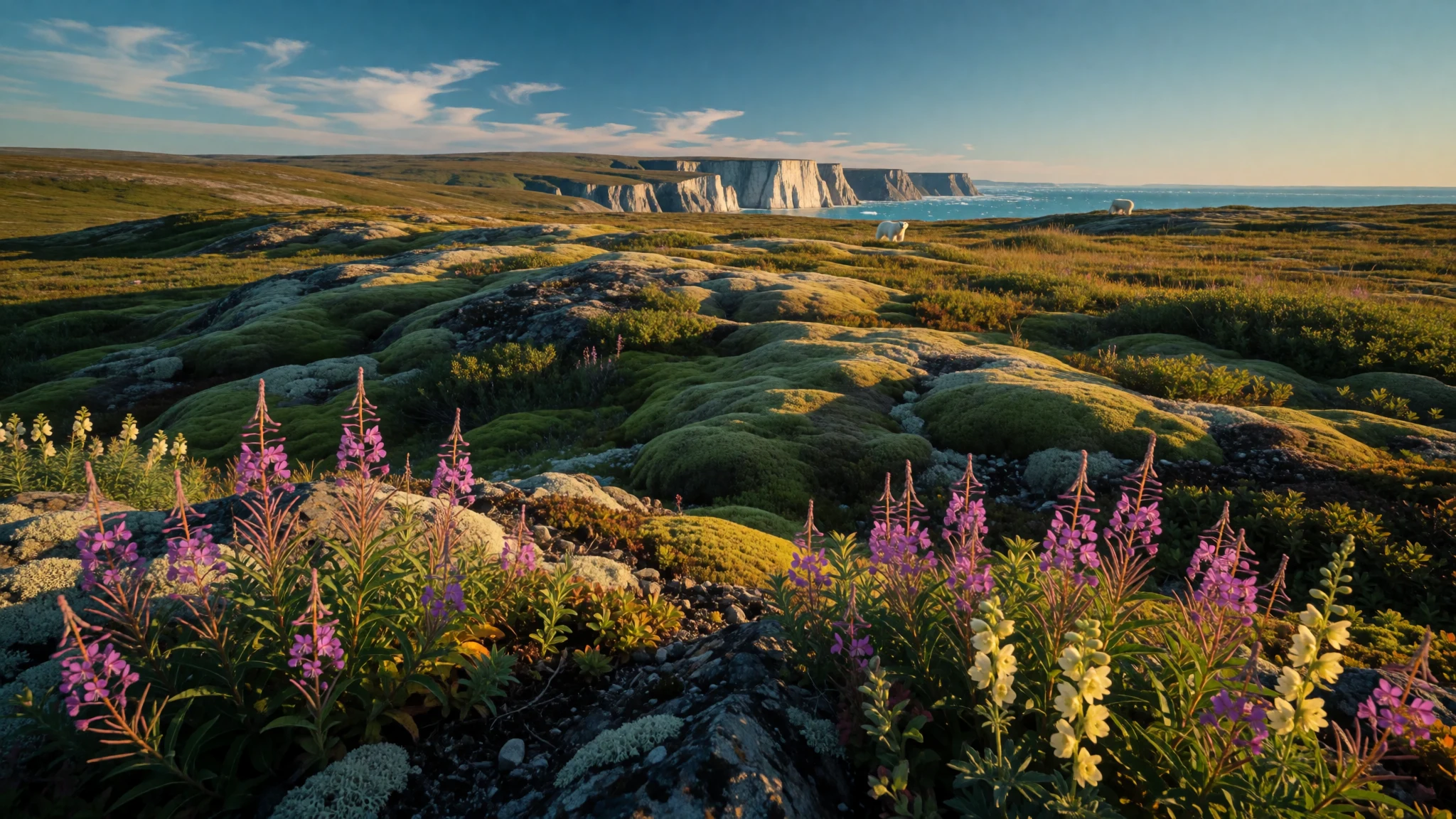
A remote High Arctic sanctuary of vast tundra, migratory bird havens, and resilient Inuvialuit traditions on the edge of the Beaufort Sea.
The place
Banks Island rests in the far northern reaches of Canada's Northwest Territories, set within the Inuvialuit Settlement Region. Flanked by the Beaufort Sea to the west, M'Clure Strait to the north, and the Prince of Wales Strait to the east, this expanse forms one of the outer frontiers of the Arctic Archipelago. The landscape unfolds across low tundra rolling towards high sea cliffs in the southern region. River valleys cut through open plains, while coastal bays remain ice-bound for much of the year.
Life on Banks Island is defined by extreme seasonal shifts and remarkable arctic fauna. Muskoxen, polar bears, and caribou roam the open interior and icy margins, while migratory bird sanctuaries draw countless avian species during the brief northern summer. Human presence is concentrated entirely in Sachs Harbour, a small Inuvialuit community resting on the southwestern coast. Beyond this solitary settlement, the island is an unpaved realm of wild rivers, wind-swept valleys, and coastal bluffs facing frozen seas.
The climate remains fiercely cold for most of the year, with long polar nights in winter and continuous daylight during the height of summer. Snow covers the tundra for months, yielding briefly to a carpet of low-lying mosses, lichens, and miniature Arctic blossoms during July and August.
Its story
Banks Island has a rich history tied deeply to the movements of Indigenous Arctic hunters and early European polar expeditions. For generations, Inuvialuit hunters navigated these shores and inland valleys, tracking muskoxen, seal, and caribou according to the rhythms of sea ice and changing seasons. Deep traditional knowledge of permafrost, wildlife patterns, and coastal currents allowed communities to thrive in one of the planet's most demanding environments.
During nineteenth-century voyages, European explorers ventured into these cold northern waters seeking the Northwest Passage. Expeditions such as that of HMS Investigator brought sailors into contact with the island's towering coastal headlands and frozen channels. Maps drawn during these naval journeys charted the intricate contours of M'Clure Strait and the southern bluffs, anchoring the remote landmass in global nautical records.
In the twentieth century, the establishment of Sachs Harbour cemented permanent settlement on the island, evolving from seasonal trapping camps into an organized Inuvialuit community. Today, the heritage of Banks Island reflects this interplay between ancient Indigenous stewardship and the realities of Arctic survival. Preservation of wildlife habitats and cultural traditions remains central to the islanders who continue to maintain their ancestral ties to the land and sea.
What to see
- Sachs Harbour Coast — Southwestern Banks Island
The coastline around Sachs Harbour offers rare glimpses into high Arctic marine life and rolling tundra terrain. Visitors can observe polar bears along ice edges, search for grazing caribou, and view the working life of Canada's northernmost permanent settlement.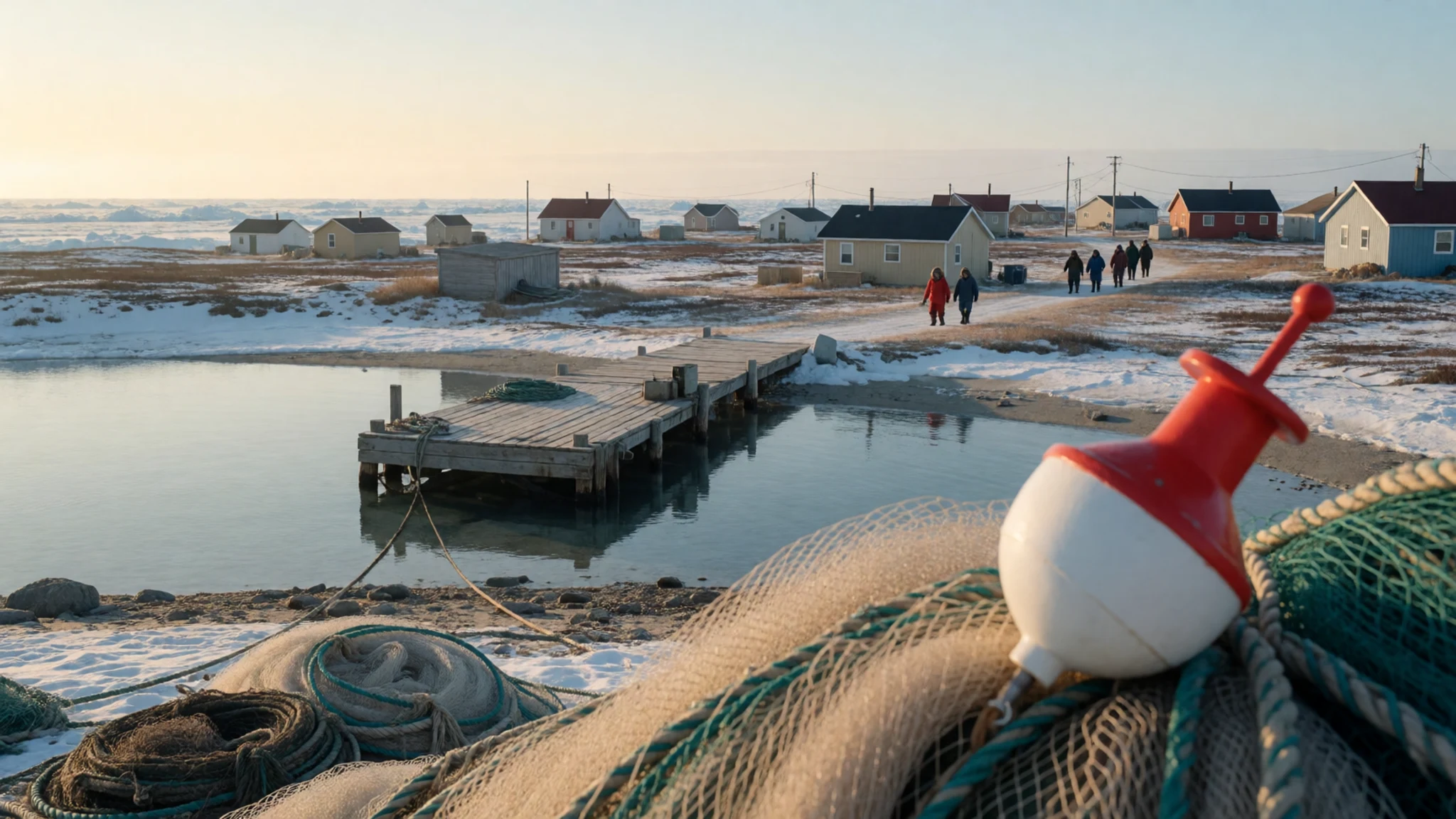
- Aurora Borealis Sky Watch — Regional skies across NWT
During the dark Arctic winter, vivid green and violet curtains of light dance across the clear night skies. Seeing the aurora borealis here requires enduring extreme sub-zero cold, but the brilliant display over endless snowscapes creates an unforgettable night experience.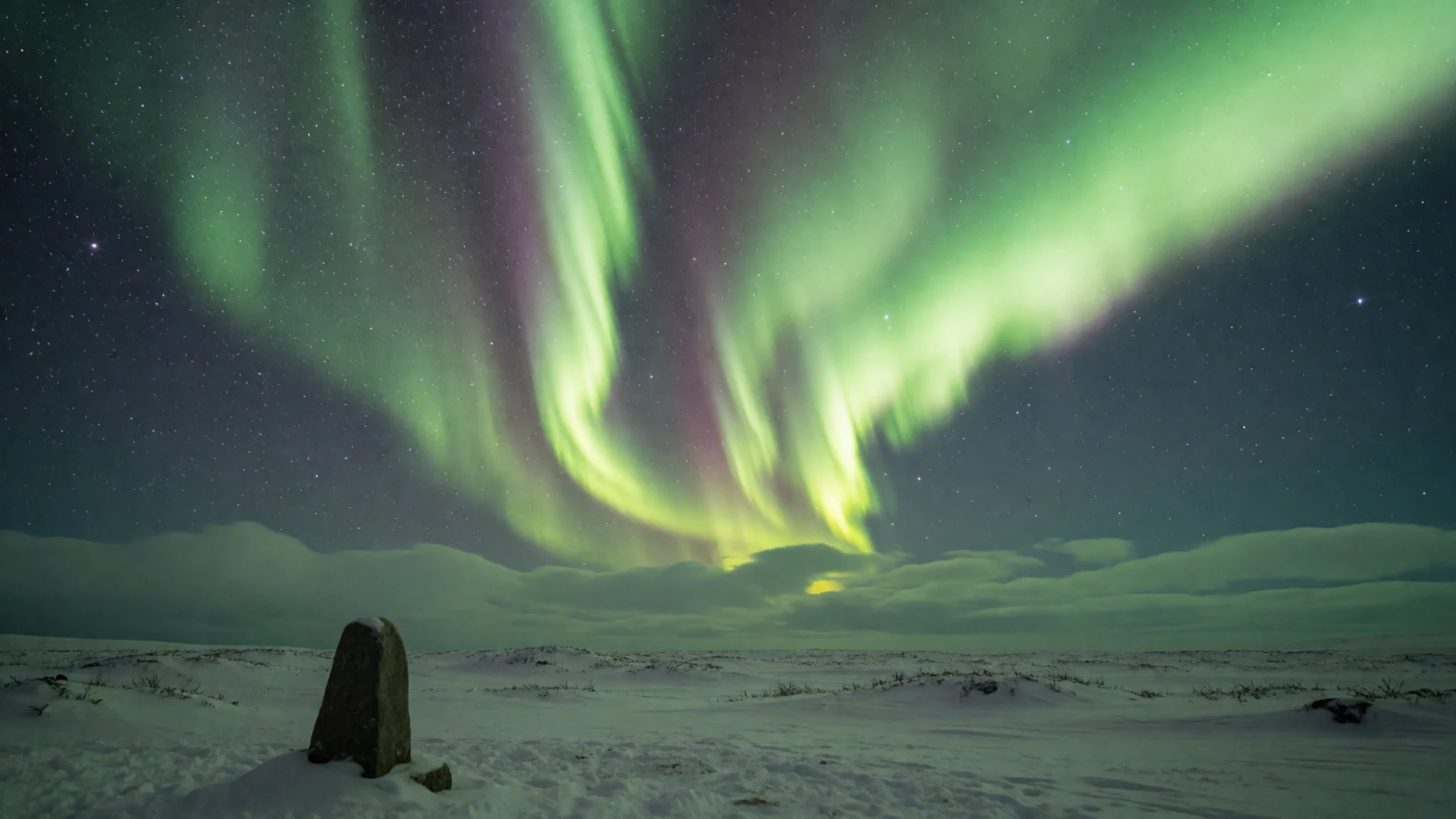
- Banks Island Migratory Bird Sanctuaries — Northern and Western Banks Island
These massive protected nesting grounds come alive during the short summer months when hundreds of thousands of migratory birds arrive to breed. Lesser snow geese and various waterfowl cover the wetlands, feeding on tundra greenery before flying south.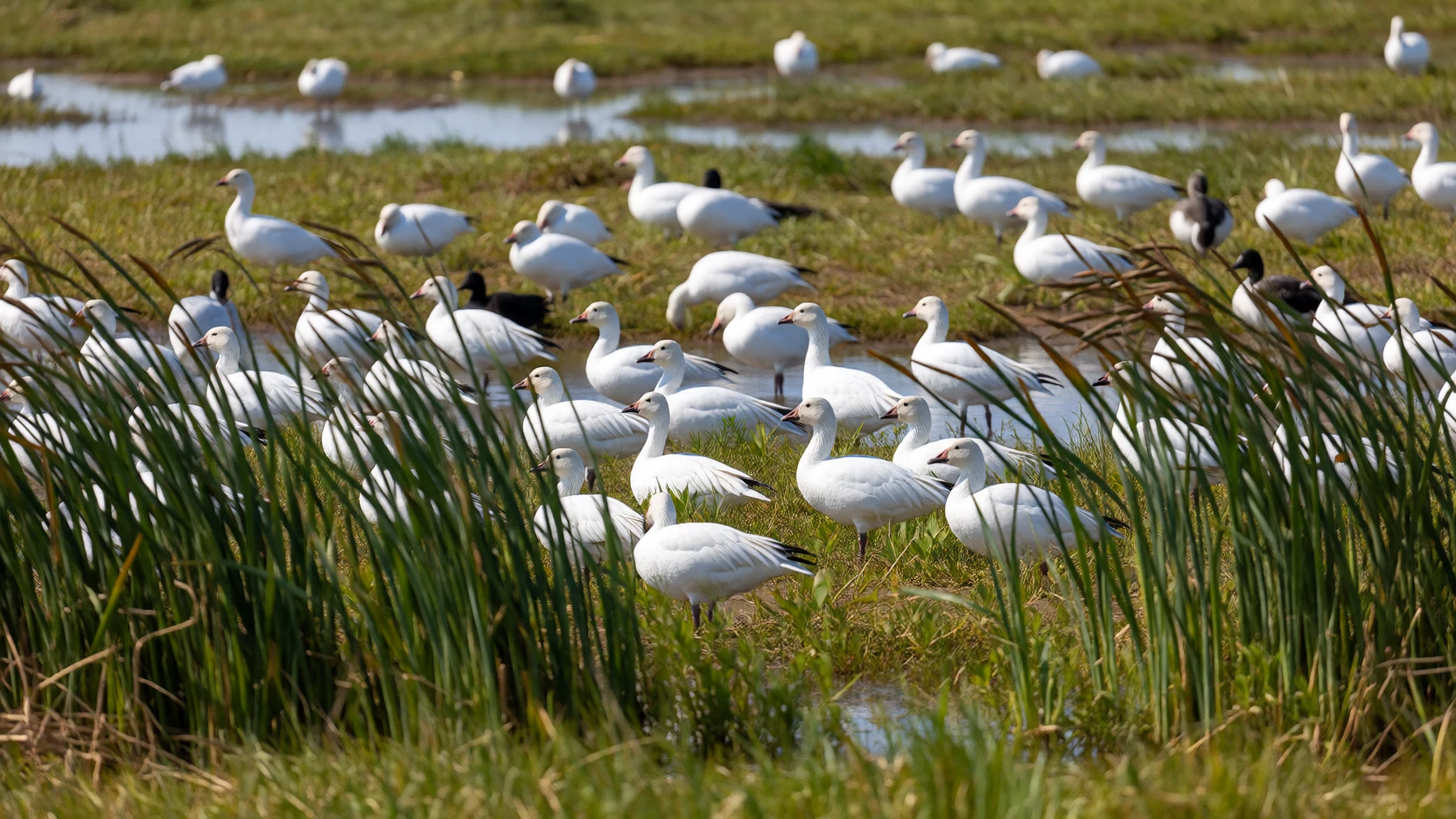
- The Pingos of Tuktoyaktuk — Tuktoyaktuk Coast
Rising abruptly from the coastal tundra, these distinctive earth-covered ice hills are classic High Arctic landforms. Formed by freezing groundwater pushing up the tundra surface, they stand as striking natural monuments along the shores of the Beaufort Sea.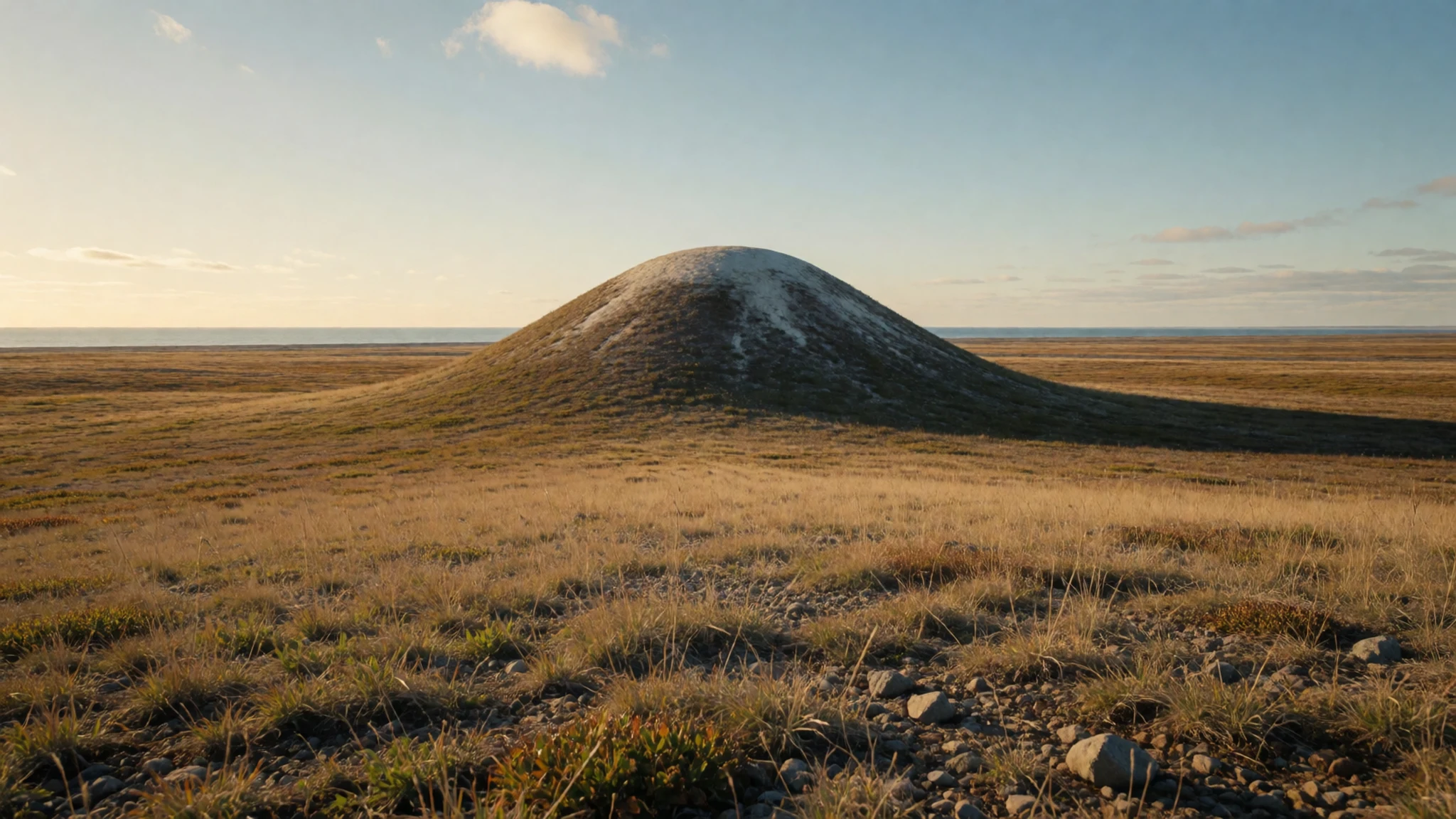
- Prince of Wales Northern Heritage Centre — Yellowknife
Serving as the main territorial museum, this northern facility preserves the rich history, archaeology, and indigenous art of the Northwest Territories. Extensive exhibits detail Dene, Metis, and Inuvialuit heritage alongside wilderness history and arctic wildlife displays.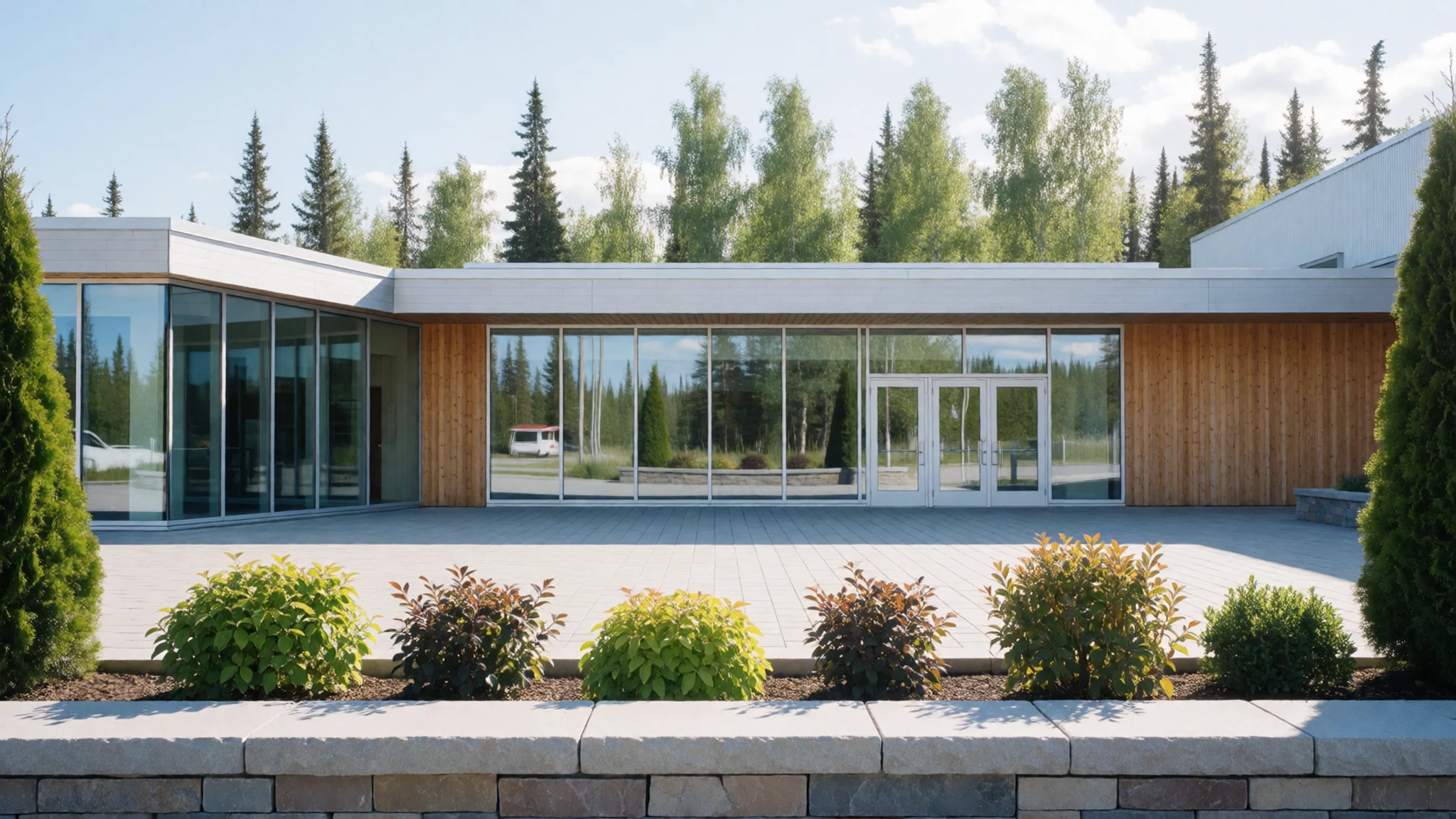
Culture
Banks Island culture is deeply rooted in Inuvialuit heritage, shaped by generations of living in harmony with a demanding northern environment. Local traditions revolve around profound respect for the land, seasonal hunting of caribou and muskox, and ice fishing along pristine coastal waters. Community life in Sachs Harbour is exceptionally close-knit, where sharing fresh catches among elders and neighbours remains a vital social practice.
Oral storytelling, intricate needlework, and cold-weather garment making play significant roles in preserving local identity. Complex knowledge of sea ice conditions, weather shifts, and wildlife tracking is passed down through generations, ensuring community safety and resilience. While modern satellite communication connects islanders to the wider world, traditional northern values of mutual aid, quiet self-reliance, and environmental stewardship remain paramount today.
When visiting northern Indigenous communities, always ask for permission before taking photographs of local residents, outdoor drying racks, or private equipment.
What to wear
Banks Island winter fashion centres on time-tested Inuvialuit cold-weather clothing crafted for survival in severe Arctic conditions. Traditional attire includes heavy parkas lined with arctic fox or wolf fur trims, sealskin boots known as mukluks, and insulated mitts made from caribou hide. These hand-stitched garments combine natural breathability with maximum wind resistance, offering essential protection against freezing polar winds.
In daily contemporary life, residents combine these traditional fur elements with modern synthetic winter gear. Sturdy high-altitude down jackets, windproof snowmobile suits, thermal coveralls, and insulated rubber boots are standard daily wear for outdoor chores, hunting, and local travel around Sachs Harbour.
For visitors travelling to the High Arctic, packing specialized extreme-cold gear is vital. Multi-layered thermal base garments, windproof shell jackets, heavy down parkas, fleece mid-layers, face masks, and rated snow boots with thick felt liners are absolute necessities during northern journeys.
What to eat
- Arctic Char — Coastal communities and northern lodges
A delicate, pink-fleshed fish caught in icy northern waters, arctic char is a regional pride. Served pan-seared, smoked, or baked simply with butter, it offers a clean, rich flavour that highlights pure northern rivers.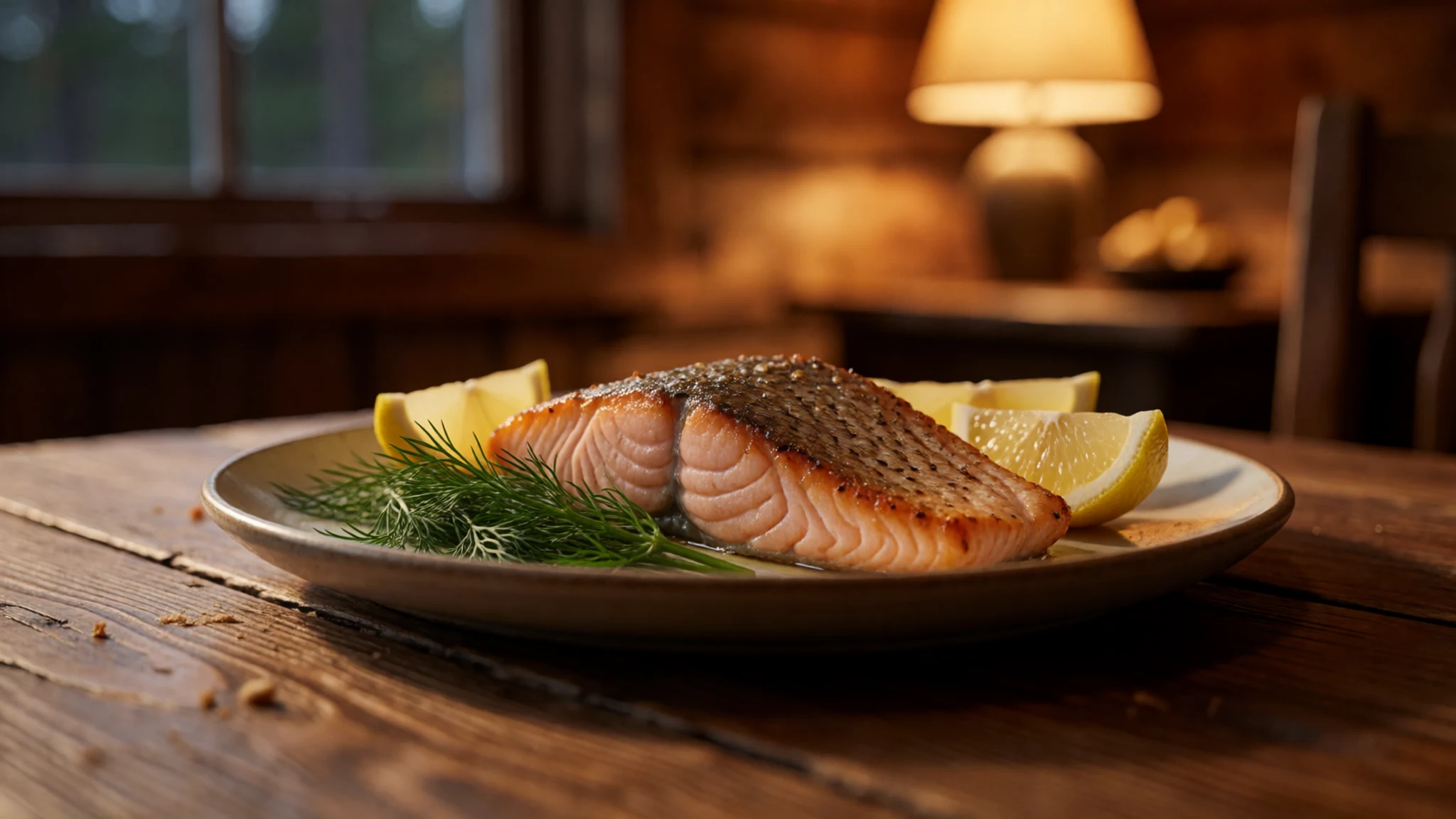
- Muskox Steak — Northern eateries and traditional feasts
Lean and deeply savoury, muskox meat is a tender specialty of the far north. Local cooks often prepare it as steaks or slow stewed, seasoned gently with wild spruce buds or locally gathered morel mushrooms.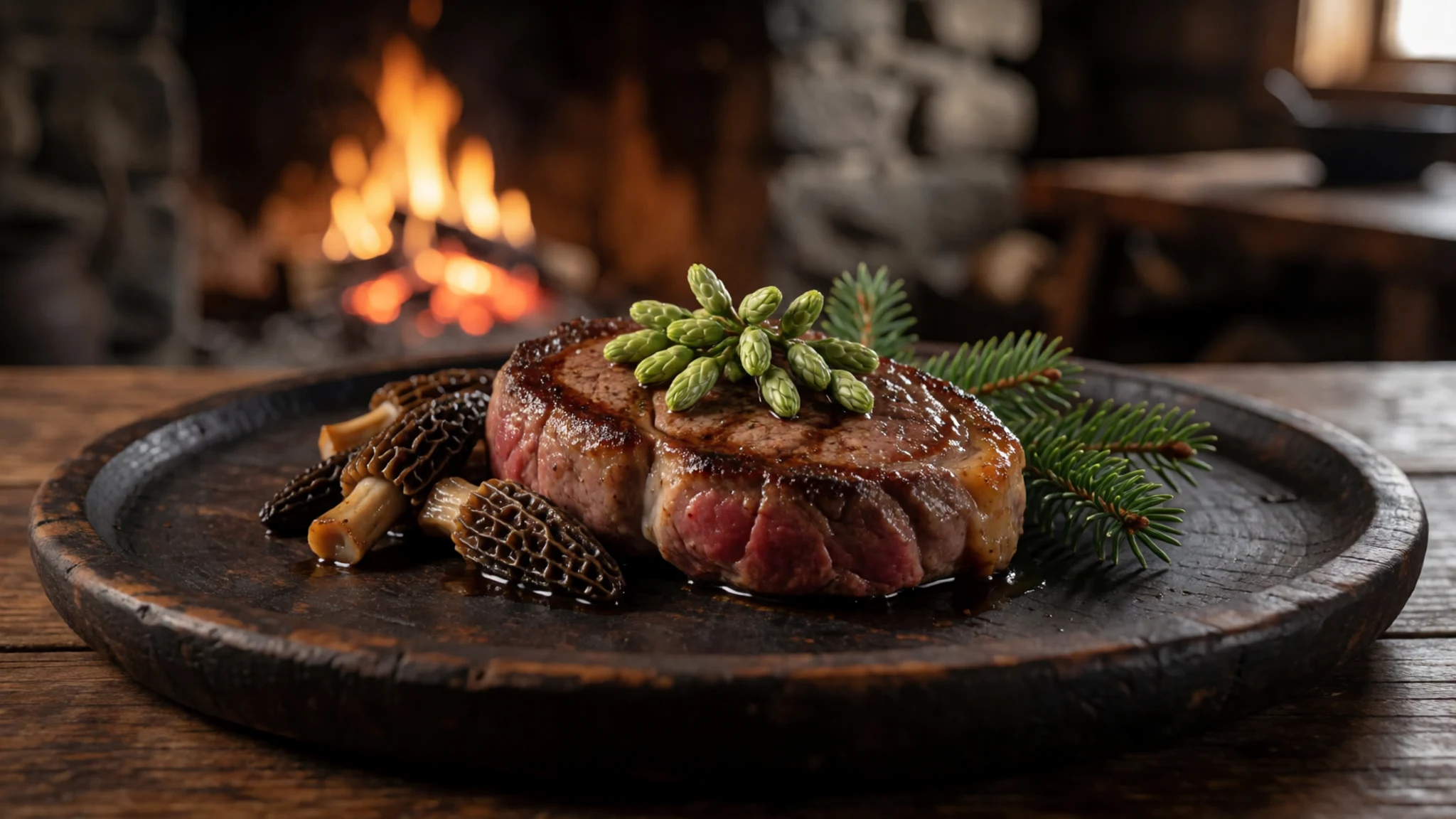
- Bannock — Community gatherings and outdoor camps
This dense, comforting tea biscuit is a staple across northern Canada. Prepared over open wood fires or baked in camp kitchens, bannock is frequently studded with sweet tundra berries and served warm with tea. - Lake Trout and Pike — Lakeside fish camps and regional dining spots
Freshwater fish caught in clear northern rivers and cold lakes provide rich daily fare. Typically fried in skillet batter or grilled whole, these fresh catches feature prominently in local meals and wilderness lodge menus. - Maktak — Traditional Inuvialuit feasts
A cherished traditional Inuvialuit delicacy, maktak consists of whale skin and blubber. Chewy and rich in vitamins, it is traditionally sliced into small cubes and eaten raw or lightly cured during festive community gatherings.
Plan it
Best time. July and August offer cool, sunny days with continuous daylight and accessible tundra; winter brings extreme cold down to -40 °C but offers northern lights viewing.
How long. 3–5
Getting there. Fly from major Canadian hubs like Edmonton or Calgary to Yellowknife or Inuvik, then take regional charter flights into Sachs Harbour.
Budget. high
Tips
- Book flights and northern charter connections months in advance
- Pack extreme winter clothing rated for sub-zero temperatures if travelling outside summer
- Carry sufficient cash as card processing and banking facilities are extremely limited
- Ensure comprehensive travel insurance covering Arctic medical evacuation
Etiquette
- Always seek permission before photographing local residents or their property
- Respect community alcohol regulations and restrictions in northern settlements
Nearby
Sources
- Wikidata Q200226 (CC0)
- Wikipedia (rev 1370459812) (CC BY-SA 4.0)
- Wikivoyage (rev 5326467) (CC BY-SA 4.0)