Culebra
Culebra, United States
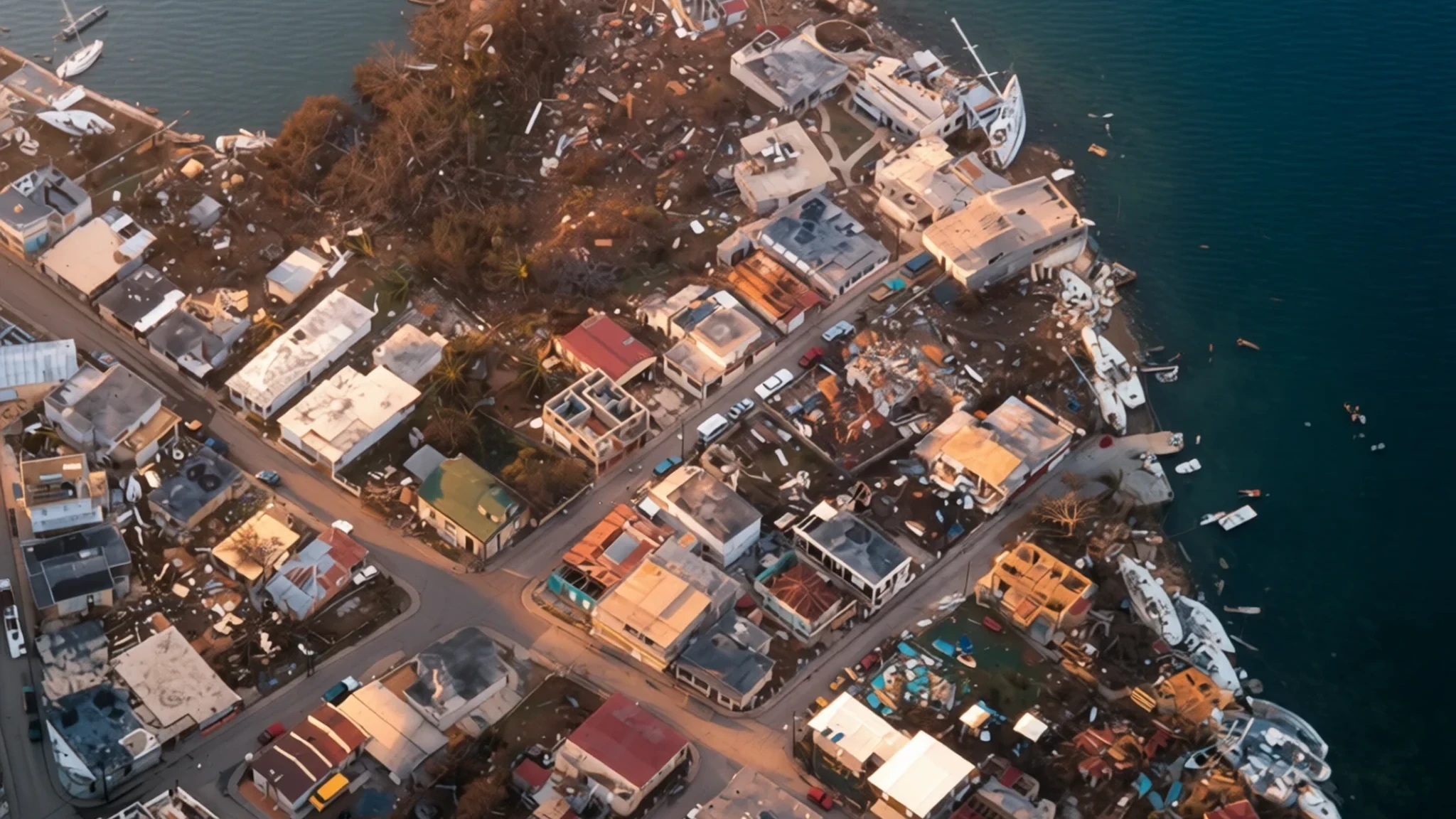
Culebra is a small Puerto Rican island of pale beaches, sheltered harbour water and coral cays, quiet enough to hear the trade wind.
The place
Culebra sits in the Caribbean as an island municipality of Puerto Rico, a low scatter of hills, coves and outlying cays rather than a single strip of sand. The settled heart is a compact town on the edge of Ensenada Honda, a broad sheltered bay that gives boats a calm anchorage inside the island. Around that harbour the land rises into small barrios, each a district of houses, scrub and short roads, so the island reads as a cluster of neighbourhoods rather than one resort front. The Atlantic side holds Playa Flamenco, a long pale curve of sand with shallow water that shelves into clearer blue. Westward, Cayo Luis Peña lies just offshore, a low green cay with beaches of its own and a sense of being a step removed from town. Between these shores the seabed carries coral, visible on calm days as branching and mound-forming colonies. From Vieques, at Mosquito Pier, Culebra appears as a low ridge on the horizon: small enough to cross in a short ride, indented enough that each cove feels separate. A nautical chart tells the same story in lines — a hooked harbour, a fringe of cays, and channels that matter as much as the roads. In town, a museum occupies a warehouse from the early twentieth century, a plain reminder of a working harbour. Shade comes from trees and hills, wind from the trades, and the day from the ferry, the beach and the water between the cays. Spanish is the language of the street, with English widely understood, on an island that still supplies itself by boat and by air.
Its story
Culebra's story runs from a Carib coast, joined by Taíno refugees, to a Spanish harbour settlement, then to a United States island that had to argue its shoreline back from the Navy. Before Spanish charts, Carib communities held these cays, later allied with Taíno refugees from the main island after the 1511 rebellion, and the shore then stood empty for centuries until Spanish settlement in 1880. Spanish rule folded Culebra into Puerto Rico's colonial orbit: a sparse settlement, a harbour that mattered more than any grand square, and a name that stuck. When Puerto Rico passed to the United States, Culebra passed with it. Ensenada Honda and the outlying cays later drew the United States Navy, which used stretches of the island and the surrounding water as a firing and practice range. For residents that meant restricted land, sudden noise and a map full of places they could not freely walk. The warehouse that now holds the museum belongs to that working era of stores, boats and military logistics, not to a resort plan. Fishermen, families and supporters on the main island argued that a living community and a bombing range could not share so small a shore. The campaign ended with the range closed and much of the contested land turned towards refuge, public beach and quiet water. Playa Flamenco and Cayo Luis Peña became places people could visit without asking a sentry. What remains is a pattern of use. Culebra still orients itself to the harbour, still speaks Spanish first, and still treats the cays as home. The coral, the nesting beaches and the thin roads are the inheritance of that argument: an inhabited island, and a coast handed back to civilians, swimmers and wildlife.
What to see
- Playa Flamenco — north coast
Playa Flamenco is the long pale beach on Culebra's Atlantic shore, a wide curve of sand where the water starts shallow and clear. Families and swimmers spread out under the trees and along the open strand, and the beach feels like the island's public living room. The sand holds the day's heat, and there is no town stacked behind it, only scrub, hills and the sea.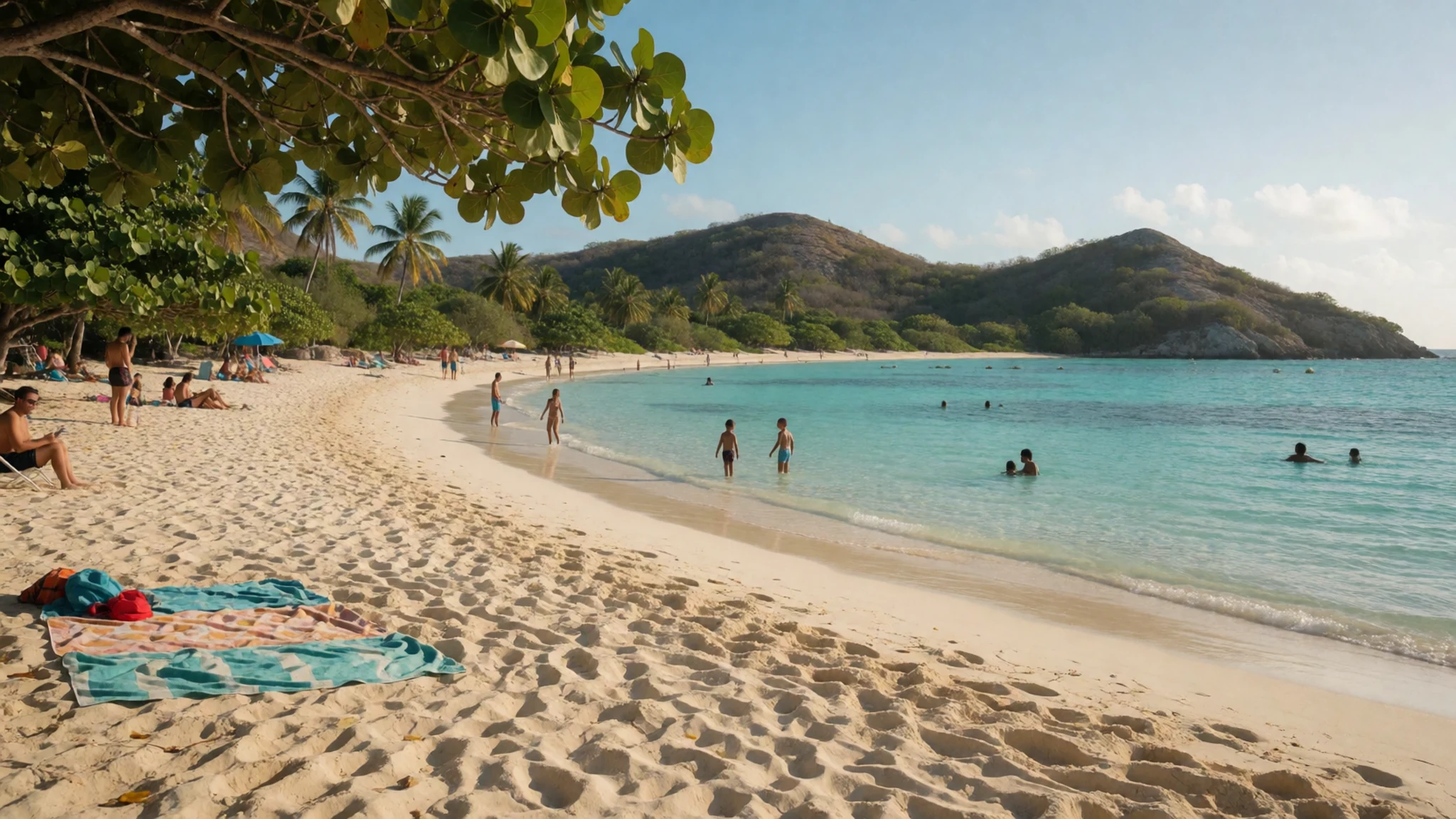
- Cayo Luis Peña — cay west of the island
Cayo Luis Peña is the green cay just west of Culebra, close enough to see from the main island and far enough that the crossing feels like a small voyage. Beaches ring its low shore, and the water between cay and island belongs to boats rather than to a road. The land stays quiet: scrub, sand and a wide view back towards Culebra's hills, with plants and coral left undisturbed.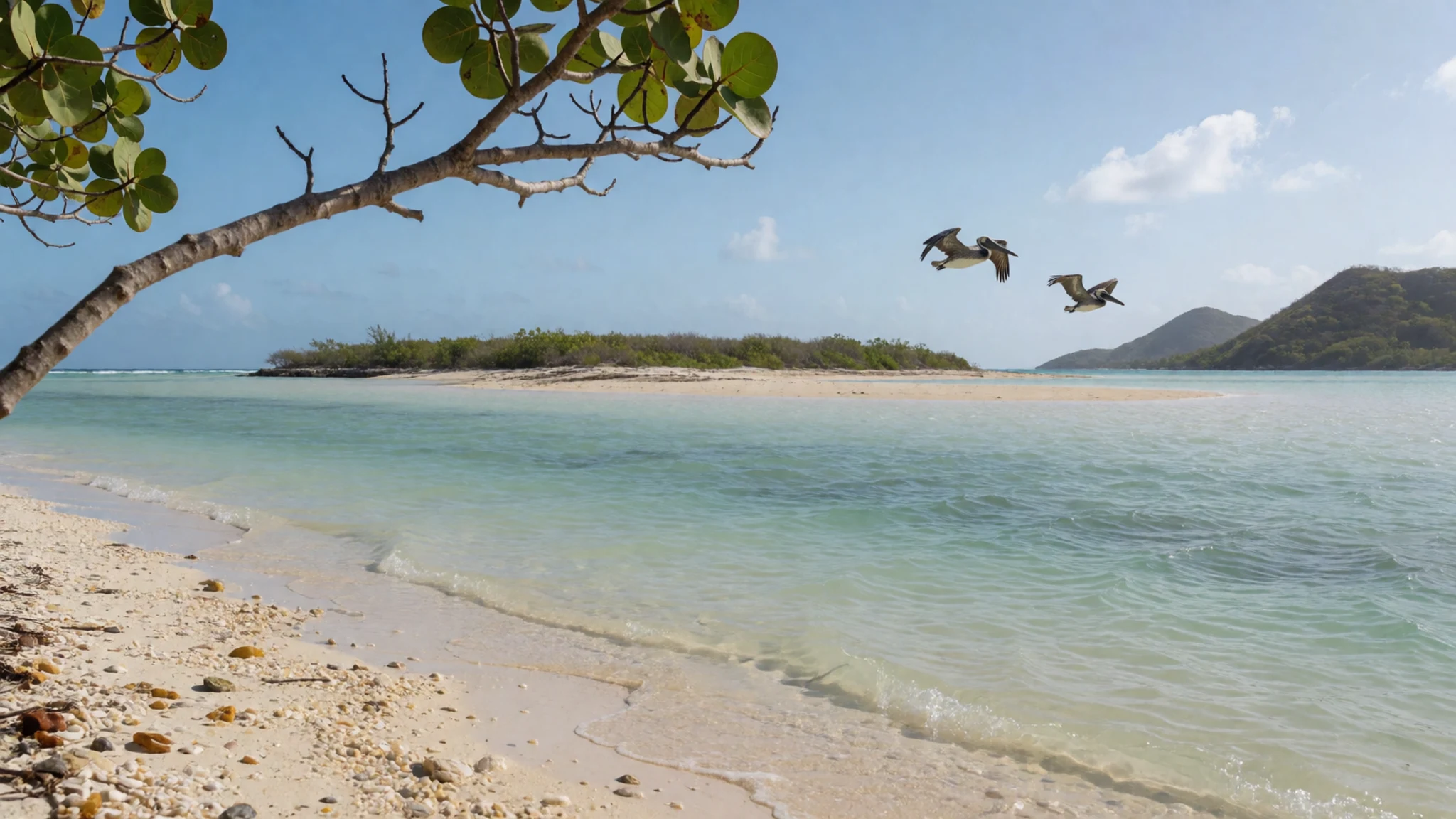
- Ensenada Honda — the main harbour
Ensenada Honda is the broad sheltered bay that cuts into Culebra and holds the town's working water. Boats come in from the Puerto Rican main island and sit in calm water while the hills close around the entrance. The bay is why the settlement sits where it does: a harbour first, a beach island second. Walking the shore means watching ferries and small craft come and go.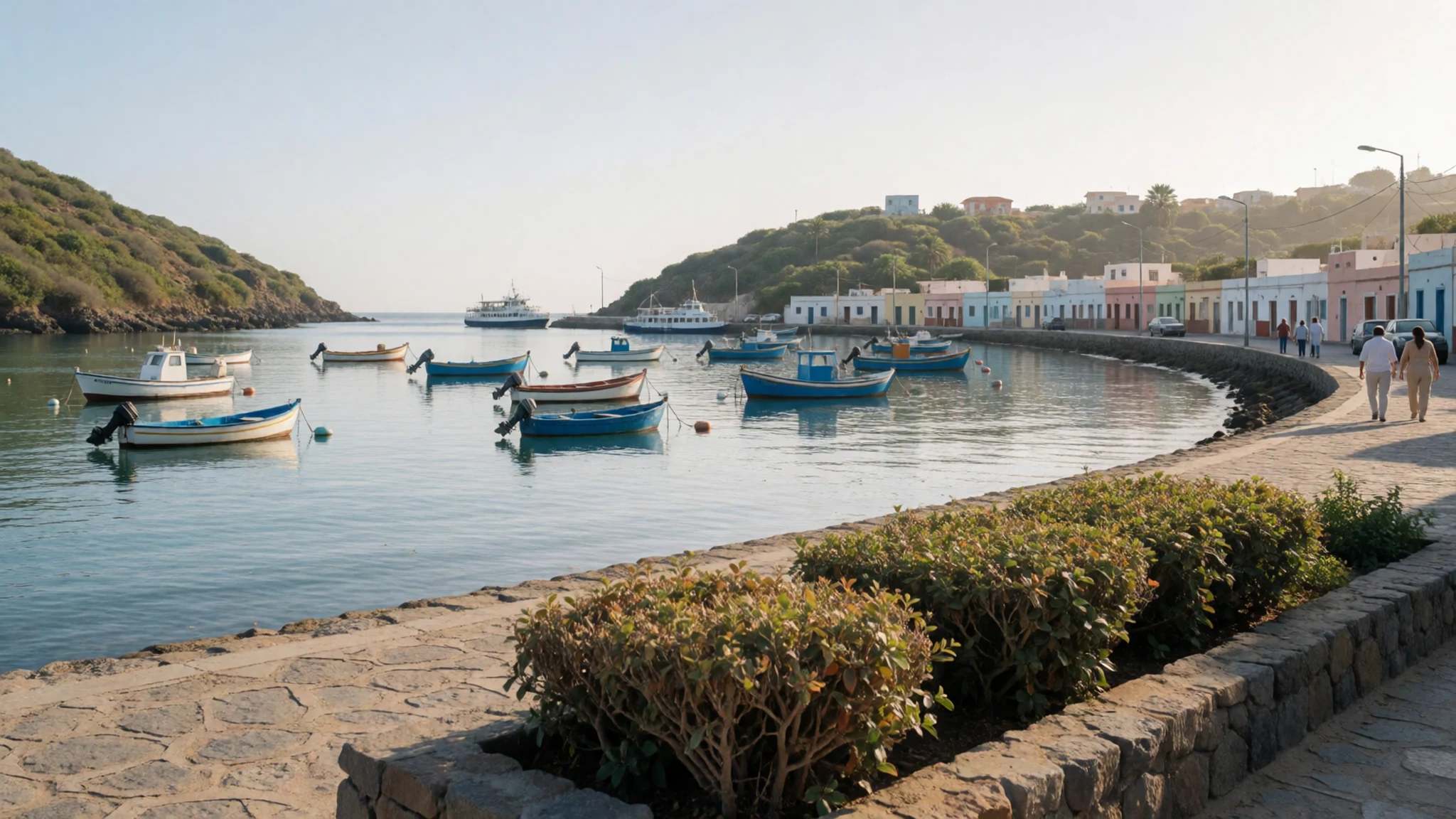
- The reefs — waters around the island and cays
The reefs around Culebra are part of the visit, not a side note. Underwater, the coral forms branching thickets and low mounds in clear water off the island and the cays. Fish use the structure, and the same shallow seas that look inviting from a beach are living habitat. Looking is welcome; standing, touching or collecting wears a reef away.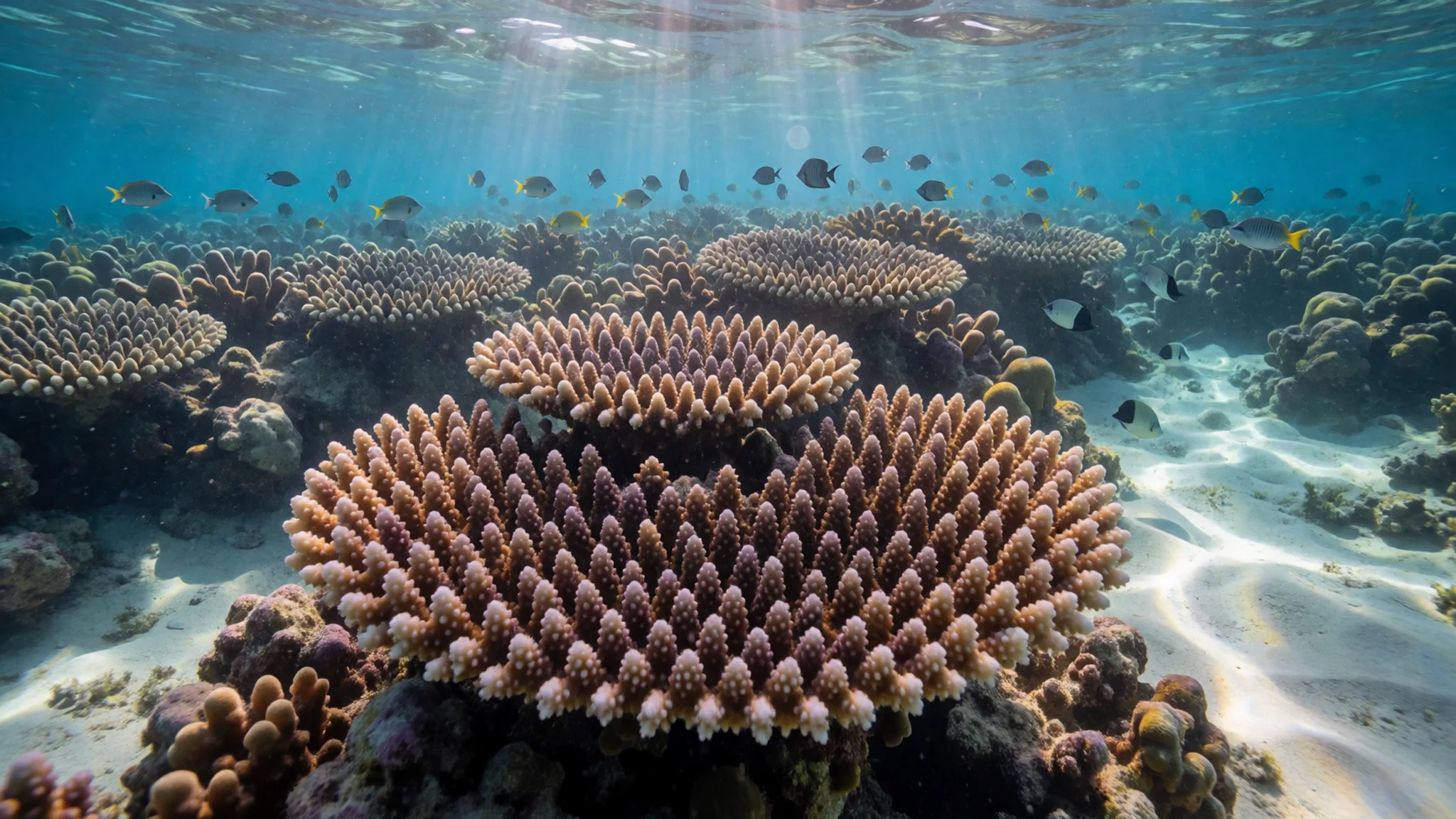
- The town museum — the harbour town
The museum in Culebra's town occupies an early twentieth-century warehouse, a plain waterfront building that once stored goods for the harbour rather than stories for visitors. Inside, the island's memory of work, boats and the Navy years has a roof. It is a small stop, easily combined with a walk around the settlement, and it explains why Ensenada Honda is still the centre of daily life.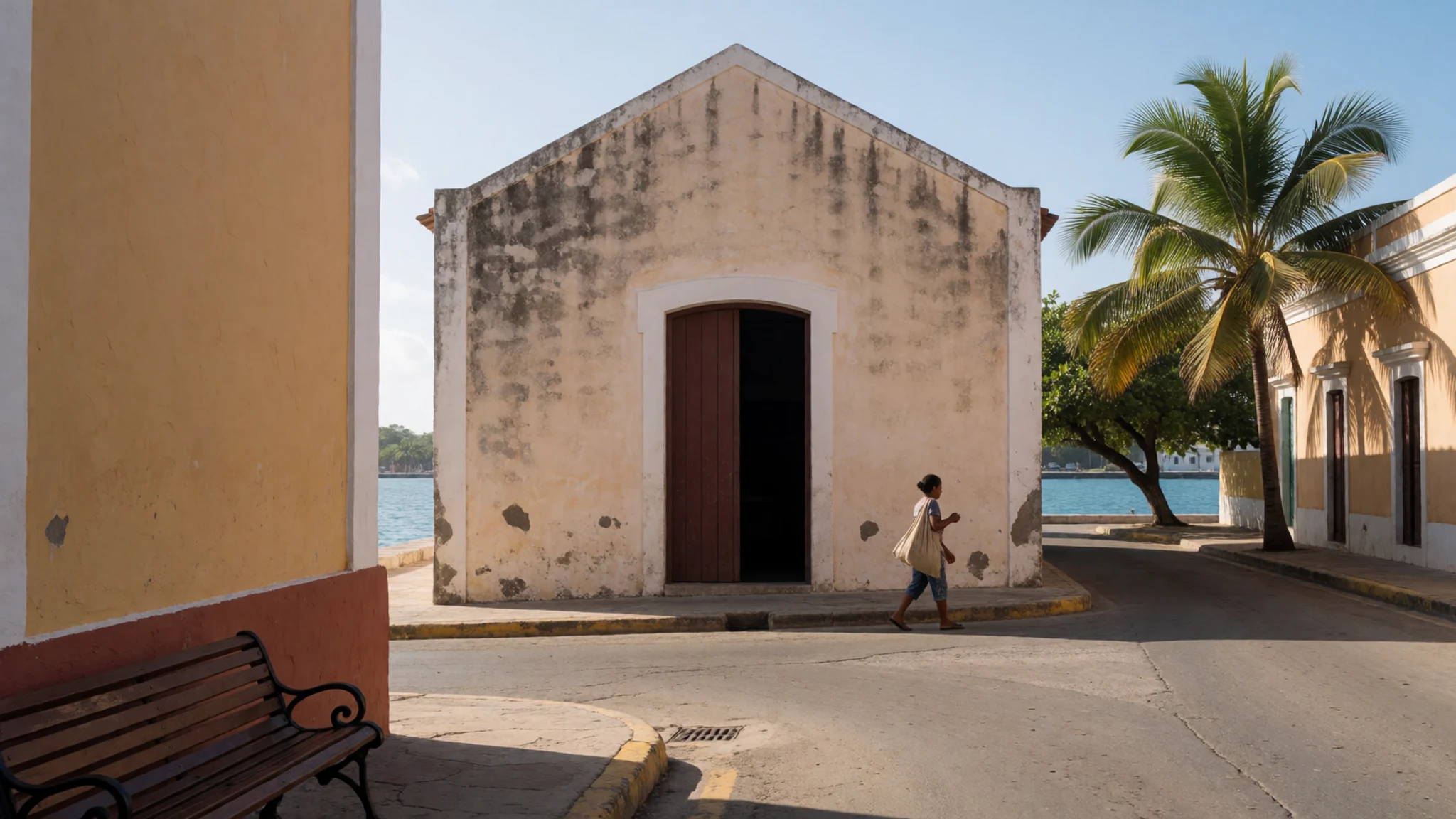
Culture
Culebra's culture is Puerto Rican island culture at a smaller scale: Spanish in the street, Catholic feast days, and a social life that still runs through the harbour town rather than through a resort strip. Families know one another across the barrios. Music, food and weekends lean on the same traditions as the main island — salsa on a radio, a shared plate, a saint's day — but the audience is neighbours plus whoever the ferry brought. The Navy years still sit in conversation, not as a costume drama, but as the reason some hills are refuge land and some beaches feel newly public. The sea is the other half of local life. Fishing, boat work and care for nesting turtles and coral are practical knowledge, not a slogan. People swim, launch small boats and watch the weather because the weather decides the day. Outsiders are common, especially when the beaches draw a crowd, and the town absorbs them as long as they behave like guests in a small place. Leave nesting beaches dark and quiet at night, and do not touch coral or turtle nests.
What to wear
Culebra dresses as a Puerto Rican Caribbean island, not as a stage set. The traditional clothes of the wider culture still appear on feast days and in family photographs: the guayabera, a light pleated shirt in cotton or linen, worn by men for church, weddings and civic occasions, and dresses or skirts in bright cotton for women, with a simple sandal or dress shoe. Panama hats and headscarves turn up against the sun. These are clothes for heat, cut loose, in fabrics that breathe, and they belong to the main island's formal wardrobe as much as to this town. On an ordinary day the town wears what the beach and the boat require. Swimsuits under shorts or a cotton shift, faded T-shirts, linen or synthetic shirts, flip-flops, and a cap. Shopkeepers and ferry crews dress practically. Colour is common; heavy tailoring is not. People change between salt water and the plaza by adding a shirt, not by changing worlds. Visitors should pack for sun, salt and a short walk into town. Swimwear is right on Playa Flamenco and the cays, with a cover-up and sandals for the town's shops and any church. Water shoes help on rocky cay entries. A hat, long sleeves in light fabric, and reef-safe sunscreen matter more than fashion. Stilettos and an all-black city outfit fight the ground, which is sand, concrete and boat decks.
What to eat
- Mofongo — casual eateries in the harbour town
Mofongo on Culebra is fried green plantain mashed with garlic and olive oil, often shaped in a pilón and served with fish, prawns or a light broth. It turns up at casual eateries around the harbour town, plantain as the staple and seafood from the day's boats.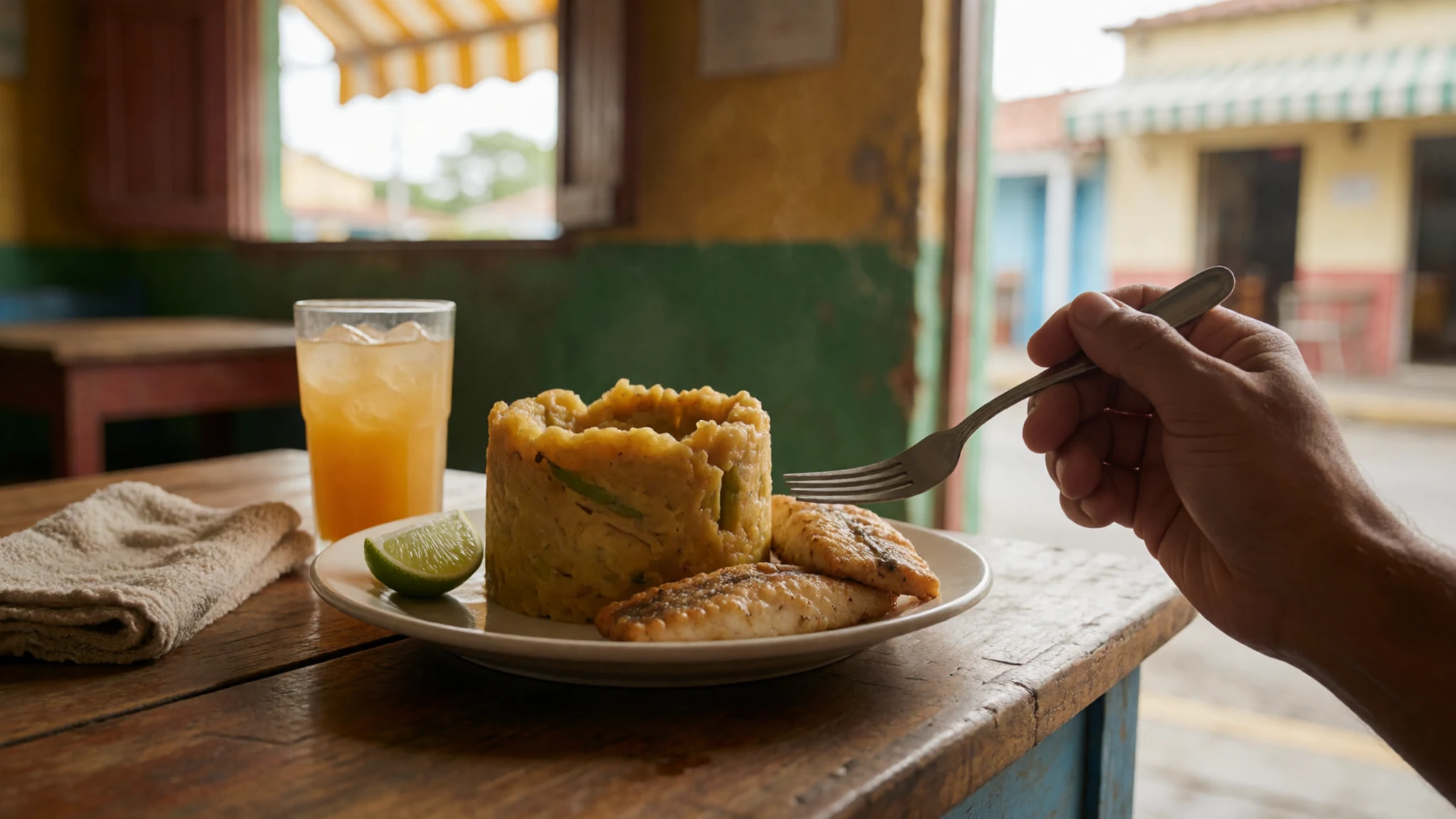
- Whole grilled fish — harbour-town eateries and beach kiosks
Whole grilled fish is Culebra's straightforward island plate: a local catch, simply seasoned, with lime, garlic and oil, eaten near the water. Harbour-town eateries and beach kiosks towards Playa Flamenco serve it with tostones or a small salad.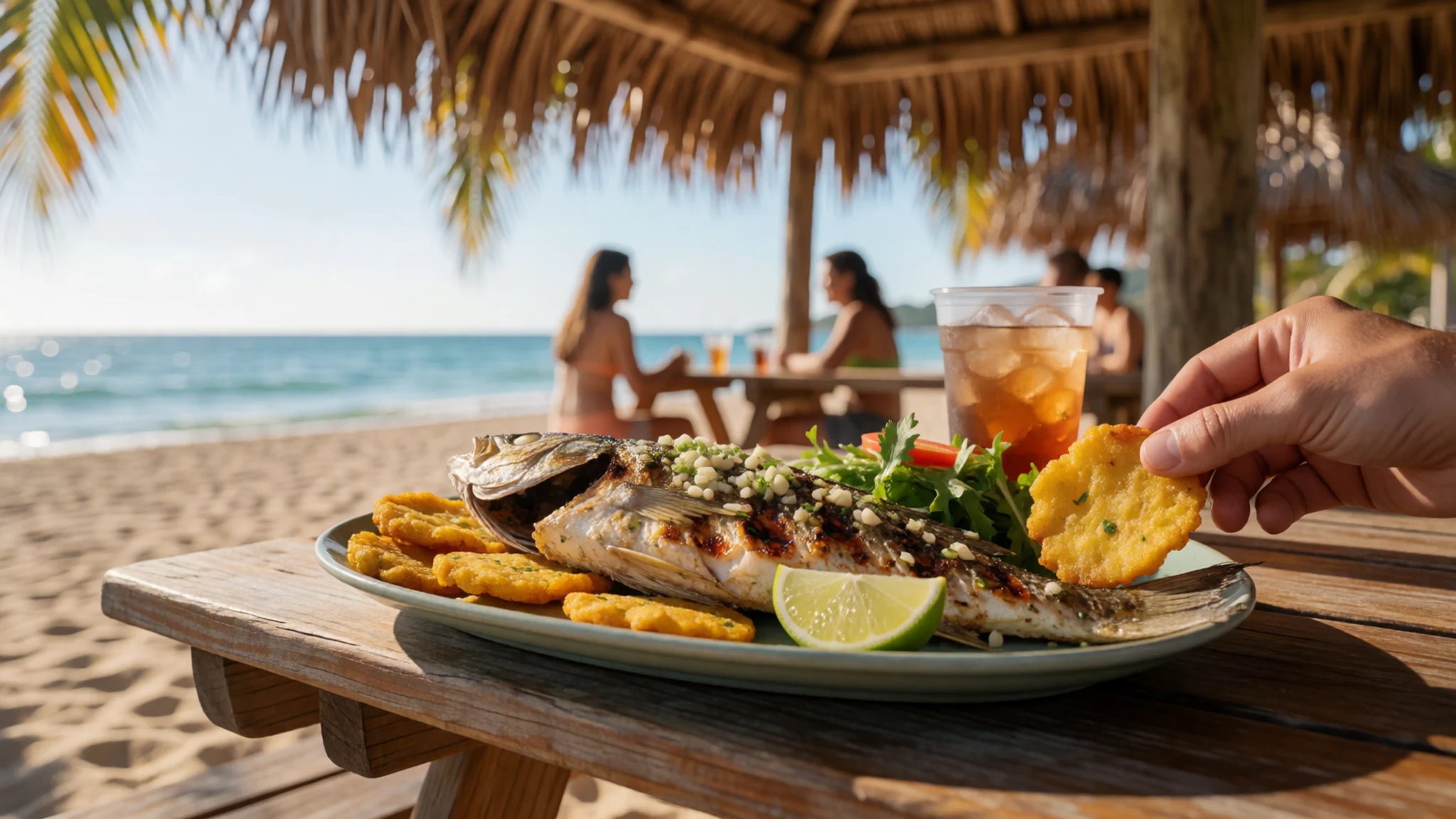
- Tostones — casual eateries in town and beach stalls
Tostones on Culebra are green plantains sliced, fried, flattened and fried again until the edges crisp, then salted and passed with garlic sauce. They come as the side with fish at casual eateries in town and at stalls near the beach. - Arroz con gandules — family-style eateries in town and weekend fiesta stalls
In Culebra, arroz con gandules is rice with pigeon peas, sofrito and often pork or chicken, the plate kitchens make for a gathering. It appears at family-style eateries in town and at weekend stalls during a fiesta. - Bacalaítos — stalls near the town centre and beach entrances
Bacalaítos are crisp fritters of salted cod mixed into a seasoned batter and fried until the edges blister. On Culebra they are stall food, sold near the town centre and sometimes from a cooler at a beach entrance, eaten hot with the fingers. - Asopao — casual eateries around the harbour
Asopao is a soupy rice stew, and the seafood version loads it with prawns, fish or crab. Culebra's casual eateries around the harbour serve it when the weather turns wet or when a table wants a single bowl.
Plan it
Best time. The drier, breezier months of the northern winter and early spring, when trade winds are steadier and the crossings are calmer. Late summer and autumn bring heavier showers and the tropical storm season, and ferries and small planes are delayed more often then.
How long. 2–3
Getting there. Culebra is reached from the main island of Puerto Rico by a short flight to the island airfield, or by passenger ferry into Ensenada Honda. That hop or that crossing is the last leg; no road links the island to the main island. Check the operator for the current pier, airfield and timetable, because weather changes the schedule.
Budget. mid
Tips
- Book the ferry or the flight ahead in the busier holiday and summer months; both run small.
- Start Playa Flamenco early for shade and a quieter walk to the water.
- Carry cash for stalls and kiosks that do not take cards.
- Bring drinking water, a hat and reef-safe sunscreen; beach shade is limited.
- Use a local boat for the cays and tell someone ashore your plan.
- After dark, keep lights off the sand so nesting turtles are left alone.
Etiquette
- Do not touch, stand on or take coral.
- Keep nesting beaches dark and quiet, and do not approach turtles.
- Carry rubbish away; bins are scarce on the cays.
- Ask before photographing residents.
- Wear a shirt and sandals in town shops and in church.
Nearby
Sources
- Wikidata (CC0)
- Wikipedia (CC BY-SA 4.0)
- Wikivoyage (CC BY-SA 4.0)