Cueva Ventana
Cueva Ventana, United States
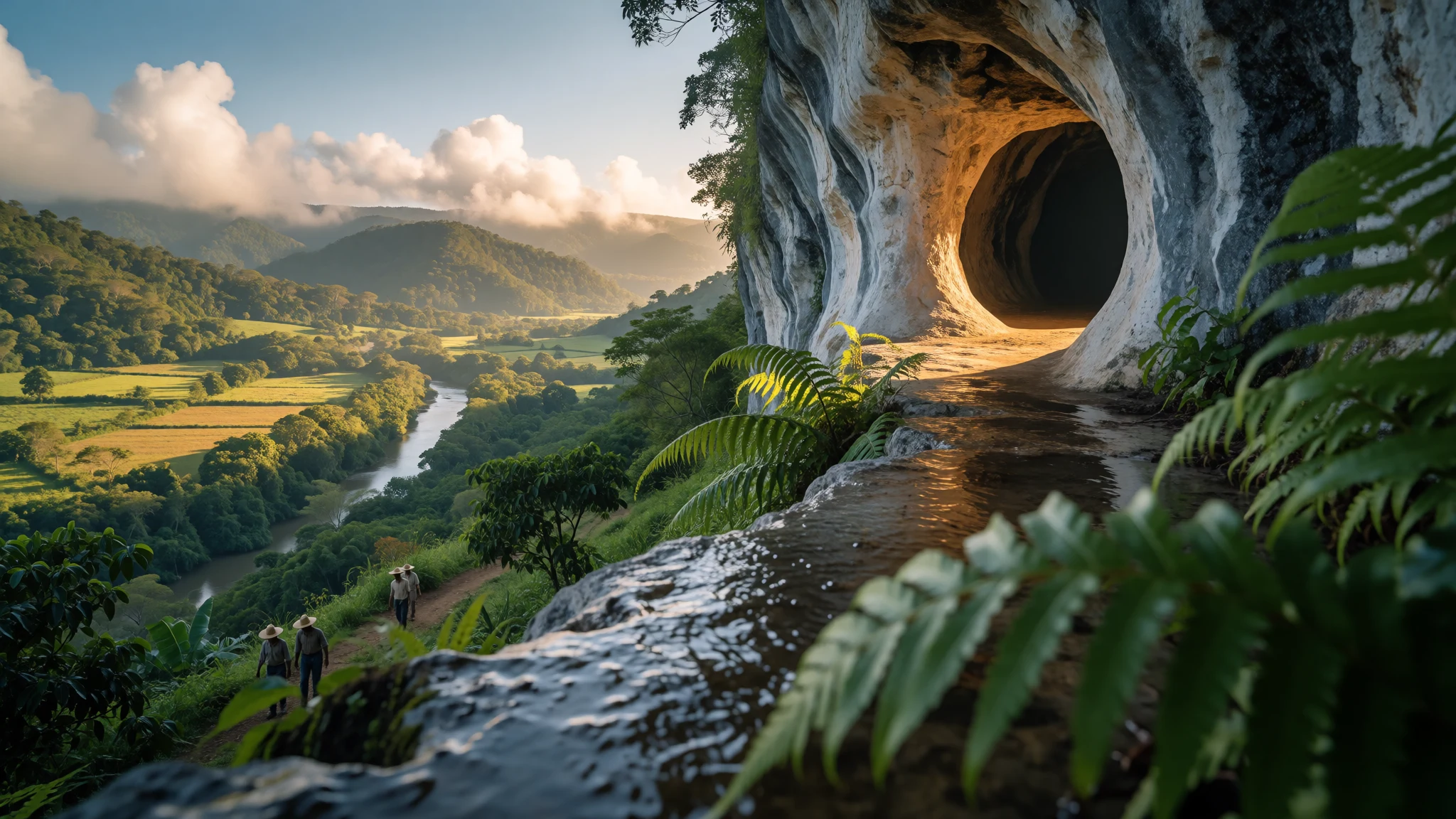
A limestone cave on a cliff above the Río Grande de Arecibo, with a natural window that frames the valley below.
The place
Cueva Ventana, the Window Cave, sits at the top of a limestone cliff in Arecibo, on Puerto Rico's north coast, and looks out over the valley of the Río Grande de Arecibo. The name comes from the natural opening in the rock, a gap wide enough that the green valley floor looks like a picture hung on the cave wall. From the road below, the cave mouth can be spotted high on the cliff, but reaching it takes a walk. The trail starts beside a petrol station on the main expressway, and the cave and the land around it are privately owned, so access follows the owner's arrangements rather than a park authority's. This stretch of the island is karst country: limestone that rain has slowly dissolved into caves, sinkholes, steep-sided hills and hollows. That is why the north coast looks so unlike the mountainous interior or the beaches near San Juan. Inside, the floor can be damp and uneven and parts of the route are dark, which is why guided visits with safety equipment have become the norm. Arecibo itself is a working town with a historic centre, a lighthouse and seafood restaurants, so the cave fits best as one stop in a day around the town rather than a whole trip. It is popular with Puerto Ricans as well as visitors from abroad, and weekends fill early.
Its story
Cueva Ventana has a short history as a tourist site and a longer one as a local landmark. Petroglyphs visible inside the cave show that people have marked this place by hand, and the cliff has been known as a lookout over the river valley to those who live nearby. Its modern popularity grew through word of mouth and photographs. As crowds began arriving on weekends, the owner of the neighbouring petrol station started charging admission for Saturday and Sunday visits. A daily fee followed, and it was raised soon afterwards. A boardwalk was then built from the petrol station some way along the trail, and a small car park was made on a plateau behind the station. As numbers kept rising, different fees were set for different days of the week, and guided tours that supply safety equipment became the usual way in. Evening tours have also been offered on some weekdays. The pattern is a familiar one for a privately owned natural site: popularity brings costs and risks, and fees, rules and infrastructure follow. Visitors should expect arrangements to keep changing, so the official website is the sensible place to check current tour types, days and charges before setting out. The busiest periods are weekends, from early morning until about an hour before dark, which is worth knowing when choosing a day.
What to see
- The window and the valley view — Cueva Ventana, above the Río Grande de Arecibo
The natural opening in Cueva Ventana is the reason for the trip. Standing near it, the cliff drops away and the Río Grande de Arecibo valley spreads out below, green and patchworked. Late afternoon light is kind, but weekends bring queues for the best photographs, so patience and a steady footing matter.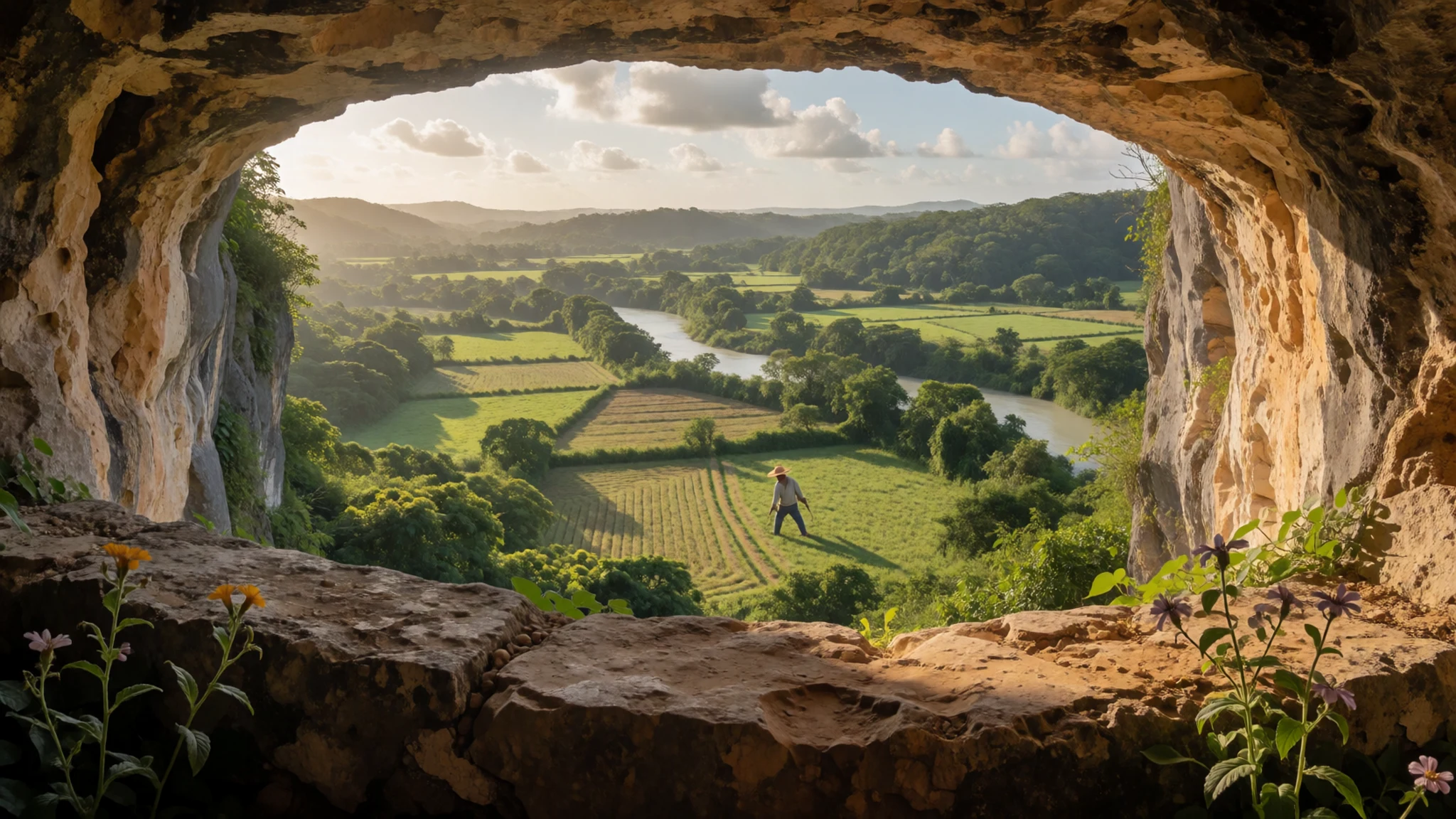
- The petroglyphs — Inside Cueva Ventana
Carvings in the rock of Cueva Ventana are easy to walk past in the dark, so a guide's torch helps. They are fragile, and the point of seeing them is to look closely and leave them untouched. Photographs of the cave show them on the cave walls.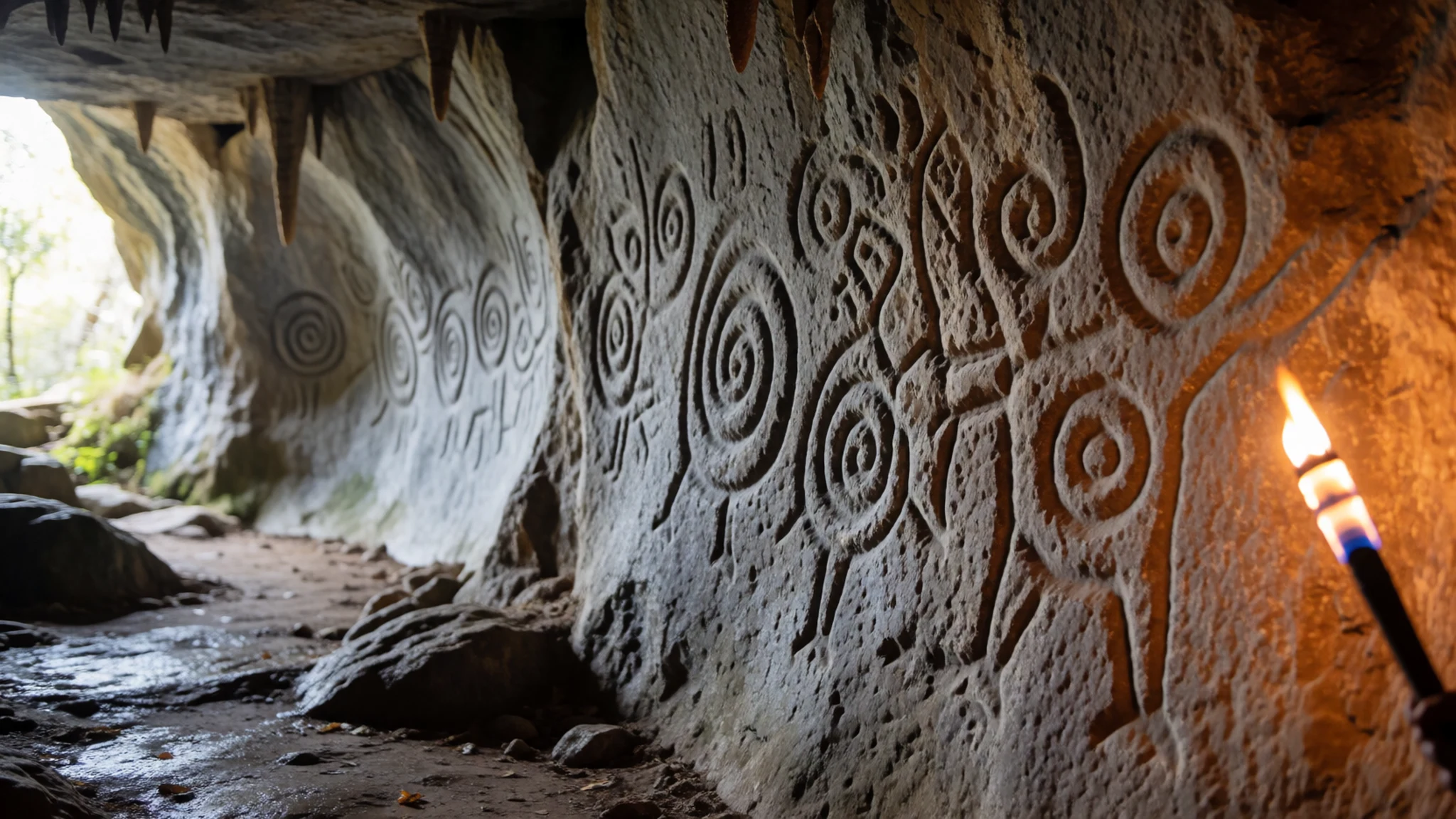
- Arecibo Pueblo — Arecibo town centre
Near Cueva Ventana, the old centre of Arecibo is a pleasant place for a slower hour after the muddy trail. It has a historic Catholic church, a Spanish-style plaza and municipal buildings, with shops on the surrounding streets. Go in the morning, before the midday heat builds.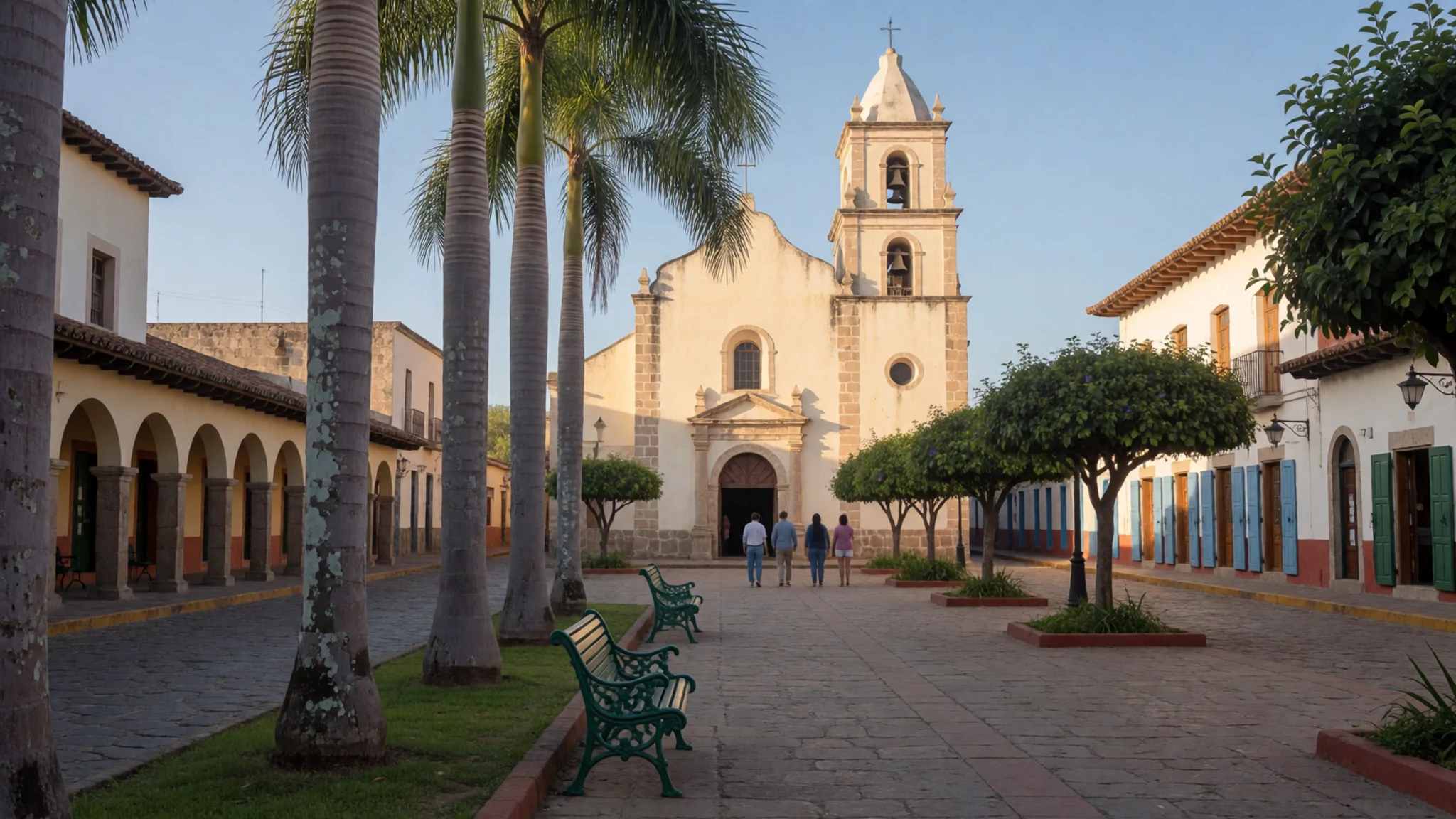
- Río Camuy Cave Park — Forests south of Arecibo
Near Cueva Ventana, in forest south of Arecibo, Río Camuy Cave Park gives a different view of the same limestone country, with larger underground spaces and a managed visit. Wikivoyage advises bringing lunch because of the wait. Check the park's own website for opening days and booking.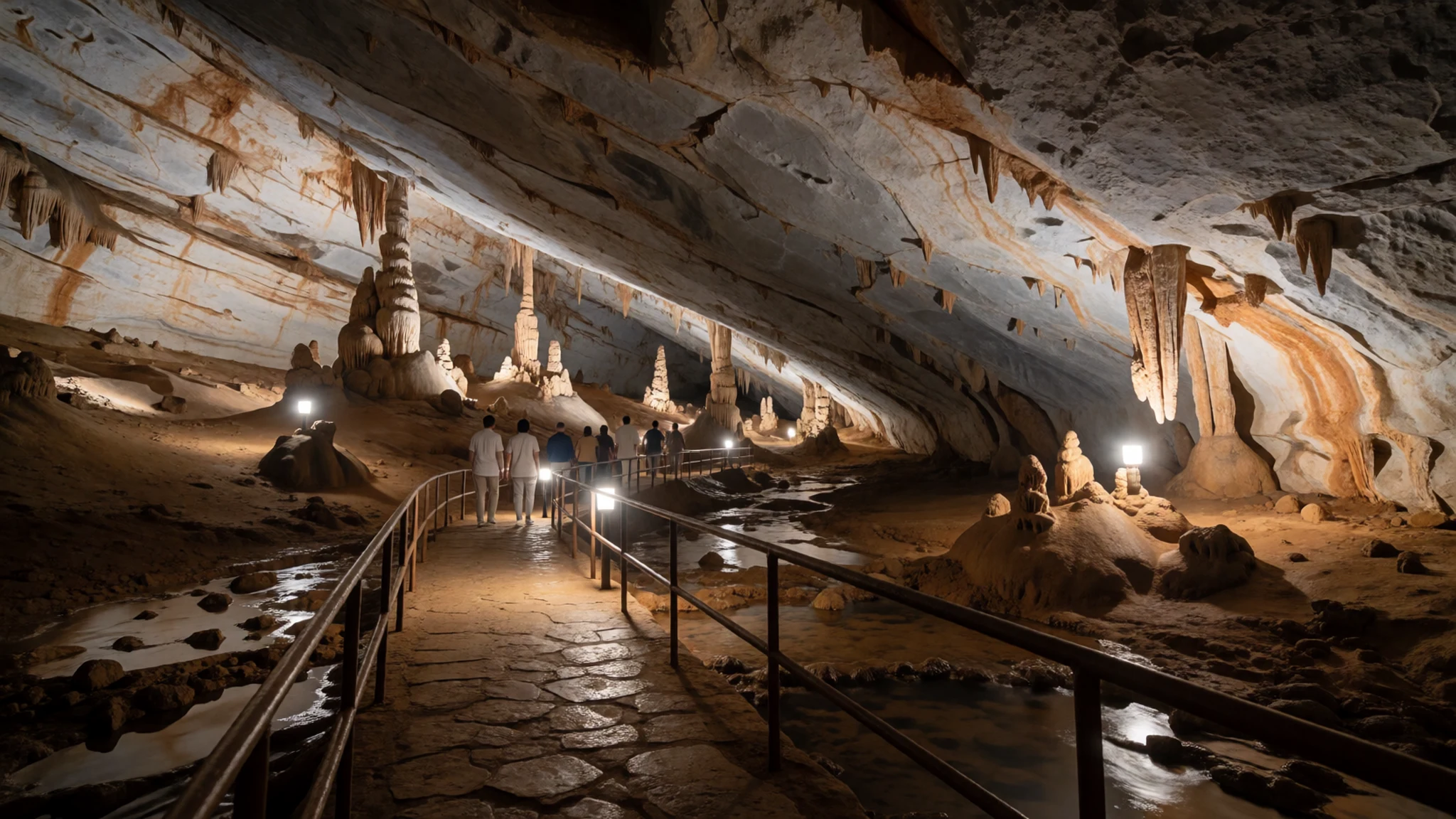
- Cambalache Forest Reserve — Inland from the Arecibo coast
Cambalache Forest Reserve is a state forest near Arecibo where parts are open for hiking, mountain biking, camping and bird-watching. It suits visitors who want shade and a quieter walk after the cave, or a day that is less about crowds. Check access with the forest authorities before going.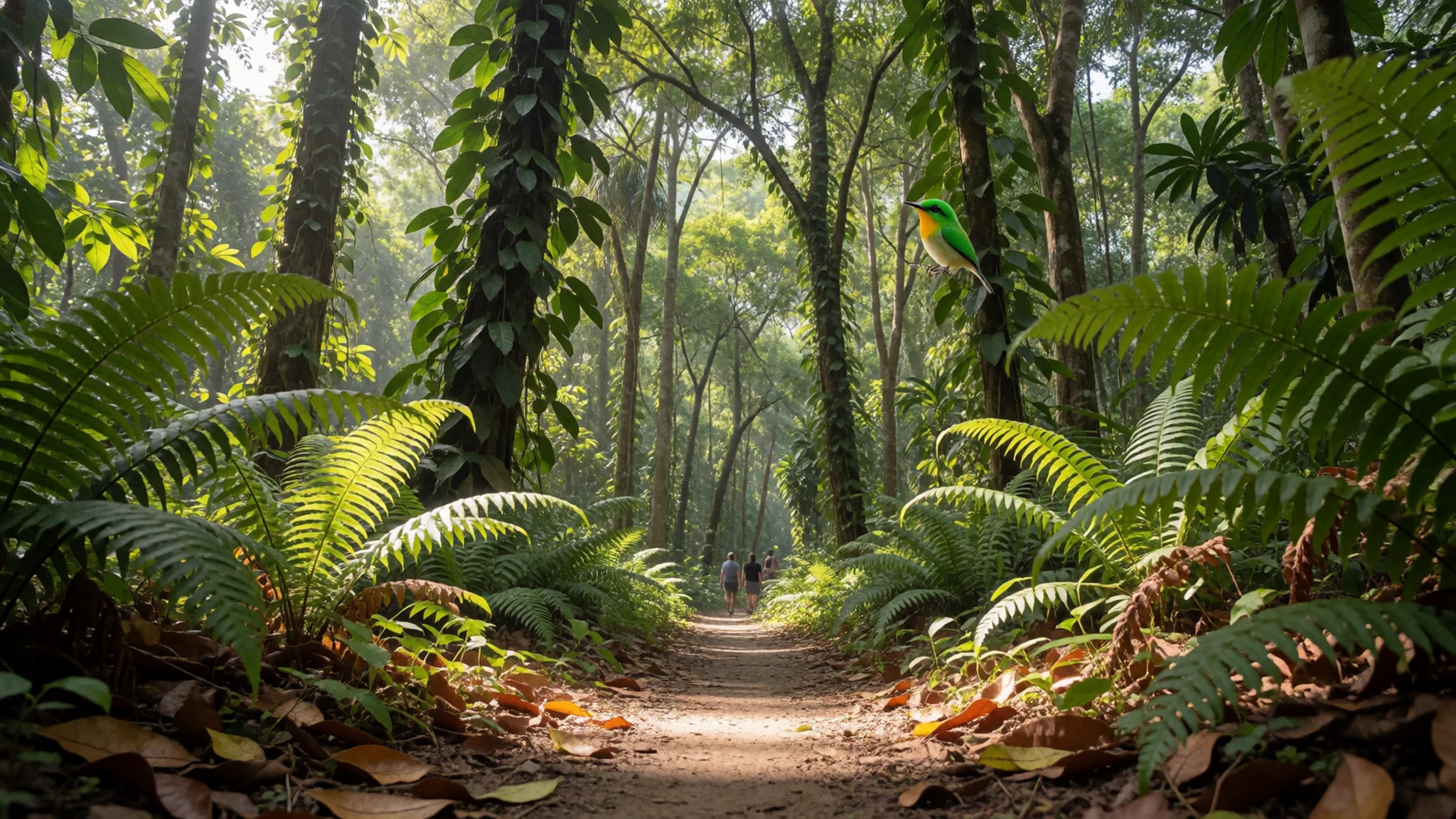
Culture
Cueva Ventana sits in a part of Puerto Rico where caves, rivers and limestone hills are woven into local life, and where the island's layered heritage is visible in small ways. The petroglyphs inside the cave are a reminder that people were marking this landscape long before it became a weekend outing. Most visitors today are Puerto Ricans, often in family groups, and the atmosphere at the trailhead on a Saturday is closer to a social outing than a quiet pilgrimage: music from car stereos, snacks, laughter, and a lot of photographs. Spanish is the everyday language of the area, though guides and tour staff will often manage English. The cave and the land around it are privately owned, and the tours are run as a small local business, so following the guides' instructions is both polite and practical. Arecibo more broadly is proud of its seafood, its lighthouse and its historic centre, and conversations are easily started with a greeting in Spanish. A simple buenos días or buenas tardes to staff and fellow walkers is noticed and appreciated. Rain changes the experience, turning the trail to mud and the rock slippery, and locals treat that as part of the adventure rather than a reason to cancel. Etiquette: do not touch, lean on or scratch the petroglyphs, and take all your rubbish back down the trail with you.
What to wear
Cueva Ventana is a casual outdoor place, but Puerto Rico has dress traditions worth knowing about. The jíbaro, the island's highland farmer of earlier centuries, is associated with a pava, a woven straw hat, and plain cotton clothes. The guayabera, a light cotton or linen shirt with pleats and pockets, is still worn for smart occasions. Bomba and plena dance costumes use wide, ruffled cotton skirts, and mundillo, a handmade bobbin lace from Aguadilla's tradition, appears on festive textiles. These are worn at festivals and performances rather than daily. What people wear now is simple: shorts, T-shirts, sports sandals and trainers on the trail, and light dresses and linen shirts for dinner in town. Visitors should dress for heat, humidity and mud. Wear closed shoes with real grip, because the route can be slippery after rain and the cave floor is uneven. Quick-dry clothes beat jeans, and a light rain jacket is worth carrying. Bring insect repellent, a hat and sun protection for the open stretches, and a spare top if you will sit in a car afterwards. Keep valuables to a minimum, and use a small rucksack so that both hands are free. For town visits or churches in Arecibo, shoulders and knees covered is a courteous choice.
What to eat
- Mofongo — Family restaurants and seaside eateries around Arecibo
Mashed fried plantain with garlic and pork crackling, often shaped into a mound and served with broth or seafood. It is filling after a hike. Look for it at family-run restaurants and seaside eateries along the Arecibo coast.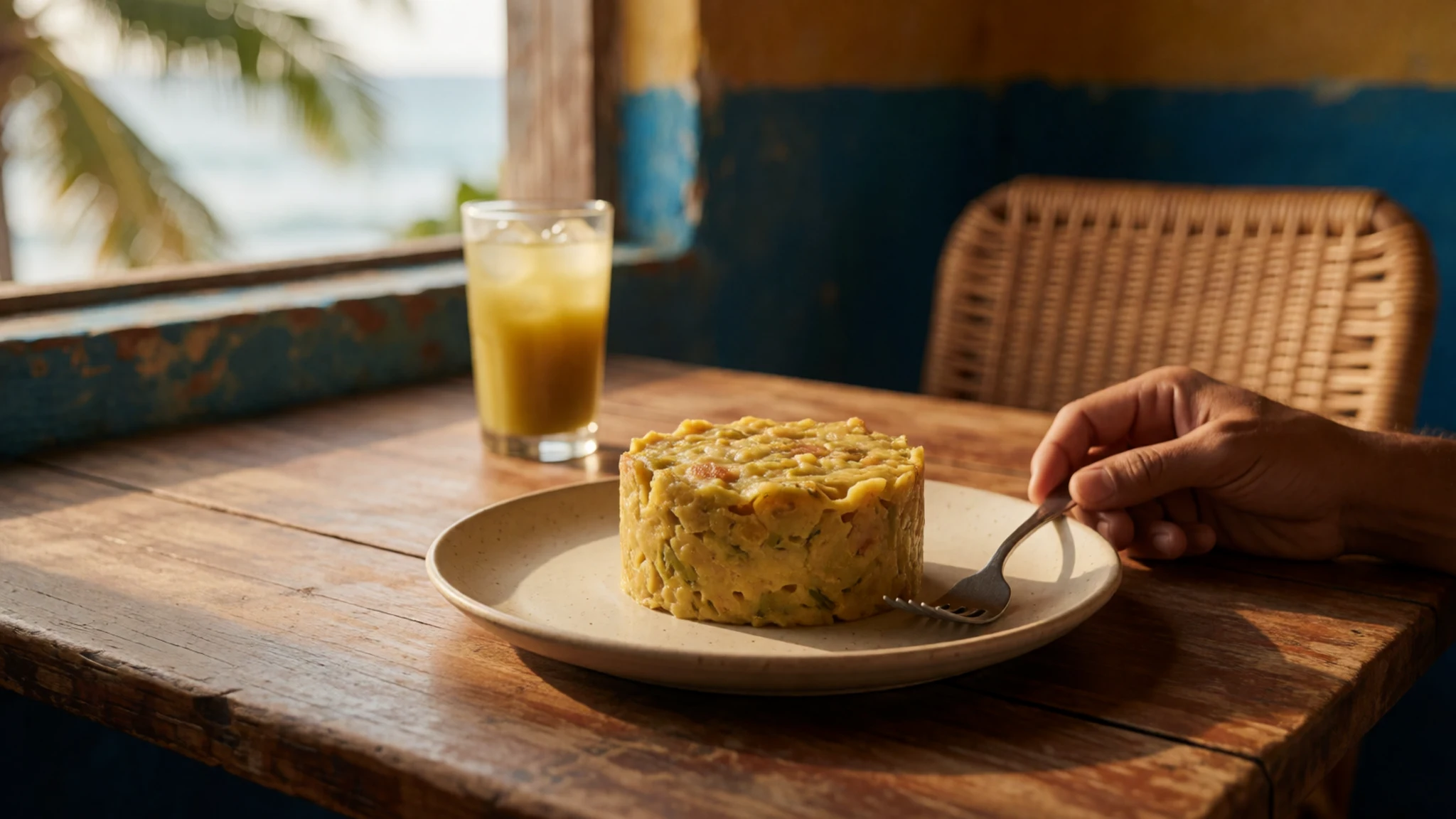
- Fried red snapper — Seafront restaurants near the Arecibo lighthouse
A whole fish fried until the skin is crisp, usually served with tostones and rice. Wikivoyage reports that a local restaurant's fried red snapper is good. Seafront restaurants near the lighthouse specialise in fresh catch cooked to order.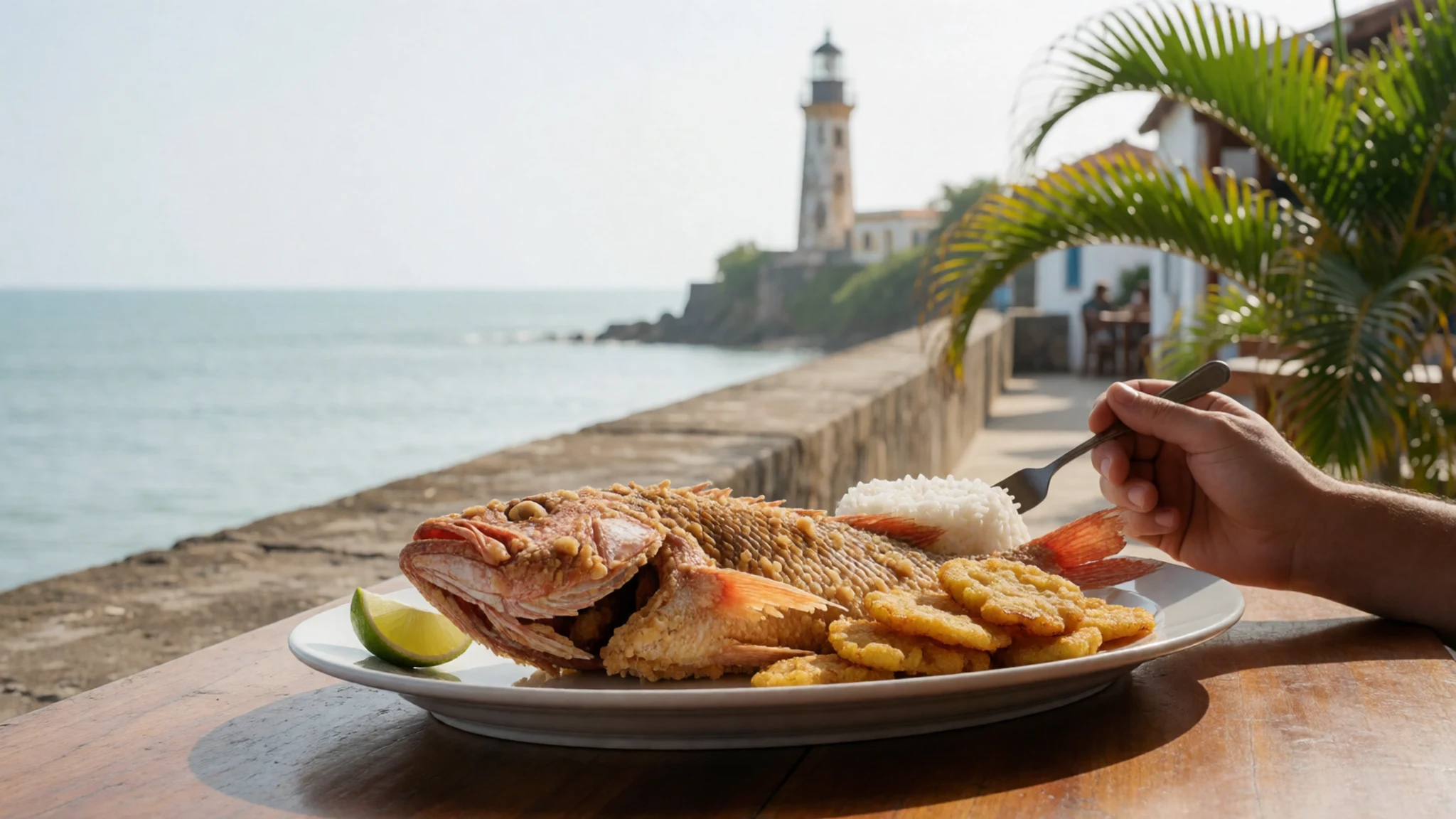
- Tostones — Roadside kiosks and casual restaurants
Green plantain slices fried twice and salted, crisp outside and soft within. They come as a side with fish or as a snack with a dipping sauce. Roadside kiosks and most casual restaurants in the area serve them. - Alcapurrias and bacalaítos — Roadside food kiosks on the north coast
Fried street snacks: alcapurrias are fritters of grated plantain and cassava filled with meat, and bacalaítos are crisp salt-cod batter discs. Eat them hot, with a cold drink, from small stalls on the way to the beach. - Piña colada — Ocean-view bars and restaurants along the Arecibo coast
Puerto Rico's best-known cocktail blends pineapple, coconut and rum over ice. Wikivoyage mentions ocean-view bars in the Arecibo area serving it. Order one in the late afternoon, once you are off the trail, and then take a taxi if you are not the driver.
Plan it
Best time. December to April is the drier, cooler part of the year, which makes the trail and cave floor less muddy. The hot, wet months, including the Atlantic hurricane season, bring slippery rock and heavy showers, and tours can be cancelled. Weekdays are quieter than weekends all year.
How long. 1
Getting there. Fly into Luis Muñoz Marín International Airport in San Juan, then drive west for about an hour along the main coastal expressway to Arecibo. Aguadilla's Rafael Hernández Airport and Ponce's Mercedita Airport are alternatives, but both mean a longer drive. The trail begins beside a petrol station on the expressway near Arecibo, where the cave is visible from the road below.
Budget. low
Tips
- Check the official website, https://www.cuevaventanapr.com, for current tour types, days and fees, and book ahead for weekends
- Go on a weekday or early on a weekend morning, as Saturdays and Sundays are the busiest
- Wear shoes with strong grip and carry water, as the trail and cave floor are muddy and slippery after rain
- Take a small amount of cash as well as a card, since small local businesses may not take cards
- Bring a head torch or phone light only if the guides allow it, and keep a hand free for balance
Etiquette
- Follow the guides' instructions and stay on the marked route
- Do not touch or mark the petroglyphs
- Take all litter back down the trail with you
Nearby
Sources
- Wikidata Q5192632 (CC0)
- Wikipedia: Cueva Ventana (rev 1362718341) (CC BY-SA 4.0)
- Wikivoyage: Arecibo (rev 5359206) (CC BY-SA 4.0)
- Photo: Cueva Ventana (Tom Vazquez) (Public domain)
- Photo: La ventana cave, Utuado, PR (Edgar Torres) (CC BY 3.0)
- Photo: USA Puerto Rico topographic location map (GrandEscogriffe) (CC BY-SA 4.0)
- Photo: Cueva Ventana in Puerto Rico (J & E) (CC BY 2.5)
- Photo: Arecibo PR banner (viviandnguyen_) (CC BY-SA 2.0)
- Photo: Cueva Ventana petroglyphs (Ligocsicnarf89) (CC BY-SA 4.0)
- Photo: Cueva Ventana Puerto Rico (Luisq15) (CC BY-SA 4.0)
- Photo: Cueva Ventana y Río Grande de Arecibo (cropped) (viviandnguyen_) (CC BY-SA 2.0)


