Crystal Cove
Crystal Cove, United States
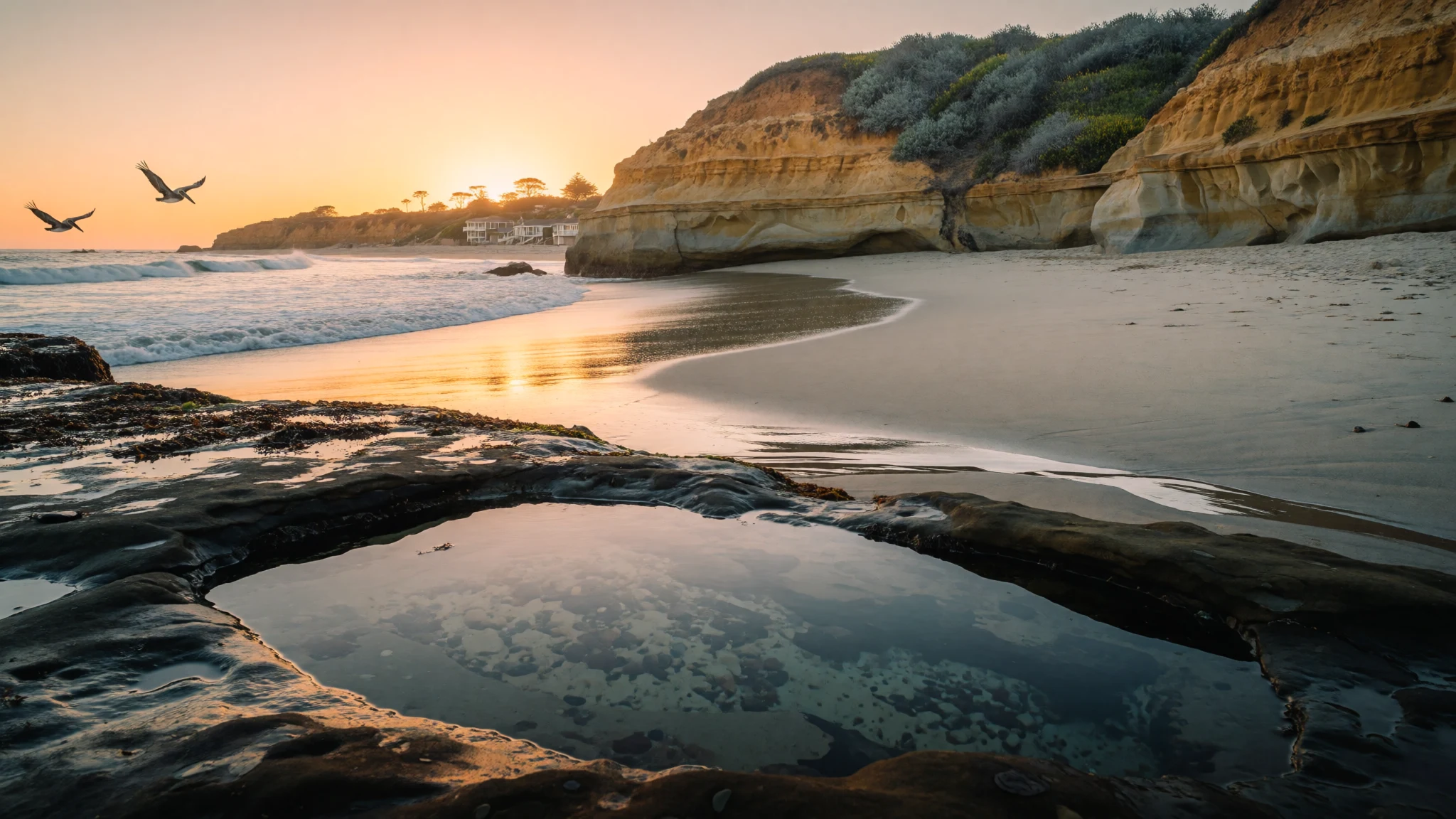
Crystal Cove is a rare stretch of undeveloped Orange County coast, with tide pools, wooded canyons and old beach cottages.
The place
Crystal Cove State Park sits on the Orange County coast of southern California, between Newport Beach to the north-west and Laguna Beach to the south-east. The Pacific Coast Highway runs along its inland edge, and from there the land drops to a run of cliffs, small beaches and tide pools. The park was established in 1979 and covers about 1,593 hectares, though the shoreline is only part of it. Around 5.1 km of coast is protected, and just offshore a marine conservation area works as an underwater park. Behind the sea cliffs, open bluffs give way to chaparral canyons that climb into the hills, so one visit can mean sand in the morning and scrubby ridgelines in the afternoon. Down by the water stands the Crystal Cove Historic District, a cluster of modest beach cottages from an earlier age of seaside life. The county around it is dense, suburban and heavily driven, which is why this open land feels so unusual: shopping centres and freeways are minutes away, yet the cove itself is mostly surf, scrub and sky. The weather is mild for most of the year, with warm days and a sea that stays cool. Weekends and summer holidays bring crowds, and parking is the usual pinch point. Getting here without a car is hard, since public transport across the county is thin. The park is part of the wider South Coast Wilderness, a patchwork of protected land that keeps this corner of coast from being built over.
Its story
Crystal Cove's recorded story begins with native villages gathered around two springs on this coast, long before Spanish missionaries arrived and drew local people into the missions at San Gabriel and San Juan Capistrano. The land later became part of a large ranch, which ran into debt and was sold in 1864 to a San Francisco financier, James Irvine. Drought, poor wool and a crowded market hurt the sheep business, and Irvine eventually bought out his partners. His son, James Irvine II, formed the Irvine Company in 1894 and leased the land to a variety of farmers. He was fond of the cove himself and let friends, family and employees put up cottages by the shore. Weekend shacks slowly turned into permanent homes, and the company later gave owners a choice: move their buildings away, or hand them over and rent. Elsewhere in the cove, a propane seller opened a camp in 1927. Trailers replaced tents in the 1940s, and by 1954 the camp had been renamed El Morro. Some families lived in the mobile homes across four generations. Public ownership began in 1979, but the tenants stayed, and a legal fight dragged on for 26 years. In 2006 the trailer park was cleared and the land became a day-use beach and campground. The surviving cottages are now the historic district, a record of how an informal seaside community became public land.
What to see
- Crystal Cove Historic District — Beachfront below the Pacific Coast Highway
The historic district is a cluster of small wooden beach cottages just above the sand, left from the days when employees and friends of the ranch owners built weekend homes here. Walk the paths between them for their mismatched colours and porches. Some can be rented; check the official site for how and when.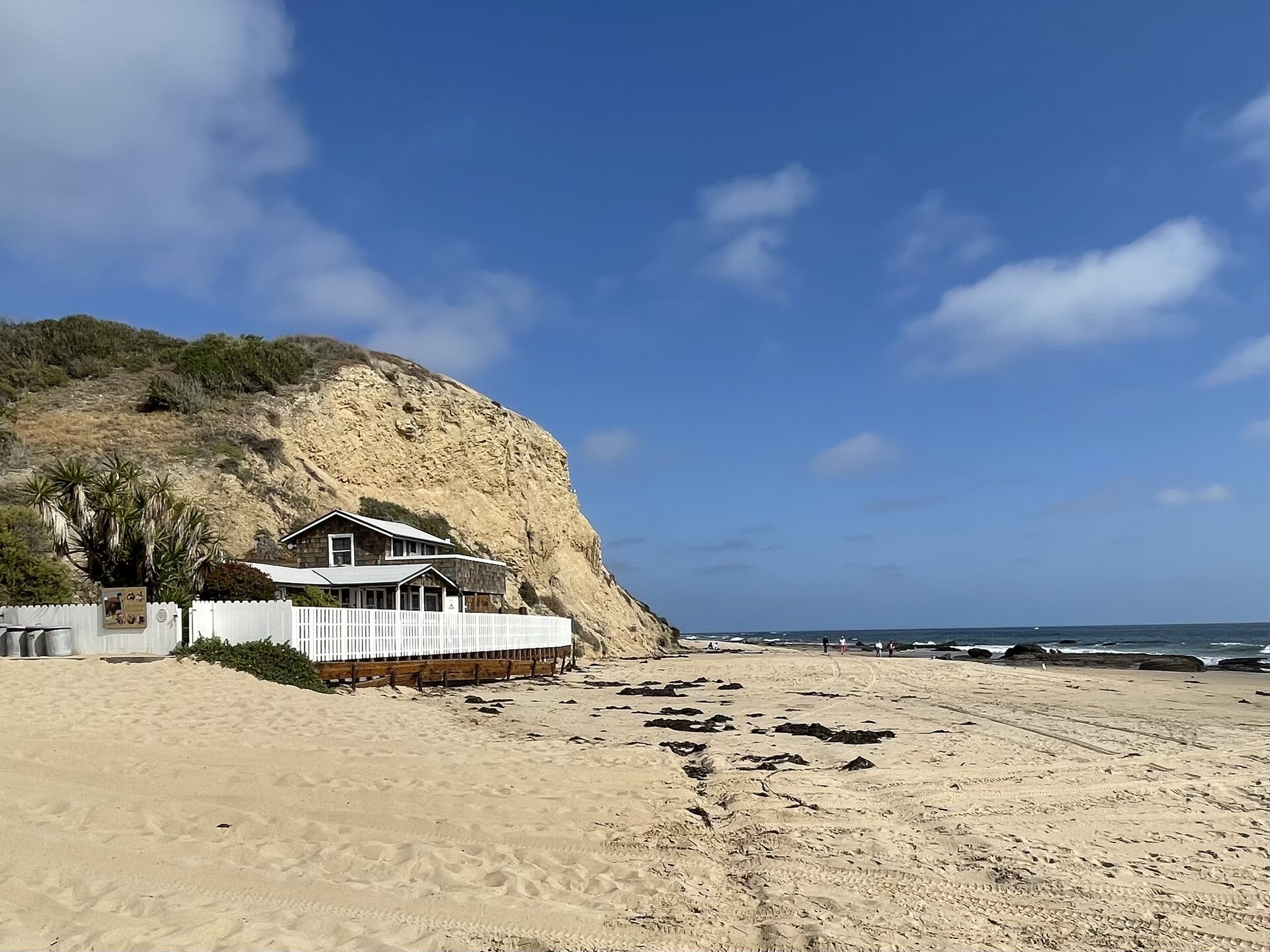
- The beach and tide pools — Shoreline of the cove
The cove's sand is backed by cliffs and dotted with rocky shelves that hold tide pools at low water. Look for anemones, small crabs and shellfish, and check a tide table before setting out. Water stays cool even in summer, so swimming is more refreshing than warm.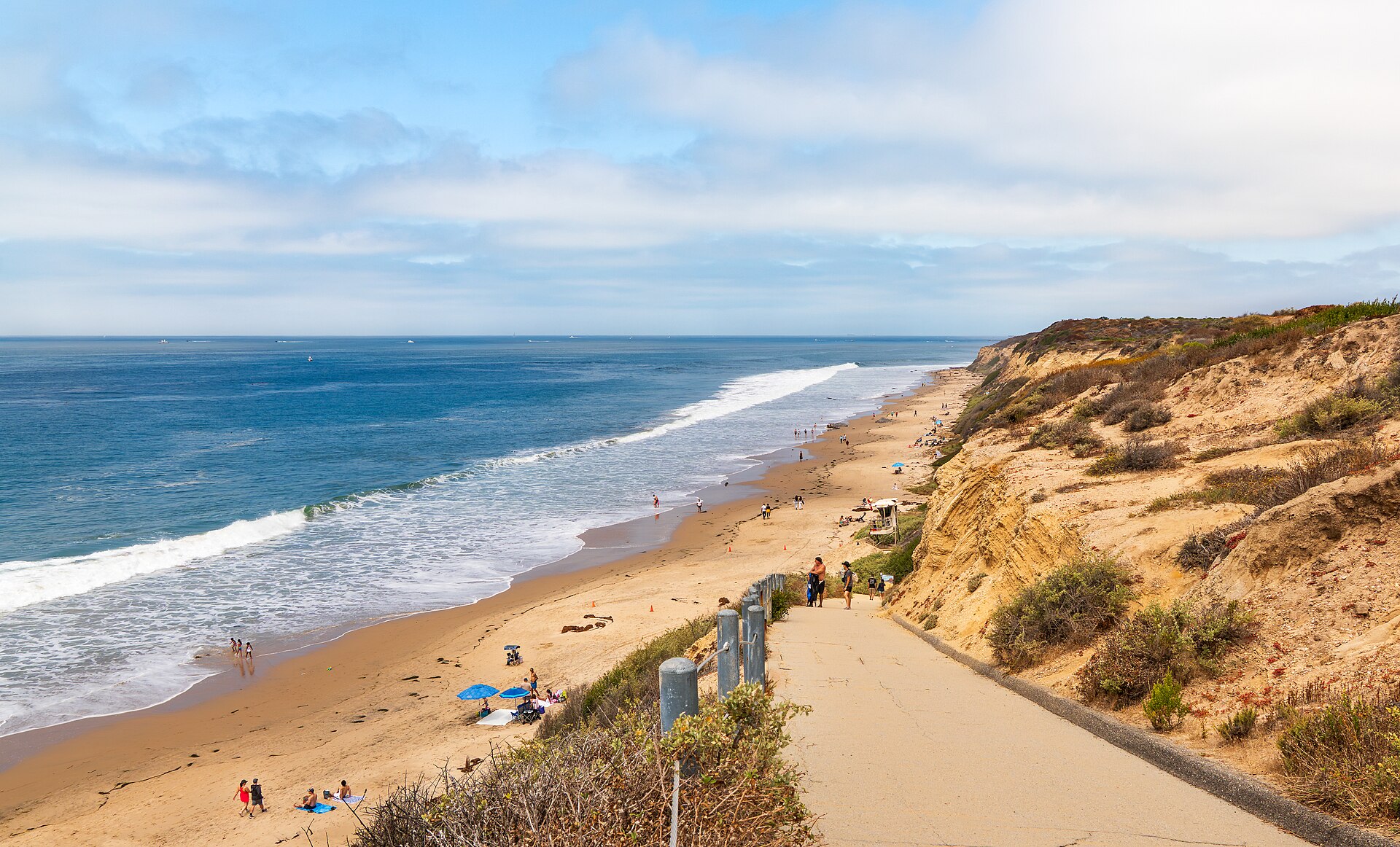
- Moro Canyon and the backcountry trails — Inland canyons east of the highway
Inland from the highway, chaparral canyons rise into the hills, with trails for walkers, runners and cyclists. Views open out to the ocean from higher ground. Shade is scarce, so go early on warm days and carry plenty of water. Spring tends to bring the greenest slopes.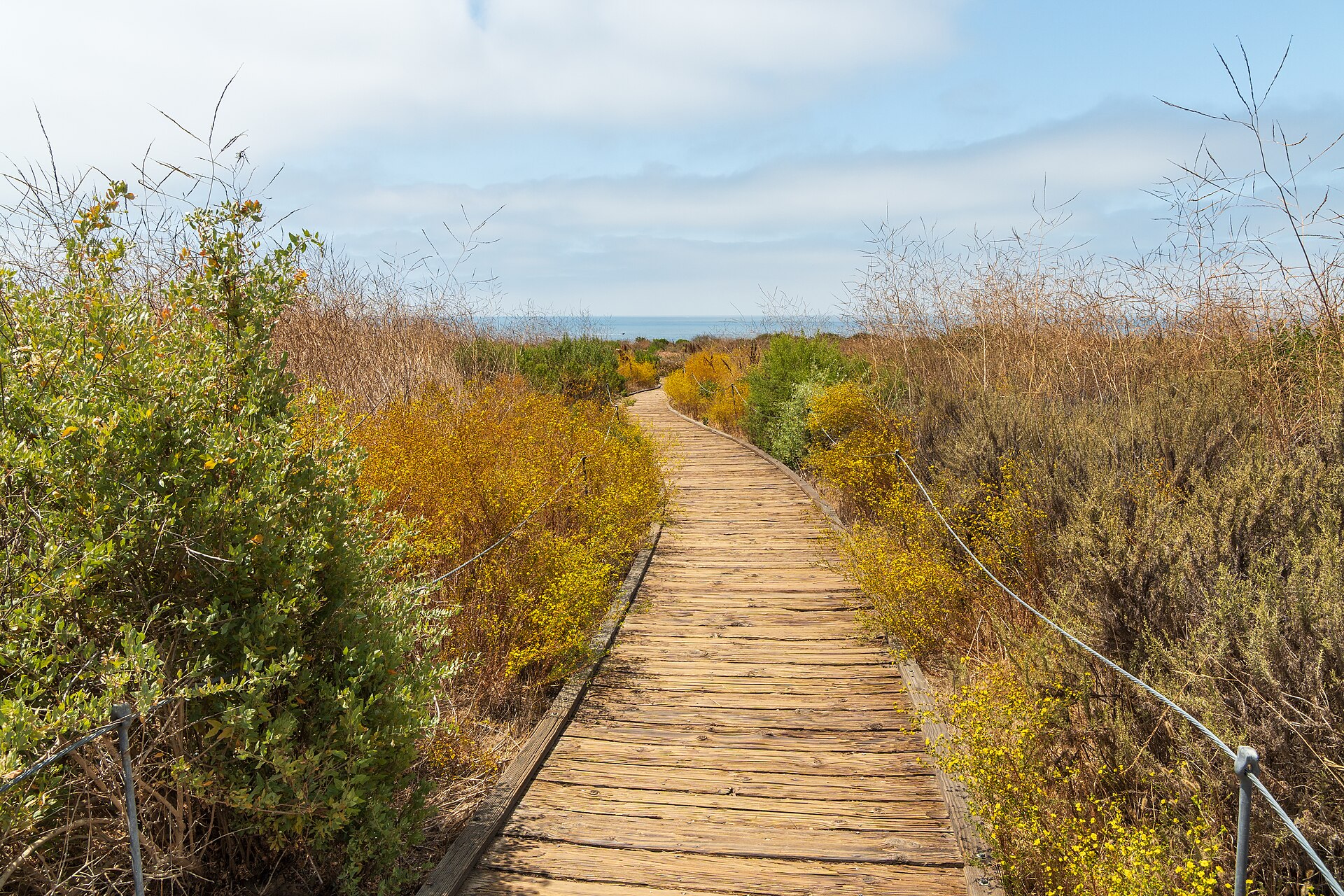
- The coastal bluffs — Bluff-top paths above the beach
Open clifftop land runs along the sea edge of the park, with paths that look down on the cove and out to the horizon. This is a good place for sunset and for spotting dolphins or seabirds on clear days. Keep to marked trails, as the cliff edges are unstable.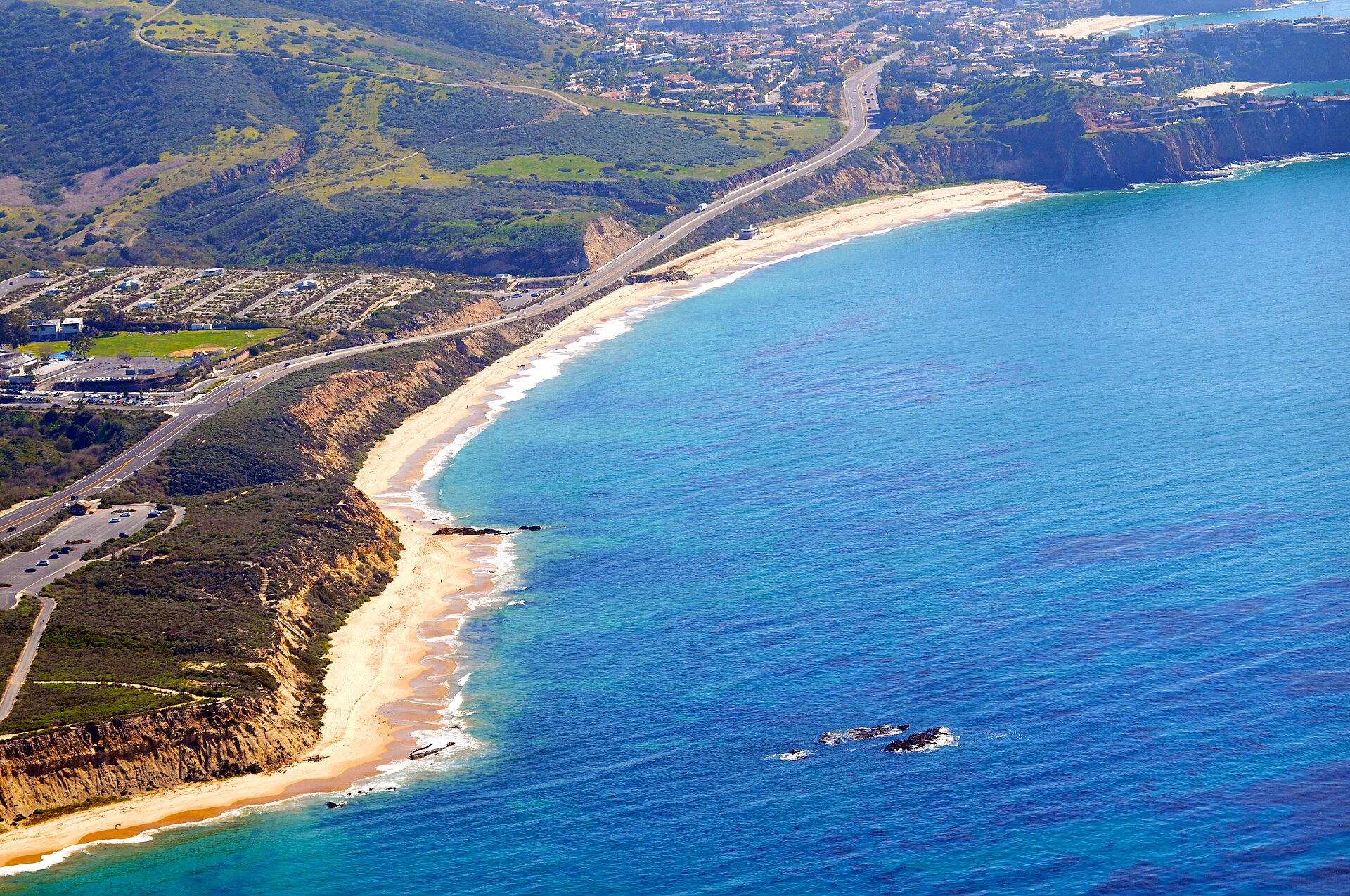
- The marine conservation area — Waters off the park's coastline
Offshore, the protected waters act as an underwater park, with kelp, reef and fish life. Most visitors enjoy it from the beach or bluff, though snorkellers and divers use it too. Rules on collecting and fishing apply here, so read the park's current guidance first.
Culture
Crystal Cove State Park belongs to the Southern California beach tradition, where days revolve around surf, sand and long afternoons outdoors. Surfers, families, dog-free walkers, photographers and runners share the same strip of coast, and the mood is relaxed but territorial in places; the wider county has a reputation for surfing localism that very occasionally turns ugly, so give anyone already in the water plenty of room. The cottages carry a different kind of culture. They reflect generations of families who built weekend lives here, then a long and bitter dispute over who the coast belonged to. Today the cottages are a shared heritage, with a conservation ethic that treats the beach, the tide pools and the canyons as things to be looked after rather than used up. Rangers and volunteers lead walks and talks on the shoreline's wildlife and the area's history, and the wider coast sits within a patchwork of protected land. Orange County is car-centred, so most people arrive by road, spend a few hours, and move on to nearby beach towns for lunch. The pace is easy, the dress is casual, and early mornings tend to belong to joggers and surfers. Stay off the cliff edges and out of the sensitive tide pools, and take every piece of litter home with you, because here the lasting etiquette is to leave the shells, animals and plants exactly where you found them.
What to wear
Crystal Cove has no single traditional costume of the kind found in many countries, and it is more honest to say so. The coastal peoples who lived here before the missions made clothing and cordage from plant fibres and animal hides, but little of that survives as everyday dress. What people wear now is shaped by surf and sun: boardshorts, swimsuits, sweatshirts, caps, sunglasses and flip-flops, with wetsuits for those heading into the cooler water. Walkers and cyclists on the canyon trails dress in lightweight sports gear, and mornings can feel chilly before the haze lifts. Most people look neat but casual, and nobody expects formal clothes anywhere in the park. For a visit, think in layers: a light jacket or hoodie for early or evening hours, a hat, sunscreen and sunglasses for midday, and shorts or lightweight trousers for walking. Footwear matters more than fashion. Sandals are fine on sand, but rocky tide pools are slippery, so wear shoes with grip, and trail shoes suit the canyons. There are no religious dress codes to follow, though swimwear is for the beach rather than the café or the car park. Pack a towel, a refillable water bottle and a small bag for litter, then change out of wet clothes before driving on.
What to eat
- Fish tacos — Casual taquerias in the nearby beach towns
Fish tacos are a staple of the beach cities along this coast, usually grilled or battered white fish in a soft tortilla with cabbage and a squeeze of lime. Look for them at casual taquerias and seafood counters in Newport Beach or Laguna Beach. - Fresh seafood — Seafood restaurants in the beach cities
The beach cities offer plenty of seafood restaurants, from simple fish-and-chips-style counters to sit-down places overlooking the water. Ask what was landed locally that day, and expect a laid-back, sandy-footed atmosphere rather than formality. - California-style burger — Burger chains throughout Orange County
The county is home to several famous burger chains. In-N-Out is a local favourite with thin, flavourful patties, while Tommy's puts chili on everything. Debate over the best is lively and unresolved, so choose by taste. - Phở and Vietnamese dishes — Westminster's Vietnamese restaurants and food courts
Westminster, inland from the coast, is known among food lovers for its Vietnamese cooking. Bowls of phở, rice plates and baguette sandwiches are easy to find at its many family-run eateries, and some also serve dim sum. - Korean barbecue and Asian cooking — Fullerton, Irvine and Costa Mesa
Fullerton has a thriving Korean scene, while Irvine offers many Asian and Middle Eastern restaurants. Try grilled meats with banchan side dishes at a Korean barbecue place, or sample the wider variety around Costa Mesa.
Plan it
Best time. April–May and September–October are the most comfortable months: warm days, generally gentle weather and less summer crowding. The area enjoys warm weather year round, but summer weekends and holidays are busy, and early mornings can start grey.
How long. 1
Getting there. Fly into John Wayne Airport (SNA) in Santa Ana, the only commercial airport in Orange County, then drive the short distance to the park on the Pacific Coast Highway (State Route 1), which runs between Newport Beach and Laguna Beach. Interstate 5 links the region to Los Angeles and San Diego. Getting around the county without a car is difficult.
Budget. mid
Tips
- Arrive early on weekends and summer days, as parking fills quickly
- Check a tide table before visiting the tide pools
- Carry plenty of water and sun protection for the canyon trails, where shade is scarce
- Book cottage stays well in advance and check the official site, crystalcovestatepark.org, for current rules, fees and opening times
- Bring a light layer, as the coast can feel cool in the morning and evening
Etiquette
- Leave tide-pool animals, shells and plants where they are
- Stay on marked trails and away from the cliff edges
- Give surfers and swimmers in the water plenty of space
Nearby
Sources
- Wikidata Q1142351 (CC0)
- Wikipedia: Crystal Cove State Park (rev 1365674730) (CC BY-SA 4.0)
- Wikivoyage: Orange County (California) (rev 5333003) (CC BY-SA 4.0)
- Crystal Cove State Park photo Don Ramey Logan — Don Ramey Logan (CC BY 3.0)
- Relief location map of the USA — Uwe Dedering (CC BY 3.0)
- Crystal Cove Trail — NorbertNagel (CC BY-SA 4.0)
- Los Angeles: Orange County in May-July 2016 (27645413246) — Sergei Gussev (CC BY 2.5)
- Los Angeles: Orange County in May-July 2016 (27605950321) — Sergei Gussev (CC BY 2.5)
- The southern Crystal Cove Historic District beach cottage number 35 — Richard N Horne (CC BY-SA 4.0)
- Crystal Cove State Beach 01 — NorbertNagel (CC BY-SA 4.0)
- Crystal Cove State Park.JPG — Canon at English Wikipedia (Public domain)


Wildlife
- Dolphin (animal)
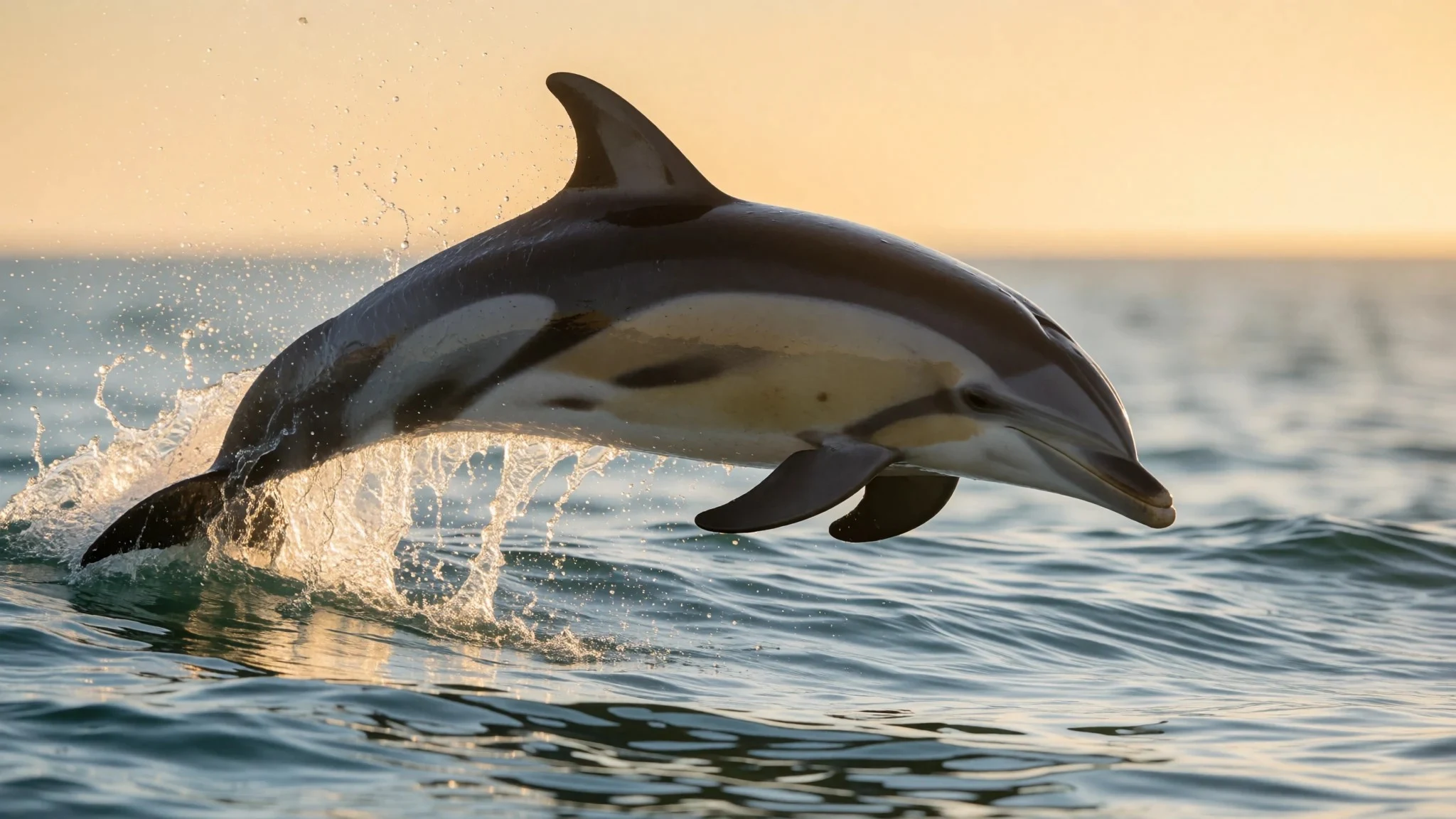
The short-beaked common dolphin is the most plentiful dolphin in the whole world, and a close cousin of the bottlenose dolphin, so think of a bottlenose's relative and you have it. At Crystal Cove, clear days give you the best chance of spotting dolphins, and you may see seabirds too. It is also a lovely place to linger for sunset, so bring patience and keep your eyes on the water.