Cloudcroft
Cloudcroft, United States
Cloudcroft is a small forest village high above the New Mexico desert, with cool summers, winter snow, dark night skies and a railway-resort past.
The place
Cloudcroft is a village of about 750 people in Otero County, New Mexico, set inside the Lincoln National Forest in the Sacramento Mountains. At 2642 metres, it sits far above the desert basins around it, and that height explains why it exists as a destination. Summers stay mild while the lowlands bake, and the pine and fir forest gives shade and a resinous smell that feels a long way from the dry country below. Tourism is the main economy. The centre is small enough to cover on foot along Burro Avenue, where timber-fronted shops, eateries, a chapel, a petrol station, a general store and a local-history museum stand close together. Artists of many kinds live here and sell their work, so galleries sit alongside gift and outdoor shops. The climate is humid continental, which is unusual this far south, so winters bring real snow and with it skating, sledging and cross-country skiing. Summer afternoons can bring cloud and storms over the ridge, which suits the name. Thin, dry air and a dark-sky ordinance make stargazing rewarding, and two observatories stand on the ridge to the south. The village is quiet by city standards, but it fills on summer weekends and on snowy winter days, when people come up from the surrounding deserts. Wildlife is part of daily life, which is why even the bins at the old depot are bear-proof.
Its story
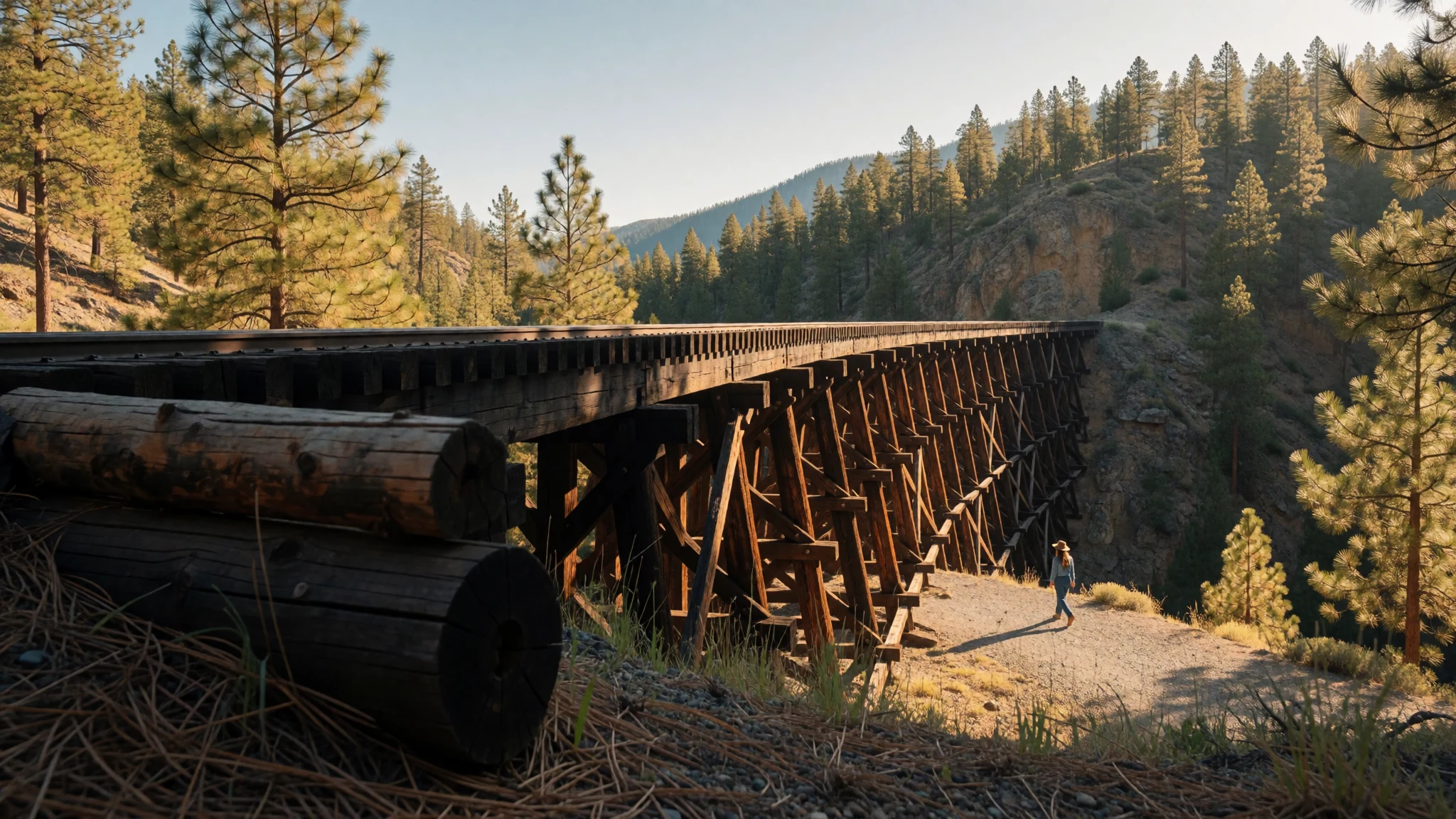
Cloudcroft began as a railway idea. In the 1890s the Eddy brothers, Charles and John, were pushing a line north from Alamogordo and needed a steady supply of timber, so in 1898 they sent surveyors up into the Sacramento Mountains. The crew came back with two findings: a line to the summit could be built, and the cool forest might draw visitors as well as loggers. Someone proposed the name Cloudcroft, meaning a pasture for the clouds, and work began. A pavilion went up at the summit with a dining room, kitchen, parlour, entertainment hall and forty tents on wooden platforms. John Eddy opened it in June 1899. Early guests rode the train partway and finished the journey by stagecoach, and newspaper reports spread the word quickly. A second resort, The Lodge, was built as a smarter alternative. The track reached the village in early 1900, and the depot was finished that June. Meeting the trains became a daily habit, with three arriving each day carrying timber, mail and passengers. Fire shaped the following decades. The Lodge burned in 1909 and was rebuilt in 1911 on the site it still occupies, and the Pavilion burned twice in the 1920s, each time rebuilt to its original plans. A railway trestle still stands in the forest northwest of the village, a physical reminder of how the town arrived here.
What to see
- Burro Avenue — Village centre
Cloudcroft's main street is the place to get your bearings. Low timber-fronted buildings hold shops, eateries, galleries and a general store, and everything is within an easy stroll. Mornings are calm, weekends are busier. The village office and council chambers also stand here, and the street looks east across the rooftops towards the forest.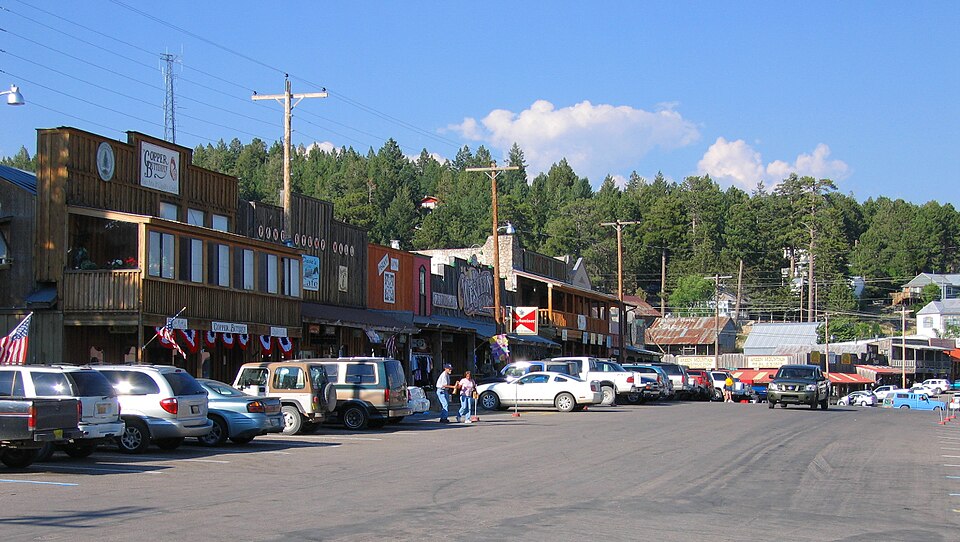
- Sunspot Solar Observatory — Ridge south of the village
Sunspot sits on the ridge south of the village and has a visitor centre, with guided and self-guided tours offered through most of the day. The thin, clear air that suits astronomers also makes the views wide. The road up can be difficult in snow, so check conditions before setting out in winter. - Apache Point Observatory — Ridge south of the village
Apache Point is the second observatory on the same ridge. Visitors are limited to tours of the grounds in daylight only, so this is a stop for the views and the setting rather than a long indoor visit. It pairs naturally with Sunspot as one half-day trip from the village. - Sacramento Mountain Historic Museum and Pioneer Village — Near the village centre
This museum covers the local past in two museum buildings and an outdoor pioneer village of eleven further buildings. Vintage photographs and artefacts tell the story of the railway, the timber trade and early resort life. It is a good rainy-afternoon choice, and it makes the village streets easier to read afterwards. - Mexican Canyon Trestle — Northwest of the village
This timber railway trestle lies just northwest of the village and can be seen from an overlook beside the highway. It is a relic of the line that brought loggers and early holidaymakers up the mountain. The stop takes little time, and the surrounding forest and canyon make a good photograph.
- Zenith Park — Village centre
Zenith Park is the village green and events ground. In winter its west end has an ice rink with skate hire, and in the warmer months it hosts the May Fair, the July Jamboree and Oktoberfest. Outside event days it is a quiet, grassy place to sit among the pines.
Culture
Cloudcroft keeps the manner of a mountain resort town: relaxed, small and seasonal. Community life revolves around the calendar at Zenith Park, where the May Fair runs over the Memorial Day weekend at the end of May, the July Jamboree follows in high summer, and Oktoberfest marks the autumn. Locals and visitors mix at these events, and craft stalls show the work of the many artists who live in the village. Outside festival days the rhythm is set by weather. Snowy days bring skaters and sledgers, and summer weekends bring families escaping the heat of the desert below. The village heritage is one of railway and timber, and the museum, with its artefacts and vintage photographs, tells that story well. Residents are used to living alongside wildlife, so bear-proof bins, careful food storage and a habit of not feeding animals are simply normal here. Shops, a chapel and small eateries sit within easy walking distance of one another, and people tend to greet strangers on the street. Evenings are quiet, and the dark-sky rules mean outdoor lighting is kept low, which locals value because it keeps the stars visible. Conversation tends to turn to weather, trails and the next festival. Lock food away, use the bear-proof bins, never feed or approach wildlife, and keep outdoor lights low at night so the village's dark skies stay dark.
What to wear
Cloudcroft has no formal regional costume, and the closest thing to a traditional wardrobe comes from its working past in forestry and ranching country. That means denim, flannel and wool, leather boots, and felt or straw brimmed hats, with wool blankets as winter cover. Some of that clothing shows up at festivals, and Oktoberfest brings a few Bavarian-style outfits too. What people wear day to day is plainly practical: jeans or outdoor trousers, fleeces, waterproof shells in storm season, and sturdy walking shoes or boots. Locals dress for the mountain weather rather than for show, and nobody minds mud or dust. Visitors should do the same. The village sits at 2642 metres, so even in summer the evenings turn cool and a warm layer is wise, and the sun is strong in thin air, so bring a hat and sunglasses. Pack a light rain jacket for afternoon storms. In winter, add insulated boots with grip, gloves, a warm hat and thermal layers for snow and skating. Footwear matters most: forest paths are uneven, and a closed shoe with a firm sole is better than sandals. There are no strict dress rules at the chapel or in the shops and eateries, though a tidy, modest outfit is a courteous choice for services.
What to eat
- Green chile cheeseburger — Any village diner on or near Burro Avenue
A New Mexican staple and a sensible order in a mountain diner after a day on the trails. Roasted green chile goes on top of the patty and melted cheese, and the heat varies from place to place. Ask how hot it is before ordering. - Enchiladas with red or green chile — New Mexican restaurants and bar-and-grill eateries in the village
Tortillas are layered or rolled with cheese or meat and covered in chile sauce. New Mexico's habit is to ask whether you want red, green or both, which is called Christmas. It is hearty, warming food for a cold evening. - Diner breakfast — A local diner in the village centre
Eggs, potatoes, toast and strong coffee, often with a chile option, are the standard start for a day of hiking or skiing. Portions are large and the atmosphere is relaxed, with locals mixing with weekend visitors at the counter. - Café sandwiches and baked desserts — A coffee house or café on the main street
Coffee houses in the village make sandwiches and sweet bakes on the premises, alongside espresso, cappuccino and smoothies. It is an easy lunch stop between museum and park, and a warm place to wait out a storm. - Resort dining-room dinner — The dining room at The Lodge
The Lodge's restaurant is the village's formal option, with a traditional feel, views over the trees and a long history. It suits a celebratory dinner. Booking ahead is wise at weekends, and the official site will have current opening details.
Plan it
Best time. June to September for mild days while the surrounding desert is hot, with afternoon storms likely in high summer. December and the snowy months suit skating and sledging, though roads can be icy.
How long. 2–3
Getting there. El Paso in Texas has the nearest airport with commercial flights. Hire a car and drive to Alamogordo, then climb the mountain road through New Mexico's only tunnel and the settlements of High Rolls and Mountain Park. Cloudcroft sits where two main highways meet, so the last leg is a steady uphill drive.
Budget. mid
Tips
- Allow time to adjust to the altitude, drink plenty of water and go easy on the first day, as altitude sickness is the most likely problem
- Check road conditions before driving up to the observatories in snow
- Book weekend stays and dinner at The Lodge ahead in summer and on snowy winter weekends
- Store food securely and carry no strong-smelling snacks on forest trails, as bears and other wildlife live nearby
- For hiking, camping and horse riding, contact the Lincoln National Forest office for current advice
Etiquette
- Use the bear-proof bins and never feed wildlife
- Stay on marked trails and respect forest rules
- Keep outdoor lights low at night to protect the dark skies
Nearby
Sources
- Wikidata Q432556 (CC0)
- Wikipedia: Cloudcroft, New Mexico (rev 1378683577) (CC BY-SA 4.0)
- Wikivoyage: Cloudcroft (rev 5400261) (CC BY-SA 4.0)
- Photo: Downtown Cloudcroft, Edward Jackson (Public domain)
- Photo: Cloudcroft Village Office, AllenS (Public domain)
- Photo: Cloudcroft Public Schools, AllenS (Public domain)
- Photo: Aspen Motel, Cloudcroft, Ethan (CC BY 2.5)
- Photo: Bear-proof garbage can, AllenS (Public domain)
- Photo: White Underwing (Catocala relicta), CK2AZ (CC BY 4.0)
- Photo: Mexican Canyon Trestle, AllenS (Public domain)
- Photo: View of Cloudcroft, Convivial (CC BY 2.5)


Wildlife
- American black bear (animal)
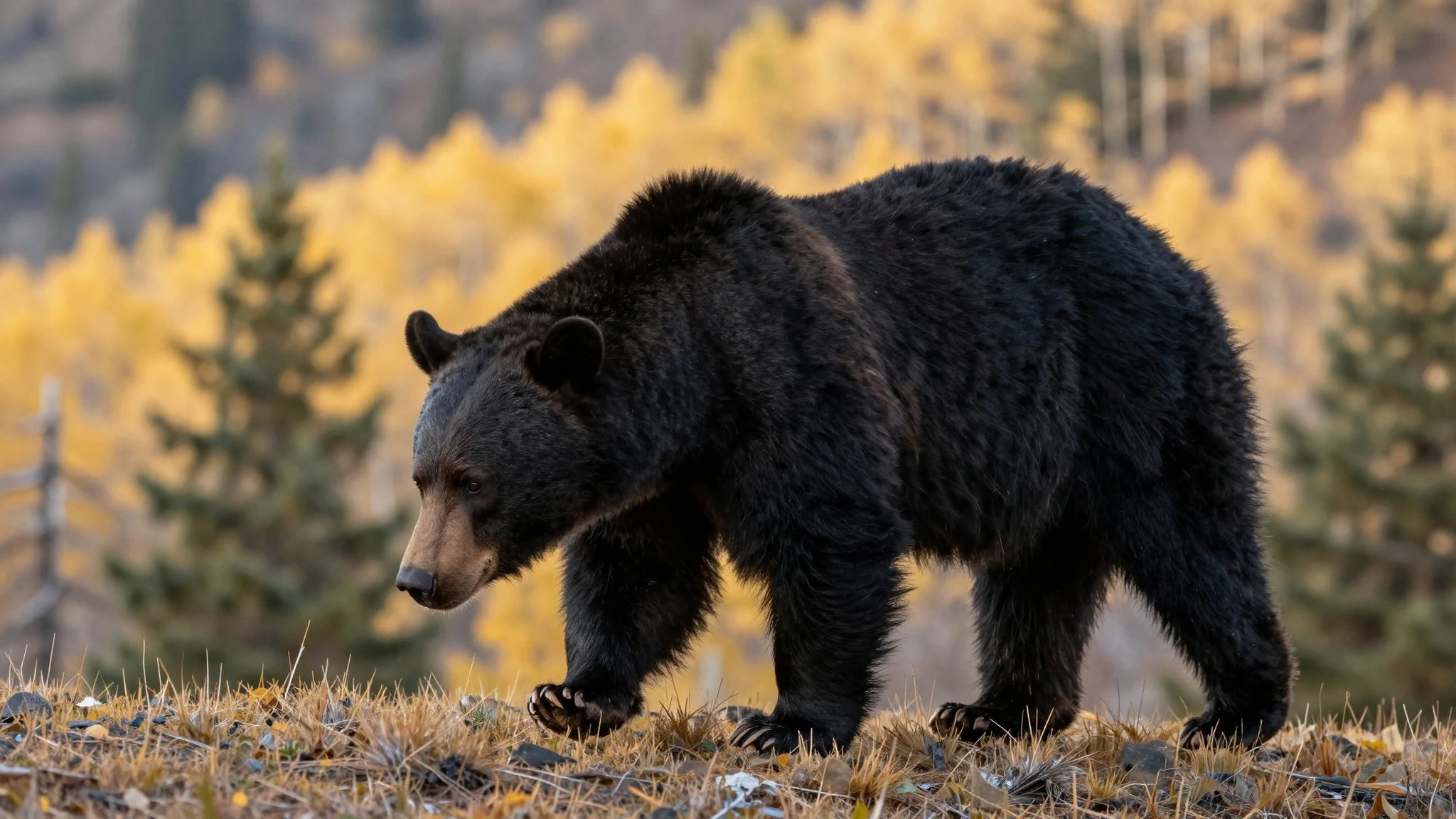
The American black bear is North America's smallest bear, a medium-sized forest wanderer that eats almost anything. Living alongside wildlife is ordinary in Cloudcroft, so even the bins at the old depot are built to keep bears out. Bears may stray towards settlements when food is easy to find, but ask locally about the best season or hour. Watch from a generous distance, stay quiet, consider going with a guide, and never feed a bear, because easy food is exactly what draws it in.