Chichicastenango
Chichicastenango, Guatemala
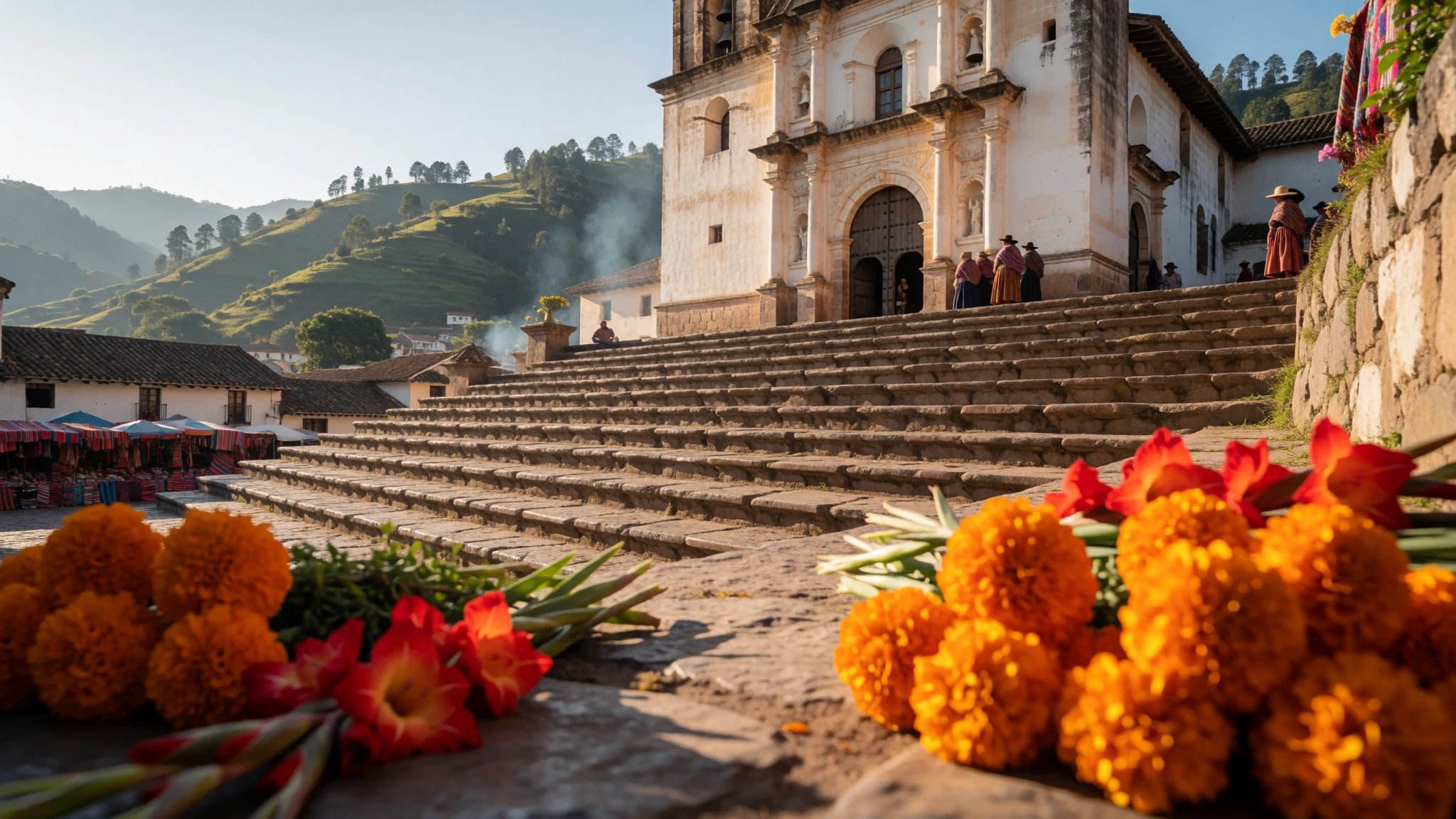
Chichicastenango is a K'iche' Maya highland town where a Thursday or Sunday market, incense on church steps and living ritual share the same square.
The place
Chichicastenango sits on a high plateau in the Guatemalan Highlands, at 2,075 m above sea level, in the department of Quiché. It is the seat of a municipality with a town population of 71,394, and the great majority are K'iche' Maya. Many people speak K'iche' at home and Spanish in the shop, while a smaller share manage with only one of the two. Locals usually shorten the name to Chichi, which is far easier on the tongue. Beyond the town centre, the municipality spreads into dozens of rural communities, and families from those hamlets are the ones who fill the streets on market days. The centre itself is compact: steep, cobbled lanes run around a main square, with the church of Santo Tomás on one side and the market stalls spreading out from it. Altitude shapes the feel of the place. Mornings are cool, mist lingers in the valleys, and the air smells of woodsmoke, copal incense and roasting corn. The road up from the junction at Los Encuentros climbs through a long run of switchbacks, so arrival feels like a small journey in itself. On Thursdays and Sundays the town changes character completely, with traders and buyers arriving from far and near. On the other days it is much quieter, a better moment for walking the lanes, looking into the chapels and talking to people without being jostled. A small tourist information office stands beside the church of Santo Tomás and keeps leaflets and festival details.
Its story
Chichicastenango was a K'iche' Maya town long before Spanish soldiers reached the highlands, and its original name was Chaviar. The Spaniards marched with allies from Tlaxcala who spoke Nahuatl, and it was their word, Tzitzicaztenanco, meaning place of nettles, that the newcomers recorded. Over the centuries it wore down into the name used today. The town stayed a ceremonial and regional centre for the K'iche', and the church of Santo Tomás stands where older rites were held, a pattern repeated across the highlands. Its steps are still used for burning incense. The best-known episode in the town's history is literary. The Popol Vuh, the sacred text of the K'iche' people, was saved here and recorded in writing during the early 1700s. That is why the name is tied to stories of creation, twin heroes and people made from maize, and why scholars and curious readers have come to the town for generations. Wikidata gives 1872 as a founding date, which most likely reflects the town's formal municipal status, since the settlement is far older than that. In the late twentieth century Chichi became known abroad mainly for its market, and photographers, artists and researchers came to document its dress, processions and rituals. Today it remains a working indigenous town first and a destination second. Religious brotherhoods called cofradías still organise the saints' processions, and the calendar of fiestas matters to residents far more than the tourist season does.
What to see
- Chichi Market — Town centre
The market fills the square and nearby lanes on Thursdays and Sundays, with textiles, carved masks, pottery, flowers, vegetables and tools. Many sellers have travelled from distant Maya communities. Bargaining is expected and best done with a smile. Arrive early, before tour groups, and leave the corridors for locals buying their weekly food.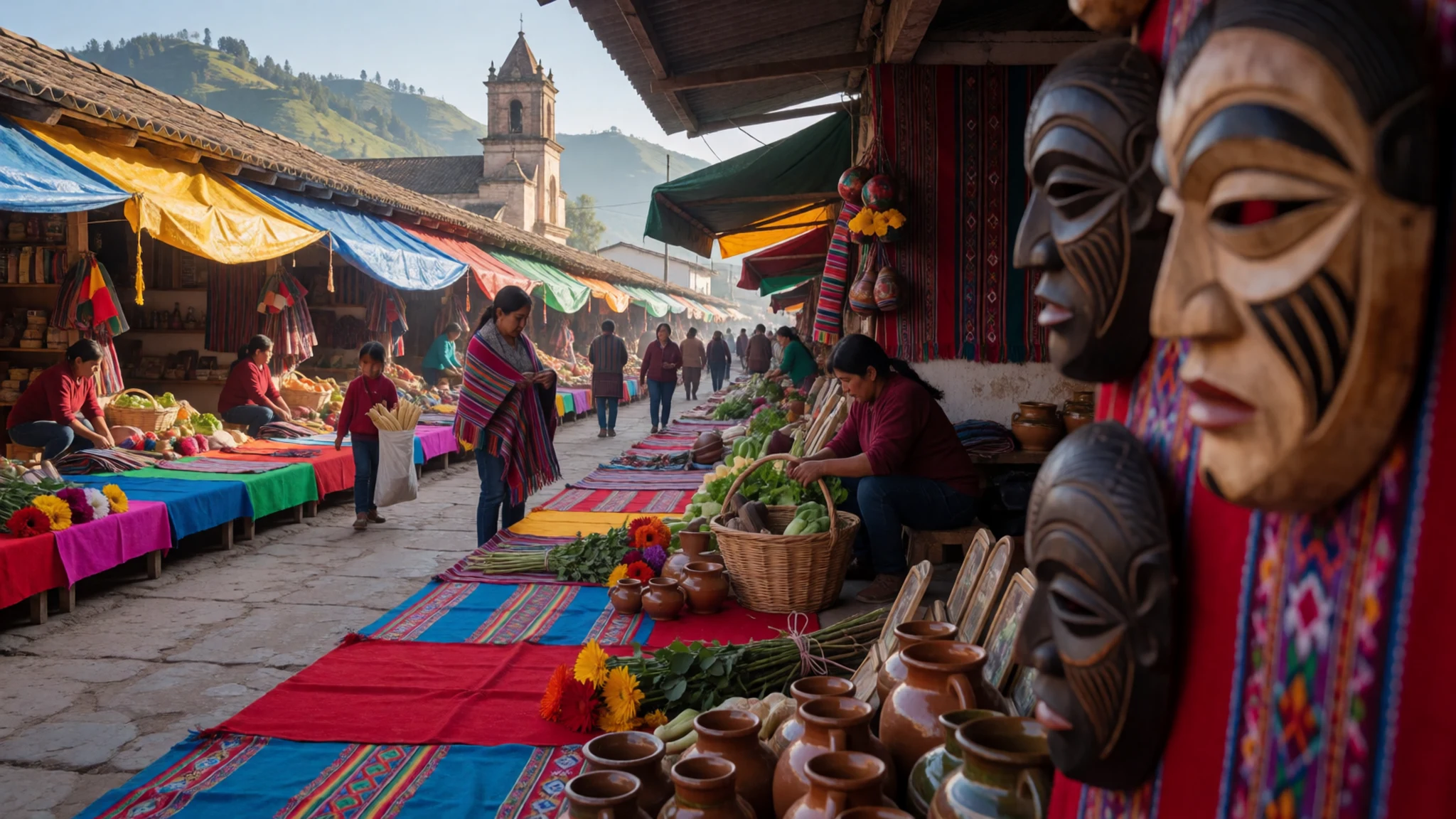
- Iglesia Santo Tomás — Main square
The church of Santo Tomás faces the square from the top of a broad flight of steps, where incense smoke drifts, flower sellers set out their stock and worshippers pause to pray. The steps are part of the ritual, so move around the edges, keep voices low and watch before stepping in.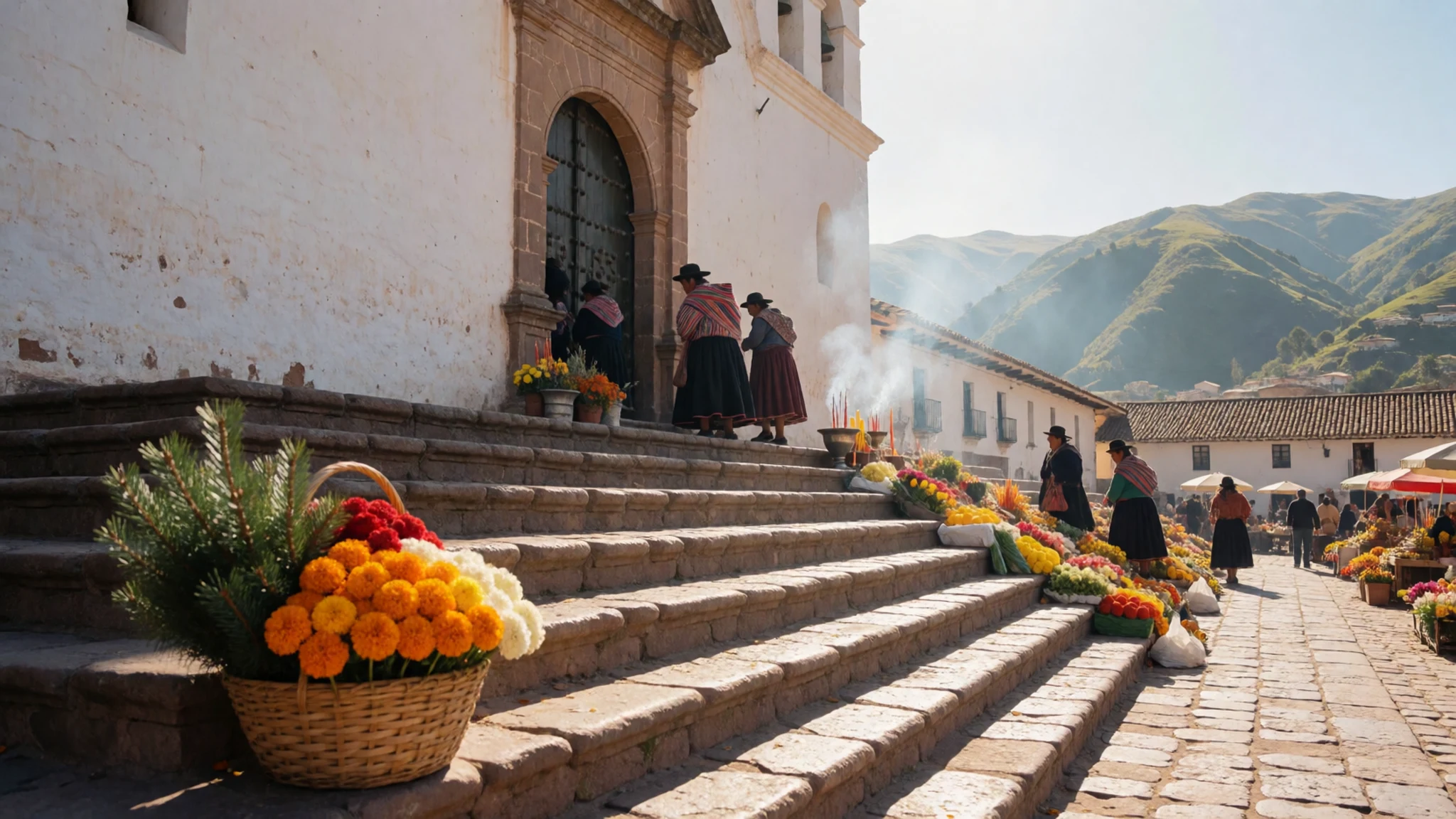
- Calvary Chapel — Old town
The chapel of El Calvario is a smaller colonial-era church officially protected as a historic monument. It is quieter than Santo Tomás and offers a calmer look at local devotion. Candles, flowers and offerings often sit near the entrance, and a short walk from the square makes it easy to add.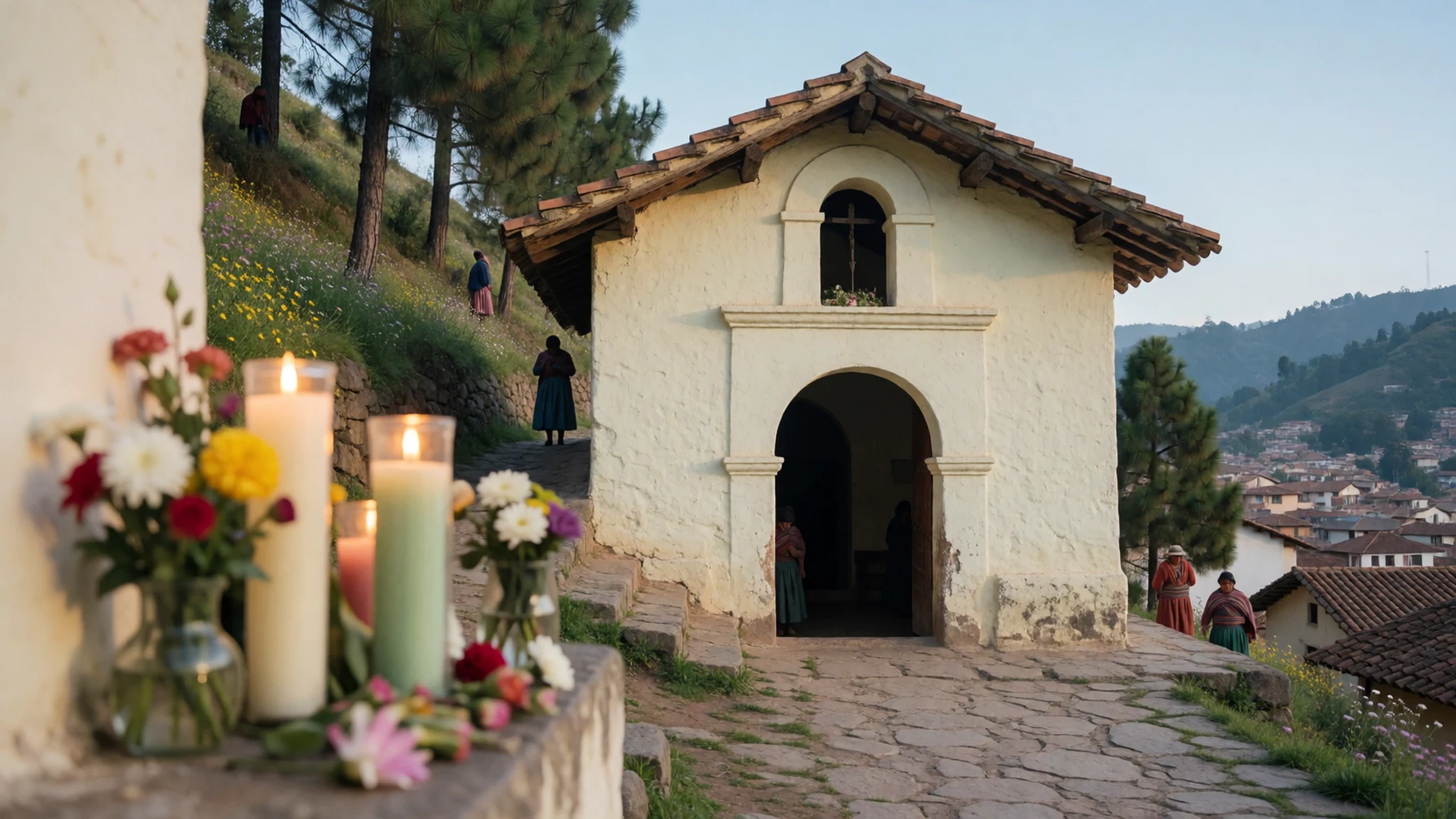
- Old town lanes — Old town
Away from the market, the narrow streets of the old town show everyday Chichi: whitewashed walls, tiled roofs, doorways opening on to small courtyards and women carrying loads on their heads. Walking uphill is tiring at this altitude, so go slowly and take breaks.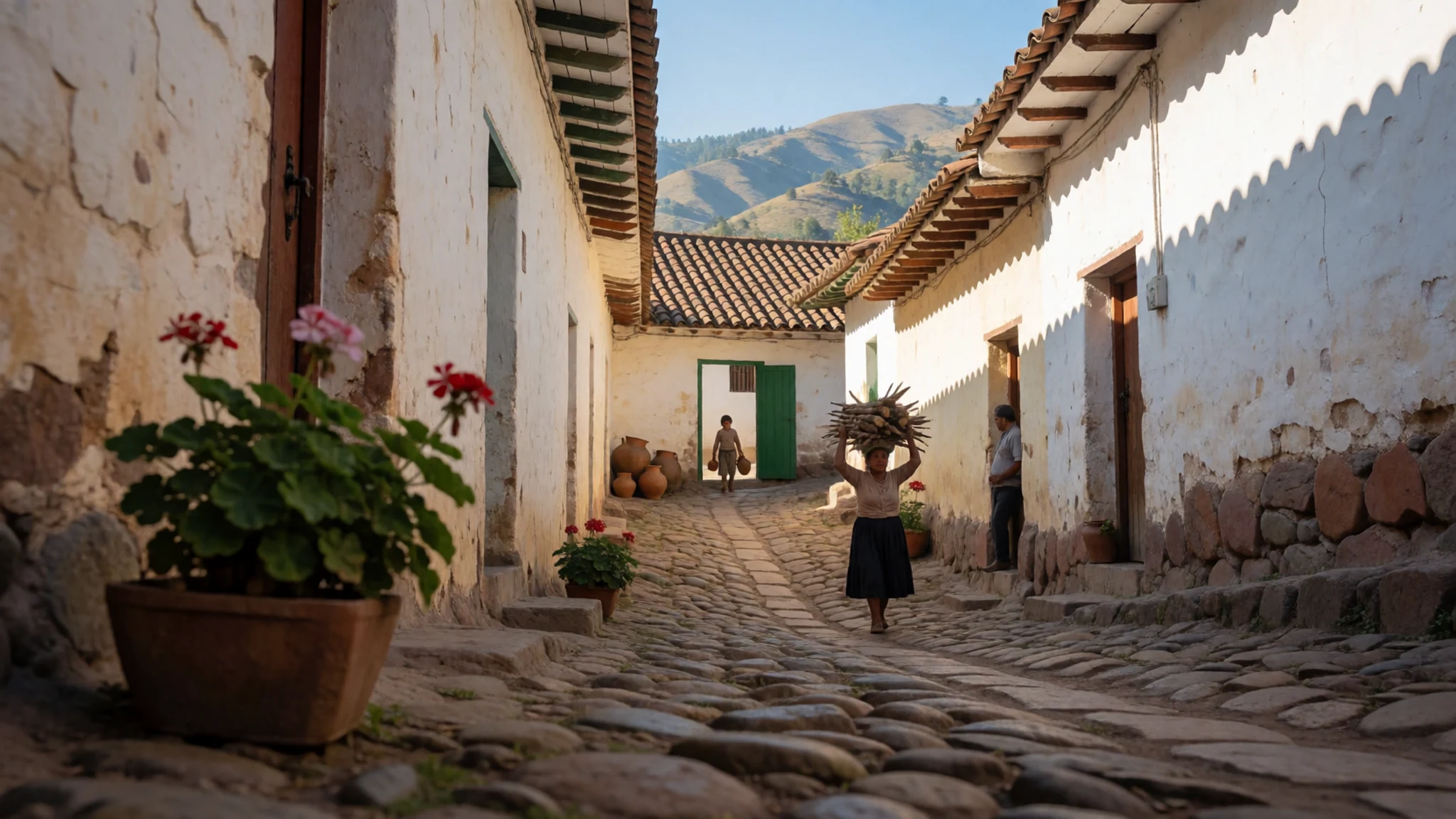
- Festival of Santo Tomás — Main square and church
The town's patron festival runs through the second half of December and builds towards a peak day near the end. Dances, fireworks frames in the square, firecrackers outside the church and processions led by the cofradías all happen alongside the usual market. It is loud, crowded and very local; book rooms well ahead.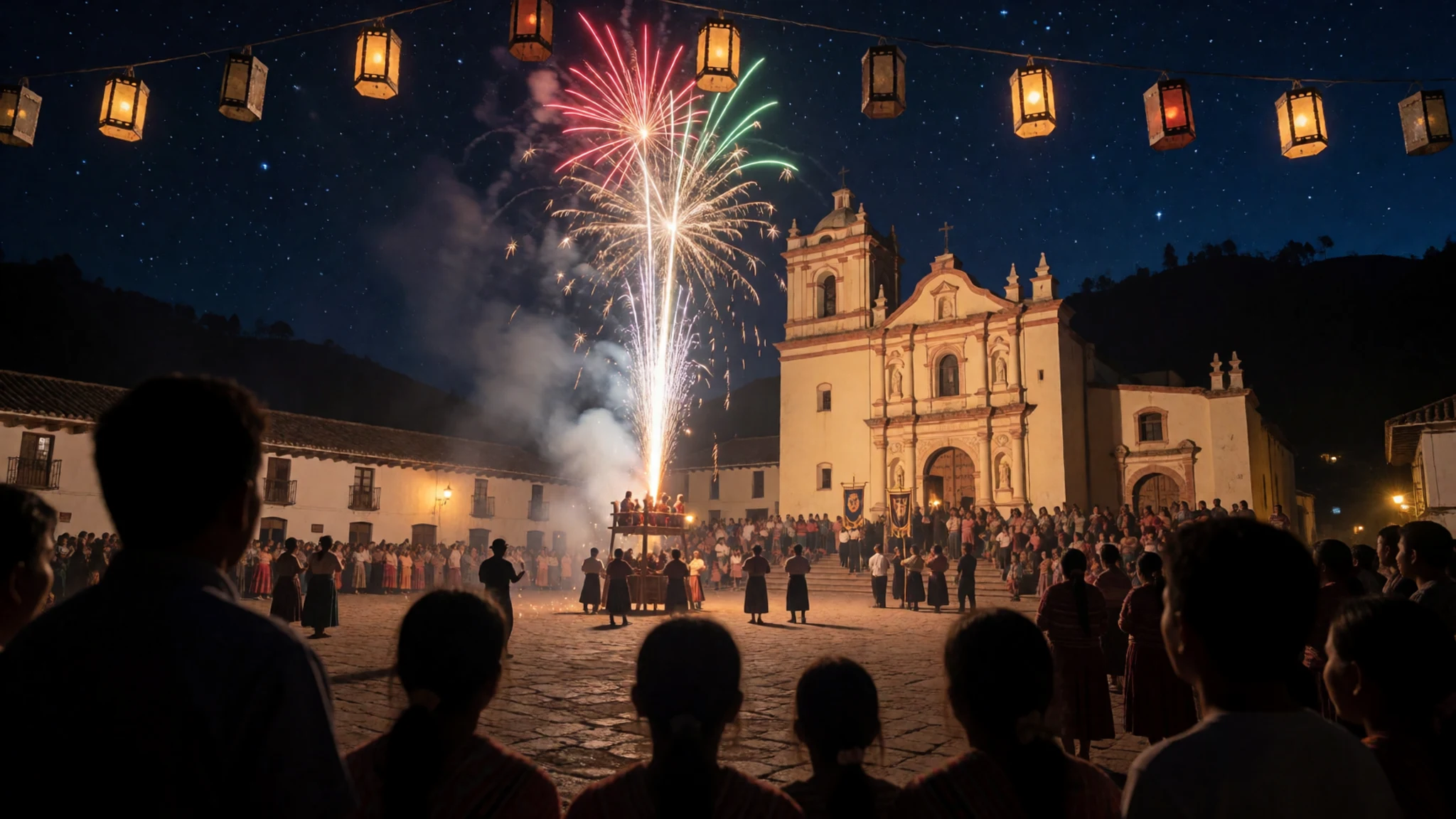
Culture
Chichicastenango is a place where Maya belief and Catholic worship are woven together rather than kept apart. The K'iche' have lived in these highlands for centuries, and their language, calendar and rituals remain active. Religious brotherhoods called cofradías look after the images of saints, organise processions and hold the town's festival cycle together. Incense, known as copal, burns on the church steps, and offerings of flowers, candles and sometimes alcohol are laid out by people who have come to pray, ask for help or give thanks. Shamans, sometimes called aj q'ij or day keepers, still count the days of the sacred calendar and guide ceremonies on hilltops and at shrines outside town. The Popol Vuh gives the culture a written foundation, and many residents are proud of the link, though most visitors will not see anything performed for show. Music, especially drums, flutes and marimba, accompanies fiestas, and masked dances re-enact old stories with Spanish and Maya characters. Market days are social events as much as commercial ones, a chance to meet relatives, trade news and sell goods made in distant villages. Visitors are welcome as observers, but this is a living place of worship, not an open-air museum, and attention to how people behave helps. Ask permission before photographing anyone, never photograph a ritual in progress on the church steps, and follow the lead of worshippers about where to stand and when to stay quiet.
What to wear
Chichicastenango is known for the traditional dress of its K'iche' Maya residents, and the market is the best place to see it. Women's traje centres on the huipil, a loose blouse woven from cotton on a backstrap loom and heavily embroidered at the neckline and chest, usually with floral and geometric designs in bright thread. It is worn with a corte, a wrapped skirt of woven cloth, held by a faja, a long woven sash. Men's traditional clothing is more often seen among older men and at ceremonies: a short jacket and trousers of dark wool with embroidered edges, and a cloth tied at the head or waist. Cofradía members wear fuller ceremonial outfits during processions and festivals. Many women still dress in traje daily, and the patterns and colours tell people where a wearer comes from. Younger people, and most men, now wear jeans, football shirts, trainers and fleeces, with traditional cloth kept for fiestas, church and market days. Visitors should dress for a cool, high, sometimes damp climate: layers, a warm top for early mornings, and a light rain jacket. Shoes need grip, because lanes are cobbled and steep. For church visits, cover shoulders and knees and remove hats indoors. Buying a textile directly from the weaver is the best way to support the craft, and asking about its meaning is usually welcomed.
What to eat
- Chuchitos — Market food stalls and street vendors
Small, firm tamales of maize dough filled with chicken or pork and a mild red sauce, steamed in a corn husk. They are cheap and filling, and sold from steaming pots at market food stalls and by the square.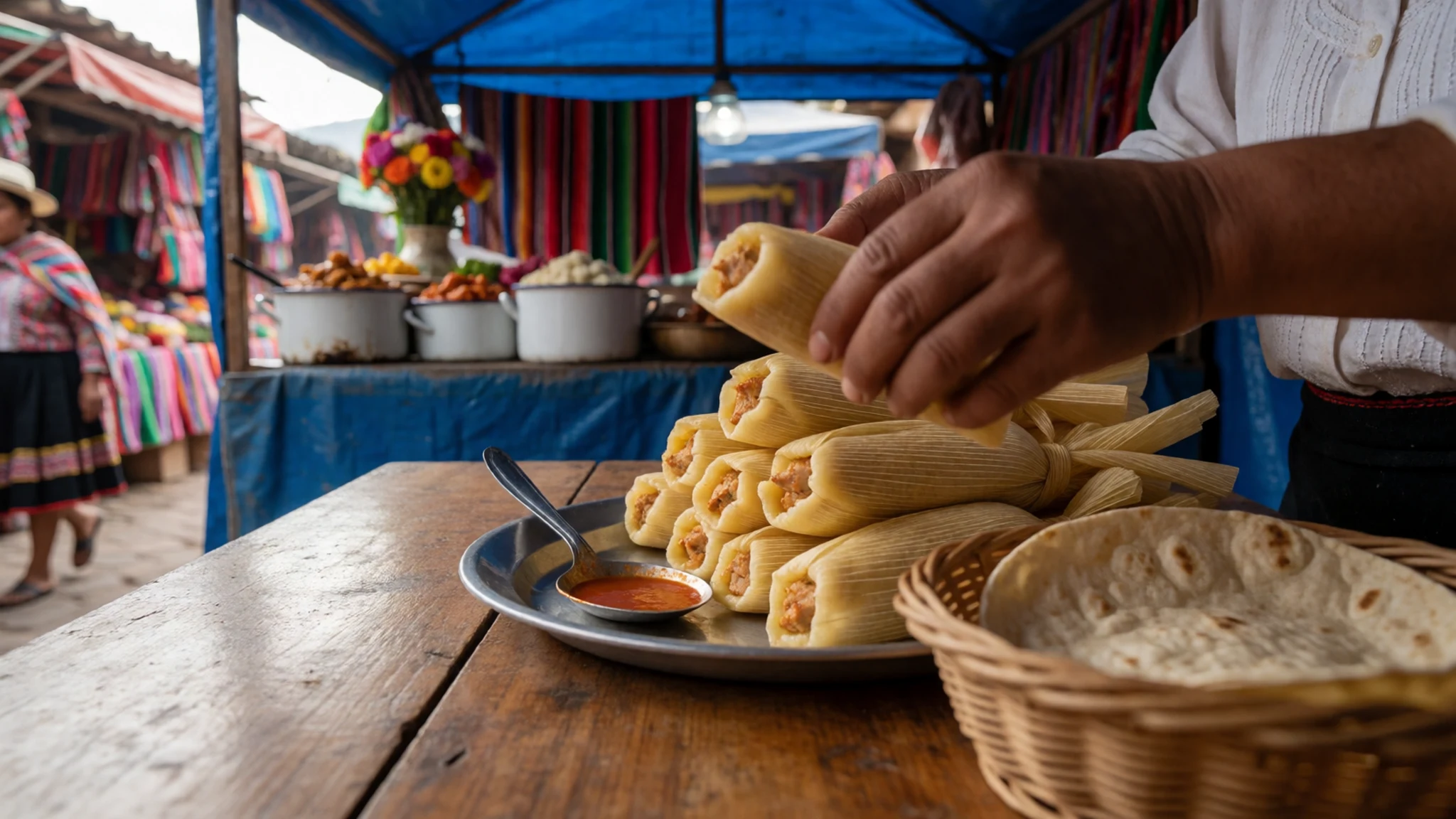
- Pepián — Comedores near the market
A thick, rich stew of meat with roasted seeds, chilli and tomato, often served with rice and tortillas. It is a classic of the Guatemalan highlands and appears on the menu of many family-run eating places.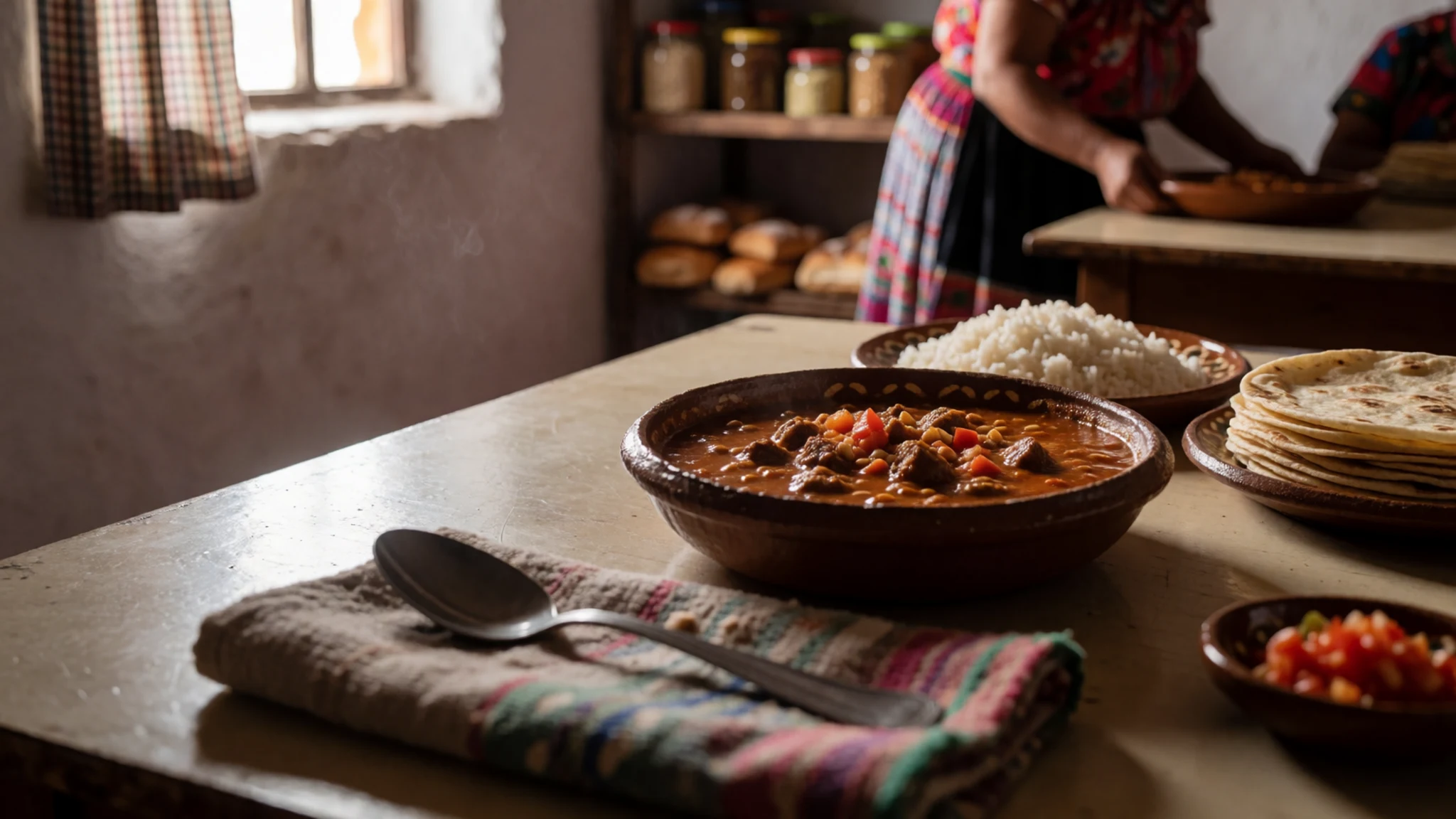
- Hand-made tortillas with black beans — Market kitchens and small family comedores
Maize tortillas patted out and cooked on a griddle, served hot with black beans, cheese and sometimes eggs. Simple and satisfying, they make a good breakfast before a morning of walking. - Atol — Early-morning market stalls
A warm, thick drink made from maize, sometimes sweetened and spiced, and often sold in mugs from a stall in the early morning. It is a comforting start on a cool highland day and a staple of local life. - Grilled meats — Parrilla-style restaurants around the main square
Beef, chicken and sausage cooked over charcoal and served with tortillas, salsa and grilled onions. Several restaurants near the main square specialise in a parrilla-style plate, often in dining rooms decorated with local crafts.
Plan it
Best time. November to March is the drier season with cool, clear mornings, and December adds the patron festival, though it is also the busiest time. Rain is heaviest from May to October, peaking in September, usually in the afternoons. Nights are cold at this altitude all year, so bring layers.
How long. 1–2
Getting there. Fly to Guatemala City, then take a shuttle or bus towards Los Encuentros and change there for the road up to Chichicastenango, which climbs in long switchbacks. Direct buses and shuttles run from Guatemala City, Antigua and Panajachel, with more services on market days.
Budget. mid
Tips
- Come for a Thursday or Sunday to see the market at full strength, and arrive early to beat the crowds
- Stay overnight if possible, because the town is calmer in the evening and early morning
- Carry small notes and coins for market purchases, and bargain politely
- Take it slowly on arrival, drink water often and allow time to adjust to the altitude
- Book rooms well ahead for the December festival; check the official site at http://www.inforpressca.com/chichicastenango/ for details
Etiquette
- Ask before photographing people, especially at the church steps
- Do not walk through or photograph rituals in progress
- Dress modestly and keep your voice low in churches
Nearby
Sources
- Wikidata Q603423 (CC0)
- Wikipedia: Chichicastenango (rev 1374269926) (CC BY-SA 4.0)
- Wikivoyage: Chichicastenango (rev 5359528) (CC BY-SA 4.0)
- Photo: Toby Argüelles, Chichicastenango market (CC BY-SA 2.0)
- Photo: Chaccard, Chichicastenango 1985 011 (CC BY-SA 4.0)
- Photo: Chaccard, Chichicastenango 1988 001 (CC BY-SA 4.0)
- Photo: Chaccard, Chichicastenango 1988 002 (CC BY-SA 4.0)
- Photo: Chaccard, Chichicastenango 1988 008 (CC BY-SA 4.0)
- Photo: Chaccard, Chichicastenango 1988 009 (CC BY-SA 4.0)
- Photo: Chaccard, Chichicastenango 1988 010 (CC BY-SA 4.0)
- Photo: Mcknightspear, Procession-Chichicastenango (CC BY-SA 4.0)


