Antigua Guatemala
Antigua Guatemala, Guatemala
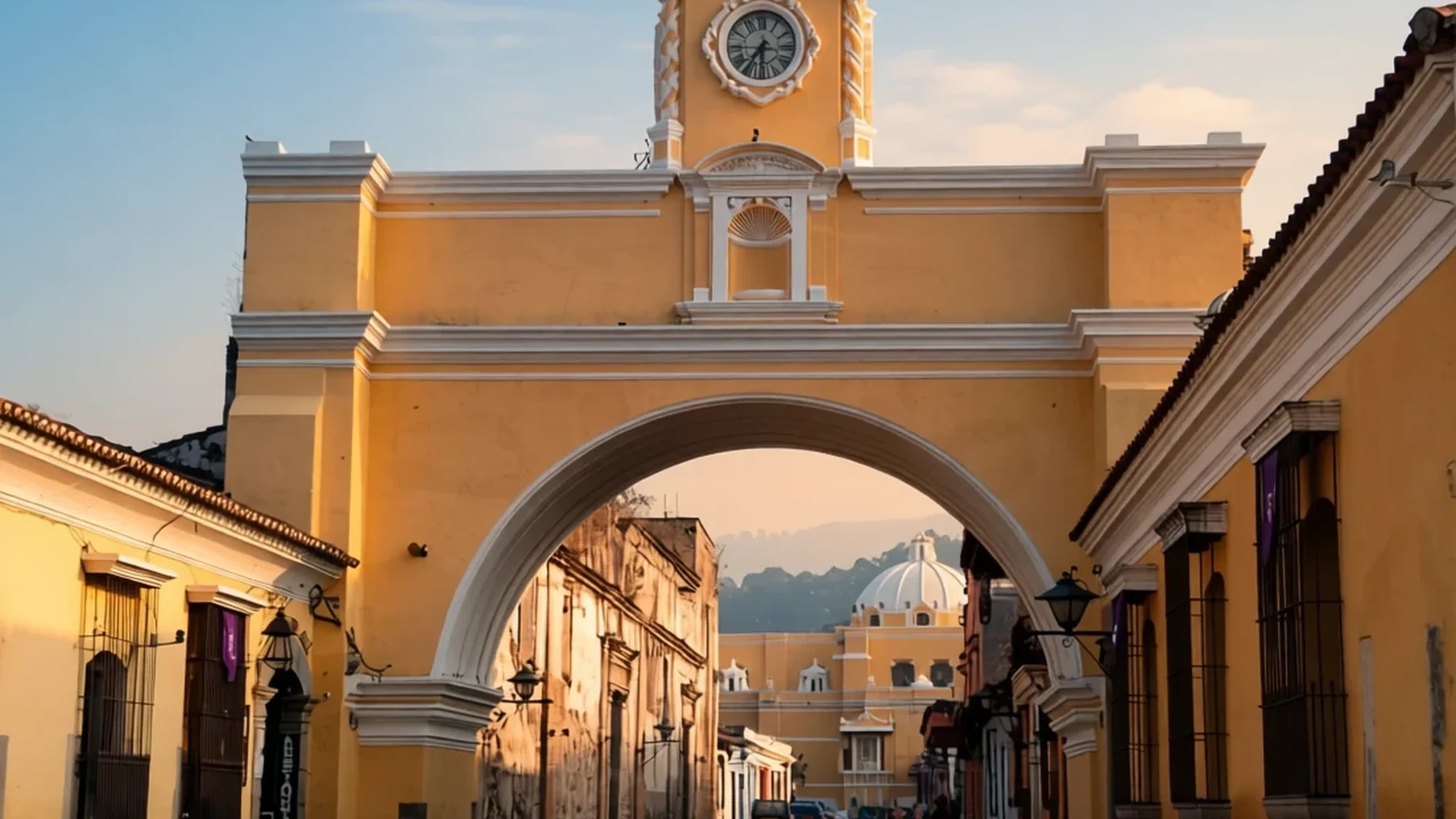
Antigua Guatemala is a colonial city of cobbled streets, Baroque ruins and volcanoes on the skyline, and it is easy to explore on foot.
The place
Antigua Guatemala sits in a broad valley in the central highlands, a city of roughly 59,000 people at about 1,582 metres above sea level. Most visitors arrive expecting a museum piece, and the first hour does feel like one: cobbled streets laid out on a grid, low houses painted in ochre, pink and mint, and church towers rising above the rooftops in every direction. The city was the seat of colonial government for much of the Spanish period. The Baroque churches, convents and palaces it built still define the centre, even where earthquakes have left them as roofless shells.
Three large volcanoes frame the view. Volcán de Agua dominates to the south, and its cone seen from a side street or a rooftop is the picture most people take home. Fuego, to the west, is famous for being active at a low level almost all the time, so its plume is a regular feature of the sky. Acatenango stands alongside it. The volcanoes shape daily life: sunsets come with smoke trails, and the cool air at this height means evenings call for a jacket even in the warmer months.
The centre is compact and walkable. Parque Central, with its fountains and benches, is the natural meeting point, and most sights lie within a few streets of it. Traffic is light in the core, which makes it easier on foot than many Guatemalan cities. The mix of people is varied: pilgrims, students learning Spanish and day-trippers from the capital. The streets fill on weekends and during religious festivals, when prices and crowds both rise.
Its story
Antigua Guatemala means Old Guatemala, a name it took on once it had been replaced. The first capital was founded in 1524 as Santiago de los Caballeros de Guatemala, on the site of an existing Kaqchikel Maya city near present-day Tecpán. That position did not last. After repeated Kaqchikel uprisings, the colonial authorities moved the city in 1527 to the more easily controlled Valley of Almolonga, where the new settlement kept the same name.
The second capital was destroyed in 1541 by a lahar from Volcán de Agua, the volcano that still dominates the southern horizon. The authorities chose to move again, this time to the Panchoy Valley, and the present city was founded in 1543 under the same name. Rebuilding on the new site meant building in stone, and the city grew into the administrative and religious heart of the region. Churches, monasteries and a college went up, and the Baroque style that came to define the place reached its height in the following centuries.
The ground was never settled. Earthquakes damaged the city repeatedly, and the severe shaking of 1773 led the government to relocate to what is now Guatemala City. Antigua was largely left in its damaged state, and many of its convents and schools survive as partial ruins. Those ruins, rather than a single restored centre, now tell the story of the place, and they sit alongside the volcanoes that gave the city its risks and its views.
What to see
- Catedral de Antigua Guatemala — Central Antigua, near Parque Central
The cathedral was built in 1680 to replace an earlier church on the same site, which had stood since the early colonial years. In its heyday it was among the largest churches in Central America. The building is a working church, and the square around it is a good place for an early walk before the crowds and midday heat arrive.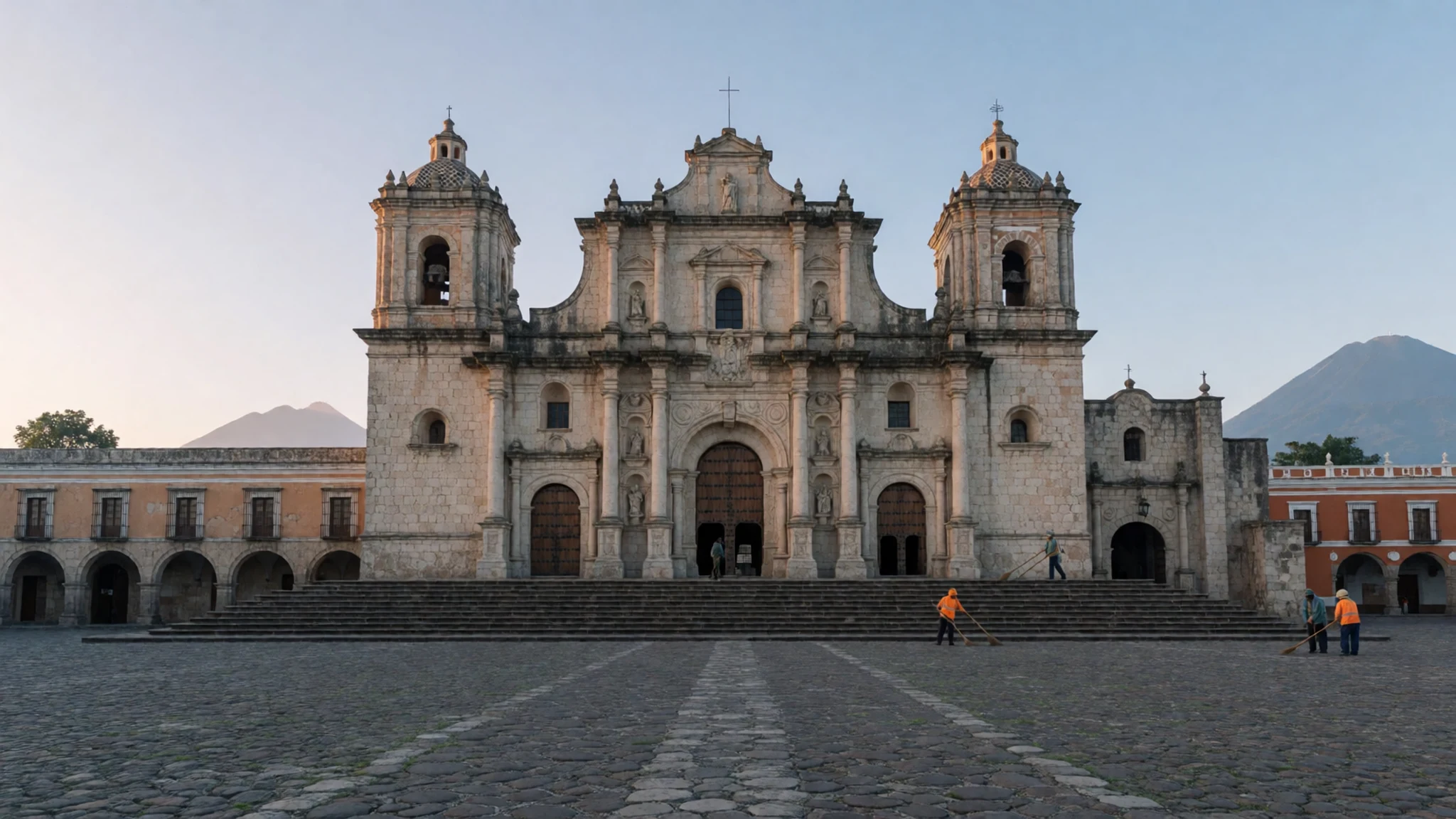
- Colegio de San Jerónimo — Western Antigua
The Colegio de San Jerónimo was completed in 1757, but its useful life was short. It was used first as a secondary school before the 1773 earthquake destroyed it. What survives is a sense of scale: arches and a courtyard that show how grand a teaching complex could be in colonial times. Go in the morning, when the light falls across the stone.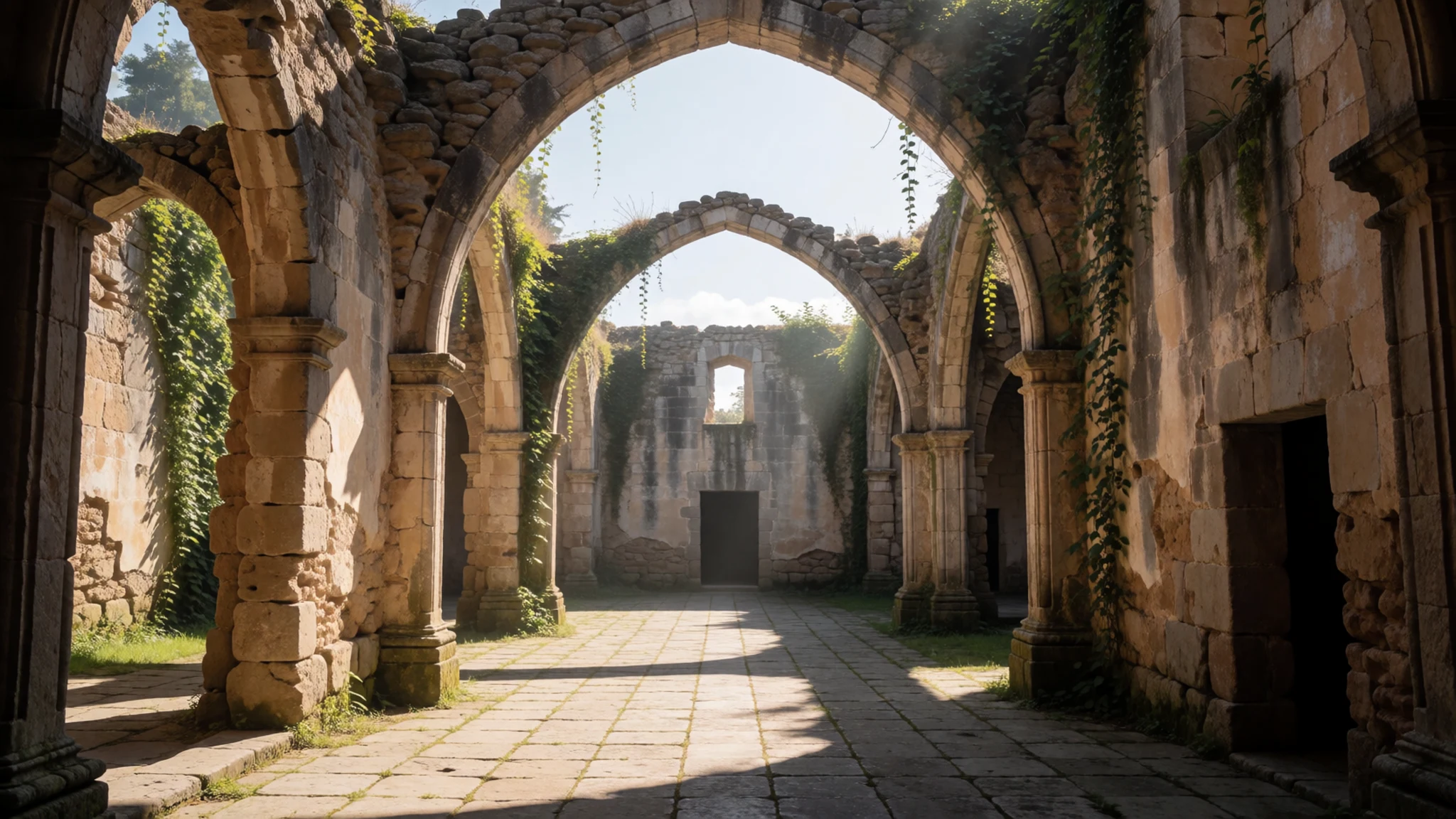
- Convento de las Capuchinas — Eastern Antigua
Formally the Convent and Church of Our Lady of the Pillar of Zaragoza, this building is partly reconstructed and partly left open to the sky. Its cloisters and cells give a clear picture of how cloistered life was organised. Part of the site houses offices, so check the official site for current visiting arrangements before you go.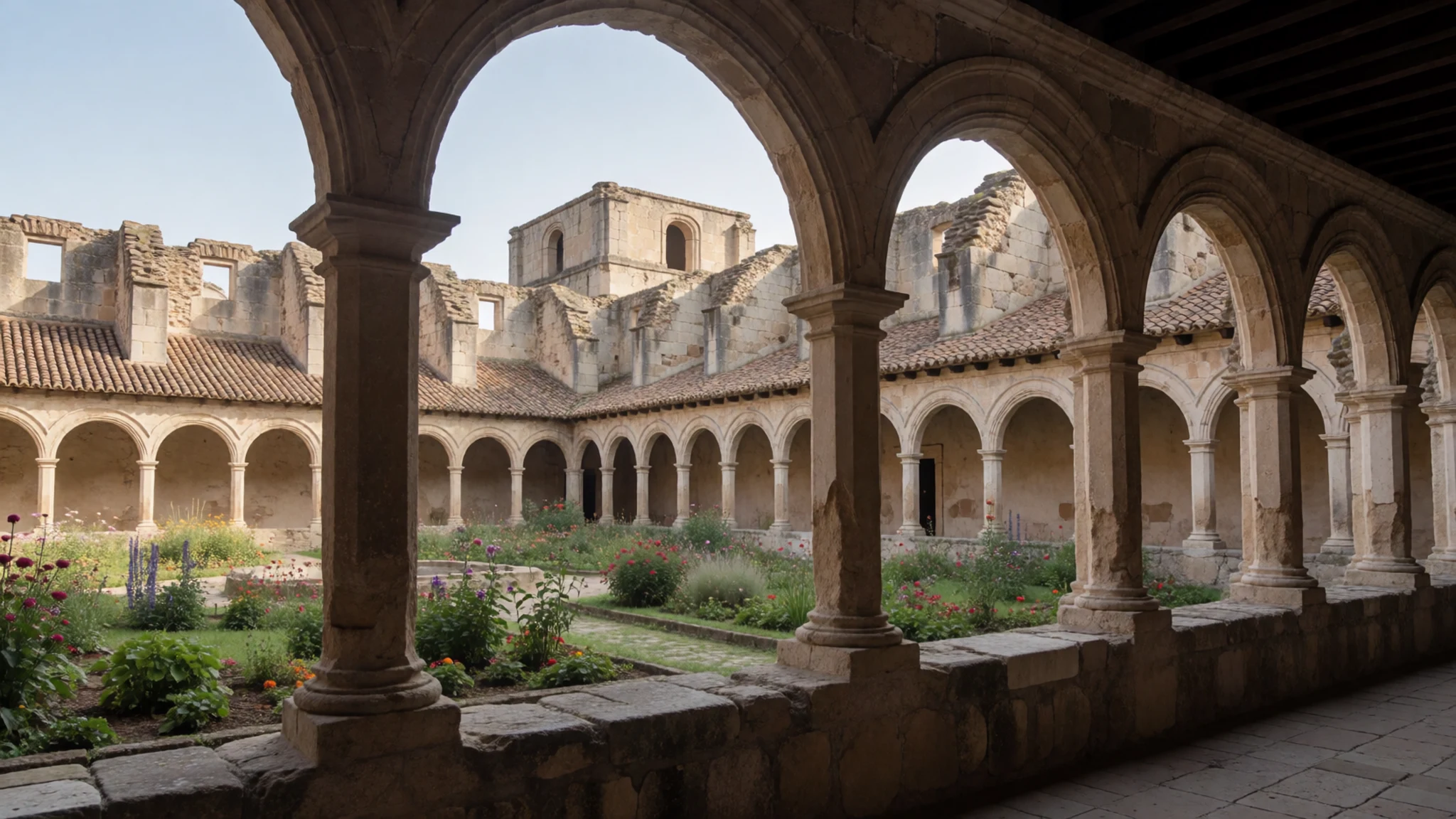
- Convento de Santa Clara — Southern Antigua
One of the largest colonial ruin complexes in Antigua, this convent was built in 1715 for a Franciscan order of nuns founded by six sisters from Mexico. Walk its ruined arches and garden courts to see how the community lived and worked. Expect uneven stone underfoot, so wear shoes you can walk in comfortably.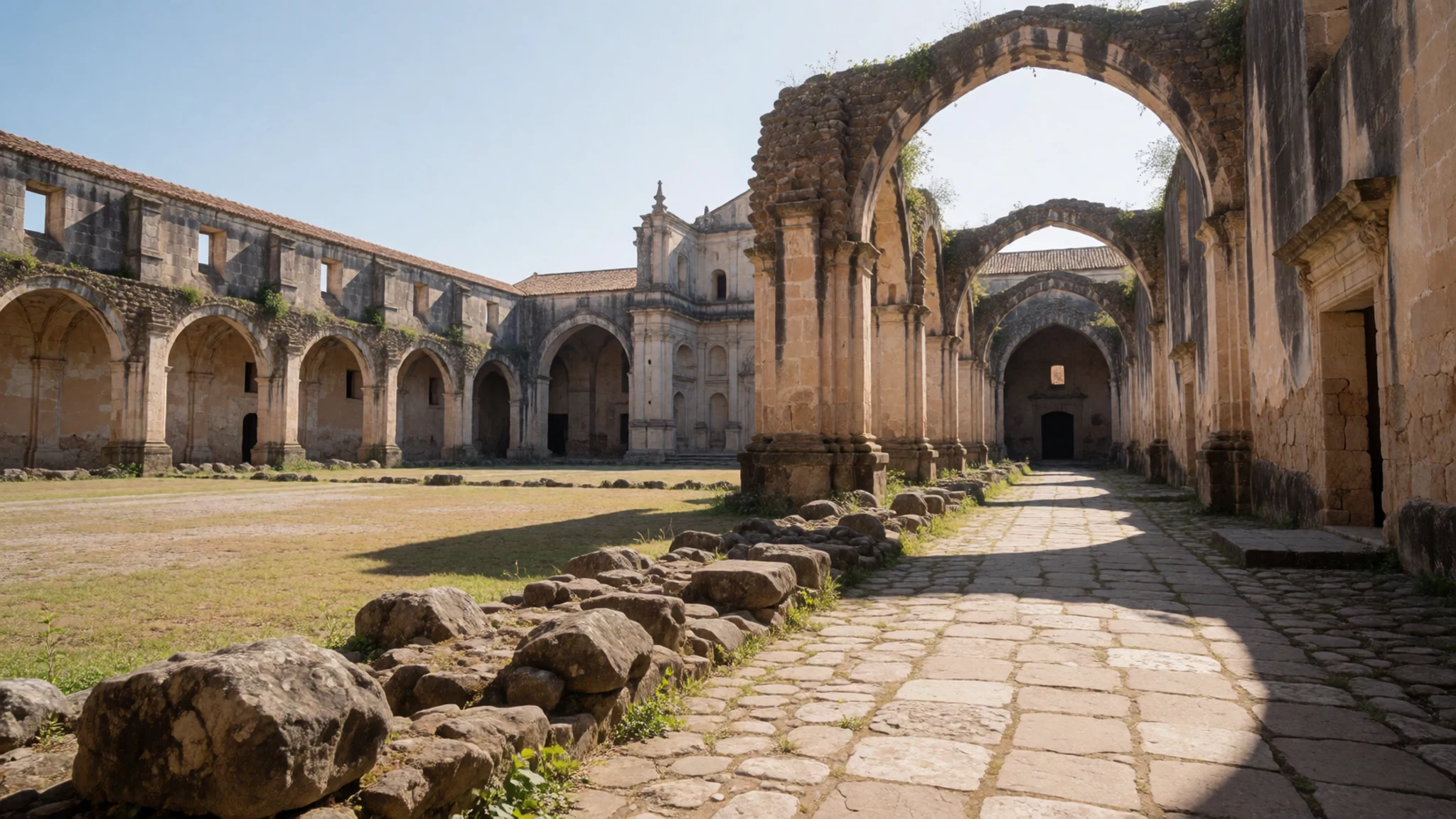
- Palacio de los Capitanes Generales — Central Antigua, on the main square
The Palace of the Captains General was the seat of government for the colonial region, where the captains general ruled from the city. Its long Baroque façade faces the central square and recalls the administration that once ran much of Central America from here. Its courtyards and arcades give welcome shade when the sun is high. Check the official site for opening times.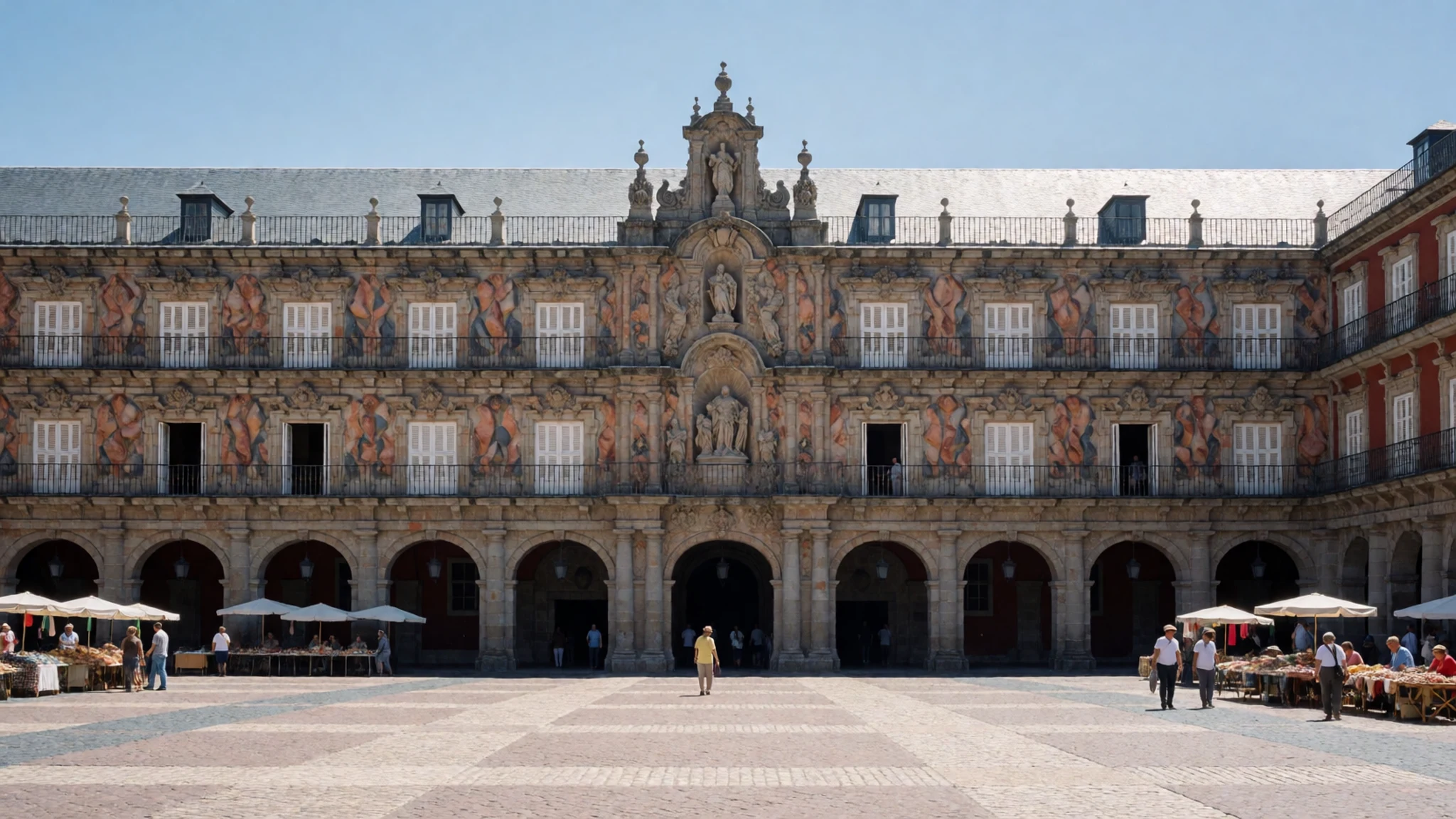
Culture
Antigua is a Catholic city at heart, and its calendar is built around saints' days and processions. Holy Week is the most intense time of year. During Semana Santa, streets are covered with coloured sawdust and flower carpets known as alfombras, and large floats are carried through the centre by teams of bearers. Many families have taken part for generations, and the processions are as much a community event as a spectacle.
The city's identity is also shaped by its Spanish colonial past and by the Maya communities of the surrounding highlands. Kaqchikel and K'iche' Maya people live in villages nearby and visit the city's markets, so the cultural mix is layered rather than simple. Many residents are proud of the heritage and of the careful restoration of their streets, and they are more likely to talk about family and faith than about the city's tourist image.
The pace is relaxed, and conversations in shops and cafés tend to be warm. Spanish is the working language, and many people in the tourism trade speak English. Bargaining is normal at markets but not in shops with fixed prices. Visitors often notice the sound of church bells and the ritual of morning greetings in small businesses. Stand back from the alfombras during Holy Week, and never step onto them.
What to wear
Traditional dress in the highlands around Antigua centres on the huipil, a loose blouse with woven or embroidered panels, and the corte, a wrapped skirt usually made of wool or cotton. Women often wear a faja, a long woven belt that holds the corte in place. The designs are woven on backstrap looms, and the patterns vary by village, so a single huipil can indicate where its wearer comes from. Cotton and wool are the usual materials, and the brightest colours tend to appear at fiestas and markets.
What people wear now is a mix. In the city, most residents dress in Western clothing for work and school, and younger people often follow international fashion. Many women from Maya communities still wear traditional dress daily, especially in villages and at market. Men's traditional clothing is less common in everyday life, although it appears at festivals and in some religious processions, where costumed groups have their own dress codes.
For visitors, the practical answer is layers. Evenings are cool at this altitude, so a light jacket or shawl is useful even in the dry season. Sturdy, flat shoes are best for cobbles and uneven ruins. Modest clothing, with covered shoulders and knees, is the norm in churches and convents. A sun hat and sunglasses help on the bright days, and a small bag with a zip keeps valuables secure in crowded markets.
What to eat
- Pepián — a family restaurant or comedor in the central market
A slow-cooked stew of chicken or beef thickened with toasted seeds and dried chillies, served with rice and tortillas. It is a dish of home cooking, and it is worth trying in a family-run eatery where it is made daily.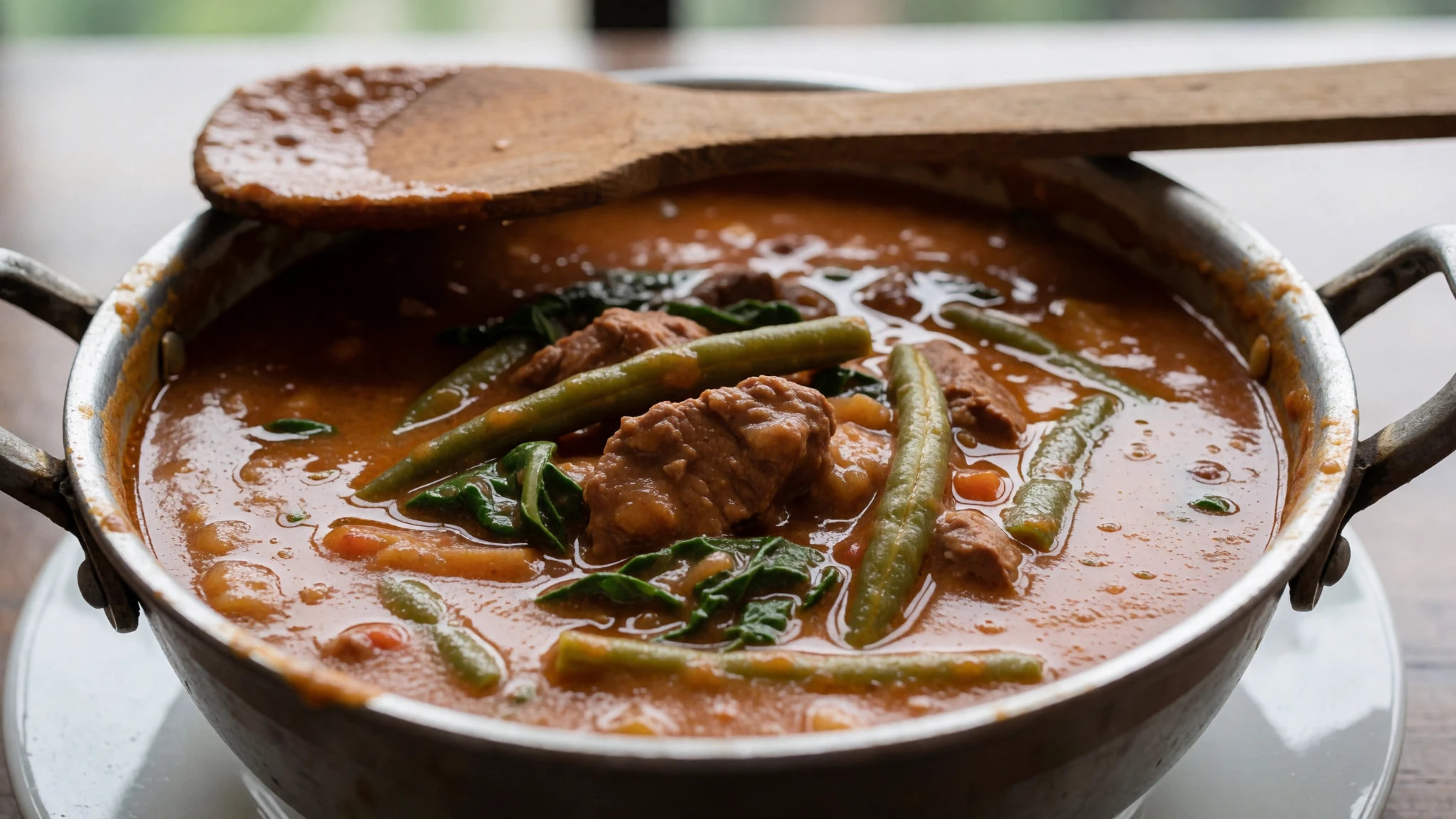
- Rellenitos — street stalls near the morning market
Fried plantain dough wrapped around a sweet black bean filling and dusted with sugar. They are a common snack and are sold warm by street vendors who work near the central streets and the morning market.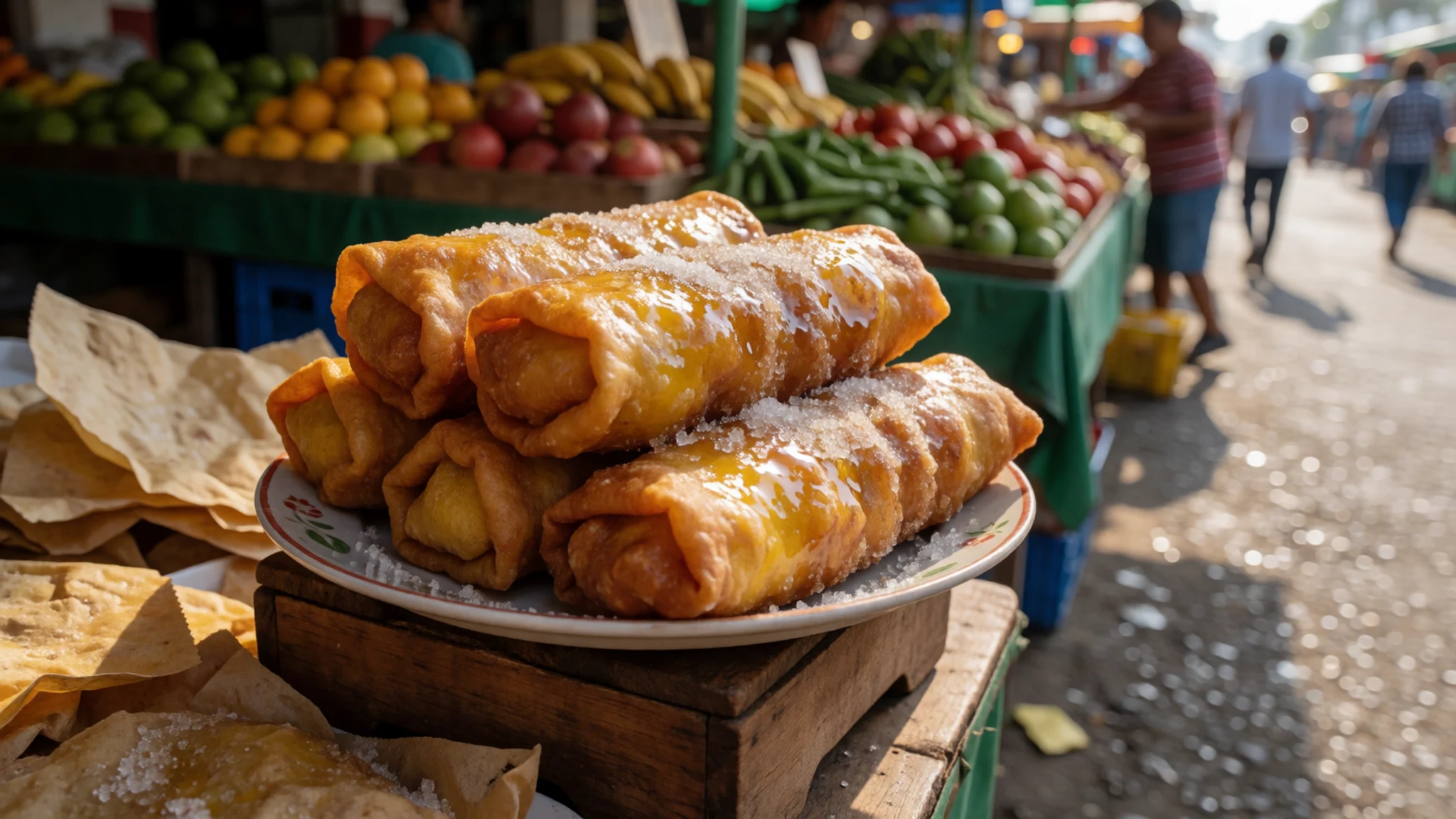
- Desayuno chapín — a breakfast café near Parque Central
The traditional breakfast plate of refried beans, eggs, fried plábano and fresh cheese, with tortillas and coffee. It is filling enough to carry a morning of walking around the ruins. - French-style crêpes — a crêpe café on one of the central streets
Thin crêpes with sweet fillings, a welcome change of pace in a city known for its stews. They suit a late breakfast or an afternoon stop between sights. - Comida casera — a family restaurant hidden behind a corner shop
Home-style lunch plates that change through the day and often include vegetarian options. Locals outnumber tourists at these tables, which makes them a good way to see everyday eating.
Plan it
Best time. November to April is the drier season and the most comfortable for walking, with clear views of the volcanoes. Holy Week in March or April is the busiest and most atmospheric time, and it needs early bookings. The rainy months, roughly May to October, bring afternoon downpours that are often heavy but brief.
How long. 2–3
Getting there. There are no direct commercial flights to Antigua. Fly into La Aurora International Airport in Guatemala City, then take a shuttle van or a taxi; the drive to Antigua takes under an hour.
Budget. mid
Tips
- Book a shuttle from La Aurora ahead of time, especially when several flights land together
- Start walks early, before midday heat and traffic on the cobbles
- Carry cash in quetzales for markets and small shrines, since not every place takes cards
- Reserve accommodation well ahead if you plan to visit during Holy Week
- Pack a light jacket for the cool evenings at this altitude
Etiquette
- Dress modestly when entering churches and convents, and keep your voice low inside
- Ask before photographing people at markets, especially women in traditional dress
- Stay off the ruins and step around roped-off areas and flower carpets
Nearby
Sources
- Wikidata Q212773 (CC0)
- Wikipedia, Antigua Guatemala (rev 1383053796) (CC BY-SA 4.0)
- Wikivoyage, Antigua Guatemala (rev 5399104) (CC BY-SA 4.0)
- Santa Catalina Arch, Antigua Guatemala (Chad Davis), via Wikimedia Commons (CC BY-SA 2.0)
- Antigua Guatemala (Juan Francisco), via Wikimedia Commons (CC BY-SA 2.0)
- Fountain of the Sirens, Parque Central (Esequeandaahí), via Wikimedia Commons (CC BY-SA 4.0)
- Antigua (February 2020) - 94 (Bruno Rijsman), via Wikimedia Commons (CC BY-SA 2.0)
- Antigua (February 2020) - 126 (Bruno Rijsman), via Wikimedia Commons (CC BY-SA 2.0)
- Palacio de los Capitanes Generales (BBCLCD), via Wikimedia Commons (CC BY-SA 4.0)
- Church and convent of the Society of Jesus (Chad Davis), via Wikimedia Commons (CC BY 2.5)
- Church of Our Lady of Carmen, Antigua Guatemala (Konjiki1), via Wikimedia Commons (CC0 1.0)


