Takalik Abaj
Takalik Abaj, Guatemala
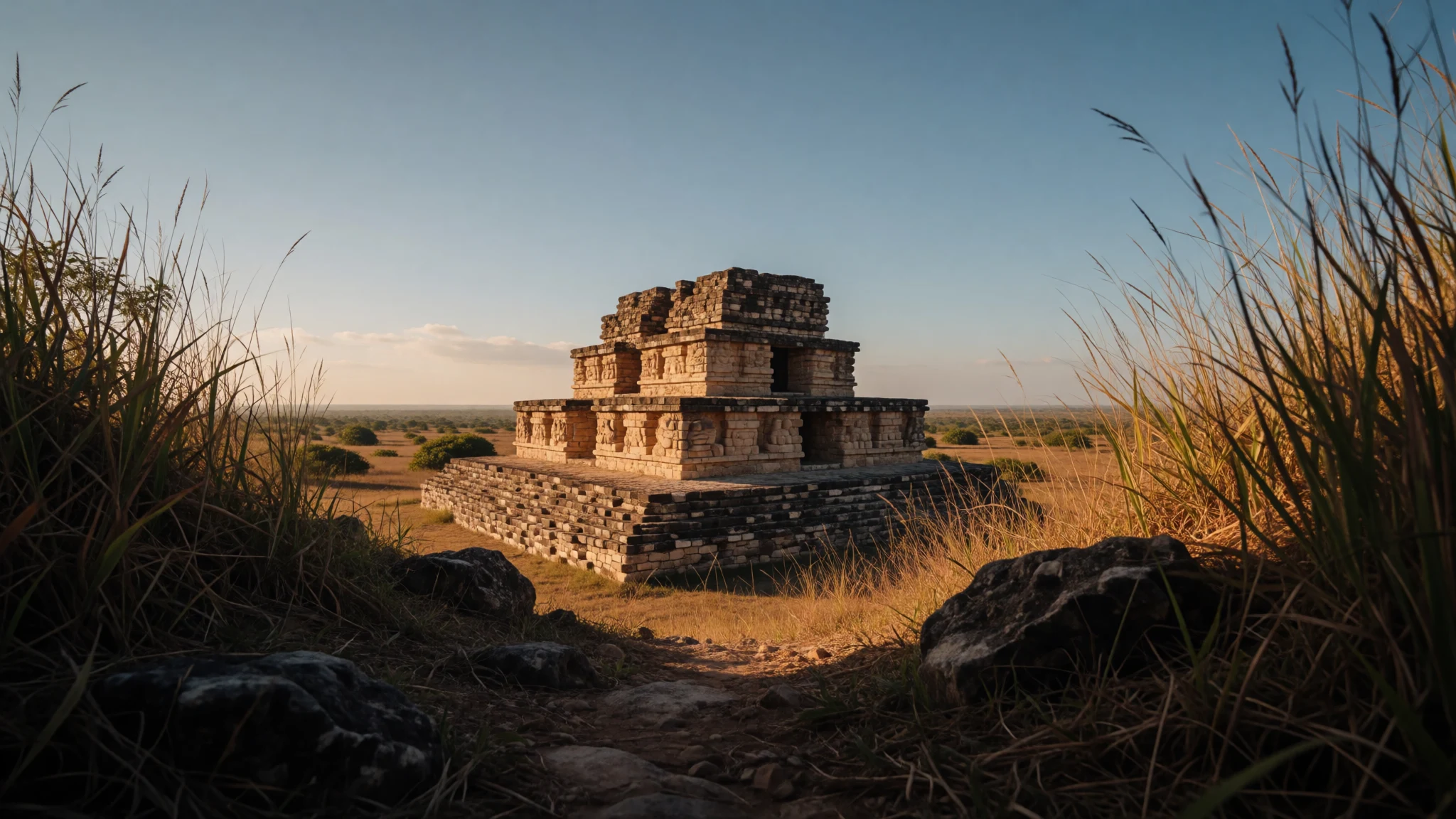
Takalik Abaj is a rare meeting point of Olmec and Maya worlds, where stone monuments and early inscriptions sit in open-air ruins.
The place
Takalik Abaj (Tak’alik Ab’aj) is a pre-Columbian archaeological site in Guatemala, set on the Pacific coastal plain. The place feels less like a single “attraction” and more like a landscape of history: low stone work, carved monuments, and stretches of excavation that make it clear this was a working centre, not just a ceremonial stage. It’s known for having both Olmec and Maya traits, which is part of why researchers keep coming back.
The site’s significance is also practical. Takalik Abaj was a commercial and cultural hinge, trading along networks that reached far beyond the immediate region. That shows up in the material record, from the styles of sculptured stone to the kinds of objects deposited in different periods.
What stands out on the ground is how the architecture and sculpture look like they’ve been layered over time. The early flourishing sits in the middle of the Preclassic era, and occupation continues across the Preclassic and Classic periods, with later changes that still preserve a strong sculptural tradition. Excavations are ongoing, so not everything is “finished” in the polished sense—what you get instead is a living archaeological story.
For visitors, the appeal is the mix: monumental stonework paired with quieter corners where the ground itself hints at past movement. Expect a warm, outdoor walk where shade is limited, and plan around heat rather than opening hours.
Its story
Takalik Abaj has a long settlement rhythm, with its main occupation running from the Middle Preclassic down into the Postclassic. The earliest occupation is thought to begin around the end of the Early Preclassic, and then the site gathers momentum during the Middle to Late Preclassic, when construction activity becomes much more visible.
A useful way to think about Takalik Abaj is as a place that held on to local identity while still absorbing outside influences. The ceramic evidence is a clear example: a local style called Ocosito stays in use for a long stretch, and its footprint extends across multiple nearby areas. Over time, different traditions start to appear intermixed, showing shifting connections rather than a simple “one culture replaces another” story.
Olmec and Maya features are both part of the same archaeological conversation here. The stone record includes Olmec-style sculptures such as a possible colossal head and various carved elements, while Maya-era developments bring royal burials and hieroglyphic inscriptions that are among the earliest known in the Maya region. Later, contact signals also point towards distant places in central Mexico; finds suggest ties with Teotihuacan and raise the possibility that Takalik Abaj was influenced, conquered, or allied through those broader political networks.
The net result is that Takalik Abaj doesn’t feel like a “single moment in time”. It feels like a long-running hub—an evolving centre where trade routes, artistic styles, and rulers’ statements all left stone and soil evidence behind.
What to see
- Open-air museum structures (Structure 12) — Takalik Abaj open-air museum zone
Open-air stone architecture at Takalik Abaj helps visitors read the site as built space, with carved and finished surfaces set among excavated ground. The setting makes it easy to connect monuments with the wider layout.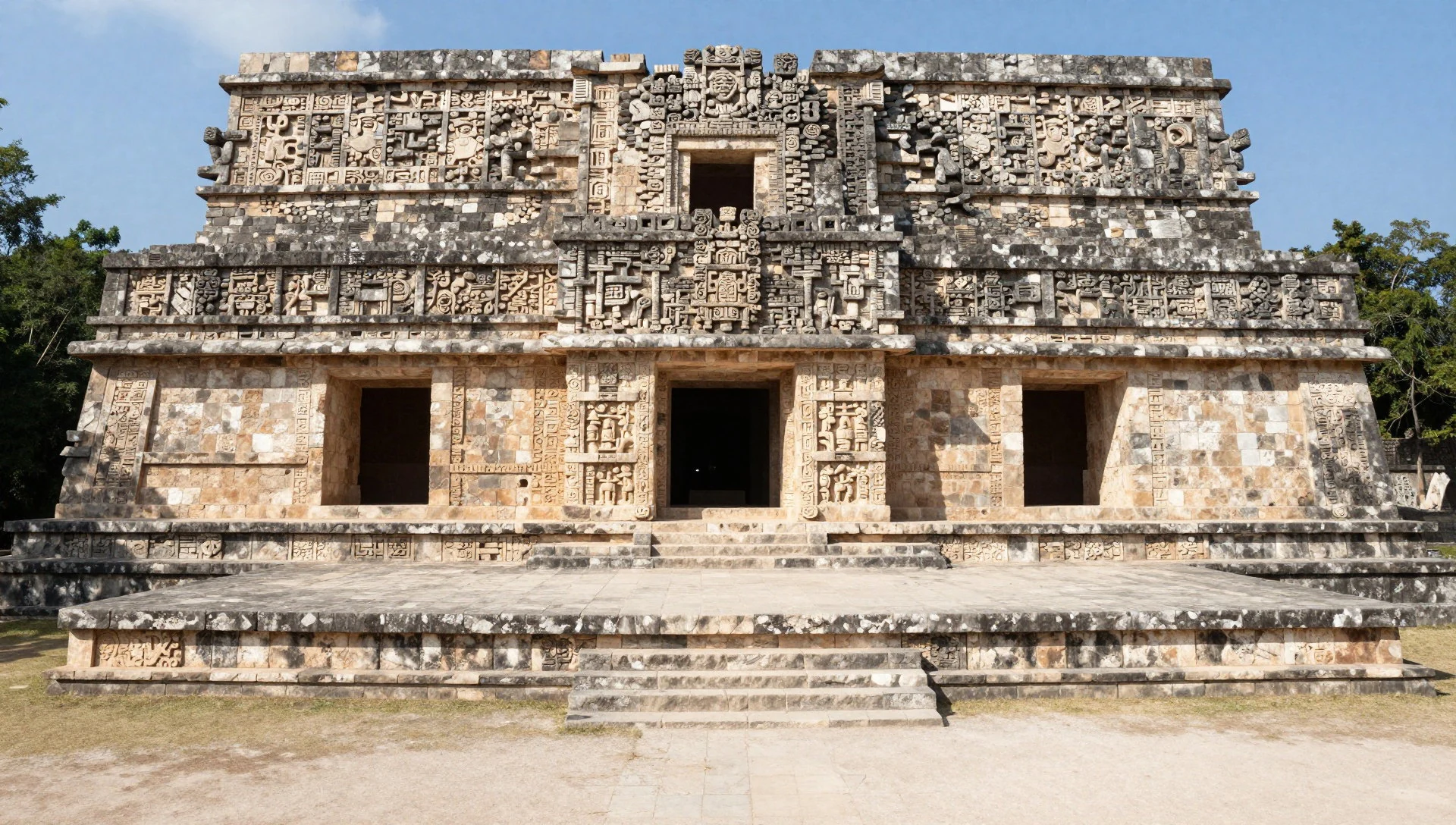
- Ballcourt excavations — Ballcourt area
The ballcourt area is where you can feel everyday ritual and sport made physical through architecture. Look for the shaping of the court space and the excavation context, which explains how the playing ground was set into the site’s longer story.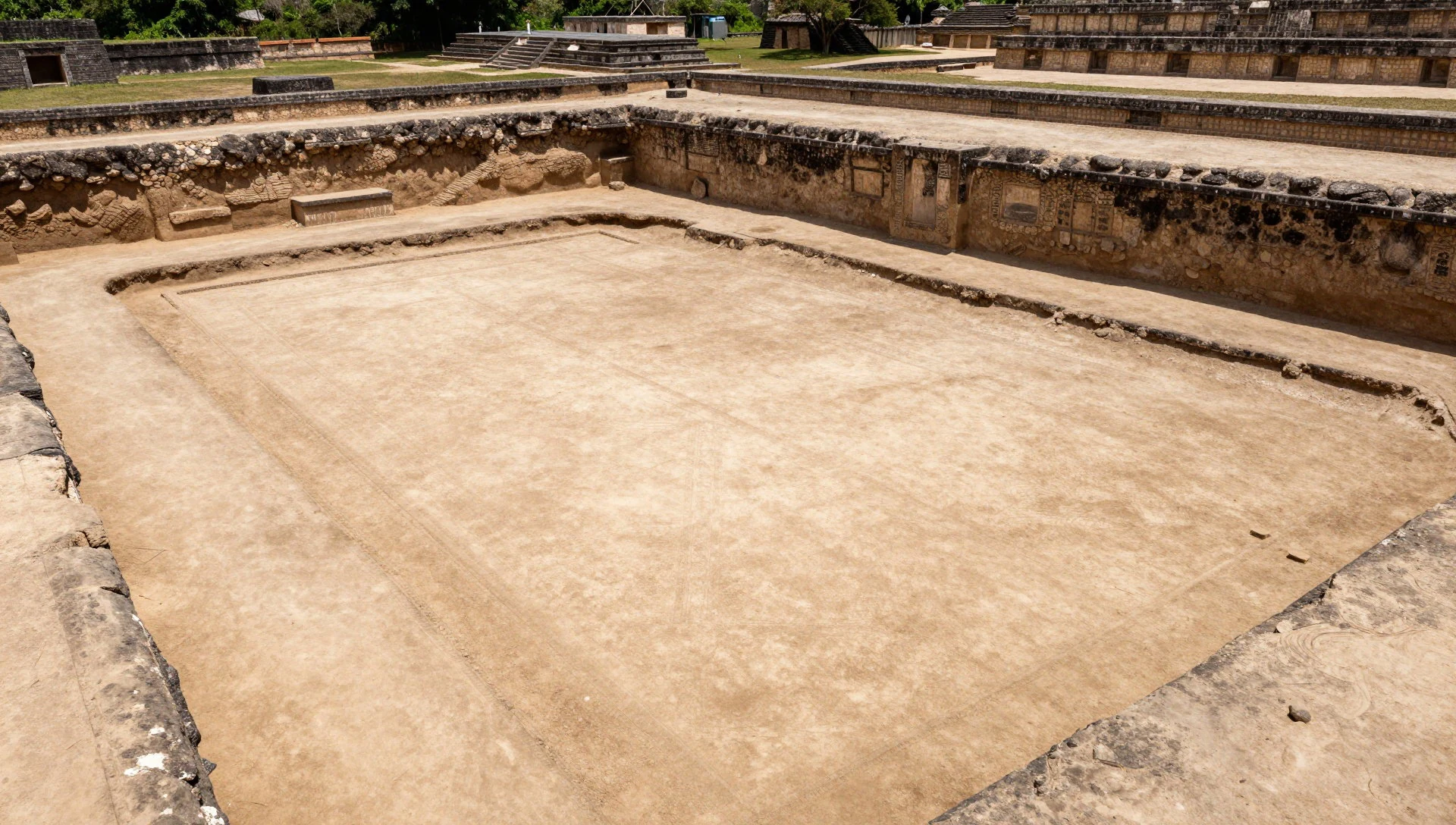
- Carved stone and monumental sculpture zones — Monument and sculpture precinct
Carved monuments are the signature of Takalik Abaj, including Olmec-style sculpture alongside later Maya sculptural traditions. Spend time with the stone surfaces and alignments—this is where the site’s political and artistic messaging becomes visible.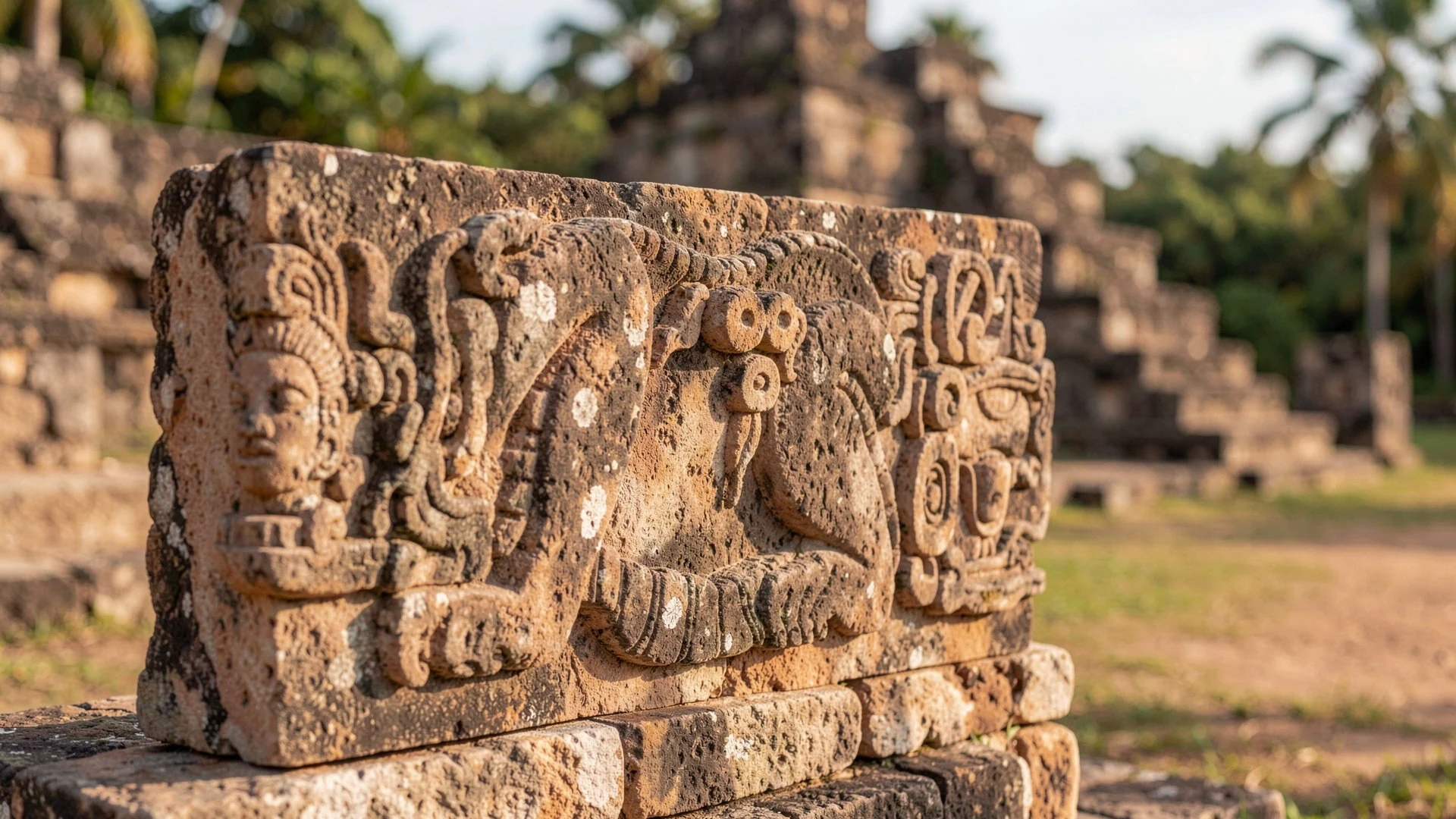
- Obsidian finds (material history) — Finds and excavation display areas
Obsidian artefacts bring the commerce angle into focus, because they point to exchange networks and how valuable materials moved through the region. Seeing the prismatic blade and core-like pieces helps connect trade to daily practice at the site.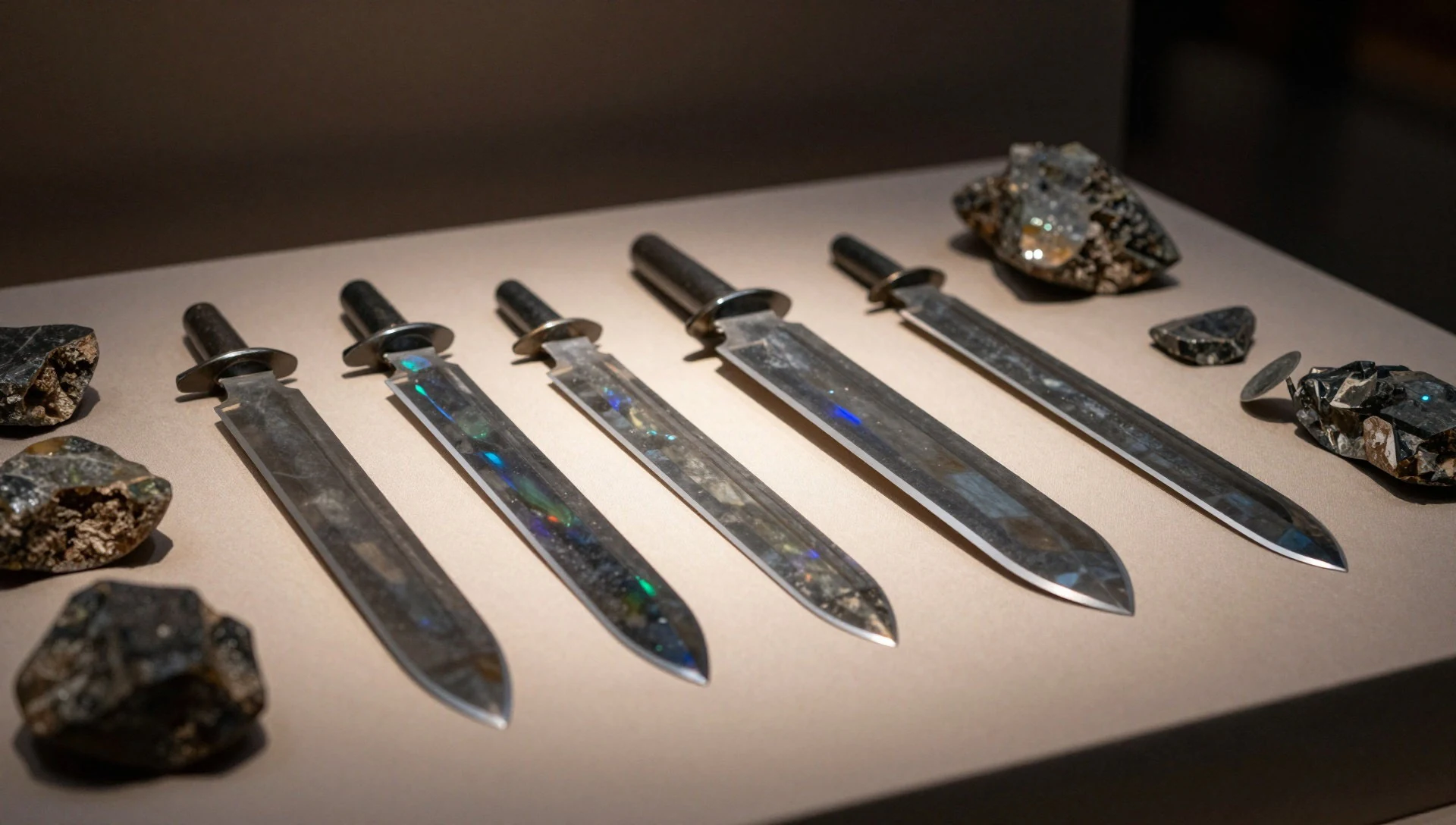
- Drainage lines and site engineering — Engineering and drainage features
Long drainage channels and engineered features show that Takalik Abaj wasn’t just built and forgotten; it was maintained. These quiet stone details help explain how water was managed across the landscape, supporting a settlement over centuries.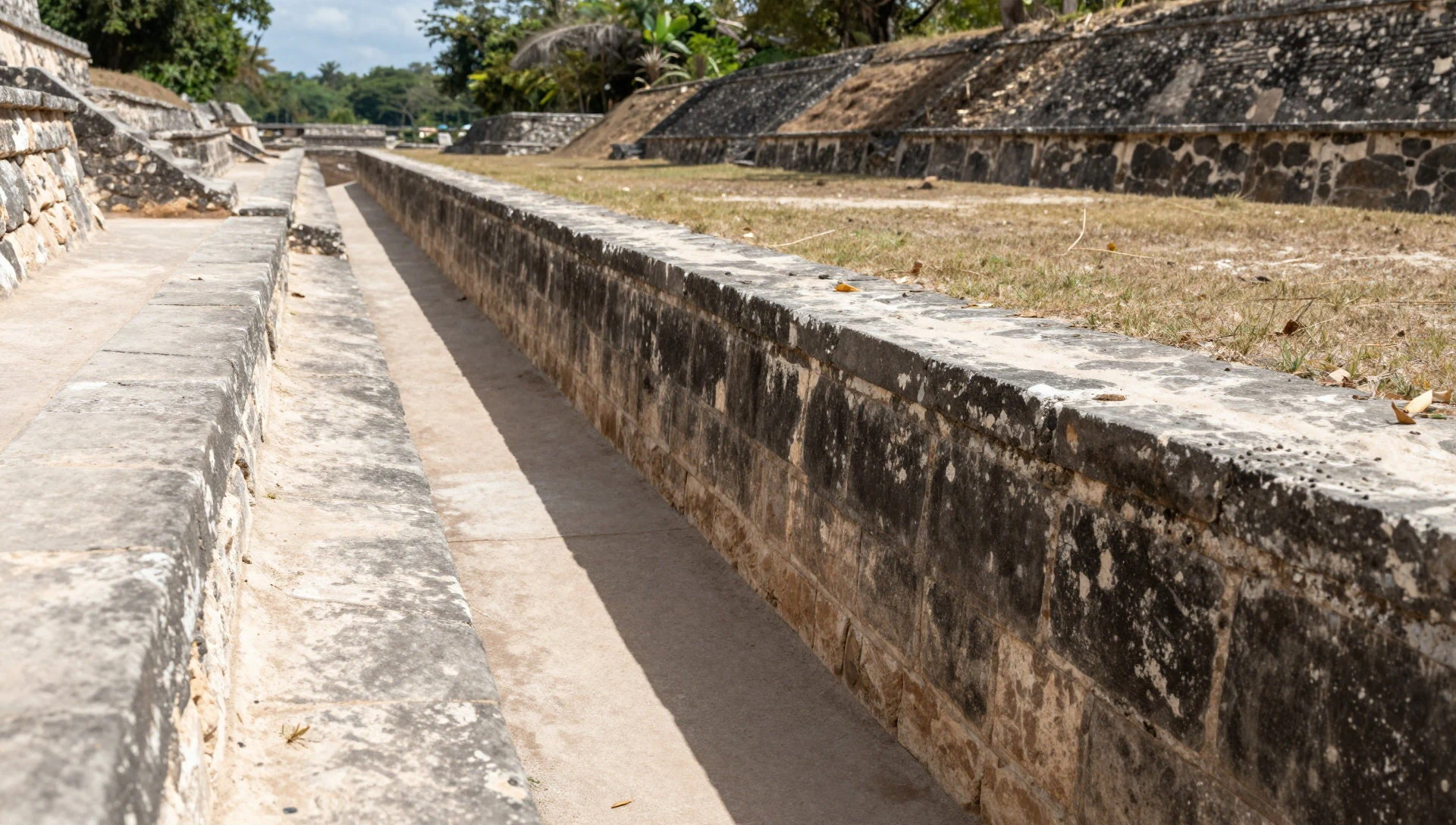
Culture
At Takalik Abaj, manners are largely those you’d use across Guatemala: be respectful, formal with people you don’t know, and keep your tone calm. You’ll often hear greetings that go beyond casual “hi”, including buenos dias in the daytime and feliz noche or buenas noches at night; in more suburban and rural areas, formal greeting is a normal part of first contact.
Photography rules matter too, especially in countries where communities may have strong reasons to protect privacy. If a visit brings you into contact with children and/or women in indigenous or local contexts, avoid taking photos without explicit permission; it can be misunderstood and cause real distress.
Inside the archaeological landscape itself, treat excavated ground like it’s part of a working site, not a scenic lawn. Stay on allowed paths, don’t touch loose stones or low carvings, and keep voices low so guides can speak without shouting over everyone. Also remember that it’s an outdoor walk in a warm region, so plan pacing—arriving in the cooler parts of the day makes respectful listening easier.
Visitor etiquette: Ask before photographing people, and follow marked paths without stepping into excavations.
What to wear
Takalik Abaj is an outdoor archaeological visit in Guatemala, so clothing needs to handle heat, sun, and dust, while still being respectful. Traditional clothing varies by community and occasion, but for most visitors the key is to dress for a long walk: lightweight breathable layers, a hat, and long sleeves if the sun is intense.
What people wear now tends to be practical—t-shirts, lightweight trousers or skirts, and comfortable footwear for uneven ground. For a visitor, the smart choice is closed-toe shoes with grip (the ground can be rocky around monuments), plus socks to keep blisters down.
If the trip includes nearby villages or any religious or community stops, go a step more modest: shoulders covered and clothing that doesn’t sit too high on the legs is a safer default. Avoid overly flashy outfits that draw attention, and bring a small layer for mornings or breezier stretches.
In short: keep it light, cover up where the sun is strong, and wear sturdy footwear—especially because archaeological surfaces and paths can be uneven.
What to eat
- Pepián — Local restaurants in Guatemala towns
Pepián is a Guatemala-style stew that’s commonly served with rice and can feature meat and rich, spiced flavours. It’s a typical order at local eateries in towns leading to or around the tourist route.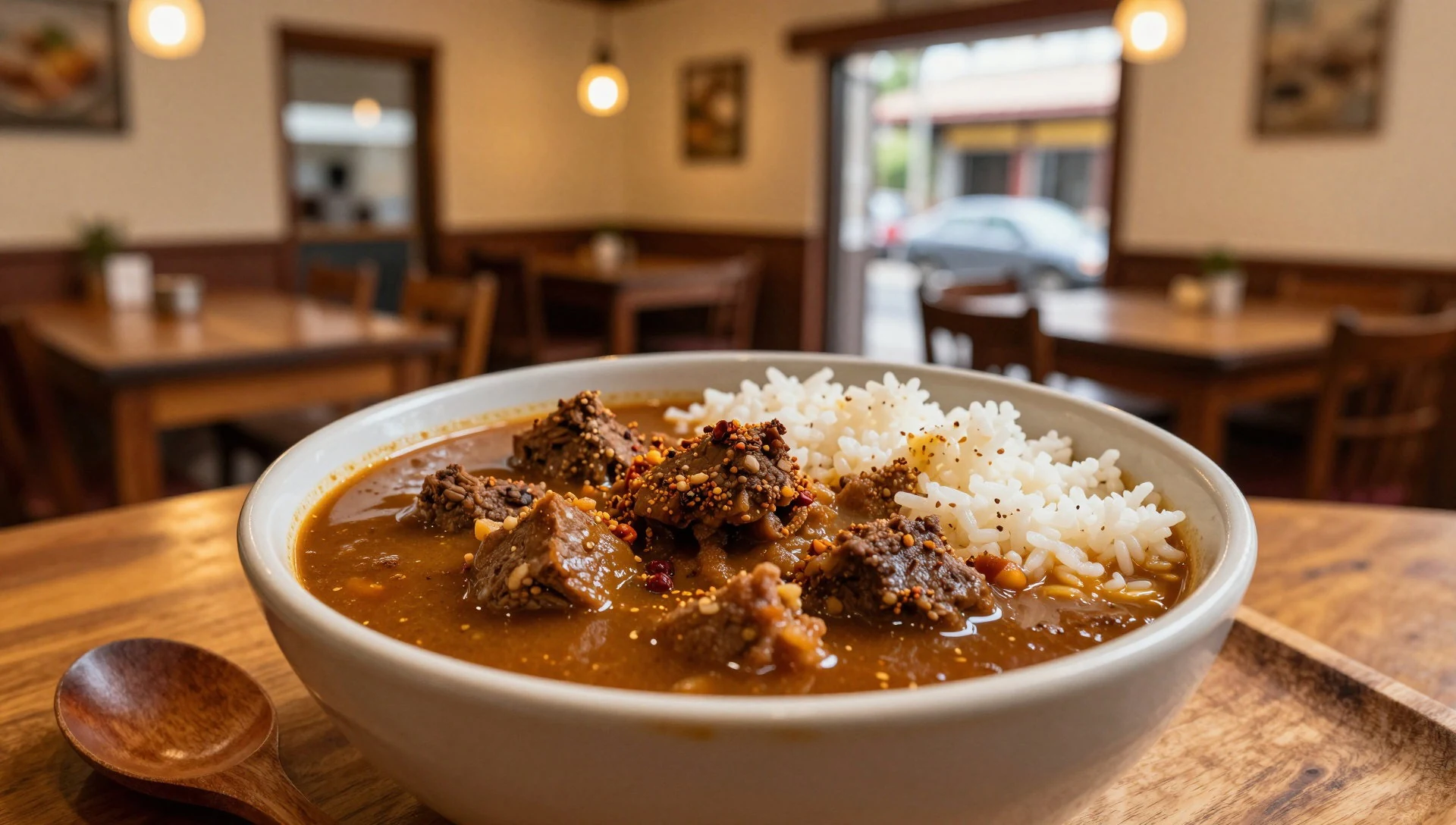
- Kaq Ik — Regional eateries serving traditional Guatemalan food
Kaq Ik is a traditional dish known for its hearty, brothy base and distinctive flavour profile. It’s easiest to find in places that serve more regional Maya-influenced cooking rather than generic tourist menus.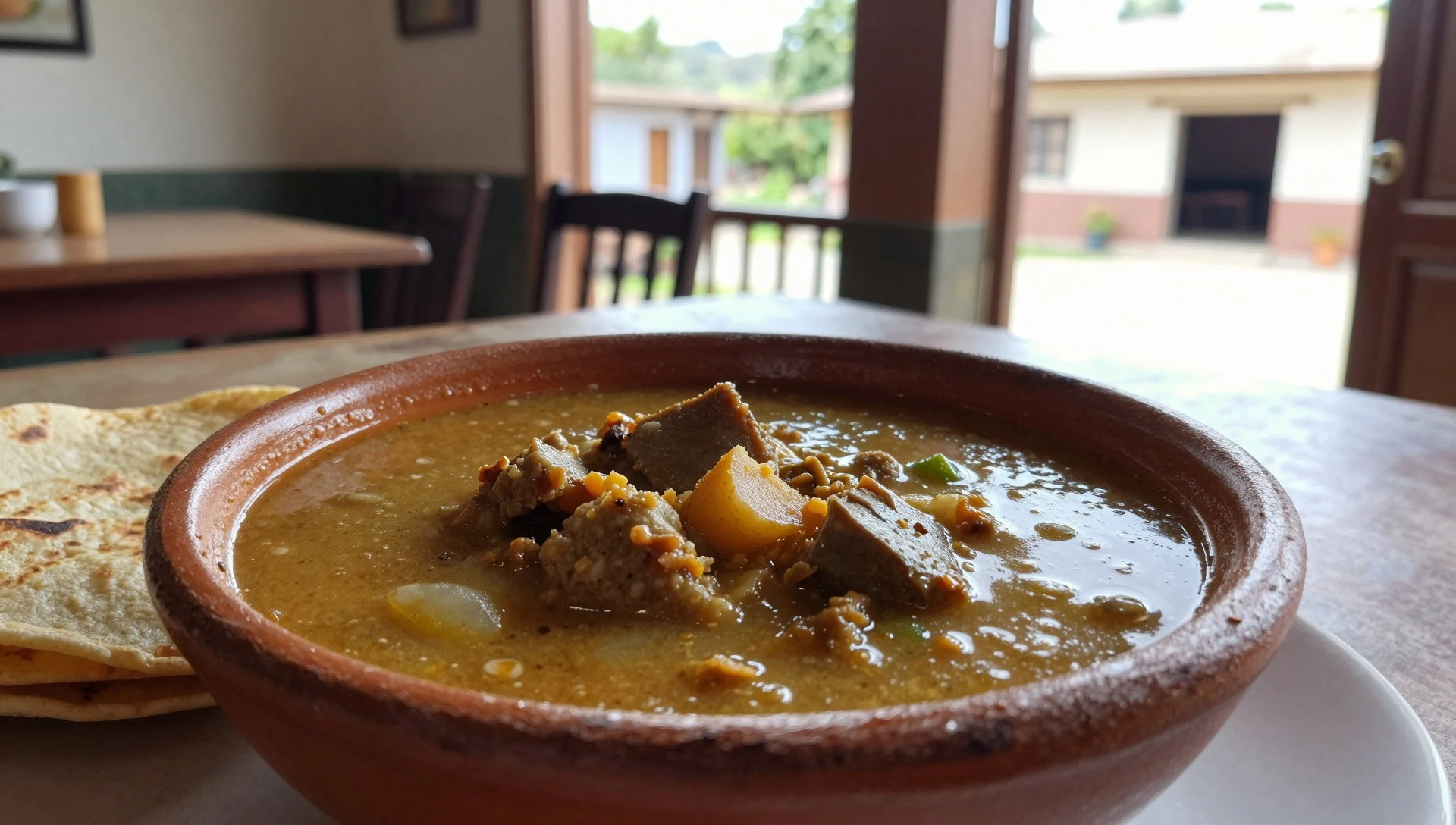
- Caldos (beef broth) — Comedores and neighbourhood restaurants
Caldos are beef broths—comfort food when the day feels warm but you want something filling. Look for them at small comedores and simple restaurants, often alongside tortillas and rice. - Tamales — Markets and street food stalls
Tamales are steam-cooked corn-based parcels, commonly wrapped in banana leaves with different fillings. They’re a good travel snack for days spent moving between sights and can be found at food stalls and markets. - Frijoles negros (stewed black beans) — Most local eateries for breakfast or lunch
Frijoles negros are stewed black beans, usually eaten as part of a larger plate with rice and tortillas. They’re a dependable option wherever you find basic breakfast and lunch sets. - Tortillas (maize tortillas) — Everyday eateries and food counters
Maize tortillas show up with most meals, whether breakfast or dinner. Expect them as the everyday base for eating stews and beans, and look for them at almost any place that serves traditional home-style food.
Plan it
Best time. The most comfortable months are January–February and November–December: they’re cooler by daytime highs (about 30–31°C) and much drier (roughly 7–73 mm of rain in those months). March–June and September–October are much wetter, with the heaviest rain in June–October, and you’ll feel the humidity more, so pack for downpours and plan around rain breaks rather than midday shade.
How long. 2–3
Getting there. Fly into Guatemala City (La Aurora International Airport), then take the road transfer to the Pacific-side region for the last leg to Takalik Abaj. Use a local driver for the final approach and check pickup details the day before departure.
Budget. mid
Tips
- Start early in the day to avoid the strongest sun and to move through the site while it’s cooler
- Carry water and a light sun layer; shade can be limited among exposed stonework
- If time allows, hire a local guide for context—sculpture and hieroglyphic storytelling land better with explanation
- Bring some cash for small purchases at nearby towns
- Wear shoes with grip for uneven surfaces and slippery patches after rain
Etiquette
- Keep to marked paths and avoid stepping into excavated areas or disturbing loose stone
- Do not photograph children and/or women without explicit permission
- Be formal and respectful when greeting people you don’t know
Nearby
Sources
- Wikidata Q1509537 (CC0)
- Wikipedia (rev 1378715831) — Takalik Abaj (CC BY-SA 4.0)
- Wikivoyage (rev 5413129) — Guatemala (CC BY-SA 4.0)