El Mirador
El Mirador, Guatemala
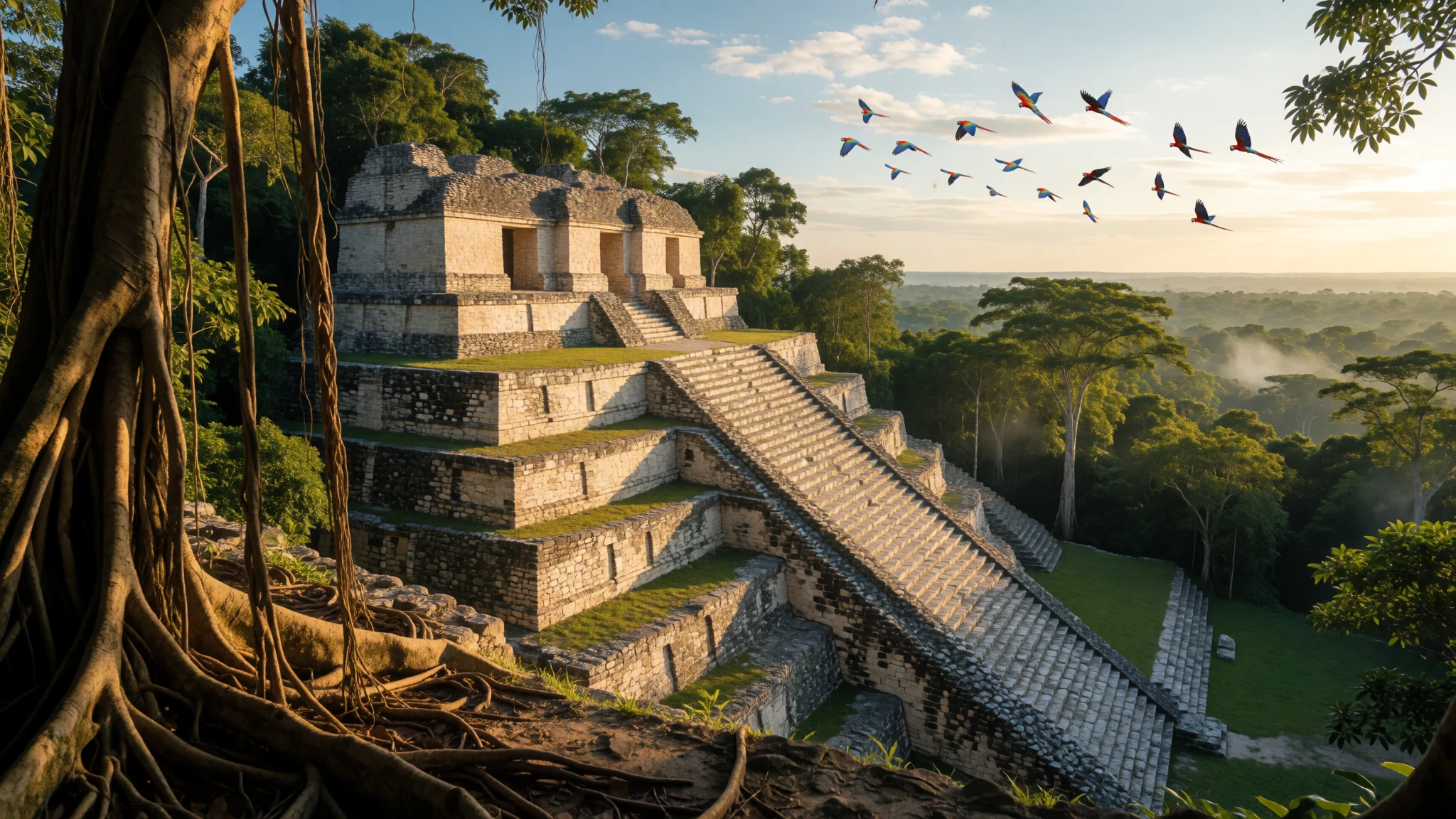
Deep in the northern Guatemalan jungle lies El Mirador, a vast pre-Columbian settlement featuring some of the most colossal pyramids ever built.
The place
El Mirador rests quietly within the dense tropical forests of northern Guatemala, tucked inside a vast karstic basin near the Mexican border. Translating roughly as the viewpoint or lookout, the settlement comprises an immense cluster of ruins that date back millennia. Rather than a single cleared monument, the location spans a massive area filled with countless forest-covered mounds, hidden courtyards, and overgrown plazas that once served as a major political hub for the early Maya. Reaching the site requires an expedition through the remote wilderness, involving multi-day journeys on foot or by mule across seasonal swamps and dense woodland. Because there are no roads leading directly to the ruins, the journey itself defines the experience, filtering out casual day-trippers and leaving the mossy courtyards remarkably quiet. Visitors find themselves surrounded by towering trees, loud howler monkeys, and ancient stone architecture that has only partially been uncovered by archaeologists. The environment is hot, humid, and entirely wild, offering a rare glimpse into a monumental past swallowed completely by nature. Walking among the silent mounds gives a genuine sense of remote discovery, far removed from modern infrastructure and conventional tourist routes.
Its story
El Mirador experienced its primary golden age long before many other famous regional capitals reached prominence. Founded centuries before the common era, the community expanded rapidly, supported by an ingenious agricultural system that utilized nearby seasonal swamps known as bajos. Workers hauled thousands of tonnes of rich mud from these depressions to create raised terrace fields, enriching the poor forest soil with lime and organic matter to cultivate maize, beans, and squash on a grand scale. Monumental stone architecture rose across the urban core, featuring massive public plazas, wide ceremonial roads, and characteristic triadic temple platforms topped by three distinct summit structures. Following centuries of flourishing culture and trade, the settlement suffered a prolonged hiatus and partial abandonment before experiencing a modest resurgence in later eras. By the end of the first millennium, however, the location was largely abandoned to the encroaching jungle. Modern explorers and archaeologists gradually brought the ruins back to international attention, revealing an extraordinarily sophisticated society that predated classical dynastic kingdoms by generations while engineering elevated transport networks that connected dozens of satellite settlements across the northern Petén basin.
What to see
- The Danta Complex — Eastern sector of the archaeological zone
The Danta Complex stands as the most towering architectural achievement at El Mirador, featuring a massive sequence of broad artificial platforms rising high above the jungle canopy. Visitors climb tiered stone bases through dense vegetation to reach the summit pyramids, where expansive views stretch entirely across an endless horizon of unbroken green forest and distant ruined mounds.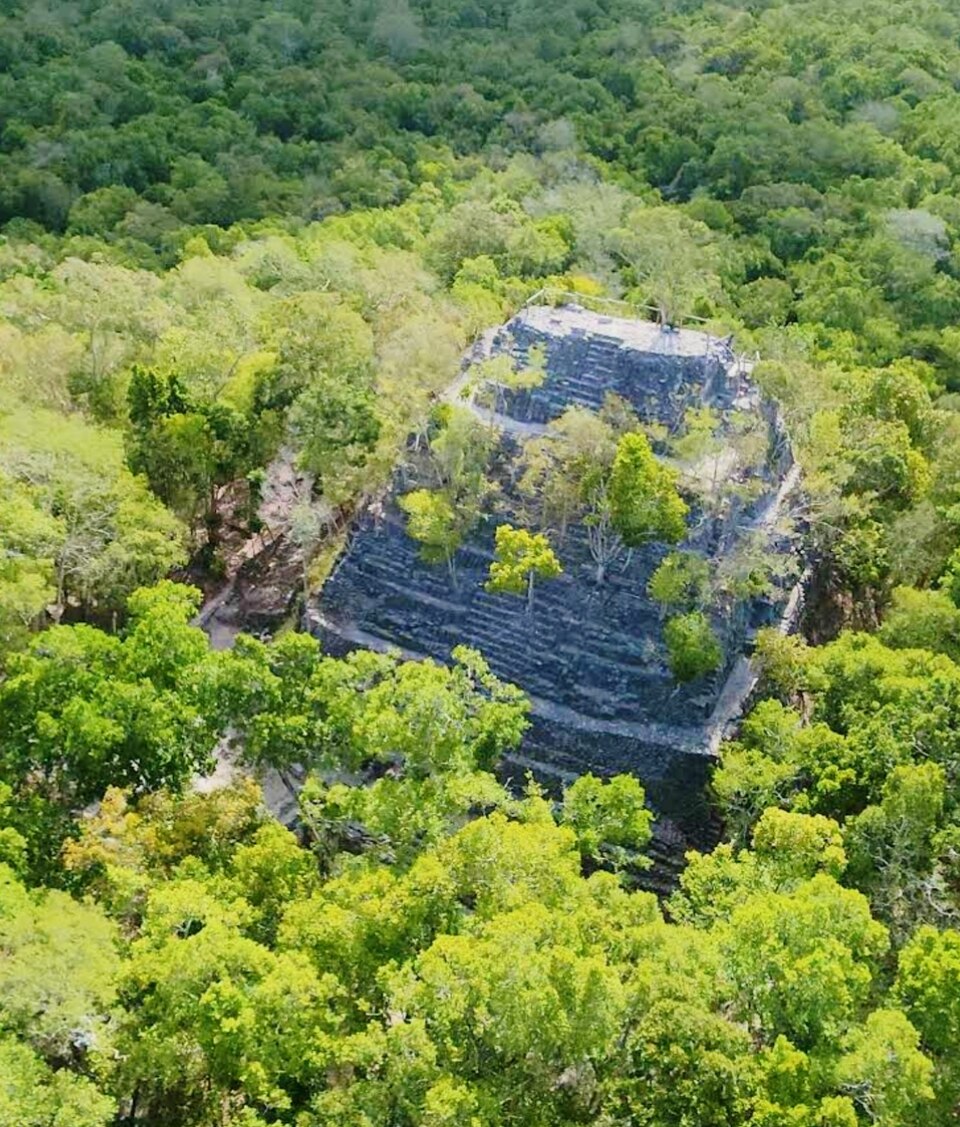
- El Tigre Pyramid — Western sector of the archaeological zone
El Tigre dominates the western urban sector of El Mirador as a monumental triadic structure with immense surface area and steep stone flanks. Climbing to the top requires steady footing along rugged earthen paths, rewarding hikers with panoramic vistas over the surrounding basin and neighboring forest canopies where unexcavated mounds slumber beneath the trees.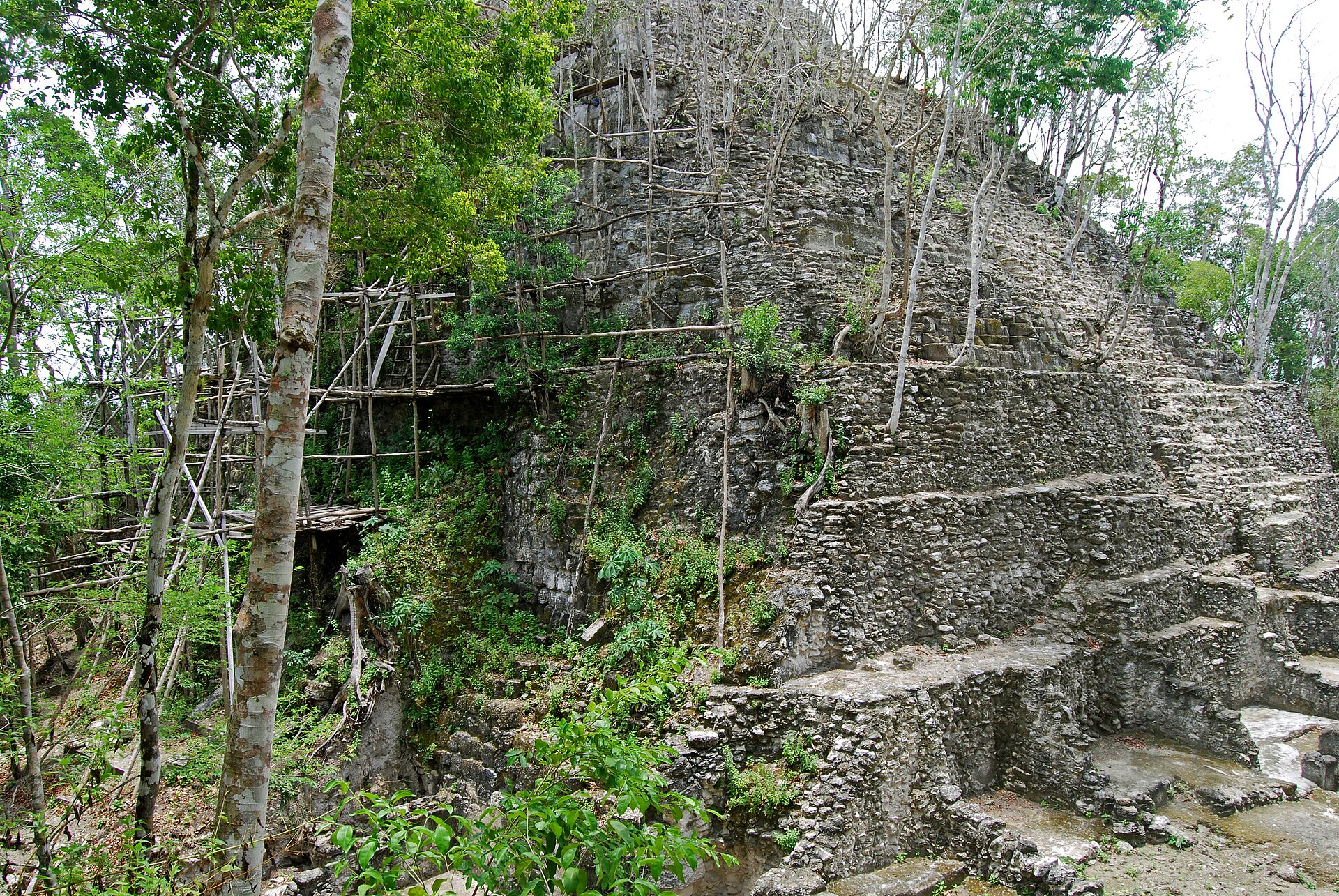
- Jaguar Paw Temple — Central urban precinct
Jaguar Paw Temple offers a rare look at stabilized masonry and detailed sculptural work within El Mirador, showcasing exposed walls and artistic remnants that contrast with the surrounding overgrown mounds. Careful excavation here has revealed intricate plaster facades and ancient stone reliefs that highlight the refined craftsmanship of the early inhabitants.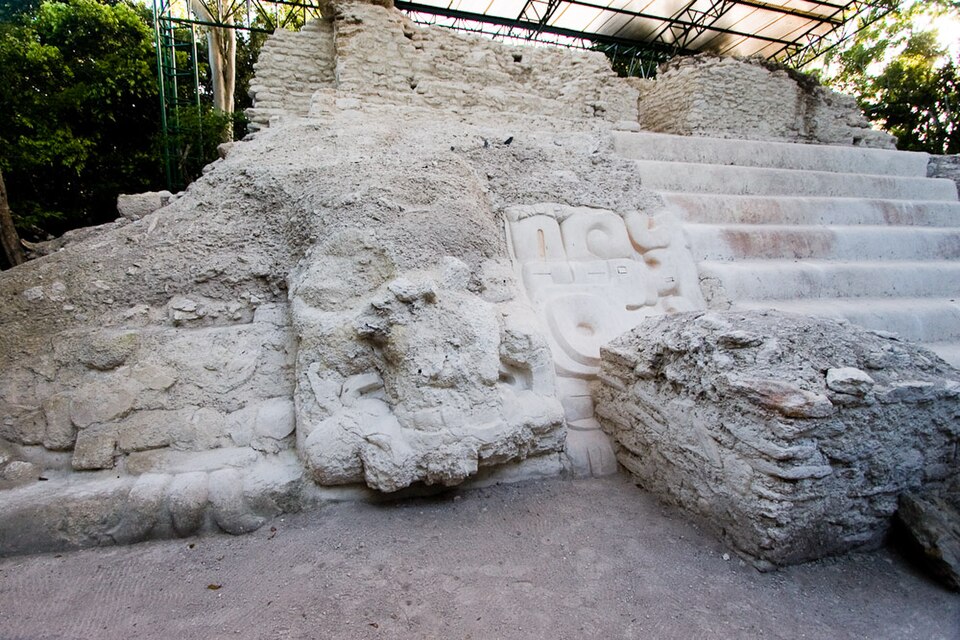
- Carved Stone Reliefs — Throughout the central plazas and structural facades
Carved stone reliefs scattered across various structures at El Mirador depict mythical figures, ancient deities, and legendary narratives from early Mesoamerican tradition. These weathered stone carvings offer fascinating insights into the spiritual beliefs and artistic expressions of the builders who shaped the urban landscape during its earliest centuries of growth.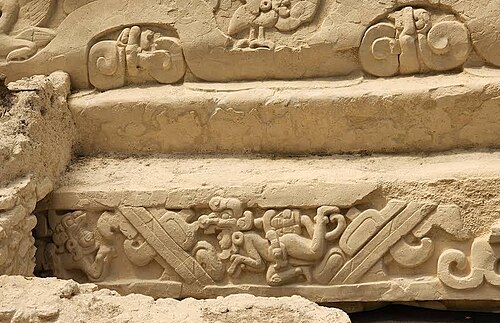
- The Bajo Causeway — Northern approach through the regional forest
The Bajo Causeway represents an extraordinary engineering feat at El Mirador, forming part of a vast network of elevated limestone roads that once connected regional settlements. Walking along these ancient elevated pathways reveals how builders managed difficult seasonal wetlands to maintain steady communication and trade throughout the dense northern territory.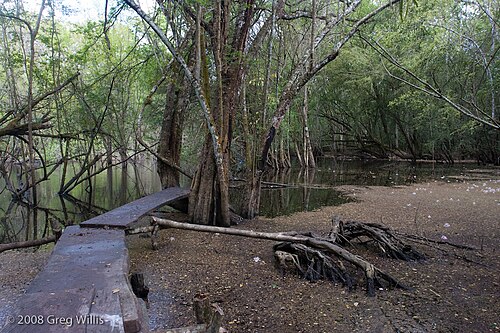
Culture
El Mirador sits within a deeply traditional region of Guatemala where rural communities maintain close ties to the land, forestry cooperatives, and ancestral heritage. The local villages that support expedition tourism rely heavily on sustainable forestry, guided mule trains, and respectful stewardship of the surrounding protected biosphere. Visitors are welcomed with genuine warmth by camp cooks, muleteers, and guides who take immense pride in sharing their knowledge of the jungle wilderness and safeguarding travellers along difficult forest trails. Social interactions emphasize patience, courtesy, and quiet appreciation for the remote environment, far removed from urban rush. Community members work collaboratively to ensure safe passage, preparing hearty communal meals over open flames and sharing stories around camp after sunset. When visiting El Mirador, always respect local wildlife and carry out every piece of rubbish you bring into the jungle to protect the fragile rainforest ecosystem.
What to wear
El Mirador visitors and local guides dress entirely for practicality, durability, and intense tropical heat. Local residents in surrounding staging villages typically wear sturdy everyday utility clothing, including durable trousers, cotton shirts, and protective hats suited for long hours working outdoors or handling livestock. For travellers tackling the multi-day jungle trek, lightweight, breathable fabrics that wick moisture are essential, alongside long sleeves and trousers to guard against aggressive insects, sharp thorns, and abrasive brush along narrow forest trails. Sturdy, broken-in hiking boots are non-negotiable for navigating muddy terrain, uneven roots, and slippery limestone paths. A wide-brimmed hat, polarized sunglasses, and a waterproof shell jacket round out the standard field kit, ensuring comfort through sudden rain showers and blazing sunshine alike.
What to eat
- Camp Expedition Stews — Base camps set up near the El Mirador archaeological site
Camp expedition stews are hearty, comforting dishes prepared over open fires by camp cooks travelling with trekking groups, combining beans, rice, and available proteins to nourish hikers after long days on the trail. - Fresh Corn Tortillas — Community dining tents and expedition base camps
Fresh corn tortillas accompany every meal on the trek, pressed by hand and toasted on hot metal griddles over wood fires to provide an essential source of energy throughout the journey. - Trail Snacks and Granola Bars — Carried in personal backpacks during the multi-day hike
Trail snacks and granola bars are vital energy boosters packed individually by hikers to supplement camp meals and maintain stamina during long, humid hours of walking through the dense forest. - Hot Chocolate and Coffee Mixes — Expedition camp kitchens during morning departures
Hot chocolate and coffee mixes provide comforting warmth on chilly jungle mornings before sunrise, offering a welcome alternative to instant coffee around the early campsite fire. - Purified Drinking Water — Carried in canteens and refilled at camp water stations
Purified drinking water is supplied in generous quantities by expedition outfitters throughout the trek, absolutely essential for staying hydrated in the sweltering jungle heat.
Plan it
Best time. March and April offer the driest weather conditions for tackling the overland trek, while the rainy season brings muddy trails and challenging footing.
How long. 4–5
Getting there. Travel to Flores or Santa Elena, then take transport to the village of Carmelita where guided mule expeditions depart for the multi-day jungle trek to El Mirador.
Budget. mid
Tips
- Arrange your guided expedition in advance through reputable agencies in Flores or directly with cooperatives in Carmelita
- Pack extremely light, keeping your personal duffel compact enough to qualify as airline carry-on luggage
- Keep a reliable headlamp handy in your pocket at all times for navigating camp paths after dark
- Bring plenty of personal snack bars and extra protein supplements as camp meals can be basic
Etiquette
- Carry out every single piece of rubbish you bring into the protected biosphere reserve
- Respect local guides and mule handlers whose expertise and labour make the remote journey possible
Nearby
Sources
- Wikidata Q504904 (CC0)
- Wikipedia (rev 1379318269) (CC BY-SA 4.0)
- Wikivoyage (rev 5045297) (CC BY-SA 4.0)