Catalina Island
Catalina Island, United States
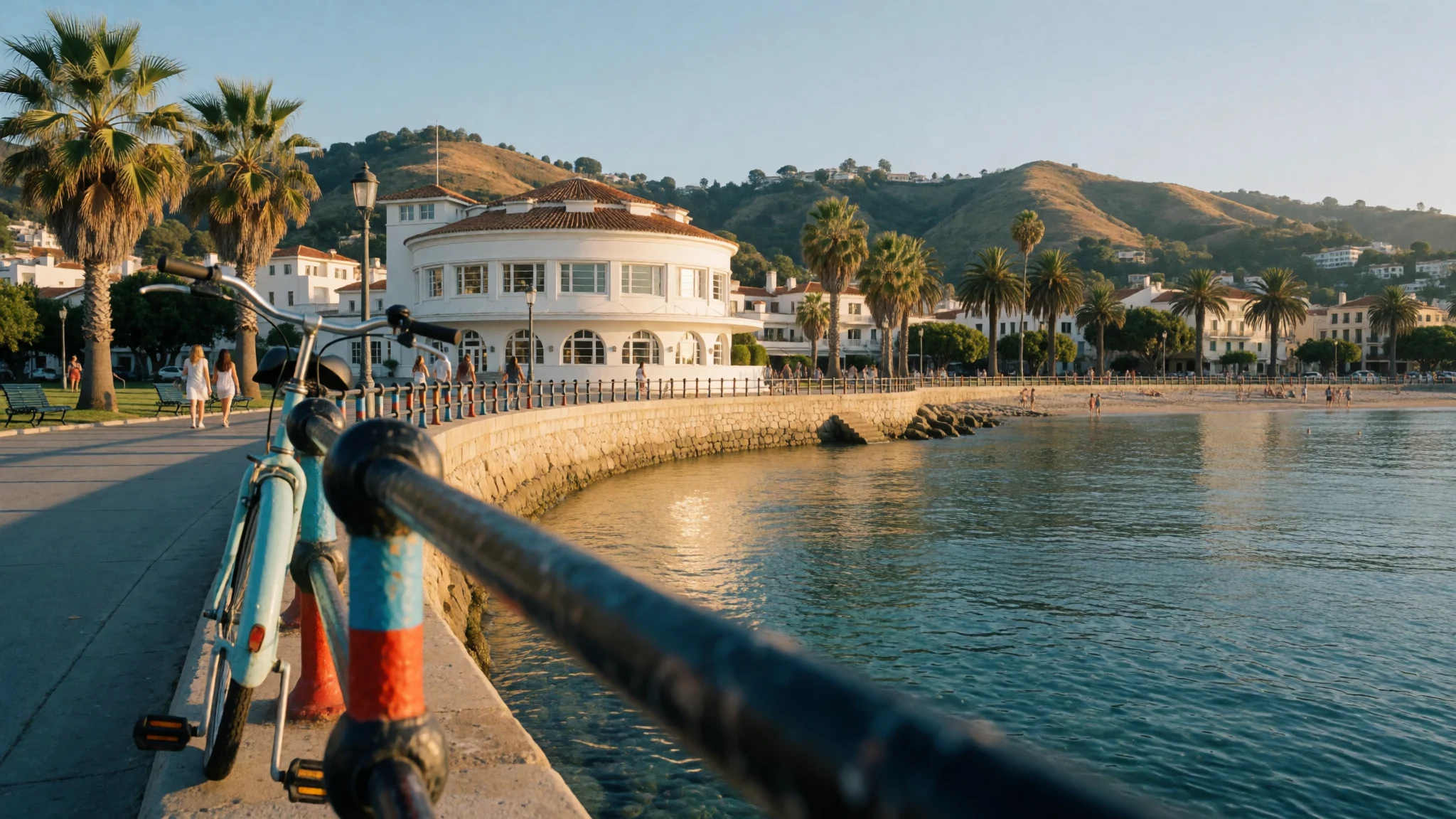
Catalina Island offers a small seaside town, clear water for snorkelling and a wild interior of bison and ridges, just off Southern California.
The place
Catalina Island, formally Santa Catalina Island, lies in the Pacific off Southern California, one of the Channel Islands and administratively part of Los Angeles County. It is a long rocky ridge, about 35 km from end to end and roughly 13 km across at its widest, topped by Mount Orizaba at 639 metres. Long Beach on the mainland is about 47 km away, close enough to glimpse on clear days but far enough to make the crossing a real sea journey.
Most of the roughly 4,100 residents live in Avalon, the one incorporated city, a compact seaside town curled around a bay, with a round Casino building on the point and golf carts crowding the lanes behind. A second, much smaller village sits on the narrow isthmus to the west, near coves, youth camps and campsites. Rancho Escondido and Middle Ranch are minor settlements.
Beyond the towns the island changes character. Much of the land is managed as a conservation area by the Catalina Island Conservancy, so the hills stay open and largely unbuilt, crossed by dirt roads and trails. Bison, descended from animals shipped over for a 1920s film shoot, graze the interior, while the clear water offshore draws snorkellers, divers and glass-bottom boat trips.
Catalina works best when treated as two places: a sociable, busy waterfront, and a dry, wind-brushed backcountry reached by tour, permit or boot leather. Summer weekends bring heavy crowds.
Its story
Catalina Island's human story begins early, with archaeological traces of settlement from around 7000 BC. The Tongva, who called the island Pimu, lived in villages across it, the largest at the isthmus and on the site of present-day Avalon. Soapstone was the island's great export: quarried and worked here, it travelled along the California coast in trade. Mainland communities, including Povuu'nga near modern Long Beach, treated Pimu as a ceremonial centre as well as a source of materials, and canoes crossed the channel regularly.
European contact came in 1542, when Juan Rodríguez Cabrillo, a Portuguese navigator sailing for the Spanish crown, stepped ashore. The first European name, borrowed from his own vessel, was San Salvador. The name that lasted came later: in 1602 Sebastián Vizcaíno arrived on the eve of the feast of Saint Catherine and renamed the island in her honour, which became Santa Catalina. Diseases carried by the Spanish took a heavy toll on the island's people.
Sovereignty later passed from Spain to Mexico and then to the United States. Otter hunters and gold seekers used the island before it was built up as a holiday destination in the 1920s. Since the 1970s the Catalina Island Conservancy has looked after most of the land, which is why the interior still looks so little developed.
What to see
- Avalon and the Casino — Avalon
Avalon is the island's only real town, and its curved bay is the natural place to begin. A round Casino building anchors the waterfront, and the lanes behind are mostly golf carts and bicycles. Walk the seafront early, before the day-trippers land, then climb a little for views back across the bay and the moored boats.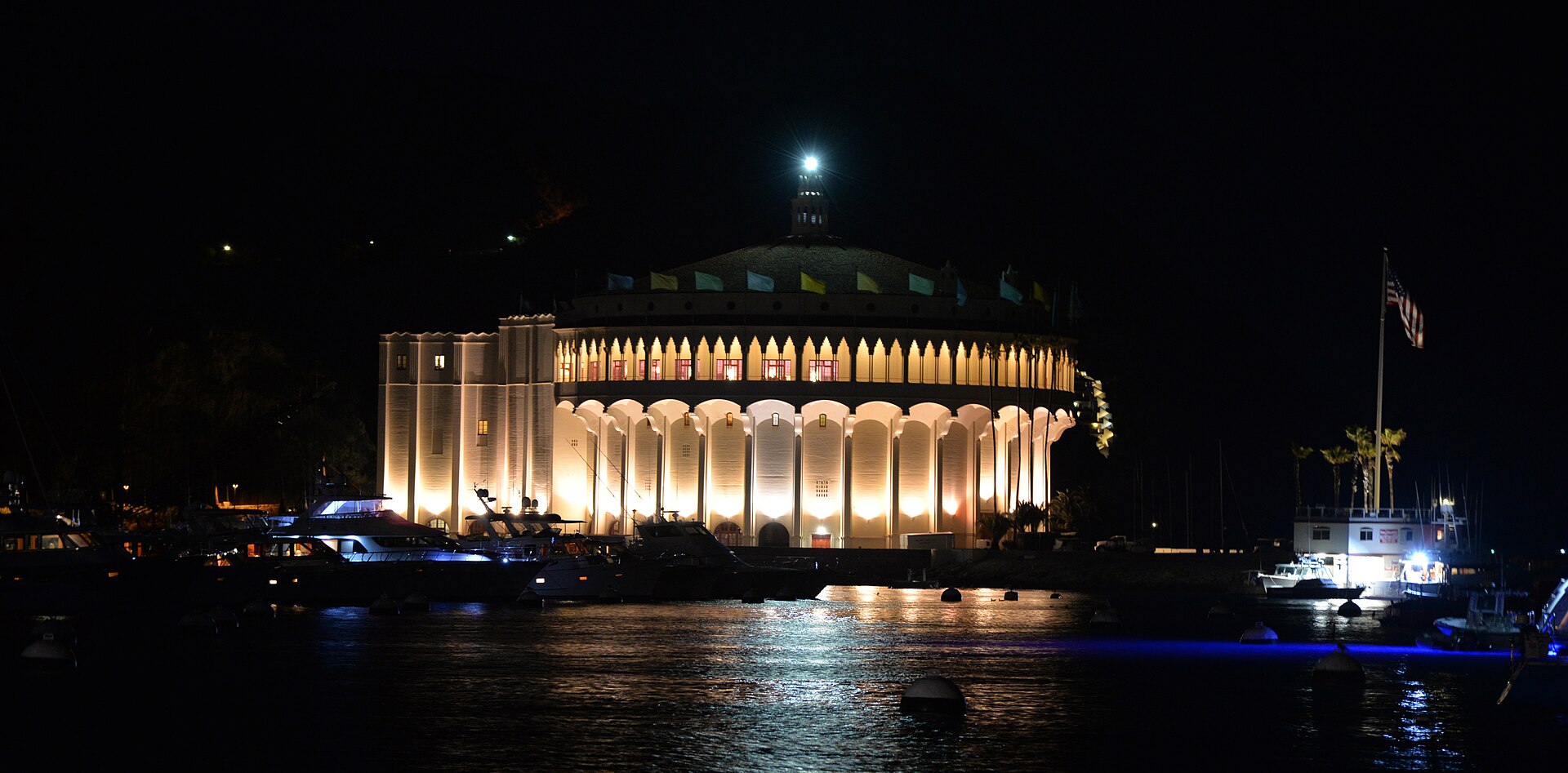
- Descanso Beach and the zip lines — West of Avalon Casino
West of the Casino, Descanso Beach is a handy place to swim or hire kit for the afternoon. The zip-line eco tour finishes here, dropping from the hills above Avalon down Descanso Canyon to the sand. Weather and wind decide whether it runs, so confirm on the day, and book ahead in summer. - Casino Point and Lover's Cove — Avalon coast
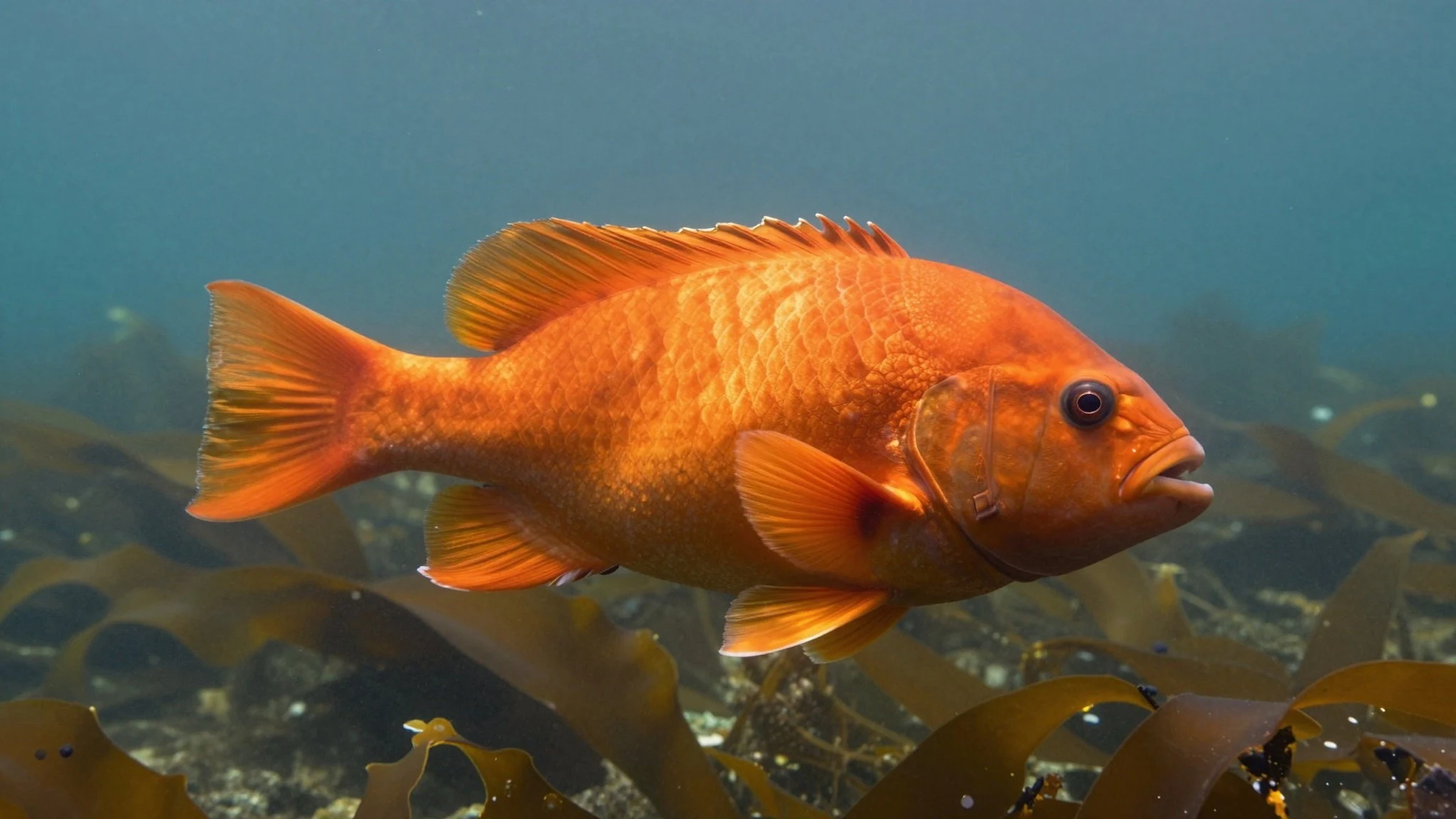
The clear shallows around Avalon make Catalina a good place for a first dive or snorkel. Lover's Cove, east of town, and Casino Point, with its marked underwater dive park, are the usual entry points. Look for the bright orange garibaldi among the kelp, or stay dry on a glass-bottom boat over reefs and wrecks. - The interior and its bison — Interior uplands
Jeep and bus tours cross the interior, which the Conservancy manages. They are the easiest way for most visitors to see the ridge lines, dry grassland and bison herds, and guides explain the island's ecology and history. The terrain is exposed, so bring a hat, water and a windproof layer. - The isthmus village and coves — Western isthmus
On the narrow waist of the island, a small village and its neighbouring coves offer a quieter Catalina than Avalon. Moorings and anchorages draw sailors, while camps, youth centres and campsites line the shore nearby. Access is by boat, tour or trail, and campers should reserve ahead through the official operator.
Culture
Catalina Island's culture has three layers: its Indigenous past, a holiday-resort age and a present-day conservation habit. The Tongva knew the island as Pimu, and their long use of its soapstone and coves is increasingly part of how the island explains itself. Avalon holds the resort layer: the round Casino, old hotel frontages and the seafront promenade recall the era when visitors began arriving by sea for holidays. Evenings are easy-going, with a few live-music rooms, seafood suppers and an early night.
Youth culture runs deep too. Scout troops, church groups and school programmes have used the island's coves for camps for decades, and some are still run from the same shoreline sites, so groups of children in matching T-shirts are a normal sight on the boats.
Island life is small-town. Supplies arrive by sea, residents tend to know one another, and space is limited, which gives the place a patient, neighbourly rhythm. Conservation shapes behaviour as well: most of the land is managed by the Conservancy, which is why trails, wildlife and campsites come with rules, and why visitors are expected to treat the interior as a protected landscape rather than a playground.
Keep a respectful distance from the bison and other wildlife, never feed them, and stay on marked trails in the Conservancy's interior.
What to wear
Catalina Island's first people, the Tongva, dressed for a mild coast: accounts of Southern Californian coastal peoples describe skin and fur cloaks for cool weather and skirts or aprons woven from plant fibres, with shell and soapstone worn as ornament and used in trade. Such clothing belonged to everyday life and ceremony alike, and today it appears mainly in museums, cultural events and the work of Indigenous artists rather than on the street.
Nowadays islanders and visitors dress for the sea. Shorts, T-shirts, sundresses, deck shoes and sandals are the standard, with sweatshirts and windcheaters for evenings. Boat crews and anglers favour sun shirts and waterproofs. There is no dress code in Avalon, and even the nicer restaurants are relaxed, though a light shirt or dress suits an evening out.
Visitors should pack in layers: a windproof jacket for the crossing and cool evenings, plus sunscreen, a hat and sunglasses for the exposed interior. Sturdy closed shoes or trail runners suit the dusty tracks, while water shoes help on rocky coves. Swimwear is fine on the beaches, but add a cover-up before walking into town or a café. No modesty rules need special planning, as there are no religious sites to dress for.
What to eat
- Fish tacos — Casual eateries along Avalon's seafront
A mainland-California staple done well on an island: grilled or battered white fish in a soft tortilla with cabbage, salsa and lime. Order them at casual eateries along Avalon's seafront, where the sea air and a cold drink do half the work. - Grilled fresh fish plate — Sit-down eateries facing Avalon Bay
Simple seafood, usually a grilled fillet with rice or salad and a squeeze of lemon, makes a dependable dinner. Menus change with the catch and the season, so ask what came in that day. - Bison burger — Casual grills and pubs in Avalon, and eateries in the isthmus village
Bison are part of the island's story, so bison burgers appear on menus around town, often with melted cheese and a side of chips. The meat is leaner than beef and takes well to a hearty bun and plenty of toppings. - Seafood chowder — Harbourfront cafés and seafood counters in Avalon
A warm bowl of creamy seafood chowder suits the breezy evenings and the ferry ride home. Versions vary from thin and peppery to thick and buttery, usually served with crusty bread or crackers and a lemon wedge. - Ice cream and shaved ice — Small dessert shops near Avalon's pier and seafront
After a hot walk along the seafront, an ice-cream cone or a cup of shaved ice in fruit syrups is the standard Catalina treat. Small shops cluster near the pier, and families queue on summer afternoons, eating on the sea wall while the boats come and go.
Plan it
Best time. Late spring (May–June) and early autumn (September–October) usually bring comfortable sea air and thinner crowds than peak summer weekends; check the forecast, as sea fog and wind can change a day.
How long. 2–3
Getting there. Fly into an airport around Los Angeles or Long Beach, then take a passenger boat across the channel to Avalon; Long Beach is about 47 km from the island. Private boats can use moorings at Avalon and the isthmus village. Check the official site, http://www.catalinachamber.com/, for current operators and sailing times.
Budget. high
Tips
- Book crossings and lodging early for summer weekends and holidays, when the island is busiest.
- Take a windproof layer and sun protection; the crossing and the exposed interior can be cooler and sunnier than expected.
- Carry a refillable water bottle on hikes and tours, as shade is limited away from town.
- Start swims and tours in the morning for calmer water and thinner crowds.
- Costs run higher on the island than ashore, so budget for the crossing, lodging and tours, and check the official site before travelling.
Etiquette
- Keep a safe distance from the bison and never feed wildlife.
- Stay on marked trails and follow Conservancy rules in the interior.
- Take rubbish with you from coves and beaches.
Nearby
Sources
- Wikidata Q845229 (CC0)
- Wikipedia: Santa Catalina Island (California), rev 1384681794 (CC BY-SA 4.0)
- Wikivoyage: Catalina Island, rev 5397128 (CC BY-SA 4.0)
- Photo: Little Gibraltar and Cabrillo Harbour, Brian MacIntosh (CC BY-SA 4.0)
- Photo: Santa Catalina Island by Sentinel-2, 2019-03-30, Copernicus Sentinel-2, ESA (CC BY-SA 3.0 igo)
- Photo: Tomol Crossing Sunrise, National Marine Sanctuaries (Public domain)
- Photo: Tourists at Avalon Bay, 1889, unknown author (Public domain)
- Photo: Hotel Metropole, Santa Catalina Island, unknown author (Public domain)
- Photo: Avalon Pavilion, Santa Catalina Island, Don Ramey Logan (CC BY-SA 4.0)
- Photo: Avalon Catalina CA, Don Ramey Logan (CC BY-SA 4.0)
- Photo: OSS Catalina, Office of Strategic Services Maritime Unit (Public domain)


Wildlife
- American bison (animal)
The American bison, also called the buffalo, is a huge, shaggy grazer native to North America. On Catalina, the bison you meet are descendants of animals shipped over for a film shoot in the 1920s, and they now graze across the island's interior. No particular season or hour is promised, so ask a local guide when to go and how close it is sensible to stand.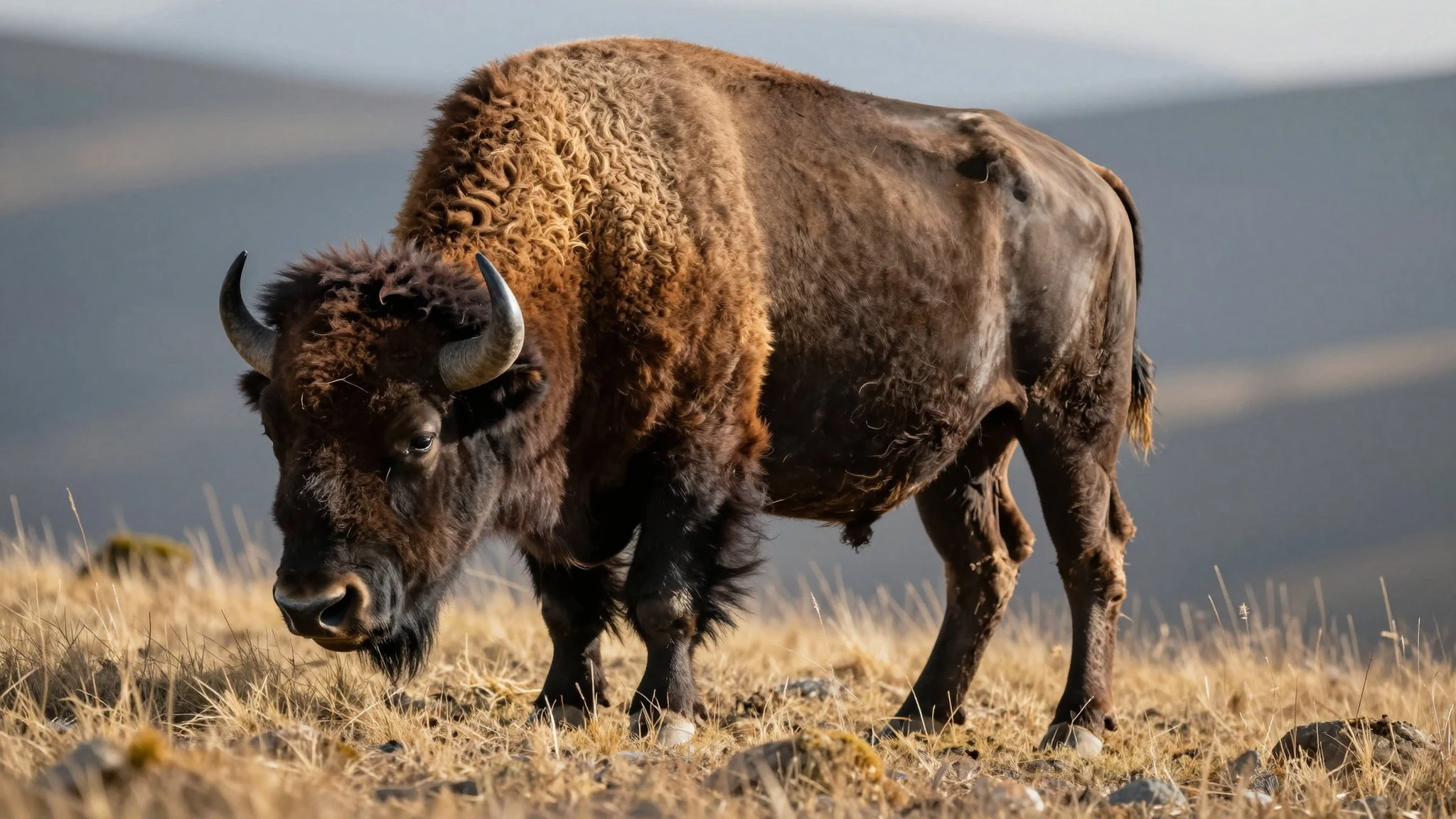
- Garibaldi (animal)
The garibaldi is a bright orange fish, rather like a goldfish of the sea, and was once nicknamed the Catalina goldfish. Look for it among the kelp, or over the reefs and wrecks in the clear water off the island. If you would rather stay dry, a glass-bottom boat lets you peer down at its world. It is protected in California coastal waters, so it is for watching, never for fishing. Ask locally about the best season or hour.