Zaamin National Park
Zaamin National Park, Uzbekistan
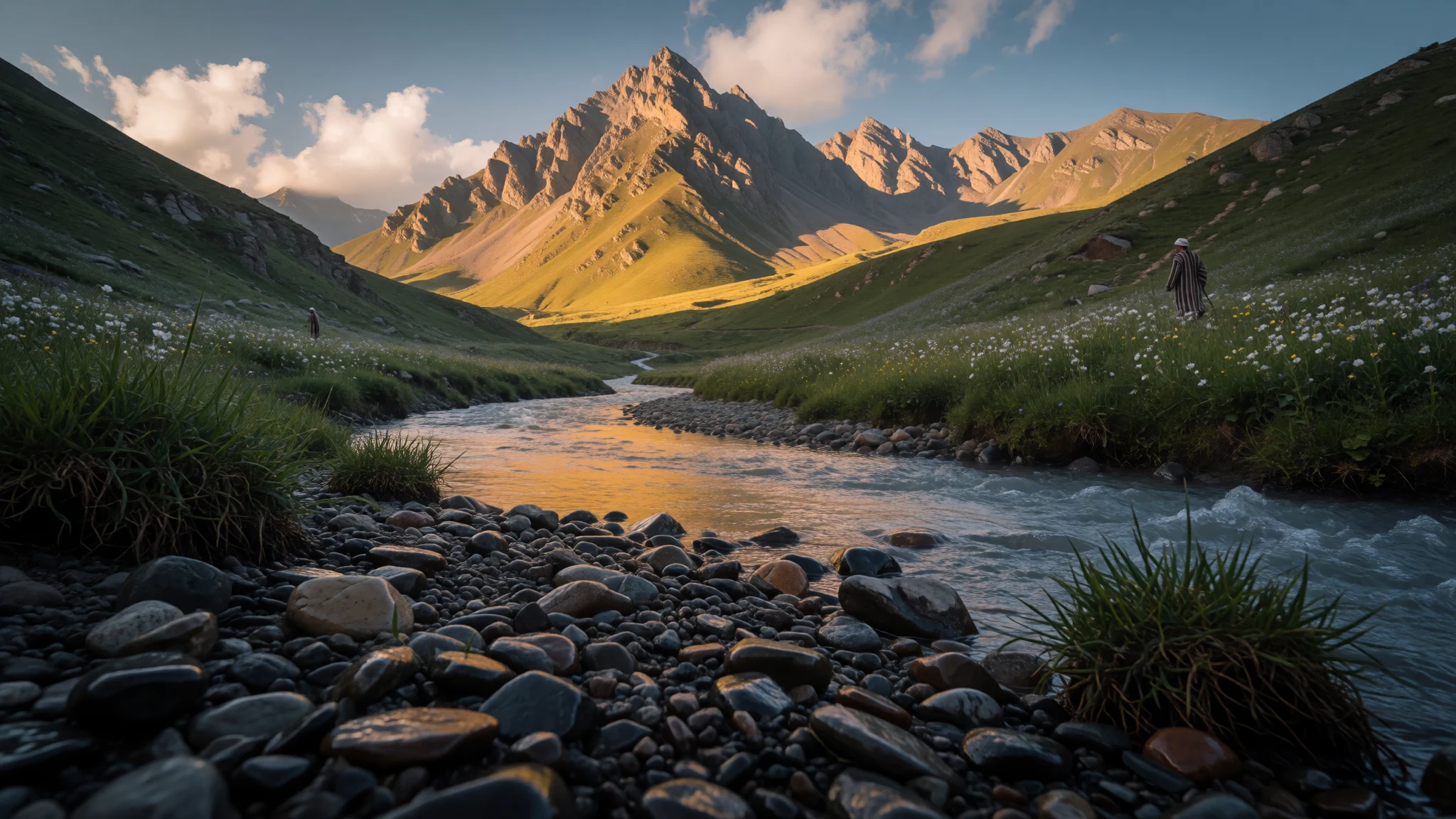
Zaamin National Park is a green, river-cut corner of the Turkestan Range, where Uzbekistan's dry plains give way to cool mountain valleys.
The place
Zaamin National Park lies in the Zomin District of Jizzakh Region, in eastern Uzbekistan, on the northern side of the Turkestan Range. Its local name, Zomin togʻ-oʻrmon davlat qoʻriqxonasi, means roughly the Zomin mountain-forest state reserve, which describes the place better than the English label does.
The protected area covers about 156 sq km. That is small beside many national parks, but the relief is steep and the contrasts are sharp. The valleys of the Aldashmansoy, Baikungur, Gurulash and Kulsoy rivers bring reliable water into a region whose climate is otherwise dry and continental, so the slopes stay greener than the plains far below. The lowest ground is in the Guralash Valley, at around 1,700 m, and the park's high point is the top of Guralash Peak at 3,571 m, with other summits visible nearby. A large reservoir, made by people, sits close to the entrance and is passed on arrival.
The park is often nicknamed the Switzerland of Uzbekistan. The comparison is a local habit rather than a measurement, but it points to what draws people here: cooler air, meadows, forested hillsides and a break from lowland heat. Visitor numbers are not documented in the material behind this reading, so it is sensible to assume that weekends and public holidays are busier than weekdays. The ancient city of Tugunbulak lies near the park, which lets a day in the hills sit alongside an interest in the region's older settlement.
Its story
Zaamin National Park began life in 1926 as the Guralash Nature Preserve, which makes protection here almost a century old. Uzbekistan was then part of the Soviet Union, and the preserve was set up to shield the northern slopes of the Turkestan Range rather than to welcome tourists. Over the decades it grew into what is now called a national park, and the Guralash name survives in the valley and on the highest peak.
The land it protects has been a meeting point of peoples for far longer. Uzbeks were mostly settled rather than nomadic, and they built impressive cities along the old Silk Road. The ancient city of Tugunbulak, close to the park, is a reminder that these mountain edges belonged to that world too. Many communities in the region speak Tajik or other Persian dialects, a legacy of long-standing settlement, and some of those families consider themselves Uzbek while others consider themselves Tajik.
Published material on the park's history year by year is thin, so the honest summary is short: a preserve created in 1926, valleys fed by four rivers, and a landscape managed with conservation in mind for most of the modern era. For the human side of the story, the richer material lies in nearby towns and in the Silk Road cities such as Samarkand and Bukhara, rather than in the park's own record.
What to see
- Park entrance and reservoir — Zomin District, Jizzakh Region
The park entrance is the practical starting point, with a large man-made reservoir close by. It is a sensible place to get oriented, to ask rangers or local operators which routes are open, and to check the official rules on entry and fees, which change and are not listed here.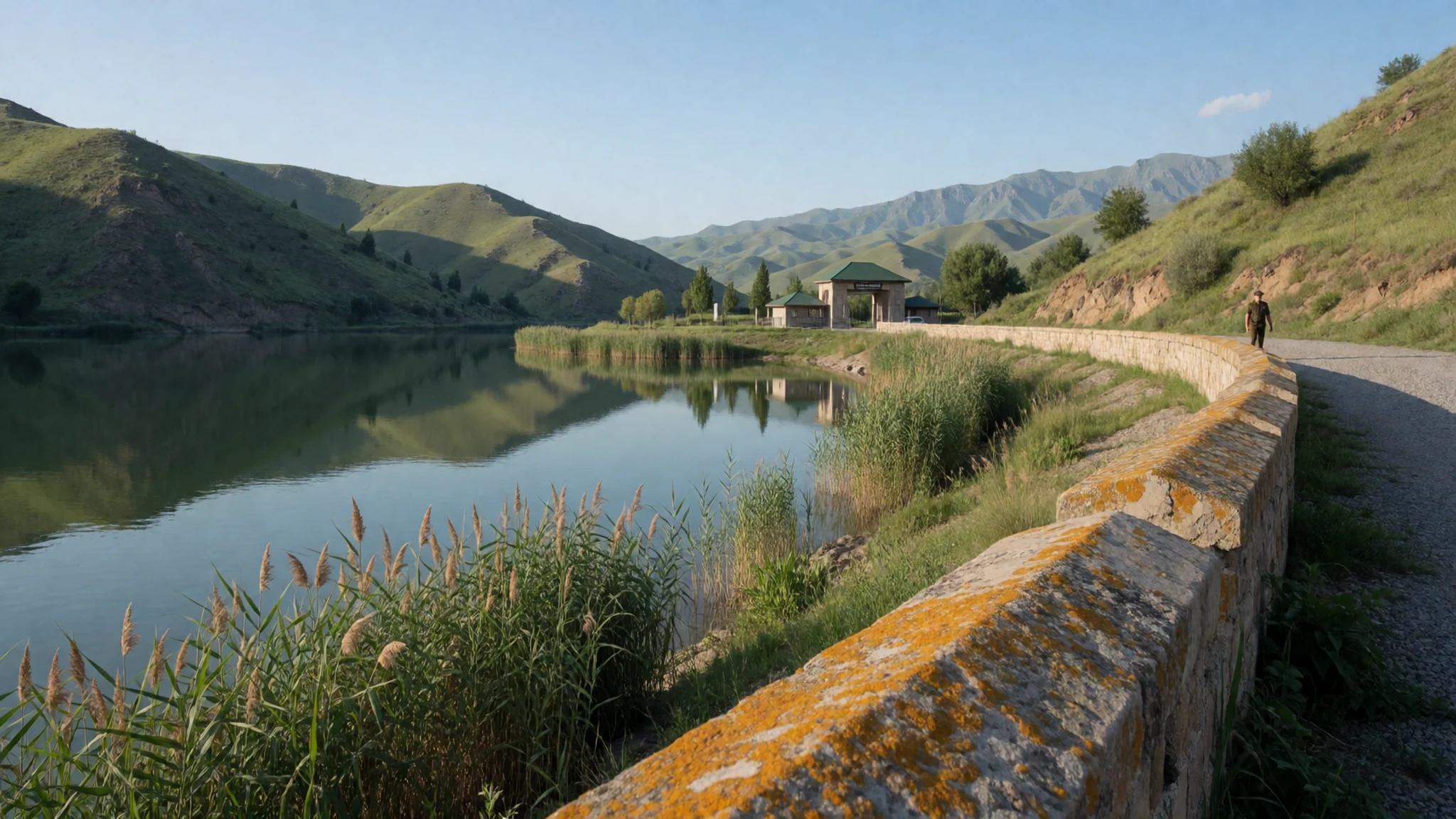
- Guralash Valley — Inside the park
The Guralash Valley holds the lowest ground in the park, at around 1,700 m, and gave the original preserve its name in 1926. Rivers run through the area, and the grassy hillsides show how water turns a dry continental region green. Early morning brings cooler air and softer light.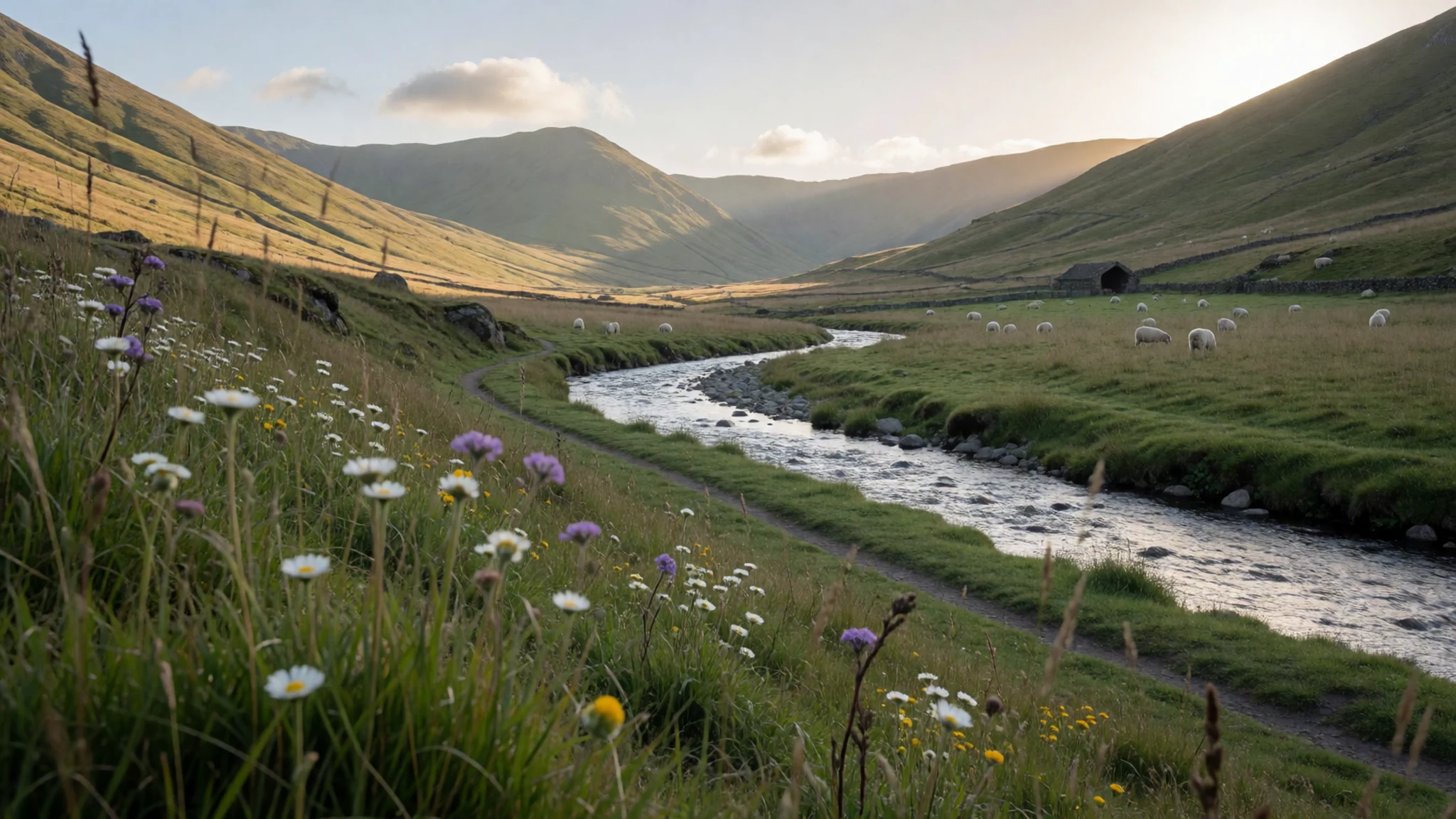
- Guralash Peak — Inside the park
Guralash Peak, at 3,571 m, is the highest point inside the park. Reaching the top is a serious mountain outing rather than a stroll, so local guidance on weather, route and conditions is wise. Even from lower ground, several neighbouring summits are visible, which makes the viewpoints worth the effort.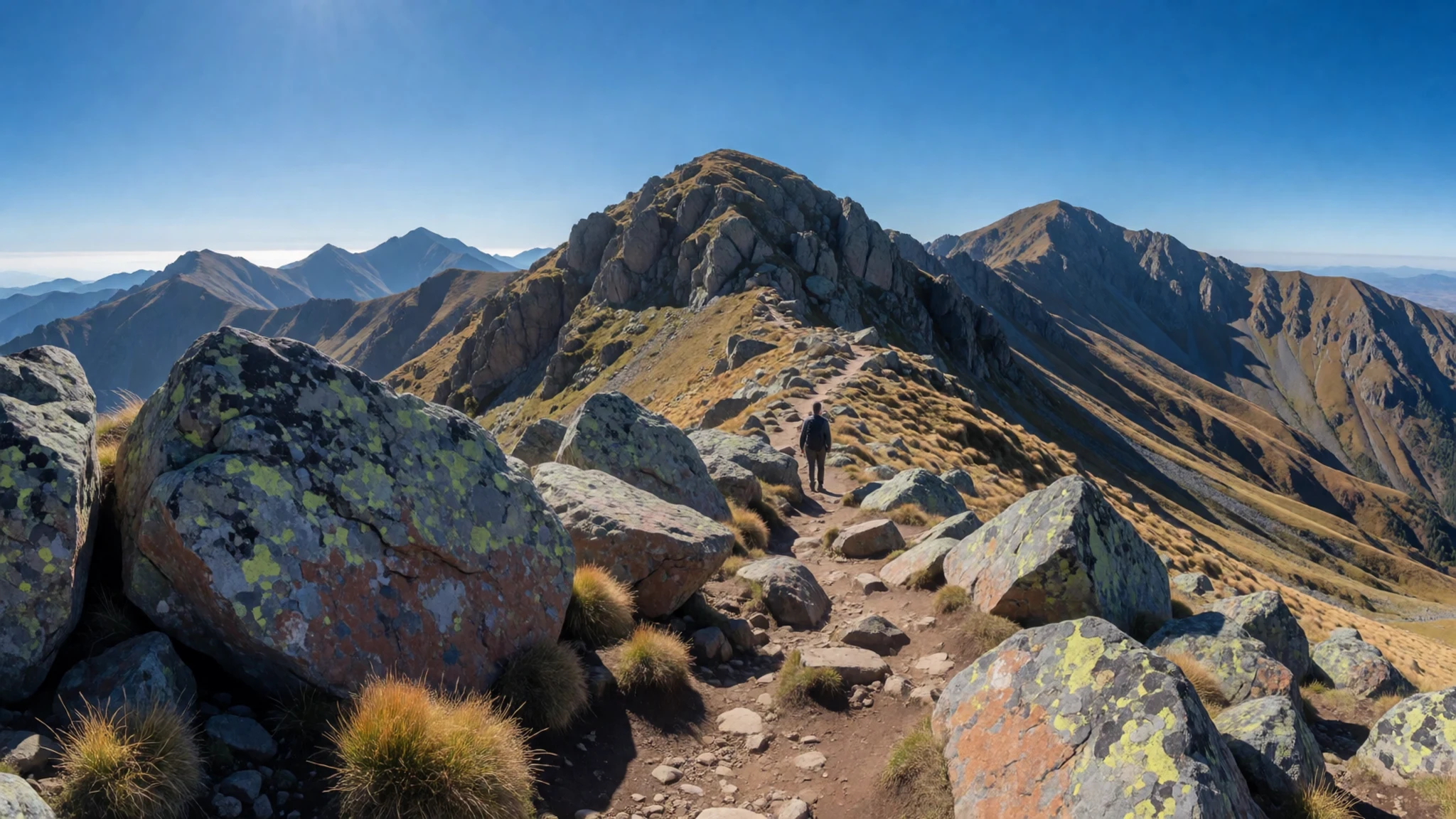
- The park in winter — Across the park
Zaamin National Park changes completely in winter, when snow covers the hills and the valleys go quiet. Photographs show a white, open landscape very different from the summer meadows. Cold, short days and possibly difficult access mean winter visits need warm layers, local advice and flexible plans.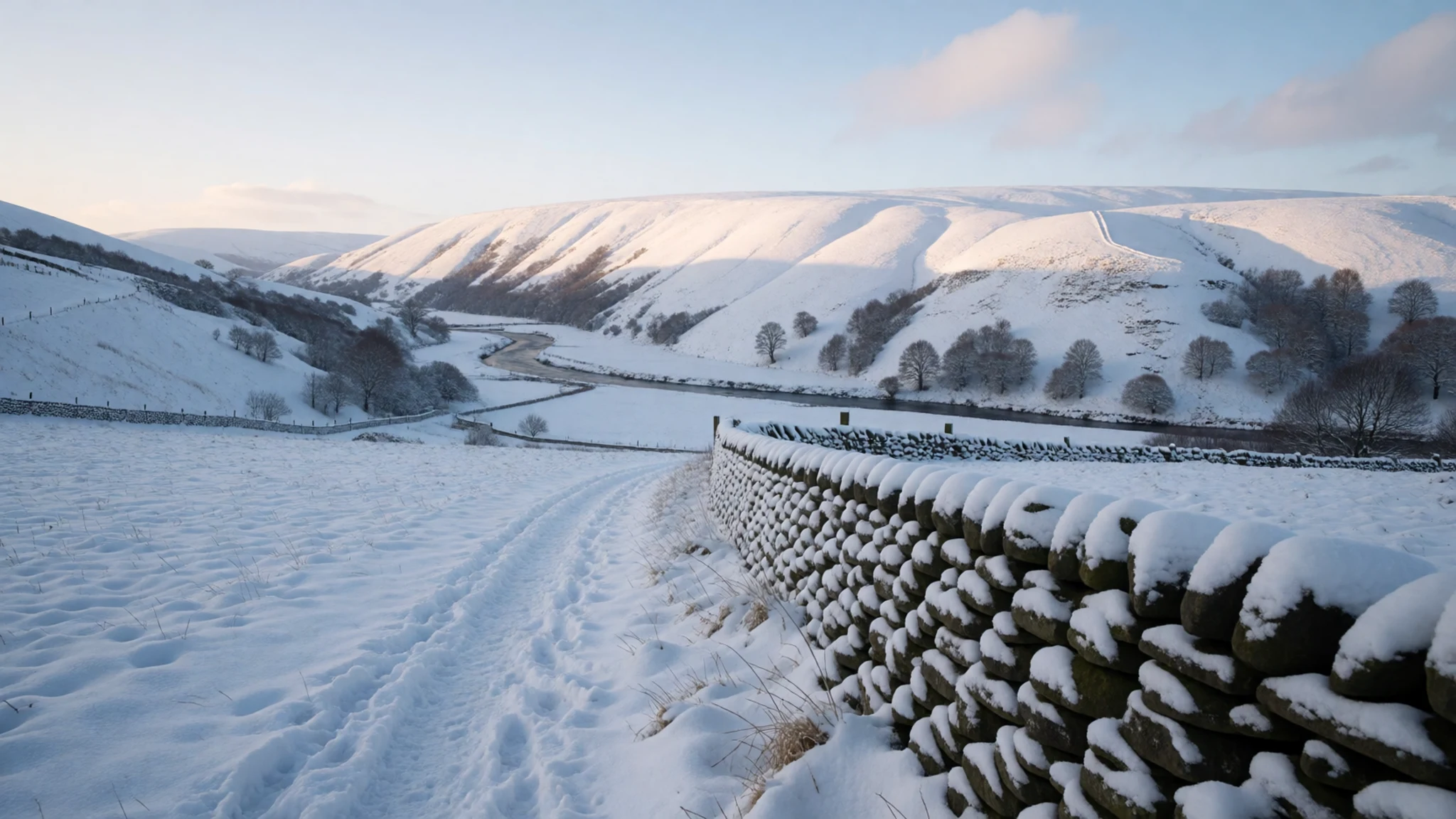
- Meadows, flowers and birdlife — Lower slopes and meadow edges
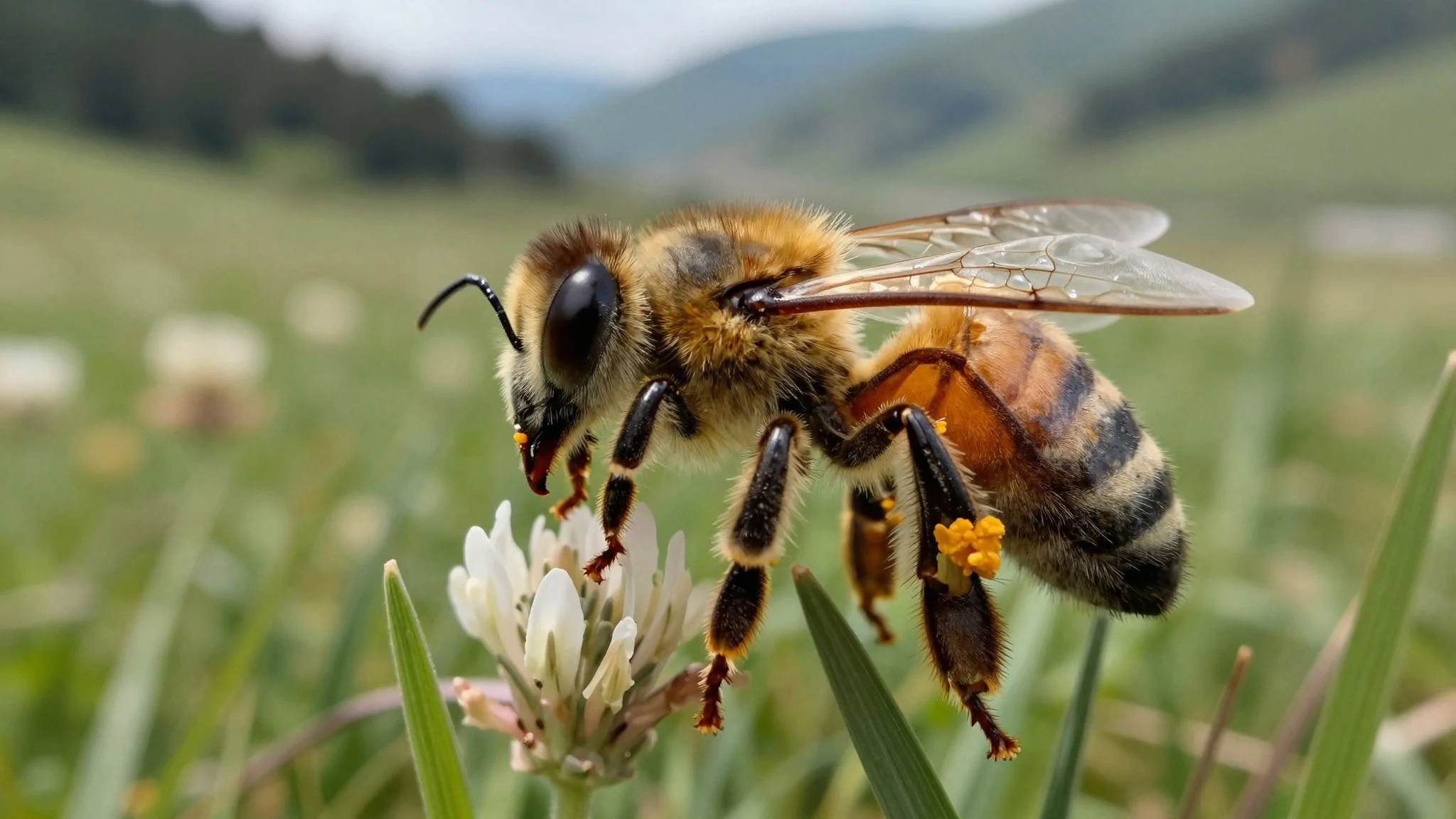
Reference photographs record clover in flower, bees working the grass and birds above the ridges. A slow walk with a camera or binoculars suits this part of the park. Species lists are not given here, so a local guide is the best way to put names to what is seen.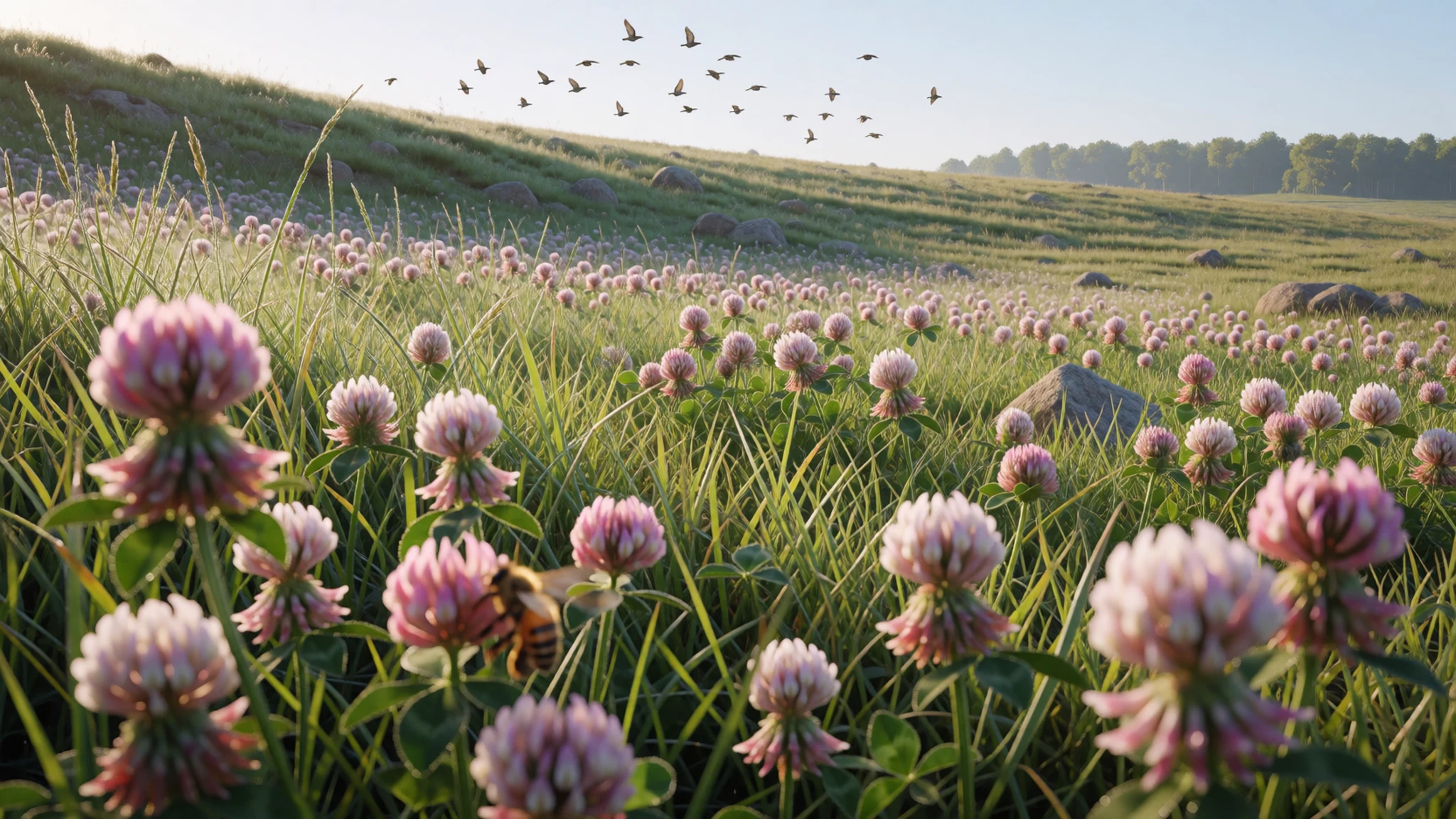
- Tugunbulak — Near the park
Tugunbulak is an ancient city near the park. Details of what can be seen on the ground are thin, so it is best treated as an add-on to ask about locally rather than a fixed stop. It links the mountains with the long history of settlement along the Silk Road.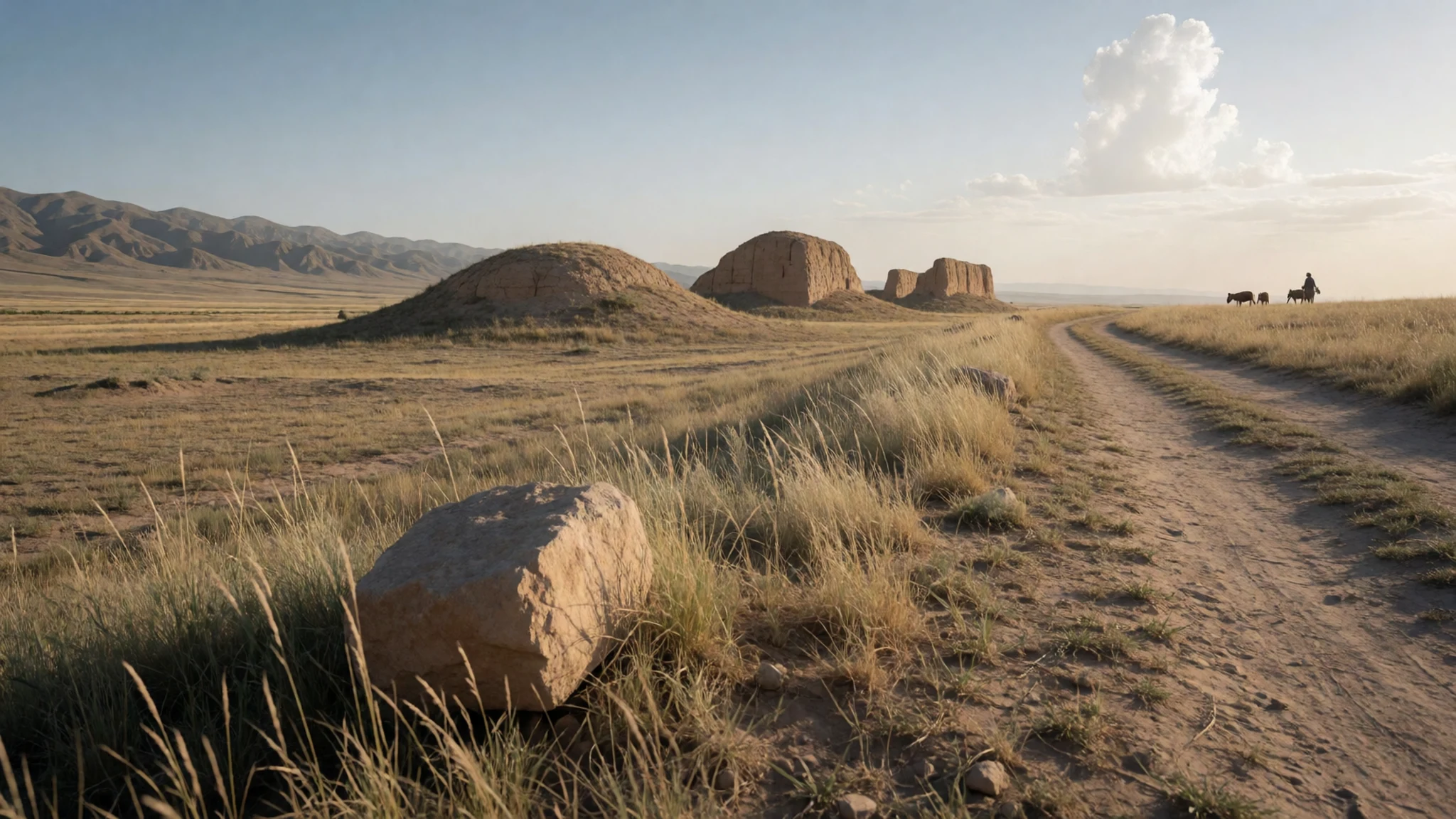
Culture
Zaamin National Park sits in a part of Uzbekistan where everyday manners matter as much as any sight. Across Uzbekistan and Central Asia, elderly people are treated with real respect: greet them first, offer the better seat, and defer to them in conversation. Politeness towards women is expected too, and open flirting is unwelcome. If a question can be put to a man rather than a woman, that is usually the easier route. Same-sex romantic activity is still criminalised, so discretion is sensible for LGBT travellers.
Bread, called non, is treated almost as something sacred. Nobody expects a visitor to finish every piece served, but wasting it where others can see will earn disapproving looks. It is served with every meal, and meals in homes and teahouses are built around it.
Language is mixed in this region. Many people speak Uzbek or Tajik, and some Persian-speaking families see themselves as Uzbek while others see themselves as Tajik, so avoid assuming which a person is. A few words of greeting in either language are appreciated and tend to open conversations quickly.
Treat bread with care: take only what you will eat, and never throw any away where people can see it.
What to wear
Zaamin National Park is mountain country, so clothing here is judged first by weather and then by custom. Traditional Uzbek dress includes the doppi, a small embroidered skullcap, and the chapan, a quilted, often striped robe worn over other clothes in cold weather. Women's festive dress traditionally uses ikat, a technique in which threads are dyed before weaving to give bright, blurred patterns; adras is the name for the silk-and-cotton cloth often made this way. These pieces appear mostly at weddings, festivals and holidays rather than on the trail.
In daily life, people in the region wear modern clothes: jeans, jackets, trainers and plain shirts, with headscarves common among many village women and older people. Practical outdoor wear is normal for anyone heading into the hills.
Visitors should dress in layers. Mornings and evenings are cool in the valley at around 1,700 m, and the higher ground is colder. Bring a windproof layer, a waterproof shell, a hat and sun protection, since dry continental air still gives strong sun. Sturdy shoes or boots with grip suit the slopes and trails; sandals are only for the area near the entrance. In villages and towns, cover shoulders and knees. In winter, add thermals, gloves and waterproof boots.
What to eat
- Mastava — Teahouses and family eateries in Zomin town
A rice soup with onion, carrot, tomato and peas, and sometimes wild plums for a sour note. It is a warming lunch after a morning on the slopes and a good first dish to try in the area.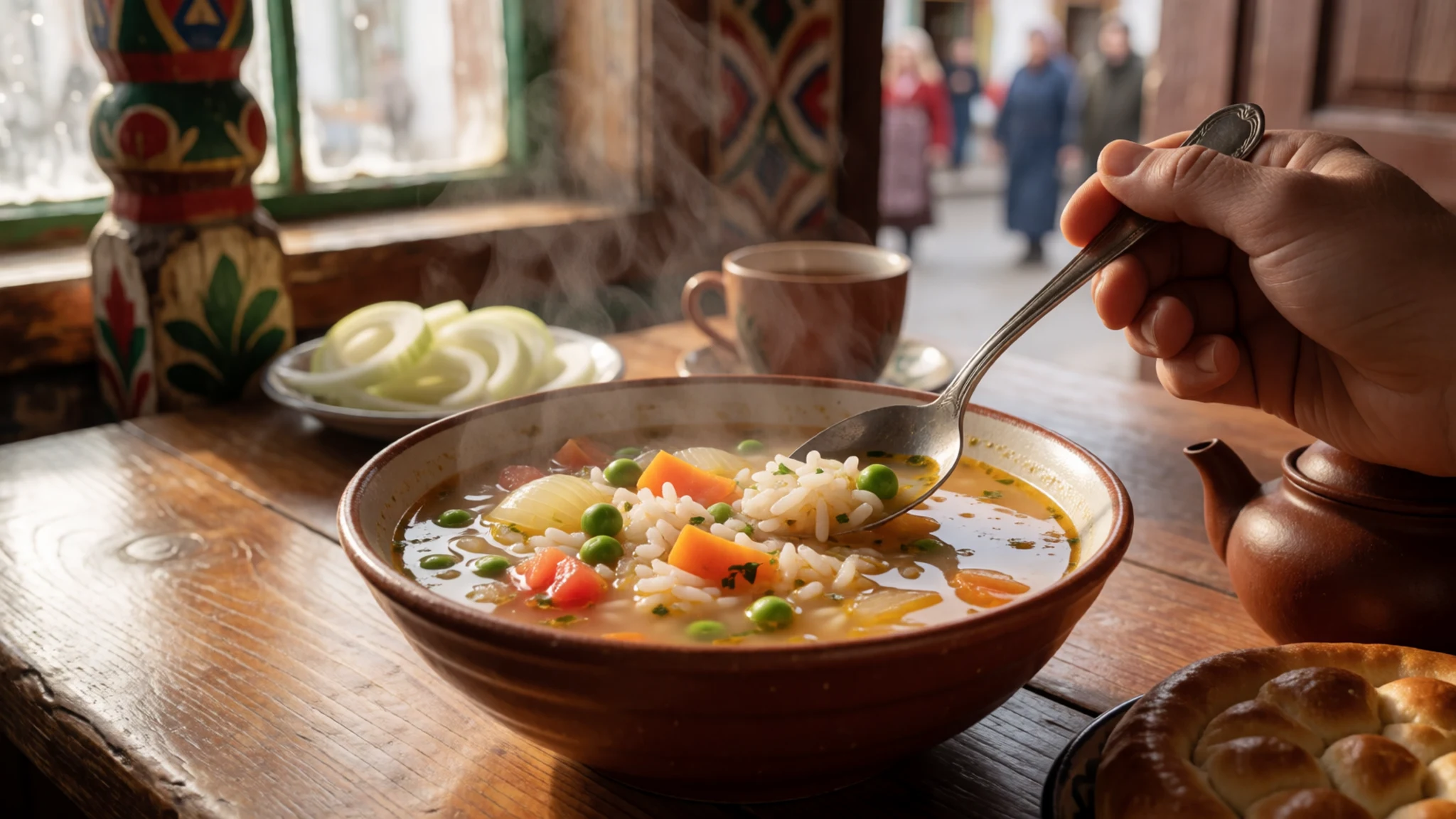
- Shurpa — Roadside eateries and teahouses near the park entrance
A soup of mutton, sometimes beef, with vegetables. It is plain, filling and well suited to the cool air at altitude, and is easy to find wherever a kitchen is serving hot meals.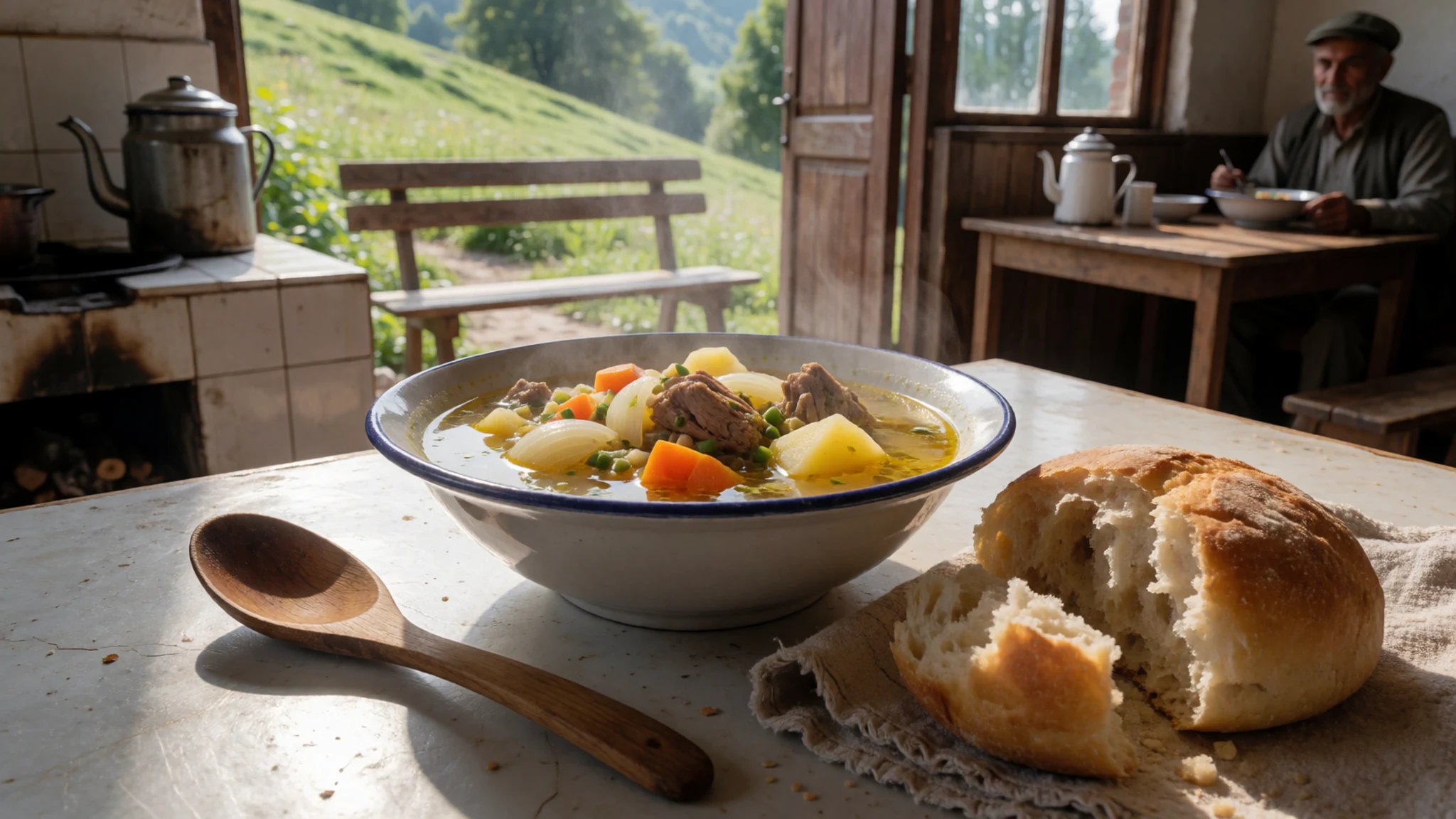
- Non (bread) — Bazaars and local bakers in Zomin
Round bread, often baked in a clay oven and served with every meal. Fresh from the oven it is good eaten alone, as a snack. Samarkand is famous for its version, called obi-non, so locals may compare. - Plov — Family eateries and teahouses; ask what is cooking that day
Rice cooked with meat, carrots and onion, a staple across Uzbekistan and a common choice for gatherings. It is usually a heavy meal, so it works best after a full day outdoors. - Bechbarmak — Larger town restaurants; may be hard to find locally
A Kazakh speciality of boiled sheep or ox meat with liver, served with onions, potatoes and noodles. It is less likely to appear on a village menu than the soups, so treat it as a bonus if it turns up.
Plan it
Best time. May–June for green valleys and cooler air than the lowlands, and September–October for settled autumn weather. Winter brings snow and cold at this altitude, and July–August can be warm lower down. The region's climate is dry and continental, so check the forecast before heading up.
How long. 1–2
Getting there. Fly into Tashkent or Samarkand, then continue by road via Jizzakh to the town of Zomin in Jizzakh Region, with the park entrance a short drive beyond. Ask a local operator or your accommodation about shared taxis or a hired driver for the last leg, and check the current rules before travelling. Many visitors from western countries can enter visa-free, others can apply for an e-visa online, so check the official government site for your passport.
Budget. low
Tips
- Ask the park or a local operator about entry rules, fees and open routes before you go, as these change and are not listed here
- Carry cash for small eateries and village shops, and ask for a menu or price before ordering, since some places overcharge visitors
- Bring layers and a waterproof, as weather changes quickly at altitude
- Start walks early for cooler air and softer light, and carry your own drinking water
- Consider a local guide for Guralash Peak and for identifying birds and plants
Etiquette
- Greet elders first and treat them with deference
- Do not waste bread where others can see it
- Cover shoulders and knees in villages and towns
Nearby
Sources
- Wikidata Q2335733 (CC0)
- Wikipedia: Zaamin National Park (rev 1380753547) (CC BY-SA 4.0)
- Wikivoyage: Uzbekistan (rev 5425596) (CC BY-SA 4.0)
- Photo: The entrance to Zaamin National Park, Uzbekistan (Yoshi Canopus) (CC BY 3.0)
- Photo: Relief map of Uzbekistan (NordNordWest, derivative work Виктор_В) (CC BY 3.0)
- Photo: Zaamin National Park during winter (Stephanieadams99) (CC BY-SA 4.0)
- Photo: A bee and clover (Humoyun Mehridinov) (CC BY-SA 4.0)
- Photo: A bird in the sky in Zaamin (Humoyun Mehridinov) (CC BY-SA 4.0)
- Photo: A hill at the Zaamin National Park (Humoyun Mehridinov) (CC BY-SA 4.0)
- Photo: A triple leaf (Humoyun Mehridinov) (CC BY-SA 4.0)
- Photo: An individual flower of creeping clover 01 (Humoyun Mehridinov) (CC BY-SA 4.0)


Wildlife
- Western honey bee (animal)
The western honey bee is the busy honey-maker, whose Latin name means honey-carrying, and it is the most common honey bee in the world. In Zaamin National Park, it has been photographed working the grass and the flowering clover, so look for it wherever the blooms are open. Watch from a comfortable distance, keep quiet and still, and let a guide lead you. Never feed it or crowd its flowers.