Nukus
Nukus, Uzbekistan
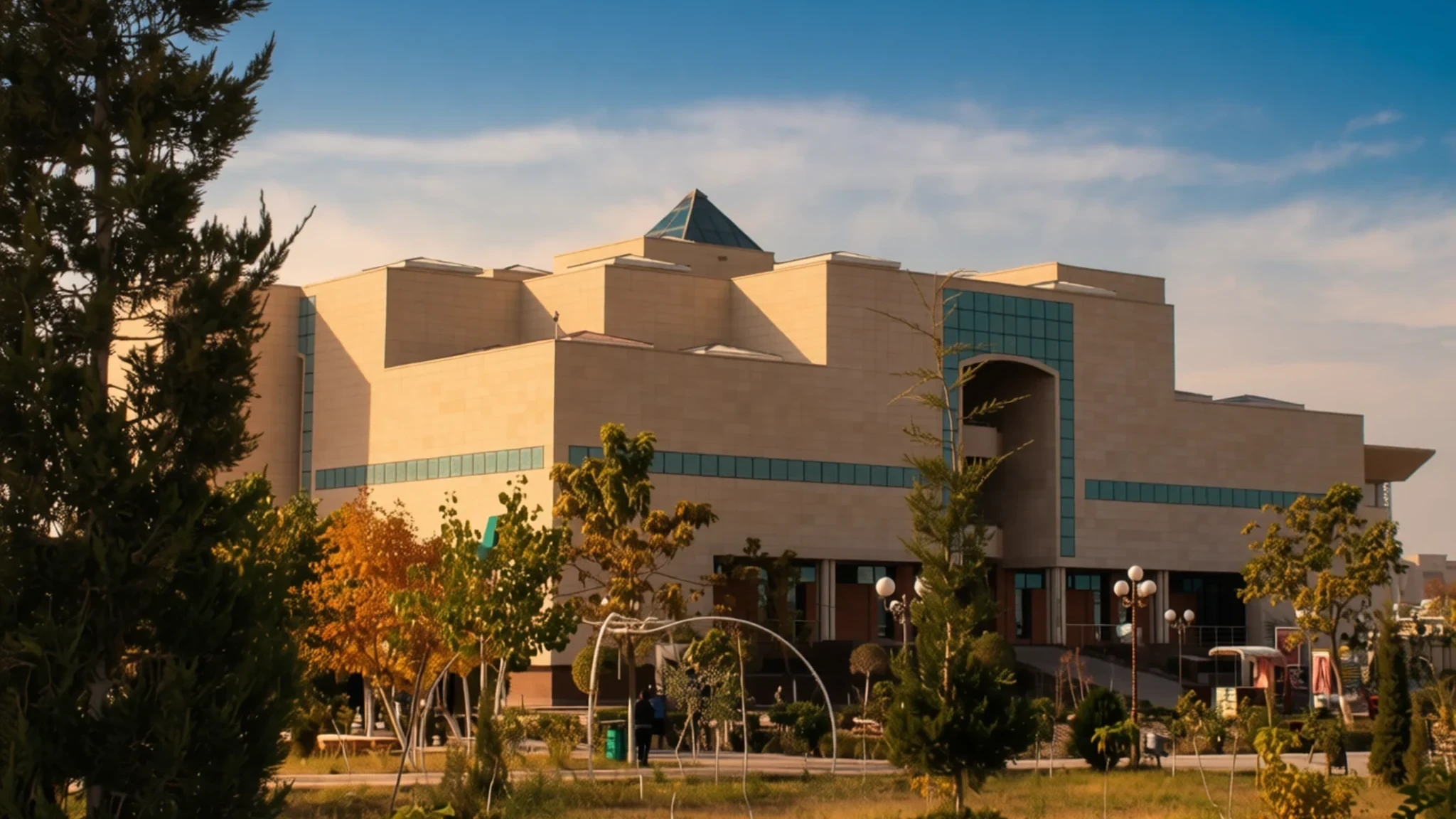
Nukus holds a remarkable collection of banned Soviet-era art in the Karakalpak desert, and it is the gateway to the shrinking Aral Sea.
The place
Nukus is the capital of Karakalpakstan, the autonomous republic that fills the north-western corner of Uzbekistan, and a city of about 320,000 people on flat desert ground 76 m above sea level. The Amu Darya runs to the west of town, and the retreat of the Aral Sea has shaped almost everything about the region's air, water and mood. Most visitors come for one reason, the art museum, and many leave after a night or two. That undersells the place a little. The centre follows a Soviet plan of wide avenues, big public buildings and long, straight distances between them, so it feels spacious rather than dense, and quiet by Central Asian standards. Government, culture and commerce for the whole republic gather here, which gives the city a working, unperformed character: offices, a theatre, a parliament building, markets, and a railway station busy with long-distance trains. Karakalpaks have their own language, and signs often appear in Karakalpak, Uzbek and Russian. Summers are long, dry and very hot, while winters are short but properly cold and can bring snow. Tourist infrastructure is thin, restaurants are few and the pace is unhurried. Nukus works best as a base: a day or two among the museums, then out across the desert towards the Aral shore.
Its story
Nukus began as a fortress in the 17th century, and for a long time it was a modest settlement growing slowly under the Khivan Khanate and then the Russian Empire. The city that visitors see today is mostly Soviet. When the Karakalpak autonomous region was created, its administrative seat was Toʻrtkoʻl, but in the 1920s that town was threatened by flooding from the Amu Darya, whose banks lay about 12 km away. Most regional institutions therefore moved to Nukus, and in 1932 the city was formally founded and went on to become the capital. Industrial development followed, and by the 1950s Nukus had broad avenues and large public buildings. Its remoteness also made it useful to the military: the Red Army ran a chemical research institute here, a major testing centre, which the United States helped dismantle in 2002 under a threat-reduction programme. Remoteness shaped the art story too. In a place far from Moscow's censors, the collector Igor Savitsky was able to gather and shelter work by artists who had fallen out of official favour, and that collection became the city's best-known asset. Today the Aral Sea's disappearance is the defining story of the wider region, and Nukus is where it is most often discussed.
What to see
- Savitsky Collection, Karakalpakstan State Museum of Art — Central Nukus
The Karakalpakstan State Museum of Art holds the Igor Savitsky collection, thousands of works by artists who painted outside the approved Soviet line, gathered and kept safe in this remote city. It is the main reason people come to Nukus. Allow a full morning, and expect Russian and Central Asian avant-garde alongside Karakalpak folk art.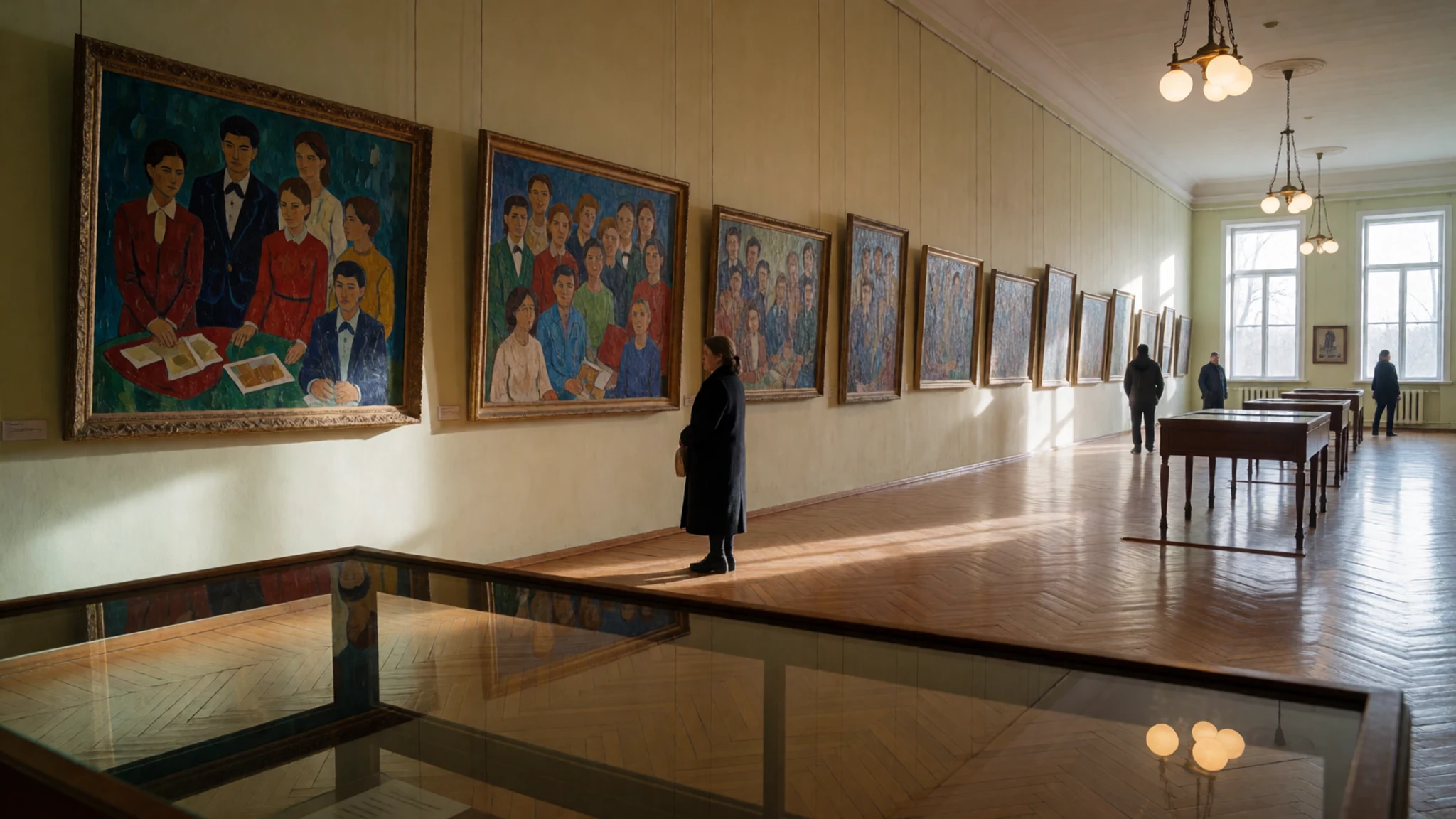
- Museum of Applied Arts — Central Nukus
The Museum of Applied Arts in Nukus shows Karakalpak fabrics, traditional clothing and jewellery. It makes a good short stop for anyone curious about how people dressed and decorated themselves before the Soviet period, and it pairs well with the art museum, since both are small enough to cover in a morning.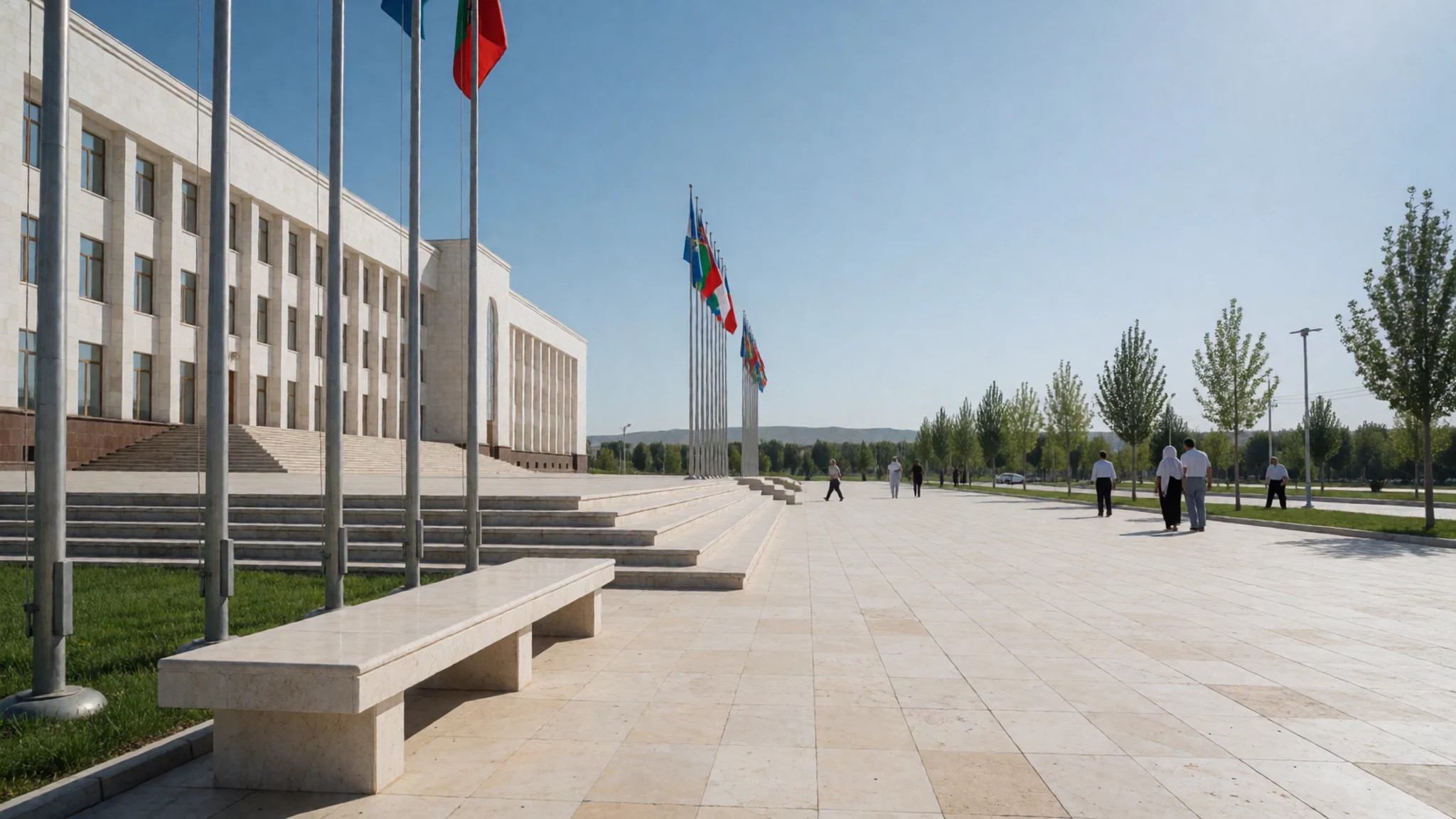
- Karakalpak State Museum — Central Nukus
The Karakalpak State Museum covers the natural history of the region, including a stuffed Turan tiger, the last one caught here, in 1972. The exhibit is a sobering companion to the Aral Sea story, a reminder of how much of the delta's wildlife and wetland has disappeared within living memory.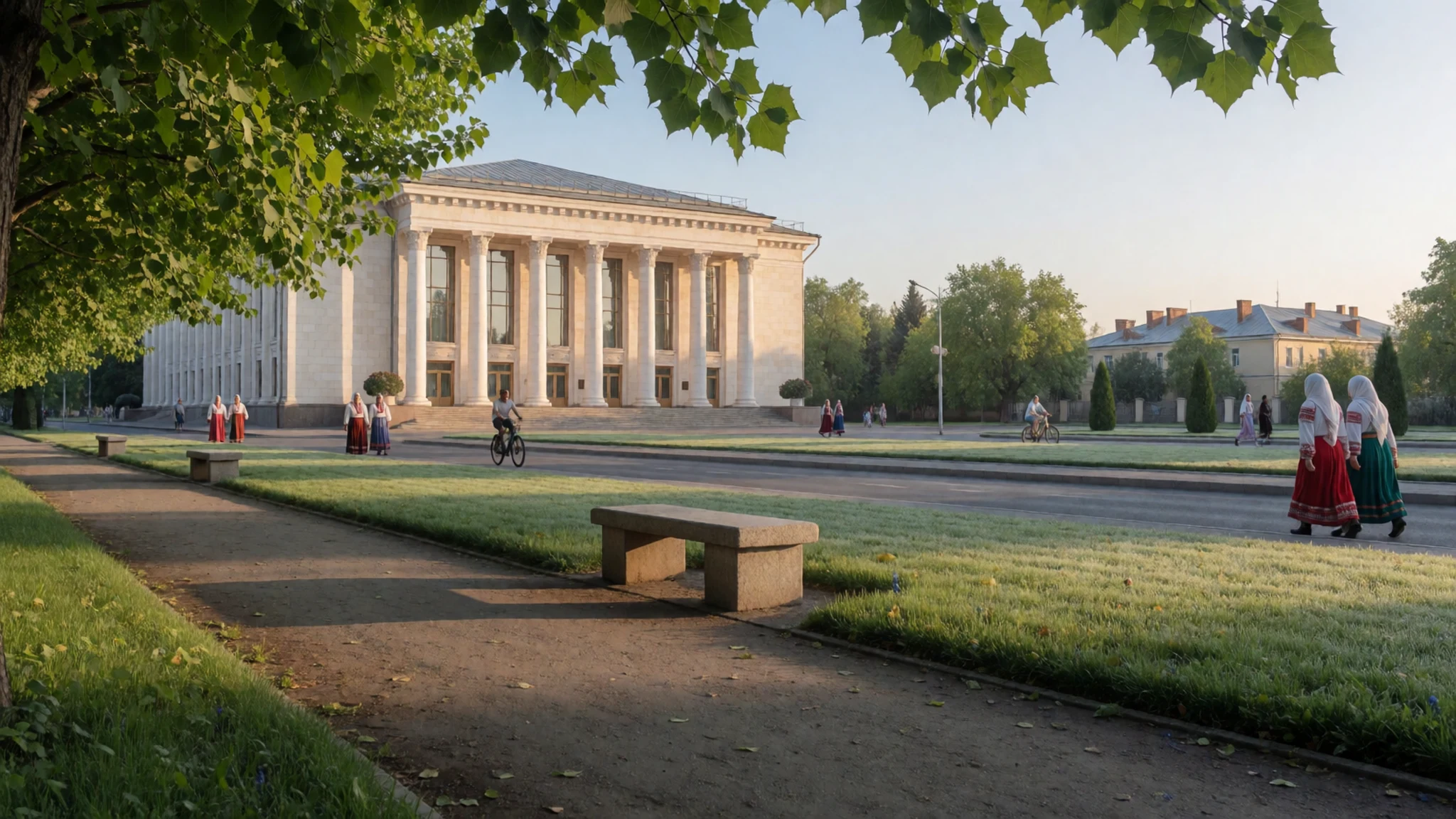
- Shamuratov House Museum — Central Nukus
The Amet and Ayimkhan Shamuratov House Museum keeps the personal belongings of two stage performers who worked in music and oral storytelling. It is a small, domestic-scale place, useful for anyone wanting a sense of Karakalpak performing traditions beyond the formal museums, and best visited with a local guide or translator.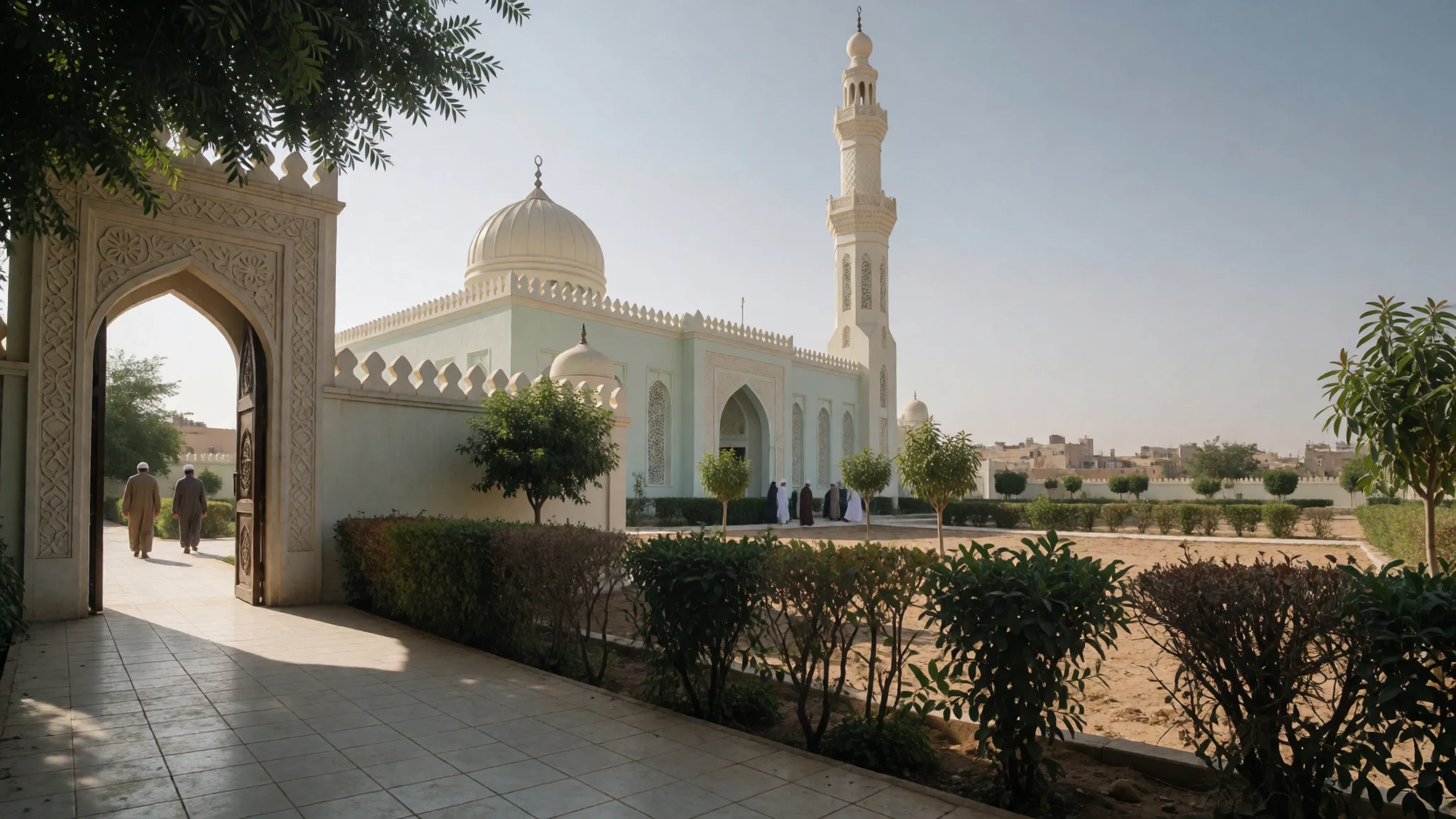
- Karakalpak Musical Theatre — Central Nukus
The Karakalpak State Academic Musical Theatre, named after the poet Berdaq, is a grand Soviet-era public building on the main avenues of Nukus. Performances are in Karakalpak, so check the programme locally; even without a ticket, the façade and its surrounding square are worth a slow walk in the evening cool.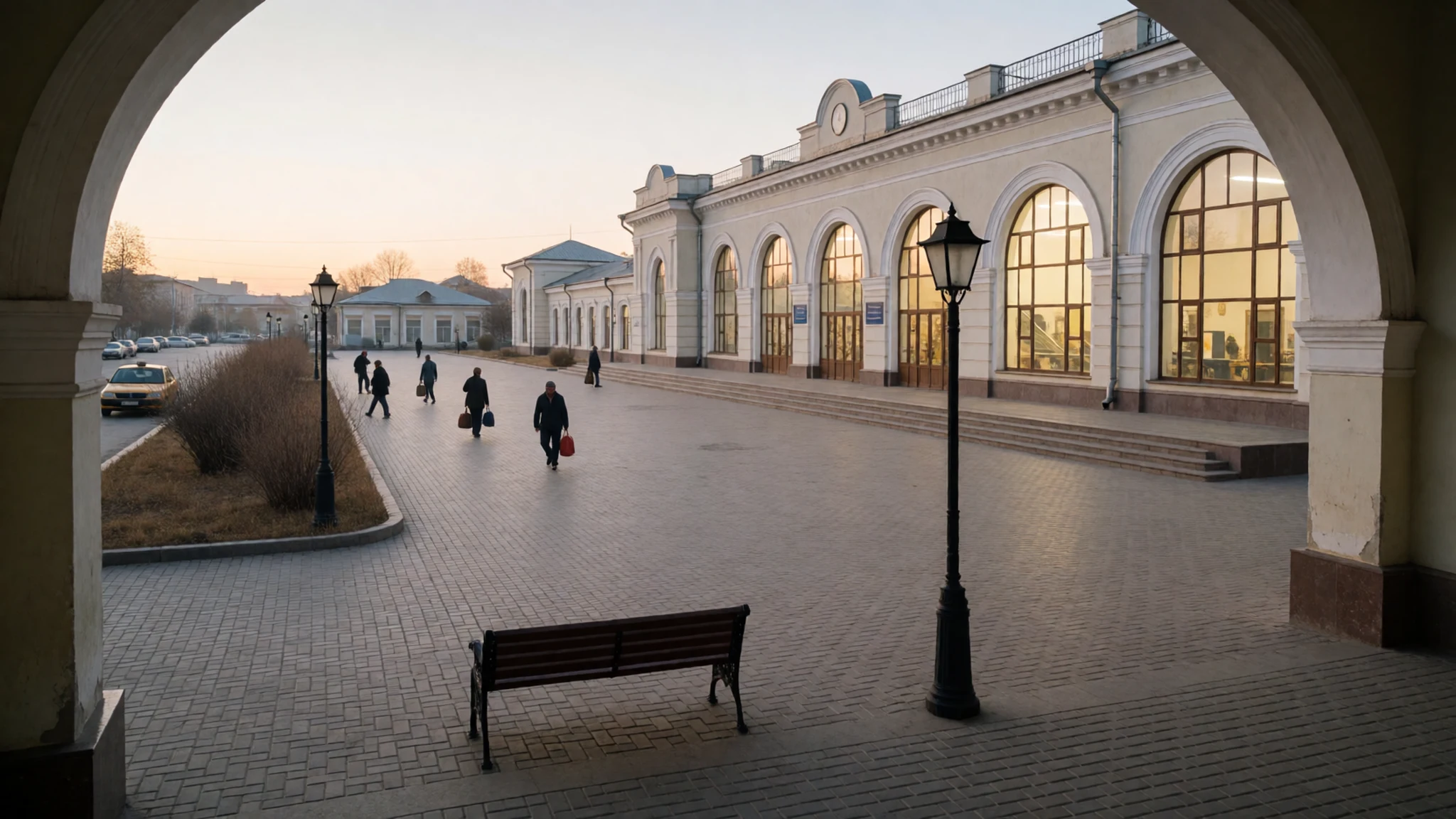
- Moynaq and the ship graveyard — Day trip north of Nukus
Moynaq, about 200 km north of Nukus, was a fishing town and is now known for its ship graveyard, rusting hulls left stranded where the Aral Sea once lay. The drive takes three to three and a half hours each way, so start early; marshrutkas run via Kungrad, and taxis can be arranged.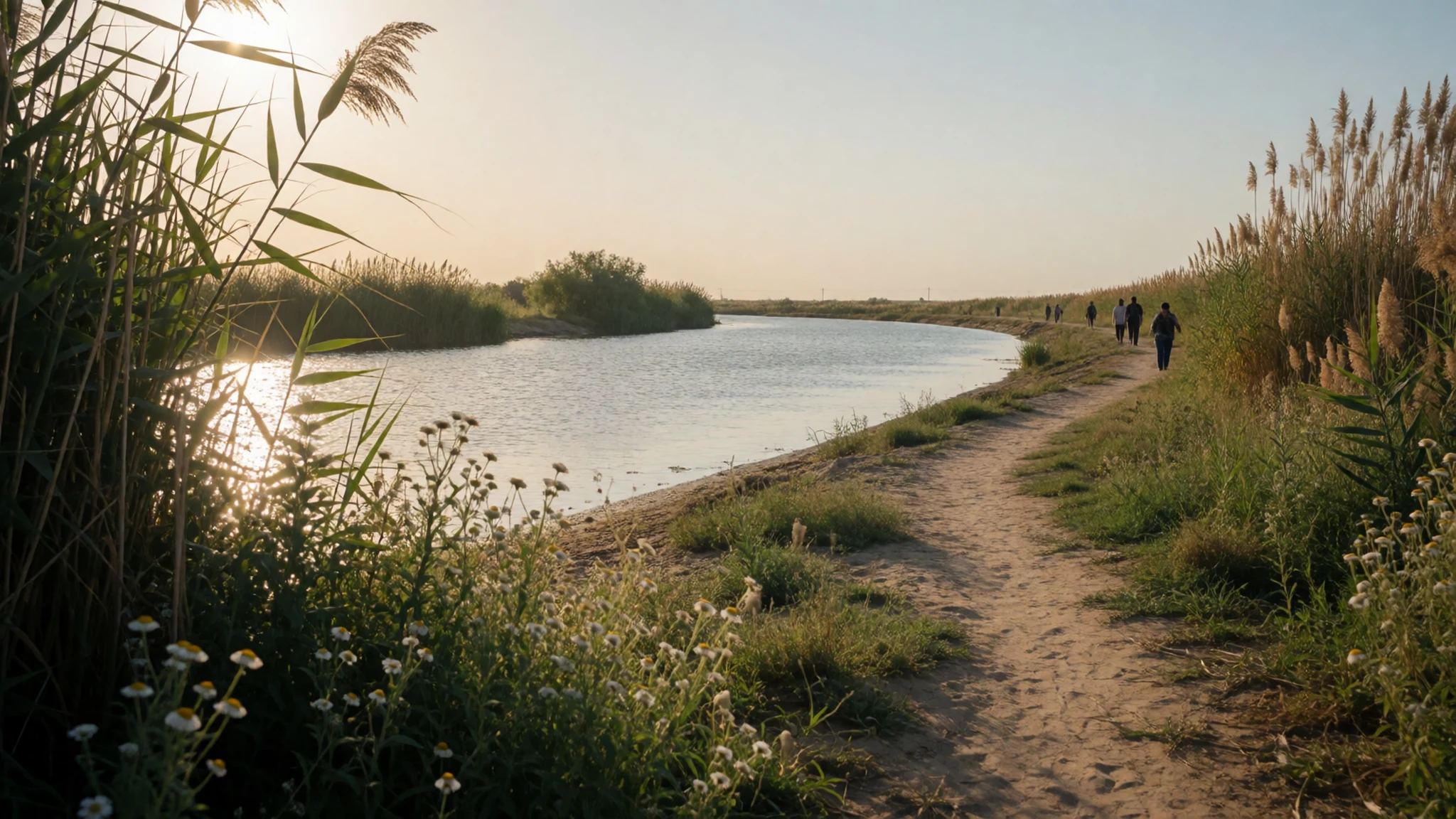
Culture
Nukus is a Karakalpak city first, and the distinction matters to people here. Karakalpaks have their own language, their own epic and song traditions, and a strong sense of identity inside Uzbekistan, and the republic's capital is where much of that is kept alive in theatres, museums and family houses. The Soviet years left a layered inheritance: Russian is still widely spoken, there is a sizeable Korean community resettled here after the Second World War, and Islam is practised quietly and mostly without display. Oral storytelling and music are central. Berdaq, the poet whose name the theatre and a museum carry, is a point of local pride, and the Shamuratov performers are remembered for keeping sung narrative alive. The art collection tells another cultural story, of painters who kept working when official taste turned against them. Life runs at a slow, courteous pace, with tea offered readily and greetings taken seriously. Visitors who show curiosity about Karakalpak history, rather than treating the city as an Uzbek stopover, tend to get warm responses and invitations to talk. The Aral Sea disaster is not abstract here, because families have lived through its effects on work, health and weather. Ask the people you meet about it with sensitivity, and always ask before photographing anyone, particularly women and elders.
What to wear
Nukus is the best place to see how Karakalpak dress differs from the Uzbek styles of Samarkand and Bukhara, and the Museum of Applied Arts is the place to start. Traditional women's clothing uses embroidered cloth, bright silks and heavy silver jewellery, worn on festivals and weddings, along with headwear that marks age and marital status. Men's ceremonial dress includes long robes and tall sheepskin hats of the desert tradition, now seen mostly at celebrations and on stage. On an ordinary day, people in the city dress much as elsewhere in Uzbekistan: office wear, modest dresses with trousers underneath, jackets and scarves in winter, and many younger people in jeans and trainers. Visitors should dress for climate first. Summer is fierce and dry, so wear light long sleeves, loose trousers, a hat and sunglasses, and carry sun cream. Winter needs a proper coat, hat and gloves. Shoulders and knees should be covered for mosques and for general comfort, and women may want a light scarf to hand. Wear comfortable closed shoes that slip off easily, since pavements are dusty and you may be removing them at houses, and sturdy ones if you plan the dusty trip to Moynaq.
What to eat
- Samsa — Bakeries and street stalls around the central markets
Baked pastries filled with minced beef and onion, filling and cheap. Potato versions exist; ask for kartoshka samsa if you want no meat. Eat them hot, from a bakery counter or a street stall, as a snack between museums.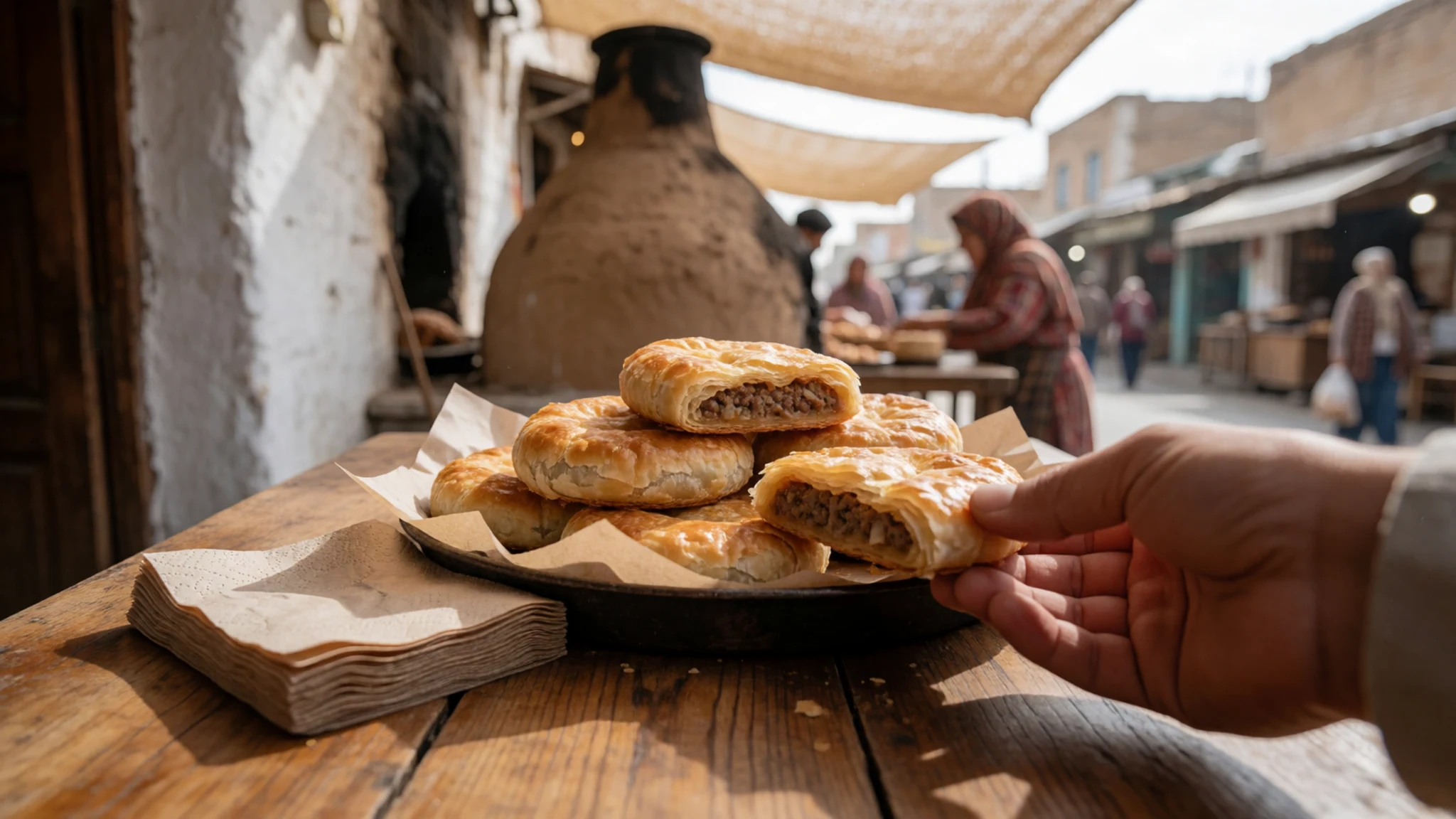
- Plov — Local canteens at lunchtime, or a family home
The rice-and-meat dish known across Uzbekistan, usually made with chicken in this region. It is at its best when cooked at home or at a small neighbourhood canteen at lunchtime, so accept any invitation to a family table if one comes.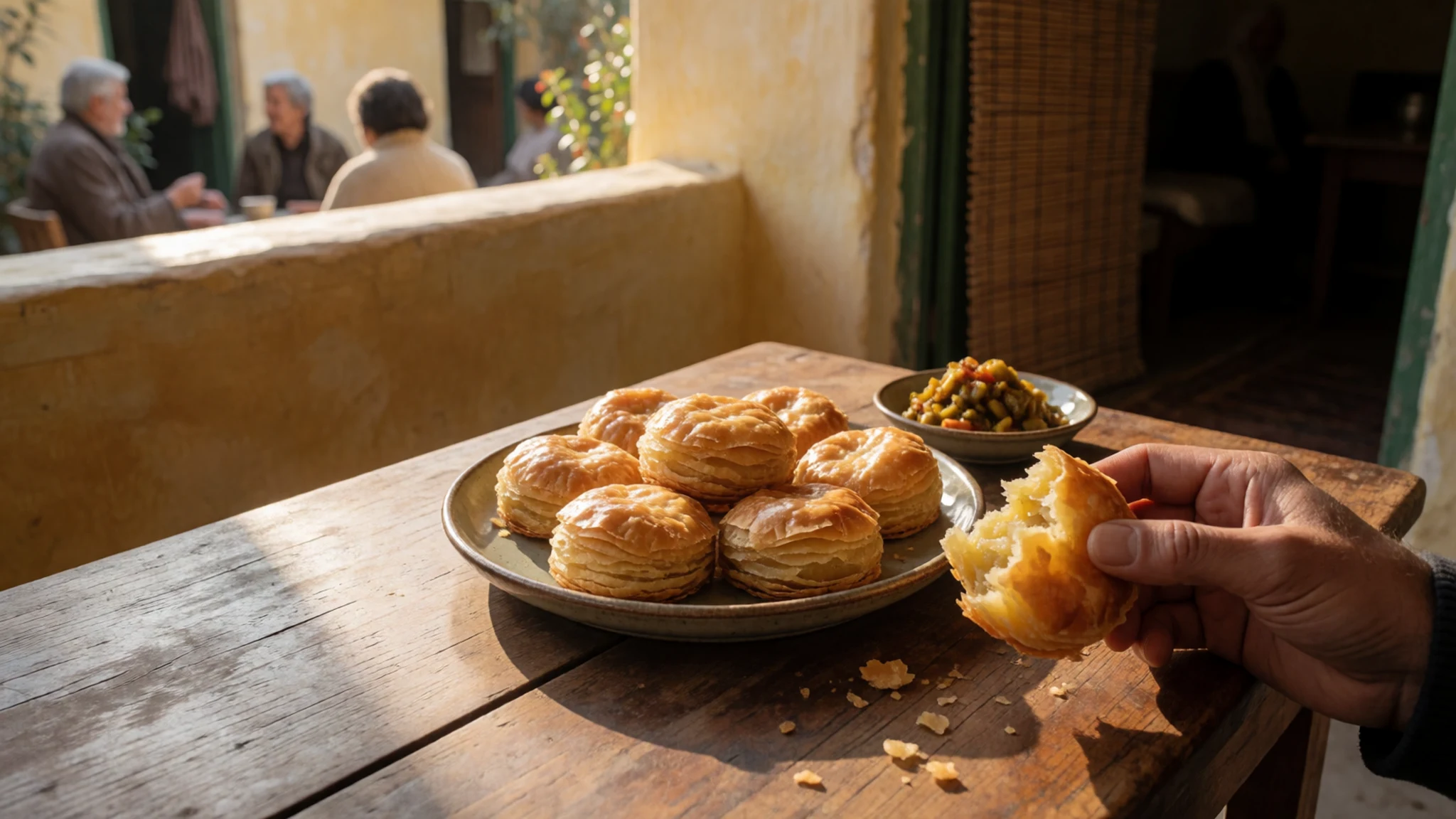
- Kebab — Grill places around the central avenues
Grilled meat on skewers served with flatbread and onions is the dependable option in a city with few restaurants. Look for simple grill places near the main museum and along the central avenues, and choose busy ones where the charcoal is lit. - Kimchi and Korean salads — The main fruit and vegetable market
A Korean community resettled here after the Second World War, and its pickled and spiced vegetable salads are a familiar local food. Sold by weight, they make a sharp, fresh contrast to heavy meat dishes and are good to carry as a picnic. - Qarataw vodka — Shops and restaurants in Nukus
A local spirit, produced in Karakalpakstan and hard to find elsewhere, that people here speak of with real pride. Ask for it by name at shops and at a table with friends, and drink in moderation, with food and toasts.
Plan it
Best time. April–May and September–October, when days are warm rather than fierce. Summers are long, dry and very hot, and winters are short but cold and snowy.
How long. 2–3
Getting there. Fly to Nukus from Tashkent on Uzbekistan Airways, or take the daily train from Tashkent via Samarkand and Bukhara (about 17 hours). From Urgench, the interchange for Khiva, shared taxis run to Nukus in a little over two hours; check current fares locally.
Budget. low
Tips
- Book long-distance trains as early as you can, as they sell out fast
- Carry some US dollars and Uzbek som in cash; card use is patchy and some hotels prefer dollars
- Start day trips to Moynaq early, as the drive is long and the desert heat builds
- Carry plenty of water and sun protection, and avoid midday sightseeing in summer
- Restaurants are few, so ask your hosts for recommendations and be ready for simple meals
Etiquette
- Ask before photographing people, especially women and older residents
- Dress modestly for mosques and remove shoes when asked
- Treat the Aral Sea story with sensitivity when talking to locals
Nearby
Sources
- Wikidata Q489898 (CC0)
- Wikipedia: Nukus (rev 1382384312) (CC BY-SA 4.0)
- Wikivoyage: Nukus (rev 5385750) (CC BY-SA 4.0)
- Photo: Berdaq milliy muzeyi (Kuwanishbek) (CC0 1.0)
- Photo: Parliament Builiding (Karakalpakstan Parliament) (CC BY-SA 4.0)
- Photo: Karakalpak State Academic Musical Theatre (Qaraqalpaqpan) (CC BY-SA 4.0)
- Photo: Imam Ishan Mohammed Mosque (Ayzadarich) (CC BY-SA 4.0)
- Photo: Nukus railway station (Janabaevazizbek) (CC BY-SA 4.0)
- Photo: IT-Park Qaraqalpaqstan (Aziko9) (CC0 1.0)
- Photo: Friendship (Kyzketken) channel (Aziko9) (CC0 1.0)
- Photo: Uzbekistan, Karakalpakstan, Nukus (Atabekseytbaev) (CC0 1.0)


