Wapusk National Park
Wapusk National Park, Canada
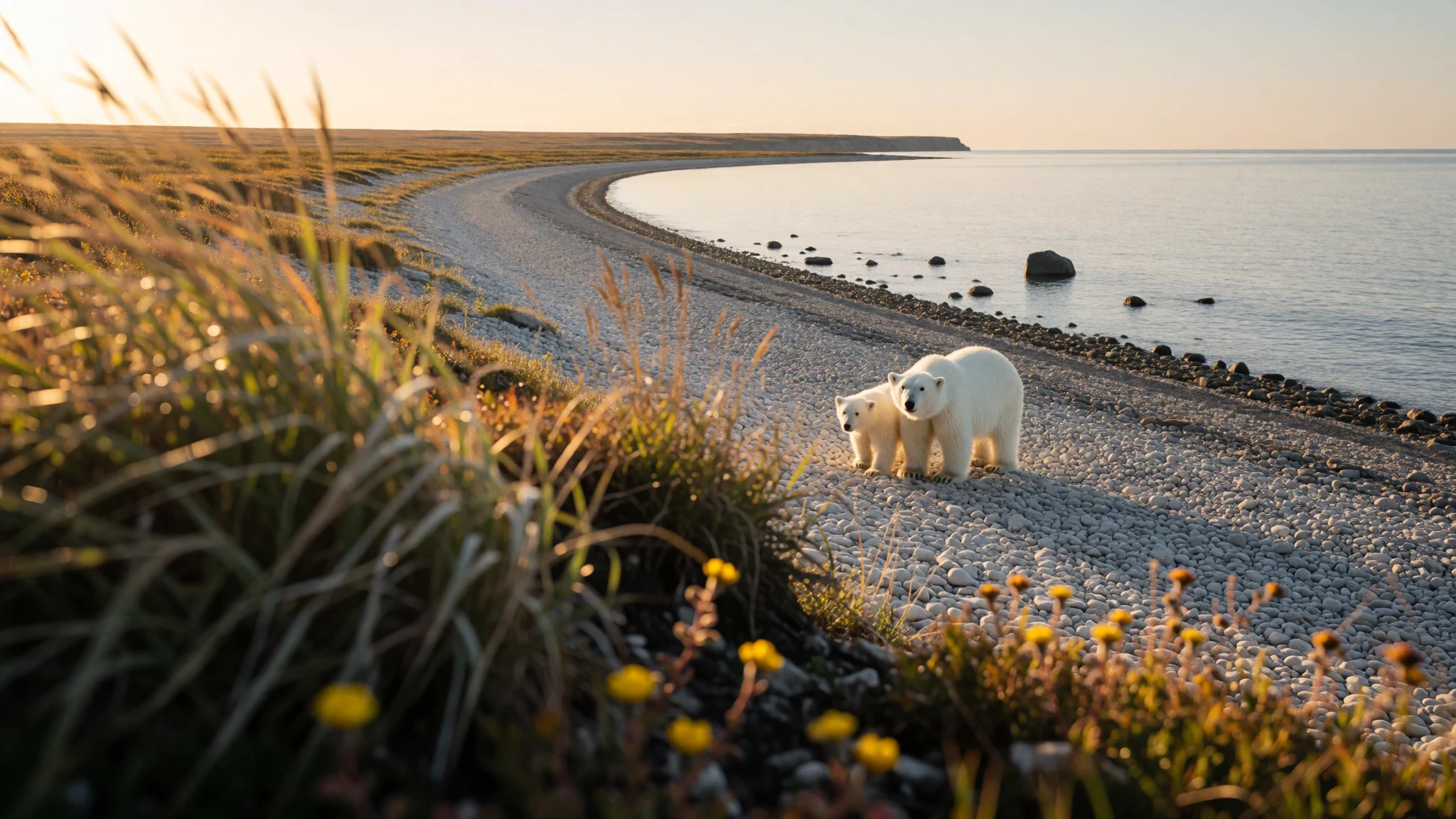
Visit for an intimate, remote encounter with polar bears in one of the world's most untouched subarctic wildernesses.
The place
Wapusk National Park is a vast, raw expanse of the Canadian north, situated on the edge of Hudson Bay in Manitoba. Its name is derived from the Cree word for polar bear, a fitting title for a landscape that serves as a critical sanctuary for these animals. The terrain is dominated by the Hudson Bay Lowlands, a sprawling region of muskeg and peatlands that feels almost primordial in its emptiness. Because there are no roads leading into the park, it remains one of the most isolated protected areas in North America, ensuring that the wilderness stays largely undisturbed by human footprints.
Much of the park's allure centres on Cape Churchill, a coastal area where the intersection of land and sea creates a perfect staging ground for wildlife photography. The park protects one of the largest maternity denning areas known globally, making it a vital site for the survival of the species. Visiting here is not a casual trip; it requires specialised transport and a willingness to endure a climate that is often wet, windy, and biting. The sense of scale is humbling, with horizons that stretch forever across the tundra, broken only by the occasional river or the sight of a bear scanning the coast for the return of the winter ice.
Its story
The geological history of Wapusk National Park is a story of ice and erosion. The landscape was sculpted during the last glacial period, leaving behind a tapestry of moraines, eskers, and strand lines that define the current topography. These glacial movements created the wide beaches and dipping plains that now slope gently toward the shores of Hudson Bay. The bedrock beneath the peat consists of Palaeozoic limestone and dolomite formations, which provide a stable foundation for the fragile subarctic ecology that evolved long after the ice retreated.
Human history in Wapusk National Park is equally deep, tied to the indigenous Cree and Chipewyan peoples who have navigated these bogs and coasts for generations. In the 17th and 18th centuries, the region became a strategic nexus for the fur trade, positioned between the major trade centres of York Factory and Prince of Wales Fort. For over two centuries, trappers and traders braved the elements to extract the riches of the north. In more recent decades, the land saw a different kind of activity, as the military used the remote stretches for rocket launch testing via the Churchill Research Range. Today, the narrative has shifted toward conservation, as the park works to protect both the ancient Cree traditions and the critical habitats of the polar bear and caribou.
What to see
- Cape Churchill — Coastal region
Cape Churchill is widely regarded as the premier location for viewing wild polar bears. Visitors typically arrive by helicopter or Tundra Buggy to witness bears gathering on the coast as they wait for the sea ice to freeze, providing a rare glimpse into their natural migratory behaviour.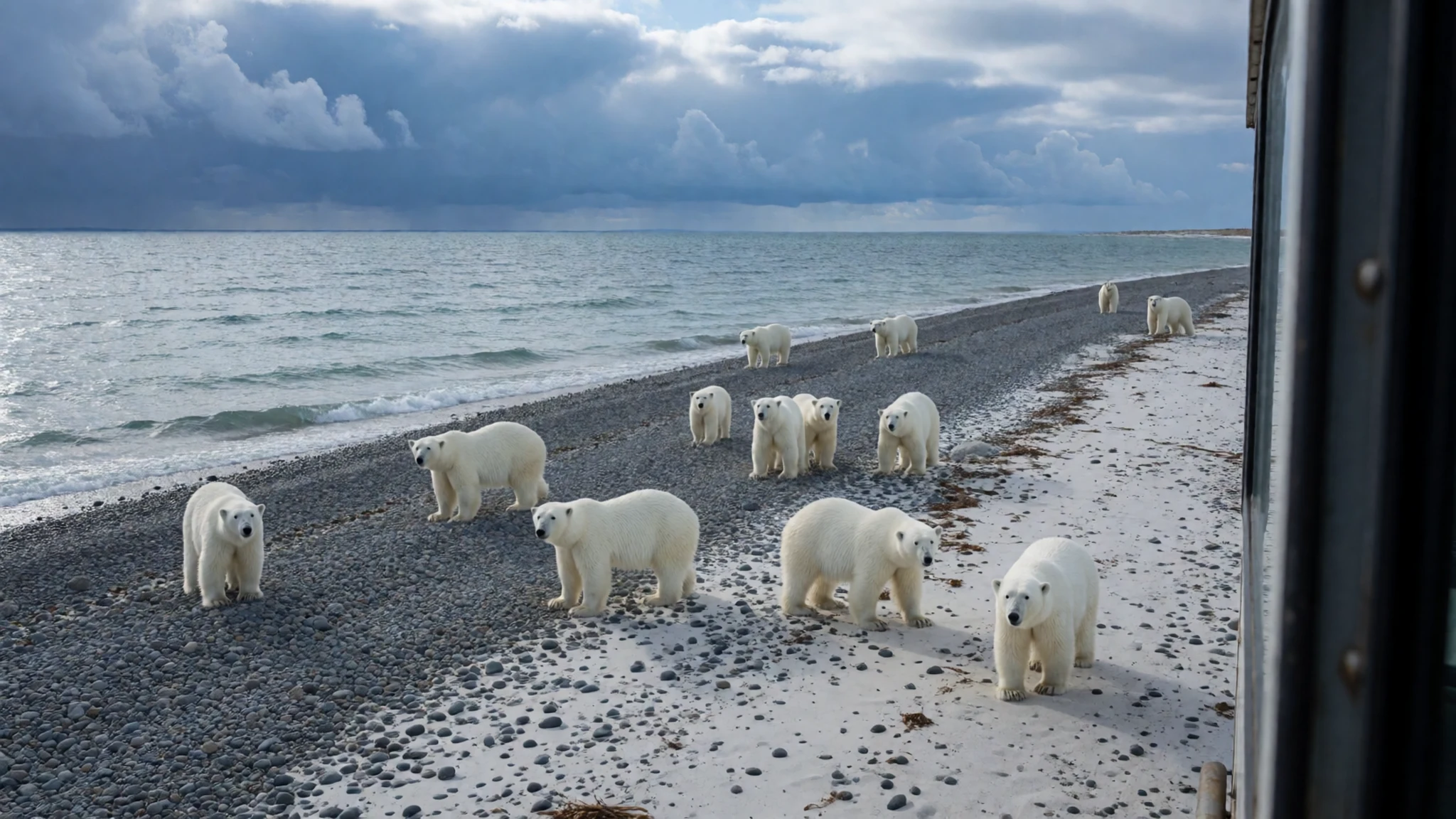
- Maternity Denning Areas — Interior tundra
The park protects one of the largest known areas where polar bear mothers create dens to give birth. These secluded snowy hollows are vital for the survival of cubs during their first months, and the park's strict access rules ensure these mothers remain undisturbed.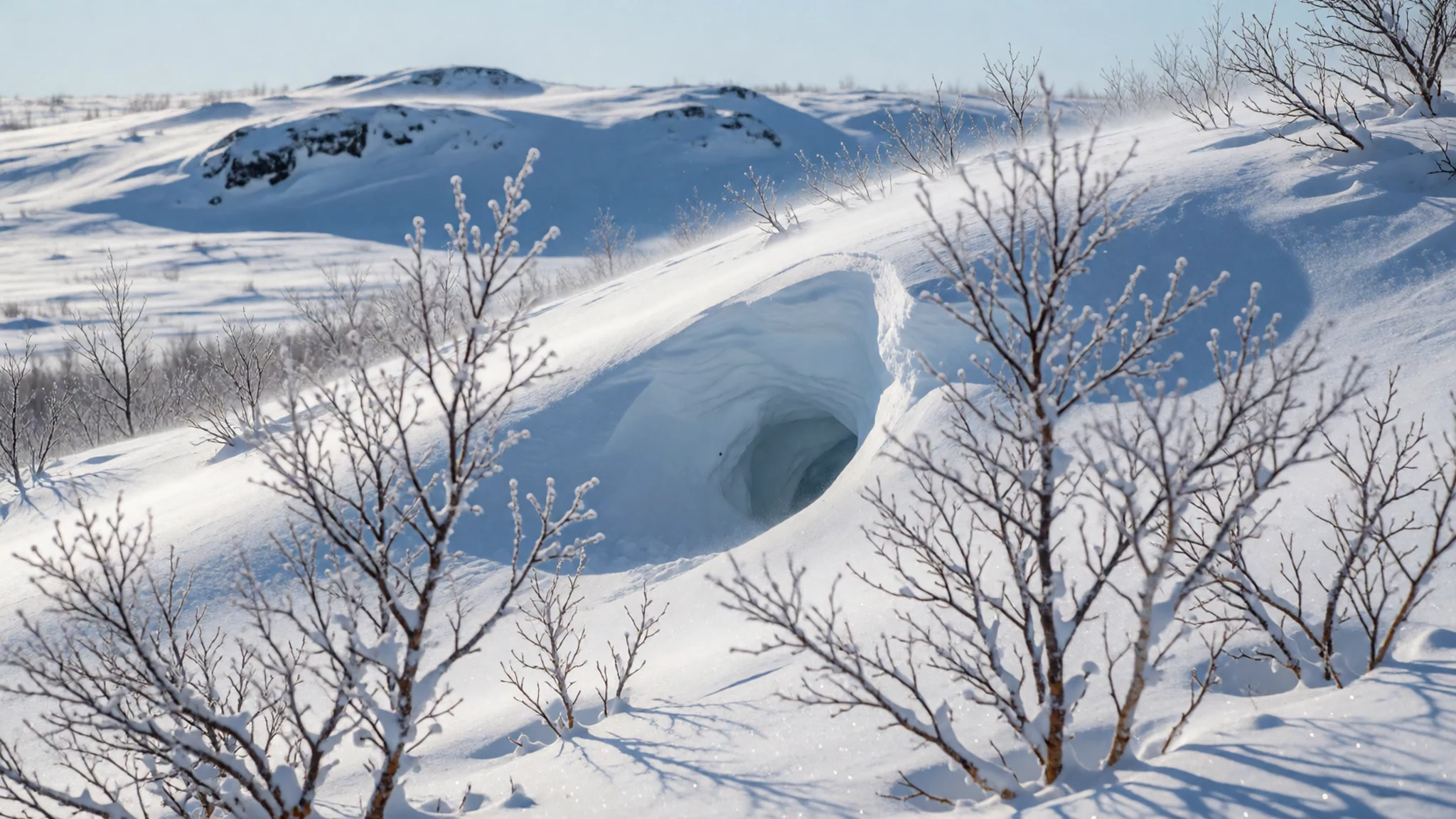
- Hudson Bay Lowlands — Central park region
This expansive ecozone consists of vast muskegs and wet peatlands that define the park's interior. It is a challenging environment to traverse, but it offers a stunning example of subarctic biodiversity, featuring specialised plants and a variety of migratory bird species during the summer.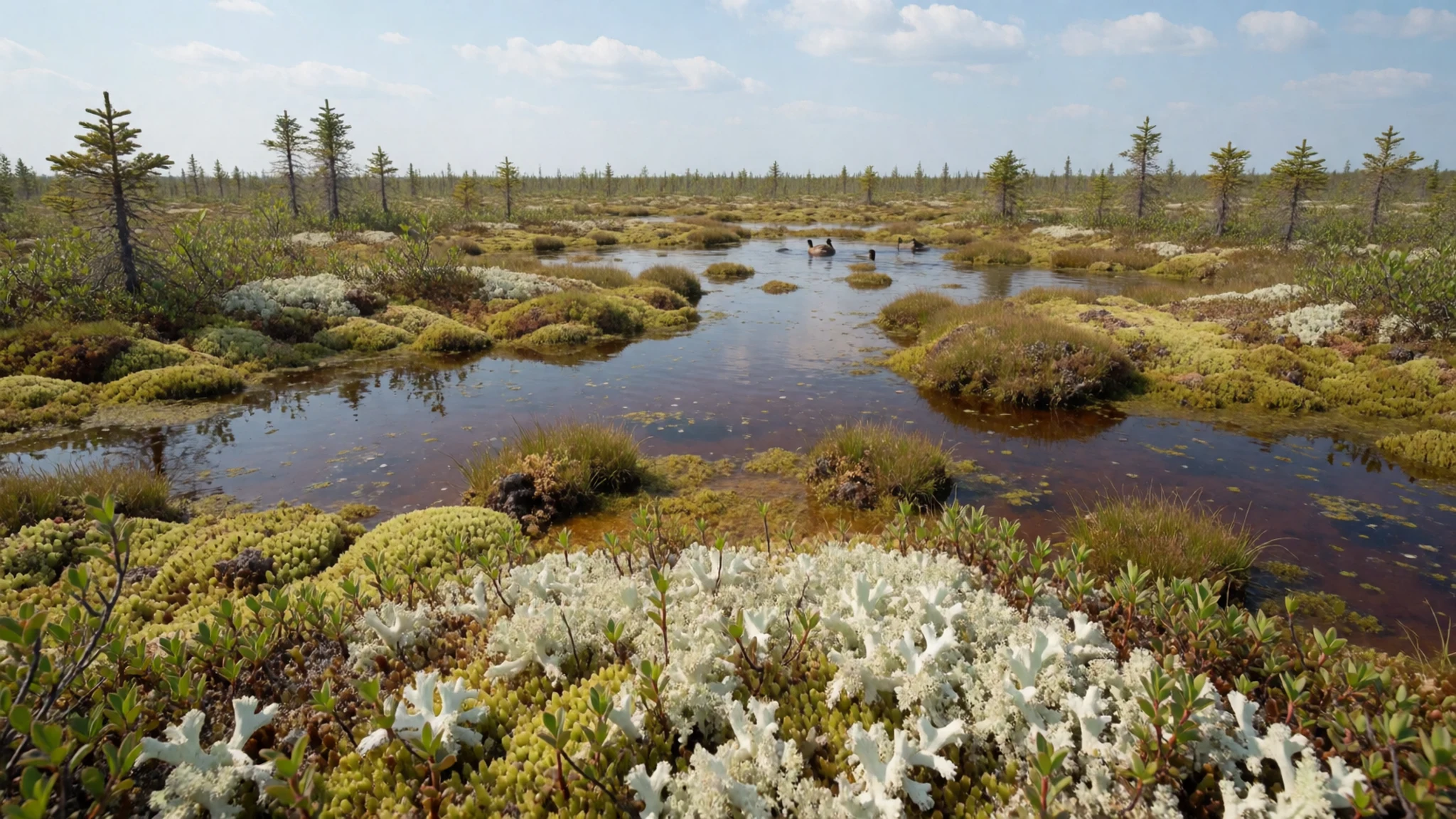
- Broad and Owl Rivers — Interior river basins
These river systems provide critical corridors through the wilderness. They are the sites of bear-proof fenced compounds managed by Parks Canada, offering the only safe way to camp in the backcountry while remaining protected from the curious and powerful polar bears that roam the area.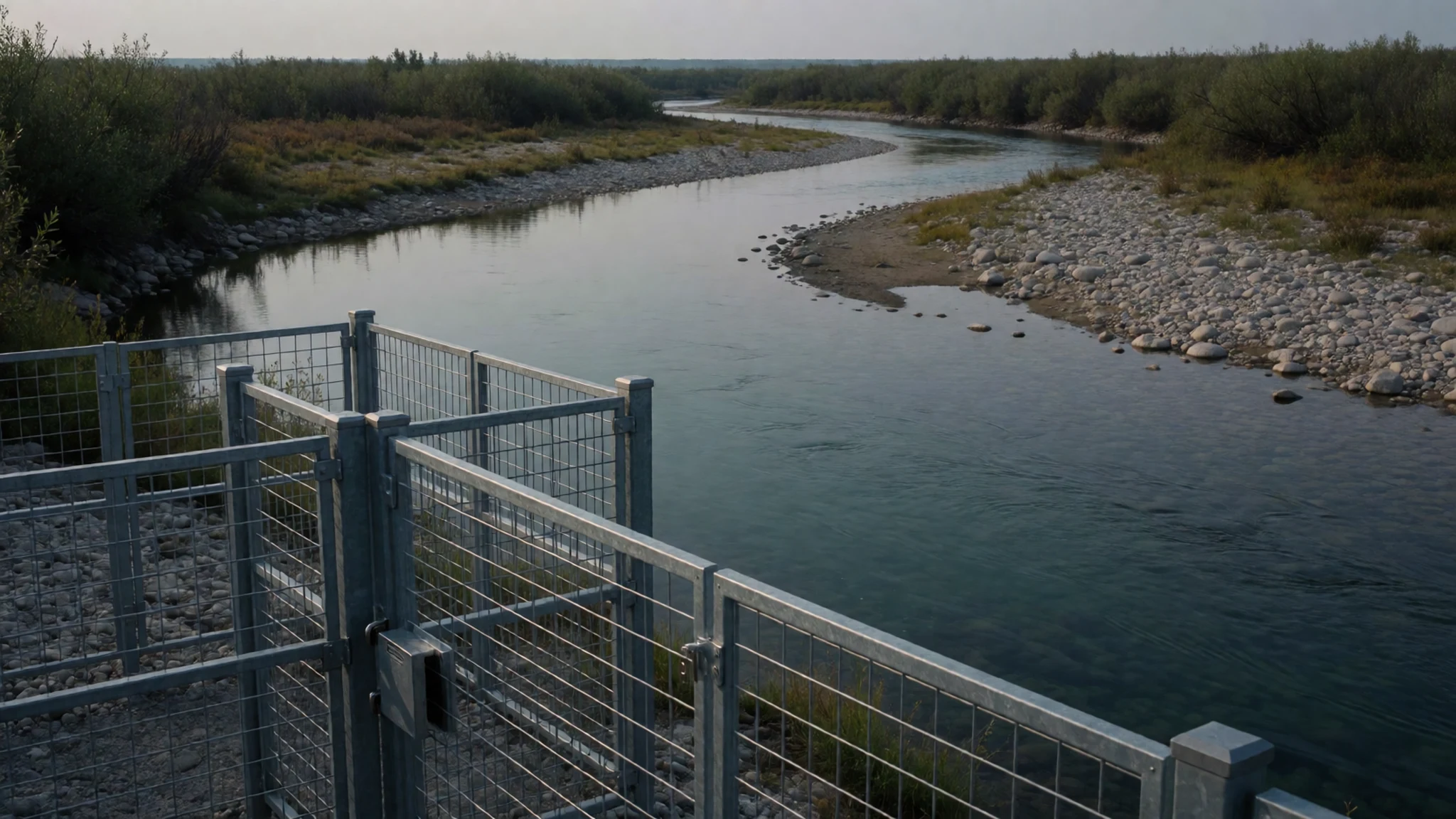
- Coastal Tundra Marshes — Hudson Bay coastline
The area where the land meets the bay is a complex system of freshwater sedges and beach ridges. This zone is particularly active during the summer months, attracting ducks and other waterfowl that utilize the nutrient-rich marshes for breeding and feeding before the winter freeze.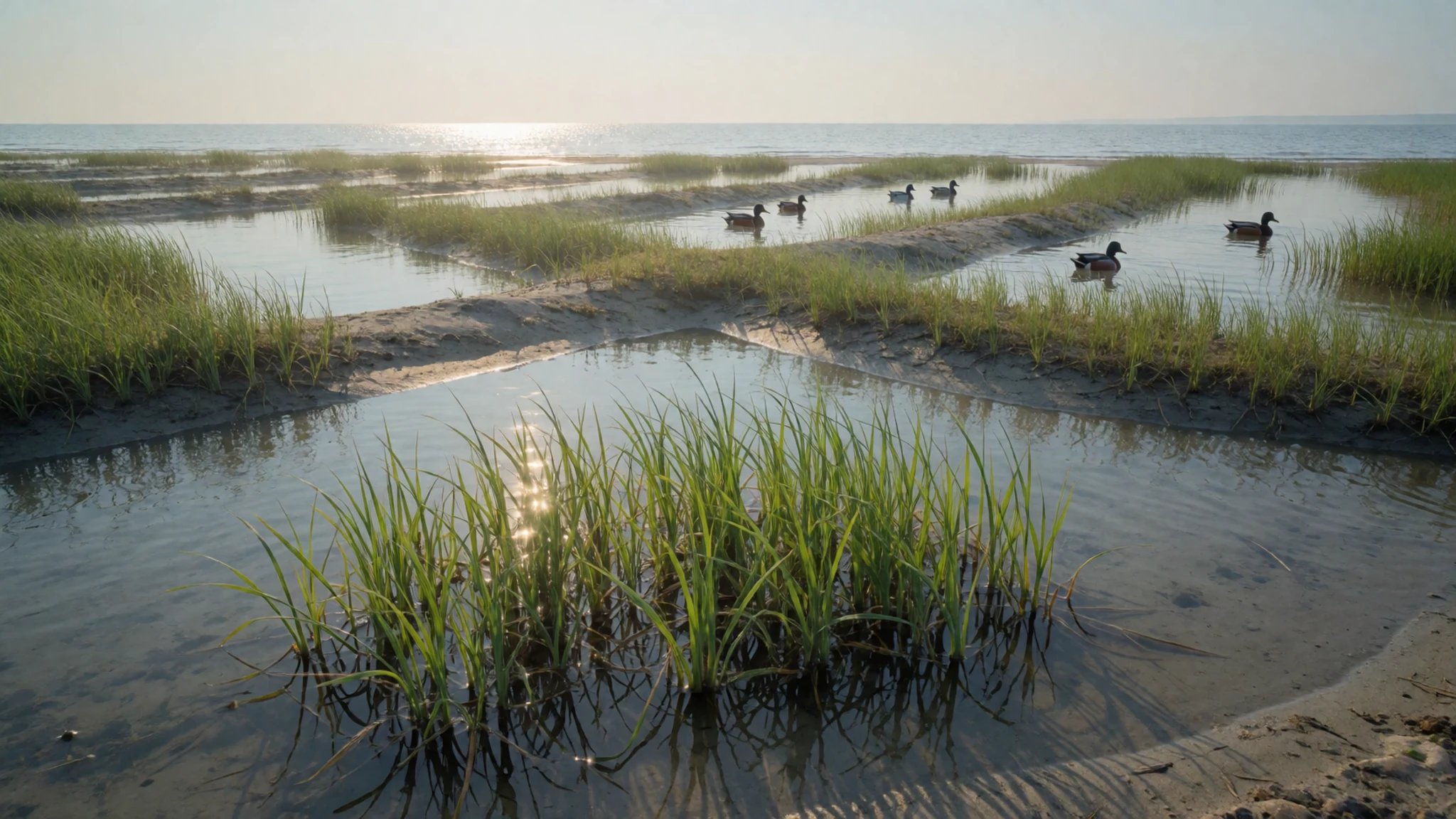
Culture
The culture of Wapusk National Park is inextricably linked to the Cree people, whose knowledge of the land and its wildlife is foundational to the region's identity. The term 'muskeg' itself comes from the Cree language, describing the boggy peatlands that dominate the landscape. For the indigenous communities, the park is not just a wilderness but a home and a source of traditional sustenance and spiritual connection. This relationship is characterised by a deep respect for the polar bear, viewed not as a predator to be feared but as a powerful entity of the north.
Modern culture here is a blend of this indigenous heritage and the scientific community. Many visitors are researchers studying the effects of climate change on sea-ice breakup and caribou migration. This creates a unique social atmosphere where traditional ecological knowledge meets modern climate science, both aiming to preserve a landscape that is rapidly changing due to warming temperatures. It is a place of quiet observation and profound environmental awareness. You must always stay within the designated bear-proof compounds when sleeping and never wander off alone.
What to wear
Fashion in Wapusk National Park is dictated entirely by survival and utility. Traditionally, the Cree people utilised animal skins, furs, and durable textiles to create clothing capable of withstanding subarctic temperatures. These garments were designed for maximum heat retention and water resistance, essential for navigating the damp muskeg and frozen coasts. In the modern era, residents and guides wear high-performance synthetic layers, heavy wools, and specialised arctic boots designed to keep feet dry in peat bogs.
For a visitor, the dress code is strictly functional. Layering is the only way to manage the erratic weather; a base layer of merino wool, followed by a fleece or down mid-layer, and topped with a windproof, waterproof outer shell is the standard. Heavy-duty, waterproof hiking boots or muck boots are non-negotiable for the terrain. In winter, parkas rated for extreme cold, thermal leggings, and insulated gloves are required. Modesty is less of a concern than warmth, though durable, non-descript colours are often preferred to avoid startling wildlife. Footwear must be sturdy enough to handle both the rocky beach ridges and the sinking depths of the peatlands.
What to eat
- Arctic Char — Churchill eateries
This cold-water fish is a local delicacy, prized for its clean, buttery flavour. It is typically served grilled or smoked and is most commonly found in the lodges and eateries of the gateway town of Churchill.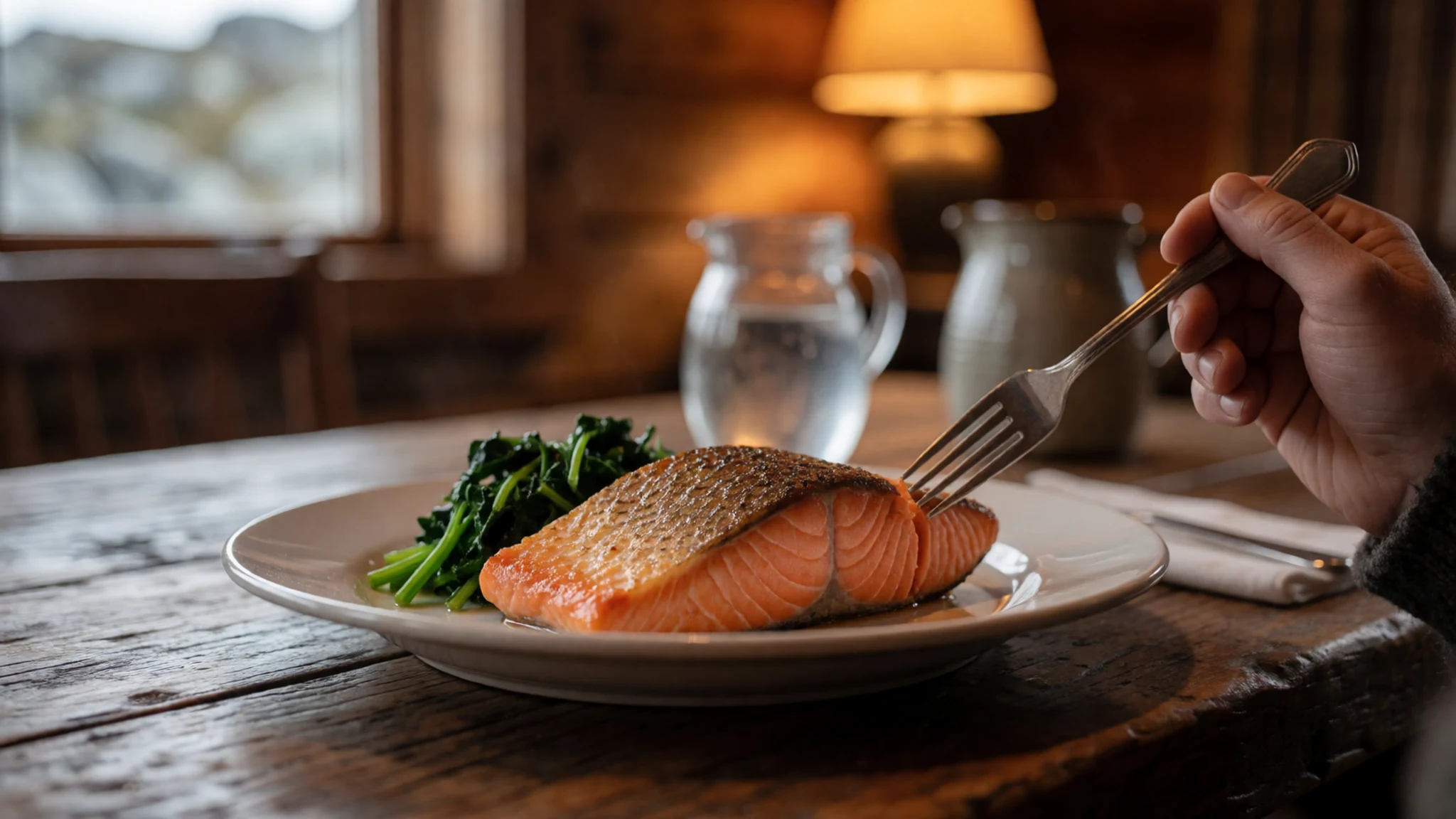
- Wild Arctic Berries — Local Churchill markets
During the brief summer, berries like cloudberries and crowberries are harvested from the tundra. These tart, nutrient-dense fruits are used in jams or eaten raw, typically found in local markets or home kitchens in Churchill.
- Hearty Game Stews — Research camp dining halls
Thick stews featuring local meats are staples for keeping warm in the subarctic. These slow-cooked dishes are often found in the mess halls of research camps or the small restaurants catering to visitors in the gateway town. - Bannock Bread — Indigenous-led tour groups
A traditional indigenous flatbread, bannock is a versatile staple often served with butter or jam. It is a common sight in community gatherings and indigenous-led tours departing from the town of Churchill. - Dried Fish and Meat — Local indigenous providers
Traditional preservation methods are still used to create dried fish and meat, providing essential protein for long trips into the backcountry. These are typically sourced from local Cree providers in the Churchill area.
Plan it
Best time. October to November for polar bear migration along the coast; spring for viewing denning bears over snow.
How long. 3–5
Getting there. Fly or take the Via Rail train to Churchill, Manitoba; from there, access the park via helicopter or Tundra Buggy through licensed operators.
Budget. high
Tips
- Book your licensed tour operator months in advance
- Prepare for extreme wind chill even in the shoulder seasons
- Carry a high-quality camera with spare batteries (cold drains them quickly)
- Stick strictly to the bear-proof compounds for any overnight stays
- Check the official Parks Canada site for the current list of licensed guides
Etiquette
- Never approach a polar bear; maintain the distance advised by your guide
- Follow the 'Leave No Trace' principles strictly to protect the fragile peatlands
- Keep noise levels low to avoid disturbing maternity denning areas
Nearby
Sources
- Wikidata Q1638019 (CC0)
- Wikipedia (CC BY-SA 4.0)
- Wikivoyage (CC BY-SA 4.0)
Wildlife
- Polar bear (animal)
The polar bear is the biggest bear on Earth, a pale-furred giant with black skin, a thick coat of fat and enormous paws made for walking on ice and paddling through water. Wapusk National Park offers a remote, intimate meeting with them in untouched subarctic wilderness. Watch with a guide, keep a generous distance, and stay quiet and calm so the bear can go about its day. Never feed a bear, and never try to draw it closer; wild animals should stay wild.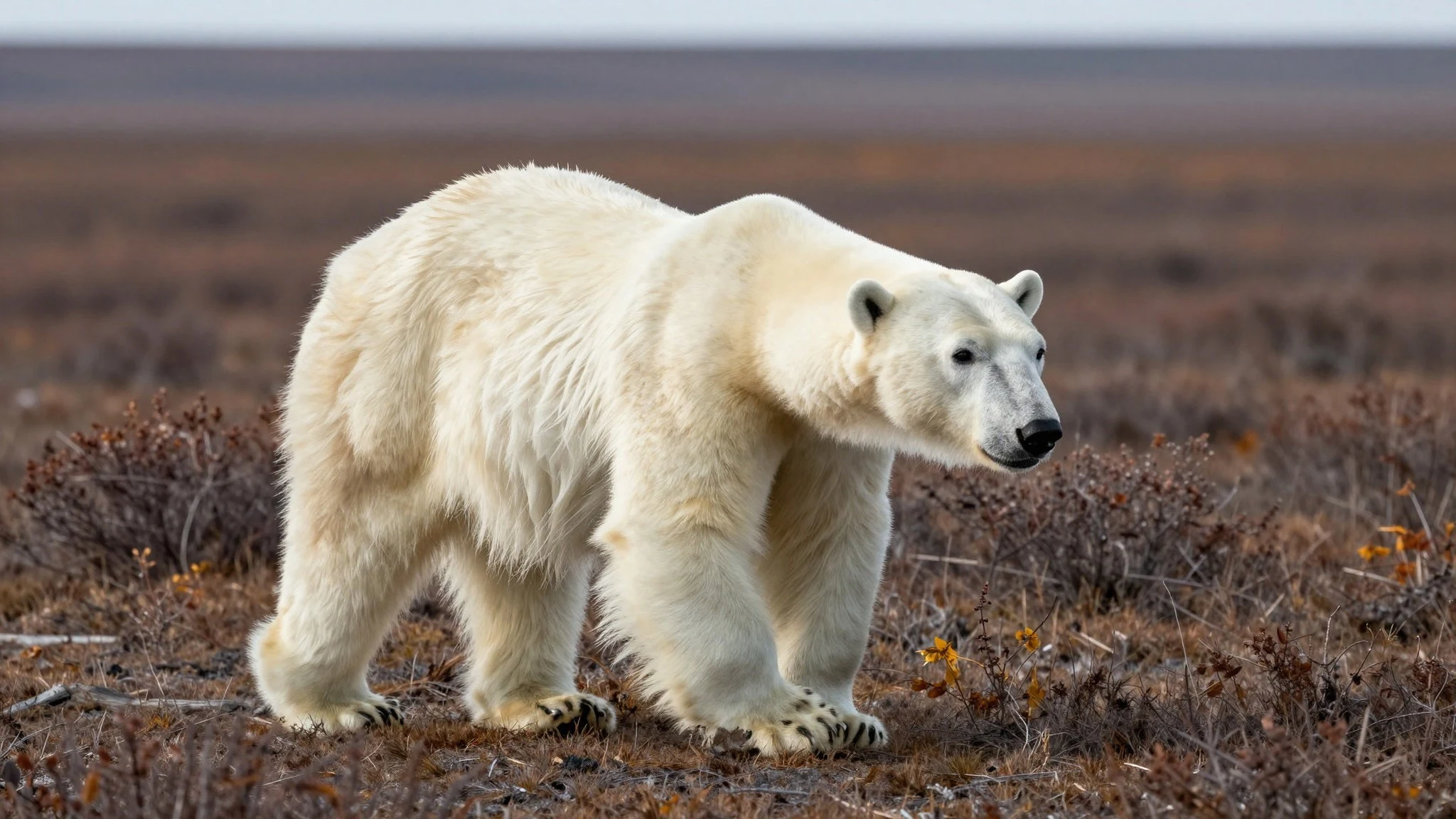
- Caribou (animal)
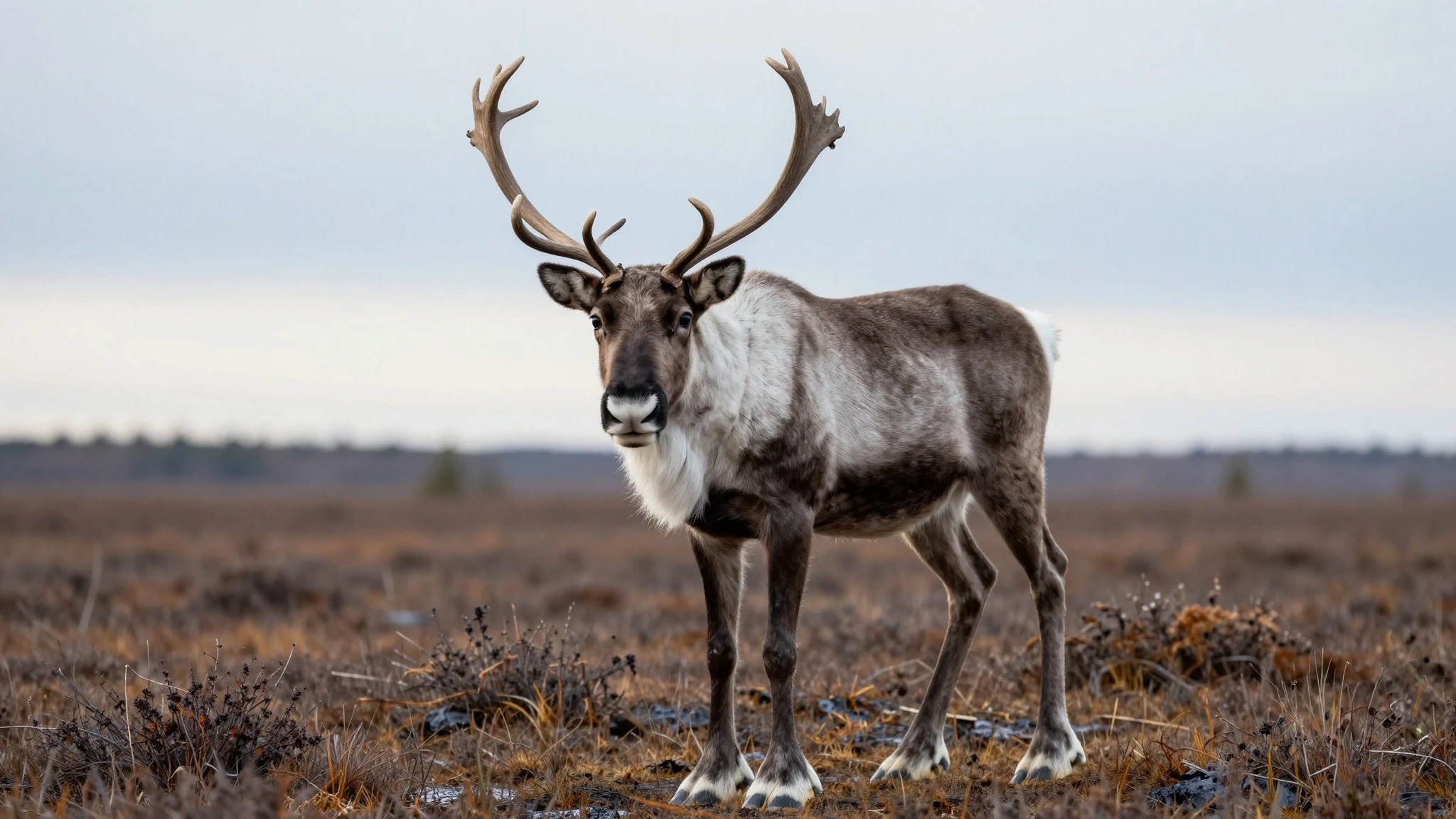
The caribou is a wild deer of the far north, the same animal that people in Europe and Siberia call a reindeer. In Wapusk, the park works to protect the habitats caribou depend on, alongside those of the polar bear. Ask your guide what you may hope to see, and watch from a good distance, quietly and calmly. Never feed them, because wild caribou are best left wild.