Volcán Maderas
Volcán Maderas, Nicaragua
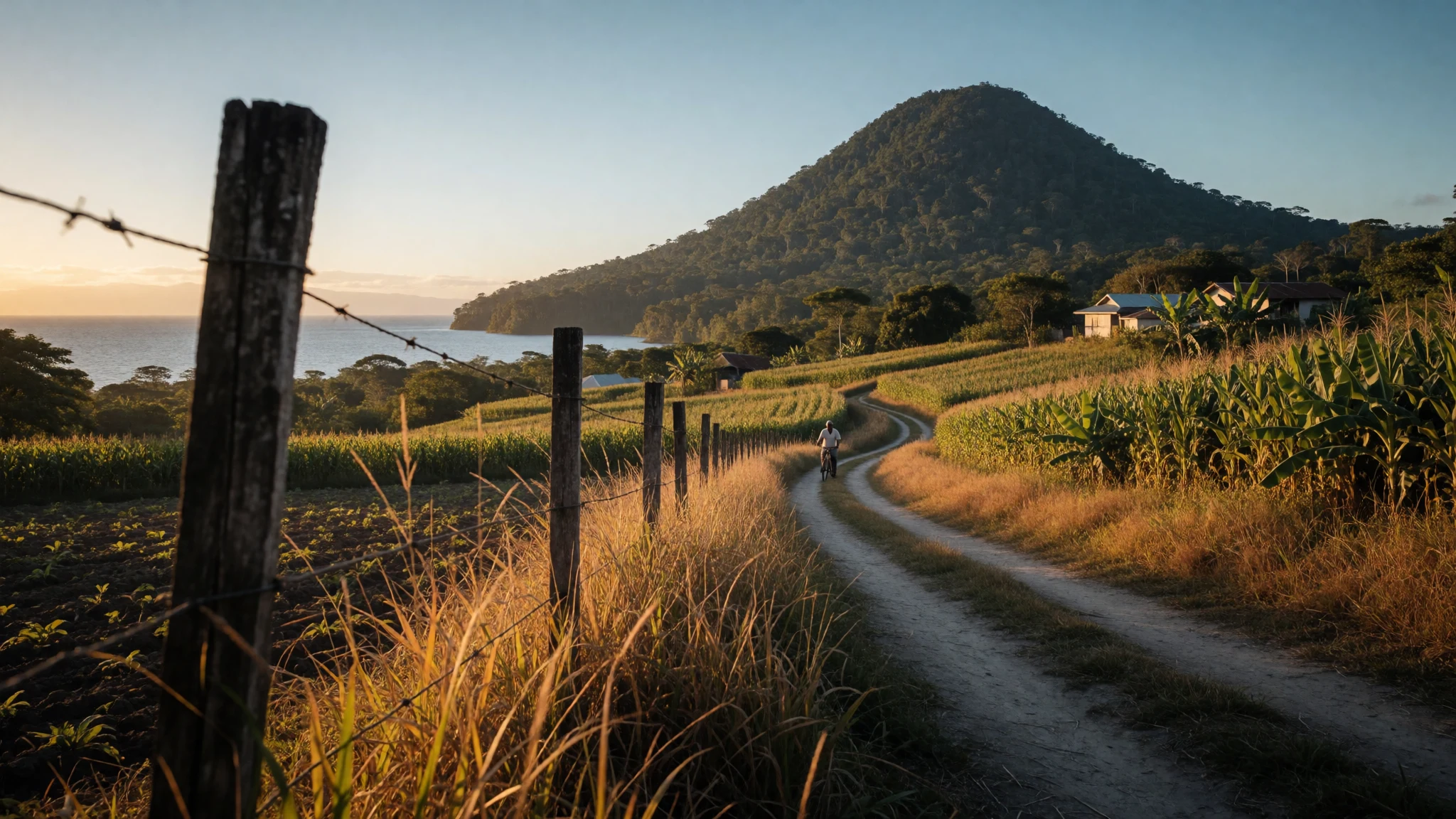
Volcán Maderas is a quiet, forested volcano on Ometepe with a crater lake, cloud forest and monkeys, best done as a long, muddy day walk.
The place
Volcán Maderas is the smaller of the two volcanoes that make up Ometepe, an island in Lake Nicaragua. It reaches 1,394 metres, and its slopes sweep down to farms, villages and the lakeshore. Unlike its neighbour Concepción, Maderas has not erupted in recorded history, and a lake now sits in its crater. That long quiet has let forest cover the whole mountain. On the climb the vegetation changes in bands: drier woodland near the fields, then damper forest, then cloud forest near the top, where moisture hangs in the air and moss and epiphytes coat the trunks. Cloud forest is unusual on Nicaragua's Pacific side, and Mombacho volcano is the only other place in the region that has it. White-faced and howler monkeys live on the slopes, along with mountain crabs and blue morpho butterflies, and old petroglyphs have been recorded on the volcano. The island's second town, Altagracia, lies to the north, and the Maderas side of the island is the quieter, more rural half, with small farms, guesthouses and a lot of rain. The mountain has a local name too, Omeyateite, from the Nawat language. The climb is the main reason people come: it is muddy, steep in places, and rewarded by the lake and by the sense of being inside a living forest rather than looking at one.
Its story
Volcán Maderas has a longer human story than its quiet slopes suggest. Its Nawat name, Omeyateite, belongs to the people who lived around Lake Nicaragua long before Spanish rule, and the island's own name, Ometepe, is usually explained as 'two mountains', a plain description of what anyone sees from the shore. Petroglyphs found on the volcano show that people marked the mountain well before roads, ferries or guesthouses existed. The ground itself explains why the island mattered. Volcanic soil on the lower slopes is fertile, the lake supplies fish and fresh water, and the cloud forest higher up catches the moisture that feeds streams. Maderas and Concepción have behaved very differently. Concepción is the active one, while Maderas has been calm for as long as written records go, which is why its crater holds a lake rather than a smoking vent. For visitors the mountain's modern chapter is walking. Guiding companies on the island encourage hiring a local guide, and the path from Finca Magdalena is clear enough that many people go up without one, though the mud can make that choice harder on a wet day. Ferries from Granada and San Carlos tie the island to the mainland, and when the lake is low they stop, a reminder that Ometepe's rhythm still follows the water and the weather.
What to see
- The summit trail from Finca Magdalena — Finca Magdalena, east side of the volcano
The usual route up Maderas begins at Finca Magdalena and climbs steadily through farmland, dry forest, humid forest and finally cloud forest. The path is easy to follow, but the steep sections turn to slick mud after rain, even in the drier months. Plan for most of a day and carry plenty of water.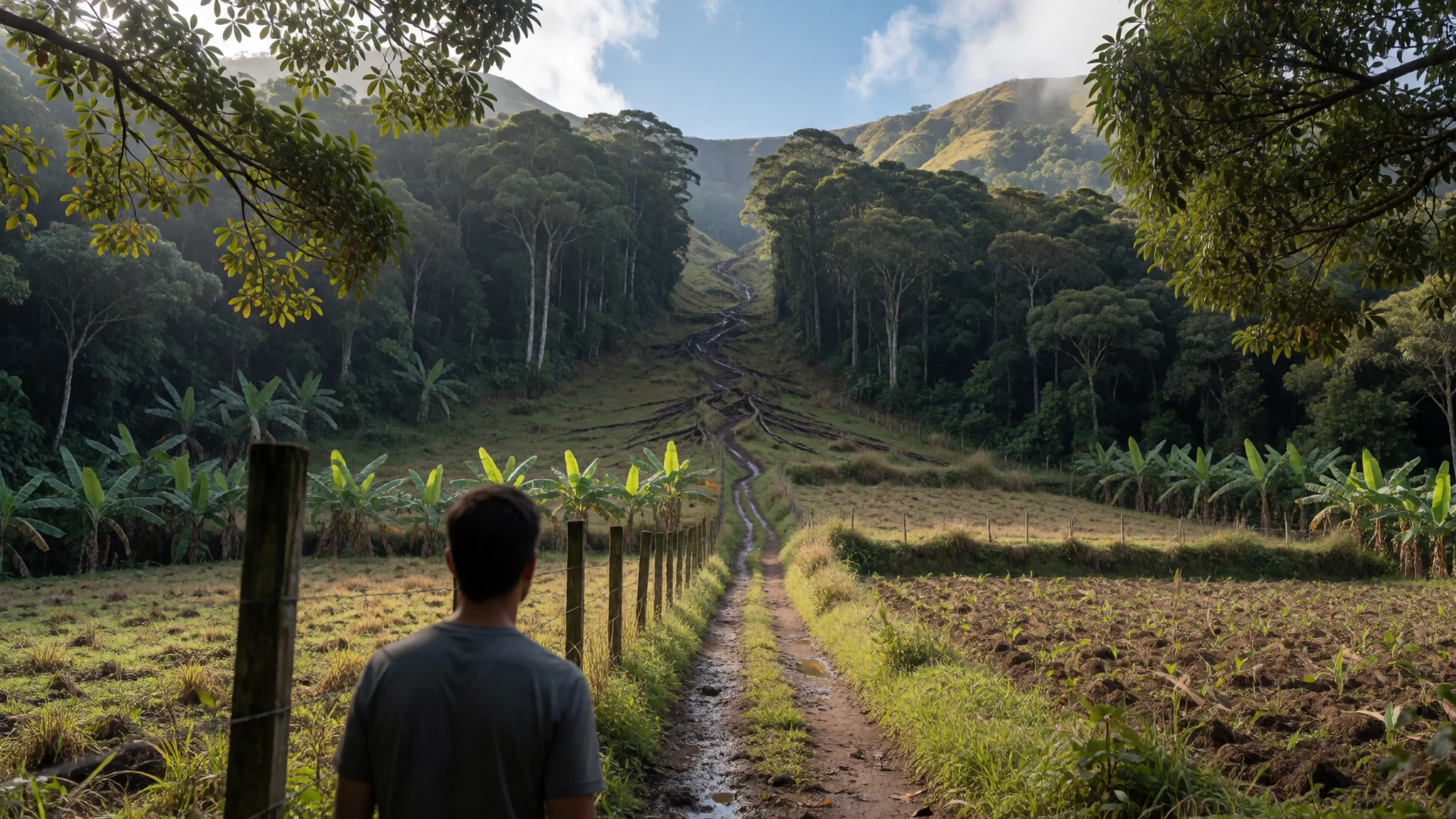
- The crater lake — Summit crater
The lake inside the crater is the reward at the top of the hike. It sits in a bowl of forest, often under cloud, and the descent to the water is steep and muddy. Visibility changes by the hour, so the view may be a pale wall of mist rather than a clear sweep.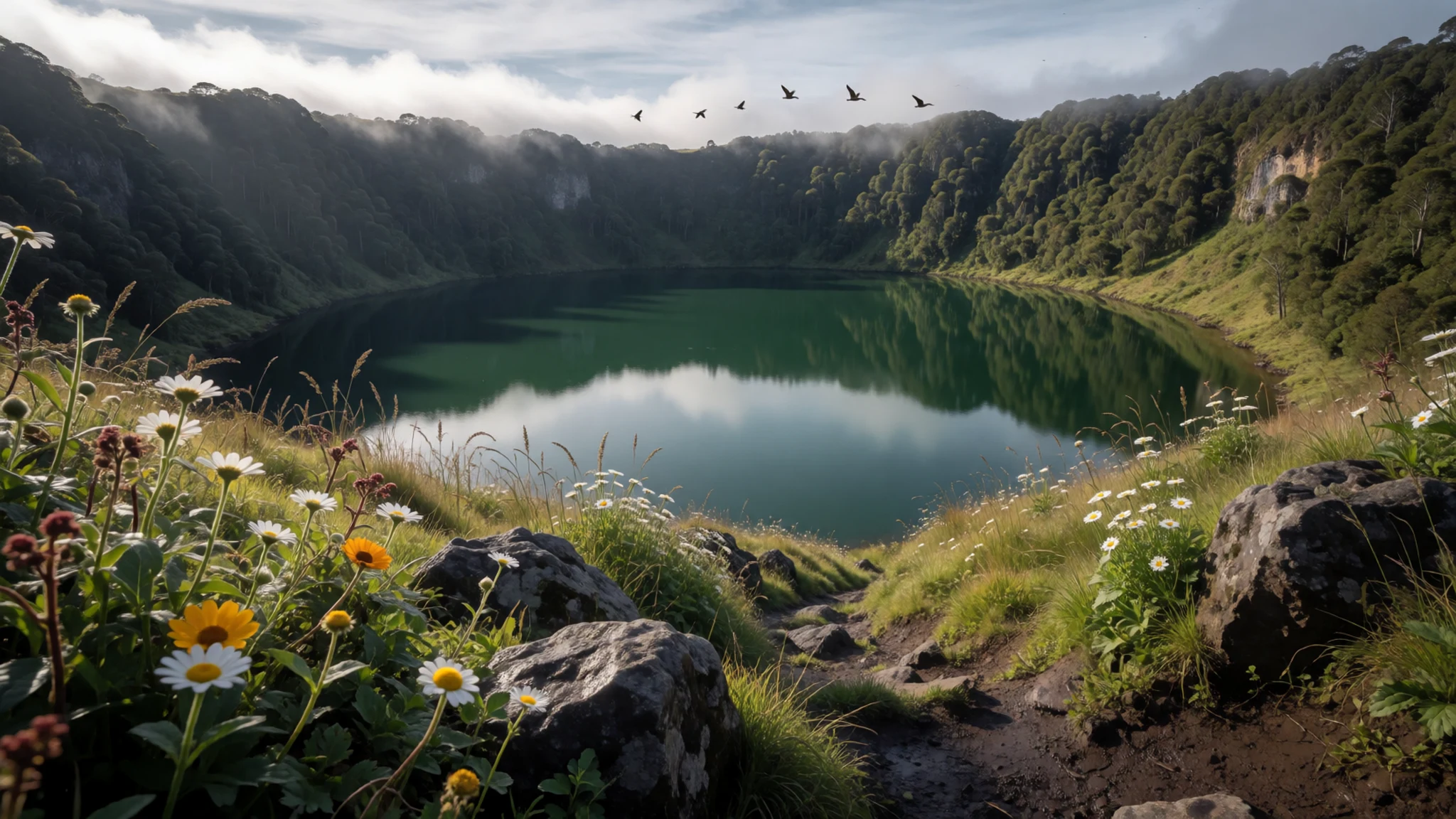
- The cloud forest — Upper slopes
Near the top, the trees are draped in moss and ferns, and the air feels damp and cool. This is the mountain's most unusual habitat, one of only two places on Nicaragua's Pacific side where cloud forest grows. Move slowly and quietly here, as monkeys and butterflies are easiest to spot in the upper forest.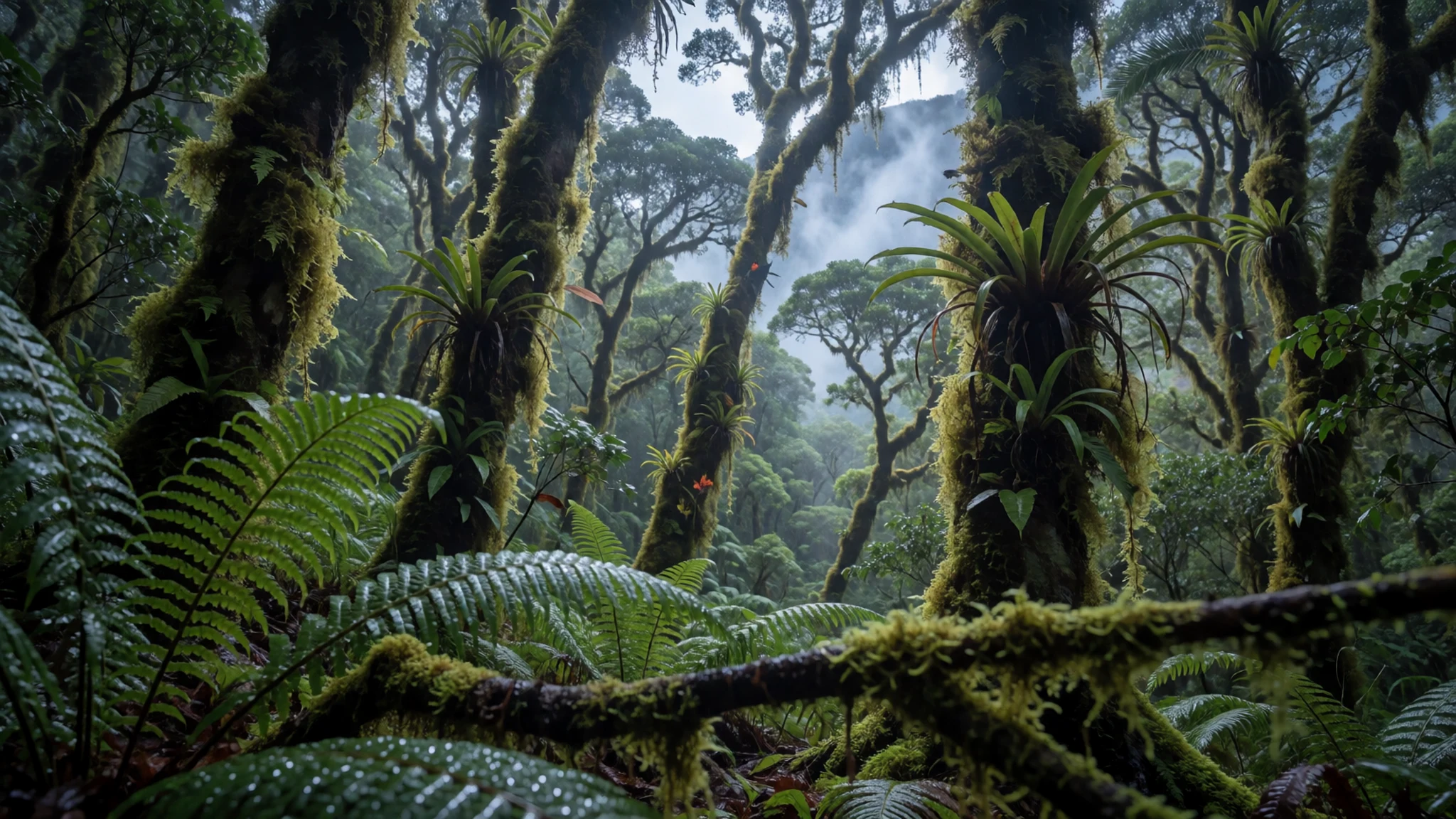
- Wildlife on the lower slopes — Forest below the cloud line
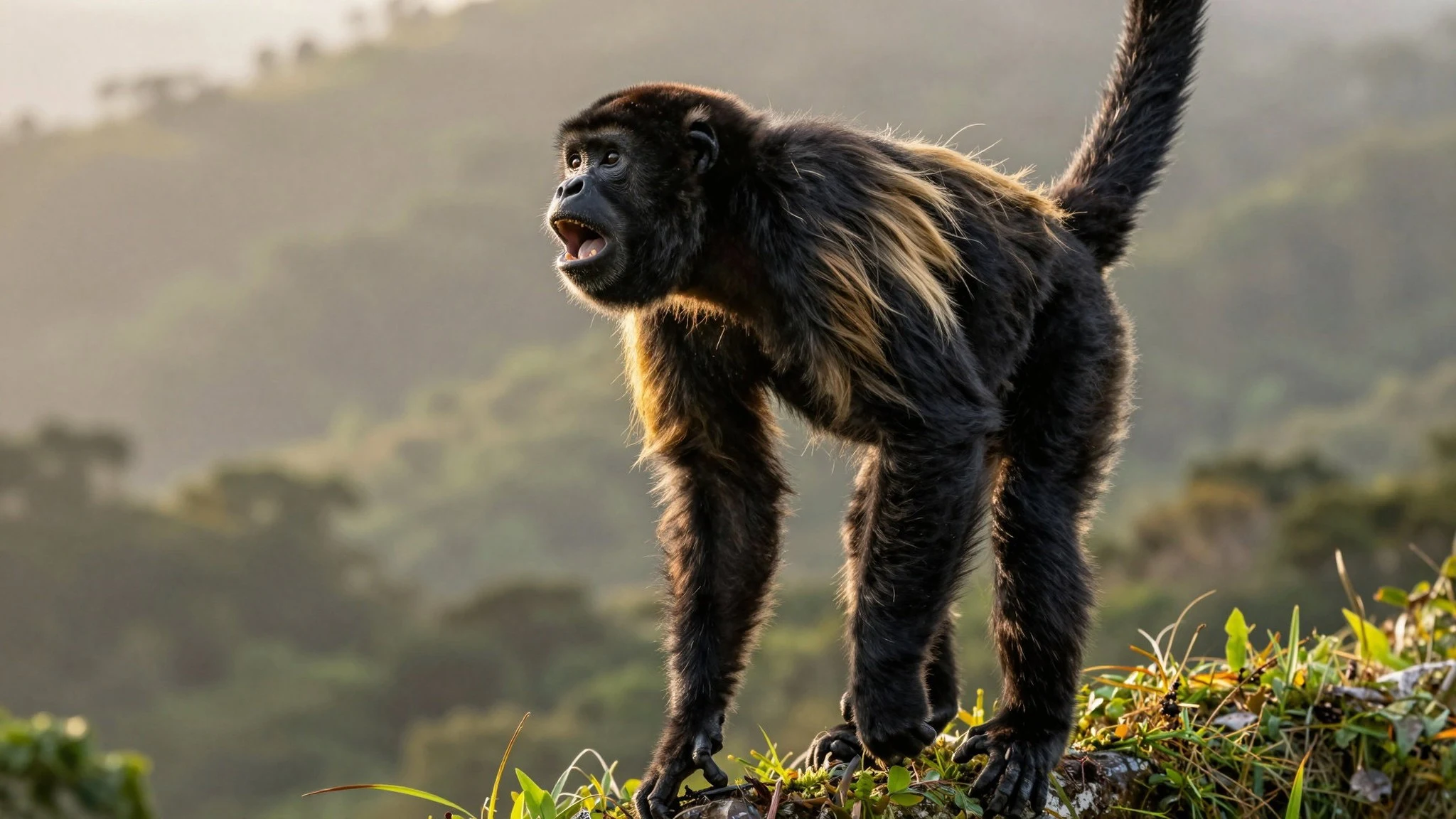
Howler monkeys are often heard before they are seen, their roars carrying through the forest at dawn. White-faced monkeys, mountain crabs and blue morpho butterflies live here too. An early start gives the best chance of seeing animals, and a local guide will know where troops are feeding.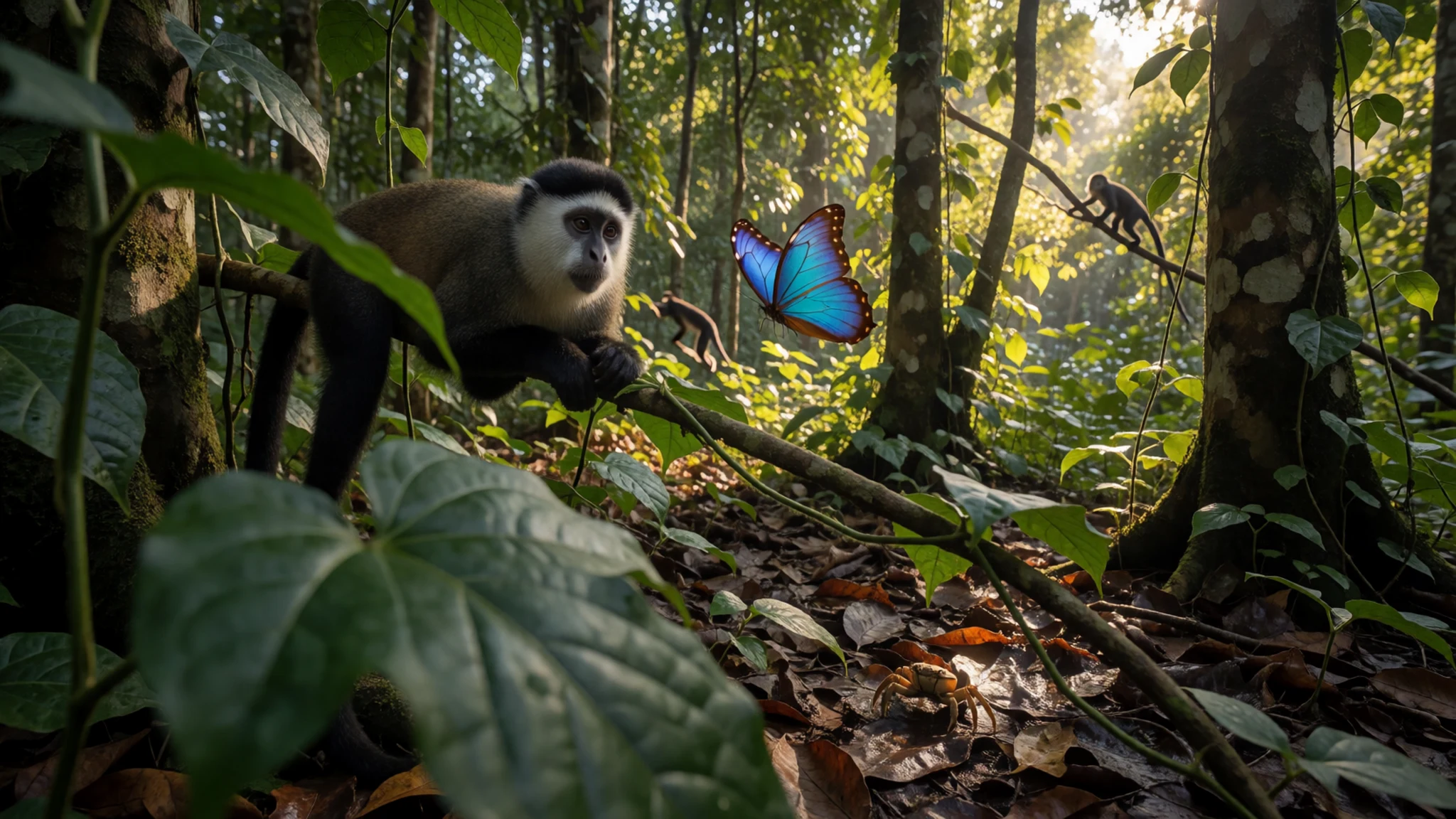
- Ometepe Museum, Altagracia — Altagracia town centre
A small museum a short walk from the central park in Altagracia holds ancient pottery, petroglyphs and statuary, mostly labelled in Spanish. It is a useful stop for understanding the island's pre-Hispanic past before or after a climb. The park itself has a model of the island, and Concepción is clearly visible just outside town.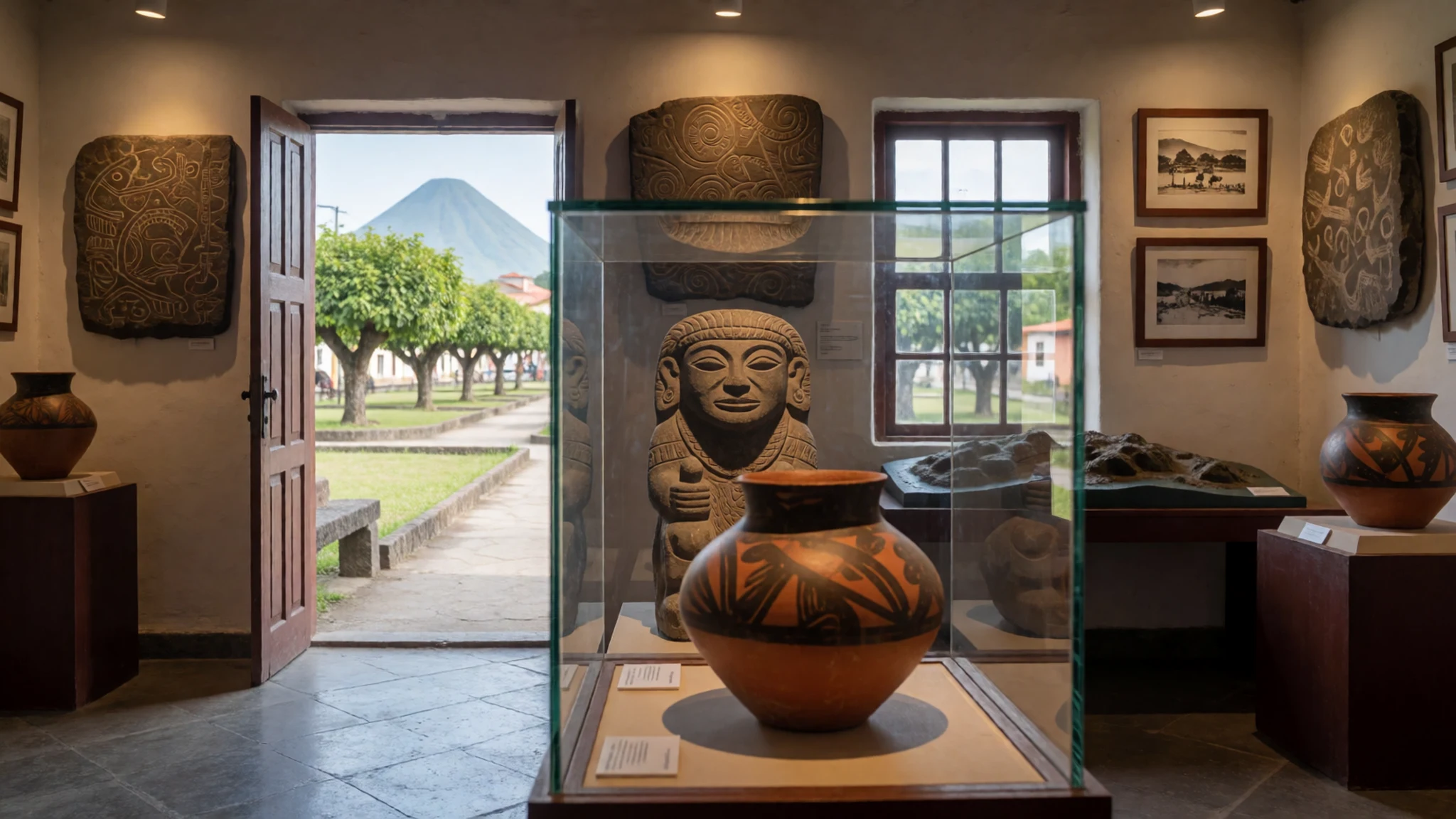
Culture
Volcán Maderas sits in a part of Ometepe where daily life is rural and unhurried. Most families farm, fish or run small guesthouses and shops, and the island's pace follows the weather, the ferries and the harvest. Spanish is the everyday language, and the pre-Hispanic past is present in names such as Omeyateite and in the petroglyphs scattered across the island. The volcano is both a workplace and a landmark for the people who live around it: farmland climbs its lower slopes, and the forest above is understood as a watershed that feeds streams and fields. Visitors come mostly to walk, so local guides are an important part of the economy, and hiring one supports households who know the trail, the weather and the wildlife. Many businesses on the island close on Sundays, so shops and eateries can be hard to find, and the pace of service is relaxed rather than rushed. Greetings matter: a simple 'buenos días' to people on the path or in a village goes a long way. Fences and fields along the lower trail belong to working farms, so it is polite to stay on the path and leave gates as you find them. Take your rubbish back down with you, and do not feed or chase the monkeys.
What to wear
Volcán Maderas is farming and fishing country, so everyday dress on Ometepe is practical rather than ceremonial. Nicaraguan folk costume, with full, ruffled, brightly coloured skirts and embroidered blouses in cotton, appears at festivals and in dance performances rather than in daily life, and men may wear a white shirt and a straw hat for the same occasions. On a normal day people wear light cotton shirts, shorts or trousers, cotton dresses, caps or straw hats against the sun, and rubber boots in the fields when the ground is wet. In Altagracia and the villages, clothing is casual but tidy, and swimwear stays by the lake. For the climb, visitors need something different from beach clothes. Wear sturdy shoes with good grip, since the upper trail is steep and muddy, and quick-drying trousers or shorts and a breathable top. A light waterproof jacket is worth carrying because it rains often on the island, and a warm layer helps near the top where cloud and wind cool the air. A hat and sun cream matter on the open lower slopes. Leave white or delicate clothes behind, as mud will find them. In towns and villages, covering shoulders and knees is a courteous default away from the water.
What to eat
- Gallo pinto — Food stands in the central market, Altagracia
Rice and red beans fried together, usually with onion and sometimes sweet pepper, served at breakfast and often at other meals. It is Nicaragua's everyday staple, filling and cheap, and the right fuel before a long walk.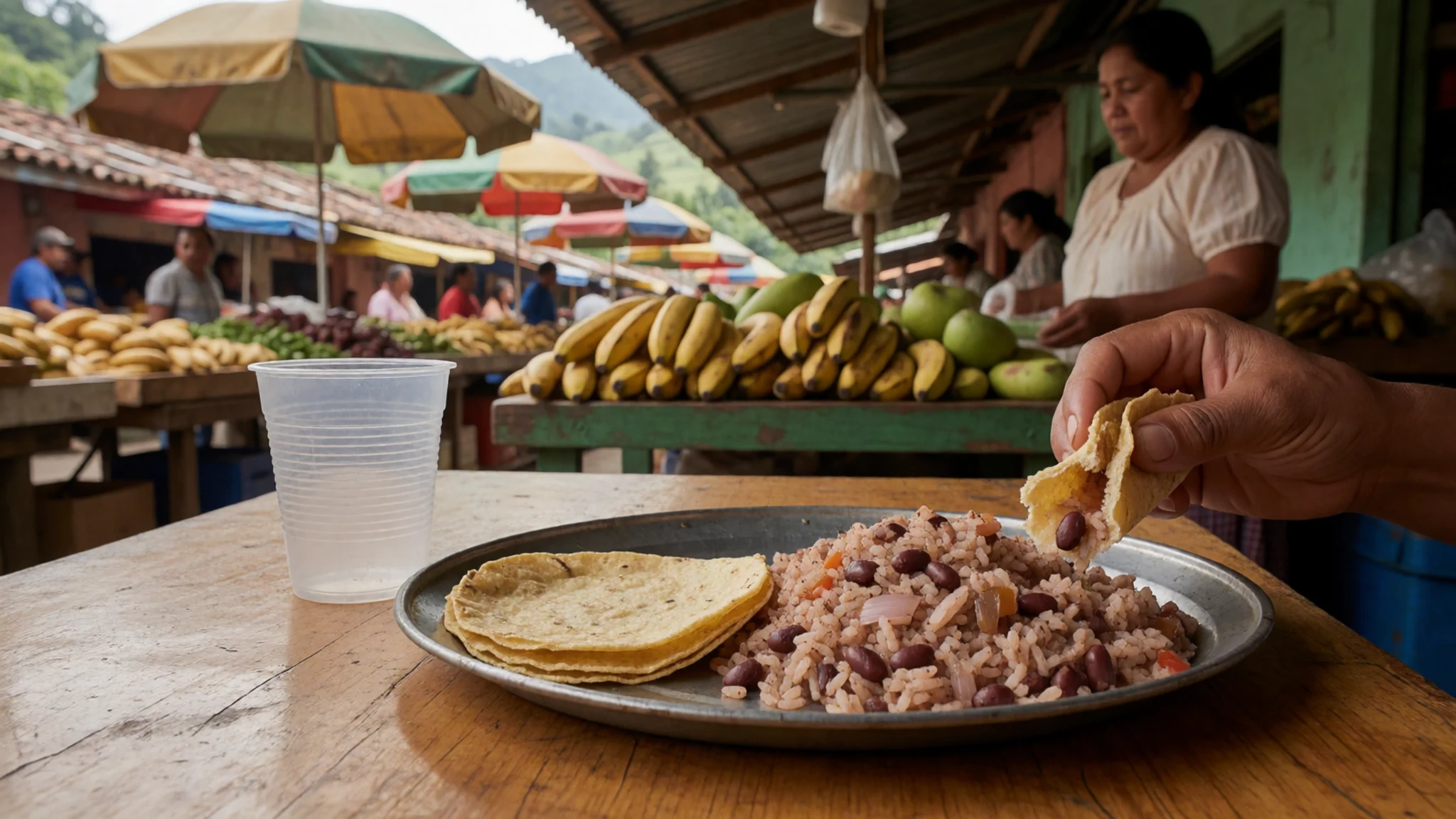
- Fresh lake fish — Small family eateries near the lakeshore and along the main island road
Fish from Lake Nicaragua, usually fried whole and served with rice, salad and fried plantain. Ask what was caught that day, and expect bones, as the fish is cooked simply and eaten with the hands as much as a fork.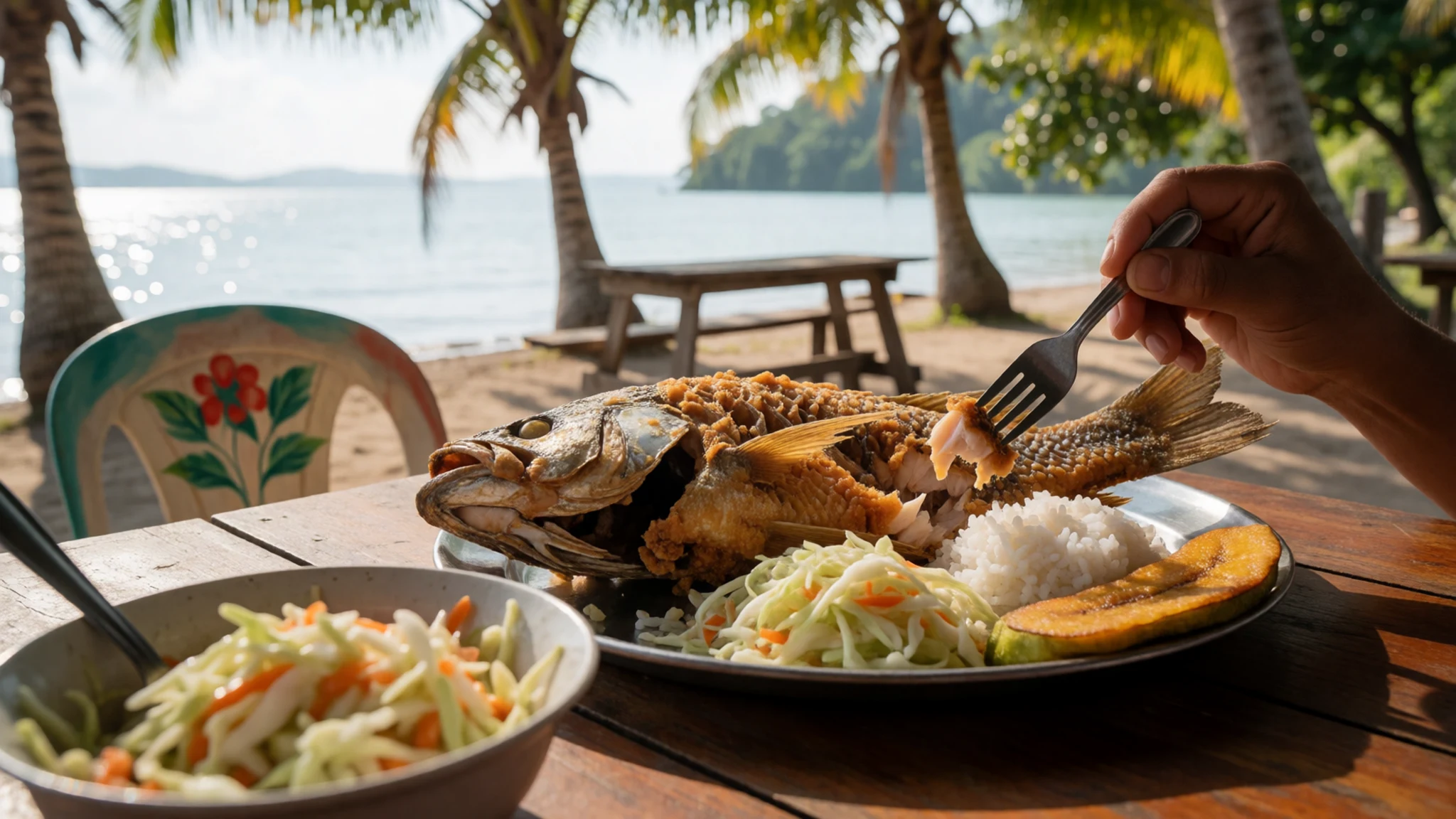
- Plantain, fried or boiled — Roadside stalls and market food stands
Plantains appear on most plates, sliced and fried crisp, mashed, or served sweet and soft. They are a dependable side dish and a good snack to carry for the trail when bought fresh from a stall. - Quesillo — Street sellers near bus stops and in town centres
A soft white cheese rolled in a warm tortilla with onion and cream, sold as a hand-held snack. It is salty, rich and filling, and best eaten fresh from the person who made it. - Fresco drinks — Market stands and small shops in Altagracia
Cold drinks made from fruit, grain or seeds blended with water and sugar, sold in plastic bags or cups. They are a pleasant way to cool down after the hike, though ask whether the ice and water are purified.
Plan it
Best time. December to March, when the dry season gives the best odds of clearer skies and firmer ground. Ometepe rains often even then, so expect mud, and the wet months make the climb slippery and the views less reliable.
How long. 2–3
Getting there. Fly to Managua, then travel to Granada and take the ferry to Ometepe, or use the ferry from San Carlos. The ferry does not run when the lake is low, so check locally. From the island's main port at Moyogalpa, a local bus runs to Altagracia, and Finca Magdalena is on the Maderas side.
Budget. low
Tips
- Start the climb early so you have daylight and cooler air for the steepest sections
- Carry more water than seems necessary and take a warm layer for the top
- Hire a local guide if the weather is poor or you are unsure of the path
- Bring cash, since small island businesses may not take cards, and many close on Sundays
- Check ferry operation before planning your onward travel, as low water stops services
Etiquette
- Greet people politely and ask before photographing anyone
- Stay on the path and leave farm gates as you find them
- Keep your distance from monkeys and do not feed any wildlife
Nearby
Sources
- Wikidata Q1156943 (CC0)
- Wikipedia: Maderas (rev 1370078449) (CC BY-SA 4.0)
- Wikivoyage: Altagracia (rev 5377085) (CC BY-SA 4.0)
- Maderas seen from the South by ET, Wikiwanito (Public domain)
- Nicaragua relief location map, Alexrk2 (CC BY 3.0)
- Laguna de Maderas by ET, Wikiwanito (CC BY 3.0)
- Bosque nuboso, Volcán Maderas (Altagracia), Martin Kulldorff (CC BY-SA 4.0)
- Bosque nuboso, Martin Kulldorff (CC BY-SA 4.0)
- Flores en bosque nuboso, Martin Kulldorff (CC BY-SA 4.0)
- View of Nicaragua, ISS015-E-7541, NASA (Public domain)
- Laguna Volcan Maderas Ometepe, ElmerGuevara (CC BY 3.0)


Wildlife
- White-faced monkey (animal)
The white-faced capuchin is a slim, clever monkey with a pale face, as if it were wearing a mask. On Volcán Maderas it lives on the forested slopes, sharing the trees with howler monkeys, mountain crabs and blue morpho butterflies. A local guide is the best way to look for it. Keep well back, stay quiet and calm, and never feed it, because wild monkeys must find their own meals.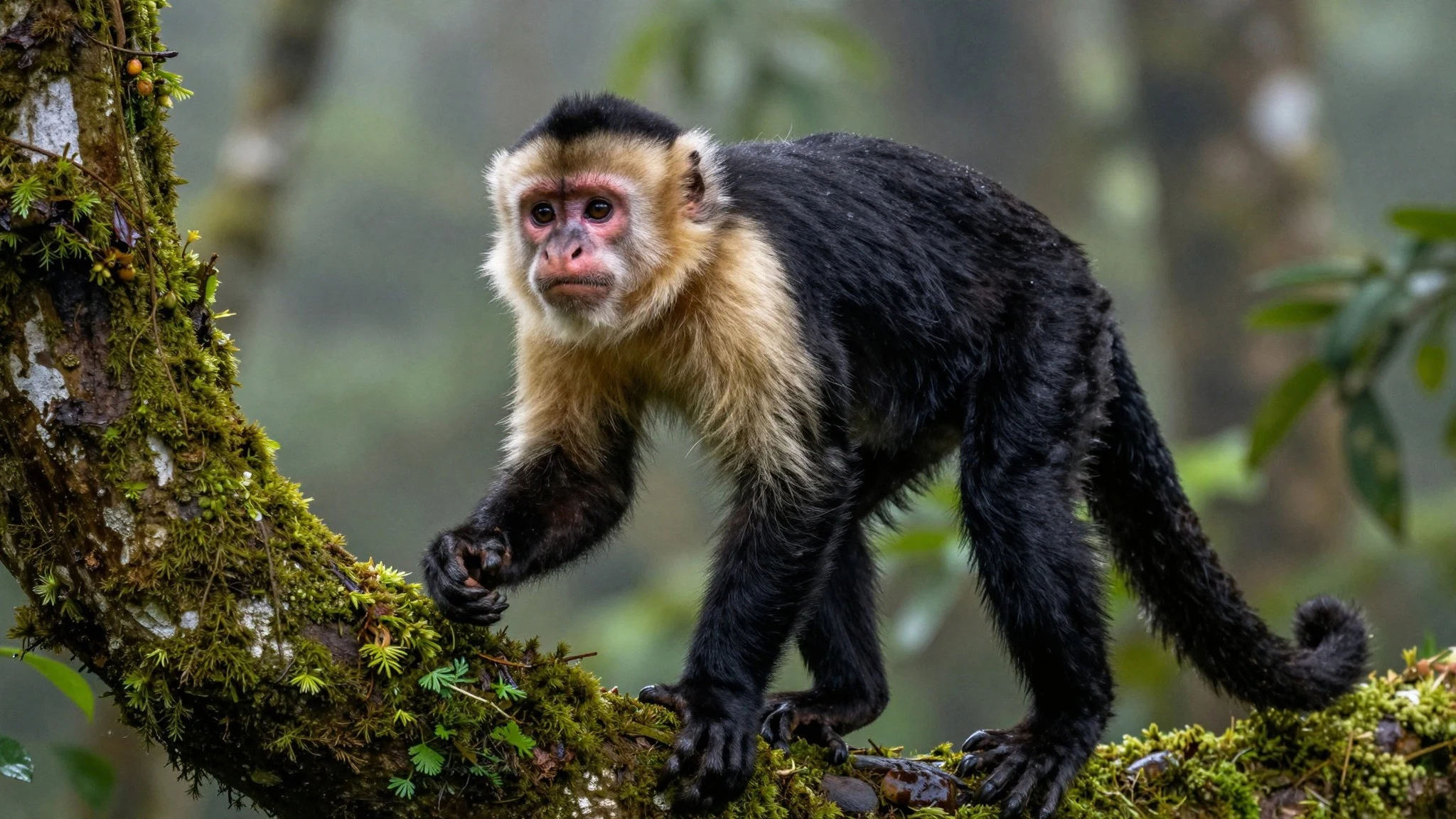
- Howler monkey (animal)
The mantled howler is a monkey named for the long hairs that hang down its sides like a cloak. It lives on the slopes of Volcán Maderas, and you will usually hear it before you see it, its roars ringing through the trees at dawn. Rise early, stand quietly and listen, ideally with a guide. Keep a respectful distance, never feed it, and let it go about its morning undisturbed.