The Berkshires
The Berkshires, United States
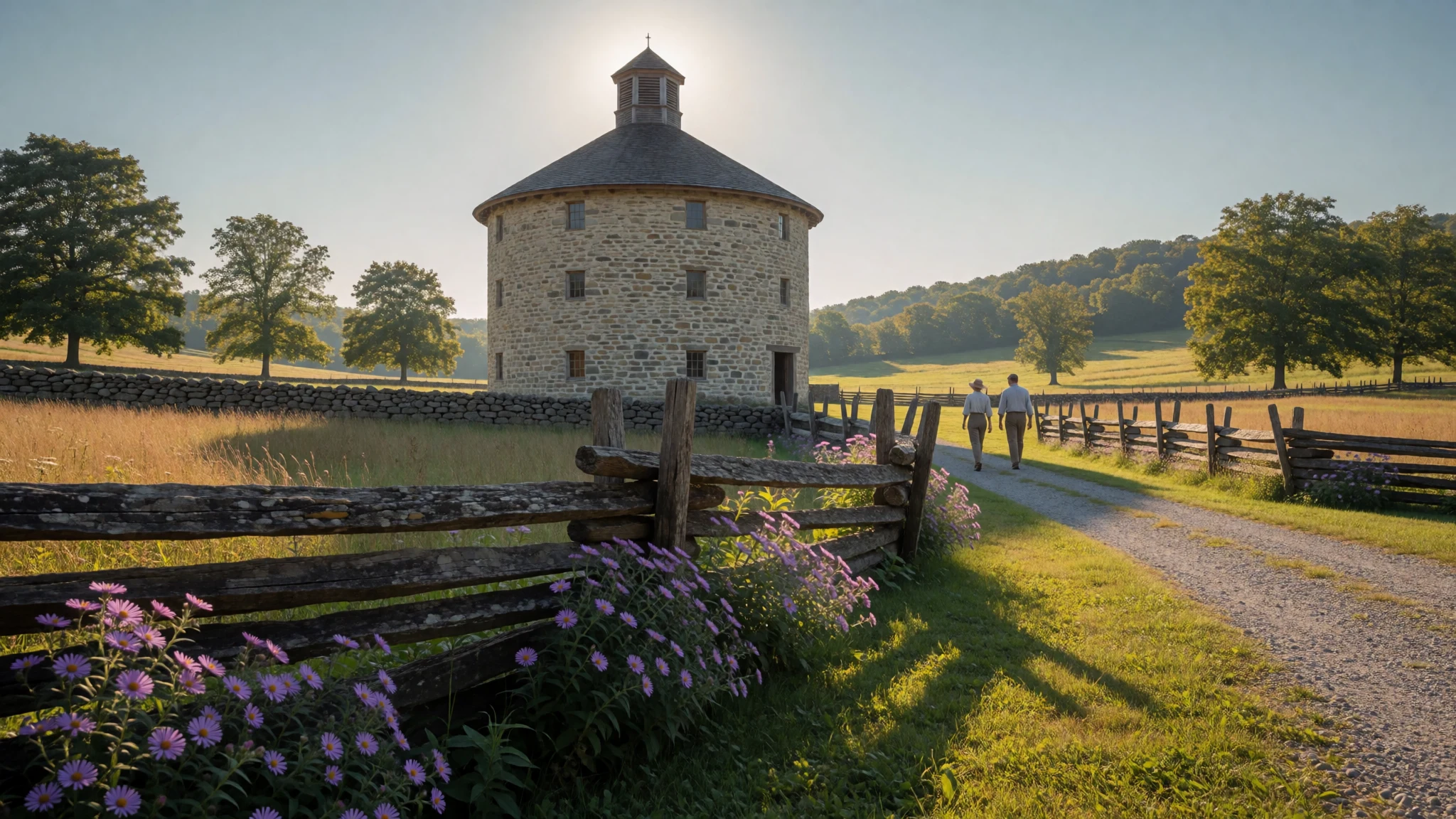
The Berkshires pair wooded Appalachian ridges and quiet trails with concerts, dance, galleries and theatre, all within a short drive of each other.
The place
The Berkshires are the upland country of western Massachusetts, a belt of rounded, forested hills that sits between the Housatonic valley and the Connecticut River. The name is loose in everyday use. Some people take it to mean only Berkshire County, at the state's western edge, where the borders of New York and Vermont are close by. Others stretch it south into north-western Connecticut, where the same hills are called the Litchfield Hills or the Northwest Hills. The Taconic ridges along the New York line are geologically a separate range, yet they belong to the same cultural region, and most visitors never notice the join. The whole area is roughly the size of Rhode Island, and it works as a destination all year. Summer and autumn are the busy seasons. This is not wilderness in the Alaskan sense. It is a lived-in landscape of small towns, village greens, farms, lakes and state forests, with long stretches of the Appalachian Trail crossing it. The Nature Conservancy has named it among its Last Great Places, a nod to the amount of intact woodland that survives here. What sets it apart from other mountain areas is the arts. Concert halls, dance schools, museums and theatres are spread across towns that would otherwise be quiet, and many are tied to Williams College. A day here usually mixes a walk or a paddle with an afternoon indoors looking at paintings or listening to an orchestra.
Its story
The Berkshires carry a layered history, from Indigenous homelands through colonial farms to the arts centre of today. One of the best-known episodes comes from the American Revolution. A Continental Army officer, Henry Knox, hauled captured cannon from Fort Ticonderoga to the siege lines at Boston, using ox-drawn sleds. The route went down the Hudson, across the river near Albany and then east over the Berkshire hills in the depths of winter. It became known as the Noble Train of Artillery, and the guns helped to push British forces out of Boston. A quieter chapter belongs to the Shakers, a religious community that valued plain living, communal work and fine craftsmanship. Hancock Shaker Village preserves their farm and buildings, and it still runs as a working farm. Its collection of Shaker objects is large, and it is on the National Historic Register. Transport shaped the region too. A network of electric tramways once tied most Berkshire towns to Springfield and to the neighbouring states, until it closed in the early 1930s, after which the car took over. The arts followed the well-off summer visitors, who built country estates in places like Lenox and Stockbridge. Those estates later became concert grounds, schools and museums, which is why a hill region of small towns now holds so many cultural institutions.
What to see
- MASS MoCA — North Adams
MASS MoCA is a large museum of contemporary art and live performance in North Adams, close to the Mohawk Trail. Its galleries are housed in former factory buildings, so the scale is unusually big for a small town. Check the official site for current exhibitions and concert dates before planning a visit.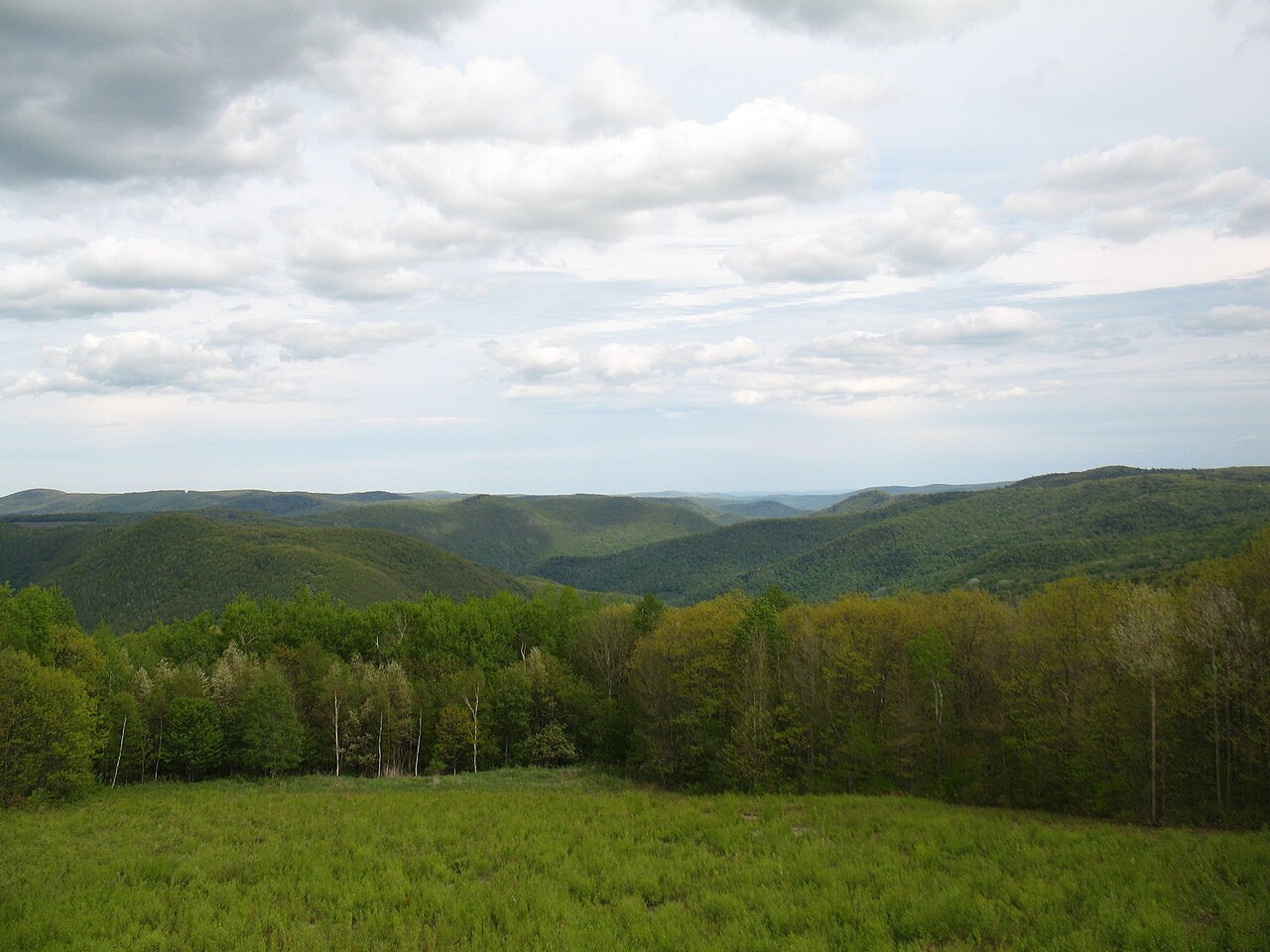
- Tanglewood — Lenox
Tanglewood, near Lenox, is where the Boston Symphony Orchestra spends its summers. People spread blankets on the lawn and listen to the music outdoors. Popular concerts draw crowds that noticeably swell the town, so arrive early and check the official schedule for what is on. - Norman Rockwell Museum — Stockbridge
The Norman Rockwell Museum in Stockbridge was founded by the illustrator himself, who lived in the town. It holds his magazine covers and sketches, and gives a sense of the small-town America he portrayed. It pairs well with a stroll along the old main street. - Hancock Shaker Village — Hancock, near Pittsfield
Hancock Shaker Village is a preserved religious community with historic buildings, gardens and a working farm. The round stone barn and plain interiors show how the Shakers combined belief with design. Animals and seasonal farm tasks make it easy to enjoy with children. - The Clark and Williamstown — Williamstown
The Clark Art Institute sits in the college town of Williamstown, amid lawns and woodland trails. Alongside the paintings, the town has a summer theatre season and the Williams College museum. It makes a calm base for a day of galleries and gentle walking. - Appalachian Trail and Mount Washington State Forest — Southern Berkshires
The Appalachian Trail crosses the Berkshires, and ordinary day walks can include short sections of it. Mount Washington State Forest, in the south-west corner, is known for trail scenery. Jiminy Peak also runs mountain biking in the warmer months.
Culture
Culture in the Berkshires is built around making and performing art in a rural setting. Summer brings orchestral concerts, dance programmes at Jacob's Pillow in Becket, and theatre in Williamstown and elsewhere. Galleries and museums keep their doors open through much of the year. Writers and painters have long been drawn to the quiet hills, and Stockbridge still honours Norman Rockwell's picture of ordinary American life. The Shaker legacy adds another thread, with its emphasis on simplicity, honest work and well-made objects. Towns keep a village feel, with white-steepled churches, farm stands, antique shops and weekly markets in season. Outdoor life is part of the culture too. Hiking, paddling, skiing and cycling are normal weekend activities for residents, and the region has retreat centres devoted to yoga and wellbeing, such as Kripalu in Stockbridge. Music and food festivals fill the calendar, and many of them draw people from New York and Boston, so weekends in summer and autumn can be crowded. Beneath all this, the pace is unhurried. Shops close early, conversations in cafés run long, and locals are used to visitors who arrive for one event and stay for the scenery. Rural roads are narrow and winding, so drivers tend to be patient. Arrive early for outdoor concerts, keep conversation low once the music begins, and take all your rubbish with you when you leave the lawn.
What to wear
Fashion in the Berkshires has no single folk costume, but the Shaker tradition left a recognisable plain style. Shaker men and women wore simple, modest clothing made from wool, linen and cotton, often in muted colours, with women in caps and bonnets. Their craft shaped how locals think about quality cloth and sturdy design, and you can see period dress at Hancock Shaker Village. Day to day, residents dress for the weather and the outdoors. Fleece, waterproof jackets, flannel shirts, jeans and hiking boots are common, and in town people lean towards smart casual. Evenings at Tanglewood and the theatres are relaxed, though some people dress up a little for a night out. Visitors should plan in layers. Summer days can be warm and humid, evenings cool down in the hills, and thunderstorms arrive quickly. Autumn calls for a warm jacket, while winter needs a proper coat, hat, gloves and boots with grip for snow and ice. Sturdy walking shoes or boots are essential for trails, which can be rocky and wet, and insect repellent is wise in warmer months. There are no strict dress codes for religious sites, but modest clothing is sensible when visiting churches or retreat centres, and a light rain jacket is worth packing in any season.
What to eat
- Maple syrup — Roadside sugar houses and farm stands in the hills
Maple syrup is a hill-country staple, boiled down from sap collected in late winter and early spring. Look for sugar houses that open for tastings and pancake breakfasts in the season, as well as farm stands and general stores. - Apple cider doughnuts — Orchards and farm stands in autumn
Apple cider doughnuts are a warm, cinnamon-sugared autumn treat sold fresh at orchards, often with pressed cider alongside. They pair neatly with a day of leaf-watching and picking apples. - Farm-to-table seasonal plates — Village restaurants in Great Barrington, Lenox and Stockbridge
Many Berkshire kitchens build menus around local farms, so expect sweetcorn, tomatoes and salad leaves in summer, and squash, root vegetables and braised meats later in the year. Menus change often, which is part of the appeal. - Craft beer — Breweries in Great Barrington and Sheffield
Small breweries make a range of original ales and lagers, and some have outdoor beer gardens that suit warm afternoons. Tasting flights are an easy way to sample several styles after a hike. - Local whiskey and spirits — Distilleries in Sheffield and taverns in Lee
A distillery in Sheffield makes spirits from regional ingredients, and some taverns in towns such as Lee stock craft whiskeys. Tours and tastings are possible, though check opening times with the producer first.
Plan it
Best time. September and October for autumn colour, and July and August for festivals and swimming, though both are busy. June is green and quieter. Winters are cold and snowy, good for skiing, while spring thaw can leave trails muddy.
How long. 3–4
Getting there. The closest big airport is Albany in New York. Bradley International near Hartford, Connecticut, and Boston Logan are other options. From any of them, hire a car and drive to the Berkshires; the Massachusetts Turnpike crosses the southern part of the region, and the Mohawk Trail road runs through the north from the New York border at Williamstown.
Budget. mid
Tips
- Book rooms and concert tickets well ahead for summer weekends and for autumn leaf season
- Hire a car, because public transport between towns is limited and the best sights are spread out
- Start trails early on weekends to find parking and avoid the afternoon heat and storms
- Carry layers and a rain jacket, since hill weather changes quickly
- Check each museum's official site for current hours and ticketing before you go
Etiquette
- Stay quiet during outdoor concerts and performances, and keep phones on silent
- Follow Leave No Trace on trails and carry out all rubbish
- Ask before walking on private farmland or orchards
Nearby
Sources
- Wikidata Q820961 (CC0)
- Wikipedia: Berkshires (rev 1379077610) (CC BY-SA 4.0)
- Wikivoyage: Berkshires (rev 5433896) (CC BY-SA 4.0)
- Photo: The Berkshires near North Adams, MA (Jamie) (CC BY 2.5)
- Photo: Berkshires in Winter (CC BY-SA 2.5)
- Photo: Greylock in December (Ericshawwhite) (CC BY 3.0)


