Thale Noi
Thale Noi, Thailand
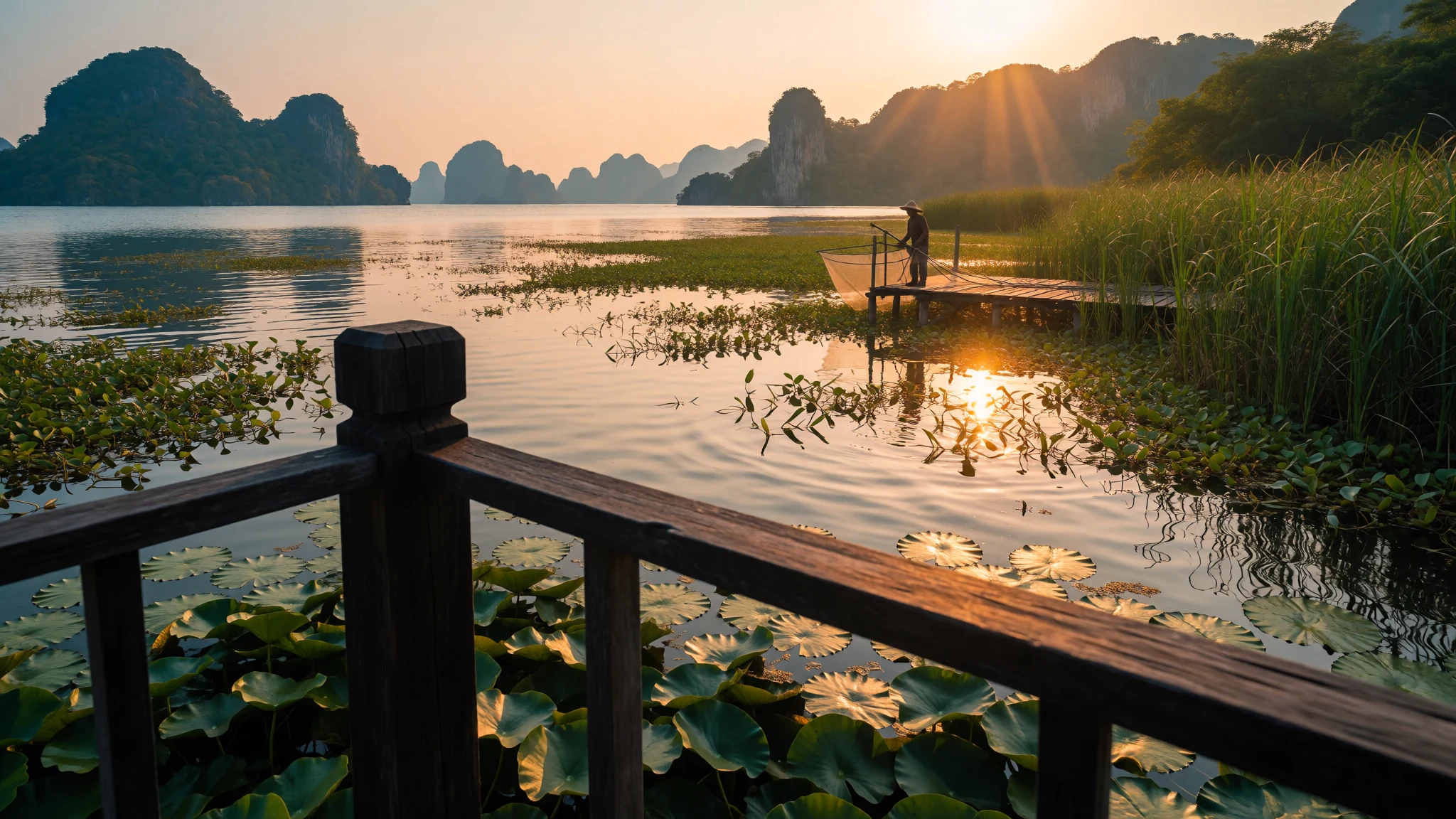
Thale Noi is a quiet reed-fringed lake in southern Thailand, best explored by slow boat among lotus, waterbirds and fishing villages.
The place
Thale Noi is the small northern basin of the Songkhla Lake system, in Phatthalung province in southern Thailand. The name means roughly "little sea", a nod to how Thai speakers use thale for any broad stretch of water, and it is little only by comparison with the lagoon complex it belongs to. Fresh water from the surrounding lowlands collects here, while the saltier part of the system lies far to the south near the Gulf of Thailand, so this end of the water stays gentle and green rather than briny. The shoreline is hard to pin down. Reedbeds, flooded scrub, sedge flats and patches of mangrove blur into open water, and in the wetter months the border between land and lake shifts by the week. Seen from a boat, the whole place is level: a low horizon, a big sky, and the occasional palm or temple roof marking a village. Water is the road here. Fishing families run narrow wooden boats between stilted houses, and visitors go out the same way, usually in a long-tail boat hired at a lakeside landing. What draws people is the quiet and the wildlife, mostly waterbirds, with lotus covering stretches of the surface in the cooler season. It is not a place of dramatic scenery or a long list of sights. Expect heat, glare off the water, mosquitoes at dusk and very little shade on the boats. Weekends and Thai holidays bring more Thai day-trippers, while weekday mornings are calmer. Thale Noi suits anyone happy to spend a few hours drifting and looking.
Its story
Thale Noi owes its shape to the way the whole Songkhla Lake system formed. A long sand spit now separates the lagoon from the sea, and it is thought to have begun as a string of islands that silt gradually stitched together, trapping water behind them. That is why the system is called a lake but behaves like a lagoon, and Thale Noi is the northern pocket of it, edged by swamp. For generations the people around it lived by what the water gave: fish and prawns, reeds for weaving, rice and palm sugar from the surrounding flats, and buffalo grazing on the wet margins. Villages grew along the banks, and travel by boat stayed ordinary long after roads reached the area. Later, the wetland's value for birds became clear. Resident and migratory waterbirds gather here in numbers, and part of the shore was set aside as a protected non-hunting area, which brought a park office, a watchtower and a modest stream of visitors who came to watch rather than fish. Tourism has since added boat hire, small eateries and homestays, though the scale is still local. The old tension has not gone away. The lake feeds households, yet its health depends on seasonal water levels, reed growth and how much fishing and farming it can absorb. Thale Noi today is a working landscape that happens to be a bird sanctuary, and the two uses sit side by side rather than apart.
What to see
- A boat trip across the open water — Lakeside boat landing, Thale Noi
A long-tail boat from the lakeside landing is the standard way to see Thale Noi, threading channels between reeds and crossing open water. Agree the route and rough length of the trip before setting off, and ask about shared boats if travelling alone. Early morning gives softer light, cooler air and more birds; midday on the lake is hot and bright.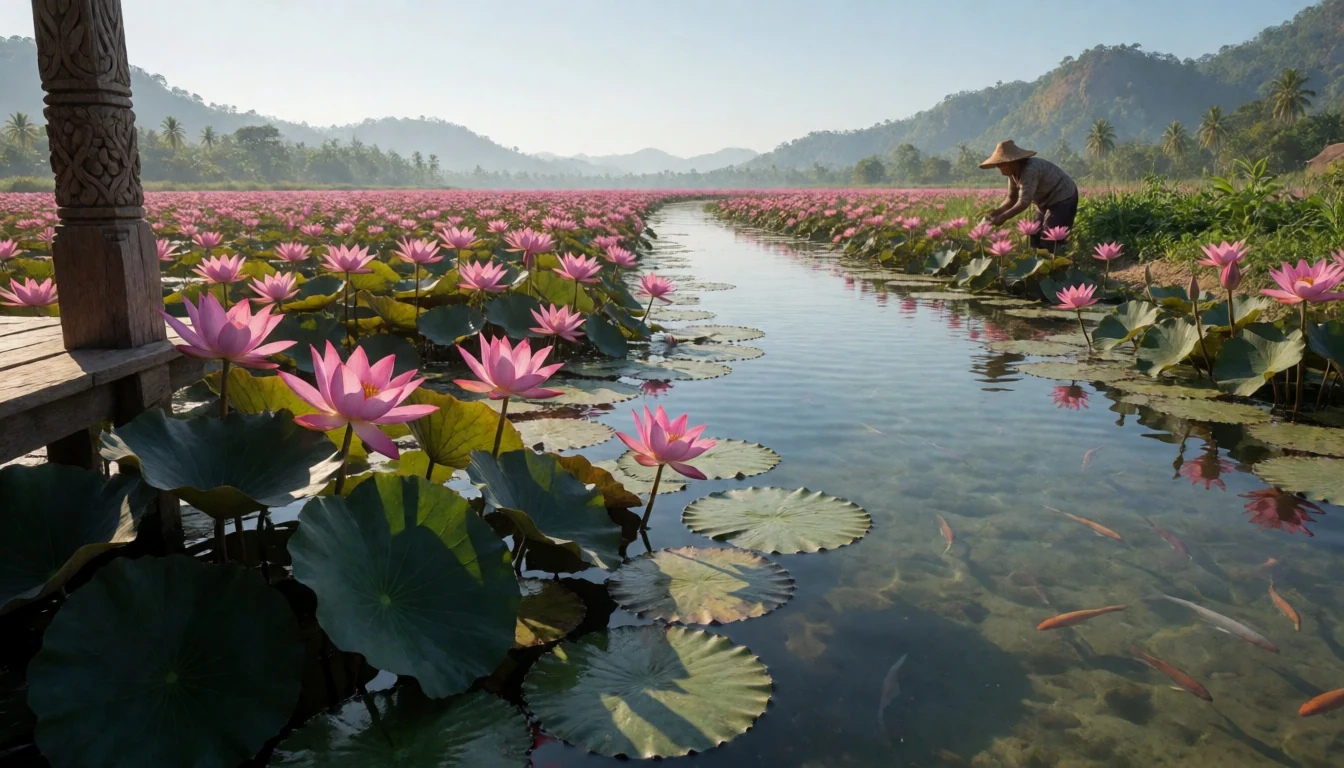
- The lotus shallows — Shallow western and northern reaches of the lake
In the cooler season, parts of Thale Noi are carpeted with red lotus, and boats slow down to slip between the flowers. The blooms are at their best in the early hours when they are open, and they fade as the heat builds. Timing shifts with water level and weather, so ask the boatmen what is flowering.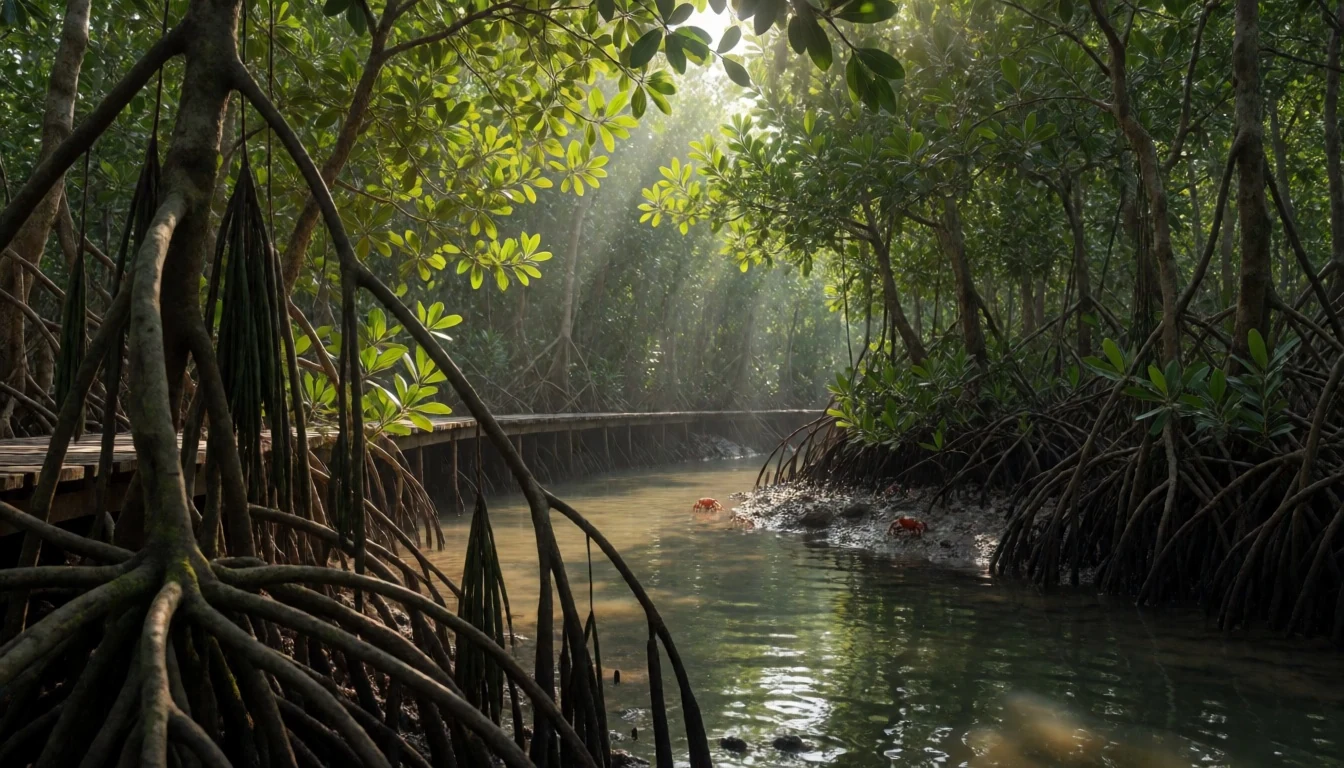
- Waterbird watching and the park viewpoint — Thale Noi non-hunting area, lake shore
The protected non-hunting area on the shore is the base for birdwatching, with a park office and a watchtower over the wetland. Binoculars matter more than a long lens. Herons, egrets and other waterbirds are the usual sights, with more variety in the cooler months. Check with the park office about access and opening times.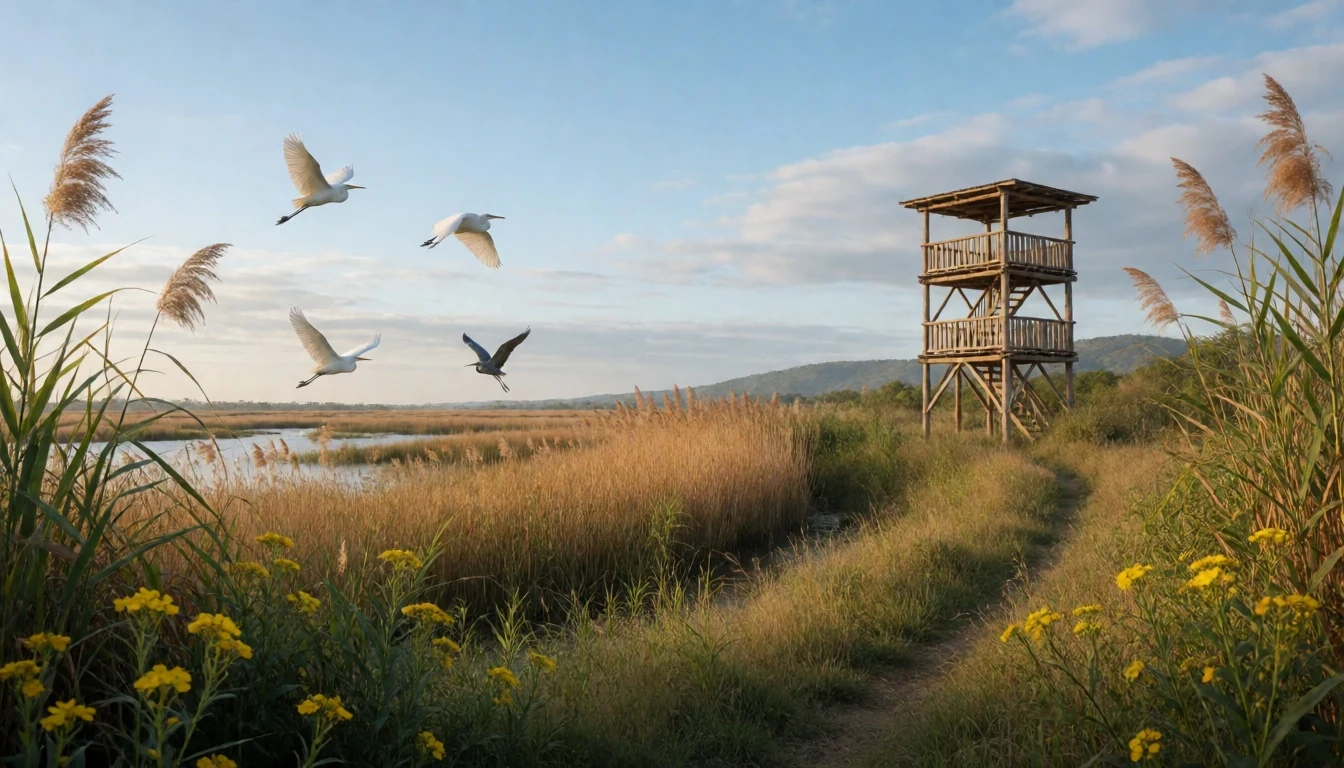
- Lakeside village life — Villages along the lake shore
The fishing and farming villages around Thale Noi show how the lake is used day to day: stilted houses, nets drying, small boats tied at jetties and buffalo wading in the shallows. A slow walk along the village lanes costs nothing. Ask before photographing people or their homes, and buy a drink or snack at a local stall.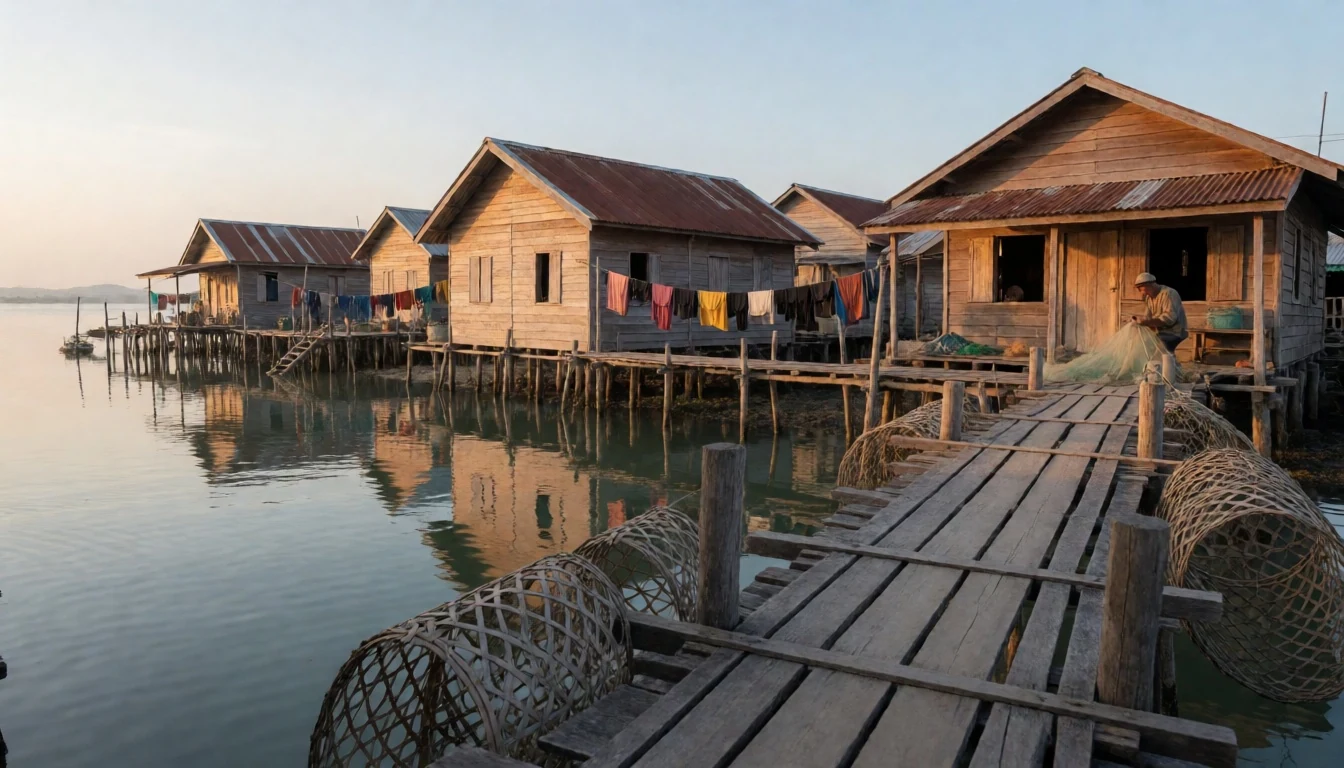
- Reed weaving (krajood) — Stalls near the landing and in nearby villages
Households around the lake weave reeds known as krajood into mats, bags and baskets, a craft closely tied to Phatthalung. Small stalls near the landing and some village houses sell the work. Look for tight, even weaving and ask who made the piece; buying direct from the maker puts more into the household than a roadside shop.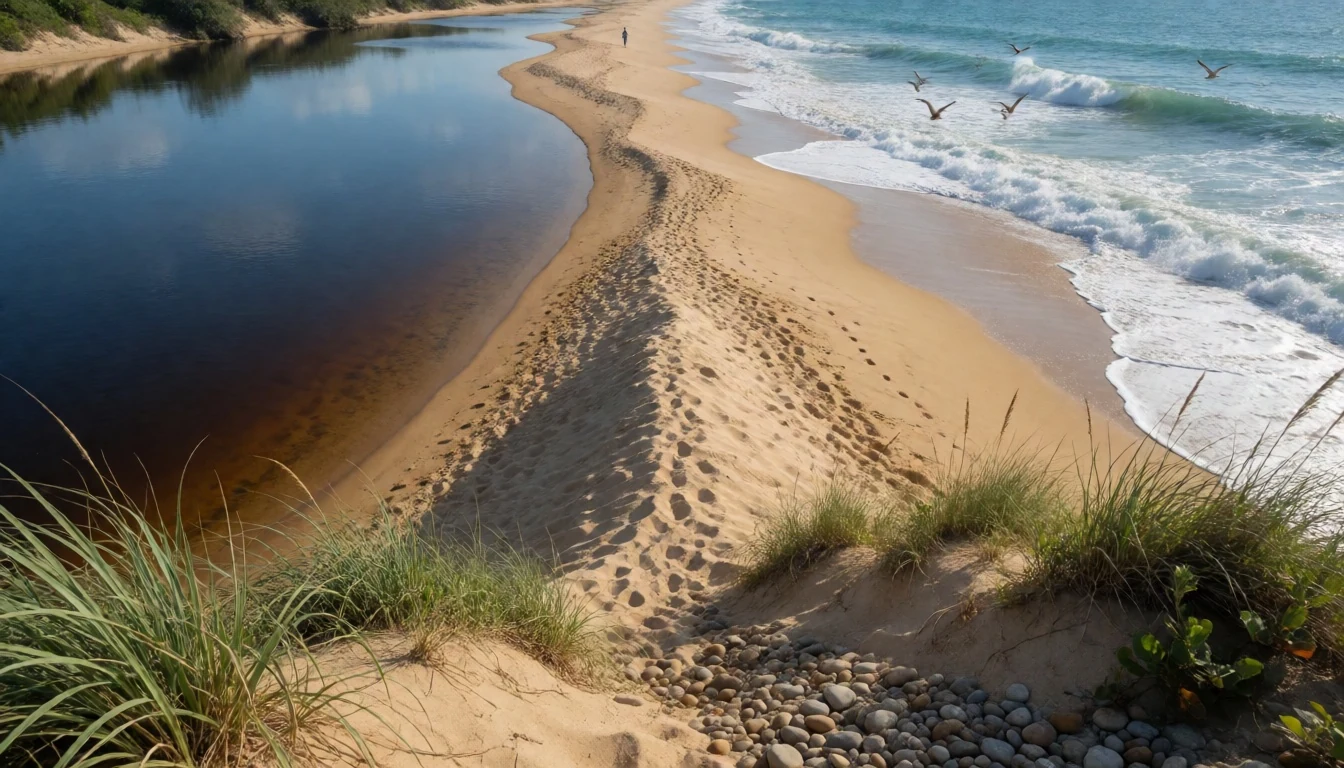
Culture
Thale Noi sits in southern Thailand, where everyday life blends Thai Buddhist practice with strong local traditions of the south, including a distinct dialect and a quick, teasing sense of humour. Most people around the lake are Buddhist, and the wider region also has Muslim communities. Courtesy runs on indirectness. Thais often avoid open disagreement to spare everyone embarrassment, so a smile or a nod does not always mean yes, and a plain, friendly question asked twice in different words gets clearer answers than pressing. Greetings are a small palms-together wai, with the hands held higher for elders and monks. The head is treated as the most respected part of the body and the feet as the lowest, so avoid pointing your feet at people or Buddha images and do not touch anyone's head. Lake life has its own rhythm: boatmen start early, rest in the midday heat and know the water far better than any visitor, so their advice on weather and routes is worth taking. Temples are the social centre of many villages, and a woman should not touch a monk or hand him something directly. Humour and patience go a long way when plans change with the water level. At any temple near Thale Noi, take your shoes off before stepping onto the threshold of the hall and keep your shoulders and knees covered.
What to wear
Traditional dress around Thale Noi follows the wider southern Thai pattern. Women wear the pha sin, a wrapped tube skirt, or the phanung, a wrapped lower cloth, in cotton or silk with a fitted blouse and a sash, while men wear the chong kraben, a wrapped lower cloth, or a plain cloth with a simple jacket. Hand-woven cotton from the Songkhla Lake area, especially Ko Yo, is a point of regional pride, often in bold colours. These clothes appear at weddings, temple festivals and official ceremonies rather than daily. Reed weaving supplies hats, mats and bags. Everyday dress is practical: loose cotton or quick-dry shirts, long trousers or sarongs, wide-brimmed hats or cloth scarves wrapped against the sun, rubber boots for mud and nets, and flip-flops at home. Younger people dress as they would in any Thai town, in jeans, branded T-shirts and football shirts. Visitors should wear light long sleeves and trousers, which guard against sun and mosquitoes better than shorts. Bring a hat, sunglasses and sandals with a grip for wet wooden jetties and boat floors, and leave good white shoes behind. For temples, shoulders and knees need to be covered, so carry a light scarf. A thin rain jacket is useful, because showers arrive fast.
What to eat
- Khanom jeen nam ya — Morning market stalls in Phatthalung and nearby lakeside towns
Fresh rice noodles under a fish-based curry, with a pile of raw vegetables and herbs to add by hand. The southern version is hot and rich, and it is a common breakfast. Eat it early, before the best bowls sell out.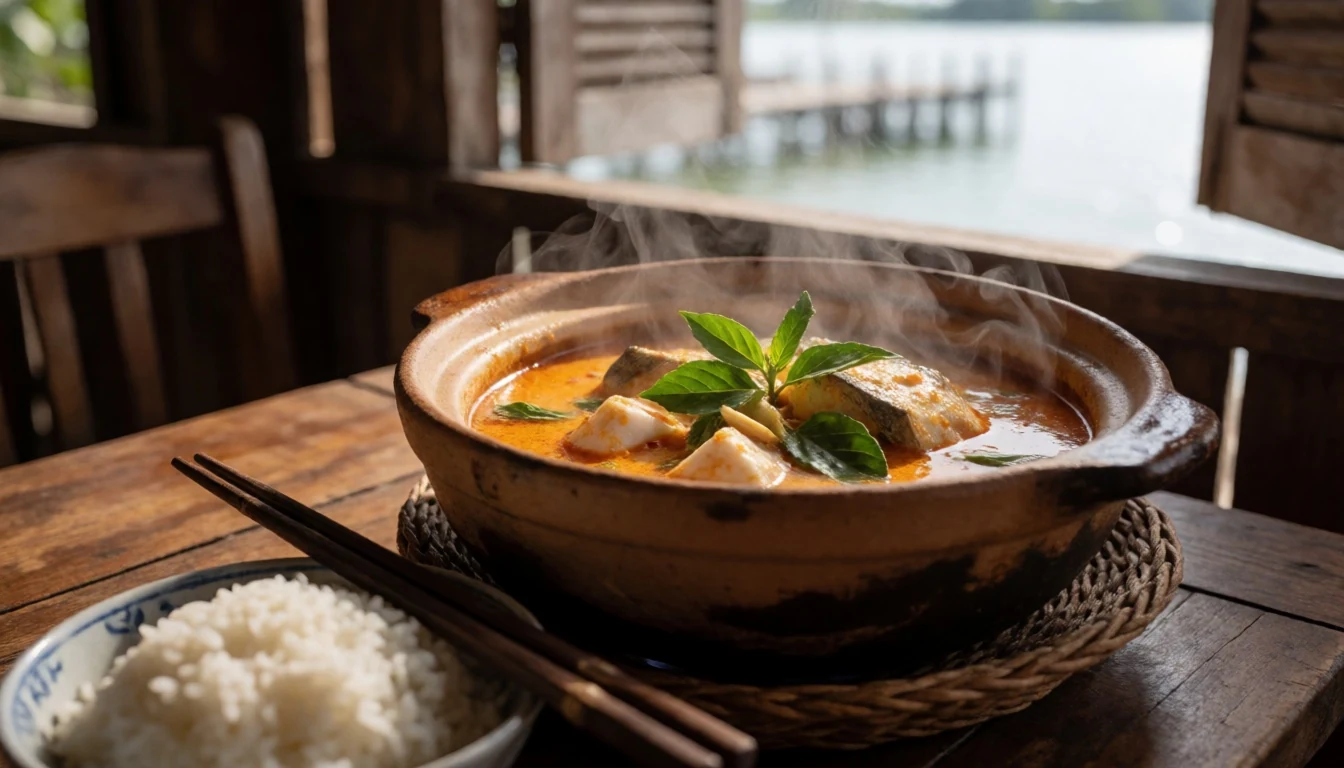
- Kaeng som with freshwater fish — Rice-and-curry shops (khao kaeng) in town centres and village eateries
A sour, orange-hued curry of turmeric, chilli and tamarind, here made with fish from the lake system. It is hot and bright, and meant to be eaten with plenty of plain rice and a side of fried egg or vegetables.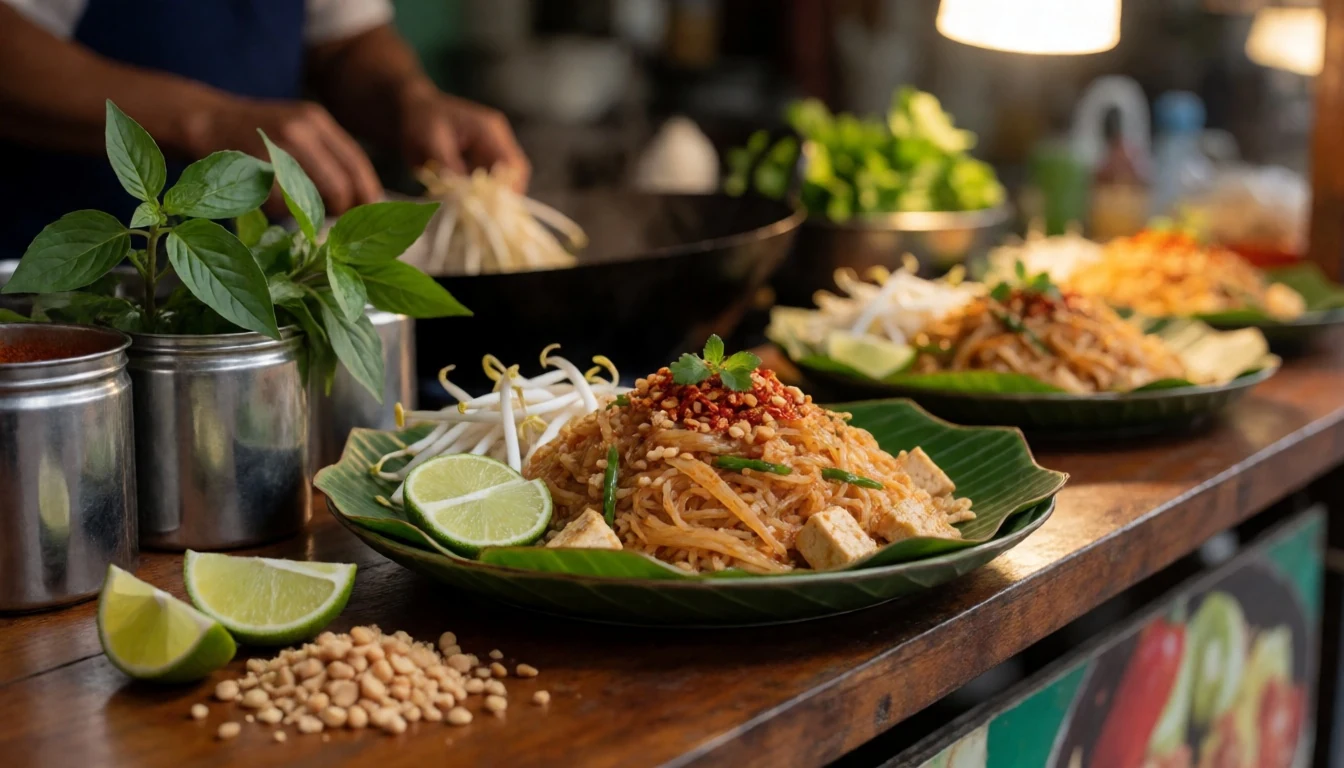
- Pla thot kamin — Lakeside eateries near the boat landing
Fish fried until crisp with a turmeric and garlic coating, served with rice and a dipping sauce. It is simple, salty and very filling. Pick whole fish on display and ask for it fried fresh. - Khao yam — Village stalls and morning markets
A cold southern rice salad of herbs, shredded coconut, dried shrimp and chopped vegetables, tossed with a sweet-sour sauce. It tastes light and sharp. Eaten as breakfast or lunch, usually from a stall rather than a sit-down eatery. - Palm sugar sweets — Market stalls and roadside shops in the region
Sugar palms grow across the flats around Songkhla Lake, and their sugar goes into sticky sweets, cakes and drinks. The flavour is dark, caramel-like and less sharp than refined sugar. Good for a snack after a long boat ride.
Plan it
Best time. January to March is the likeliest window: drier weather, cooler mornings, and lotus and migratory birds usually at their best. The Gulf-side south gets heavy rain around November and December, and April to May is very hot with harsh glare on the water.
How long. 1–2
Getting there. Fly to Hat Yai International Airport or Nakhon Si Thammarat, or take the southern railway line to Phatthalung station. The last leg is by road: a taxi, hired car or local transport to the lakeside landing, so confirm the route and return transport locally before heading out.
Budget. low
Tips
- Go out on the water early, when it is cooler and the birds and lotus are most active
- Carry cash, as boat hire, village stalls and craft sellers rarely take cards
- Bring a hat, sun protection, mosquito repellent and drinking water, since there is little shade on the boats
- Agree the boat route and rough duration before setting off, and check with the park office on access
- Allow for crowds of day-trippers on weekends and Thai public holidays
Etiquette
- Dress modestly at village temples, with shoulders and knees covered and shoes off at the hall
- Ask before photographing people, homes or monks
- Keep noise low on the water and do not feed or chase the birds
Nearby
Sources
- Wikidata Q49313182 (CC0)
- Wikipedia: Thale Noi (rev 1366769470) (CC BY-SA 4.0)
- Wikivoyage: Thailand (rev 5399396) (CC BY-SA 4.0)
Wildlife
- Heron (animal)
Remember the grey heron as the lake's patient fisher: a long-legged bird that waits motionless in the shallows, then strikes. At Thale Noi, you can see herons from the banks or from a boat, nesting in trees alongside egrets. A local guide will help you choose a good spot. Stay well back, move slowly, speak softly, and never offer food, so the birds stay wild and relaxed.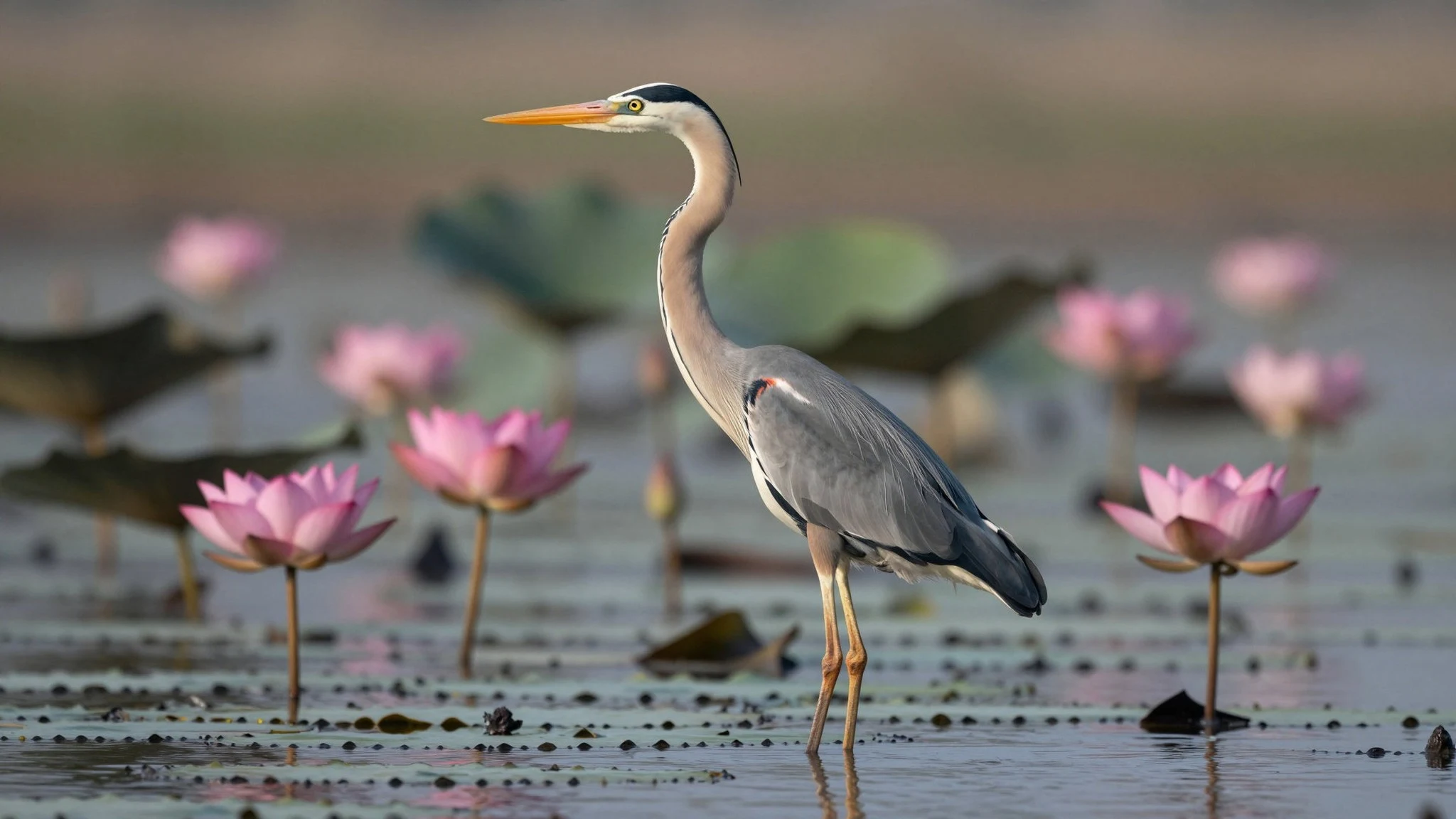
- Heron (bird)
Remember the grey heron as the lake's patient fisher: a long-legged bird that waits motionless in the shallows, then strikes. At Thale Noi, you can see herons from the banks or from a boat, nesting in trees alongside egrets. A local guide will help you choose a good spot. Stay well back, move slowly, speak softly, and never offer food, so the birds stay wild and relaxed. - Egret (animal)
The great egret is a big white water bird with a graceful neck, a bit like a heron wearing white. At Thale Noi, look up into the trees from the banks or from a boat, where egrets nest close to the water together with herons. Ask a guide to help you find them. Give the birds plenty of space, stay calm and quiet, and never feed them. - Egret (bird)
The great egret is a big white water bird with a graceful neck, a bit like a heron wearing white. At Thale Noi, look up into the trees from the banks or from a boat, where egrets nest close to the water together with herons. Ask a guide to help you find them. Give the birds plenty of space, stay calm and quiet, and never feed them.