Texel
Texel, Netherlands
Texel is a windy Dutch island of dunes, sheep pasture and big skies, reached by a short ferry from Den Helder.
The place
Texel is a Dutch island and municipality in North Holland, home to 13,656 people, lying just off the mainland tip at Den Helder. It belongs to the West Frisian chain, the string of sandy islands that screens the shallow Wadden Sea from the North Sea. The land is flat in the way only the Netherlands manages: the highest points are dunes like Loodsmansduin at 30 m rather than hills. The western side faces open water and is lined with beach and a protected dune reserve, Dunes of Texel National Park, where heath, salt marsh and grassland take the place of a seaside promenade. The eastern side looks onto the Wadden Sea, with sea dykes, tidal flats and a quieter, working-farm feel. Between the two lie polders of sheep pasture and arable fields, threaded with cycle paths. Texel was once two separate islands, Texel proper in the south and Eierland in the north, joined first by a dyke and later by reclaimed land, which is why the northern half feels newer and more open. Villages are small. Den Burg is the main town, De Koog is where most holidaymakers stay and where the evening bars are, and De Cocksdorp sits near the northern end close to the lighthouse. 't Horntje, in the south, is the ferry landing. Expect crowds, packed bike racks and a busy ferry on summer weekends and school holidays, and wind in every season. Out of season the beaches are close to empty, though some seasonal businesses shut.
Its story
Texel's outline was drawn by water. A great storm flood in 1170 reshaped the North Holland coast and left Texel standing as an island. In the thirteenth century Ada, Countess of Holland, was confined here by her uncle, Count William I. The island received town rights in 1415, by which time its sheltered waters were already useful to sailors. Sitting at the mouth of the Wadden Sea, it became a natural gathering point for fleets and a jumping-off place for voyages. In 1594 the first Dutch expedition to look for a Northeast Passage sailed from Texel, an attempt to reach Asia by a route around the north. In the following decades English and Dutch navies fought nearby. Texel features in the Battle of Scheveningen in 1653 and the Battle of Texel in 1673, and a seventeenth-century painting by Ludolf Bakhuizen shows Dutch warships riding at anchor off the island. The same shallows that sheltered ships also wrecked them. A vessel carrying the household of Queen Henrietta Maria of France was lost in 1643, and HMS Hero went down on the sands in 1811. In 1779, after the battle off Flamborough Head, the captured British frigate Serapis limped into Texel under John Paul Jones to be mended. Dykes and polders later joined two islands into one, and the maritime past is now kept alive in the island's museums and in the odd find washed up on the beach.
What to see
- Dunes of Texel National Park — West coast
The western coast of Texel is protected as a national park, a mix of dunes, heath, salt marsh and grassland rather than one long beach. Paths and cycle routes thread through it, and some areas close to walkers during bird breeding. Bring a windproof layer and binoculars; the light across the dunes is best early or late in the day.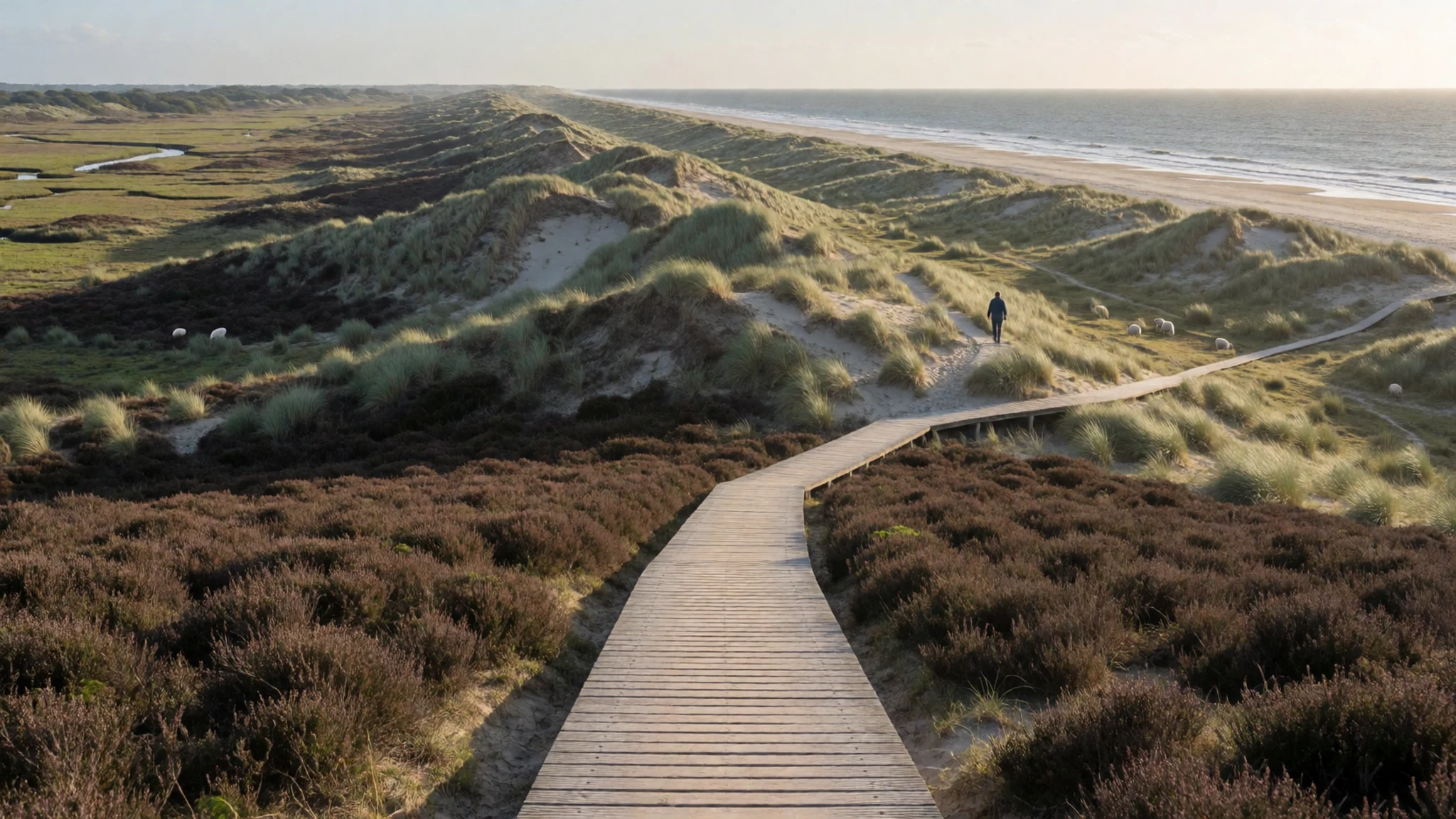
- De Slufter — West coast, within the dunes
De Slufter is a tidal inlet where the North Sea can flow in through a gap in the dunes, leaving marsh, mud and a shallow lagoon behind. Plants and birds change with the water, so the same walk looks different at different tides. Follow the marked route and expect wet ground, wind and very little shelter.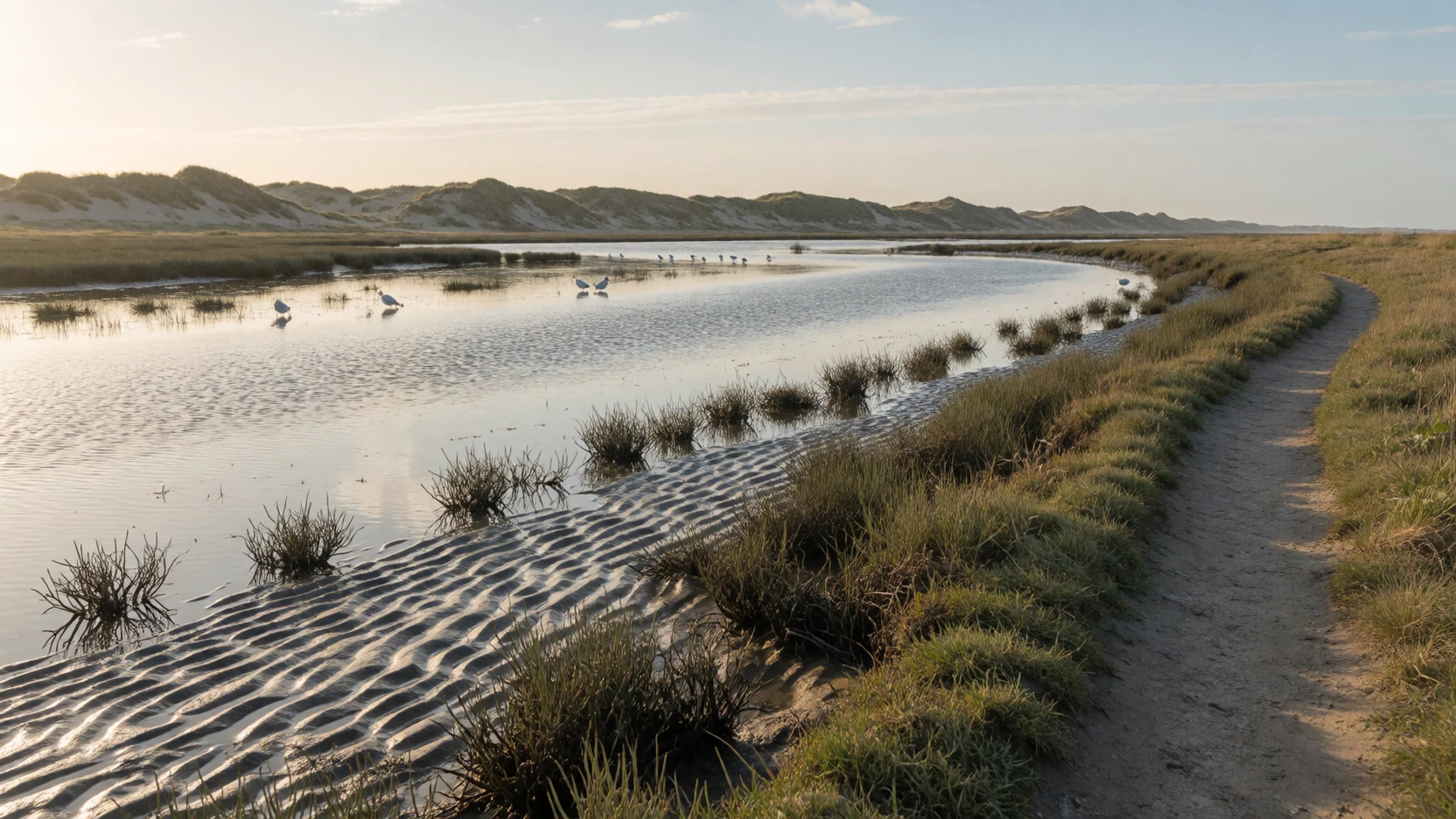
- Eierland and the lighthouse — North, near De Cocksdorp
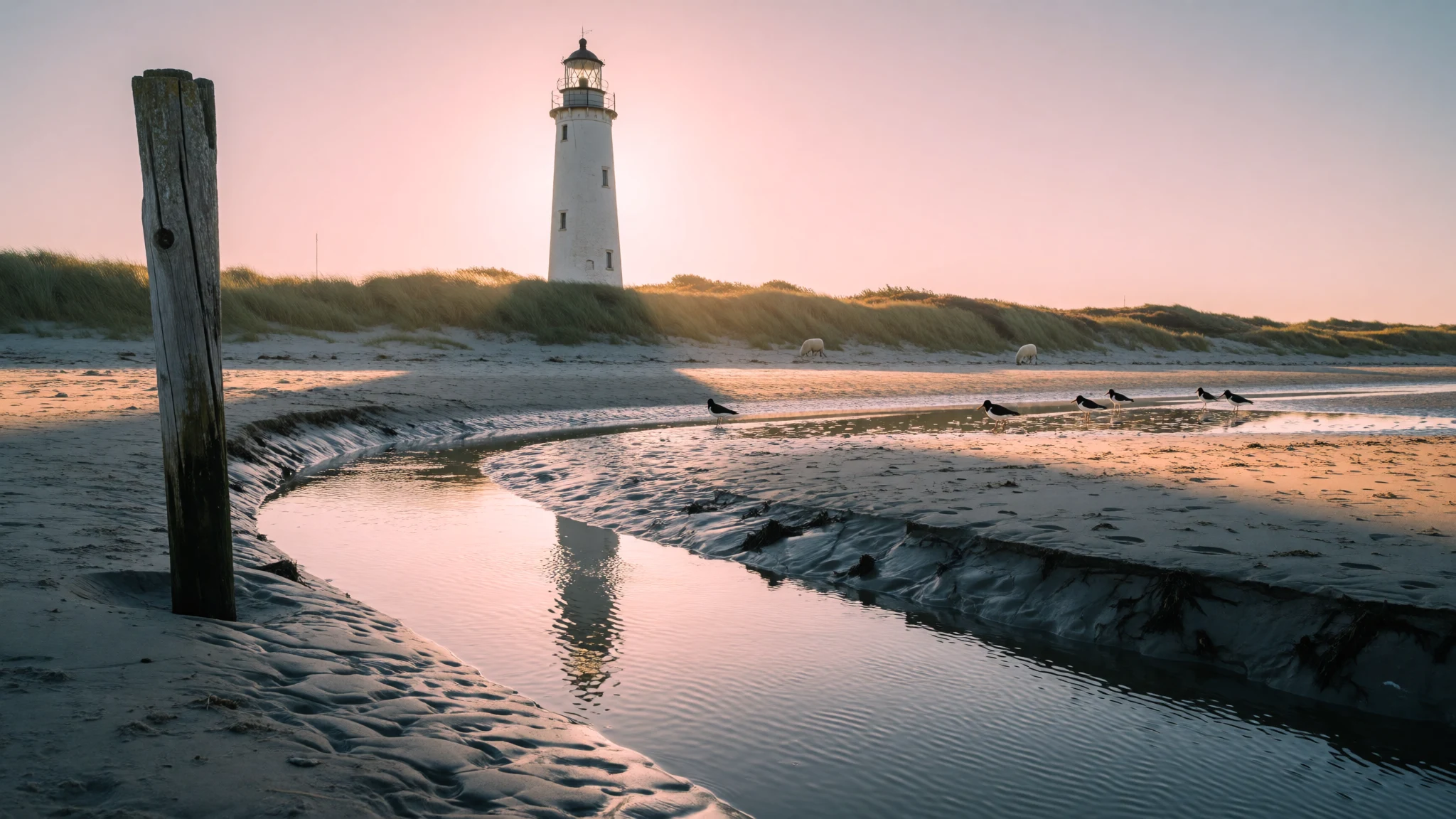
Eierland, the northern part of the island, takes its name from the Dutch for egg land, and birds still breed here in large numbers. The lighthouse stands on this stretch and can be climbed for a view over the island and the Wadden Sea. Opening times vary with the season, so check the official site, texel.nl.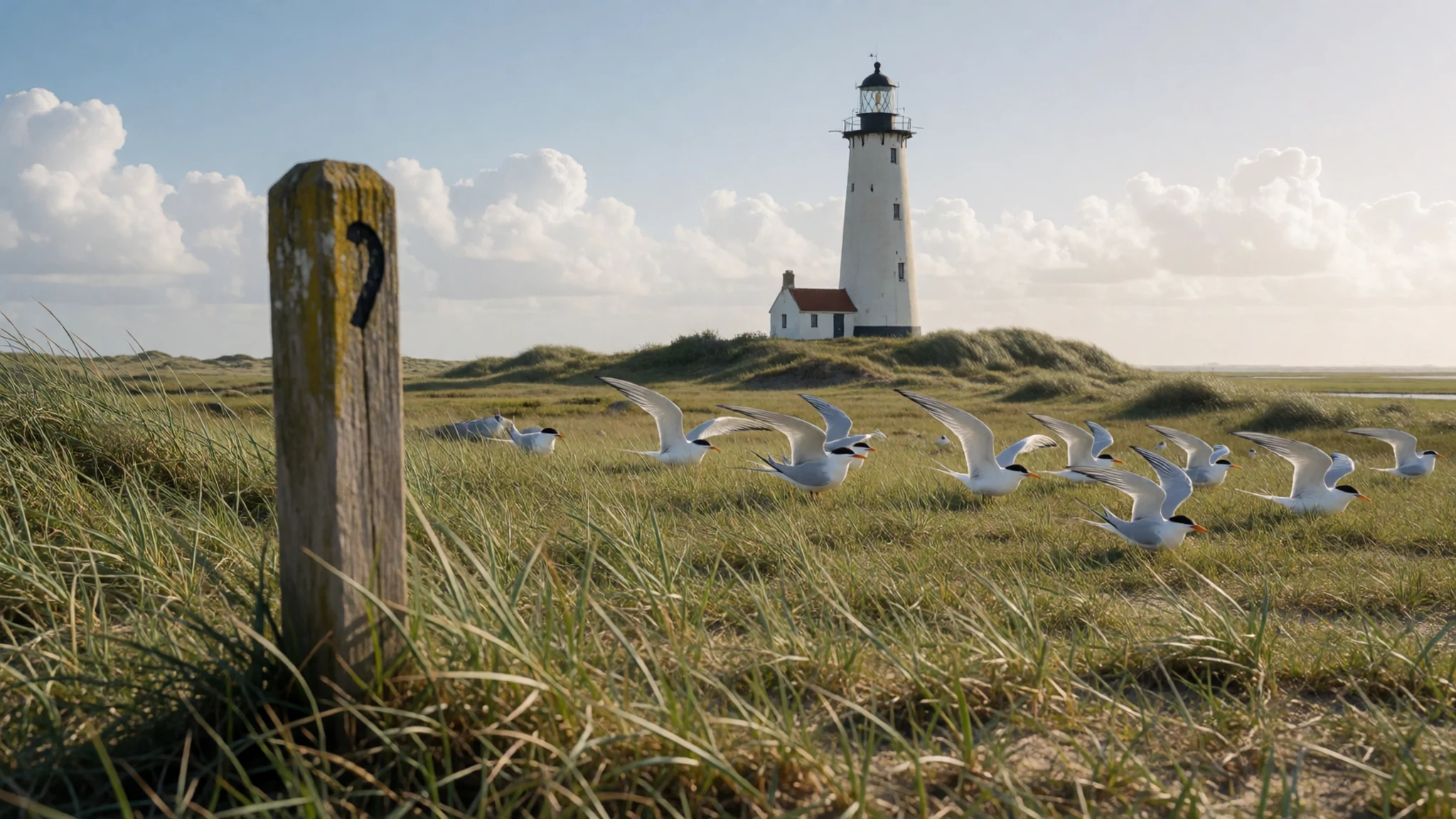
- Kaap Skil maritime museum — Oudeschild, south-east
Kaap Skil covers Texel's seafaring past, from the Dutch East India Company era to modern shipping. With so many ships lost on the shoals, the displays include finds washed up or recovered nearby. It is a sound wet-day choice, and pairs well with the island's beachcombing traditions and the old paintings of wrecks such as HMS Hero.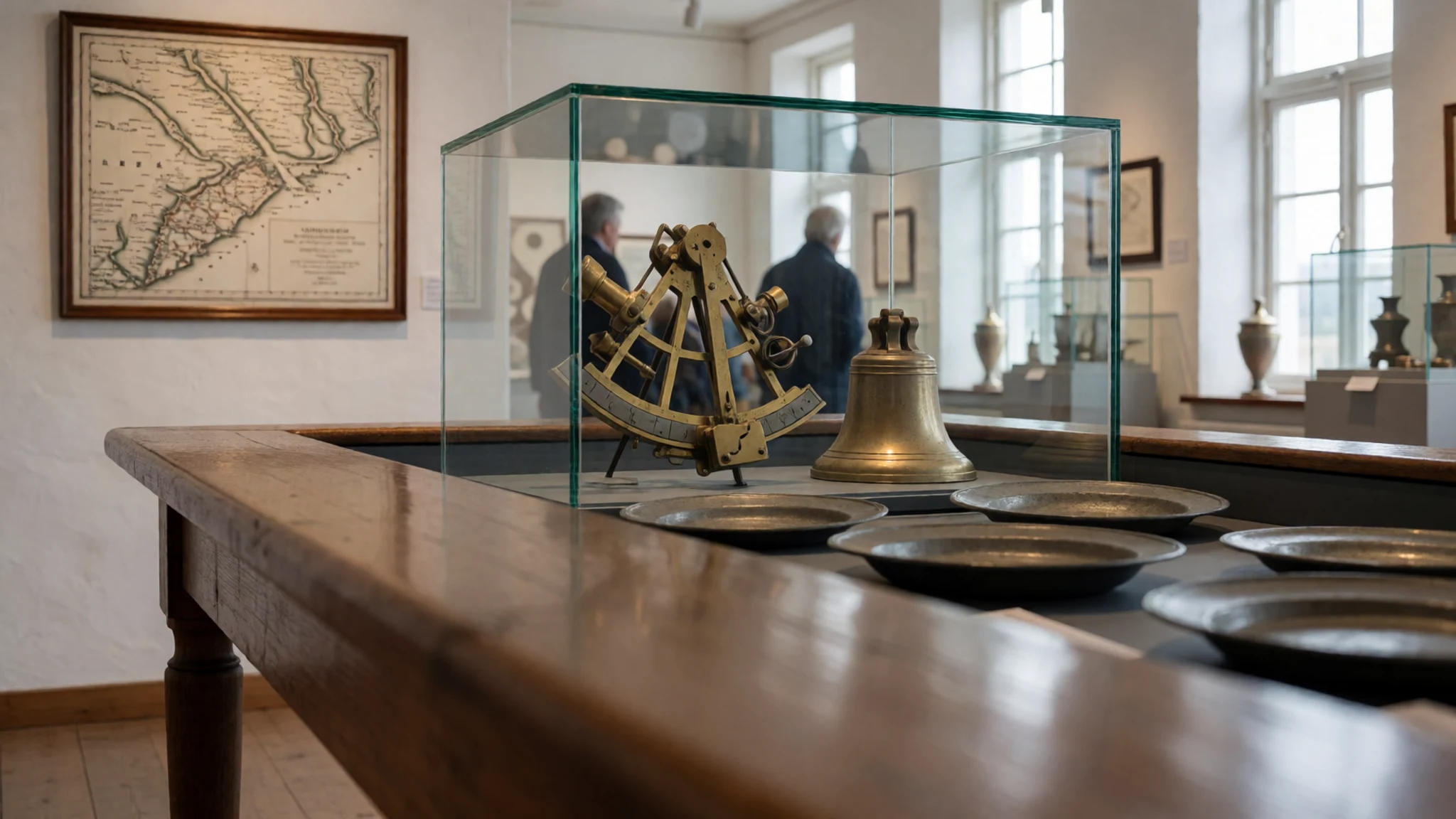
- Summer boat to Vlieland — De Cocksdorp, north
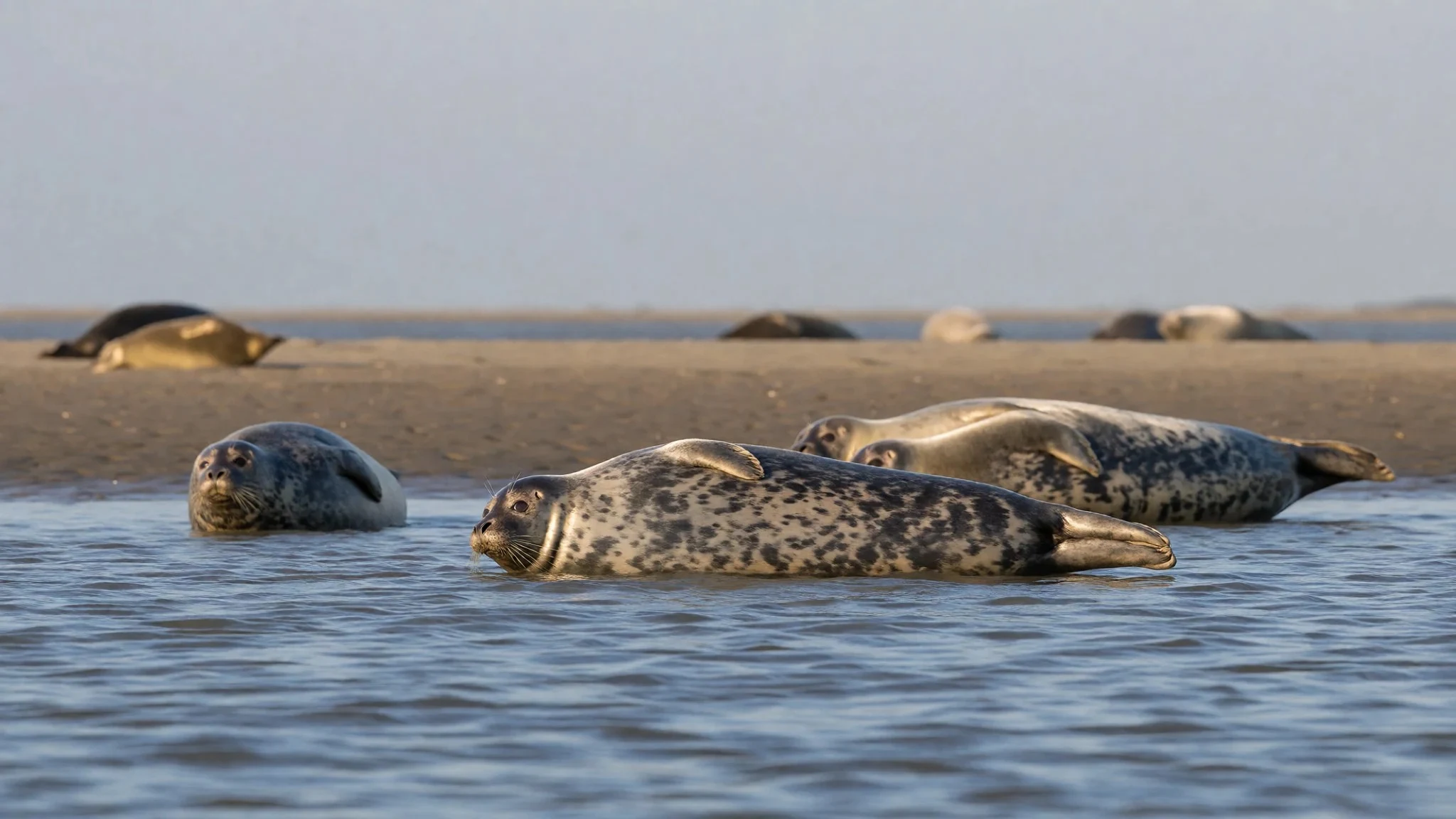
In summer a tourist boat leaves from near De Cocksdorp for the neighbouring island of Vlieland, and Wadden Sea wildlife can be watched on the way, with seals the usual draw. Services are seasonal and weather can change plans, so confirm sailings locally before building a whole day around the trip.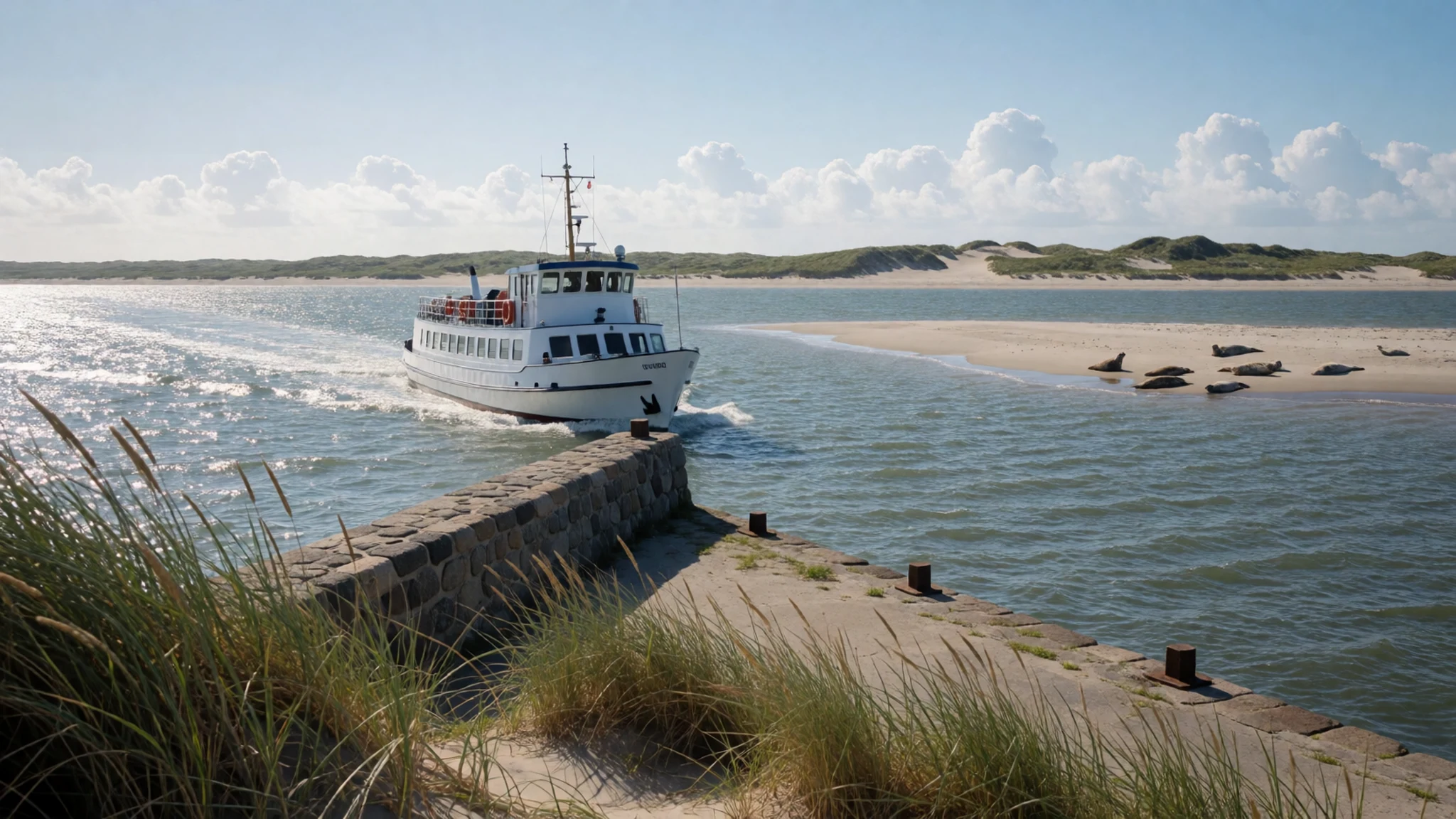
Culture
Texel's character comes from an island that has always lived off the sea and the land: fishing, sheep farming, shipping and now visitors. The island has its own dialect, Tessel, and the local brewery proudly uses it on its labels, a sign of how much islanders value local identity. Beachcombing is part of the story too. With so many ships wrecked on the shoals, the shore has long yielded finds, and the Maritime & Beachcombers Museum keeps that tradition visible. Nature management runs through daily life: dune and marsh areas are protected, and some are closed in breeding season, so many islanders have firm views on where people should and should not walk. Dutch manners are direct and unfussy. Service is friendly, plain-spoken and rarely hurried, and tipping is a modest rounding up rather than a fixed percentage. Cycling is the normal way to get about, and cycle paths have their own etiquette and speeds, so locals expect riders to keep right and call out or ring before overtaking. Evenings in De Koog are lively, with bars and cafes open late, while the other villages go quiet early. Keep to marked paths and respect closure signs in the dunes and bird areas, because ground-nesting birds and resting seals are easily disturbed.
What to wear
Texel has no single costume that islanders wear day to day. As in other Dutch fishing and farming communities, older working dress was practical: wool for jumpers, caps and socks, heavy cloth for coats, and wooden clogs on wet ground. Traditional costume now mostly appears at heritage events and in museum displays, so check local listings if seeing it matters. Today people dress for wind and bikes: waterproof jackets, fleeces, jeans or cycling trousers, trainers or sturdy sandals, and a hat that stays on in a gale. In summer the beach brings swimwear and shorts, but evenings turn cool off the sea, so a jumper is normal even in July. Visitors should pack layers and a windproof, showerproof jacket in any month, plus closed shoes for dune paths and muddy marsh edges, and sandals or flip-flops for the sand. Sun cream, sunglasses and a hat matter on open beaches, where there is little shade. There are no dress codes at the sights, though the small village churches and graveyards deserve tidy, quiet clothing. Cyclists in long skirts or loose trousers should clip or tuck them in, as the wind and chains are not forgiving.
What to eat
- Smoked eel — Fish eateries around the harbour at Oudeschild
A North Sea speciality on Texel, served at simple fish eateries near the harbour, often on bread or with a salad. The flavour is rich, salty and smoky. Ask at the fish counters in the island's villages what came in that day.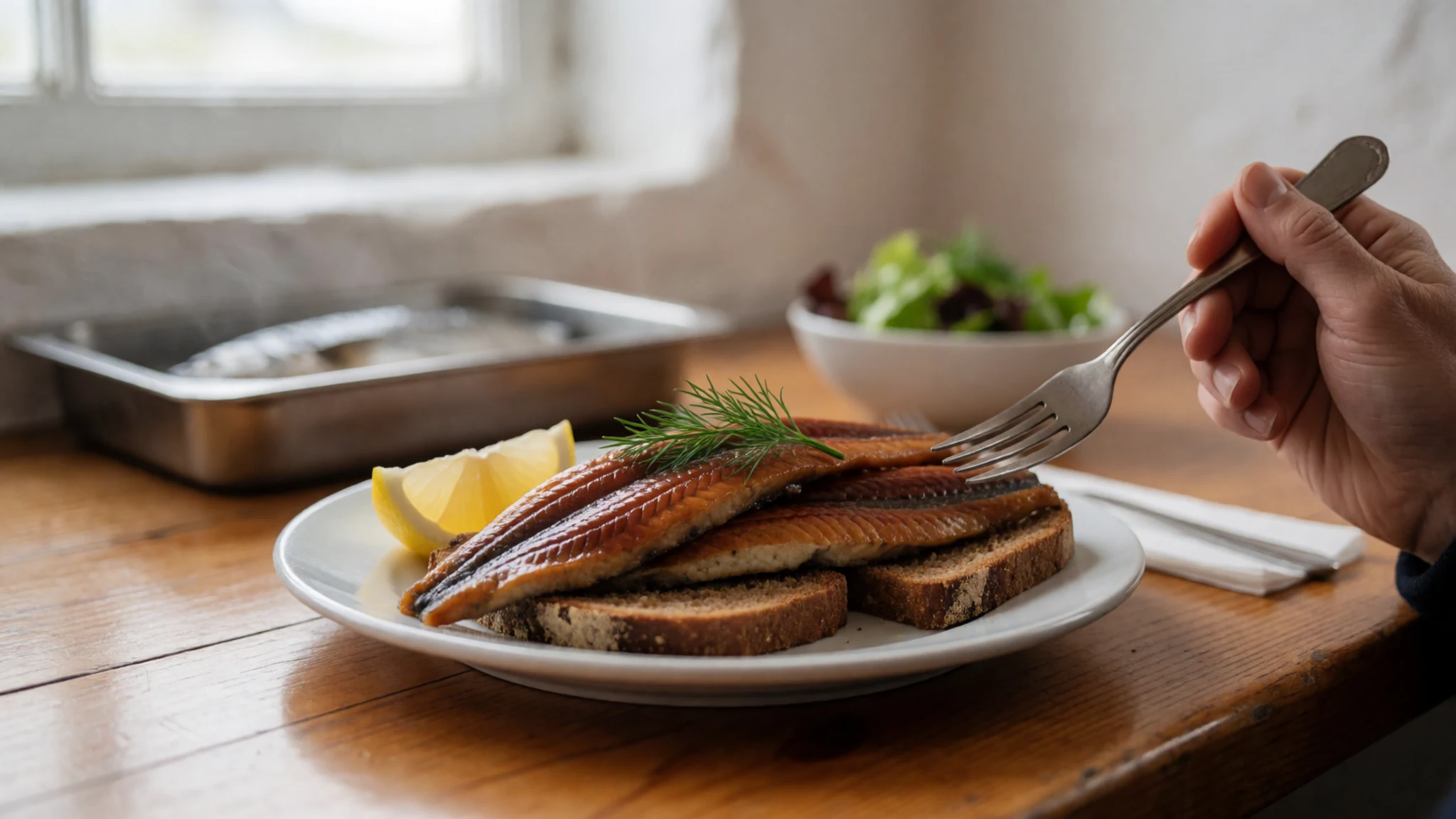
- Texel lamb — Village restaurants in Den Burg and De Koog
Sheep graze the polders and salt marsh, and lamb turns up on menus across the island, roasted or stewed. Ask in a village restaurant whether it is local. Of all the dishes here, it is the one most tied to the island's farmland.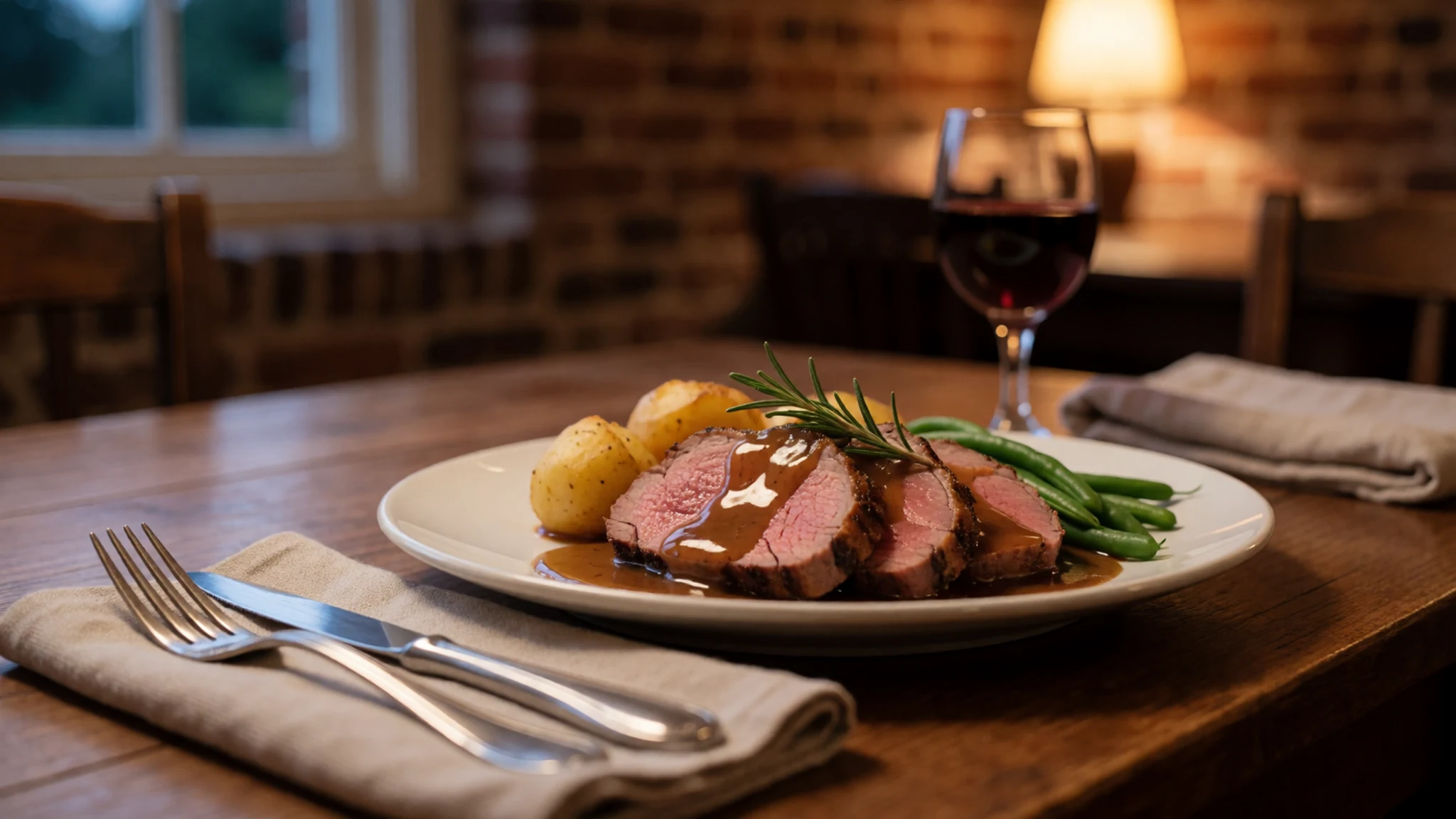
- Sheep's-milk cheese — Farm shops and delicatessens across the island
Island farms make cheese from sheep's milk, mild when young and sharper with age. Buying a wedge at a farm shop or village delicatessen makes an easy picnic with bread, and it travels home well if wrapped. - Kibbeling — Fish kiosks at harbours and in De Koog
Battered chunks of white fish eaten hot from a paper tray, with a dip, a Dutch seaside habit. Look for fish stalls and kiosks near harbours and in De Koog, and expect a queue on sunny afternoons. - Skuumkoppe beer — Cafes and bars across the island
A dark, wheat-based beer from the island's own brewery, Texelse Bierbrouwerij, whose labels use the Tessel dialect. Most ingredients are sourced locally. It is stocked in cafes and bars across Texel, and in shops on the mainland too. - Juttertje spiced gin — Bars in De Koog and Den Burg, island shops
A bitter, spiced gin made on the island and usually sipped as a digestif after dinner. It is strong, so small measures suit. Find it in bars in De Koog and Den Burg, or buy a bottle in island shops to take home.
Plan it
Best time. June to August for the hottest weather and long days. August is the wettest month and July and August are the busiest, so May, June and September are calmer. Spring and autumn are cool and breezy, and winter is quiet with some seasonal places shut.
How long. 2–3
Getting there. Train to Den Helder station (just over an hour from Amsterdam), then a local bus or a short walk through town to the ferry pier. The Teso ferry crosses in about half an hour to 't Horntje, with roughly hourly sailings and fewer on Sundays; buses then link the larger villages. Cars can be taken across, but queues build on busy days such as Easter weekend.
Budget. mid
Tips
- Book the ferry and accommodation early for summer, school holidays and long weekends; foot passengers and cyclists have an easier time than cars.
- Hire a bike on arrival, since cycle paths reach most villages, dunes and beaches.
- Pack a windproof layer in every season, as the island is exposed.
- Check the ferry operator's timetable before travelling, and check texel.nl for the lighthouse, museums and summer boat trips.
- Most visitors stay in De Koog, so choose Den Burg or De Cocksdorp for a quieter base.
Etiquette
- Stay on marked paths in the dunes, marshes and bird areas, and obey closure signs.
- Keep to the right on cycle paths and ring your bell before overtaking.
- Keep a distance from seals and nesting birds, and take your rubbish with you.
Nearby
Sources
- Wikidata Q9966 (CC0)
- Wikipedia: Texel (rev 1377884260) (CC BY-SA 4.0)
- Wikivoyage: Texel (rev 5432418) (CC BY-SA 4.0)
- Photo: Aerial image of Texel (view from the southwest), Carsten Steger (CC BY-SA 4.0)
- Photo: Dutch ships in the roadstead of Texel, Ludolf Bakhuizen (Public domain)
- Photo: The wreck of HMS Hero in the Texel, Robert Strickland Thomas (Public domain)
- Photo: De Hors, Nationaal Park Duinen van Texel, Kaasverhuur (CC BY-SA 4.0)
- Photo: Topografische kaart van Texel, Janwillemvanaalst (CC BY 3.0)
- Photo: Imme Dros, Mauritsvink (Public domain)
- Photo: Lighthouse Eierland, Texel, Jan Anskeit (CC BY 4.0)
- Photo: Dokter Wagemaker, Henkerik (CC BY 3.0)


Wildlife
- Harbour seal (animal)
The harbour seal, also called the common seal, is a true seal: think of a chubby swimmer of cool northern coasts. It is found right across the North Sea and far beyond. On Texel, your best chance comes in summer, when a tourist boat sets off from near De Cocksdorp for neighbouring Vlieland, and seals are the usual highlight of the Wadden Sea crossing. Watch from the boat, keep calm and quiet, and let the seals carry on undisturbed.