Tarawa
Tarawa, Kiribati
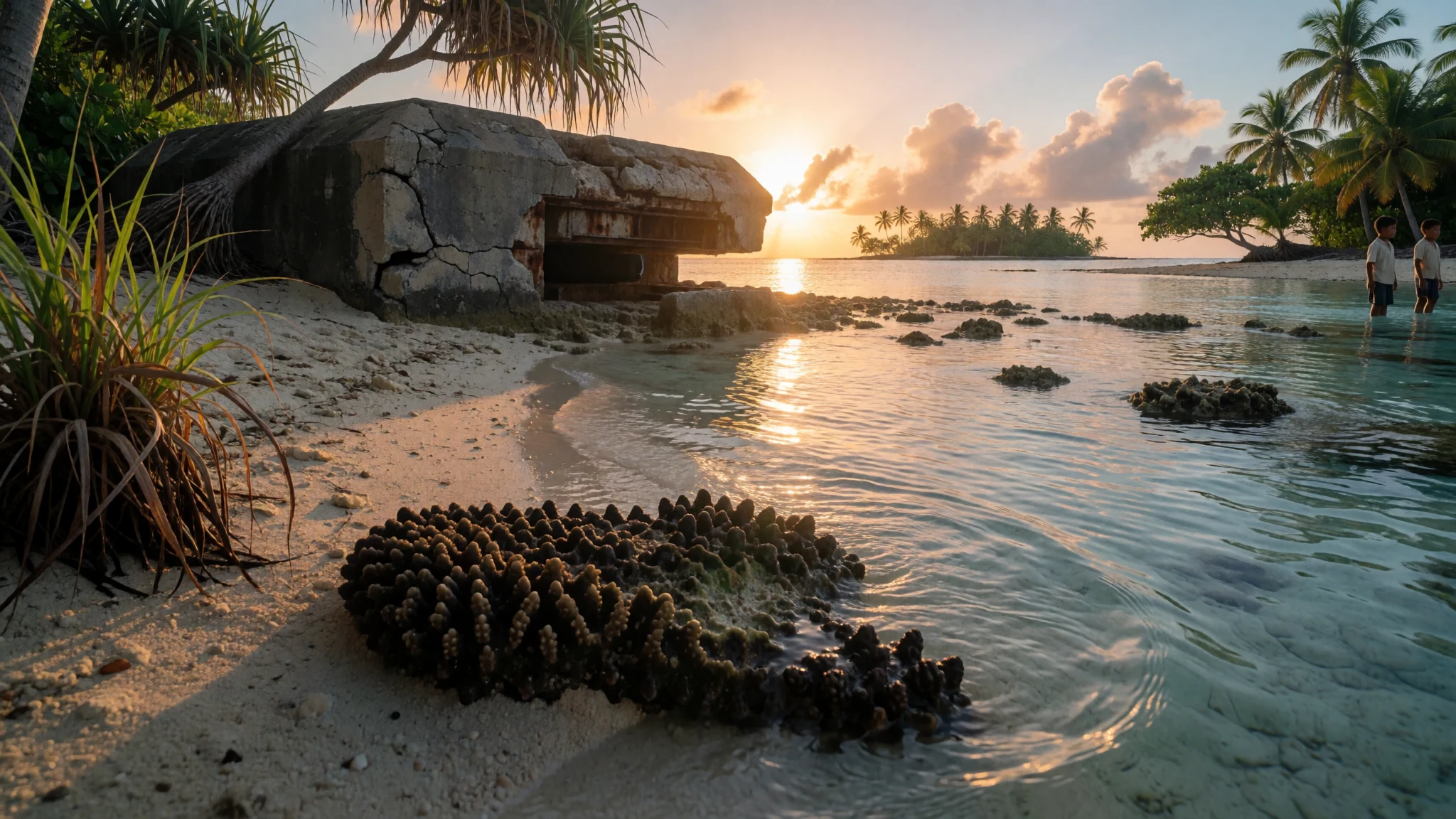
Visit Tarawa to see the Pacific’s most isolated capital and witness a lagoon ecosystem under pressure from rapid growth.
The place
Tarawa is an atoll in the central Pacific, serving as the capital of Kiribati. Situated at sea level, the landform consists of a string of low-lying islets separated by a large lagoon that covers 500 square kilometres. The atoll is divided into two main sections: North Tarawa and South Tarawa. While North Tarawa retains the character of the more remote Gilbert Islands, South Tarawa is dense and urban, home to roughly half the nation's population. The geography is defined by a wide reef and a significant ship pass that connects the open ocean to the lagoon, allowing large vessels to reach the capital. Vegetation on the islets includes breadfruit, papaya, banana, coconut, and pandanus trees, though drought is a frequent challenge. In normal years, rainfall is sufficient to sustain these crops, but the climate is prone to dry spells. Urban growth on South Tarawa has been driven by causeway construction, linking Betio in the west to Tanaea in the northeast into a single continuous landmass. This development has transformed smaller, separate islands into a single, bustling settlement. The lagoon remains a vital resource for fish and shellfish, although overfishing is becoming a concern due to the large and growing population. The average temperature stays close to 30 degrees Celsius, with trade winds providing some relief during the drier months. Living on Tarawa means dealing with the realities of high-density living on a coral platform, where every square metre is valuable and the lagoon is both neighbour and lifeline.
Its story
Terra is asking for a full place reading, not a single retold sentence. Share a topic, a mood, or a question and I will write the Tarawa reading for you. Nareau named the sky "karawa" and the ocean "marawa," while the rock where the deity Riiki stood became known as Tarawa. This origin story reflects the deep spiritual connection the locals have with the land. Gilbertese people settled these islands approximately two thousand years ago, becoming skilled seafarers who navigated the open ocean using traditional techniques. The first European to describe the atoll was Captain Thomas Gilbert, who arrived in 1788 aboard the East India Company vessel Charlotte. He named it Matthew Island after the ship's owner, though the local name persisted. In 1892, the island became a British Protectorate, ending a long period of conflict between the House of Auatubu and the House of Teabike. The atoll later served as a significant site during World War II, where the Battle of Tarawa took place. Today, the island is the political and commercial hub of Kiribati. The history of the place is marked by resilience, from ancient migrations to the pressures of modern urbanisation. The arrival of foreigners and the impact of global events have shaped the current landscape, but the culture remains deeply rooted in island traditions. The story of Tarawa is one of survival in a place where the line between land and sea is constantly shifting.
What to see
- Betio — South Tarawa
The central islet of South Tarawa, Betio is the site of the World War II battle. The beach is scattered with the concrete and steel remains of Japanese fortifications, a stark reminder of the conflict. Visitors can walk through the wreckage, which includes gun emplacements and bunkers partially submerged in the lagoon. It is a place of reflection, where the physical scars of war are visible in the coral and sand. The surrounding areas have developed into the main commercial zone, but the memory of the battle lingers in the landscape. Walking here offers a direct connection to the island's most dramatic historical chapter.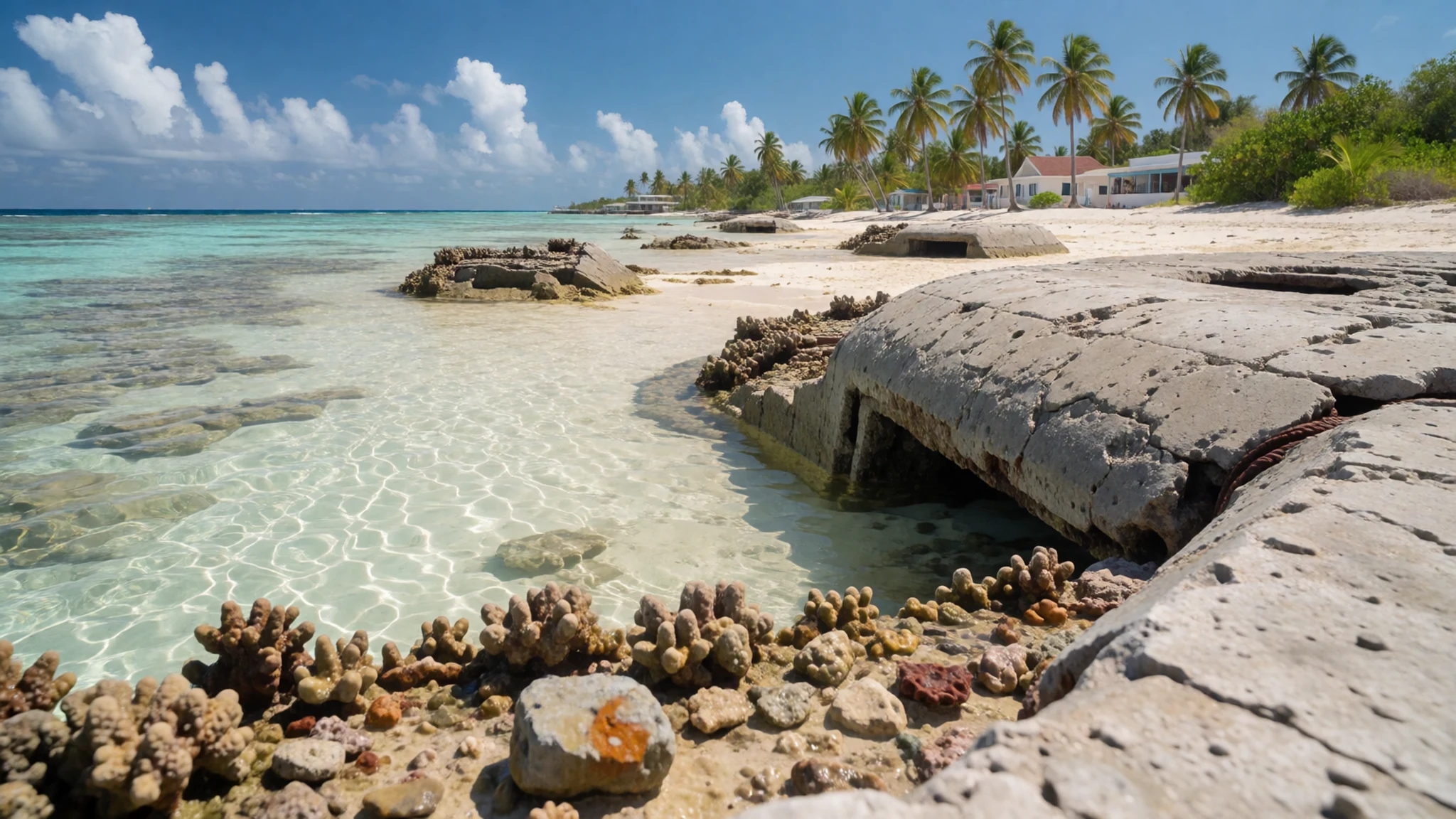
- Lagoon — South Tarawa
The Tarawa lagoon is a vast expanse of turquoise water, 500 square kilometres in total area. It serves as the primary source of food and transport for the local population. The water is clear and shallow in many areas, ideal for swimming and traditional fishing. The lagoon is home to a variety of marine life, although stocks are under pressure. Boat tours and local fishing operations provide a close look at the daily life that takes place on the water. The open pass to the ocean allows for large waves to enter during storms, changing the character of the lagoon. Observing the interaction between the people and the water gives insight into the island's reliance on this resource.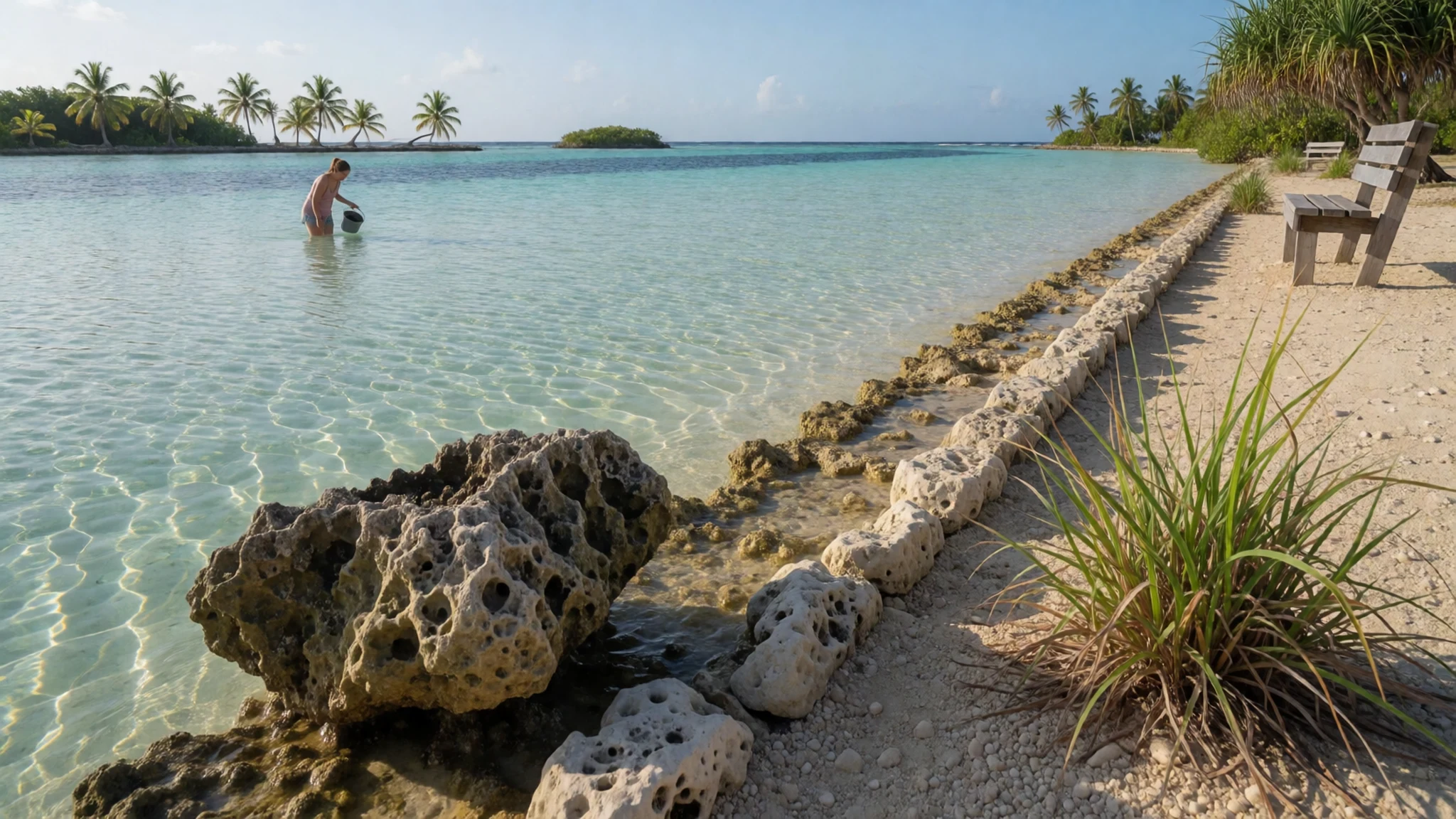
- North Tarawa — North Tarawa
North Tarawa offers a glimpse into the more traditional side of Gilbert Island life. The islets here are less crowded than the south, retaining a rural atmosphere. The population is smaller, and the pace of life is slower. Visitors can see the standard set of island vegetation, including coconut and pandanus palms. The channels between the islets are sometimes navigable at low tide, and a ferry service connects key points. This part of the atoll is ideal for those interested in observing customary practices and daily routines without the intensities of the capital's commercial centre.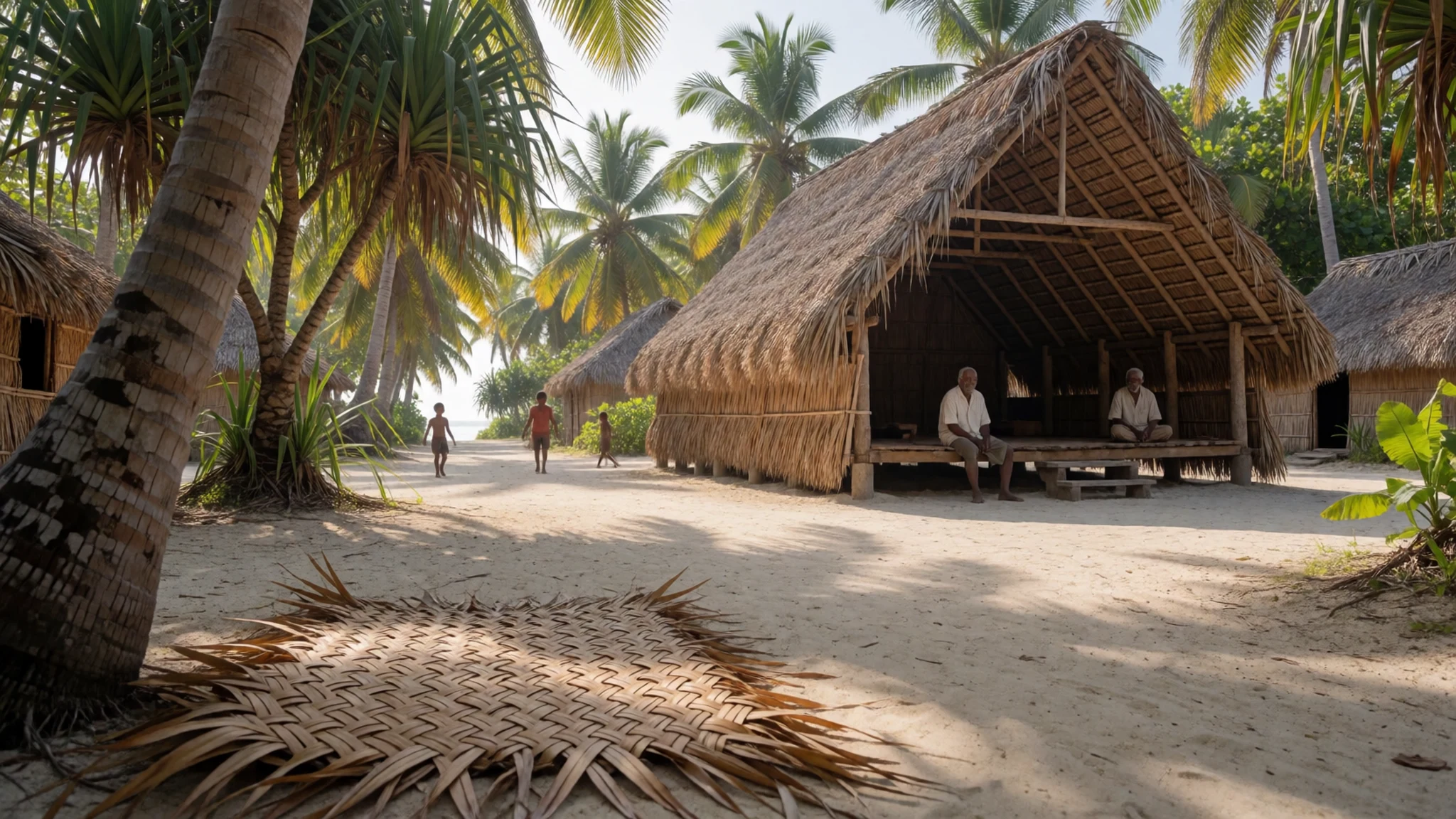
- Betio Causeway — South Tarawa
The causeways connecting the islets of South Tarawa are the primary thoroughfares for residents. These land bridges allow for the movement of people and goods across the atoll. Walking along them provides a view of the community life, with markets, schools, and homes lining the edges. The construction of these paths has expanded the usable land area, creating a continuous strip of urban space. The view from the causeway includes the lagoon on one side and the rooftops of the capital on the other. It is a key infrastructure element that defines the modern layout of the island.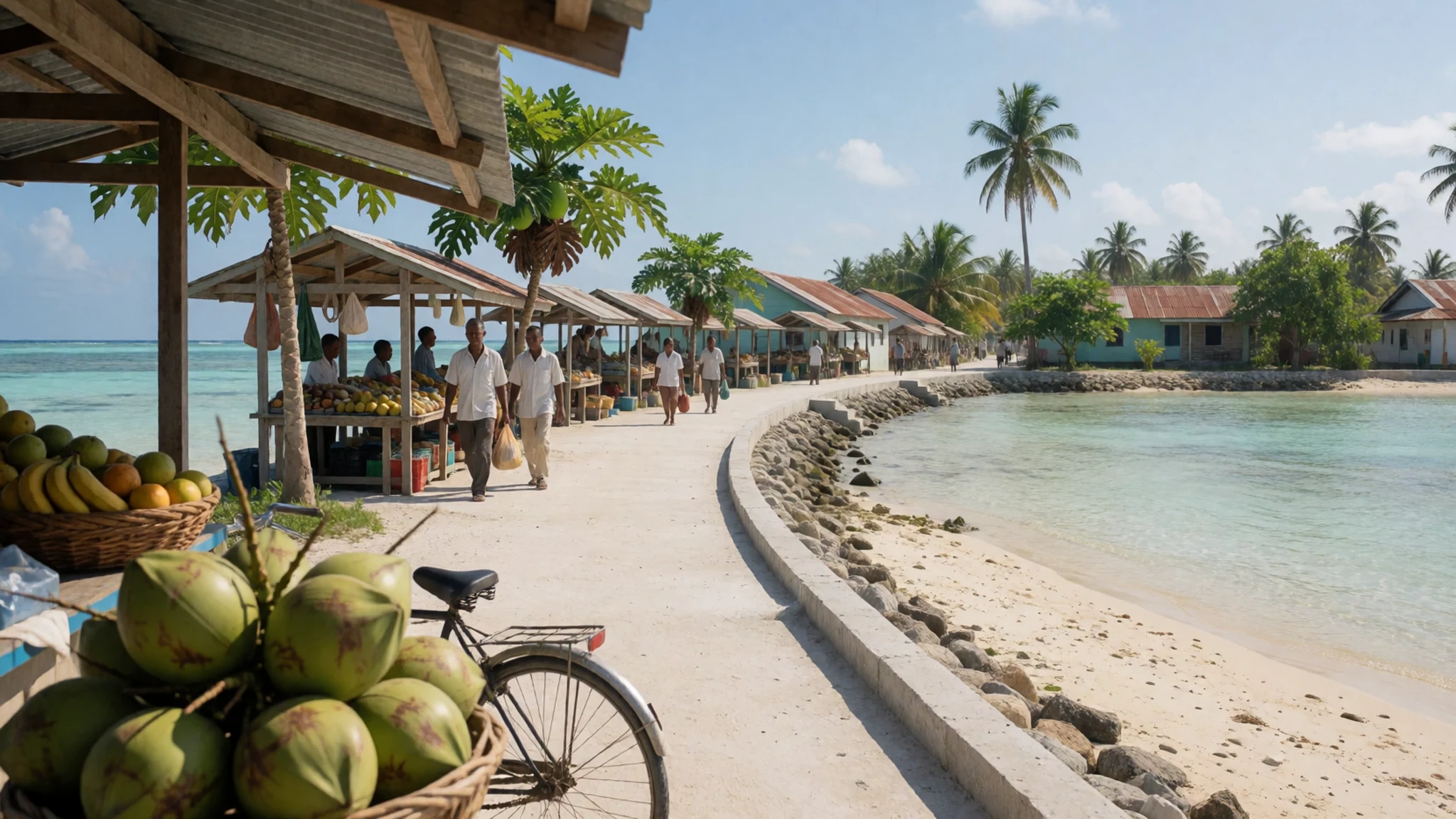
Culture
Life in Tarawa is driven by the rhythm of the lagoon and the communal traditions of the Gilbertese. The community structure remains central to social life, with family ties and shared responsibilities guiding daily interactions. Fishing is not just an economic activity but a cultural practice, with knowledge of currents and fish stocks passed down through generations. The lagoon is a shared resource, and conflicts over its use are common as the population grows. Religion plays a significant role, with Protestant and Catholic churches visible throughout the town. Social gatherings, weddings, and funerals are major community events that reinforce social bonds. Visitors should be respectful of private spaces and religious observances. It is customary to greet people upon entering a village or approaching a group. Do not stand between people who are speaking. Ask permission before taking photographs of individuals or private property, as privacy is highly valued in a small community.
What to wear
Traditional Gilbertese dress often features woven mats and bark cloth, materials that have been central to the culture for centuries. The woven mat is a symbol of status and is used in ceremonies and as bedding. In daily life, modern clothing is standard, with comfortable fabrics suitable for the tropical climate. T-shirts, shorts, and lightweight trousers are common, reflecting the practical needs of working near the water. On the sand or while working in the lagoon, many residents wear simple swimwear or local loincloths. Visitors should dress modestly, covering shoulders and knees when in town or visiting churches. Sandals or flip-flops are essential for walking on the sand and coral. A loose shirt and long trousers are advisable for walking on the causeways to protect from the sun. The heat is constant, so light-coloured, breathable fabrics are the practical choice for any visitor.
What to eat
- Breadfruit — Home kitchens and local villages
Breadfruit is a staple crop in Kiribati, grown on nearly every islet. The fruit is stuffed with rice paste and coconut milk, then wrapped in banana leaves and baked. It has a soft, slightly sweet taste and is a source of significant energy. It is a common component of a traditional meal, providing sustenance that can be prepared in bulk. The tree is drought-resistant, making it a reliable food source even in dry years. Eating it is a way to connect with the agricultural base of the island.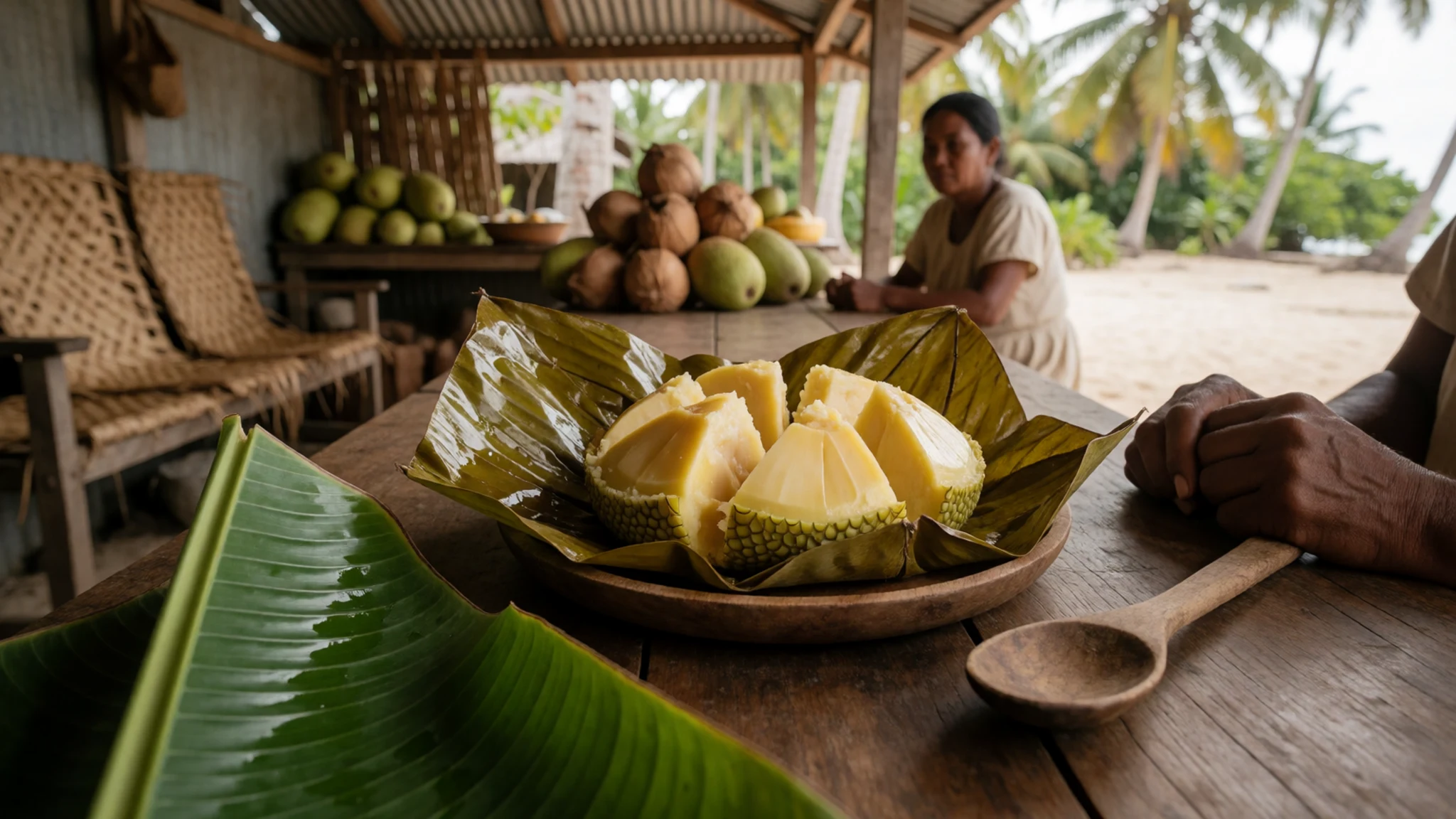
- Coconut — Coconut vendors and roadside stalls
Coconuts are ubiquitous in Tarawa, valued for both the flesh and the water. The coconut is used in cooking, as a drink, and in the preparation of desserts. Dried coconut is often grated and mixed with sugar to create a sweet treat. The tree provides a continuous supply of resources, from fibre to food. It is a resilient crop that thrives in the saline soil of the atoll. Consuming fresh coconut water is a way to stay hydrated in the hot climate.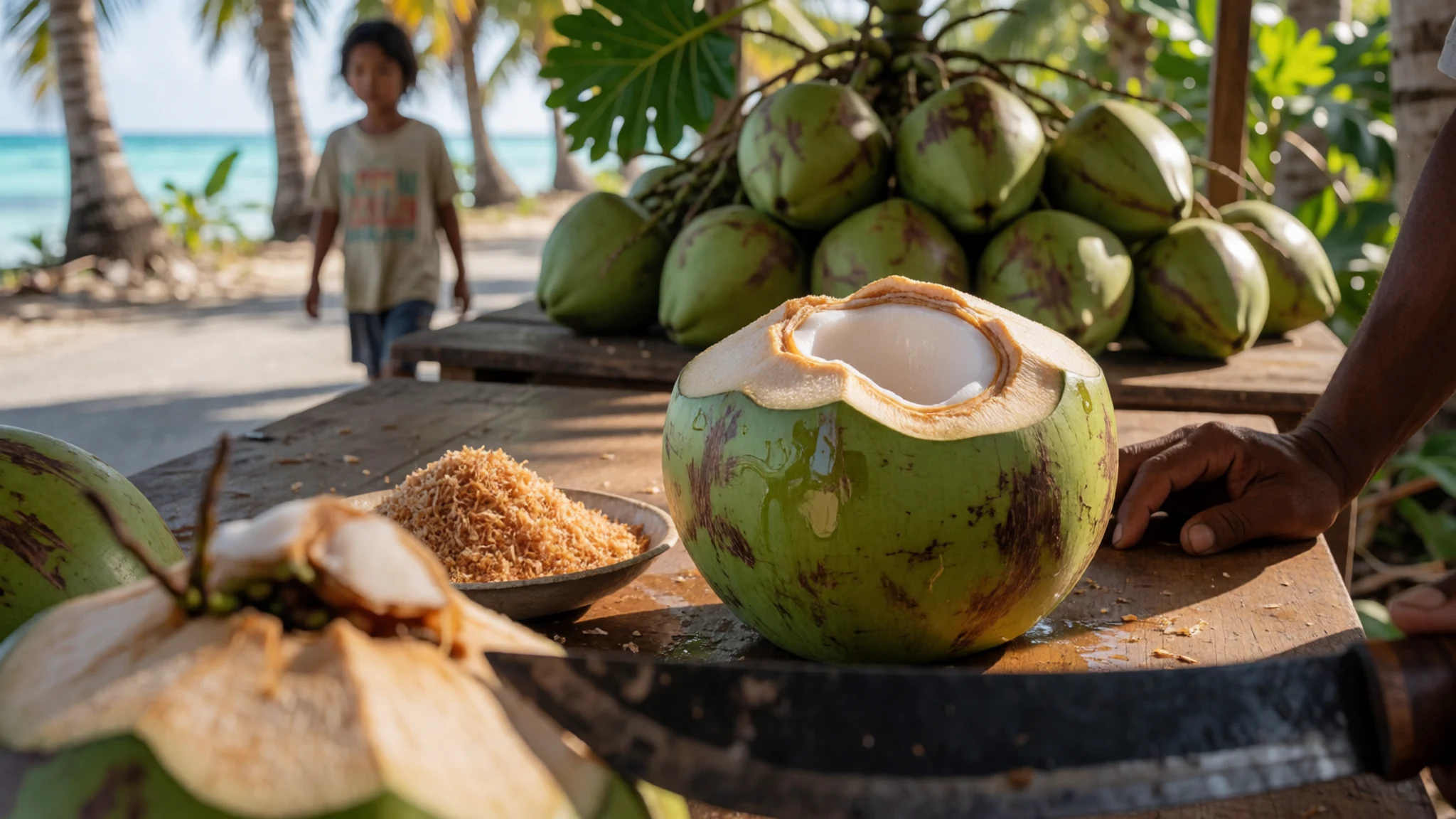
- Grilled Fish — Street food stalls and local eateries
Fresh catch from the lagoon, such as sea bream or snapper, is a cornerstone of the local diet. The fish is typically grilled over an open fire with simple spices like ginger or turmeric. The cooking method is simple and effective, preserving the natural flavour of the fish. It is often served with rice or plantains. The freshness of the catch makes it a highlight of the local cuisine, offering a direct taste of the lagoon's bounty. - Pain — Home dining and local canteens
Pain is a local term for a type of fish chowder, often made with small lagoon fish. The dish is creamy and savoury, usually thickened with coconut milk. It is a comforting meal that highlights the abundance of seafood available in the atoll. The preparation can vary by household, but the base of fish and coconut remains consistent. It is a popular dish for family gatherings and is often shared among neighbours.
Plan it
Best time. April to October for the dry season, with stable temperatures and less rain.
How long. 3–4
Getting there. Fiji Airways flies to Tarawa from Suva on Tuesdays and Thursdays. Nauru Airlines operates a weekly flight from Brisbane via Honiara and Nauru on Saturdays. There are no scheduled ferries, though supply boats from Fiji may take passengers for a fee.
Budget. high
Tips
- Carry cash, as ATMs and card payments are limited.
- Booking international flights months in advance is essential due to limited capacity.
- Bring your own fresh water, as bottled water is scarce and expensive.
- Wear sturdy footwear for walking on coral and sand.
Etiquette
- Ask permission before taking photographs of people.
- Dress modestly when visiting religious sites.
- Respect local customs regarding fishing and resource use.
Nearby
Sources
- Wikidata Q2486 (CC0)
- Wikipedia (CC BY-SA 4.0)
- Wikivoyage (CC BY-SA 4.0)
- Photos (Commons) (Various (CC BY 3.0, Public Domain))
