St. George Island
St. George Island, United States
St. George Island is a remote volcanic island in the Bering Sea, with crowded seabird cliffs, fur seals and one small Aleut community.
The place
St. George Island lies in the Bering Sea as one of the Pribilofs, a small island group far off the Alaskan mainland. It is volcanic, and it looks the part: grassy slopes with no trees, dark rock, and sea cliffs where the land stops abruptly. Fog and wind are the normal weather rather than the exception.
The island's only settlement is St. George, home to 108 residents according to the facts for the island. Its Aleut names, Anĝaaxchalux̂ and Sangiurgiix̂, sit beside the Russian spelling, a reminder of who has lived here and in what order. Most of the area counted for the city is open water. The land itself is small enough that the village, the airstrip and the cliffs belong to one landscape rather than to separate attractions.
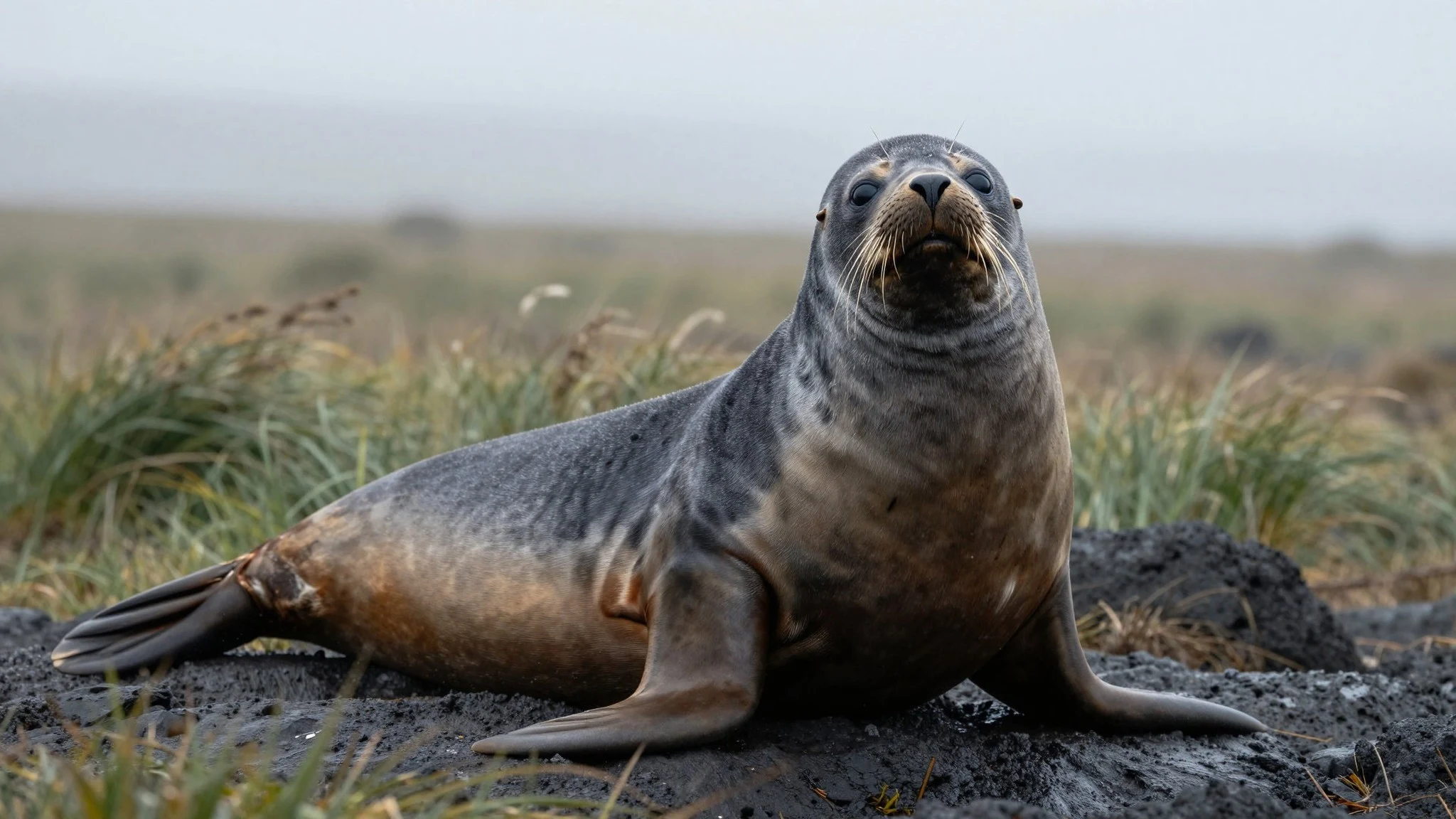
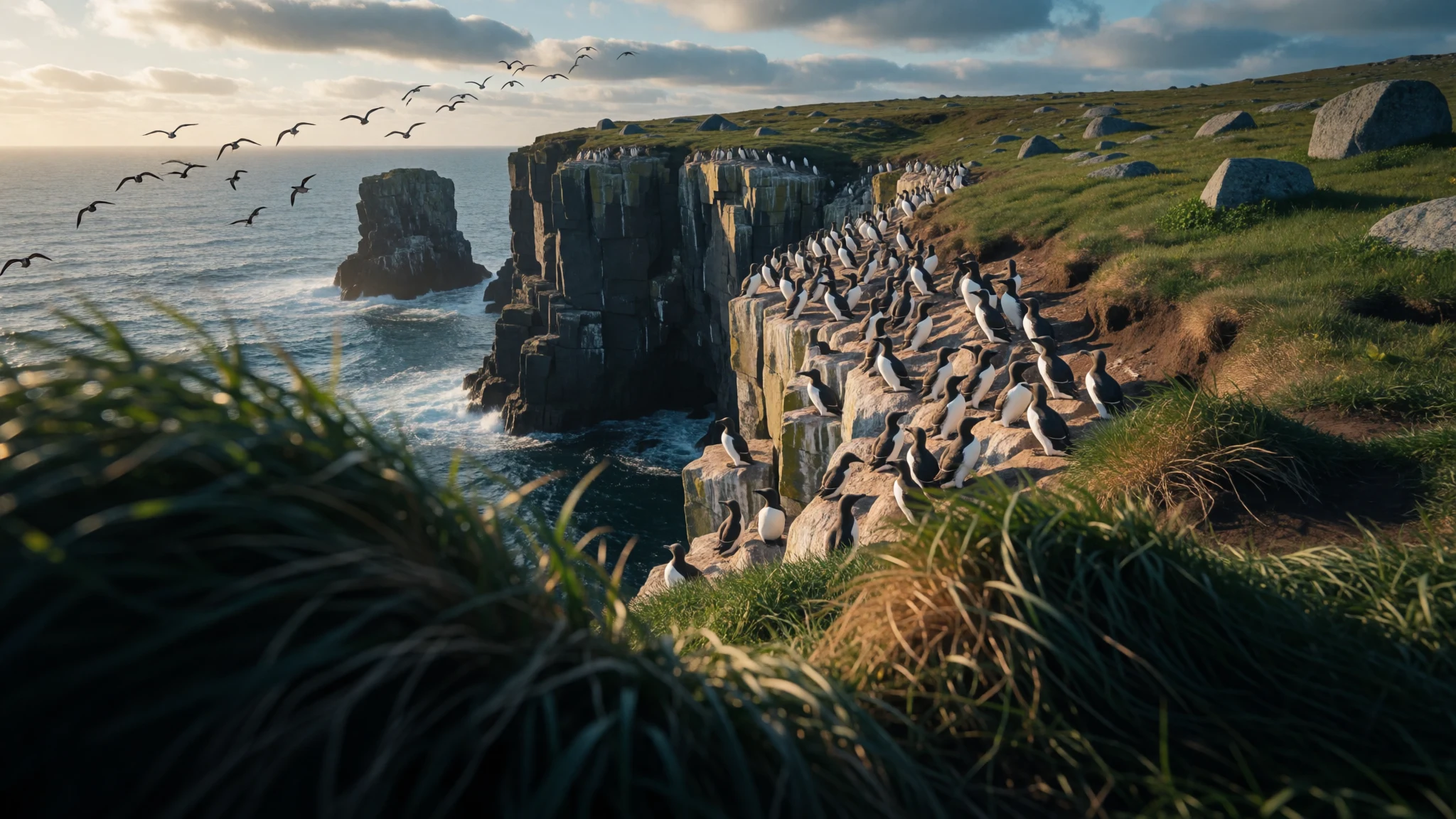
Visitors come mainly for wildlife. Seabirds crowd the cliffs in the nesting season, and northern fur seals come ashore to breed, which is the very reason the island was found in the first place. There is no resort, no promenade and no beach in the holiday sense. What exists is a working community with a church, a school and a handful of services, reached by small plane. A trip here is closer to a field visit to a remote village than to a cold-weather beach break, and the weather decides the schedule more than any itinerary does.
Its story
St. George Island entered the written record in 1786, when the Russian explorer Gavriil Pribylov followed the trail of northern fur seals through the Bering Sea fog and found the place where they came ashore. He named the island for his ship, the St. George, and it was the first of the group that he located. Neighbouring islands followed.
The seals shaped everything that came next. Russian traders wanted their pelts, and Aleut families were brought to the Pribilofs to harvest and process them, which is how the island gained a permanent village. The Russian presence did not end overnight. In 1867 the Russian Empire sold Alaska to the United States, and the seal trade carried on under new owners.
The Orthodox faith that arrived with the Russians stayed too. The island's only church, St. George Church, dates from 1935 and belongs to the Diocese of Alaska of the Orthodox Church in America. It is still the building a stranger can identify at a glance.
The island's best-known modern event came from the sea. In the last days of February 1996 a crab boat named the All American went onto the rocks and was wrecked, and everyone aboard survived. Photographs of the scene survive in public archives. Seals, Russian traders, a church and a boat on the rocks: these layers explain why the island feels small but never empty.
What to see
- St. George village — Eastern side of the island
St. George village is the island's only settlement and the natural starting point. Houses, a school, the harbour area and the airstrip sit close together, so an easy morning on foot covers it. The 1957 aerial photograph shows how compact it has always been. Spend time listening to the place as much as looking.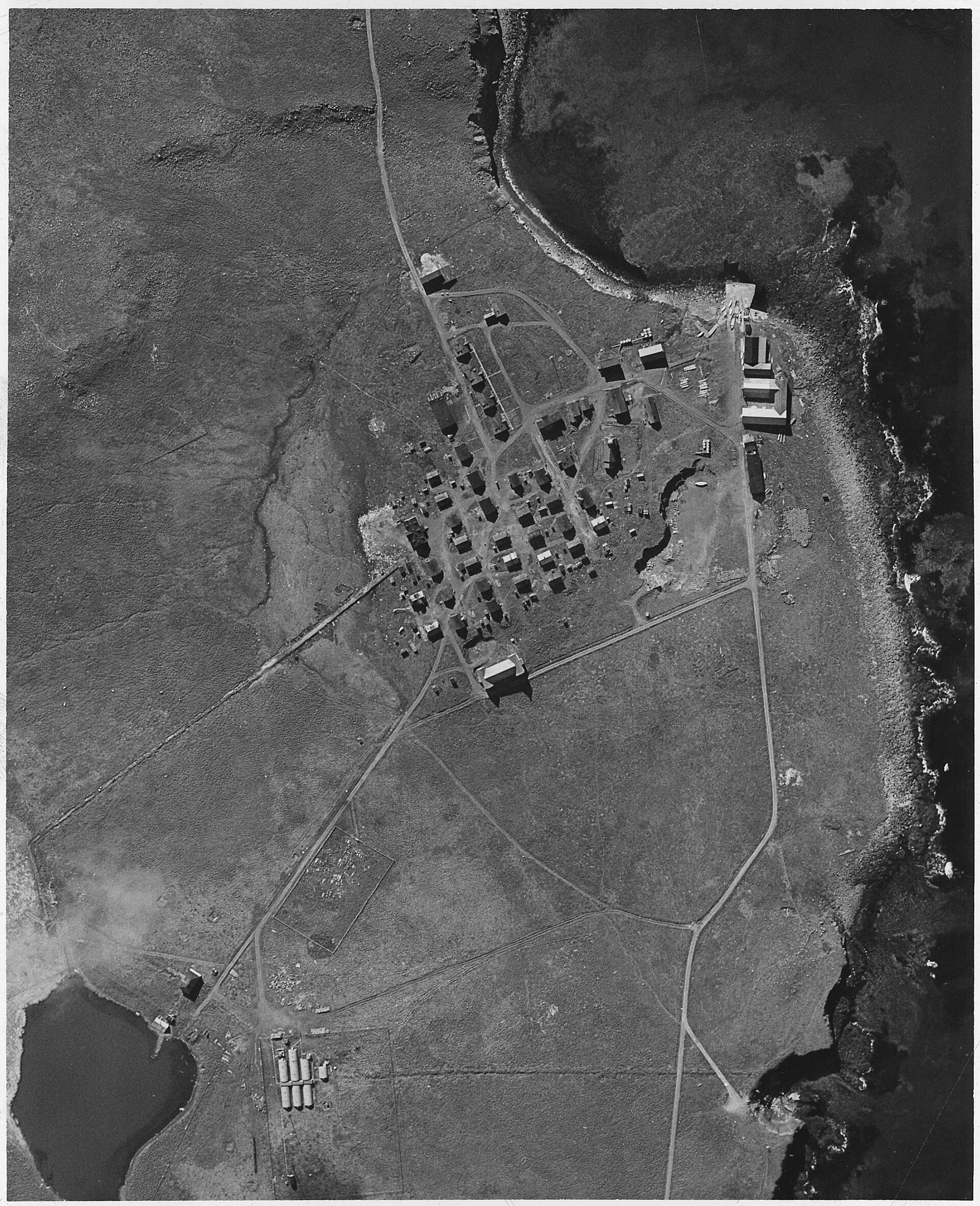
- St. George Church — St. George village
St. George Church was built in 1935 and is the island's only church, part of the Orthodox Church in America's Diocese of Alaska. For a visitor its value lies in what it says about the island's Russian past and living faith. Look at it from outside, ask locally about services, and treat it as a working place of worship. - Seabird cliffs — Coastal cliffs around the island
The steep sea cliffs are the island's wildlife draw. In the nesting season seabirds fill the ledges and the low vegetation above them, noisy and tightly packed. Binoculars matter more than a long lens, and fog can erase the view in minutes. Keep well back from edges, since the ground is wet, uneven and drops straight to the sea.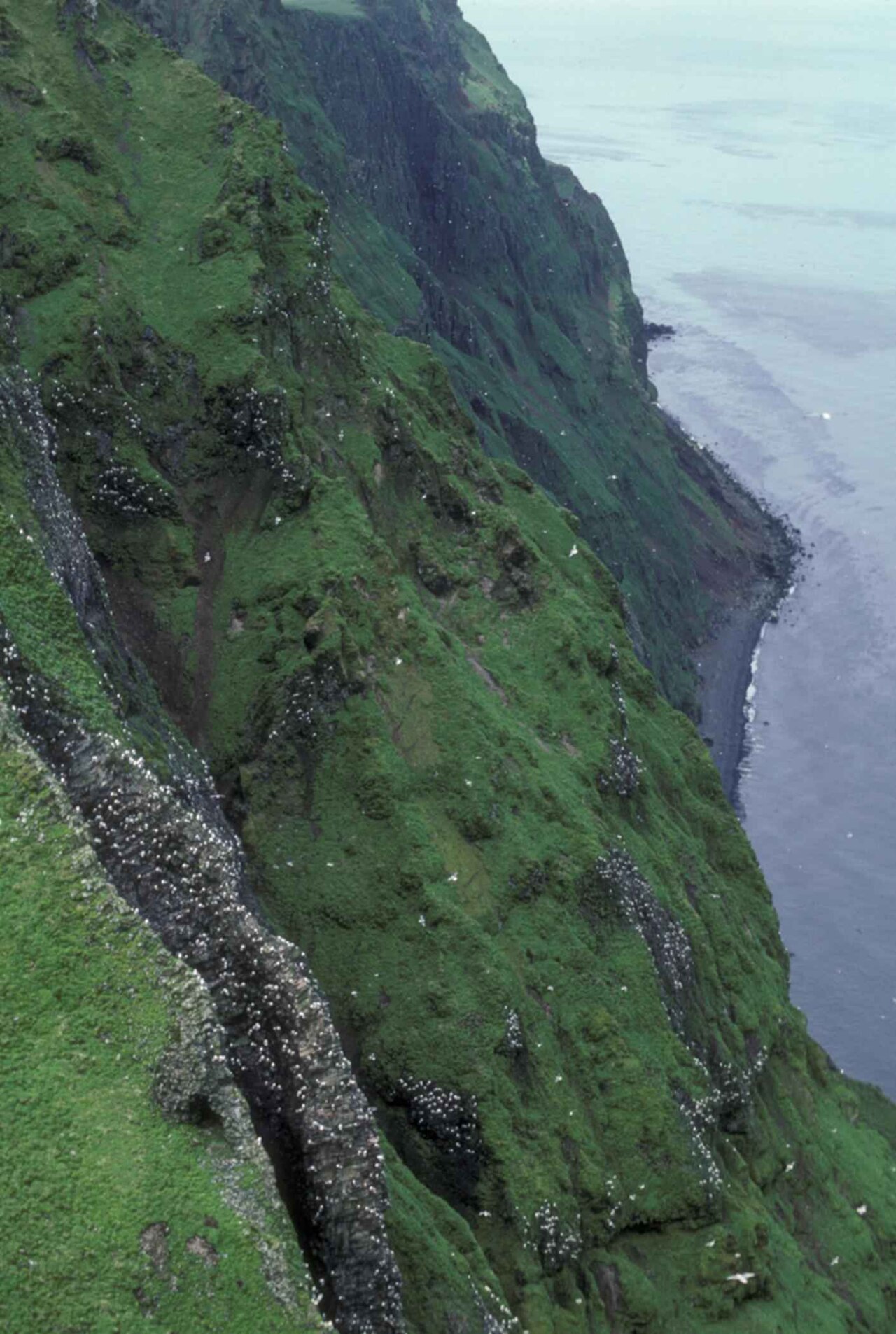
- Fur seal shores — Rocky shorelines, in summer
Northern fur seals are the reason the island was found, and they still come ashore here to breed. Viewing is best arranged through local contacts, from a marked distance, because the animals are easily disturbed and the shoreline can be hazardous. Visit in summer, bring binoculars, and expect to watch quietly rather than approach. - The All American wreck — Shoreline, location to be confirmed locally
The crab boat All American was wrecked here in February 1996, a stark reminder of how rough the Bering Sea can be. Whether any of it can still be seen depends on years of storms, so ask residents before heading to the shore. Photographs from 1996 record the scene and are worth seeing first.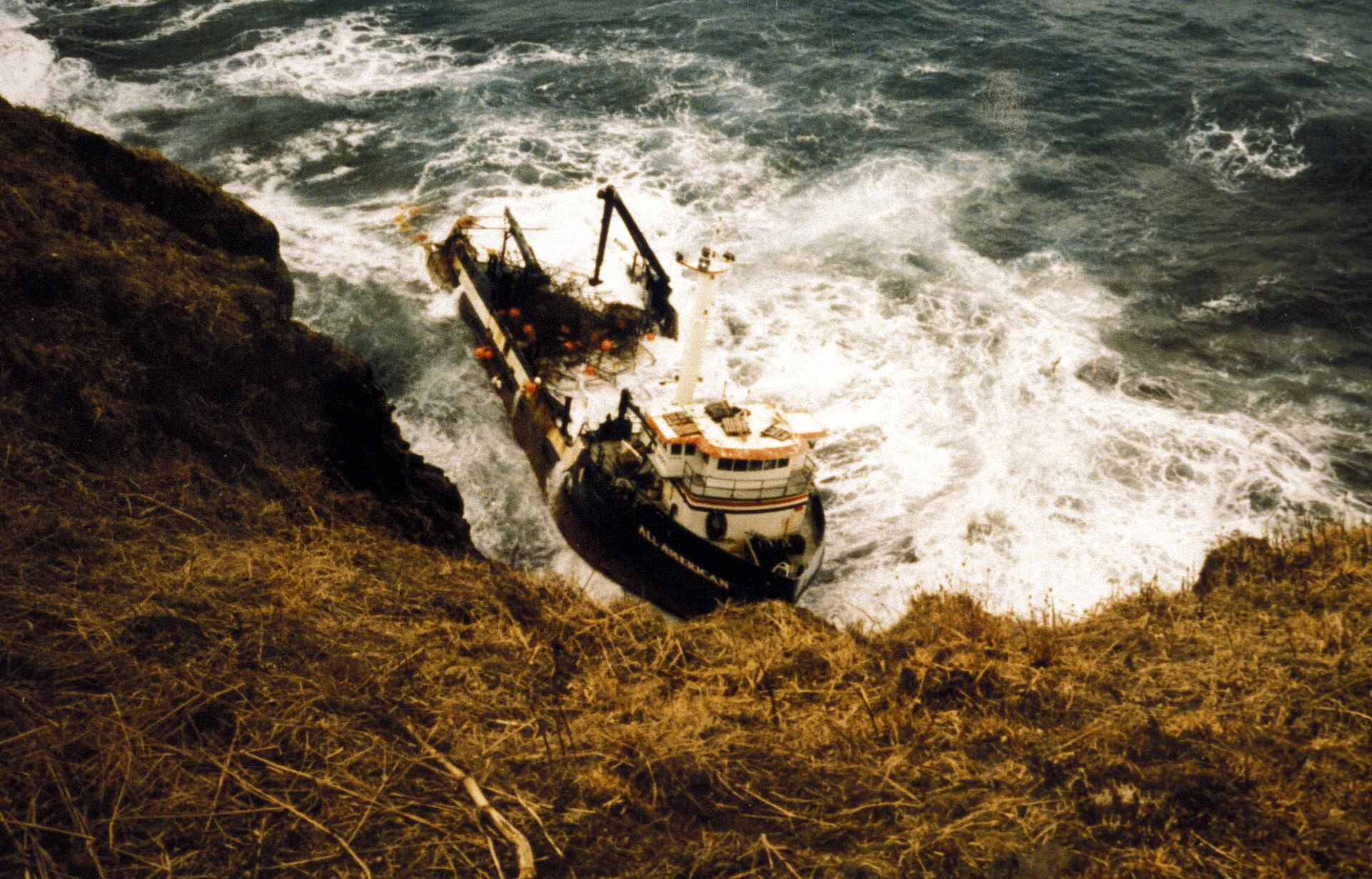
Culture
St. George Island is home to an Aleut community, whose people call themselves Unangax̂, and local customs grow from that heritage, from Russian-era history and from Orthodox faith as much as from Alaskan life in general. Daily routine follows the sea and the weather: boats go out when conditions allow, flights run when the fog lifts, and plans bend accordingly. In a village this small, visitors are guests, and a quiet, patient manner goes down better than a checklist of sights.
St. George Church anchors the community's religious life. Services follow Orthodox practice, and the building is a place of worship first and a photographic subject second. If a service is under way, ask a resident before going in rather than assuming the doors are open to tourists.
The land and its wildlife are the other half of local culture. Seabird colonies and seal shores are fragile, and the usual Alaskan advice carries extra weight on a small island: do not pick flowers or collect natural objects, and do not drop litter or cigarette ends. Flowers feed insects, rubbish harms birds, and every scrap left behind stays in a very small place.
Ask before photographing residents or their homes, keep well back from nesting cliffs and seals, and carry every piece of rubbish away with you.
What to wear
On St. George Island, traditional Aleut dress was made for wet, cold, windy work at sea. Unangax̂ makers sewed waterproof parkas from the intestines of sea mammals, a style the Russians called the kamleika, and warm parkas from bird skins, worn with the feathers turned inward. Finely woven grass produced baskets and mats, and bentwood hats shaded hunters in their boats. Such pieces are now seen mostly in museums, at cultural events and on festival or church days, not in daily life.
What people wear now is practical: waterproof jackets, fleece and wool layers, rubber boots, knitted hats and gloves, much as in fishing communities across the north. Clothes are chosen for the wind first and appearance second, though people dress more carefully for church and community occasions.
For a visitor, layers matter more than any single garment. Pack a waterproof jacket and trousers, a warm mid-layer, a hat and gloves even in midsummer, and sturdy waterproof boots for wet grass, mud and rocky ground. Covered shoulders and knees, and no hat indoors, are sensible if a church service is under way.
What to eat
- Bering Sea halibut — Home-cooked meals arranged through the community or lodging, where available
Halibut, a firm white fish usually pan-fried or baked, is a staple of Alaskan fishing communities. On St. George it appears when the catch and the weather allow, so treat it as a welcome extra rather than something to plan a day around. - Bering Sea crab — Households and community meals, when available
Crab from the Bering Sea fishery is boiled and eaten from the shell, often with melted butter. It belongs to the same trade that brought the All American to the island's rocks in 1996, and it remains central to northern fishing life. - Smoked or dried salmon — Local households, if offered, or gift shops in Anchorage
Salmon smoked or dried for keeping is common across Alaska and travels well as a snack for the long flights. On the island it is more likely to be shared than sold, so accept it as hospitality and ask how it was made. - Reindeer sausage — Local diners on the Alaskan mainland; ask whether the village shop stocks it
Reindeer sausage is a regional breakfast staple, served with eggs and hash browns. It is easier to find in mainland diners than on the island, so try it in Anchorage on the way through and keep expectations modest on St. George. - Fireweed honey and spruce tip syrup — Gift shops and markets in Anchorage
Fireweed honey is pale and distinctively floral, and spruce tip syrup is made from the fresh green tips of spruce trees. Both are Alaskan products rather than island specialities, but they make good, light gifts to carry home from the mainland.
Plan it
Best time. June to August, when seabirds are nesting and seals are ashore. Even then it stays cool, and fog, wind and rain are normal. Winter is dark and stormy, and flights are less reliable.
How long. 3–5
Getting there. Fly to Anchorage first, served year round from the lower 48 by Alaska Airlines and Delta Air Lines. From there, Alaska Central Express operates flights to and from St. George, and Grant Aviation links the island with St. Paul Island and Unalaska. The last leg is a small aircraft landing at the island's own airstrip, so confirm schedules directly with the airlines.
Budget. high
Tips
- Book flights and accommodation as far ahead as possible, and check schedules directly with the airlines.
- Build at least one spare day into the trip, because fog and wind can delay small aircraft.
- Bring waterproof layers, binoculars and any medicines, since supplies on the island are limited.
- Ask before you travel what the village shop stocks, and carry some cash as well as a card.
- Arrange wildlife viewing through local contacts rather than heading to the cliffs and shores alone.
Etiquette
- Ask before photographing residents or their homes.
- Keep well back from nesting birds and seals, and stay away from cliff edges.
- Do not pick flowers or collect objects, and take all rubbish away with you.
Nearby
Sources
- Wikidata Q1672851 (CC0)
- Wikipedia: St. George Island (Alaska), rev 1386632679 (CC BY-SA 4.0)
- Wikivoyage: Alaska, rev 5434329 (CC BY-SA 4.0)
- Photo: Aerial view of St. George, Alaska (U.S. Army Corps of Engineers) (Public domain)
- Photo: All American ship wreck St George Island 1996 (U.S. Fish and Wildlife Service) (Public domain)
- Photo: School children on St. George, NARA 297137 (Public domain)
- Photo: A very steep cliff adults have low vegetation for nesting birds (Byrd Vernon, U.S. Fish and Wildlife Service) (Public domain)
- Photo: Aerial photo, altitude 6000 ft, St. George village, NARA 297056 (Public domain)
- Photo: Aerials, St. George (NOAA, DPLA 0d68f25a) (Public domain)
- Photo: Air Travel, St. George (NOAA, DPLA af5796ae) (Public domain)
- Photo: People waiting to board plane departing St. George Island (NOAA, DPLA c00fa8d0) (Public domain)


Wildlife
- Northern fur seal (animal)
The northern fur seal is a sea mammal with tiny ear flaps, and it is the biggest of all the fur seals, so think of it as the giant of its family. It roams the north Pacific and the Bering Sea. On St. George Island it comes up onto land to have its pups, and that gathering is why people first found the island. Watch from a good distance, stay quiet and calm, go with a local guide if you can, and never feed it.