Sonadia Island
Sonadia Island, Bangladesh
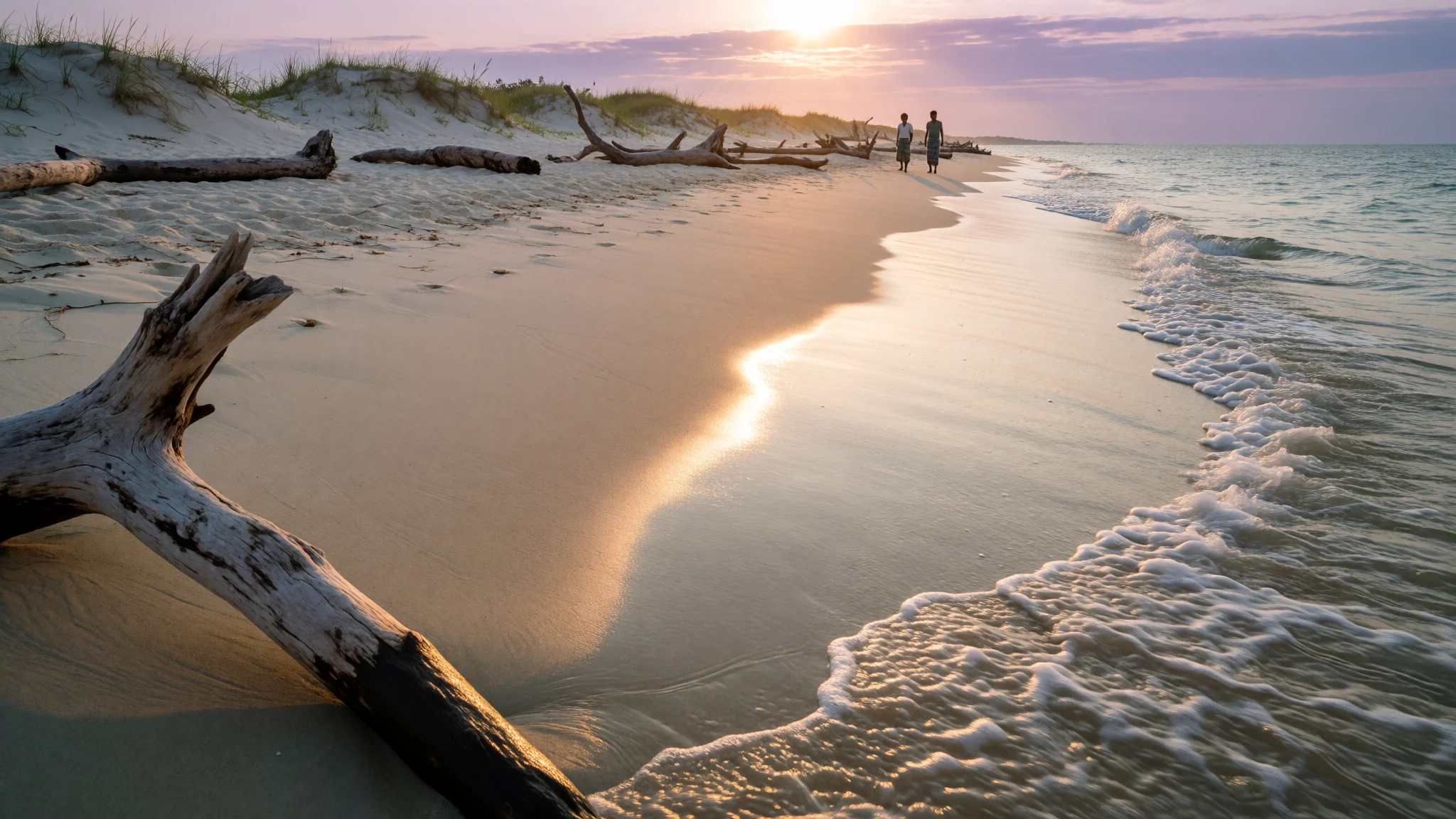
Sonadia Island is a low, boat-only island of sand, dunes, mangrove and mudflat off Cox's Bazar, quiet where the mainland beaches are crowded.
The place
Sonadia Island sits off the Cox's Bazar coast in Chittagong Division, Bangladesh, a low spit of sand, dunes, mangrove and tidal mudflat that stands only about 2 m above the sea. It belongs to Kutubjom Union in Maheshkhali Upazila, roughly 15 km north-west of the Cox's Bazar district headquarters, and a canal divides it from the main island of Maheshkhali.
Everything about the island follows the water. On the seaward side a broad beach runs back into dunes littered with driftwood, and the sand changes shape with each monsoon. On the landward side, creeks wind through mangrove and out onto mudflats that are covered and uncovered by every tide, so a walk that is easy at low water may be impossible a few hours later. Boats are the only practical way in, and they run to the tide and the weather rather than to a printed schedule.
Facilities are thin. There is no promenade and no strip of guesthouses; what exists is simple, seasonal and changes from year to year, so it is worth asking in Cox's Bazar before setting out. Shade is scarce, the sun is strong, and the sea breeze that makes the beach pleasant also carries salt into everything. Fishing households live and work here, and birdwatchers come for migratory waders on the flats in the cooler months.
Its story
Sonadia Island has no grand monuments; its story is written in sand, silt and livelihoods. Like other islands along this coast, it is built by sediment and reshaped by tides, storms and the monsoon, which is why it lies so low and why its outline is never quite fixed. The canal that now separates it from Maheshkhali belongs to the same restless system of channels.
For the people who live here, the island has long meant fishing: nets set on the flats, small wooden boats, and catch dried in the sun for sale on the mainland. The mangrove edge shelters the young fish that households depend on, and it also takes the first blow when cyclones come in off the Bay of Bengal, a role local families understand better than any visitor.
In recent decades the island has drawn attention from two directions. Conservationists have pointed to its mangroves, mudflats and migratory birds, and the area has been designated ecologically critical. Planners, meanwhile, have at various times eyed the same shallow, sheltered coastline as a possible site for heavy industry and a deep-sea port. Those proposals have come and gone and have been set aside, but the argument shows what is at stake: the waters that suit birds and fishers also suit ships.
Today Sonadia sits between those futures, quiet but not untouched. Rules, access and conditions can change, so current local advice matters more than any written account.
What to see
- The seaward beach — Seaward coast
The long sandy beach on Sonadia's seaward side is the island's main draw, wide at low tide and backed by dunes rather than buildings. Swimming needs care because currents and surf vary with season and tide, so ask boatmen or local fishers where the water is safe. Come early or late, as midday sun on open sand is punishing.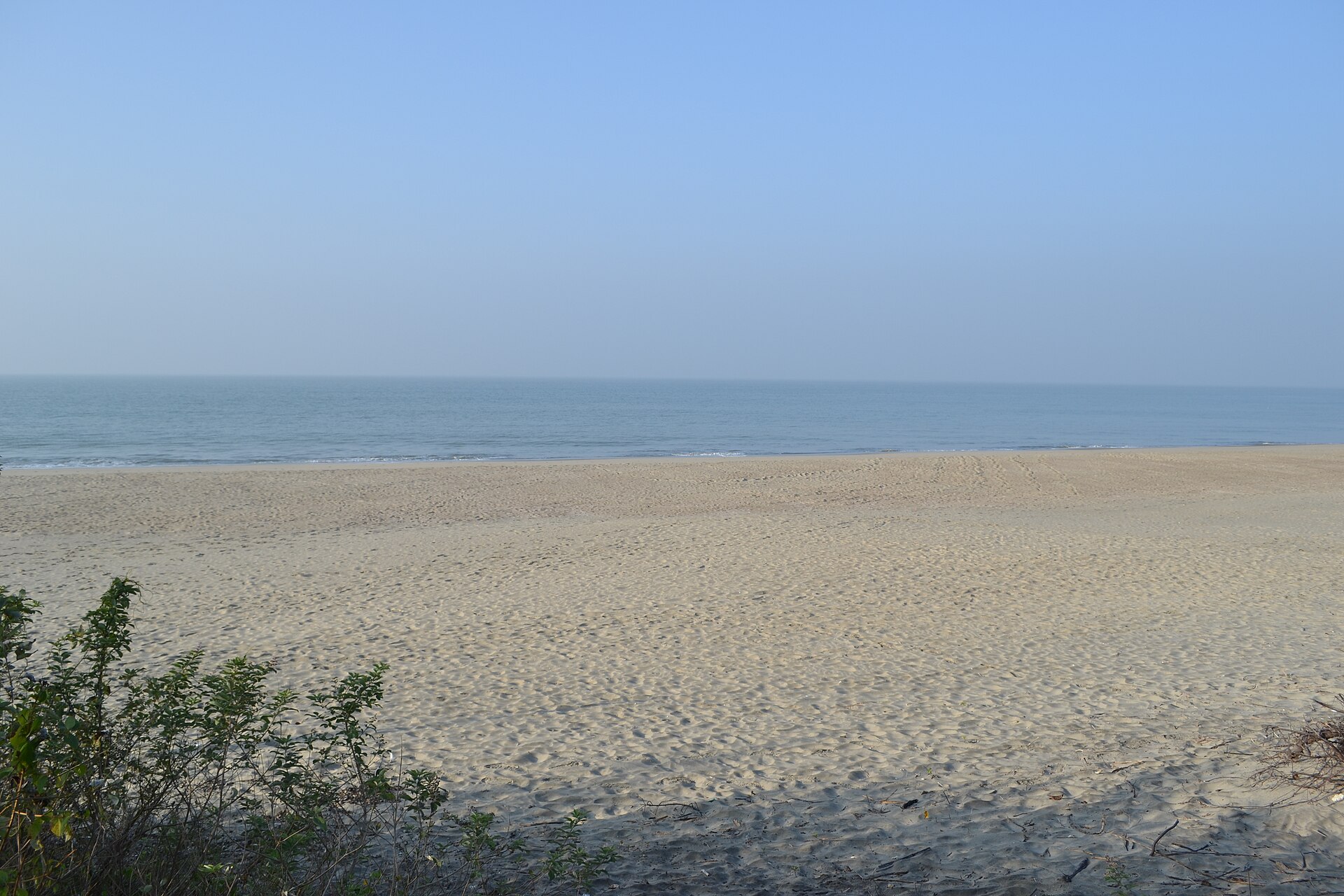
- Driftwood and dunes — Dune belt behind the beach
Behind the beach, dunes hold bleached driftwood left by storms and high tides, a good place for slow walking and photographs, especially in low evening light. The sand shifts, so the landscape differs from one season to the next. Stay on firm ground, carry water, and take every scrap of rubbish back to the mainland.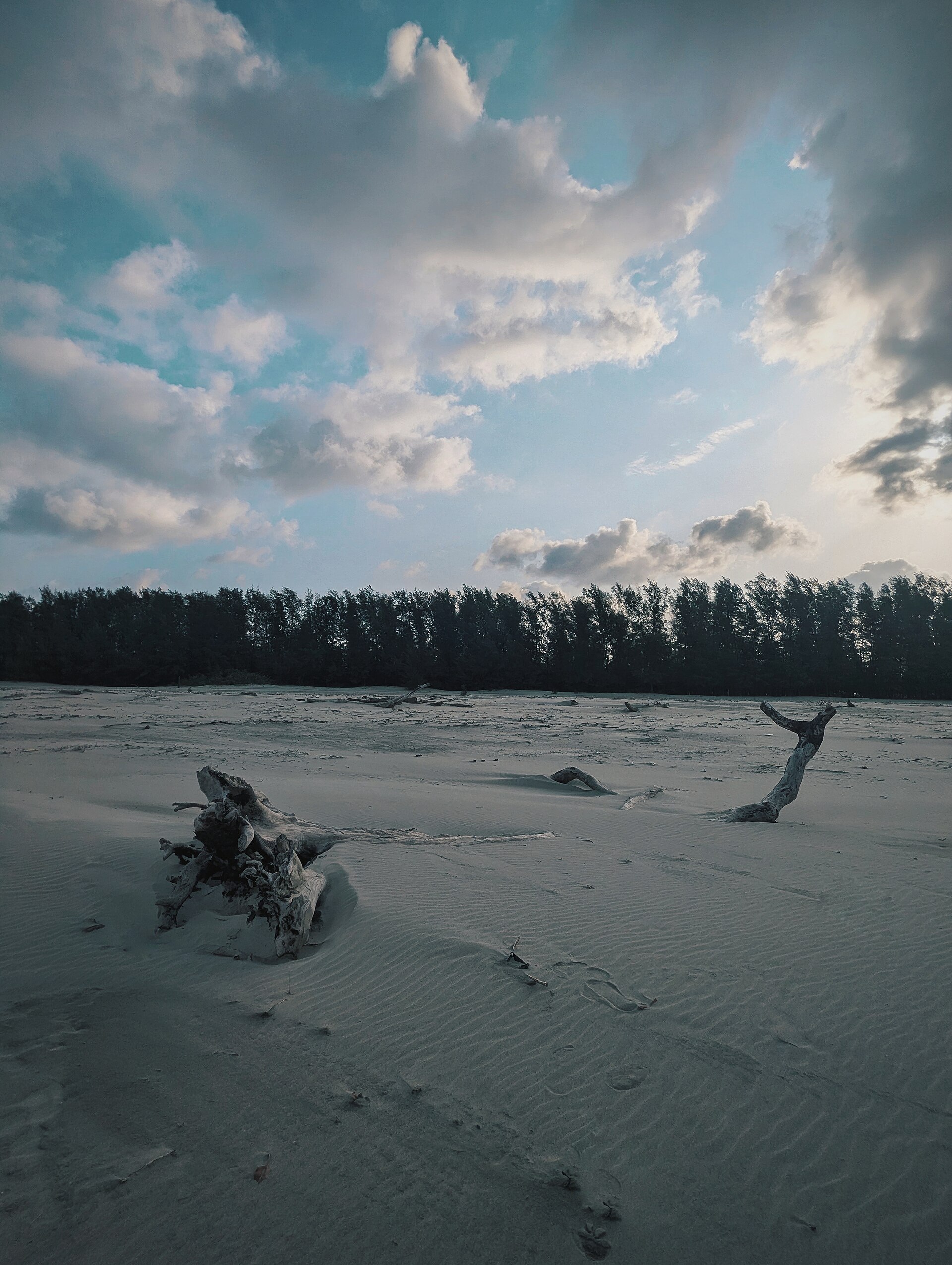
- Mangrove creeks and tidal mudflats — Landward side, facing Maheshkhali
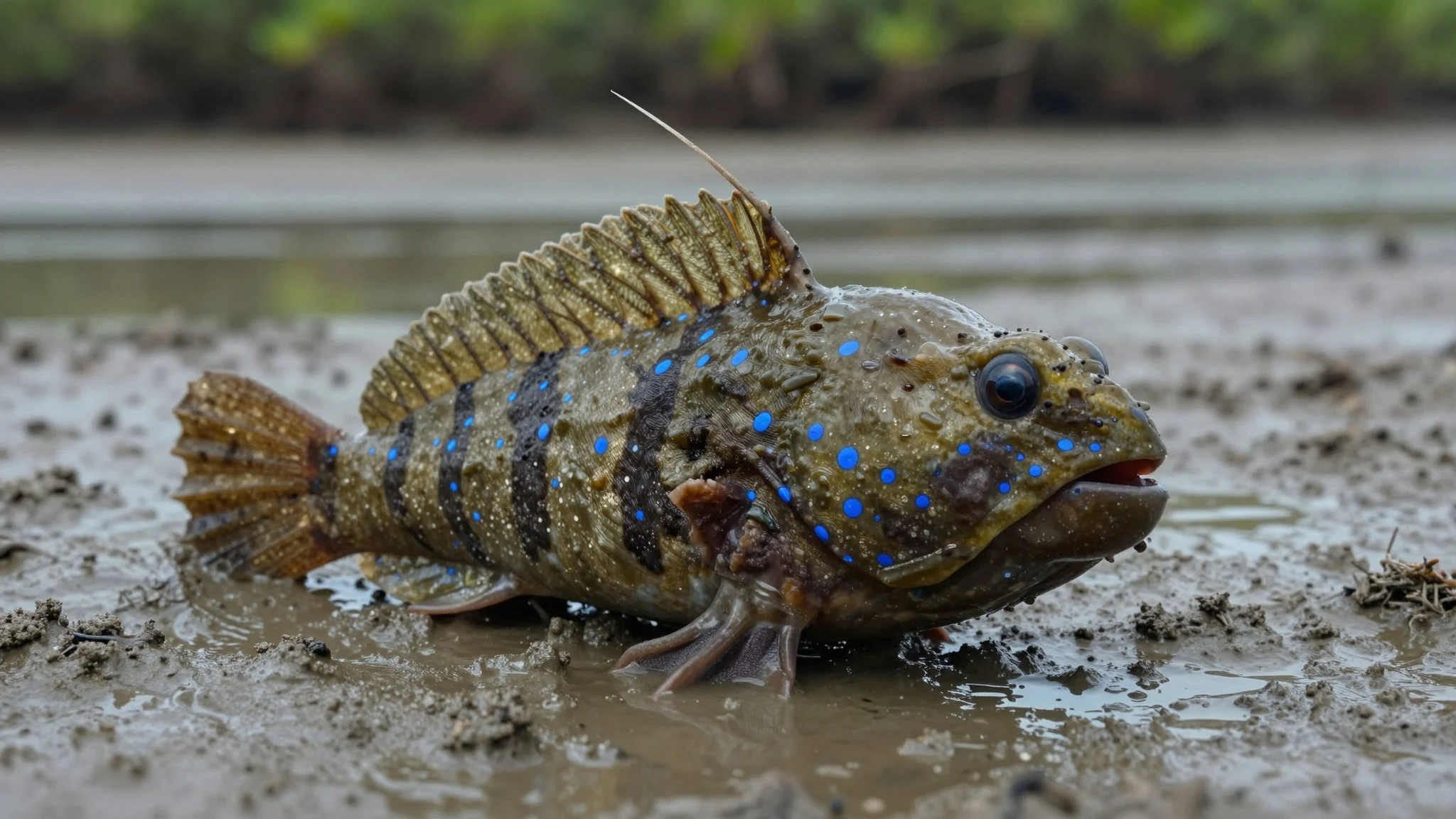
On the landward side, boats thread through creeks lined with mangrove before the water opens onto broad tidal mudflats. This is the richest ground for wildlife, with crabs, mudskippers and, in the cooler months, wading birds. Binoculars help. Timing depends on the tide, so settle plans with the boatman rather than guessing.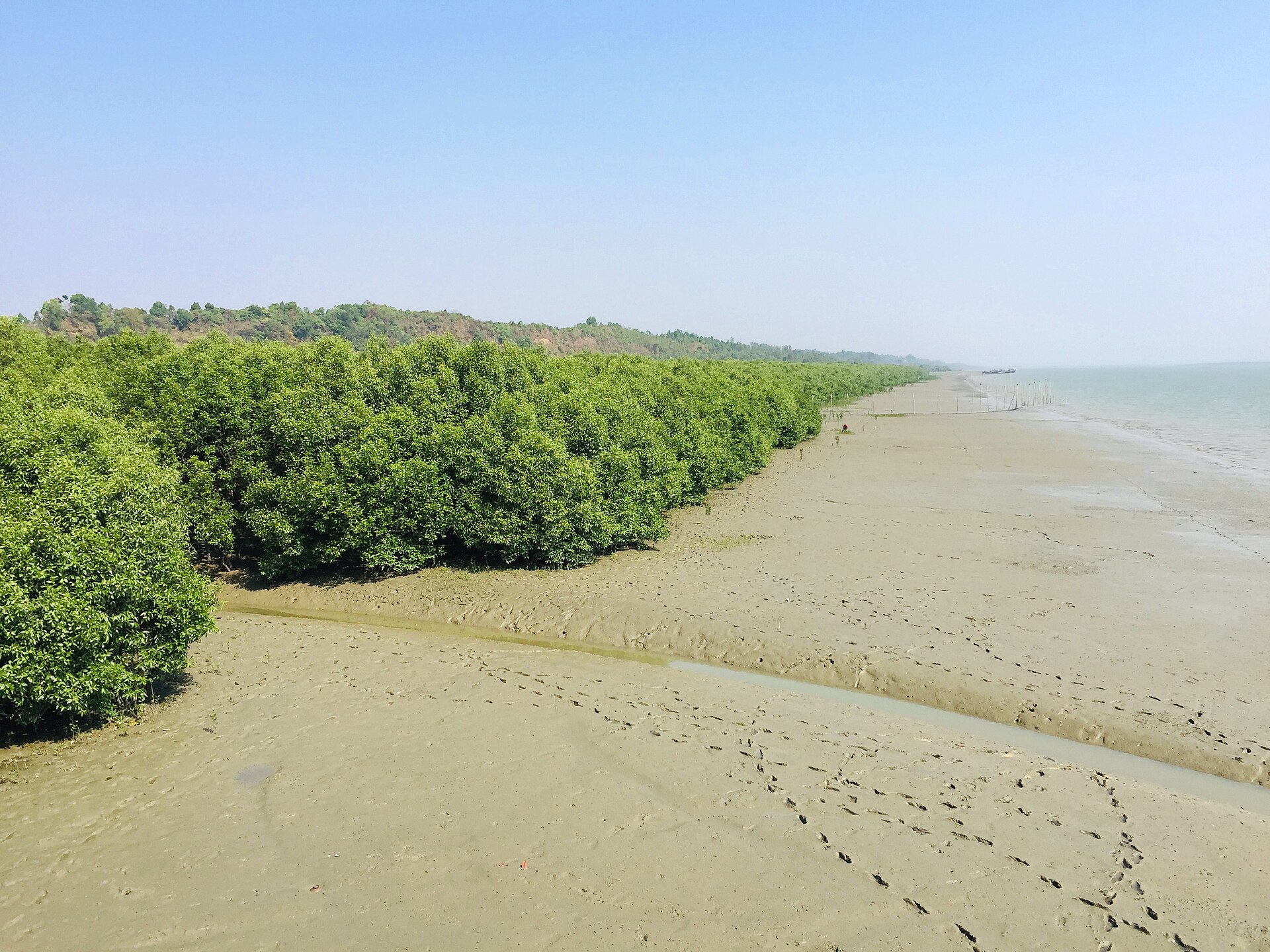
- Fishing landings — Boat landings and shallows
Fishing households work from small boats and the tidal flats, and watching a boat come in with its catch is one of the island's quieter pleasures. Ask before photographing anyone. If fish is offered for sale, buying it directly puts money straight into the household that caught it.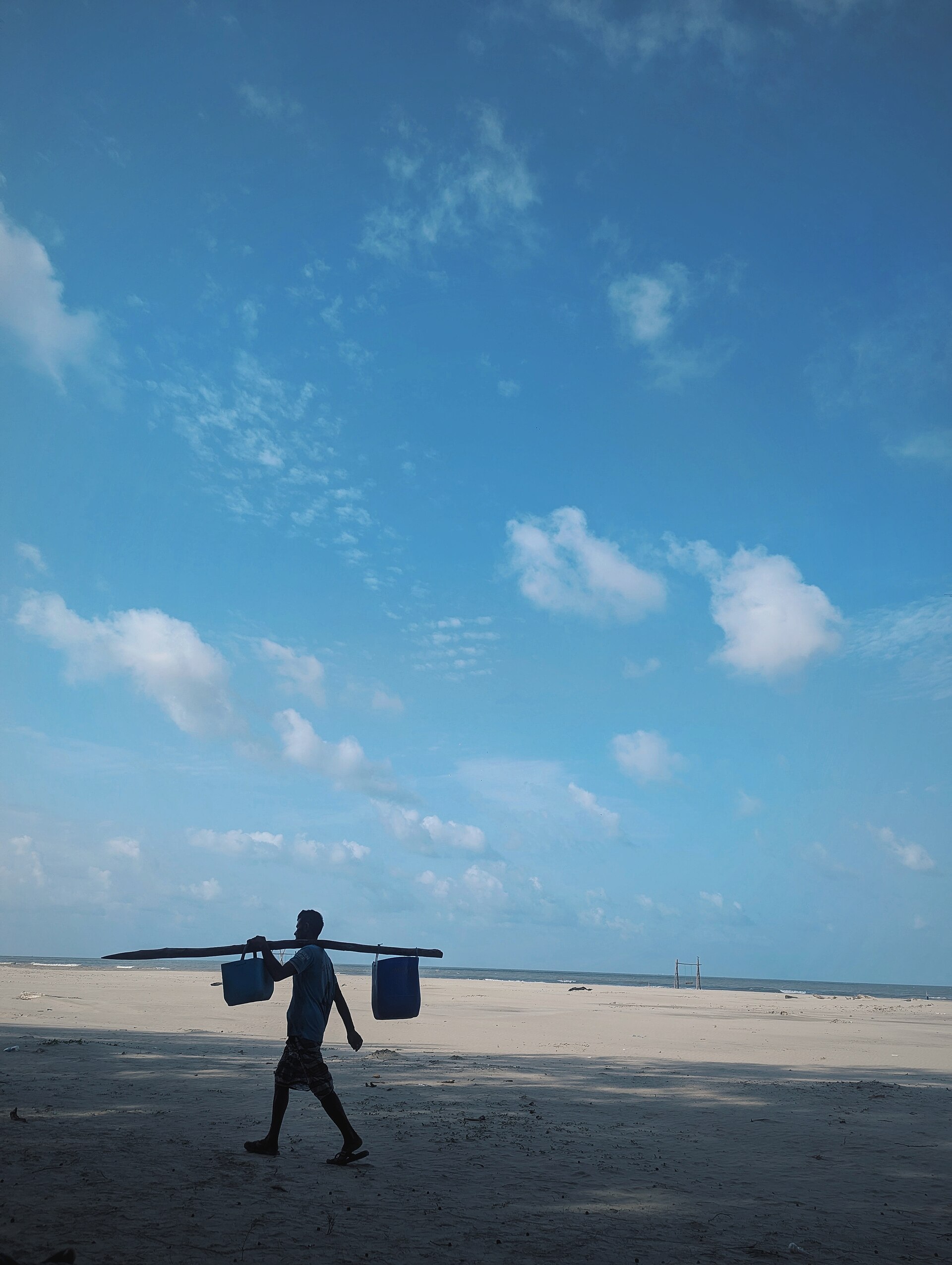
- Overnight camping on the sand — Open beach
Some visitors stay overnight, camping on the sand under a sky with little light pollution. Arrangements are informal and change, so check locally about permission, safety and tides before committing. Pack a torch, insect repellent and a groundsheet, and expect wind, damp and an early sunrise.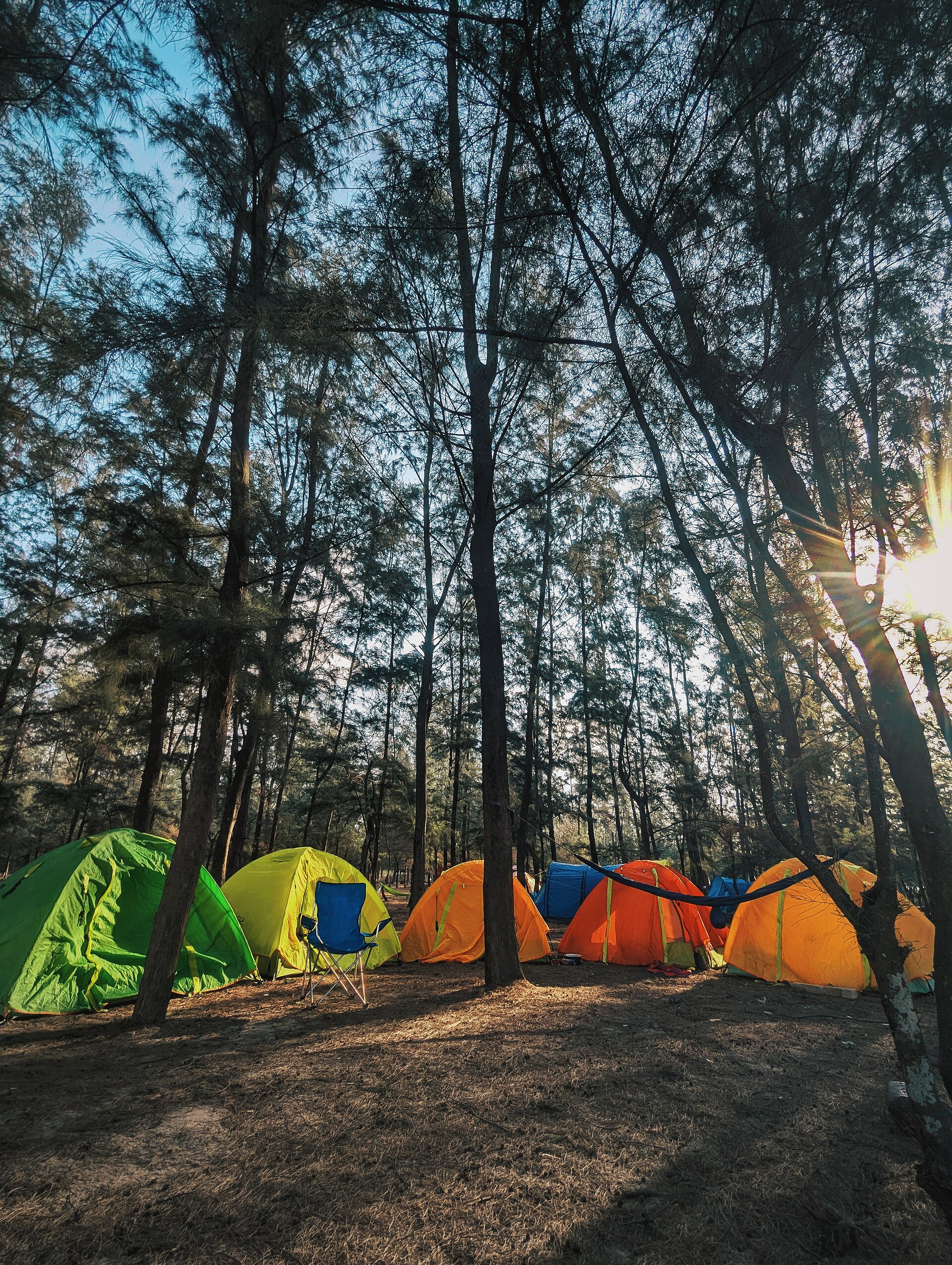
Culture
Sonadia Island belongs to Maheshkhali Upazila, and life on it reflects the wider culture of Bangladesh's south-east coast: Bengali-speaking, largely Muslim, with Hindu and Buddhist communities elsewhere on Maheshkhali. The rhythm of the day is set by tides, fishing and weather more than by clocks. Households that live from the sea share boats, nets and drying space, and hospitality to visitors is usually offered simply, most often as a cup of tea.
Bengali is the common language, and along this coast a strong Chittagonian dialect can sound quite different even to Bengali speakers from elsewhere. A few words of greeting go a long way: Assalamu alaikum is the usual greeting among Muslims, and nomoshkar among Hindus. English is thin on the island itself, so a boatman or guide from Cox's Bazar often ends up as interpreter.
Religion is audible at the edges of the day, with the call to prayer carrying across the water and work pausing for Friday prayers. Fishing seasons, festivals and local restrictions on netting at certain times of year can change what is happening on any given day, so flexibility is worth more than a fixed itinerary.
Because the island is a working landscape rather than a resort, visitors are guests in someone's workplace and home. Ask before photographing anyone, especially women and children, dress modestly away from the beach, and carry all rubbish back to the mainland.
What to wear
On Sonadia Island, traditional dress is the everyday dress of rural Bangladesh. Men wear the lungi, a cotton wraparound skirt in checks or stripes, with a shirt or vest, and a gamchha, a thin cotton towel, over the shoulder or round the head against the sun. Women wear the sari, often in cotton such as tant, or the salwar kameez with a dupatta. Finer saris, such as jamdani, a woven muslin with patterned motifs, are kept for weddings and for festivals such as Eid.
What people wear day to day is a mixture. Lungis or trousers with shirts and T-shirts are common among men, while women wear saris or salwar kameez, increasingly in light synthetic fabrics that dry quickly. Fishers working in the shallows often wear shorts or knotted lungis, and sandals, flip-flops or bare feet are universal on the sand.
Visitors should dress for heat, sun and local modesty. Loose long-sleeved cotton shirts and long trousers or skirts cover the skin without trapping heat, and a wide-brimmed hat, sunglasses and high-factor sunscreen matter on open sand. Swimwear is not the local norm, and women in particular often swim in light clothes, so a rash vest with shorts or leggings is a sensible choice. Wear strapped sandals that can get wet, since mudflats and boat landings are slippery. A scarf doubles as sun cover and as a courtesy when passing through a village. In the rainy season, add a light waterproof jacket.
What to eat
- Shutki (dried fish) — Fishing landings and markets around Maheshkhali and Cox's Bazar
Sun-dried sea fish is a staple of the Chittagong coast, cooked into strong, pungent curries with chilli and onion. Drying racks and stalls appear around fishing landings and in the markets of Maheshkhali and Cox's Bazar. The smell is intense, so a small first portion is wise. - Machher jhol (fish curry with rice) — Local eateries near the landings and in Cox's Bazar town
A thin, everyday curry of fish simmered with turmeric, chilli and onion, eaten with plain rice. Simple local eateries near the boat landings and in Cox's Bazar serve whatever came in that morning, so the fish changes with the day's catch. - Grilled or fried sea fish — Seafood stalls and beach-side eateries in Cox's Bazar
Whole fish or thick steaks, marinated in spices and chilli, then grilled or fried and served with lime and rice. The best choice is whatever looks freshest on the display tray, and it is usually priced by size or weight, so agree terms first. - Chingri bhuna (prawn masala) — Family-run eateries in Cox's Bazar and on Maheshkhali
Prawns cooked down slowly with onion, ginger and chilli until the sauce clings to the shell. It is a coastal favourite, richer and drier than a fish curry, and goes well with rice or flatbread. - Cha (milk tea) — Roadside tea stalls near boat landings and in village markets
Sweet, milky tea boiled in a pan and poured from a height, the usual reward after a boat ride. It is often served with plain biscuits and sold from simple stalls on the way to the landings.
Plan it
Best time. Late November to February is the most comfortable: drier, cooler air and calmer seas, with March turning hot. June to September is monsoon, with rough water and heavy rain, and boats may not run. The shoulder months either side can bring cyclones, so check forecasts before travelling.
How long. 1–2
Getting there. Fly from Dhaka to Cox's Bazar Airport, or travel overland to Cox's Bazar by road. The last leg is by boat, either from a landing on the Maheshkhali side or from the Cox's Bazar coast. Ask locally which route is running, and agree the return time with the boatman, because tides decide when boats can go.
Budget. low
Tips
- Settle the boat, the return time and the tide before leaving, and keep a mobile number for the boatman
- Carry cash in small notes, as there are no cash machines or card payments on the island
- Bring more drinking water than seems necessary, plus sun protection, since shade is scarce
- Start early to beat the midday heat and to catch the best light for birds and photographs
- Check the latest local rules and weather in Cox's Bazar, especially if camping overnight
Etiquette
- Ask before photographing people, especially women and children
- Dress modestly away from the beach and swim in light clothing
- Take all rubbish with you and leave driftwood, shells and nesting areas undisturbed
Nearby
Sources
- Wikidata Q3348160 (CC0)
- Wikipedia: Sonadia Island (rev 1374055782) (CC BY-SA 4.0)
- Sonadia Beach (photo by Zahirul Islam, MLA), Zislam1968 (CC BY-SA 4.0)
- Sailing Through the Green, Abdul Kaium Tito (CC BY-SA 4.0)
- A coastal fisherman on Sonadia Island, Abdul Kaium Tito (CC BY-SA 4.0)
- A day in Sonadia Island, Abdul Kaium Tito (CC BY-SA 4.0)
- Camping in Sonadia Island, Abdul Kaium Tito (CC BY-SA 4.0)
- Driftwood and Sand Dunes of Sonadia Island, Abdul Kaium Tito (CC BY-SA 4.0)
- Journey Into the Horizon, Sonadia Island, Abdul Kaium Tito (CC BY-SA 4.0)
- Mangrove Forest and Tidal Mudflats on Sonadia Island, Maheshkhali, Cox's Bazar, Bangladesh, Jaka Ahmed (CC BY-SA 4.0)
- Wikivoyage (CC BY-SA 4.0)


Wildlife
- Mudskipper (animal)
Boddart's goggle-eyed goby is a mudskipper, a small fish with goggle-like eyes and a name as funny as its look. On Sonadia Island you will find it on the richest ground for wildlife, where crabs share the mud with it. It is a native of the wider Indo-Pacific. Ask a local guide when it is easiest to spot. Watch from a good distance, stay quiet and move slowly so you do not alarm it, and never feed it.