Silhouette Island
Silhouette Island, Seychelles
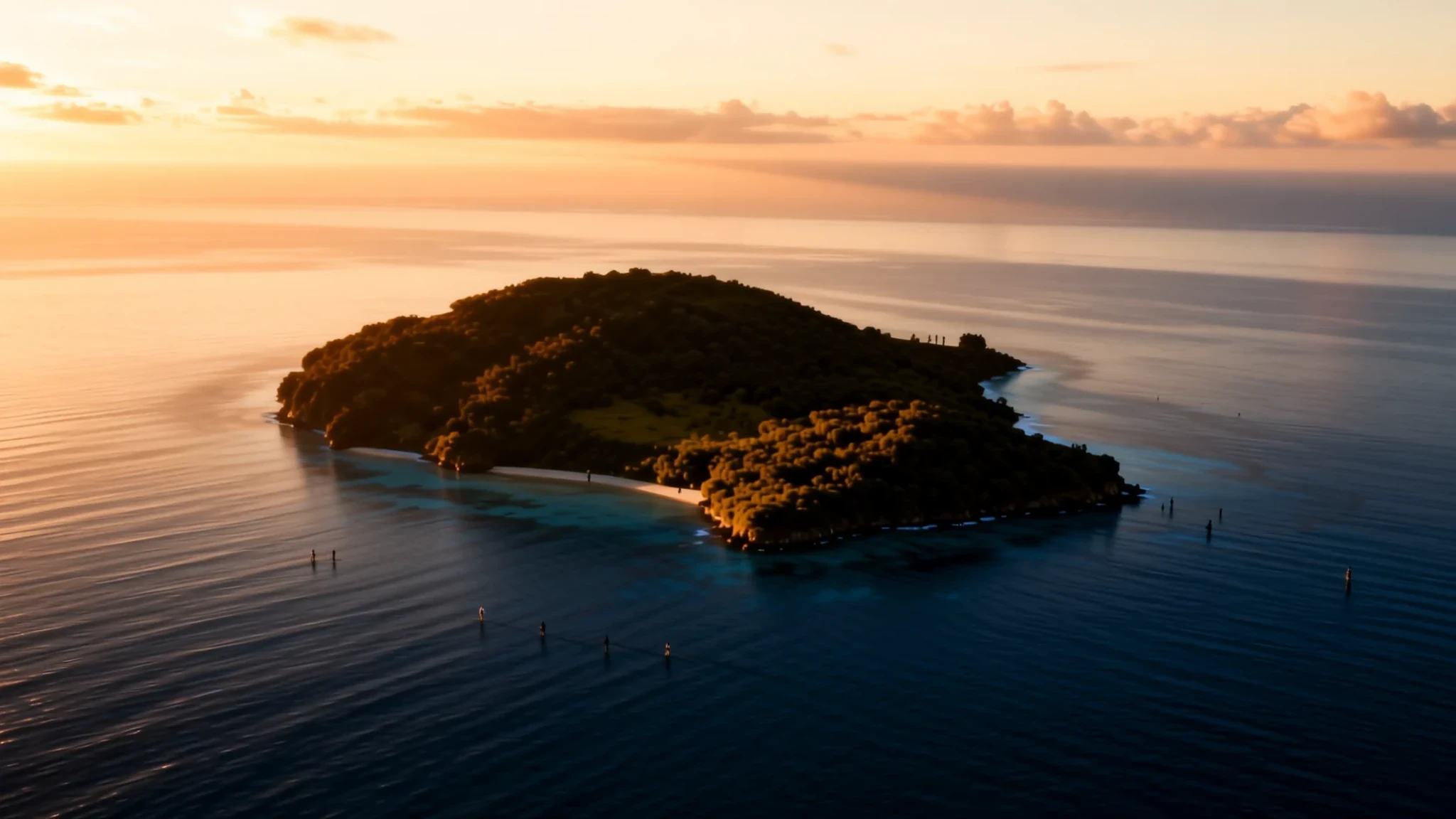
Silhouette Island keeps a quiet Seychelles shore of forest, granite and small settlements, reached by boat from Mahé.
The place
Silhouette Island lies in the Seychelles, northwest of Mahé, and from the larger island it often shows as a dark ridge against the sky. The shore mixes pale sand, coral fragments and weathered granite, with small coves between headlands and a wilder coast on the side turned away from Mahé. Behind the beach the ground rises at once into thick tropical forest, so a walk inland is a climb into humid shade rather than a stroll along a built-up front. Daily life clusters at La Passe, the landing place, where a jetty, a school and scattered houses make the settlement. Beyond that, old plantation land carries coconut palms and spice trees, and long beaches such as Grand Barbe stay empty because they take a boat or a rough path. There is no town centre and no road that ties every bay together; movement between bays is by footpath or by small boat, and golf carts run from the dock to the hotel. Heat and humidity are constant, lighter when the southeast trades blow and heavier in the rainy months, when the northwest monsoon brings downpours and warmer, calmer water. Visitors who come for the resort shore will meet other guests there; elsewhere the sand and the forest paths are quiet. Silhouette Island is a steep, inhabited island rather than a line of resort buildings: close enough to Mahé for a crossing, far enough that nights stay dark and the settlement keeps a village scale.
Its story
Silhouette Island takes its usual English name from Étienne de Silhouette, finance minister under Louis XV, rather than from a coast that can be picked apart. French planters brought the island into the coconut and spice economy that shaped the Seychelles, and the Dauban family became the estate most closely tied to that work. They cleared parts of the forest, set coconut palms and spice trees, and built a plantation house near the landing that still stands. A small museum in those buildings now sets out that chapter for anyone who walks across from the jetty at La Passe. The labour on the estate formed a Creole community, and the people who live on Silhouette Island today are that community's continuation: a school, church life, family gardens and a jetty where supplies come in, not a commercial high street. When the plantation no longer carried the island, the settlement stayed small. A later visitor economy grew around a resort, reached by boat or helicopter after a flight into Mahé, while the forest and the empty beaches drew people who wanted quiet more than nightlife. The masonry and the coconut groves keep the Dauban years visible; the older forest closes in as soon as a path leaves the houses. Silhouette Island's present holds both layers, a Creole settlement of village scale and a visitor trade that only works if the island stays hard to reach.
What to see
- La Passe — La Passe
On Silhouette Island, La Passe is the landing and the settlement: a jetty, a scatter of houses, the school and a short walk to the plantation buildings. Boats from Mahé tie up here, and this is where a walk along the coast or into the forest has to begin. The interest is the working waterfront and the quiet around it, not a row of shops.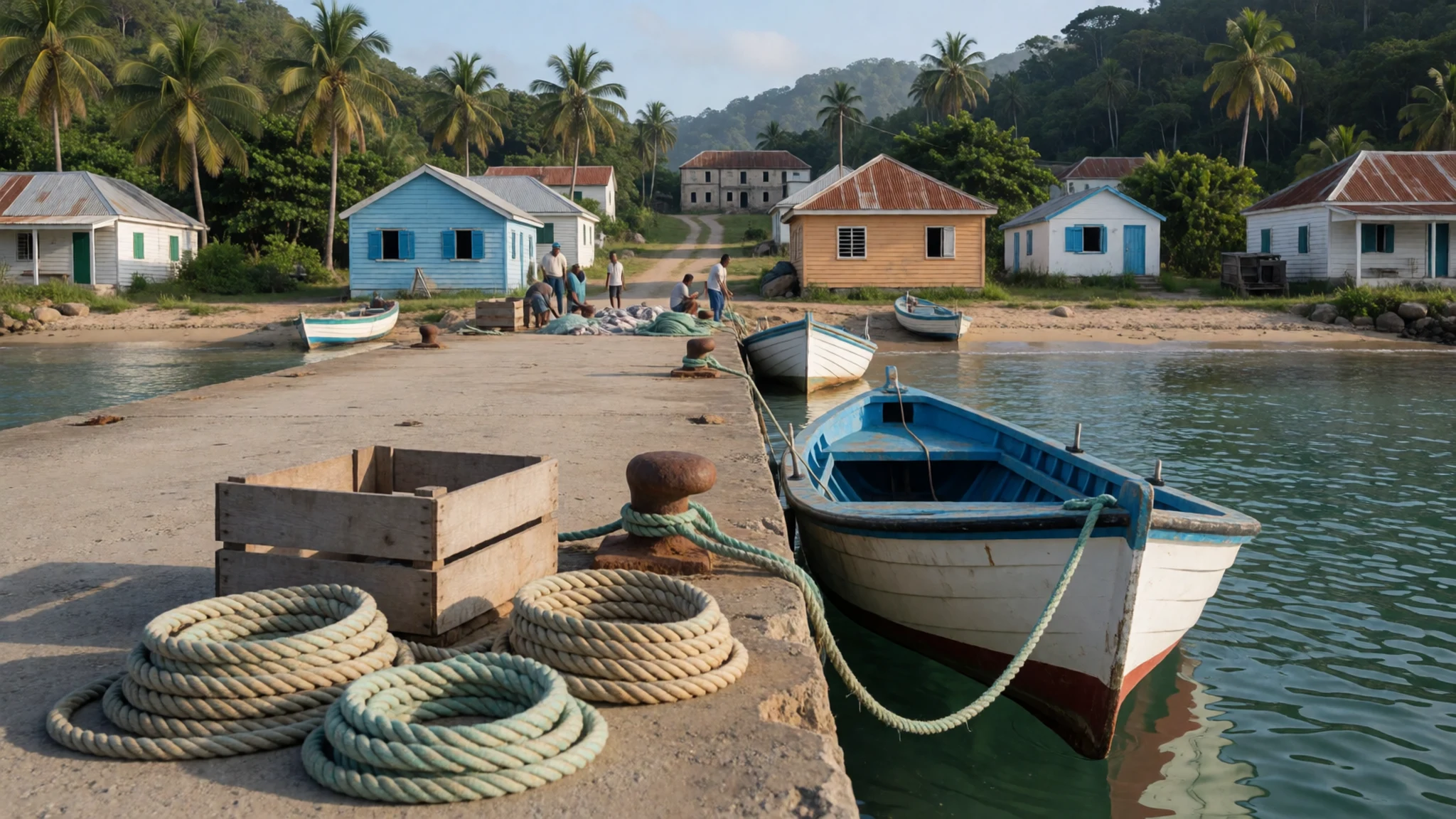
- Grand Barbe — west coast
On Silhouette Island, Grand Barbe is the long beach on the coast turned away from Mahé. Reaching it means a small boat or a hard walk on rough paths, which is why the sand stays quiet. There is no café strip behind the beach; shade, water and timing have to be planned before setting out. What waits there is an empty curve of shore with forest at its back.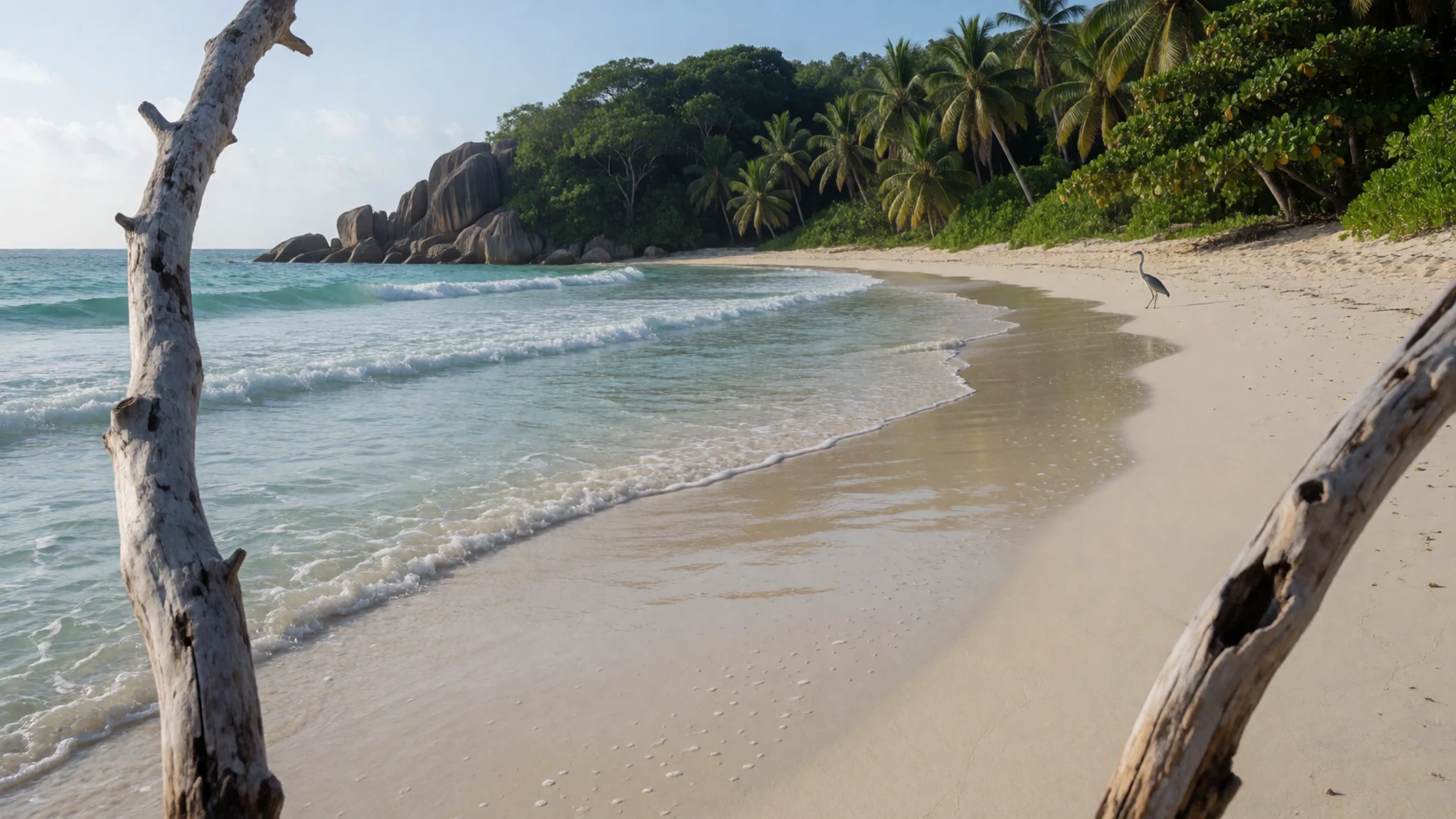
- Dauban plantation house — La Passe
On Silhouette Island, the Dauban plantation house near La Passe holds a small museum of the estate years. The family cleared forest for coconut palms and spices, and these buildings are what that work left behind. The walk from the jetty is short. Entry is best confirmed on the island, and the house reads as a quiet memorial rather than a backdrop.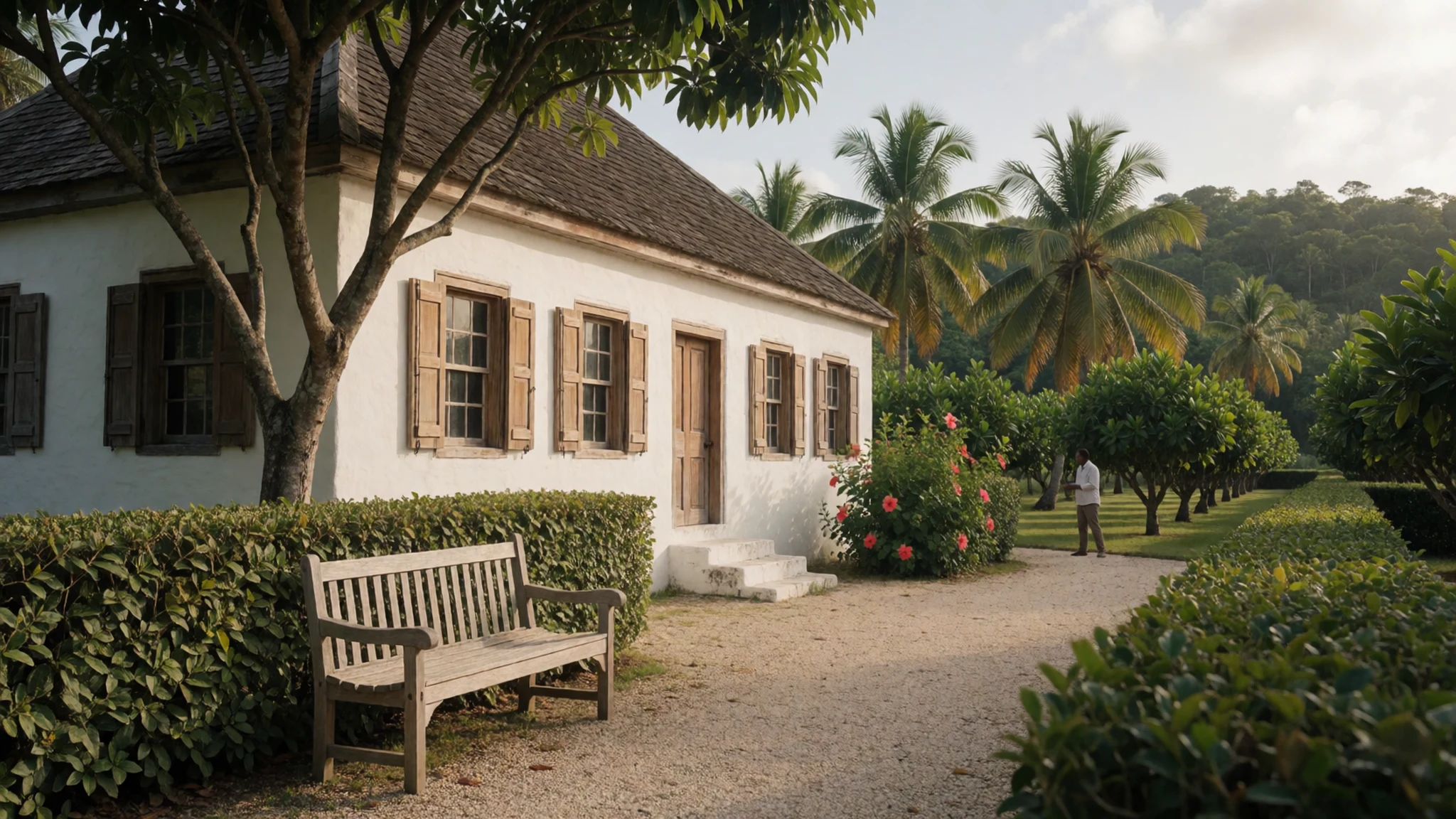
- Forested interior — interior
On Silhouette Island, the forested interior rises straight behind La Passe in humid trees, old plantation and recovering woodland. Paths are few and steep, and they suit walkers who will turn back when the trail fades. Shade and birds are the point. A local guide is the sensible way to go further than the first slopes.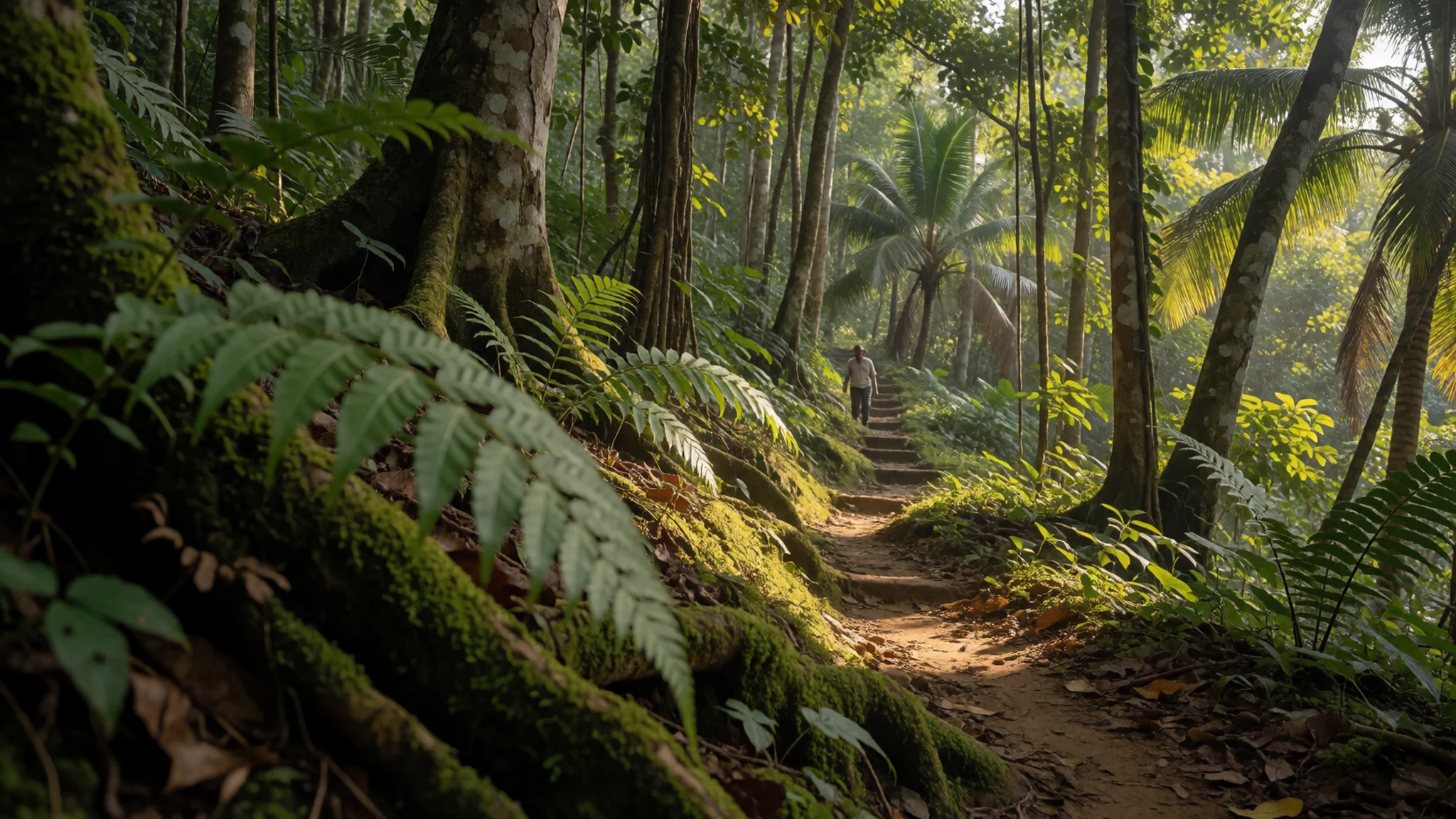
- Mahé-facing beaches — Mahé-facing coast
On Silhouette Island, the beaches on the Mahé side are the ones most people meet first: pale sand, granite boulders and clear shallows, with the resort shore among them. Swimming depends on the season and the swell. Some coves are reached across rocks, so wet footwear matters. These shores are busier than Grand Barbe because the boats and the lodging sit here.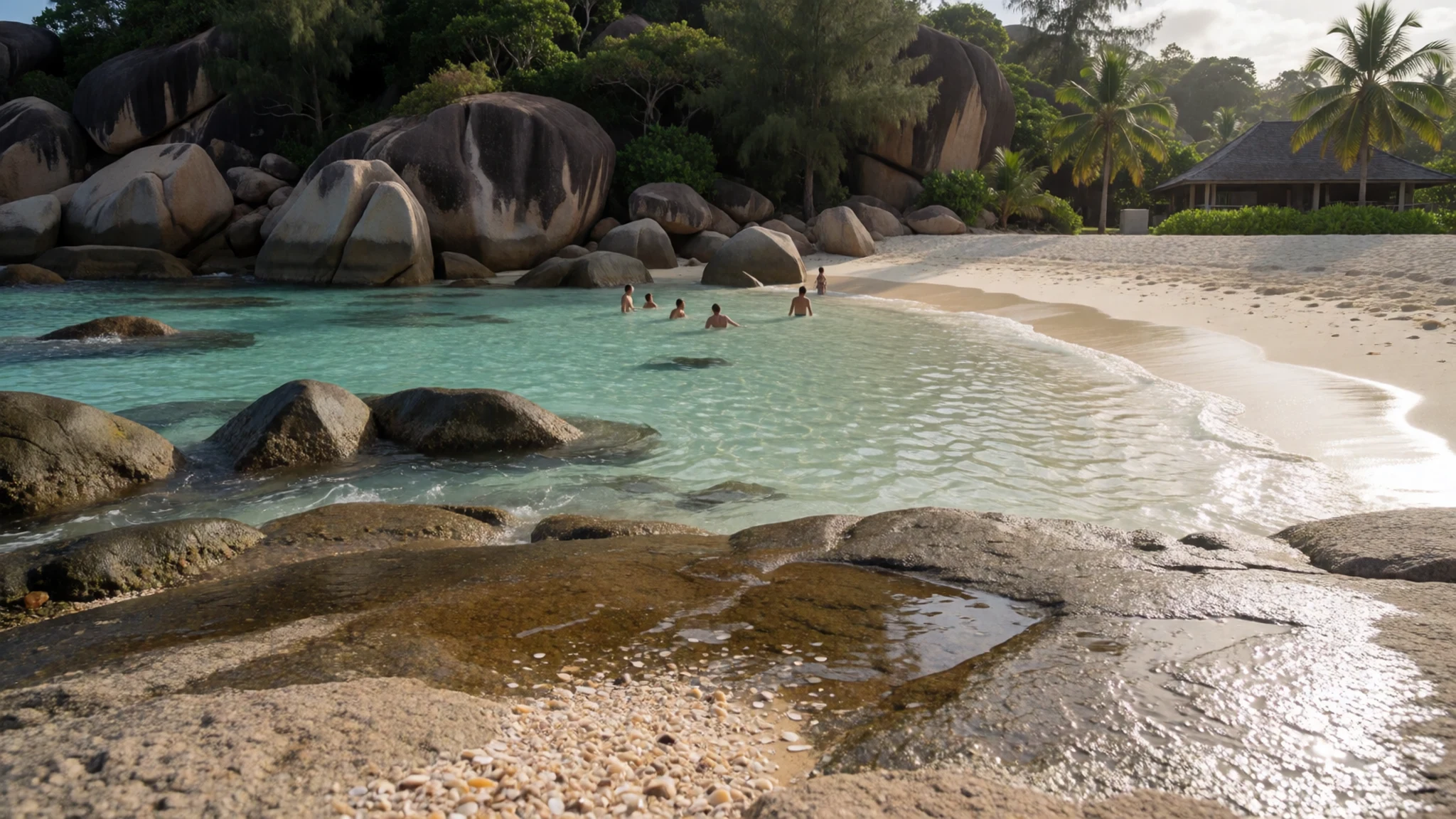
Culture
Silhouette Island shares the Creole culture of the Seychelles rather than a separate courtly tradition of its own. In La Passe, Seselwa Creole sits beside English and French, and the week turns on family, the school and the church more than on anything arranged for visitors. Sega and moutya, the dance rhythms of the islands, belong to gatherings and celebrations; they are not a nightly public show unless a resort puts one on. The sea and the garden still set the day: fishing, fruit, and the jetty as the place where news and supplies arrive together. People move between Mahé and the island for family reasons as much as for work, so the community never feels sealed off, only small. The Dauban house and its museum hold the plantation memory in public view, a chapter of clearing, coconuts and spice that residents and visitors can both read. Because the community is small, courtesy is practical. Ask before photographing people on Silhouette Island, especially children near the school, and keep quiet in the church, the museum and around houses.
What to wear
Silhouette Island follows Seychellois Creole dress rather than a court costume of its own. For festivals and formal gatherings, women often wear long, bright cotton dresses, sometimes with puffed sleeves and a flower print, and a bloom tucked in the hair; men wear a light shirt and pressed trousers. Those clothes are for church feasts, weddings and national days, not for the jetty on an ordinary morning. Day to day, residents dress for heat and work: shorts, T-shirts, simple dresses, a hat, and sandals or bare feet on sand. Cloth is light cotton that can be washed and dried fast. A visitor should copy that practical layer, not the formal one. Swimwear belongs on the beach and in the water; a shirt or wrap belongs everywhere else, including the paths through La Passe and any step inside the church or the museum. The interior is humid and the paths are steep and sometimes rocky, so trainers or sandals with a grip beat flip-flops once the sand ends, and a light rain layer is worth carrying in the wetter months. Strong sun on the granite and the open beach makes a hat and a cover for shoulders more useful than anything smart.
What to eat
- Grilled bourzwa — La Passe family tables and the resort kitchen
On Silhouette Island, grilled bourzwa, the local red snapper, is the plain centre of a fish day, served with lime and a little chilli. It turns up when a boat has landed, at a family table in La Passe or on a resort menu that follows the catch.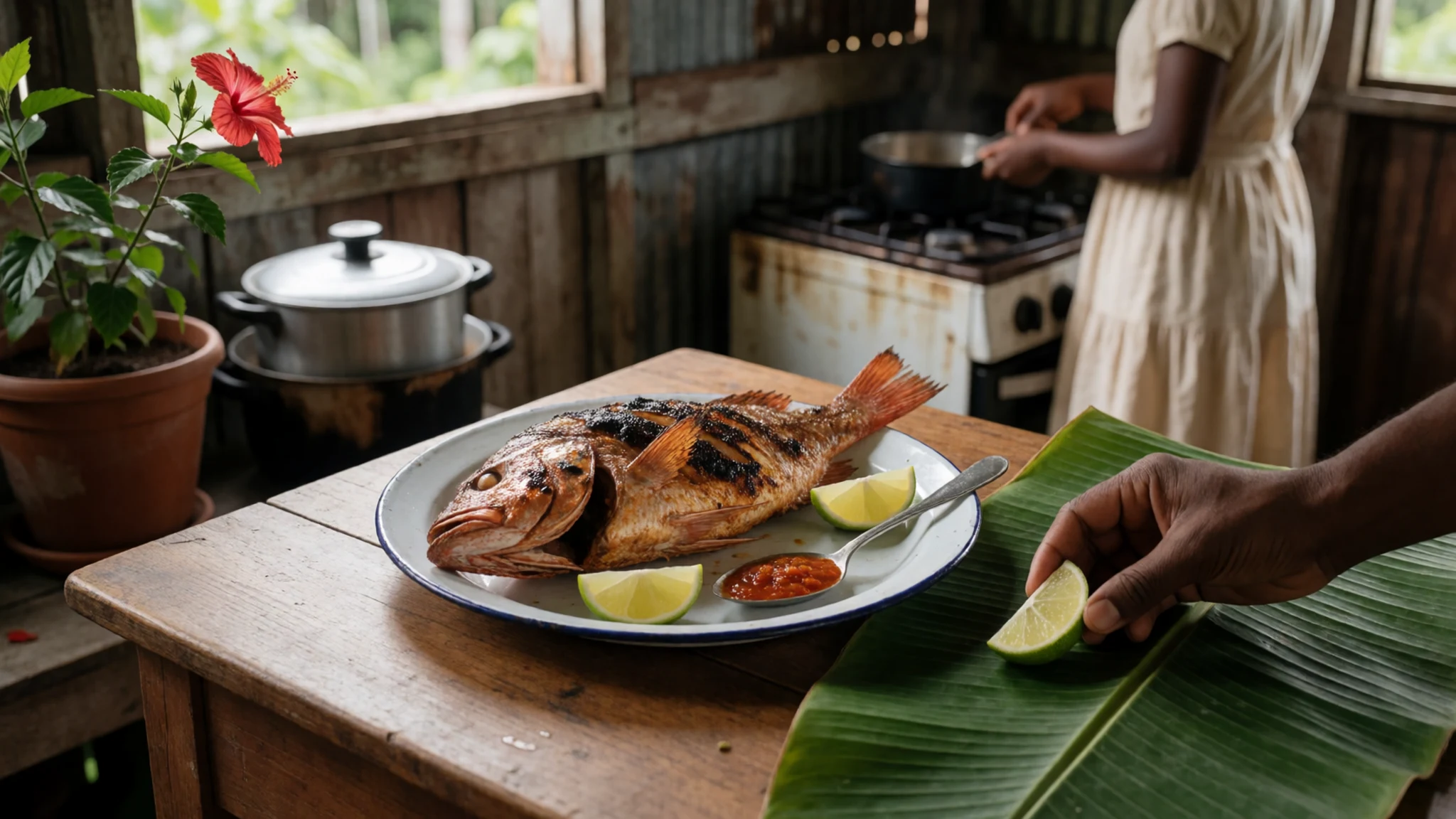
- Kari zourit — home kitchens in La Passe
On Silhouette Island, kari zourit is octopus stewed in a Creole curry with coconut, ginger, garlic and chilli. It is a home dish and it appears in a La Passe kitchen or as a resort plate when octopus has come in with the boats.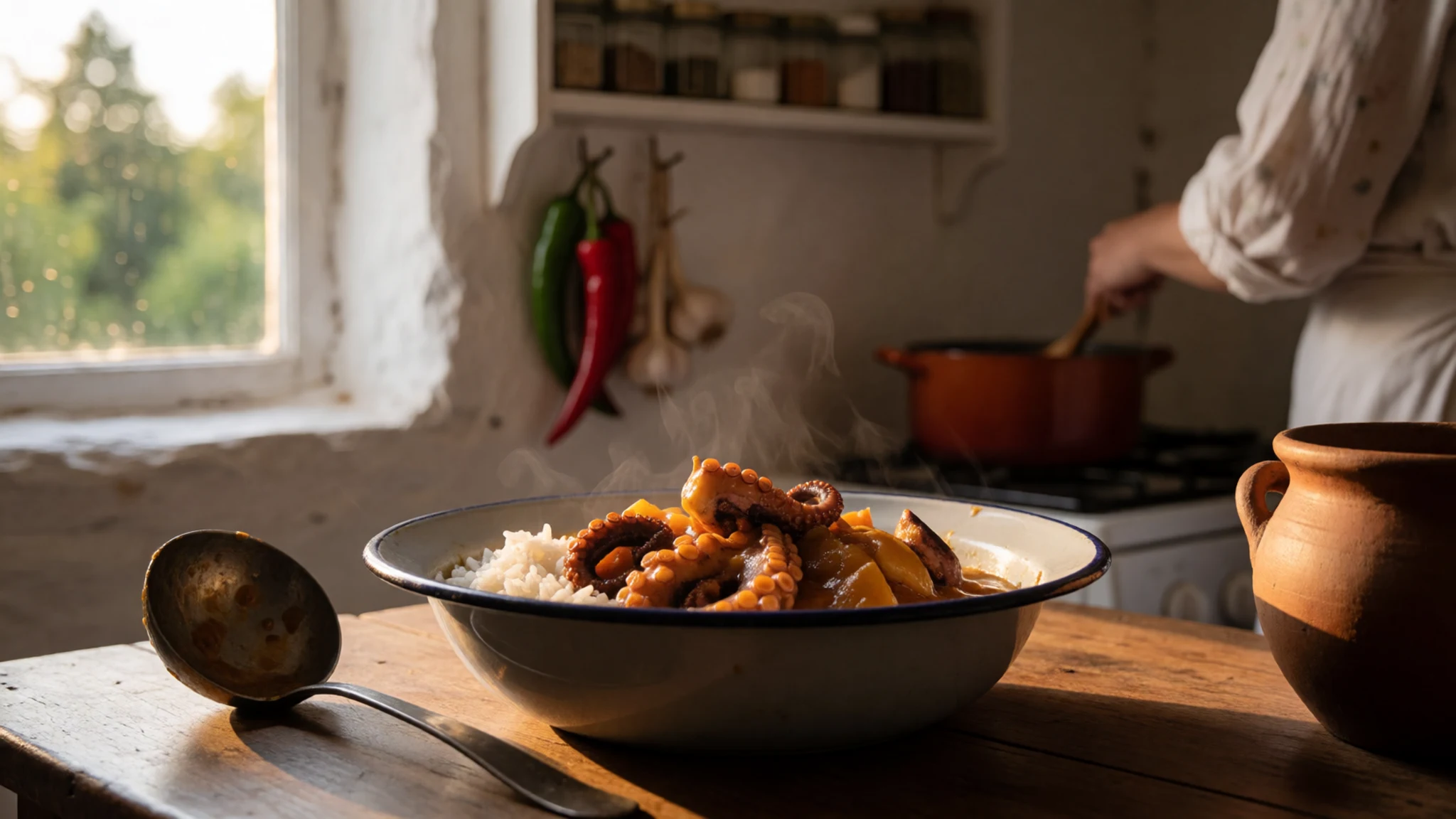
- Ladob — home kitchens in La Passe
On Silhouette Island, ladob is ripe plantain or banana cooked slowly in coconut milk with sugar and nutmeg, eaten warm as a pudding. It belongs to home kitchens in La Passe and sometimes to a resort dessert list. Breadfruit is sometimes used the same way. - Satini reken — home kitchens in La Passe
On Silhouette Island, satini reken is a sharp chutney of cooked shark with bilimbi or lime, onion and chilli, set out in a small bowl beside rice or grilled fish. Home kitchens in La Passe still make it beside everyday fish and rice. - Drinking coconut and fruit — gardens and the beach at La Passe
On Silhouette Island, drinking coconuts, mango, banana, papaya and pineapple are the snacks that need no kitchen. Palms left from the plantation still shade parts of La Passe, and fruit comes from gardens as much as from boats out of Mahé.
Plan it
Best time. May to October is the drier stretch on Silhouette Island, when the southeast trades take the edge off the heat and rain is less constant. April is the hottest month and January the wettest under the northwest monsoon, with December close behind and heavy showers between calmer spells. July and August are the most comfortable months, when the heat eases and rain is lightest, while December and January ask you to accept a wet day.
How long. 2–3
Getting there. Silhouette Island has no airport. Fly to Mahé, then take a boat from the harbour to the jetty at La Passe; a helicopter is the other last leg. Check with the operator before travelling, because the sea decides whether the crossing runs.
Budget. high
Tips
- Book the boat or helicopter, and a bed, before you travel; Silhouette Island does not take walk-up visitors the way Mahé can.
- Start walks early in the morning, before heat builds on the sand and in the forest.
- Carry some cash; do not rely on cards outside the resort.
- Take drinking water, sun cover and shoes you can wet if you go to Grand Barbe or any cove without a kiosk.
- Go with a local guide once the path leaves the slopes above La Passe, and turn back if the trail fades.
Etiquette
- Ask before you photograph residents, and do not photograph children at the school.
- Cover shoulders in the church, take off shoes if you see others doing so, and keep voices low in the museum and near houses.
- Leave coral, shells and plants where they are, and do not stand on living coral in the shallows.
Nearby
Sources
- Wikidata (CC0)
- Wikipedia: Silhouette Island (CC BY-SA 4.0)
- Wikivoyage: Silhouette Island (CC BY-SA 4.0)