Morne Seychellois National Park
Morne Seychellois National Park, Seychelles
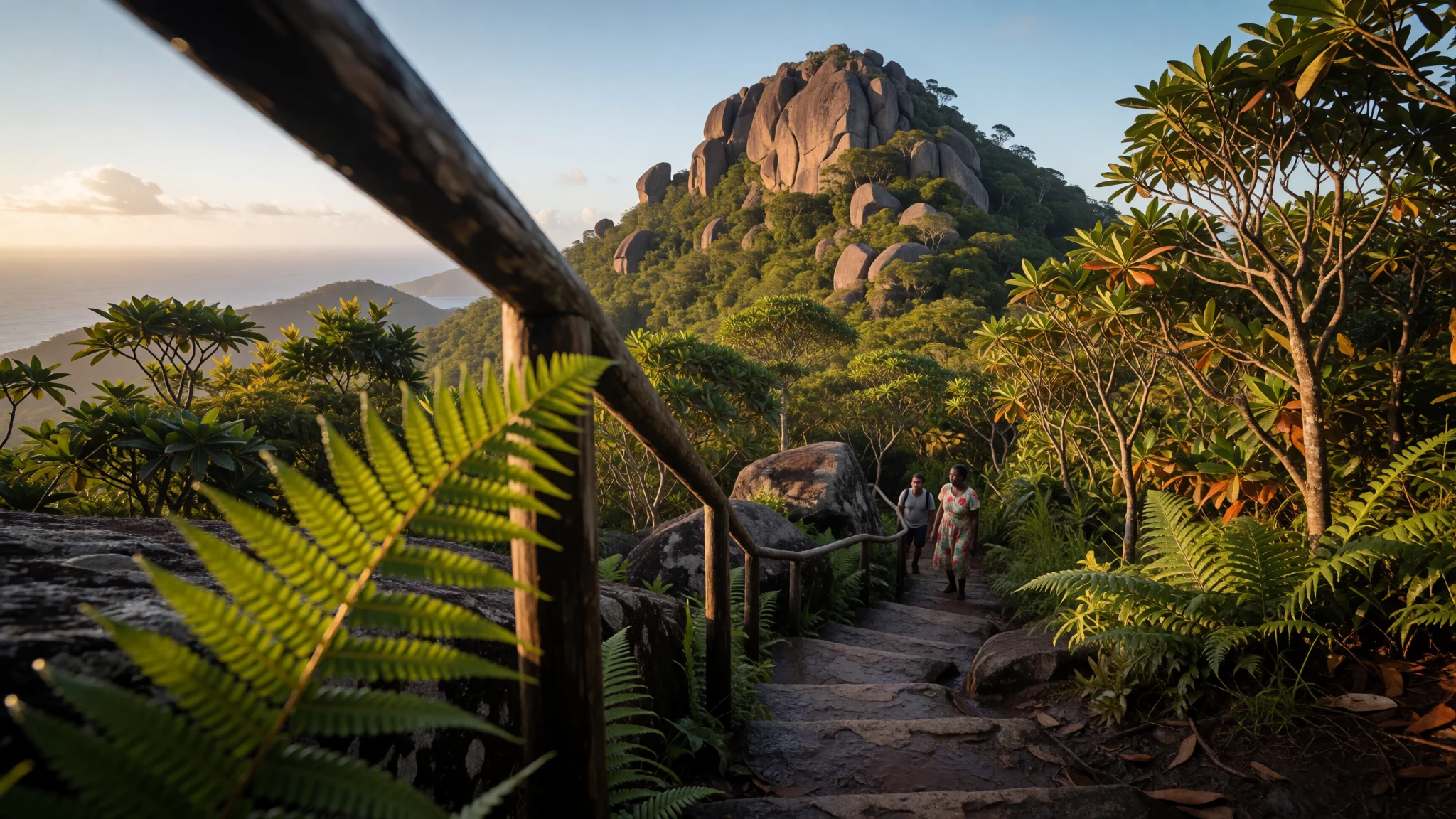
Morne Seychellois National Park gives Mahé's rainforest, granite summits and old plantation trails a short drive from the beaches.
The place
Morne Seychellois National Park covers the green, steep middle of Mahé, the main island of Seychelles in the western Indian Ocean. It runs across the north-western and central uplands, taking in the rainforest between Victoria in the north and Anse Royale in the south. The park protects about 3,045 hectares, which is a fifth of the island, and it sits inside a larger Important Bird Area for birdlife.
The terrain is abrupt: cliffs, large granite boulders, tight ridges and slopes carpeted with dense secondary forest and shrub woodland. The park's namesake, Morne Seychellois, is the highest mountain in Seychelles at 914 metres. Higher ground holds scraps of older primary forest where few introduced plants have taken hold, and this is where several endemic species survive, including a pitcher plant, Nepenthes pervillei, and palms found nowhere else.
People are present but lightly. Forestry, some tea growing and tourism touch only a small share of the wider area, and most of the interior is walked rather than driven. A few roads cross the uplands with viewpoints over bays and coconut palms below.
The weather is tropical and changeable. Cloud gathers on the summits, showers arrive quickly, and paths turn slick. Mornings are usually clearer, so most walkers start early, finish before the afternoon build-up and treat the park as a half-day or full-day escape from the coast.
Its story
Morne Seychellois National Park was established in 1979 to protect the island's native plants, animals and mountain scenery. Before that, the uplands were a working landscape. Through the nineteenth century and into the twentieth, the original forest was cut for timber, and cinnamon, vanilla and other crops were planted on the slopes, since the climate suited them even this close to the equator.
Much of what was introduced then has stayed. Cinnamon in particular now grows freely through the forests and is one of the most common trees on the trails. Old distilleries and plantation houses still stand in places, slowly being reclaimed by vegetation, and they are the physical record of that agricultural era.
Mission Lodge, in the middle of the park, carries a harder story. It began as a school for the children of freed slaves, and it is regarded as one of the park's main historical sites because it shows what happened to people after liberation, and how the colony treated them. A viewpoint now sits near it, but the place is worth pausing at for its history as well as its outlook.
Today the park protects more than a fifth of Mahé. The pressure has shifted from felling and planting to conserving the few patches of primary forest and keeping invasive plants in check. The result is a landscape in recovery, where wild and planted history overlap on the same hillsides.
What to see
- Copolia Trail — Sans Souci, near Copolia Lodge
A short, steep path of a little under a kilometre each way climbs to the granite summit of Copolia, at 497 metres. It rewards novices with wide views over the east coast and out to sea. This is the one trail with an entry charge, and it is open only in daytime.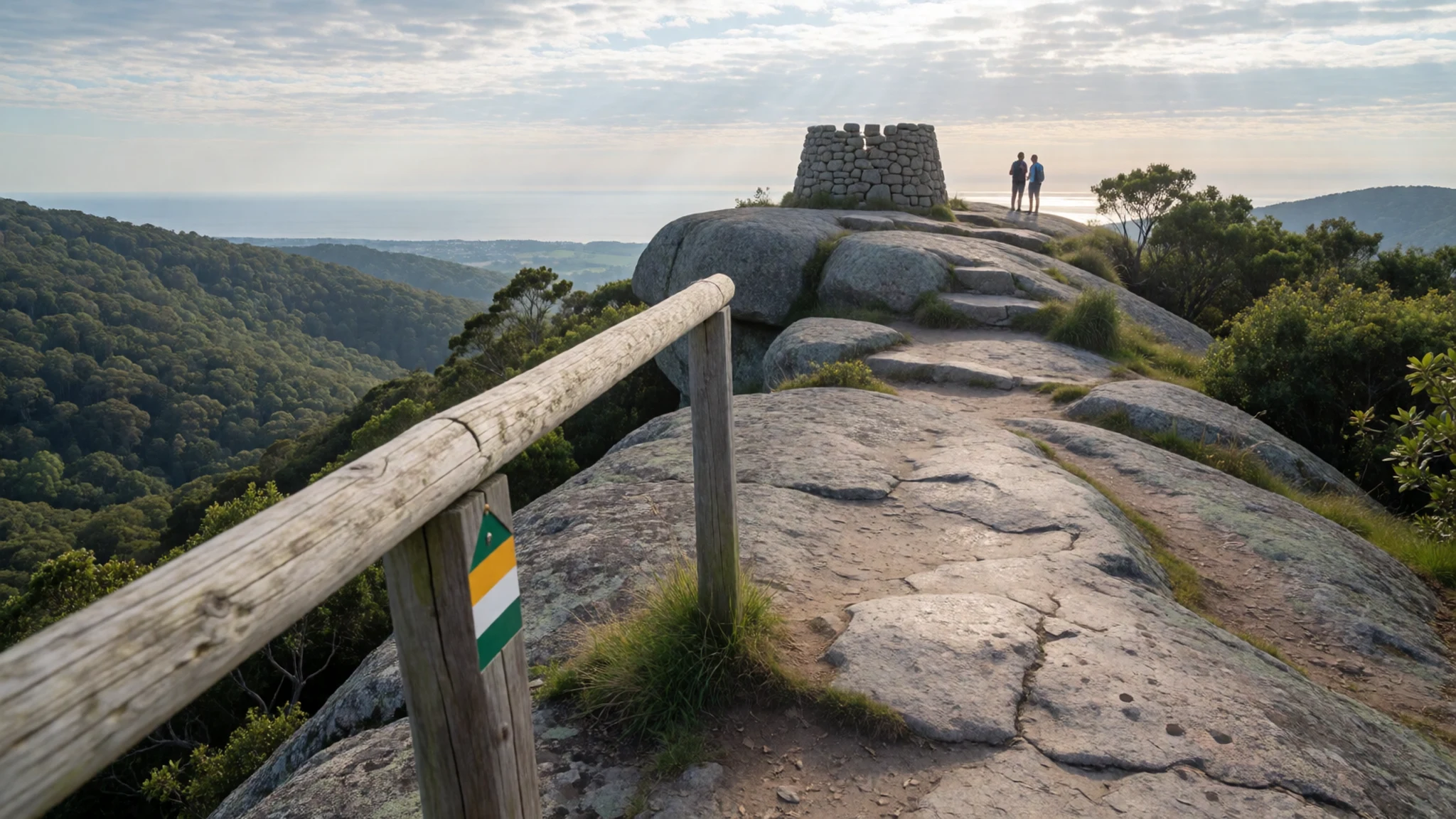
- Morne Seychellois summit hike — Central uplands of Mahé
The climb to the island's highest point is a serious half-day walk rather than a stroll. It is not high by mountaineering standards, but the ridge and the outlook over forest, bays and neighbouring islands make the effort worthwhile. Start early, carry water and expect mud after rain.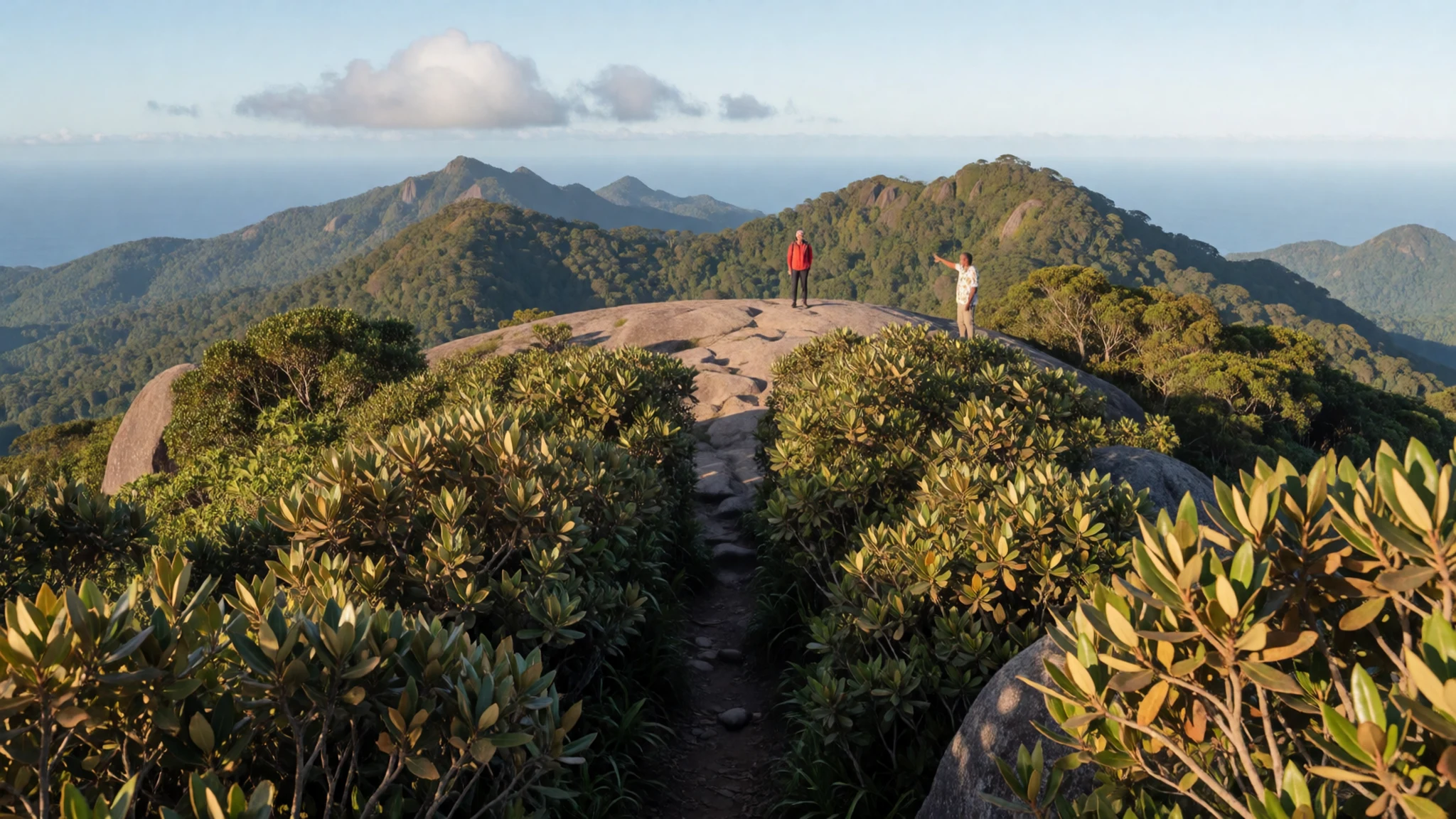
- Mission Lodge — Central park, Mahé
The ruins and viewpoint at Mission Lodge sit in the heart of the park. The site began as a school for children of liberated slaves, and a few remnants still show how that community lived. Visit for the history first and the view second.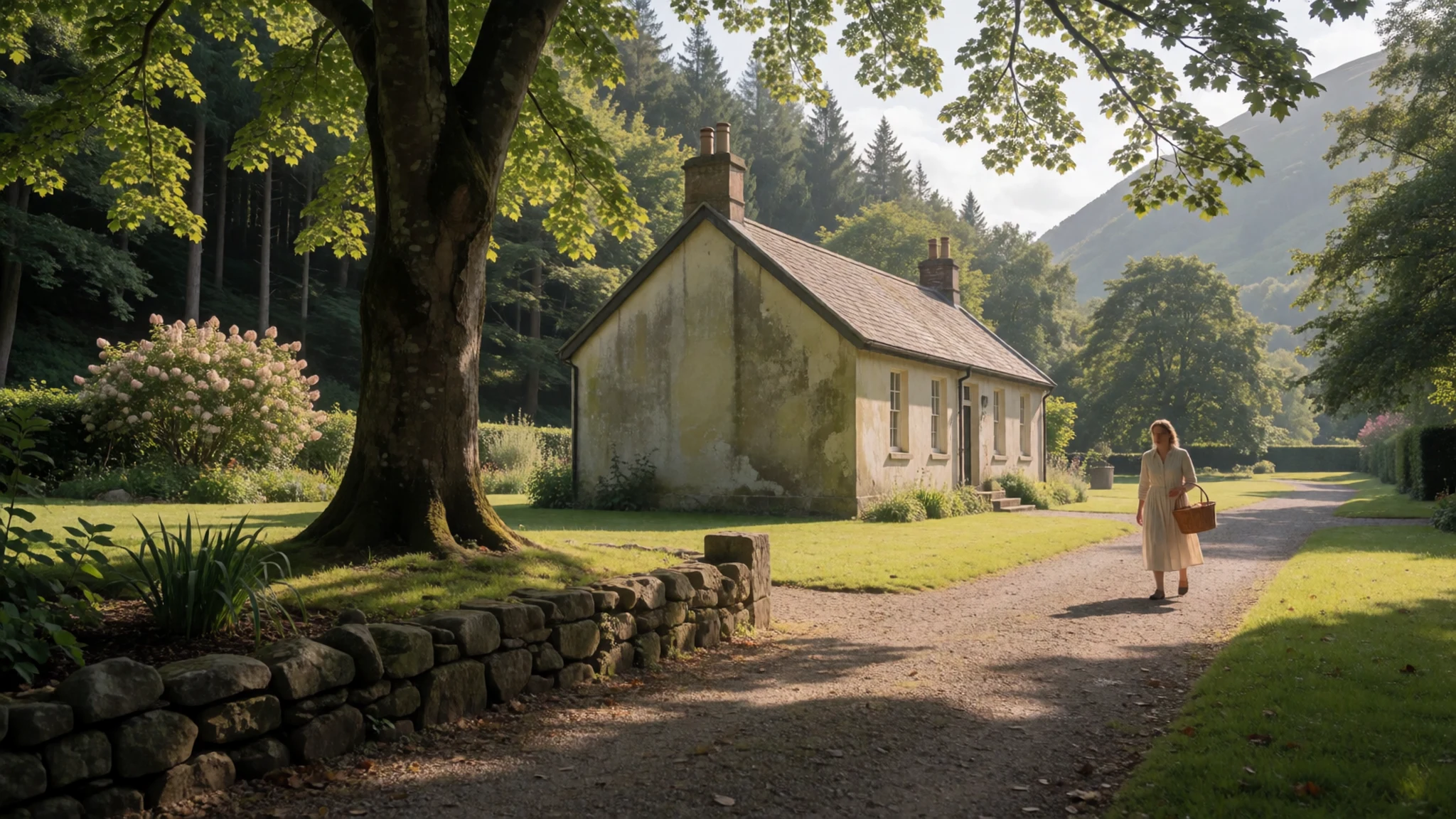
- Trois Frères trail — Above Victoria, Mahé
This forest walk climbs through the uplands towards a ridge with views across the island. It is a good choice for walkers who want rainforest rather than a bare summit, with cinnamon trees, granite outcrops and birdsong along the way. Paths can be slippery, so wear shoes with grip.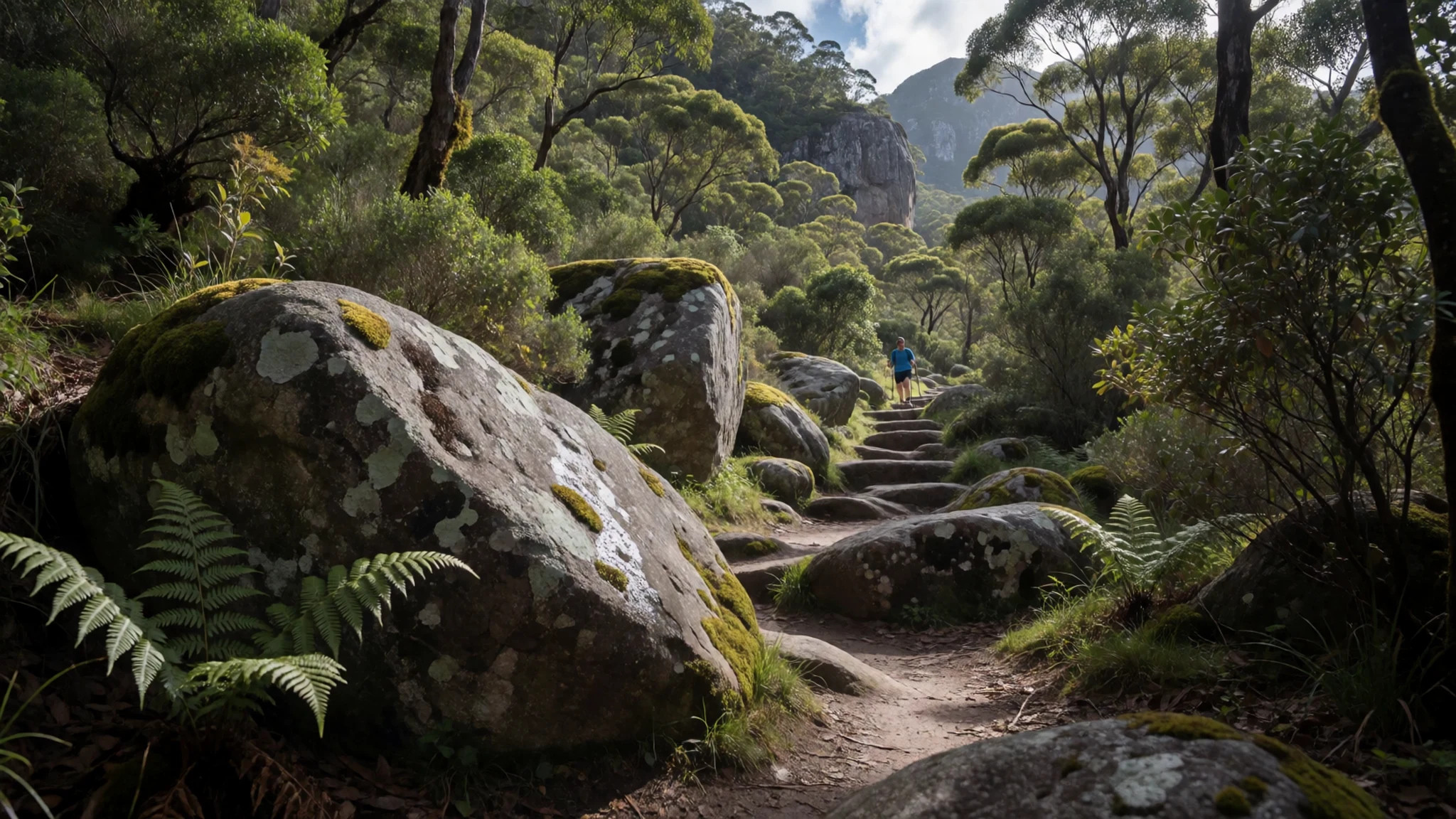
- Old plantation remains — Across the park
Scattered through the forest are old cinnamon distilleries and houses from Mahé's plantation era. They are not signposted like a museum, so finding one feels like a small discovery. Ask a local guide or at the park office about which ruins are reachable on foot.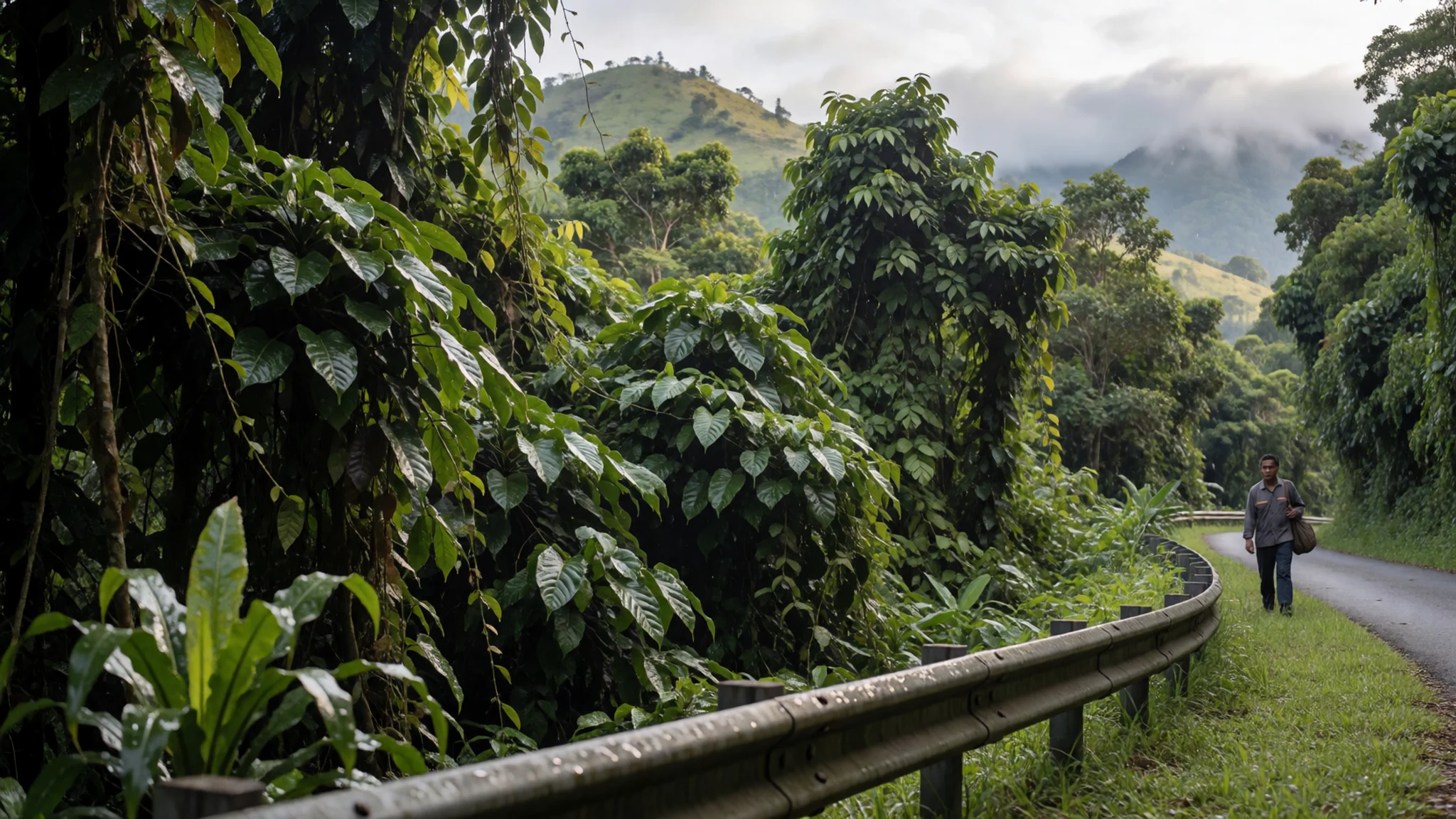
Culture
Morne Seychellois National Park sits in the heart of a creole island, and its culture is the mix of languages, food and customs that grew from African, European and Asian arrivals. Seychellois creole, French and English are all in daily use, and a few words of greeting are warmly received on the trails and in villages at the park's edge.
The forest holds a plantation story as well. Cinnamon, vanilla and timber shaped the uplands for generations, and the slave-era history at Mission Lodge is a reminder that the green hillsides were worked by people with little say in the matter. Locals tend to treat that past plainly, as a fact of the island rather than a talking point for visitors.
In practice the park is a place of everyday recreation for islanders as well as an attraction. Families and groups walk the shorter trails at weekends, and rangers and guides take pride in explaining the plants. Respect for the endemic species is part of the local ethic, since many of them grow nowhere else on earth.
Beyond the park, Sunday is quiet in the villages and church is well attended, so noise and loud music in settlements are poorly received. Stay on marked paths and never pick, dig up or carry out plants, seeds or shells, as the endemic flora is protected.
What to wear
Morne Seychellois National Park is a hiking destination, so clothing here is mostly about practicality, but Seychellois dress has its own character. Traditional creole dress is associated with festivals and dance: women wear full, brightly printed skirts and blouses in cotton, often with a headscarf, and men wear light shirts and trousers. These outfits appear at heritage events and performances rather than daily life.
Everyday wear on Mahé is light and casual. Cotton and linen shirts, shorts, sundresses and sandals are normal in Victoria and along the coast, and island life is relaxed about dress. Locals heading into the hills wear quick-dry tops, trainers and sometimes a cap or a thin rain jacket, since the weather can change within the hour.
Visitors should dress for the forest, not the beach. Wear lightweight long trousers or hiking shorts, a breathable top and shoes with real grip, because granite is slick when wet and paths can be muddy. A thin waterproof is useful at any time of year. Bring a hat, sunscreen and insect repellent for the open summits and the shaded forest alike.
If stopping at a church or village on the way, cover shoulders and knees as a courtesy. Swimwear is for the beach; keep it out of town centres.
What to eat
- Fish curry — Small family-run eateries in Victoria and coastal villages
Seychellois fish curry uses fresh tuna or snapper in a gently spiced coconut or tomato sauce, served with rice. It is the everyday main dish across Mahé, with a milder, rounder heat than many Indian curries.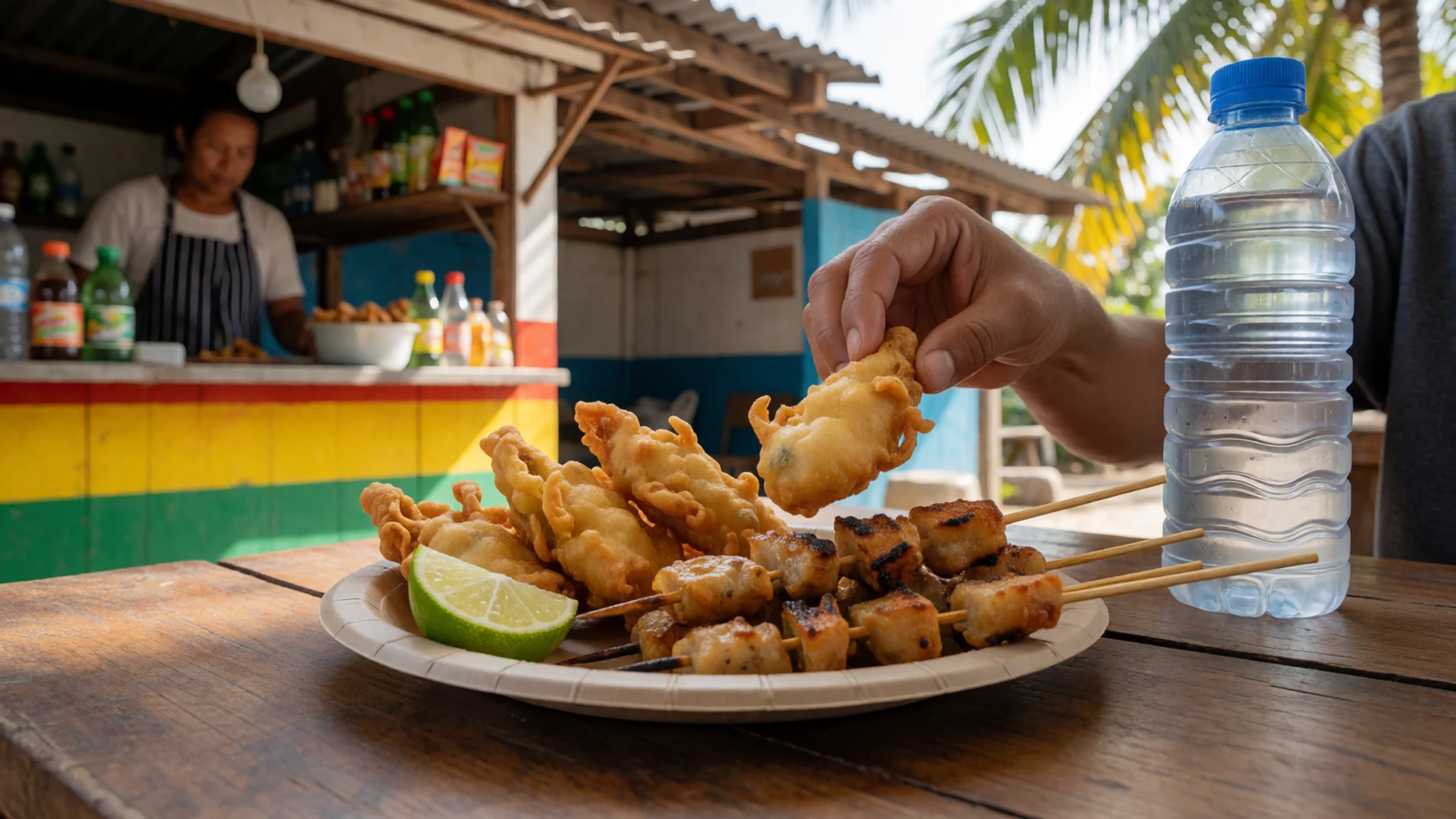
- Grilled fish with creole sauce — Beachside restaurants and roadside grills around the island
Whole or filleted fish is grilled over a flame and served with a tomato, onion and garlic sauce. The sauce is lightly spiced and tangy, and the plate usually comes with rice and a simple salad.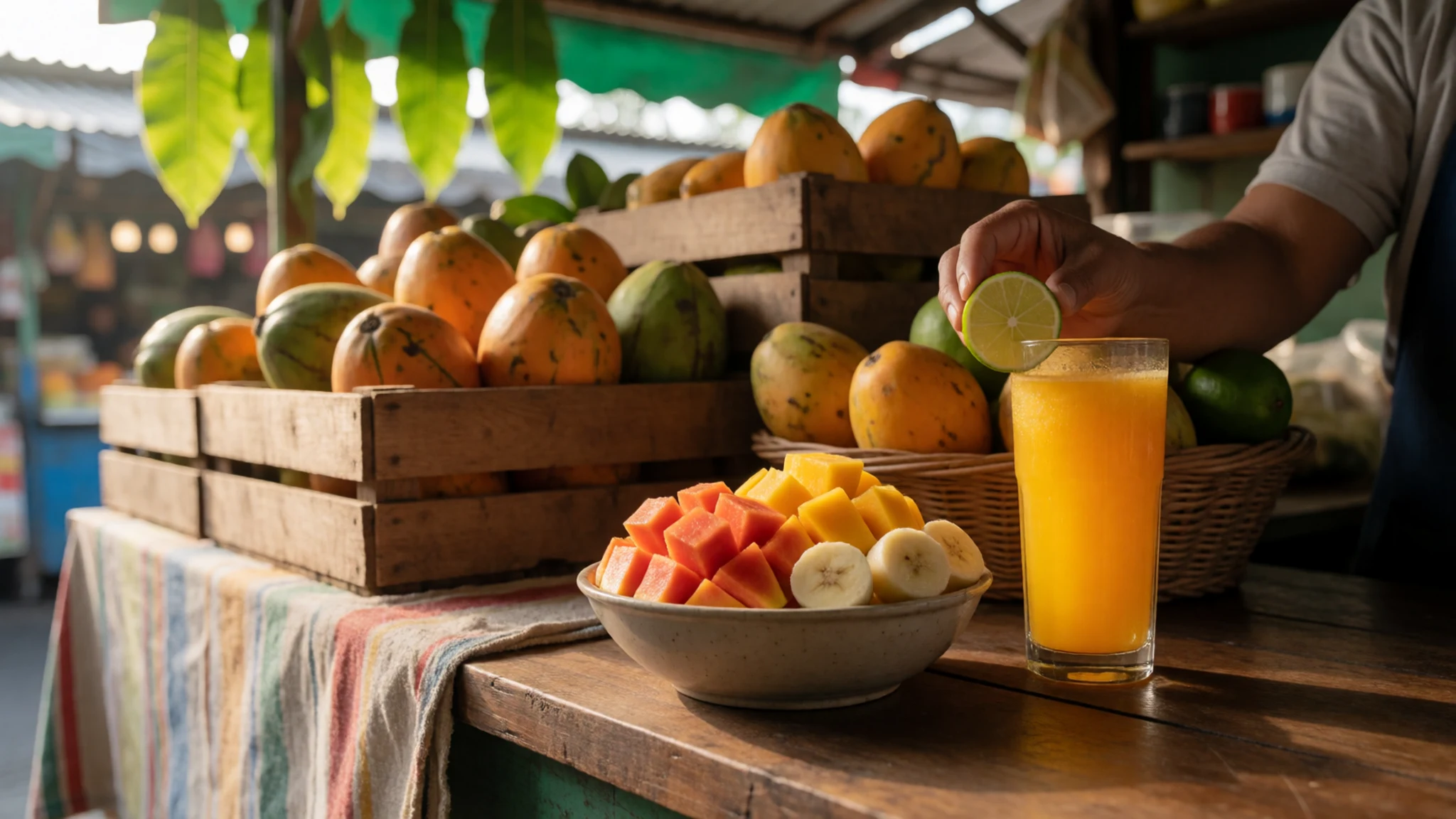
- Octopus curry — Local creole restaurants on the west coast
Octopus is simmered until tender in coconut milk with ginger and spices. It is a popular local dish, rich and slightly sweet, and best eaten with plain rice to balance the sauce. - Ladob — Home-style eateries and the Victoria market
A sweet dish of plantain, cassava or sweet potato cooked in coconut milk with sugar, nutmeg and vanilla. It is served as a dessert and shows how the island's plantation crops end up on the table. - Tropical fruit — Victoria market and roadside stalls
Mangoes, bananas, papayas, breadfruit and coconut grow across Mahé. Buying a bag from a stall is a cheap, fresh snack to carry on a walk, though check that anything cut is clean and keep peel and seeds out of the forest.
Plan it
Best time. May to October is the drier, cooler, breezier season on Mahé, which makes trails easier and views clearer. Showers still come at any time because the hills catch cloud, and the wetter months bring heavier rain and muddier paths.
How long. 1–2
Getting there. Fly to Seychelles International Airport on Mahé, then drive or take a taxi or bus towards Victoria and the park's trailheads. Most walkers hire a car or arrange a taxi or guide for the last leg, since trailheads are on winding hill roads.
Budget. mid
Tips
- Start walks early, before cloud builds around the summits
- Wear shoes with grip, as granite and clay are slippery when wet
- Carry water, insect repellent and a light waterproof
- Copolia Trail charges an entry fee and has set daytime hours; check the official park information before you go
- Consider a local guide for the summit hike or for finding old plantation remains
Etiquette
- Stay on marked paths and do not pick or remove plants
- Take all rubbish out with you
- Greet people politely in nearby villages
Nearby
Sources
- Wikidata Q1105433 (CC0)
- Wikipedia: Morne Seychellois National Park (rev 1355275383) (CC BY-SA 4.0)
- Wikivoyage: Morne Seychellois National Park (rev 4623733) (CC BY-SA 4.0)
- Photo: Copolia Trail, Mahe, Seychelles (David Stanley) (CC BY 2.5)
- Photo: Heaven on Earth (Abubakr Saeed) (CC BY 2.5)
- Photo: Ile de Mahe, Morne Seychellois (Remi Jouan) (CC BY-SA 2.5)
- Photo: Morne Seychellois National Park (David Stanley) (CC BY 2.5)
- Photo: Road in Morne Seychellois National Park (Anass Sedrati) (CC BY-SA 4.0)
- Photo: Rainforest banner (Radosław Botev) (CC BY-SA 4.0)
- Photo: Rainforest (Radosław Botev) (CC BY-SA 4.0)
- Photo: Seychellen 2017 (dronepicr) (CC BY 2.5)


