Félicité
Félicité, Seychelles
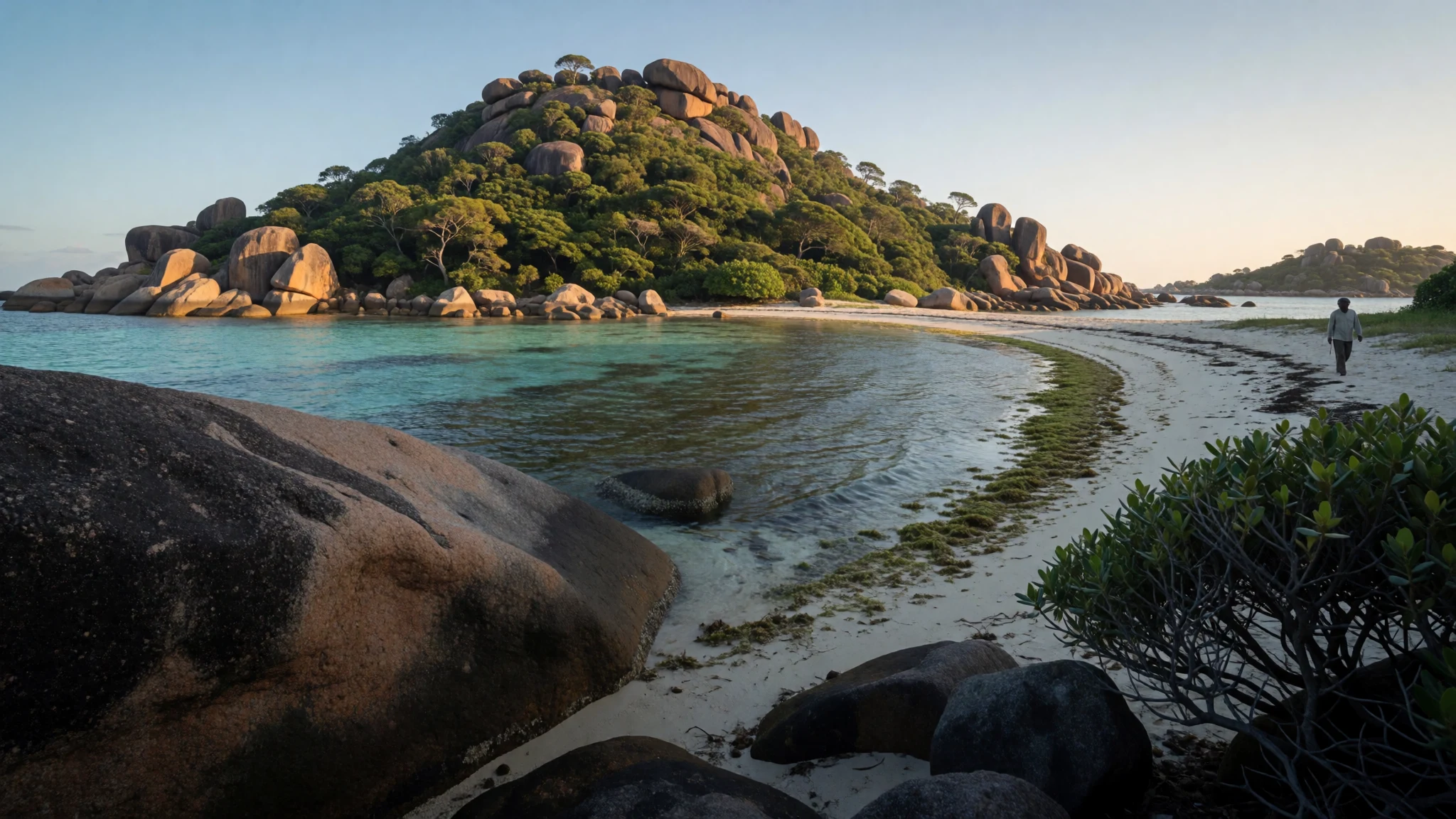
Félicité is a steep, forested granite island beside La Digue, mostly a private resort now, with boulder-edged beaches and reef close offshore.
The place
Félicité is a granite island in the Seychelles, a short boat ride east of La Digue. It rises to 213 m, which is steep for something so small, and forest covers the slopes almost down to the sand. Wikidata gives a population of about 20, and that figure is really the resort's staff: there is no village, no shop and no harbour town. The island belongs to a loose cluster of granite satellites around La Digue, together with Île Cocos, the two Sœurs and Marianne. Boat trips from La Digue tend to head for those neighbours, because Félicité itself is largely private ground. A resort, Six Senses Zil Pasyon, takes up about a third of it, and the remainder is forest, boulders and rocky shore. The coast is typical of the inner Seychelles: pale sand in small bays, rounded granite blocks, and clear water over reef and sea-grass. Heat is constant through the year and humidity is high, with calmer spells alternating with windier, wetter ones. The practical question for a traveller is access. Staying at the resort is the straightforward way in, and any other visit depends on what the owners and local boat operators allow at the time, so it is worth asking in La Digue before building a plan around it. Félicité also works as something to look at from the water: seen from a boat, its green hump sits among the neighbouring islets like a quiet outpost, with the white edge of the beaches showing where the trees stop.
Its story
Félicité was a working plantation island before it became a resort. Until the 1970s it grew coconuts, with a small community living and working among the palms, and when that trade faded the people drifted away and the forest closed back over the clearings. Earlier, in the late nineteenth century, the island had a very different resident. Sultan Abdullah of Perak, from the Malay peninsula, was exiled here by the British, sent to a granite island in the Indian Ocean far from his court and his politics. Its remoteness made it a convenient place to keep him. The modern chapter began in 2007, when the Seychelles government granted a 99-year lease on the then-empty island. In 2013 it passed to a Singaporean property developer, Kishore Buxani, who worked with the Seychellois developer Mukesh Valabhji. Construction began in the middle of that year. The Six Senses Zil Pasyon resort occupies roughly a third of the island, offering 30 villas and a spa. Leasing a small island for a high-end stay while the water and neighbouring islets stay open to visiting boats is a pattern seen elsewhere in the Seychelles. What Félicité offers now is a layered history: coconut labour, colonial exile and a modern lease, all stacked on one forested rock of granite that most visitors will only ever see from the sea.
What to see
- Félicité's beaches — Coast of Félicité
The island's small bays have pale sand edged by rounded granite blocks. Resort guests have the easiest access, while others should ask La Digue boat operators what landing is allowed. From the water the beach line shows clearly where forest meets sea, and the shallows shift in colour with the tide and the cloud.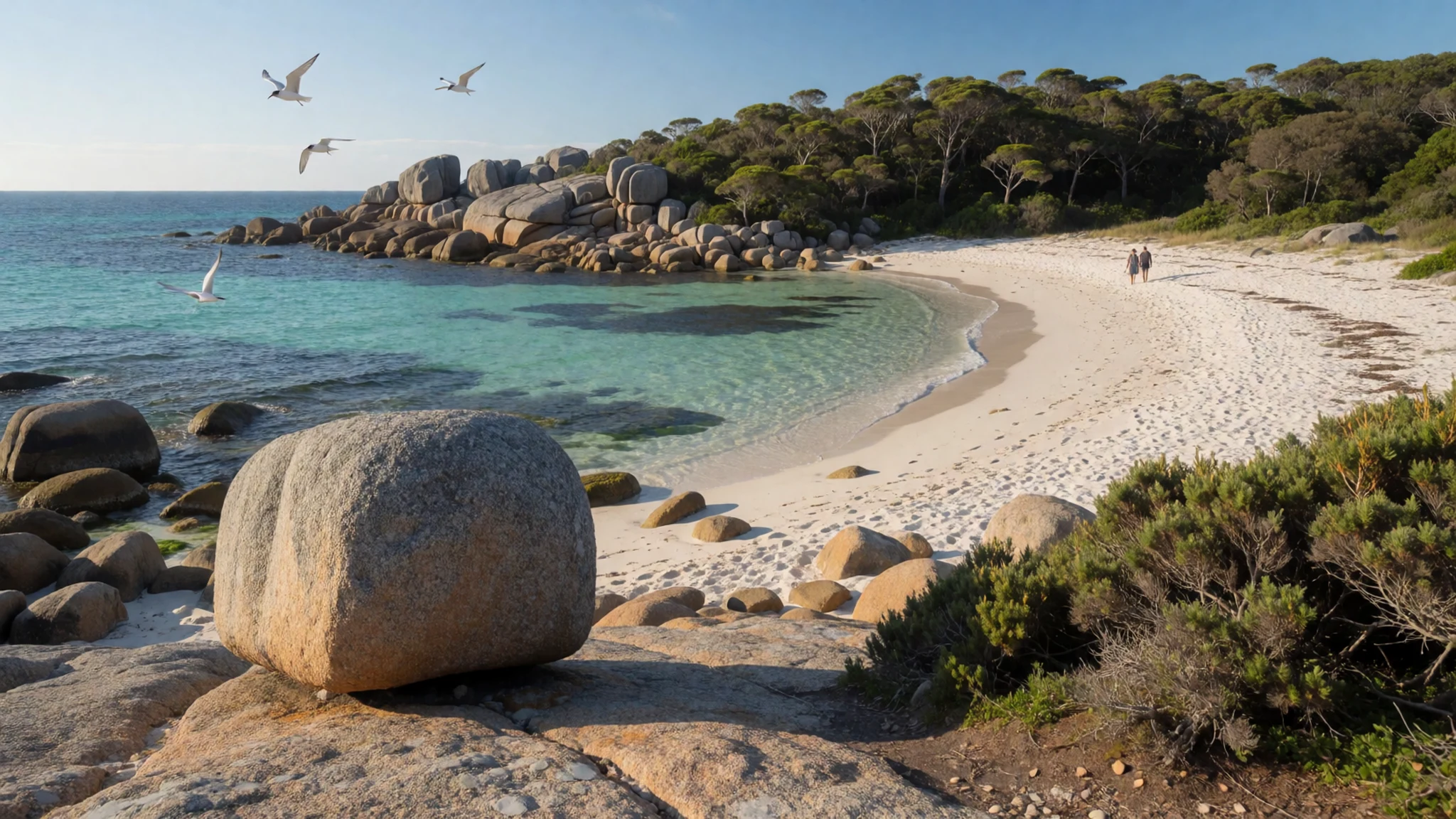
- The forested granite hill — Interior of Félicité
The interior climbs to 213 m under dense forest and bare granite shoulders. Paths are mostly tied to the resort, so walking depends on access and permission. The clearest view of the whole shape comes from a boat, or from the higher ground on La Digue, looking east across the channel.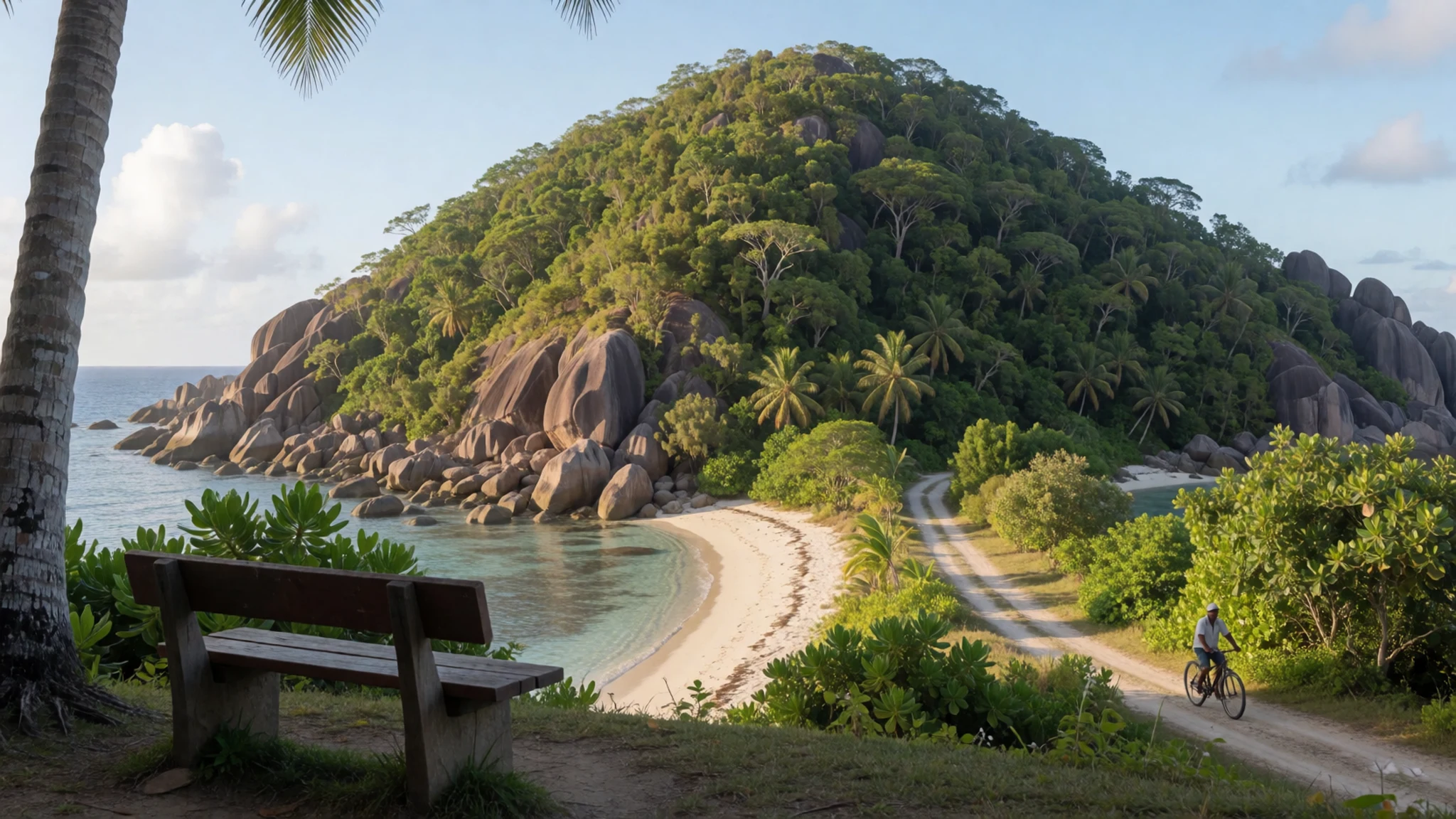
- Île Cocos — Just off the north coast of Félicité
Île Cocos is a tiny islet close to Félicité's north shore, inside a protected marine area. It is mainly a snorkelling stop: granite blocks, reef fish and clear water on calm days. Boat operators from La Digue often include it on island-hopping trips, though swell can make conditions unpleasant, so ask first.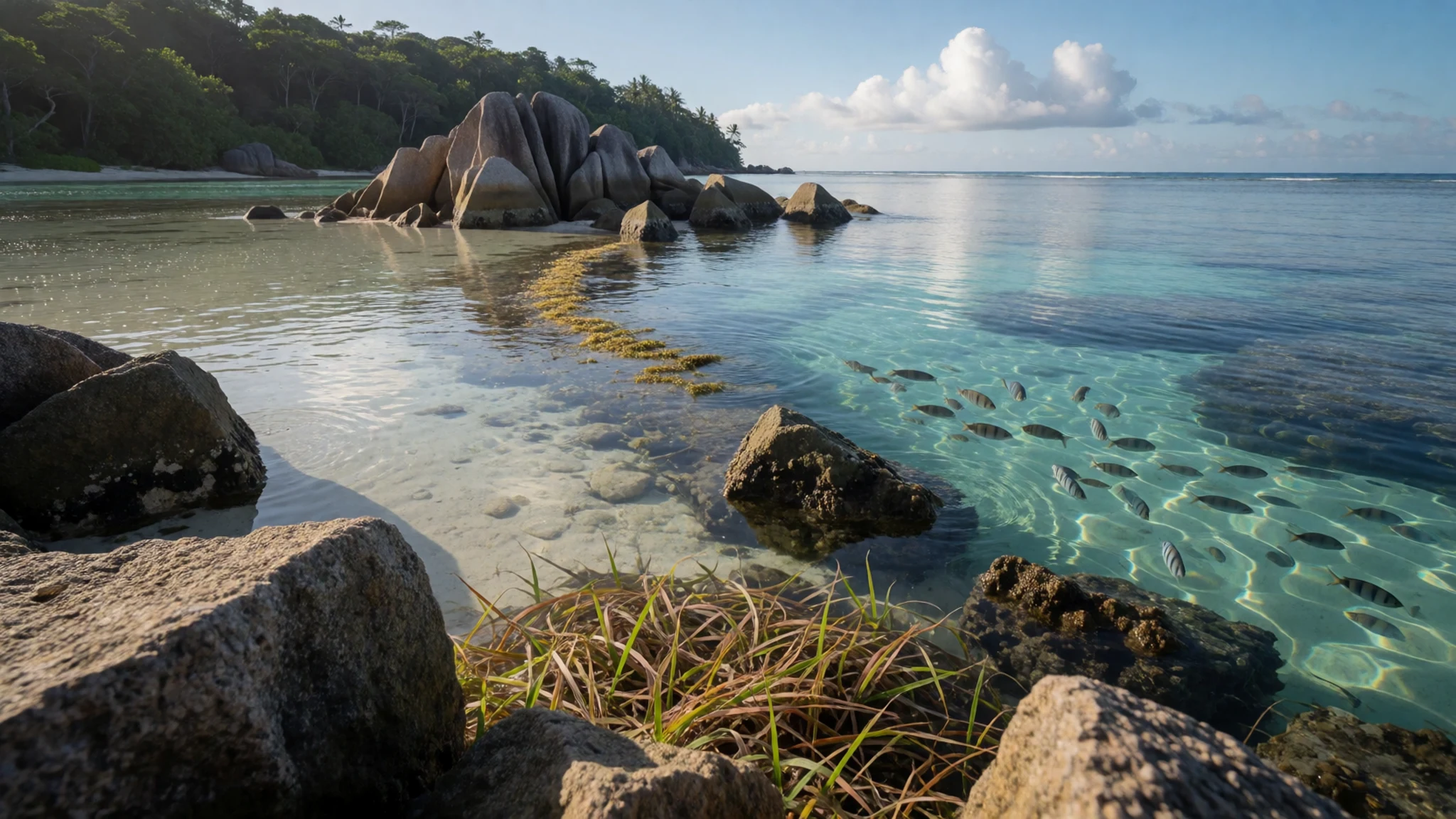
- Marianne Island — East of Félicité
Marianne lies east of Félicité and is known above all for diving. Divers rate its southern tip highly, with granite formations and open-water fish life. Non-divers can still pass it on a boat trip, but landing is not the point; it is somewhere to look at from the water or to visit with a certified dive operator.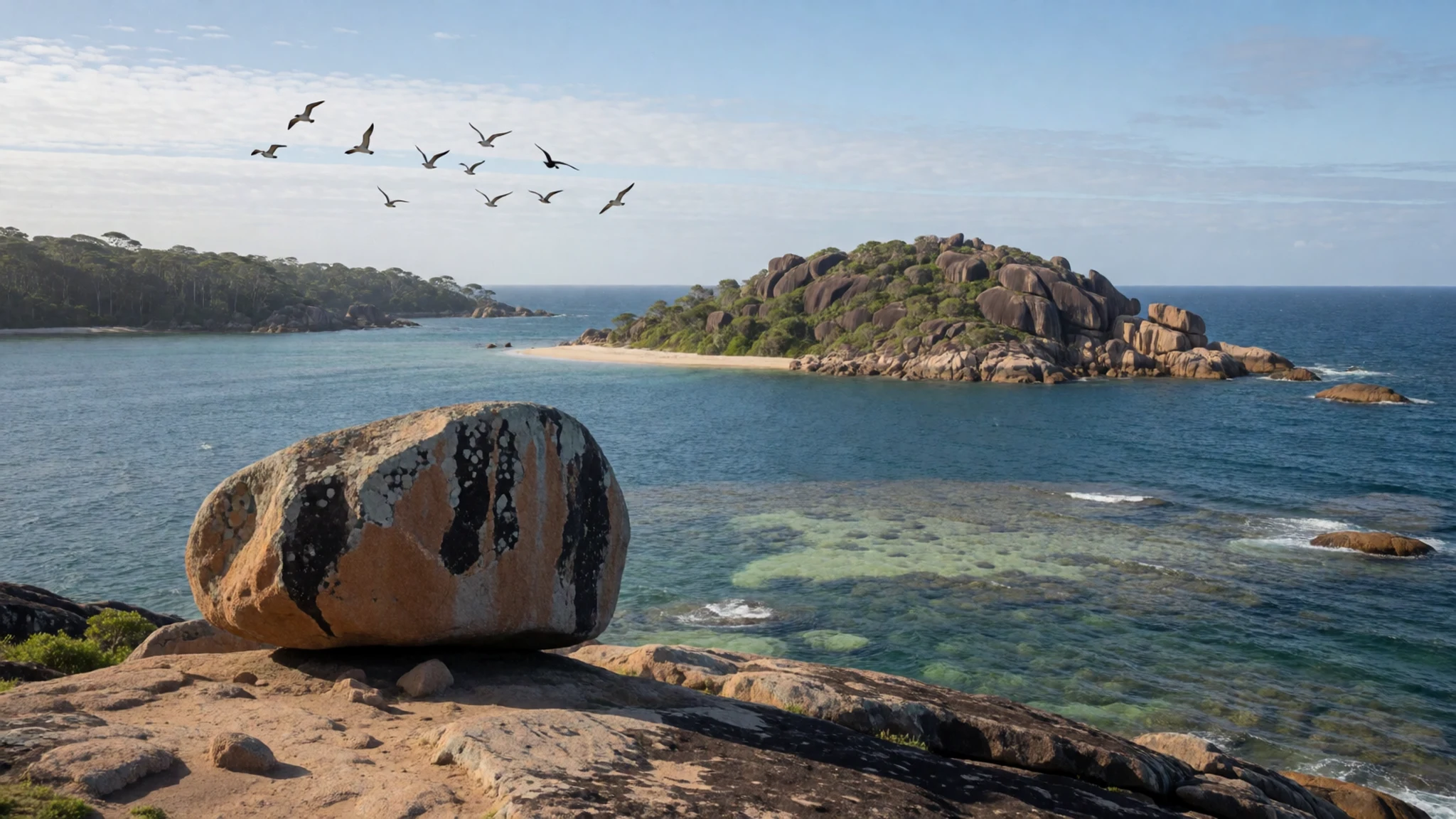
- Les Sœurs (The Sisters) — North-east of Félicité
Grande Sœur and Petite Sœur sit close together and were coconut plantations for much of the twentieth century. Today they are visited mainly on day trips from La Digue, usually combined with snorkelling. A calm-weather day makes a real difference, as crossings in the windier months can be rough.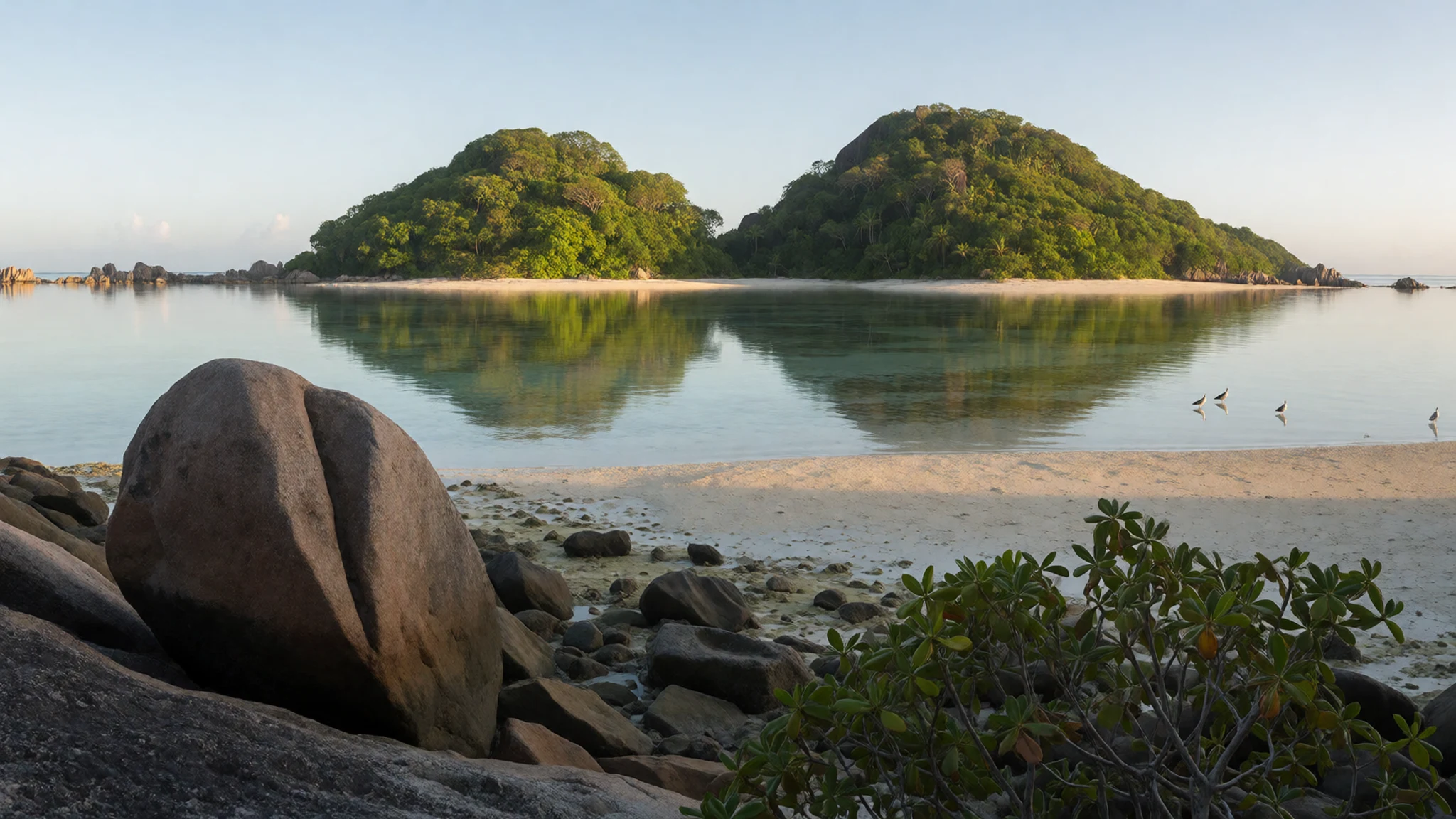
Culture
Félicité has little local culture of its own, because it is an island of resort staff rather than a community, so the culture around it is that of La Digue and the wider Seychelles. Seychellois Creole grew from African, French, Indian, Chinese and Arab influences, and it shows in the language, the music, the cooking and the habit of lingering over a meal. Creole is spoken everywhere, with English and French also in daily use, and a few words of greeting are noticed and appreciated. Most Seychellois are Christian, and church on Sunday is still a regular part of the week in many families. The old plantation economy has left its mark on the islands, from the coconut groves to the family names, and the country's identity is closely tied to the sea. Fishing, boat building and the care of reefs and beaches are everyday concerns rather than tourist topics. Life moves at a relaxed pace, and hurrying staff or boat crews tends to get a patient smile rather than faster service. On La Digue, bicycles and ox carts are part of the scene, and people are used to visitors but still value courtesy. Respect for the environment is taken seriously, as the islands' economy depends on clean water, healthy reefs and uncrowded beaches. Do not take shells, coral or sand from the beach, and ask before photographing staff or boat crews.
What to wear
Félicité has no distinct dress tradition of its own, so the clothing story belongs to Seychellois Creole life more widely. Traditional women's dress drew on colonial-era styles: light cotton dresses and skirts, often printed or checked, with a headscarf for festivals and dance. Wraps made of printed cotton, worn as skirts or around the waist, are common across the western Indian Ocean and remain familiar here. Men wore simple cotton shirts and trousers suited to plantation work. Today these looks mostly appear at cultural events, folk performances and national celebrations. In daily life, people wear what suits the heat: T-shirts, shorts, light dresses, sandals and flip-flops, with smarter cotton shirts and dresses for church and offices. Swimwear is normal on beaches, but locals cover up when walking through villages or going into shops. For a visitor, the climate decides most things. Pack light cotton or linen that dries quickly, a hat, sunglasses and plenty of sun protection, ideally a reef-friendly cream. Bring a cover-up for walking through La Digue's village and for churches, with shoulders and knees covered. Reef shoes or sturdy sandals help on granite rocks, which can be slippery and sharp. A light rain jacket is useful in the wetter months, and a dry bag protects phones and cameras on boat trips.
What to eat
- Fish curry in coconut milk — Resort restaurants on Félicité; family-run eateries on La Digue
Fish simmered in coconut milk with turmeric, ginger and garlic is the everyday Creole curry. It is mild to medium in heat, served with rice, and usually made from the day's catch. Ask which fish is in it, as that changes with the boats.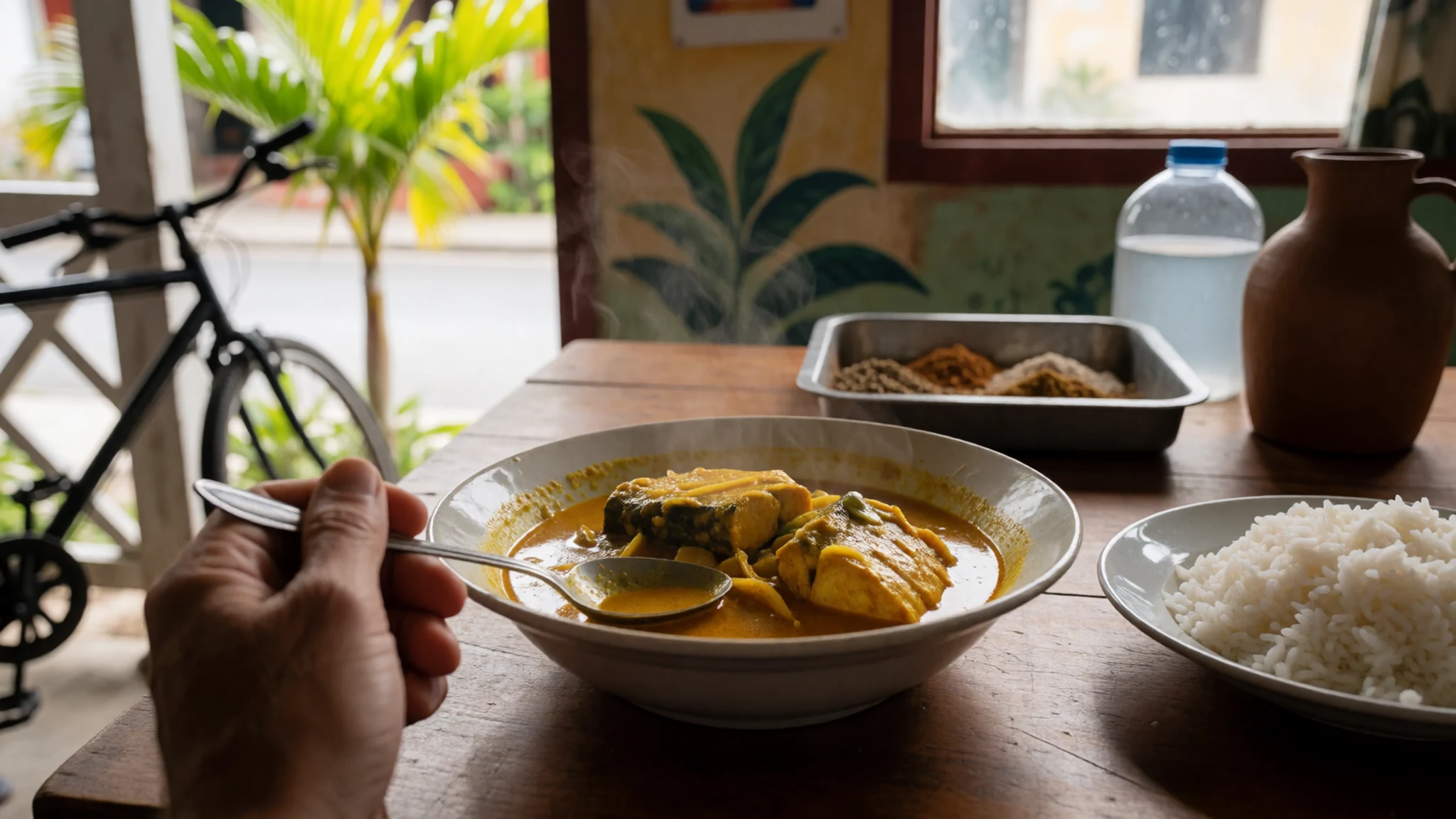
- Grilled fish with Creole sauce — Waterfront eateries on La Digue
Whole fish, often a snapper or similar reef catch, is grilled over a fire and served with a tomato, onion and chilli sauce. The smoke and the sharp sauce make a good contrast with sweet side dishes. It is a standard lunch near the harbour.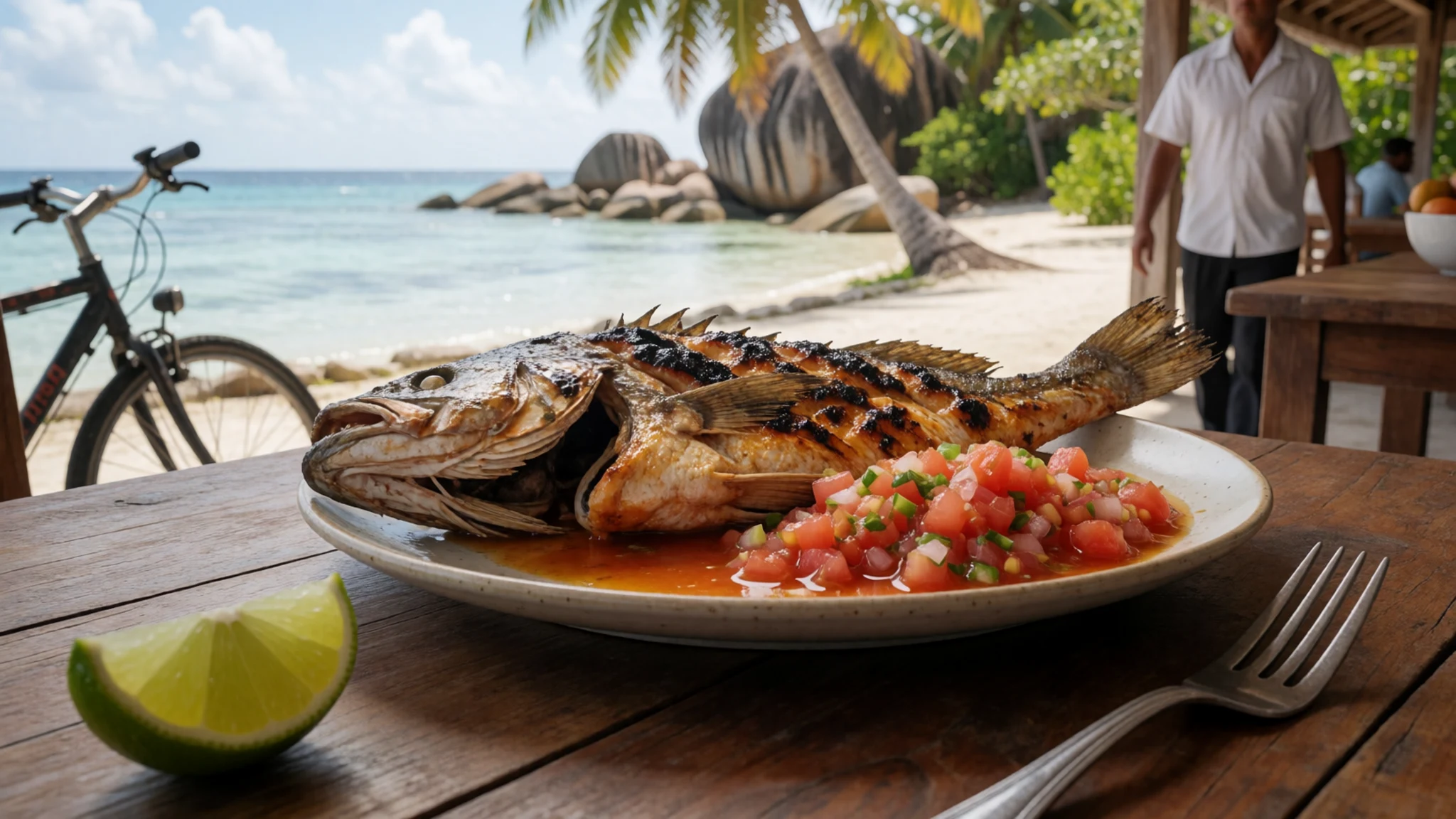
- Octopus curry — Home-style eateries on La Digue
Octopus is cooked slowly until tender in a sauce of coconut, spices and tomato. It is one of the island dishes that rewards patience, and it appears more often in smaller eateries than on resort menus. Rice and a simple salad usually come with it. - Ladob — Local cafés and family kitchens on La Digue
Ladob is a sweet Creole dessert of plantain, cassava or sweet potato cooked in coconut milk with sugar, vanilla and nutmeg. It can be served warm or cool. Ask whether it is the day's special, as it is a home-cooking staple more than a restaurant fixture. - Breadfruit chips and fritters — Roadside stalls and snack counters on La Digue
Breadfruit grows on the islands and is cooked in many ways: roasted, boiled, fried as chips, or turned into fritters. The flavour is mild and starchy, a little like potato. Chips with a squeeze of lime make a handy snack between beach stops.
Plan it
Best time. April–May and October–November, when the winds ease between the two main seasons and the sea is usually calm for boat trips and snorkelling. Heat and humidity stay high all year, and the north-west monsoon months from about December to March bring more rain.
How long. 2–3
Getting there. Fly to Mahé, the Seychelles' main international airport. From there, take a ferry or inter-island flight to Praslin, then a ferry to La Digue. Félicité is a short boat ride east of La Digue, normally arranged through the resort or a local boat operator.
Budget. high
Tips
- Book the resort and boat transfers well ahead, especially for the October–November and December–January holiday periods
- Check the resort's official site and ask La Digue operators what landing and day visits are currently allowed
- Carry some cash for La Digue, where small eateries and bike hire may not take cards
- Go out on boat trips in the morning, when the sea is usually calmer and the light is clear
- Bring drinking water and sun protection on every boat day
Etiquette
- Do not remove shells, coral or sand, and keep to marked paths in forest areas
- Ask before photographing staff, boat crews or local people
- Dress modestly in villages and churches on La Digue
Nearby
Sources
- Wikidata Q581115 (CC0)
- Wikipedia, Félicité Island (rev 1364027987) (CC BY-SA 4.0)
- Wikivoyage, La Digue and satellite islands (CC BY-SA 4.0)
- Félicité, a small island near La Digue, Seychelles — Jmhullot (CC BY 3.0)
- Felicite saare asendikaart — Epp (CC BY 3.0)
- Pool auf der Insel Felicite, Seychellen — dronepicr (CC BY 2.5)
- Resort auf der Insel Felicite, Seychellen — dronepicr (CC BY 2.5)
- Strand auf der Insel Felicite, Seychellen — dronepicr (CC BY 2.5)


