Mahé, Seychelles
Mahé, Seychelles, Seychelles
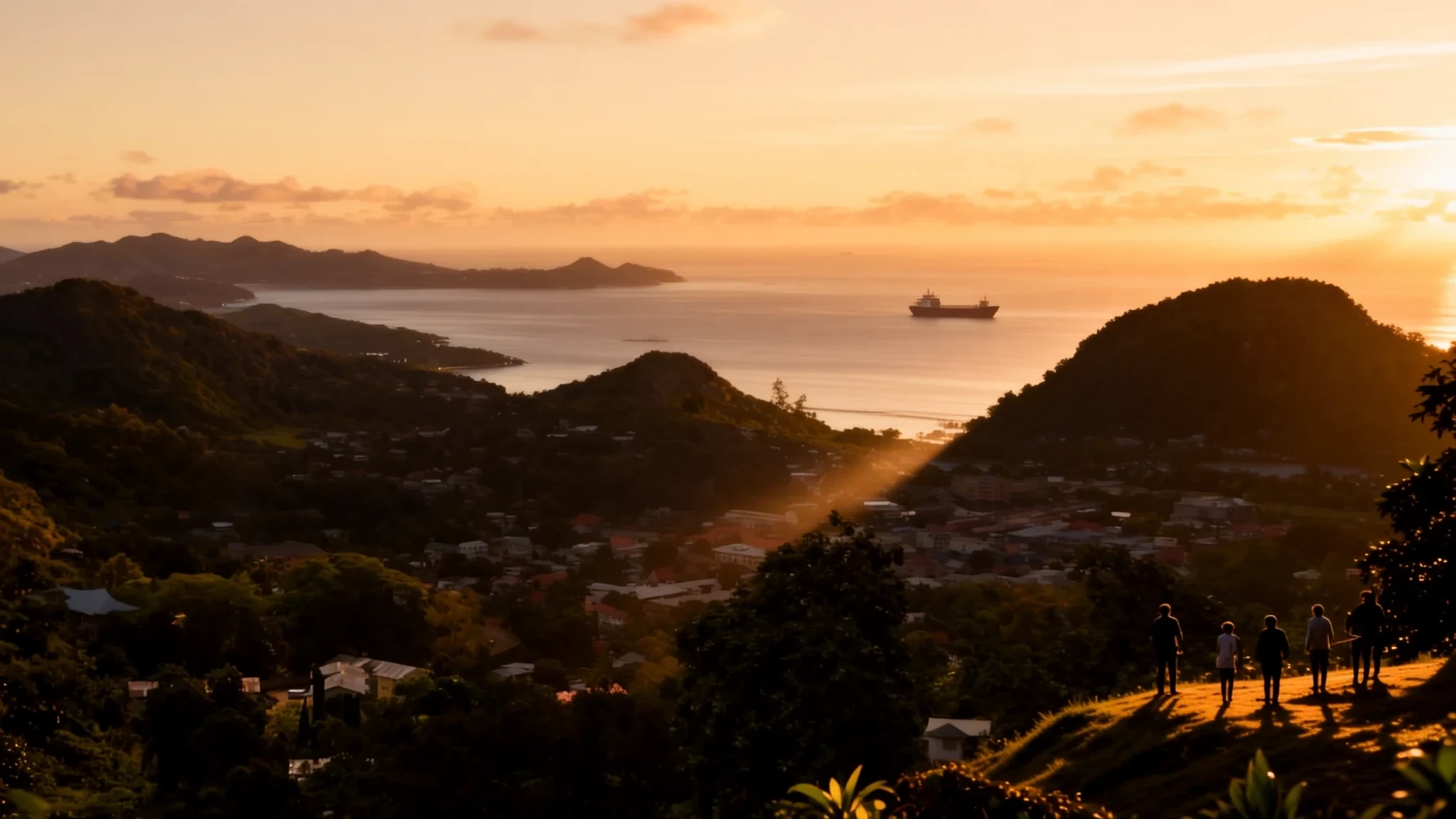
Mahé is the largest Seychelles island, where mountain forest, a working capital and some of the country's busiest beaches sit within an hour's drive of each other.
The place
Mahé is the largest of the Seychelles islands, and most visitors arriving in the archipelago land here first. At roughly 157 square kilometres it is big enough to hold mountain forest, a capital, a working port and the country's most popular beaches, all within a short drive. Around 77,000 people live on the island, which is most of the country's population, and the great majority cluster along the northern and eastern coasts near Victoria and the airport. The west and south feel quieter, with smaller bays, marine parks and the university.
The land rises steeply from the coast. Morne Seychellois, at 905 metres, is the highest point in the country and sits inside a national park that covers about a fifth of the island. Its slopes hold forest with plants found nowhere else on Earth, including the jellyfish tree and the Seychelles pitcher plant, along with many orchids. Trails range from short walks to climbs of a couple of hours, and up in the cloud the air can feel cool after the heat at sea level.
Mahé is hot and humid for most of the year, and rain can arrive in sudden bursts even in the drier months. Beau Vallon fills up at weekends and during school holidays, while Victoria empties in the evening. Costs run higher than in much of the Indian Ocean, so budget for car hire, meals and boat trips. Many people use the island as a base for a few days before taking a ferry to quieter islands.
Its story
Mahé's written history begins with ships passing through rather than people settling. British sailors reached it in 1609, but European interest stayed thin until a French expedition under Lazare Picault called in 1742. Fourteen years later the French navy frigate Le Cerf anchored at what is now Port Victoria. Its commander, Corneille Nicholas Morphey, laid a Stone of Possession to claim the islands for the French crown. That stone is now in the National Museum in Victoria, and it is the oldest monument in the country.
The island changed hands during the wars of the early nineteenth century. In 1801 a Royal Navy frigate captured a French ship in its waters, and the island stayed French until 1812, when it passed to Britain. Under British rule Mahé remained a colony until 1976, when the islands took independence and began running their own affairs. The capital and its harbour carry the marks of that long period, from colonial-era buildings to the port that still handles fishing boats.
The land itself has also been reshaped. Mahé once faced a shortage of housing, and planners undertook large reclamation works around Bel Ombre and the Port of Victoria to create more usable ground. In the later twentieth century a United States Air Force satellite control station operated on the island and brought jobs and money into the local economy. Alongside it, tuna fishing and canning became an important part of the port. Today tourism carries most of the economy, and that shapes everything from hotel building to the busy weekend traffic on the coast road.
What to see
- Sir Selwyn-Clarke Market — Victoria, the island capital
Go early. The market in Victoria is the place to see the island's fresh fish, tropical fruit and spices laid out on stalls, and the morning session is busiest and most lively before the midday heat builds. Vendors are used to visitors, but ask before photographing anyone at close range, and bring small notes for purchases.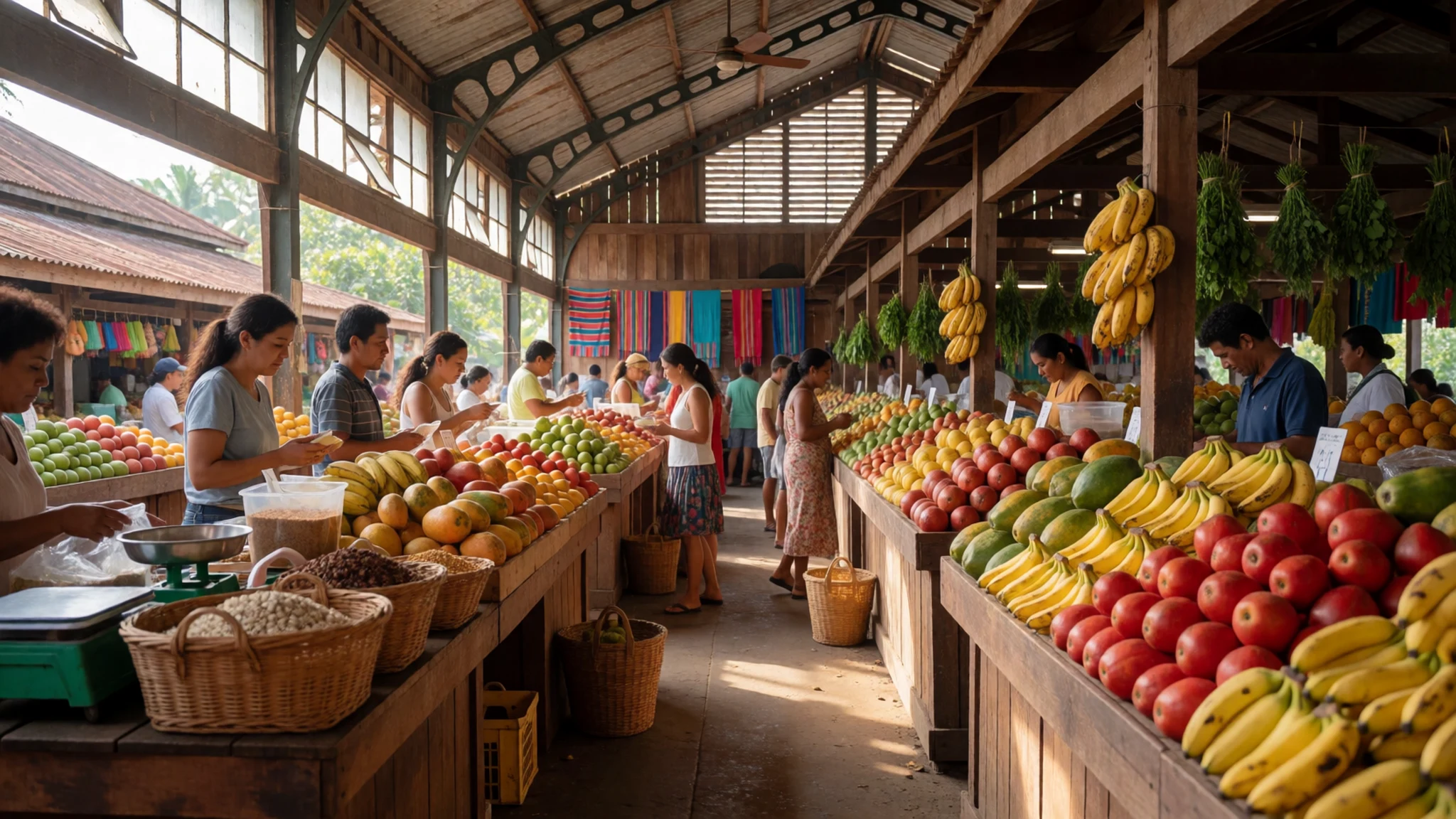
- Victoria Clock Tower and the museums — Central Victoria
The clock tower is now a national monument and makes a good starting point for a walk around the compact centre. Nearby are the National Museum of History and the Natural History Museum, which help explain the islands' colonial past and their wildlife. Allow an hour or two for the museums and check opening times on the official site before you go.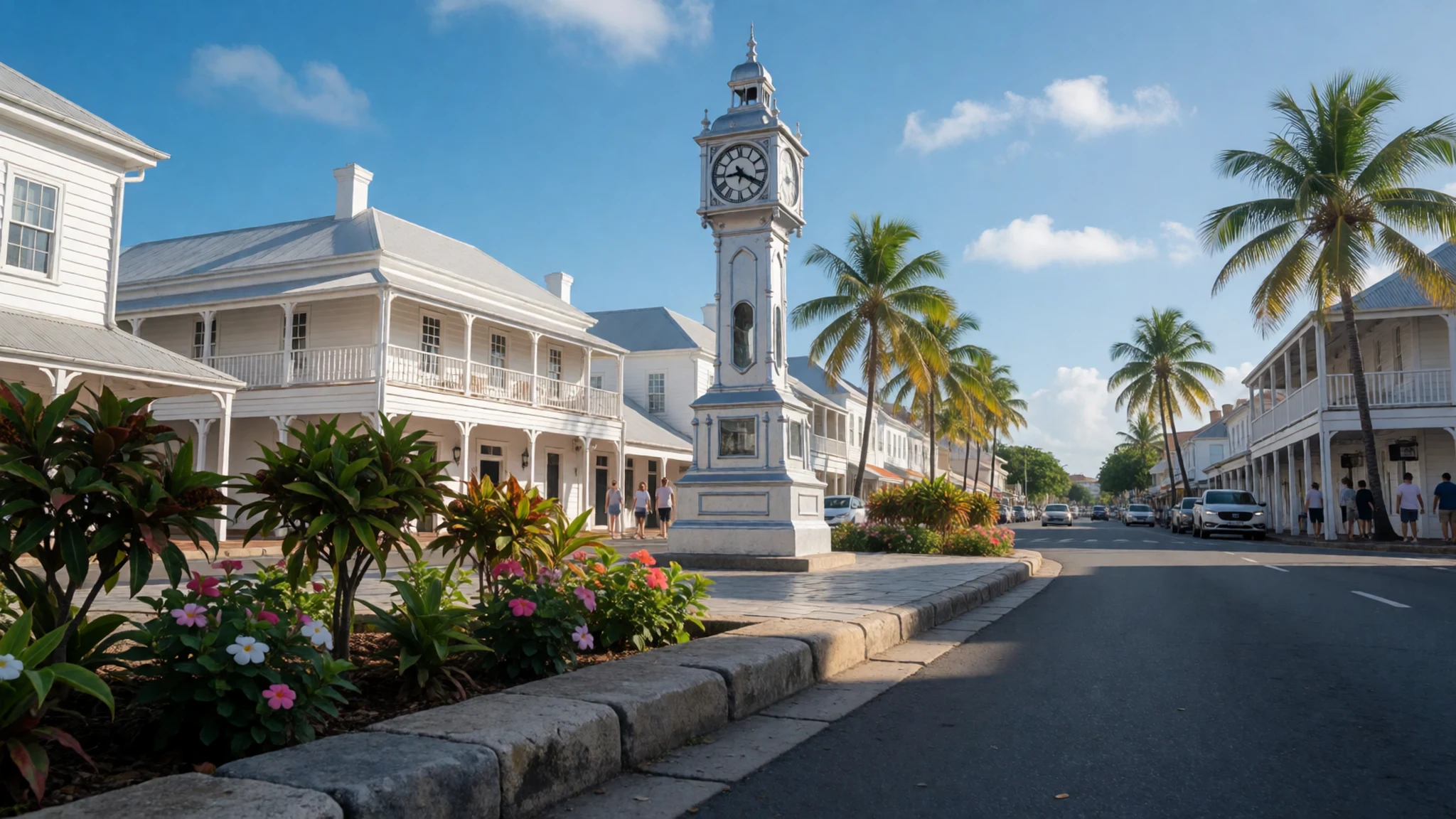
- Morne Seychellois National Park — The island's interior, central mountains
The park covers about a fifth of Mahé and was created in 1979 to protect the island's varied habitats. It holds the country's highest peak, at 905 metres, and about twelve trails that take one to two hours each. If you have no time for a walk, a scenic drive from Victoria to Port Glaud cuts through the park and shows the forest from the road.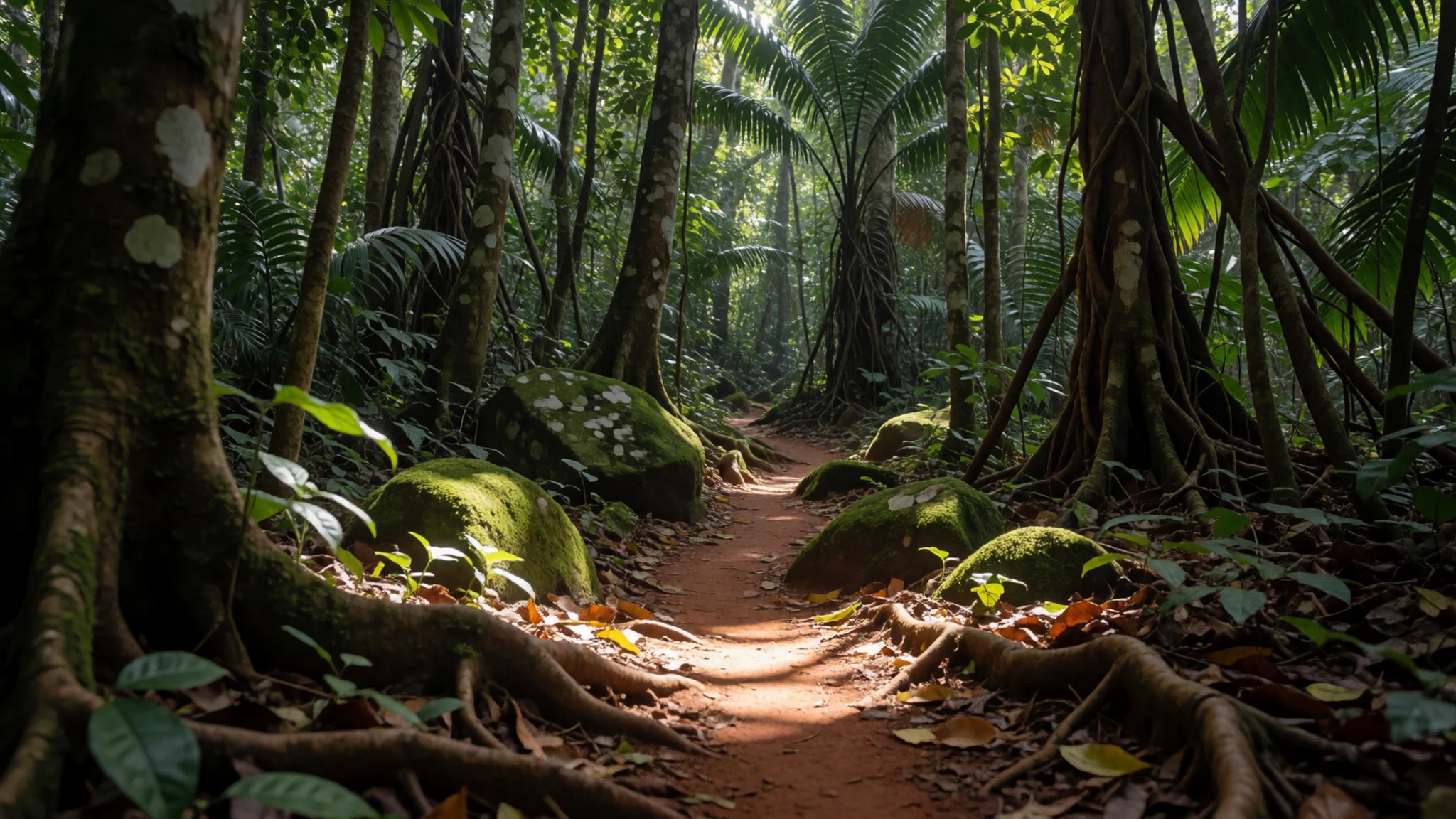
- Beau Vallon beach — North-west coast
Beau Vallon is the island's most popular bay, a long stretch of white sand with dive centres, water sports and a good choice of restaurants and bars. The swimming is easy in calm conditions, but check the sea before you go in. It gets crowded on weekends, so arrive early or visit on a weekday for more space.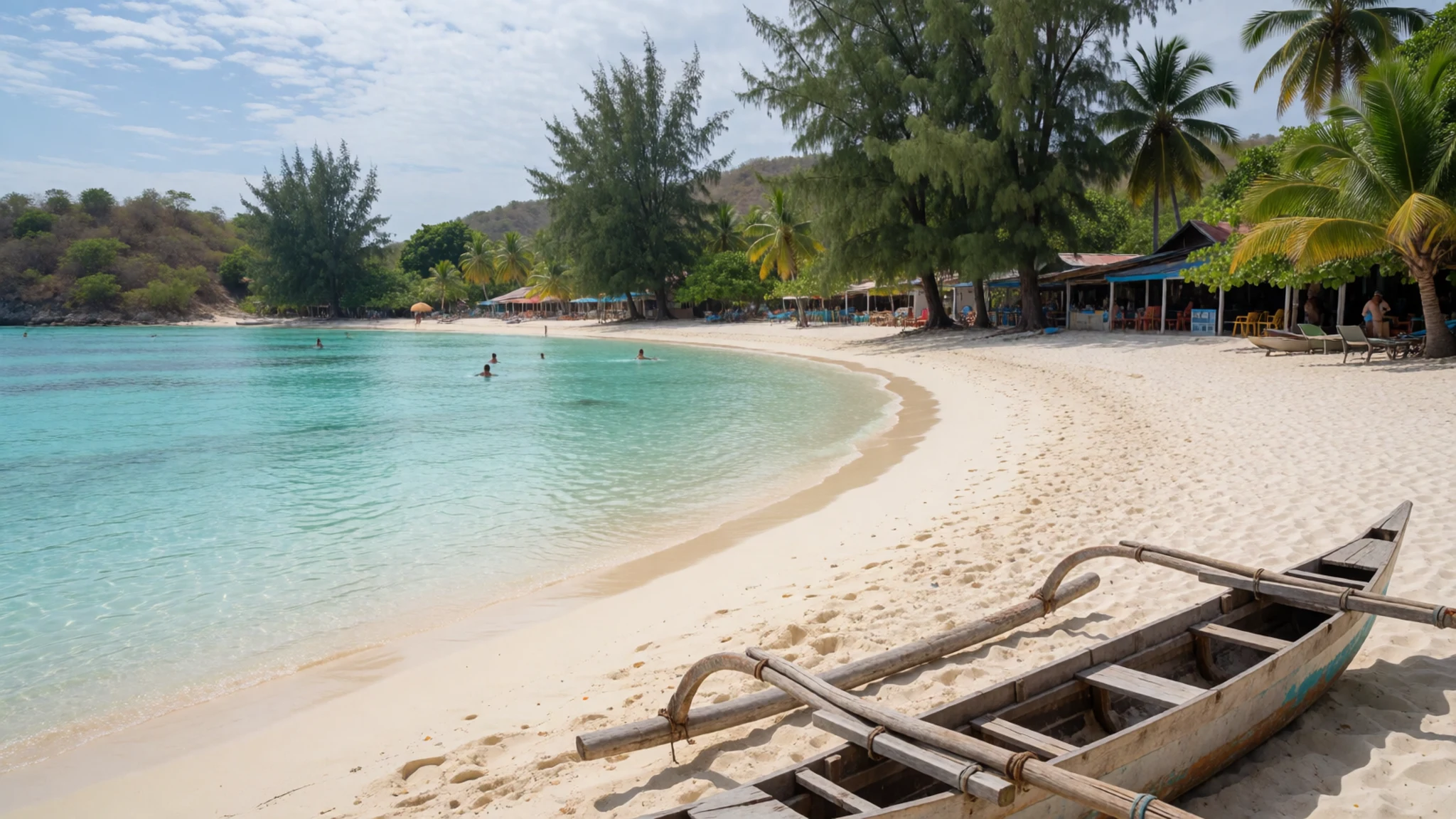
- Ste Anne Marine National Park — Offshore from the northeast coast, reached from Victoria
Six small islands sit about 5 kilometres off the northeast coast, and glass-bottomed boats run from Victoria to reach them in around twenty minutes. The water is clear over coral, with plenty of reef fish to see from the boat. Ste Anne Island was the first settlement in the islands, which gives the trip a historical side as well.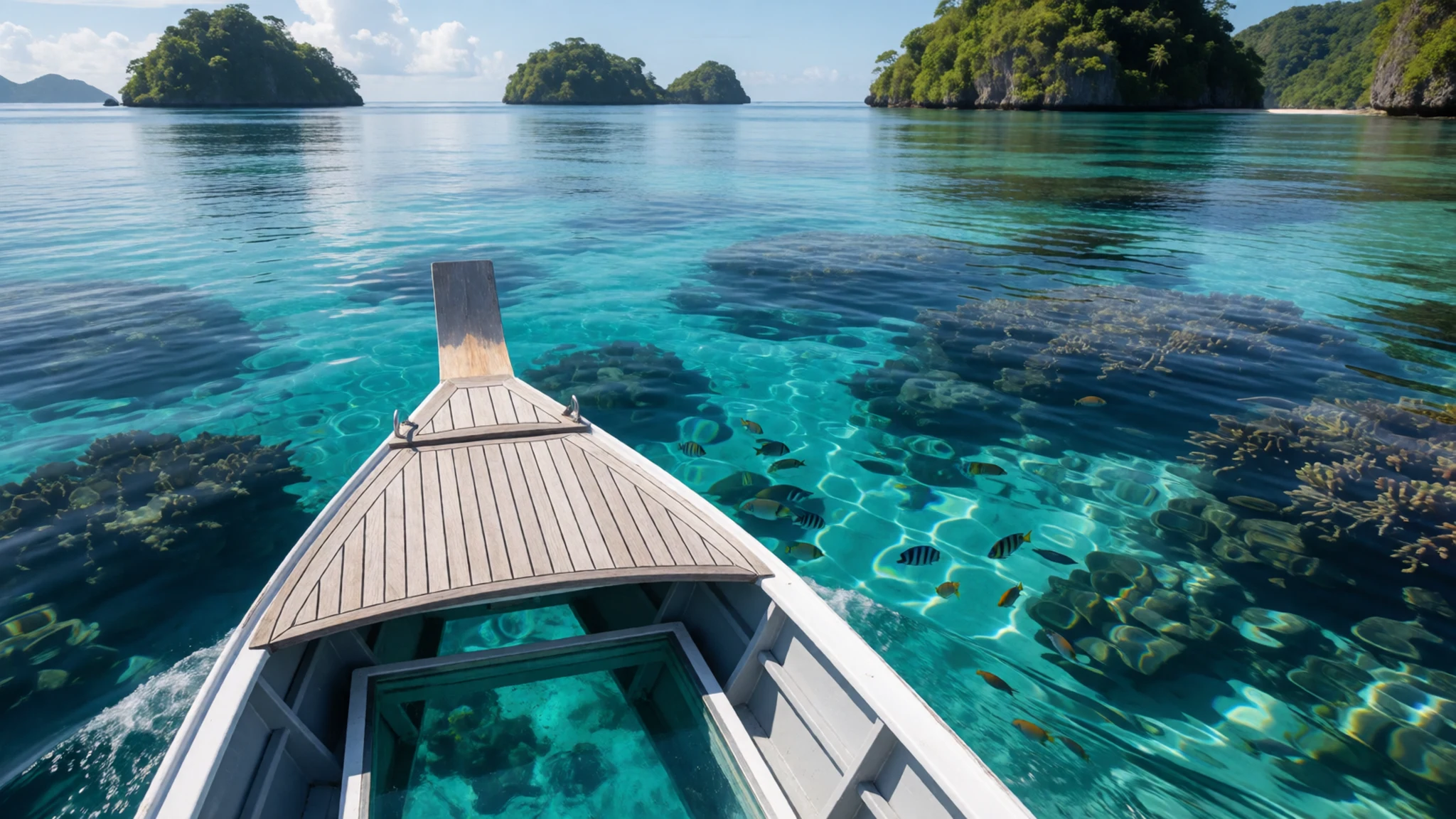
- National Botanical Gardens — Mount Fleuri, just outside Victoria
The gardens sit on Mount Fleuri just outside Victoria and are among the oldest national monuments in the country. They show native plants including the coco de mer, and they are home to giant tortoises and colonies of fruit bats. Go in the cooler morning, when the paths are shaded and the animals are more active.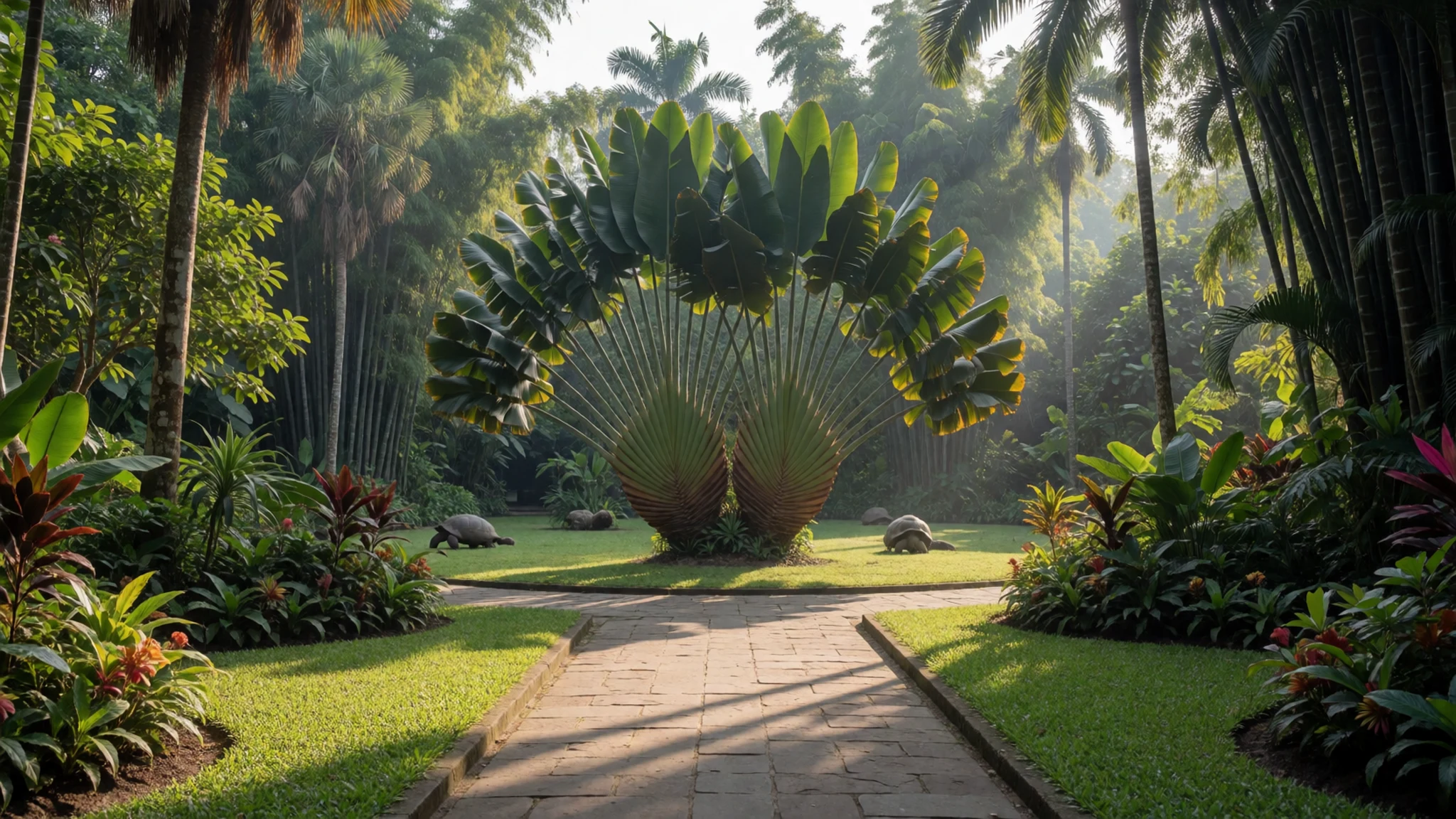
Culture
Mahé's culture is Creole, shaped by African, Malagasy, Indian, Chinese and European influences over the islands' settled history. Kreol is the everyday language for most people, and English and French are widely spoken, especially in shops and hotels. Churches are central to community life, and Sega music and dance remain part of celebrations and the wider Creole identity. Much of daily life revolves around the market, the village and the beach, and people tend to greet each other before any business. Visitors who take a little time with that rhythm usually find locals warm and talkative. Ask before photographing market sellers, fishermen or craftspeople, and keep your voice down and cover your shoulders when you visit a church.
What to wear
Traditional dress on Mahé draws on Creole and Indian Ocean styles. Women have long worn loose cotton dresses and wraps, and madras-check cotton, a light woven fabric also common across the wider region, appears in everyday clothing. Sega performers wear brightly coloured costumes for dancing, usually in cotton or simple fabrics that move well. In daily life, people now wear shorts, T-shirts, sundresses and sandals, with jeans and smarter clothes for church, offices and evenings out. Many men wear short-sleeved shirts in town and simple trousers for work. A visitor should pack light, breathable cotton or linen, a sun hat and high-factor sun cream. Swimwear is fine on the beach but should be covered when you walk into Victoria. Cover your shoulders and knees for churches and the botanical gardens' shaded paths. Bring sturdy closed shoes or trail shoes for the forest paths, plus reef shoes for rocky shorelines and boat trips.
What to eat
- Creole fish curry — Local eateries in Victoria and village restaurants
Fish cooked in a coconut and spice sauce is the everyday meal in Creole homes and many eateries. The curry is usually made with fish caught that morning and served with rice. Look for it at local restaurants away from the resort strip, where the cooking is more traditional and portions are generous.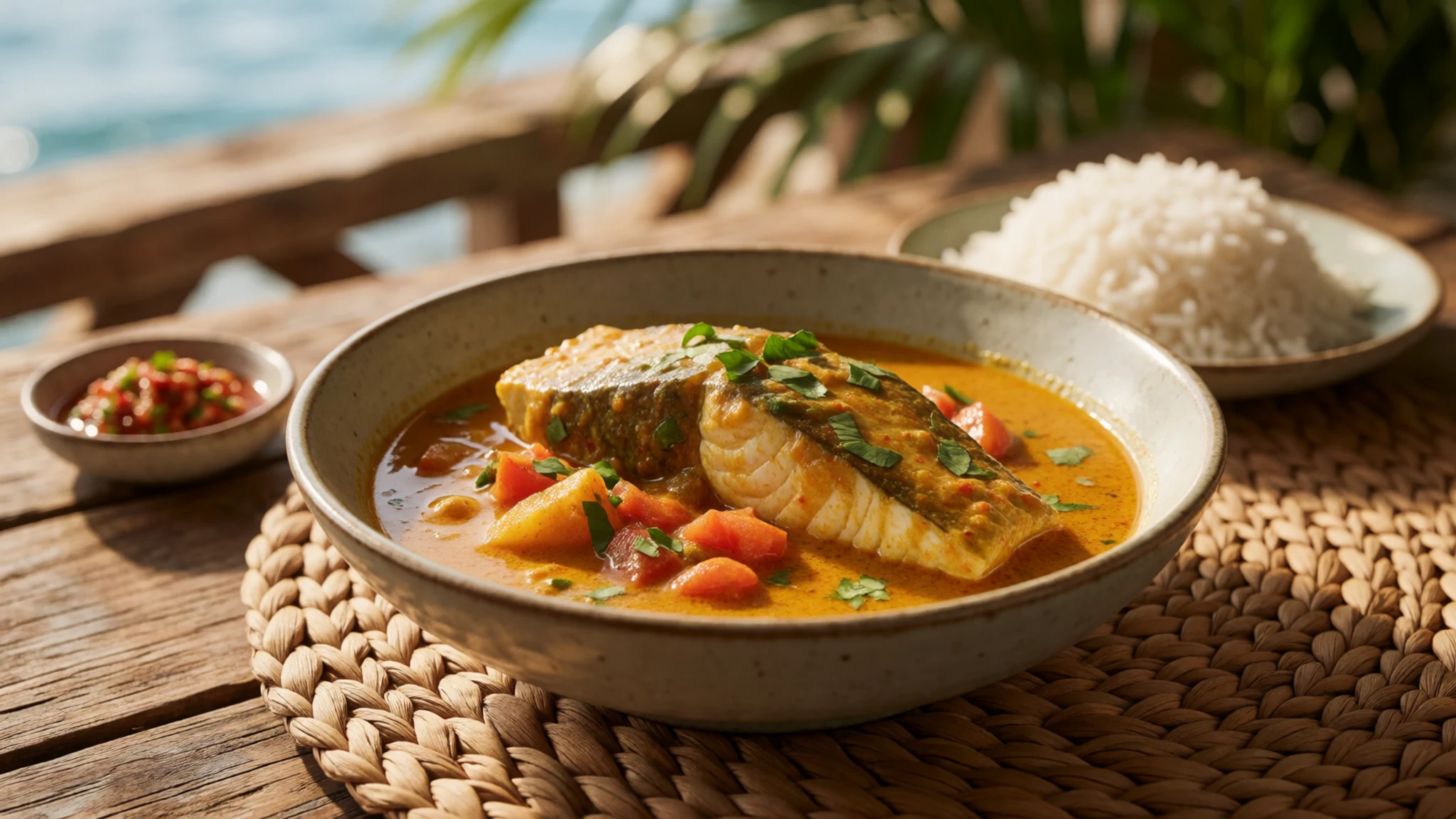
- Rougaille — Cafes and small restaurants in Victoria
This tomato-based stew, often flavoured with garlic, thyme and chilli, is a Creole staple that can be made with fish or sausage. It is served simply with rice and tastes sharper than many visitors expect. Ask for the fish version at a cafe or home-style restaurant to get the real local flavour.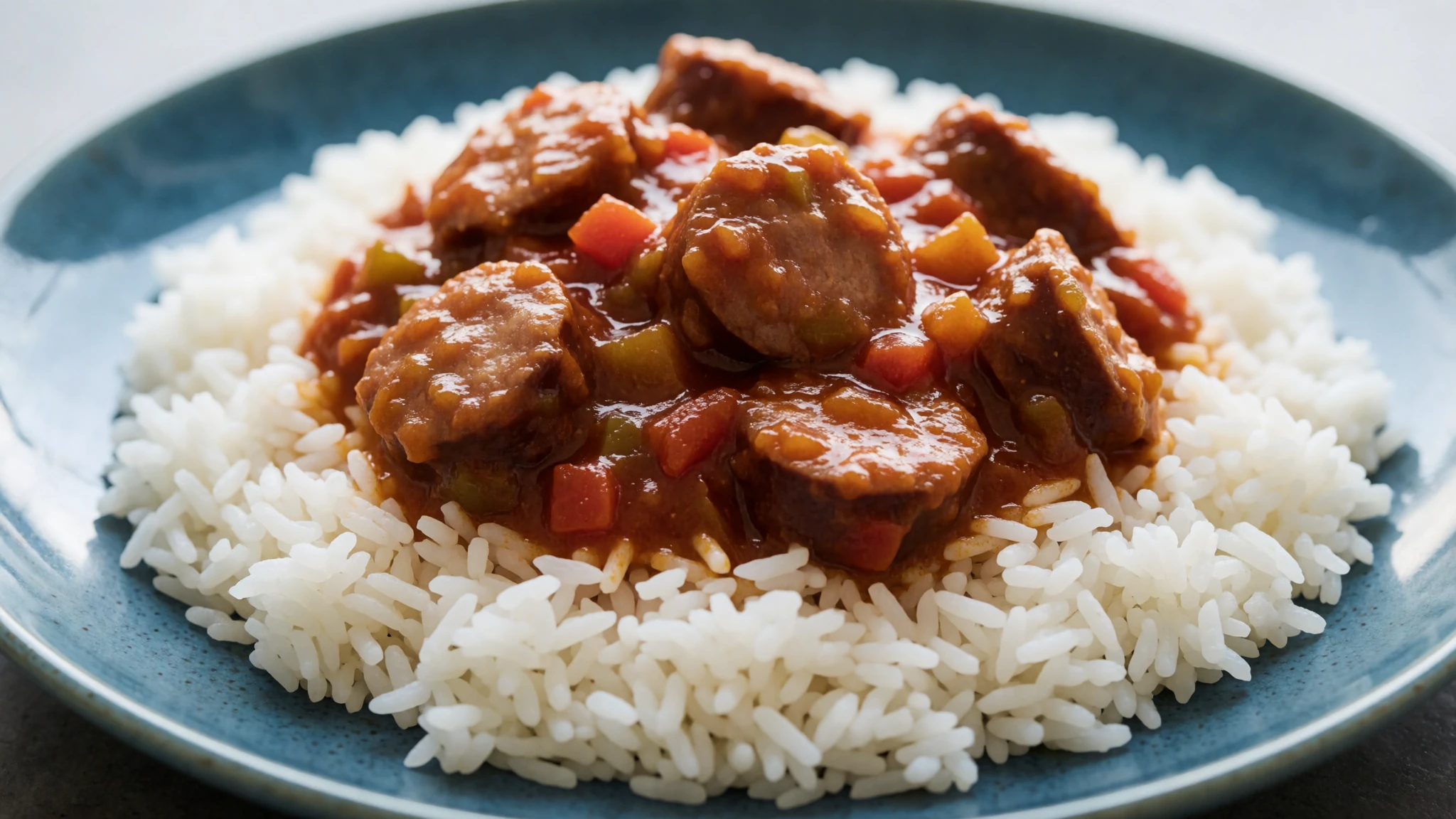
- Hot-rock barbecue — Beach-side restaurants on the west and north coasts
You cook your own fish, meat or seafood on heated stones at the table, which makes for a sociable and slightly theatrical meal. It is a good choice for groups and evenings near the coast. Book ahead on weekends, when the dining areas fill quickly. - Breadfruit — Home-style local restaurants and the Victoria market stalls
Breadfruit is cooked as a side dish, often boiled, fried or baked, and it is served alongside fish and curry. Its texture is starchy and mild, a little like potato. It turns up in home-style cooking and simple local restaurants and is worth trying as part of a plate. - Fresh fruit and spices from the market — Sir Selwyn-Clarke Market, Victoria
The market stalls sell tropical fruit, fish and island spices, and this is the best place to buy cinnamon, vanilla and pepper as gifts. Tasting a few fruits in the morning is a good way to learn the local varieties. Pay in cash for small purchases and carry it in your day bag.
Plan it
Best time. April–May and October–November, when the winds ease and the sea is usually calmer for diving and boat trips. June to August brings stronger south-east winds and some rough seas, and December to January is hot and wetter.
How long. 3–4
Getting there. Seychelles International Airport on Mahé receives flights from several European, Gulf and African hubs. From the airport take a pre-booked transfer or taxi to your accommodation, and for the outer islands take a ferry from Victoria.
Budget. mid
Tips
- Book airport transfers and boat trips before you arrive, especially for weekends and peak months
- Visit Victoria market before 10 am, when the stalls are fullest
- Go to Beau Vallon on a weekday if you want space on the sand
- Start Morne Seychellois trails early, before cloud builds over the peak
- Carry cash for market purchases and small vendors, and take plenty of water
Etiquette
- Ask before photographing people, especially at the market and in villages
- Cover your shoulders and knees when you enter churches
- Leave plants, shells and coral where you find them, particularly in national parks and marine parks
Nearby
Sources
- Wikidata Q219642 (CC0)
- Wikipedia: Mahé (CC BY-SA 4.0)
- Wikivoyage: Mahé (CC BY-SA 4.0)
- Seychelles, Petit Police, Mahé Island (Hansueli Krapf) (CC BY-SA 2.5)
- Seychelles, Mahé Island (Hansueli Krapf) (CC BY-SA 2.5)
- Plaque d'Inauguration du système d'AEP à partir du barrage Cascade vers Victoria (Lmulud) (CC BY-SA 4.0)
- Seychelles, approach into Mahé International Airport (Hansueli Krapf) (CC BY 3.0)
- Seychelles, view from Mahé to Silhouette Island (Hansueli Krapf) (CC BY 3.0)
- Seychelles, barge off the shore of Mahé Island (Hansueli Krapf) (CC BY 3.0)
- Seychelles, view from Mahé to Silhouette Island (Hansueli Krapf) (CC BY 3.0)
- Seychelles, barge off the shore of Mahé Island (Hansueli Krapf) (CC BY 3.0)


