Savannakhet
Savannakhet, Laos
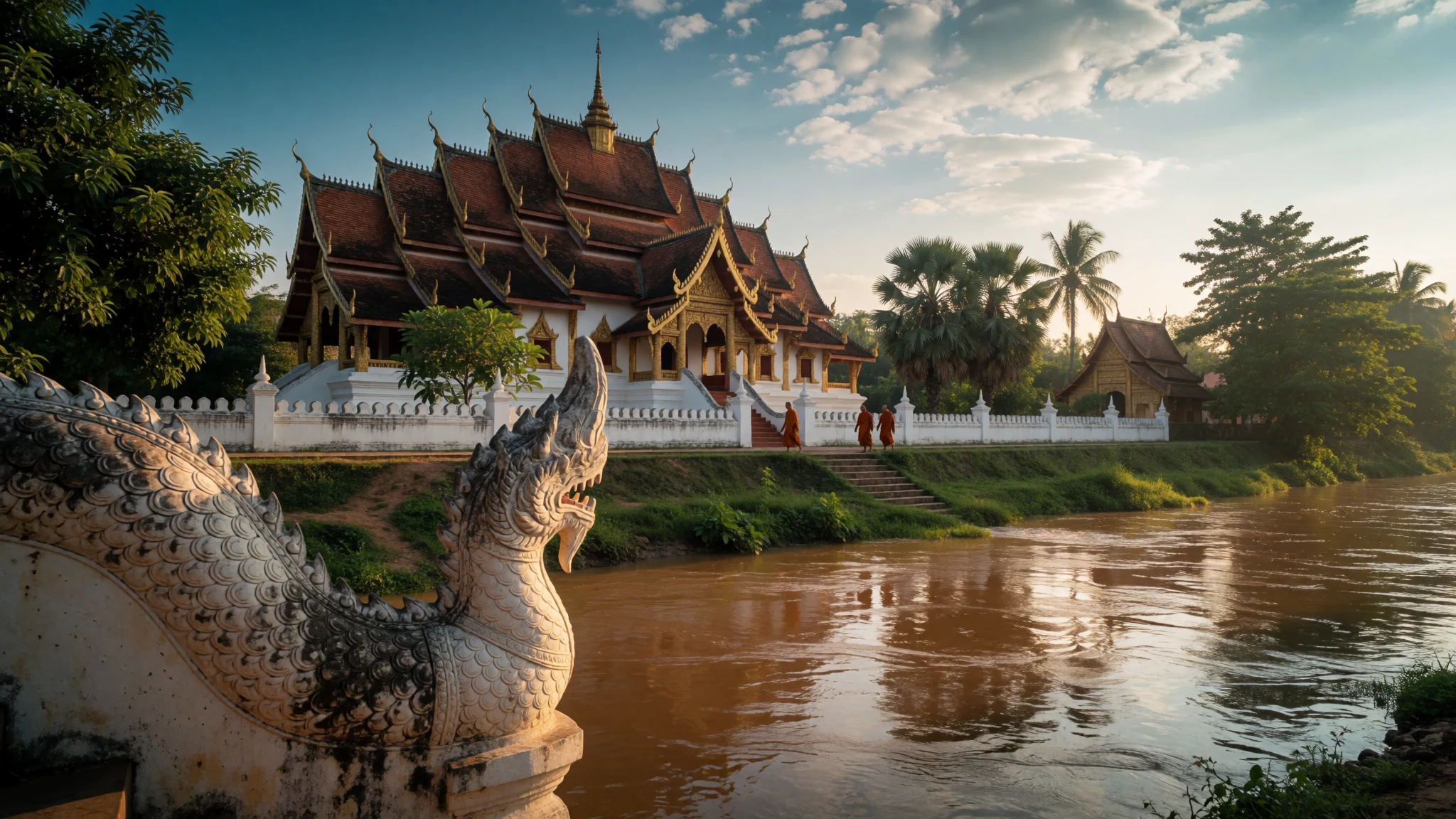
Savannakhet is a slow Mekong town of faded French shophouses, temples of several faiths and dinosaur bones, with almost no tourist bustle.
The place
Savannakhet, officially Kaysone Phomvihane (ສະຫວັນນະເຂດ in Lao script), sits on the Lao bank of the Mekong in the west of the country, about 144 metres above sea level. About 124,000 people live here, enough for a proper provincial capital, yet the pace is unhurried. Mornings start with monks on their alms round and baguette sellers setting up along the streets; by midday the heat pushes everyone into the shade and the town goes quiet until late afternoon.
The centre is compact and flat. Shuttered colonial-era shophouses line the streets around a central plaza and a Catholic church, and temples of several traditions stand within a short walk of one another: Lao, Chinese and Vietnamese Buddhist, plus a mosque. That mix suggests a place that has long been a crossing point. Thailand is just over the water, and a road bridge now carries lorries and travellers to Mukdahan on the far bank.
What Savannakhet lacks is a tourist circuit. There is a casino out on the edge of town, but little nightlife, and far fewer foreign visitors than Luang Prabang or Vang Vieng see. Most people who arrive are breaking a journey between Vientiane and the south, or crossing from Thailand, and many stay longer than planned. Dinosaur figures now decorate parts of town, a cheerful nod to fossils dug up in the province. Guesthouses, cafés and riverside bars cluster in the old core, so most things can be done on foot or by bicycle. Beyond the centre, forest reserves and a pilgrimage stupa justify hiring a driver for a day.
Its story
Savannakhet's own account begins, probably in the 17th century, with families who left the village of Phonsim, a short distance to the east, and settled beside the Mekong. The river gave the settlement its purpose: a landing for goods and a natural place to cross between what are now Laos and Thailand. Temples followed, and the riverside Wat Sayaphoum still works today as both a place of worship and a school for novice monks.
The French colonial period, which left its strongest mark through the middle of the 20th century, brought administrative buildings, shophouses with tall shutters, and a Catholic church that was completed in 1920. The Chinese and Vietnamese temples point to merchant and settler communities who also made the town home, and the mosque adds another thread. None of this was planned as a heritage showpiece; the buildings simply stayed in use, and many are now faded and charming.
The town has carried more than one name. Khanthaboury and Savannakhet were both used before the city was renamed Kaysone Phomvihane, after a leader of the Lao revolution, though most Lao people and nearly every sign for visitors still say Savannakhet. In recent decades a newer chapter has been added. Dinosaur bones found in the province gave the town a theme, and a museum and street decorations now celebrate it. Meanwhile the Second Thai–Lao Friendship Bridge has turned an old river crossing into a modern trade route, bringing Savannakhet back into the traffic of the region.
What to see
- Wat Sayaphoum — Riverfront, city centre
A temple on the Mekong bank in the middle of Savannakhet, with ornate roofs and a calm courtyard. It doubles as a school for novice monks, so expect saffron robes, lessons and bells rather than a museum hush. Early morning is the best time, when the light is soft and the heat has not arrived.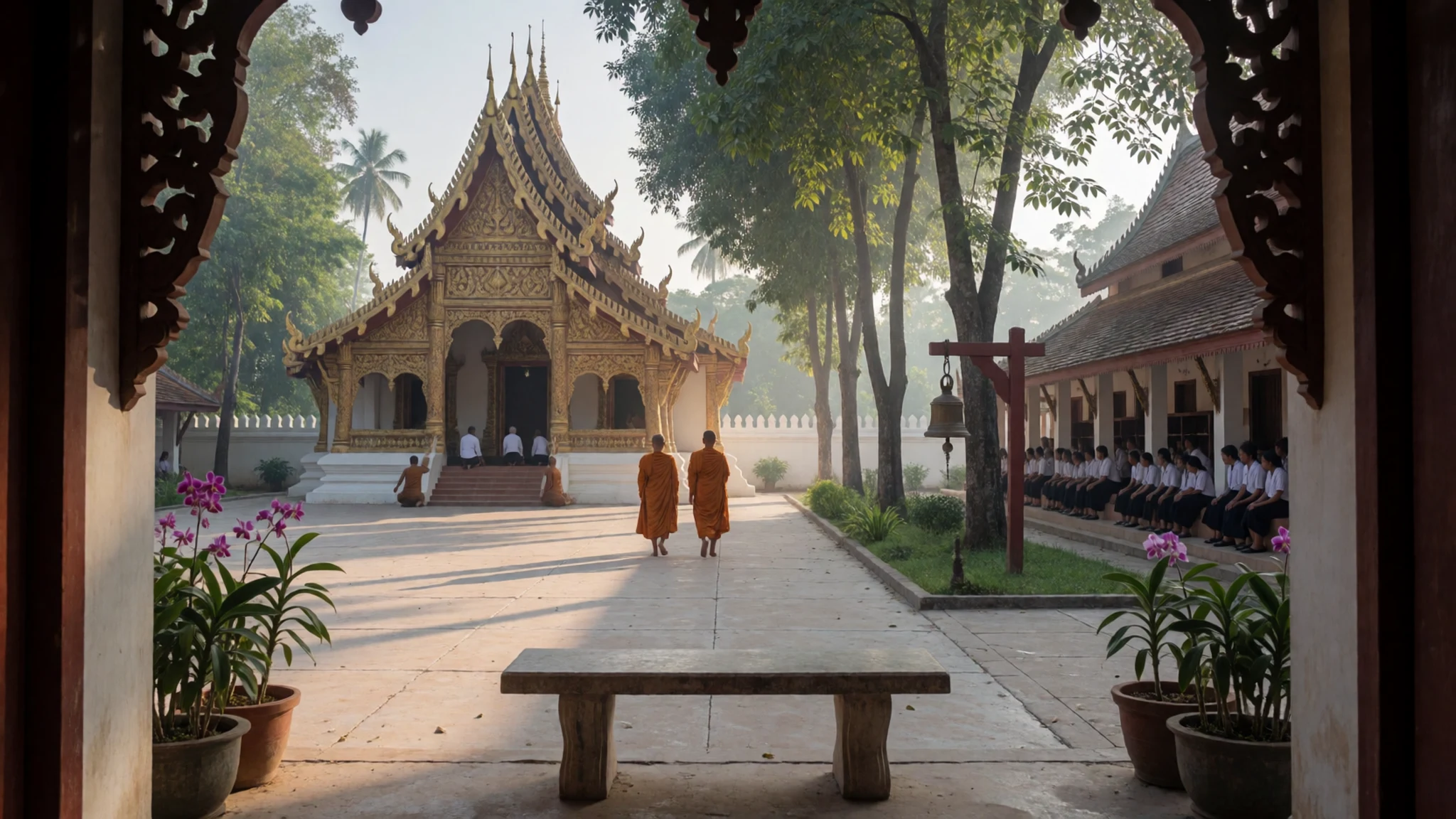
- Old French colonial quarter and St Therese Co-Cathedral — Central plaza
Around the central plaza and the Catholic church stand shuttered shophouses and municipal buildings from the French era, many peeling and some restored. The cathedral dates from 1920. A slow loop on foot takes under an hour, and a small private exhibition on the old town adds context to the facades.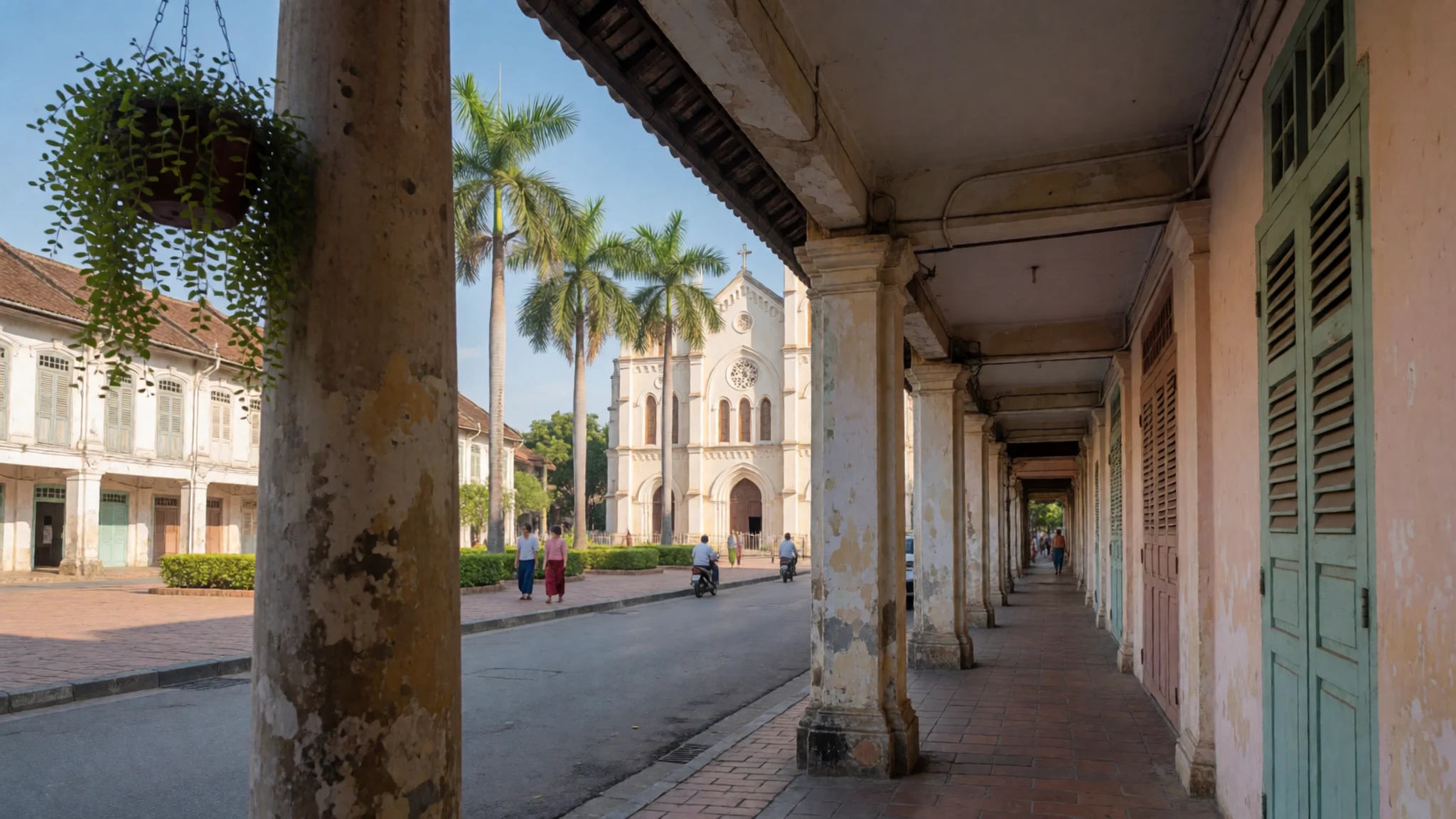
- Dinosaur Museum — Near the riverfront
A small museum of fossils excavated from Xonbouly District, with two rooms of bones that Lao speakers call big-lizard bones. Three kinds of dinosaur have been identified, among them Iguanodon and a sauropod. It is modest in scale, best treated as a short, quirky stop between temples.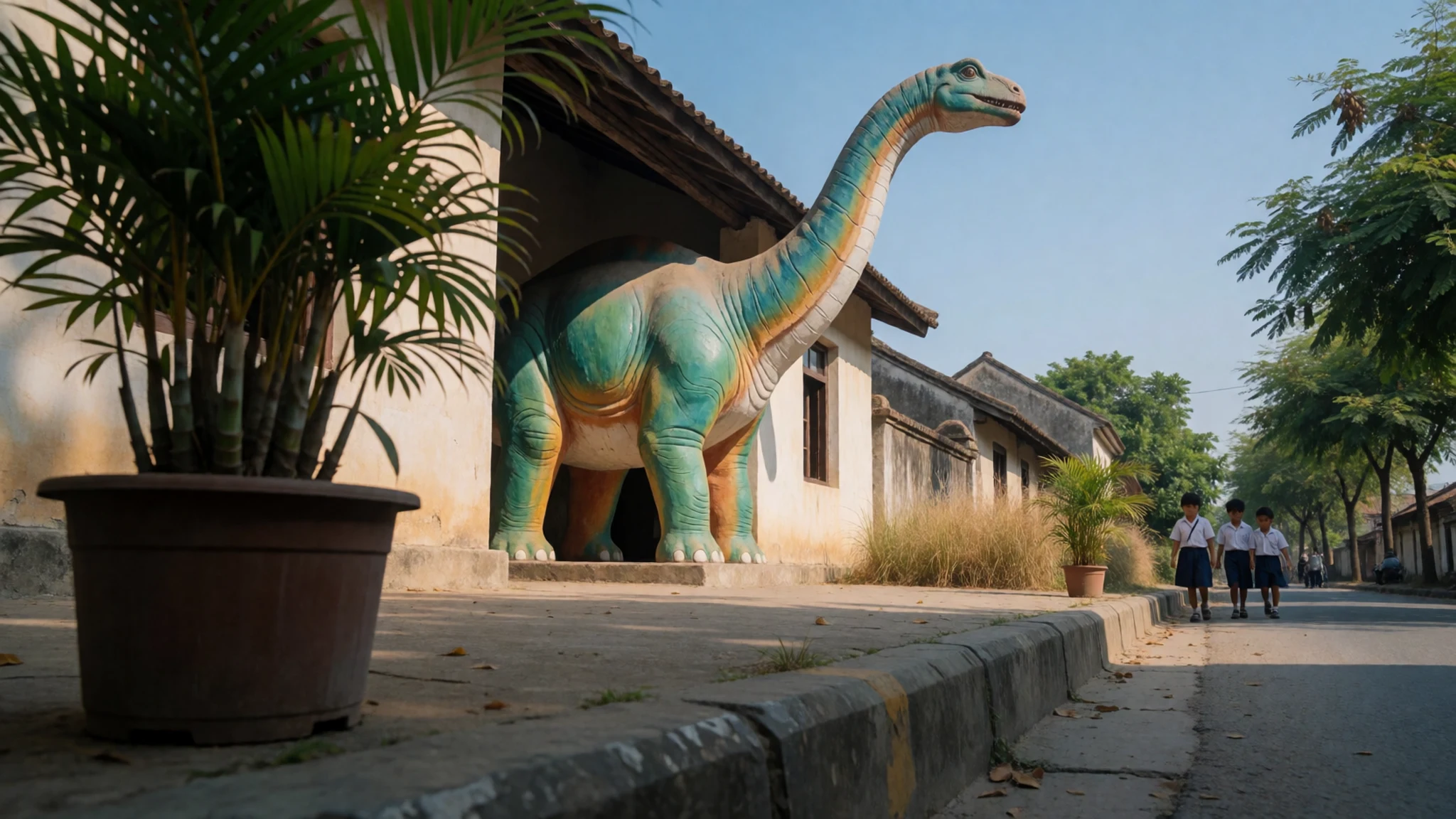
- Chinese and Vietnamese Buddhist temples — Old town streets
Two temples show how far the town's communities reach beyond Lao tradition. The Chinese temple has bright decoration and incense coils, while the Vietnamese temple, Chùa Diệu Giác, follows its own architectural style. Both are quick to visit, quieter than major sights elsewhere, and rewarding for anyone interested in the town's mixed past.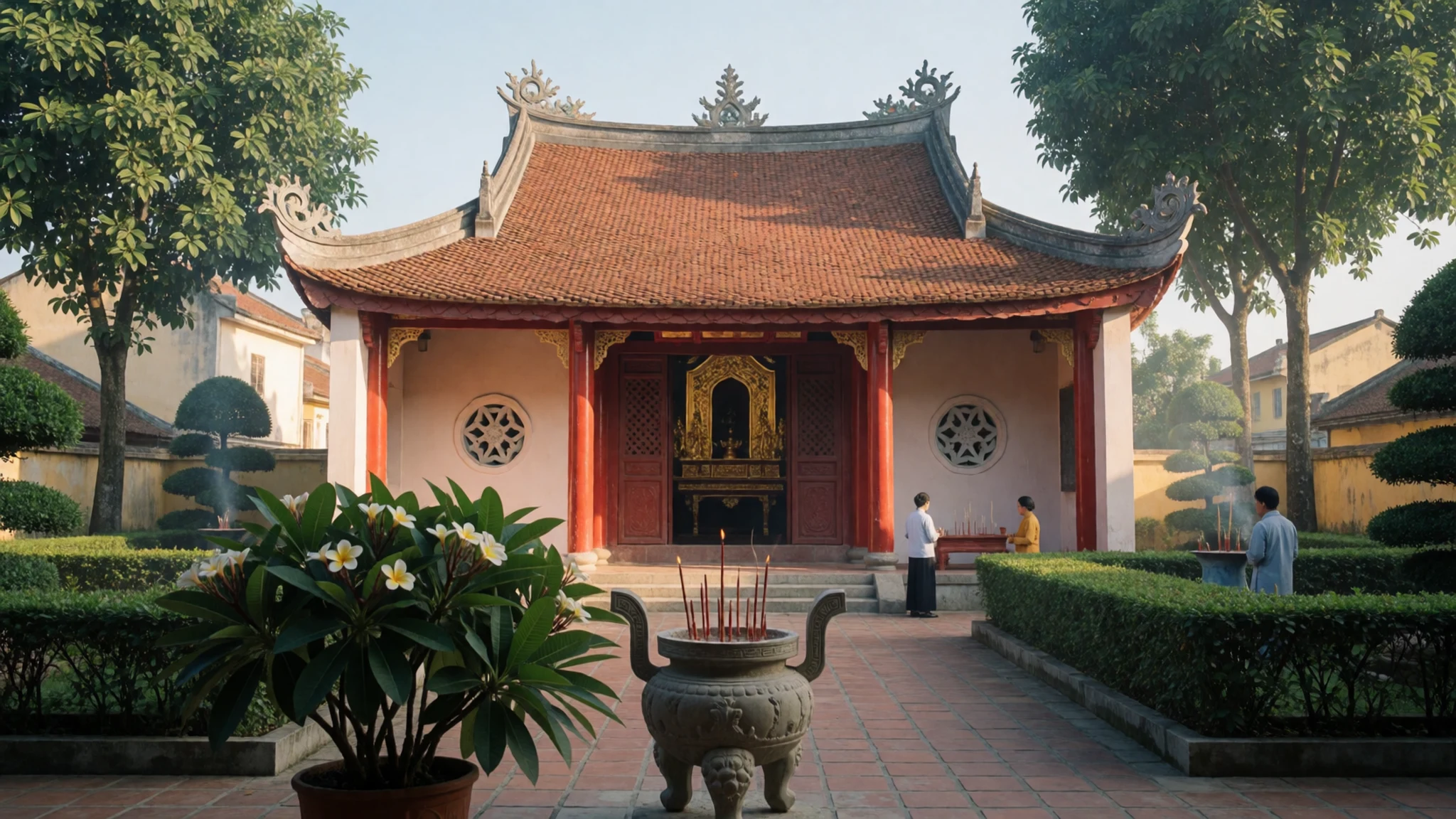
- That Ing Hang Stupa — North of the city
A stupa dating from around the 16th century, north of the centre, and an important pilgrimage site for Lao Buddhists. Crowds gather each December for the Boun Pha ceremony; outside that month it is peaceful. Reaching it means a short drive or motorbike taxi, so combine it with the forest reserve nearby.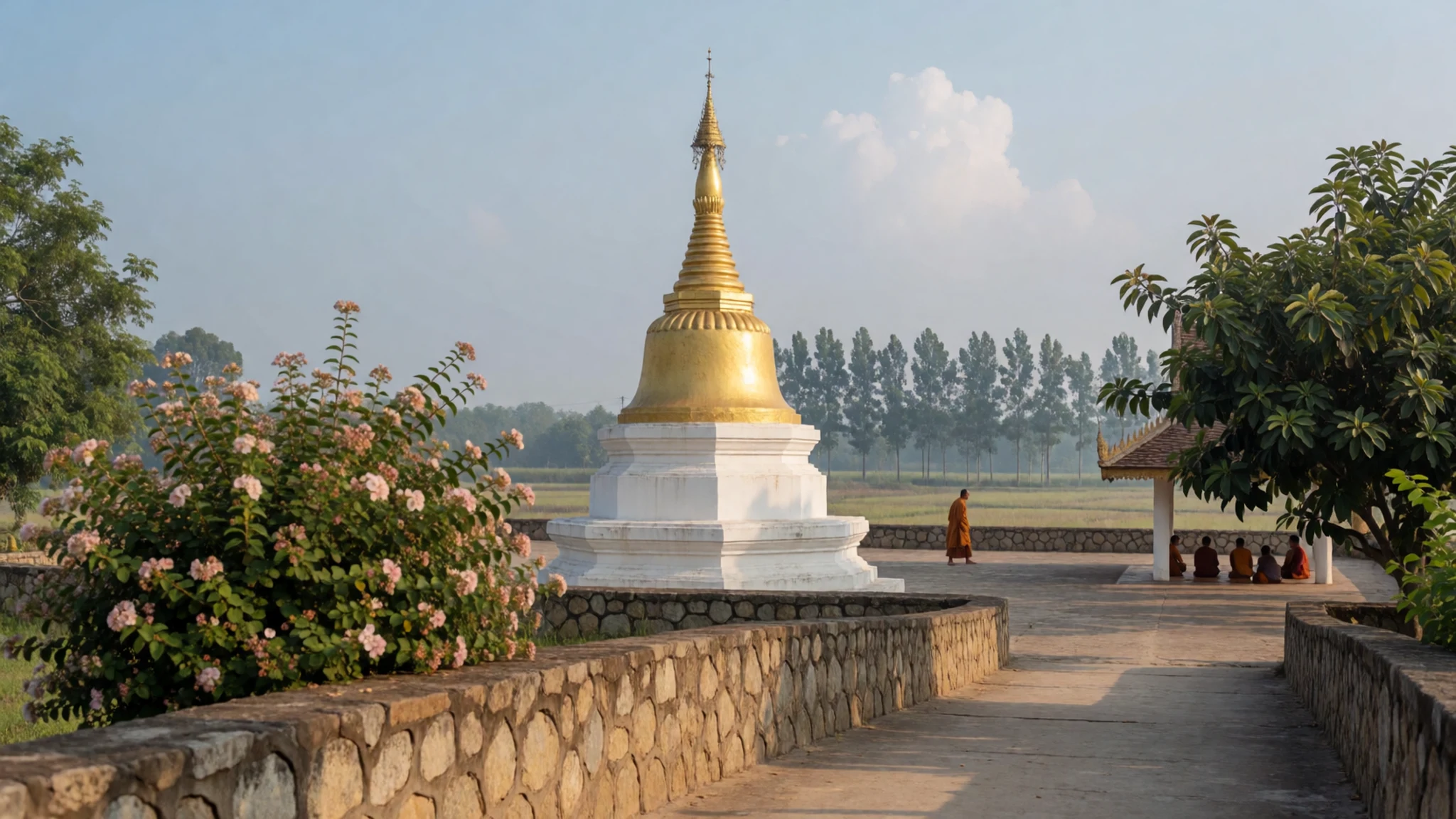
- Dong Natad Forest — North of the city
A provincially protected forest of about 8,300 hectares that includes two villages and a lake called Nong Lom. Birdwatchers can look for teal and other waterbirds, and butterflies are common. It suits a half-day with a local guide or driver; bring water, sun protection and insect repellent.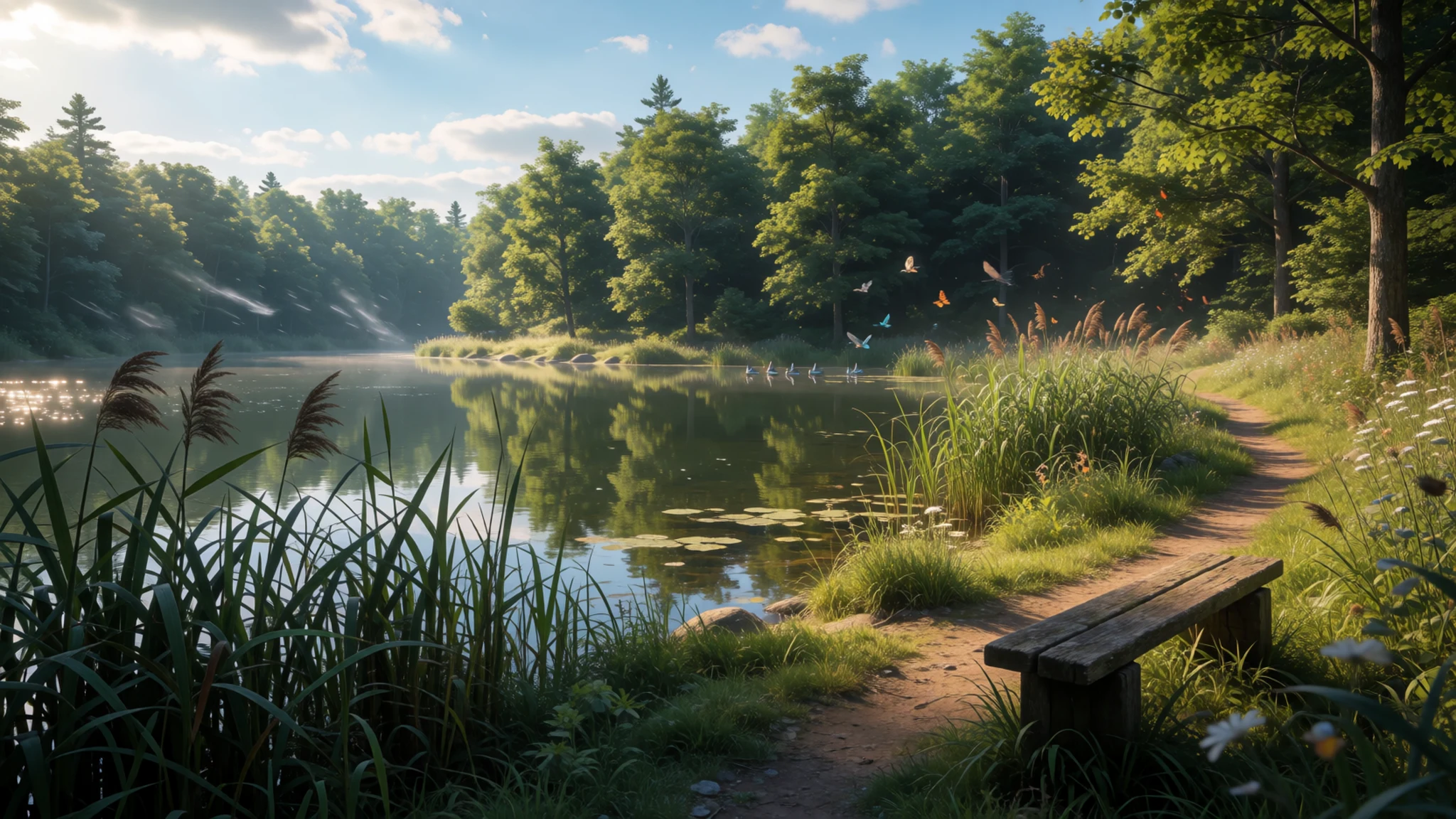
Culture
Savannakhet's everyday culture is shaped by Lao Theravada Buddhism, and the rhythm of the town follows the temples. Monks walk the streets at dawn collecting alms, novices study at Wat Sayaphoum, and families mark festivals and life events with blessings and string-tying ceremonies. In December, pilgrims travel to That Ing Hang Stupa for the Boun Pha ceremony, when the countryside seems to come to town.
The place is also more mixed than a first glance suggests. Chinese and Vietnamese temples, a Catholic co-cathedral and a mosque all stand within the town, and the French colonial years have left their mark in architecture, baguettes and a taste for coffee. Hospitality is warm but low-key. People greet with palms pressed together and a soft sabaidee, and visitors are more likely to be invited to sit and chat than to be sold anything.
Lao social manners favour calm and patience. Raised voices and visible irritation are considered poor form, and a smile solves a surprising number of problems. The head is regarded as the highest part of the body and the feet as the lowest, so avoid pointing your feet at people or at images of the Buddha. Take your shoes off before entering any temple hall, cover your shoulders and knees, and ask before photographing monks or people at prayer.
What to wear
Traditional dress in Savannakhet follows the wider Lao pattern. Women wear the sin, a tubular wrap skirt of woven silk or cotton, often with a patterned band at the hem, and for ceremonies add a pha biang, a narrow decorated sash worn over one shoulder. Many weavers in the region use natural fibres and handloom patterns that vary by family and village. These clothes appear at weddings, temple festivals and national events, and the sin is also standard for schoolgirls, teachers and office staff.
On an ordinary day, most people dress for heat and motorbikes: cotton shirts, T-shirts, trousers, simple dresses and sandals. Younger people lean towards Thai and wider Asian street style, and helmets and light jackets are common on the roads. The town is relaxed, but beachwear on the street looks out of place.
Visitors should pack light, loose clothing in cotton or linen, because the climate is hot with distinct wet and dry seasons. For temples and for the stupa, wear tops that cover the shoulders and trousers or skirts below the knee, and carry a scarf for extra cover. Shoes need to slip off easily, since they come off at every temple door. Sturdy sandals or trainers suit the cracked pavements, and a hat, sunscreen and a light rain jacket earn their space in the bag.
What to eat
- Baguette with pâté or eggs — Street vendors along Ratsavongseuk Street
A legacy of the French era, Savannakhet's baguette is crisp outside and soft within, filled with pâté, scrambled egg or jam. It makes a cheap, quick breakfast, usually eaten standing beside the vendor's cart before the day gets hot.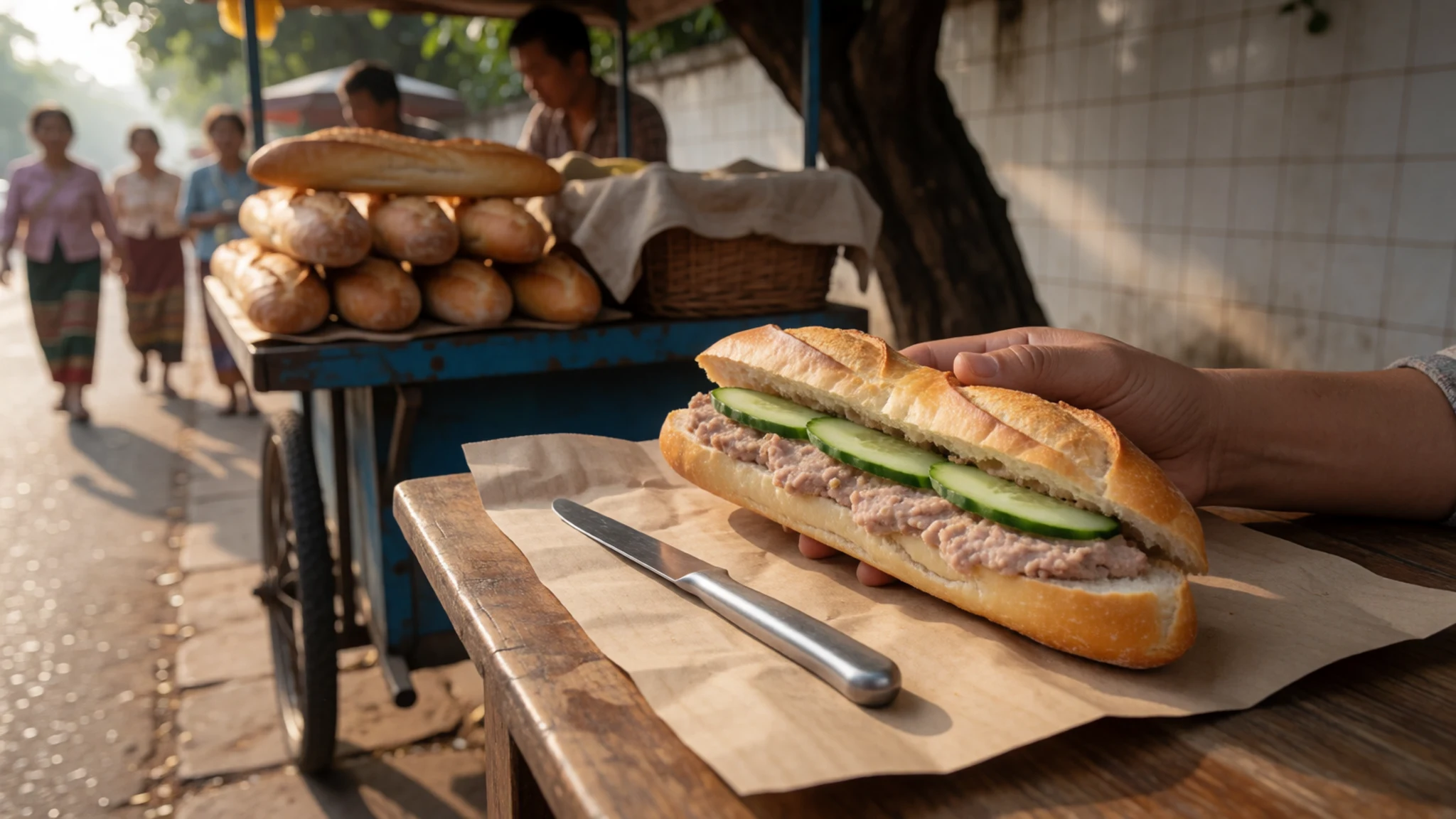
- Roti — Street vendors in the town centre
Thin, griddled flatbread sold hot from stalls, often folded around sweet fillings such as condensed milk or banana. It is a popular snack at any time of day and an easy way to try local street food without commitment.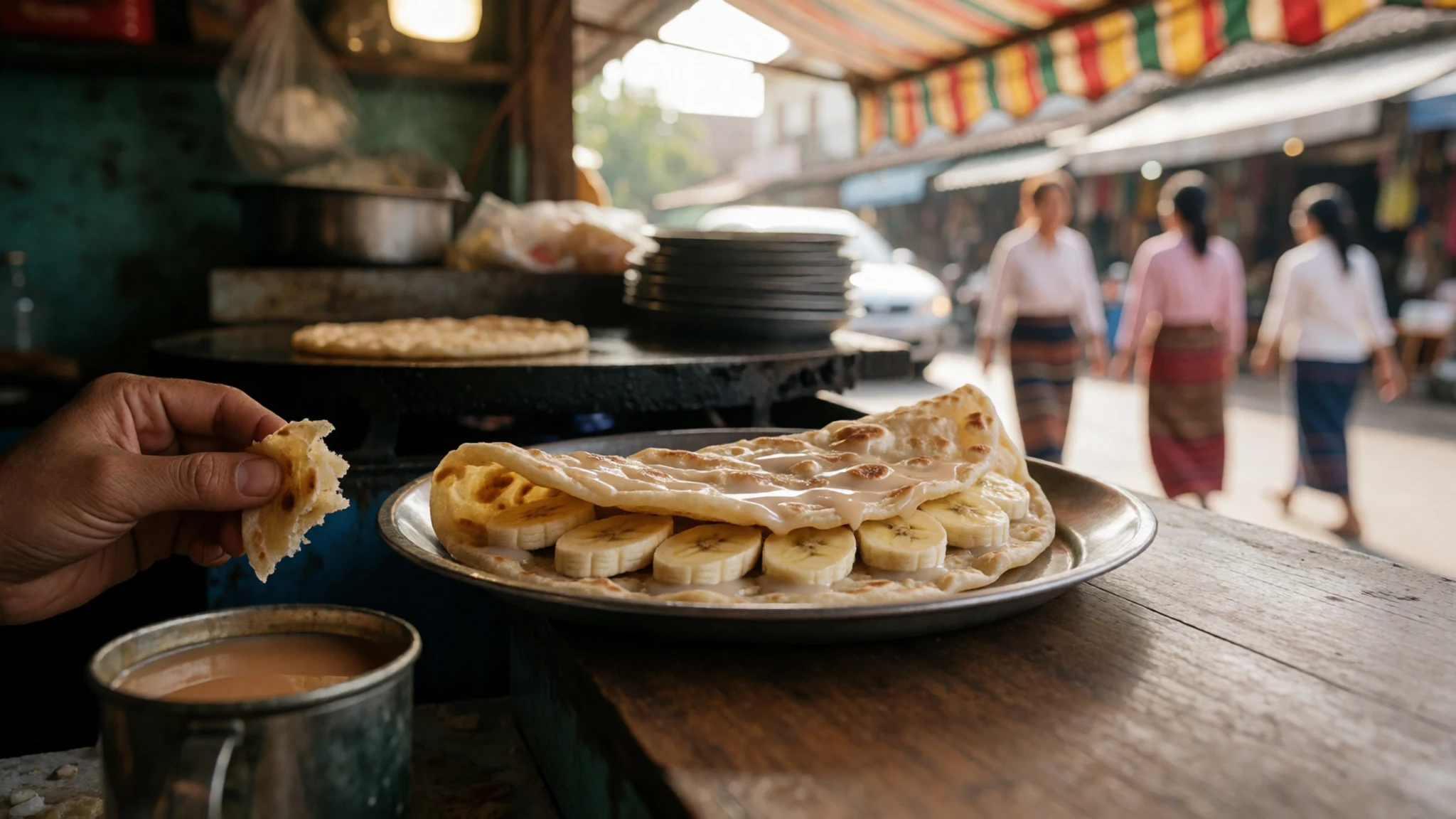
- Chilli-basil frog — Restaurants just north of the guesthouse area
A stir-fry of frog with chilli and fragrant basil, bold in heat and aroma, and usually shared with sticky rice. It is a regional favourite worth ordering if you are adventurous, and tends to appear on the menus of mid-range eateries. - Hot pot and fondue — Mid-range riverside restaurants
Communal cooking at the table: a pot of simmering broth or melted cheese with vegetables, meat and noodles for dipping. It suits a group on a cool evening in the dry season and shows how Lao, Vietnamese and French habits overlap here. - Lao coffee, hot or iced — Cafés on the riverfront and around the old centre
Grown in the highlands of southern Laos, Lao coffee is strong, dark and often served iced with condensed milk. It is the natural companion to a baguette, and a good reason to linger at a café during the afternoon heat. - French set lunch — French restaurants in the old town
A few restaurants in town serve classic French dishes in multi-course lunch menus, a reminder of the colonial legacy. They offer a quiet, comfortable break from the heat, and are well suited to visitors who want something different from noodle soup.
Plan it
Best time. November to February is the most comfortable stretch, with the drier, cooler weather of Savannakhet's tropical savanna climate and December's Boun Pha ceremony at That Ing Hang. March to May turns very hot, and the wet season from June to September brings heavy rain and muddy forest tracks.
How long. 1–2
Getting there. Savannakhet's own airport (ZVK) is not far from downtown, with flights from Vientiane on Lao Airlines and Lao Skyway; check current schedules with the airlines. Long-distance buses run from Vientiane, taking most of a day, and services between Vientiane and Pakse often stop here. From Thailand, the Second Thai–Lao Friendship Bridge links Mukdahan to the town.
Budget. low
Tips
- Walk the old town and temples early in the morning or late afternoon, when it is cooler.
- Carry cash for street vendors, small cafés and market stalls, as cards may not be accepted.
- Take care on the pavements, as there are holes that can drop into drains, and stick to well-lit roads after dark.
- Hire a driver or guide for Dong Natad Forest and That Ing Hang Stupa, which are outside the centre.
- Bring water, insect repellent and sun protection, especially for forest visits.
Etiquette
- Remove shoes before entering temple halls and dress modestly, with shoulders and knees covered.
- Ask before photographing monks or people praying, and keep your voice low in temple grounds.
- Keep calm and smile if something goes wrong; showing anger is considered bad manners.
Nearby
Sources
- Wikidata Q750443 (CC0)
- Wikipedia: Kaysone Phomvihane (city) (CC BY-SA 4.0)
- Wikivoyage: Savannakhet (CC BY-SA 4.0)
- Photo: Savannakhet1.JPG (Public domain)
- Photo: Savannakhet VatXaiyaphoum2 (Tango7174) (CC BY-SA 2.5)
- Photo: Savannakhet ChineseTemple2 (Tango7174) (CC BY-SA 1.0)
- Photo: Savannakhet Chùa Diệu Giác (Tango7174) (CC BY 3.0)
- Photo: 68 cartes postales du Laos (033 of 138) (Public domain)
- Photo: 68 cartes postales du Laos (035 of 138) (Public domain)
- Photo: 68 cartes postales du Laos (037 of 138) (Public domain)
- Photo: 68 cartes postales du Laos (105 of 138) (Public domain)


Wildlife
- Teal (animal)
Picture a small, wandering duck that breeds far to the north and flies south when winter comes: that is the Eurasian teal. Savannakhet's birdwatchers can search for it alongside other waterbirds, though the notes name no spot or time of day, so a local guide is your best help. Watch from a good distance, move slowly, speak softly, and never offer it food. - Eurasian teal (bird)
Picture a small, wandering duck that breeds far to the north and flies south when winter comes: that is the Eurasian teal. Savannakhet's birdwatchers can search for it alongside other waterbirds, though the notes name no spot or time of day, so a local guide is your best help. Watch from a good distance, move slowly, speak softly, and never offer it food.