Khone Phapheng Falls
Khone Phapheng Falls, Laos
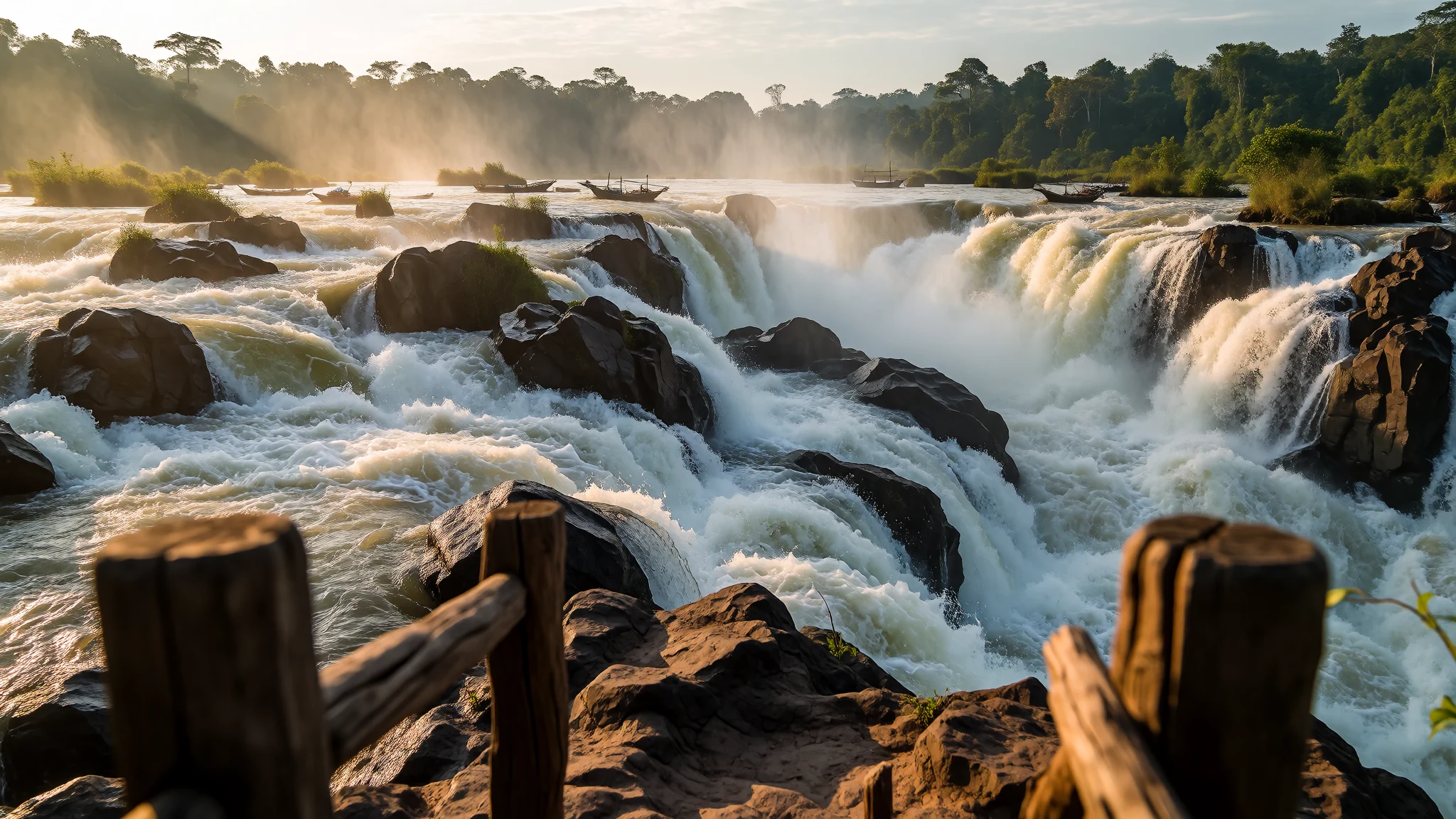
Witness the sheer power of the world's widest waterfall, where the mighty Mekong River shatters into a labyrinth of thunderous cataracts and tropical islands.
The place
Khone Phapheng Falls sits in the deep south of Laos, in Champasak Province, right near the border with Cambodia. This natural wonder is formed by a complex network of channels and innumerable islets that split the Mekong River into a breathtaking aquatic maze known locally as Si Phan Don, or the four thousand islands. At this dramatic geological step, the river crashes down through a succession of roaring rapids and cascades, creating a permanent mist that rises above the tropical canopy. The sheer volume of water pushing through these basalt rock formations makes it an unforgettable spectacle, far removed from the quiet pastoral idyll found on the nearby riverbanks. Visitors standing at the viewing platforms hear the relentless roar of the current long before the churning white water comes into view. The surrounding landscape remains heavily tied to the river's rhythms, with traditional fishing communities casting nets from precarious wooden platforms amidst the roaring spray. Unlike narrow, sheer-drop cataracts, the majesty of Khone Phapheng lies in its immense breadth and ferocious, untamed energy, stretching across the landscape in a chaotic display of natural might. The air stays humid and thick with moisture, and the surrounding jungle teems with the sounds of insects and rushing water. It is a place that demands respect from every traveller who visits its shores, showcasing the raw, unfiltered force of mainland Southeast Asia's greatest river system as it fights its way south toward the sea.
Its story
The history of Khone Phapheng Falls is deeply intertwined with the shifting kingdoms and trade routes of the Mekong basin. In ancient times, the surrounding region fell within the realm of Chenla, with early capitals like Shrestapura established nearby around the sacred slopes of Vat Phou. Between the tenth and thirteenth centuries, the area was absorbed into the vast and powerful Khmer Empire, leaving behind stone temples and architectural influences that still resonate across Champasak Province. Following the contraction of Khmer power, the area was populated by various ethnic groups, including the Kuy people, whose linguistic roots connect back to ancient Cambodia. The Lao people arrived in significant numbers around seventeen hundred following the fragmentation of the Lan Xang Empire, as communities migrated south from Vientiane to establish the new kingdom of Champasak. This southern polity retained its independence for a time, ruled first by a revered monk and later by royal descendants before being subdued by neighboring Siam in seventeen seventy-eight. The colonial era brought French surveyors and administrators who sought to tame the Mekong for steamship navigation, only to discover that the massive drop and turbulent rapids at Khone Phapheng made it completely impassable. This natural barrier permanently halted colonial dreams of an uninterrupted water route from the South China Sea into the heart of China, preserving the falls as an insurmountable frontier. Today, the local river communities continue to live in harmony with these ancient currents, relying on seasonal fish migrations and river trade that have sustained generations of families along the southern banks.
What to see
- Khone Phapheng Main Cataract — Champasak Province
Khone Phapheng Falls showcases its raw power at the primary viewing platforms, where walkways lead visitors close to the roaring white water. Wooden observation decks offer safe vantages over the churning channels and basalt boulders, allowing travellers to feel the mist and hear the deafening roar of the world's widest river cascade.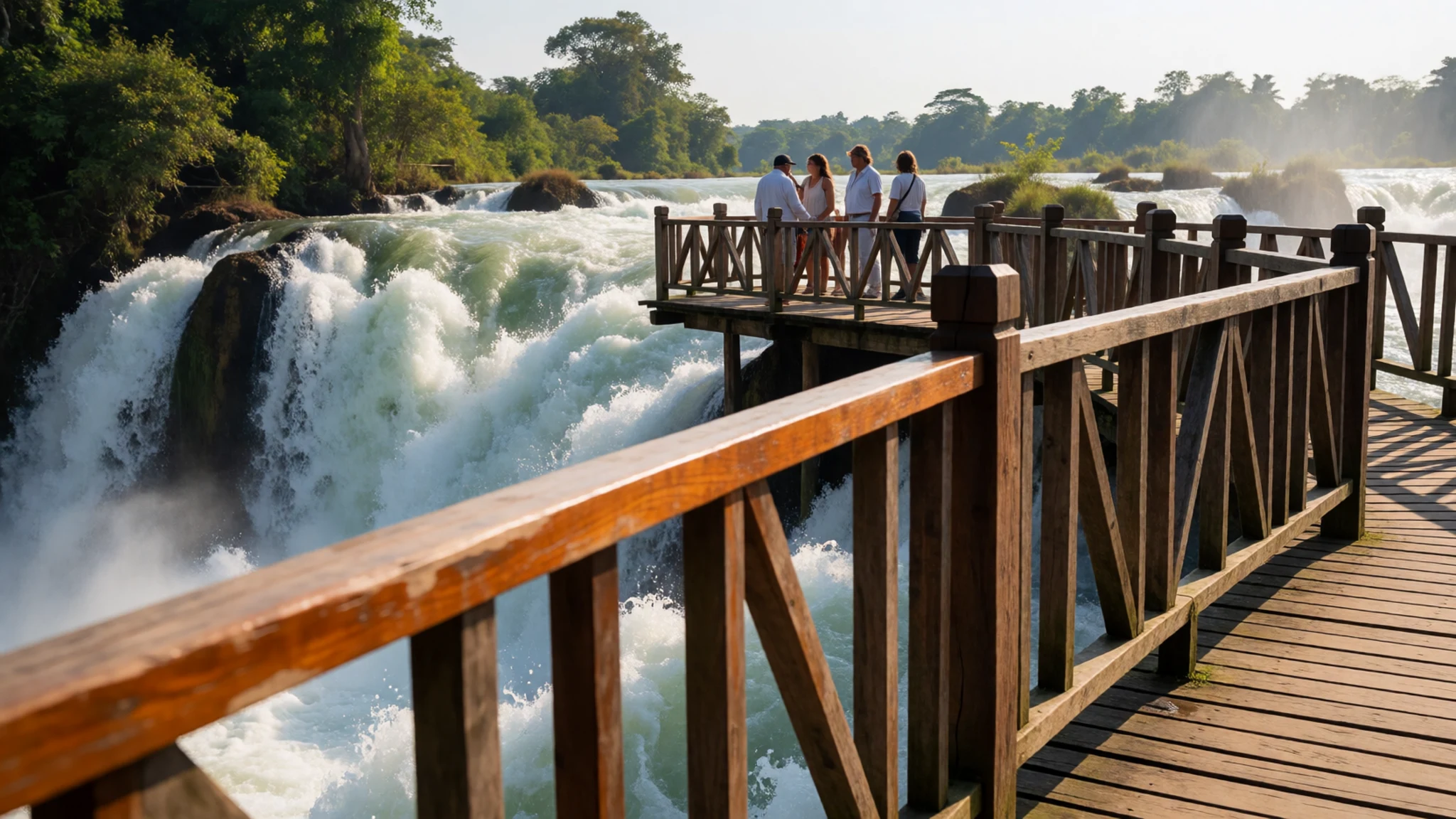
- Si Phan Don Islands — Mekong River Southern Channels
Khone Phapheng Falls is complemented by the relaxed riverine lifestyle of the four thousand islands region nearby. Islands like Don Det and Don Khon invite visitors to slow down, rent bicycles, explore old French colonial railway remnants, and watch local fishermen cast traditional nets from wooden boats.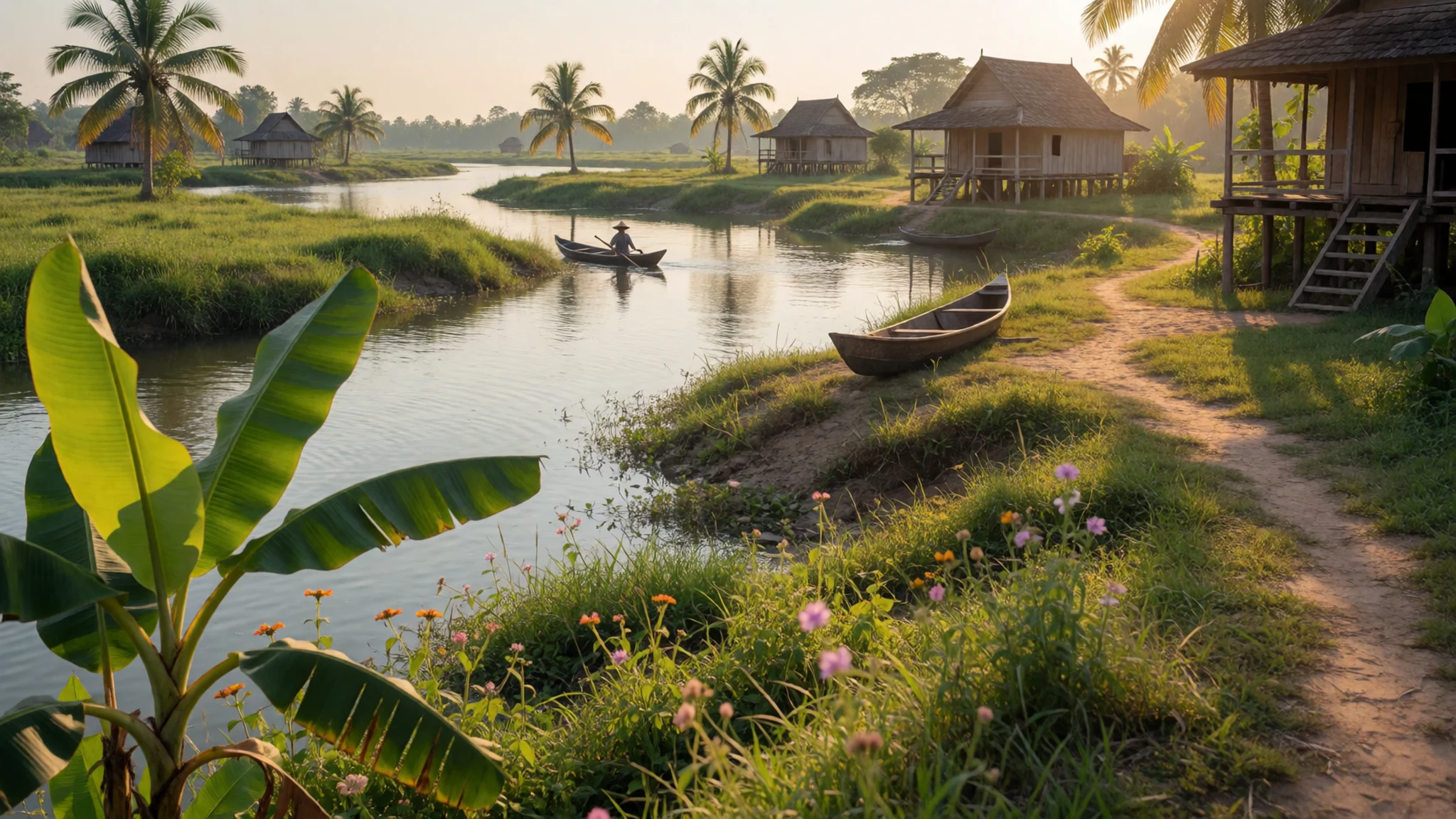
- Wat Phu Temple Ruins — Champasak District
Khone Phapheng area heritage extends north to Wat Phu, a ruined twelfth-century Hindu temple complex built against a sacred mountain. Constructed during the height of the Khmer Empire and later adapted for Buddhist worship, the atmospheric stone shrines feature intricate carvings and commanding views over the surrounding floodplain.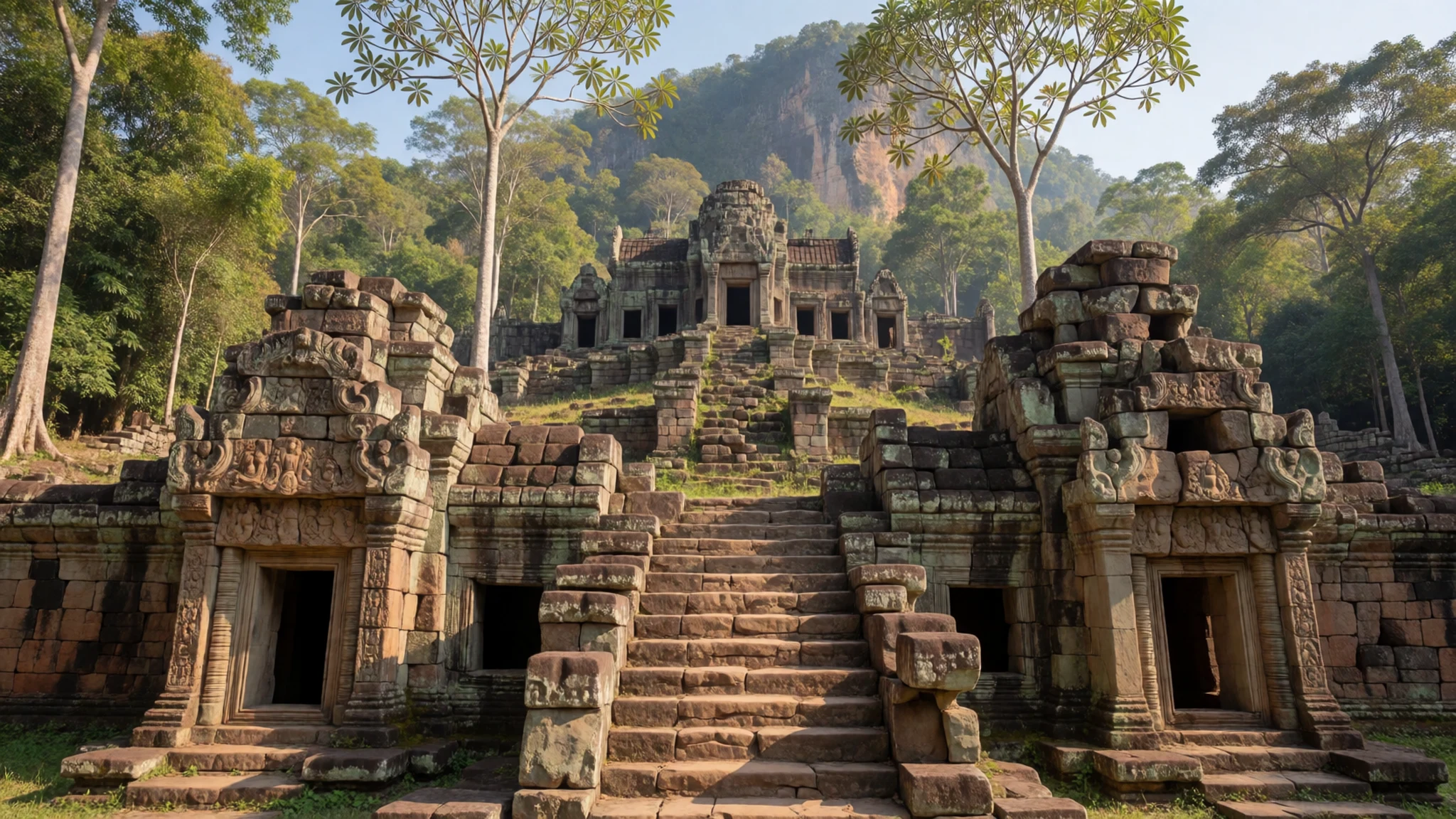
- Champasak Provincial Loops — Champasak Countryside
Khone Phapheng visitors often take advantage of the regional road network by embarking on scenic motorbike loops across the province. These routes wind past rural farming villages, local coffee plantations, and quiet river crossings, providing an authentic look at everyday life in southern Laos away from the main tourist hubs.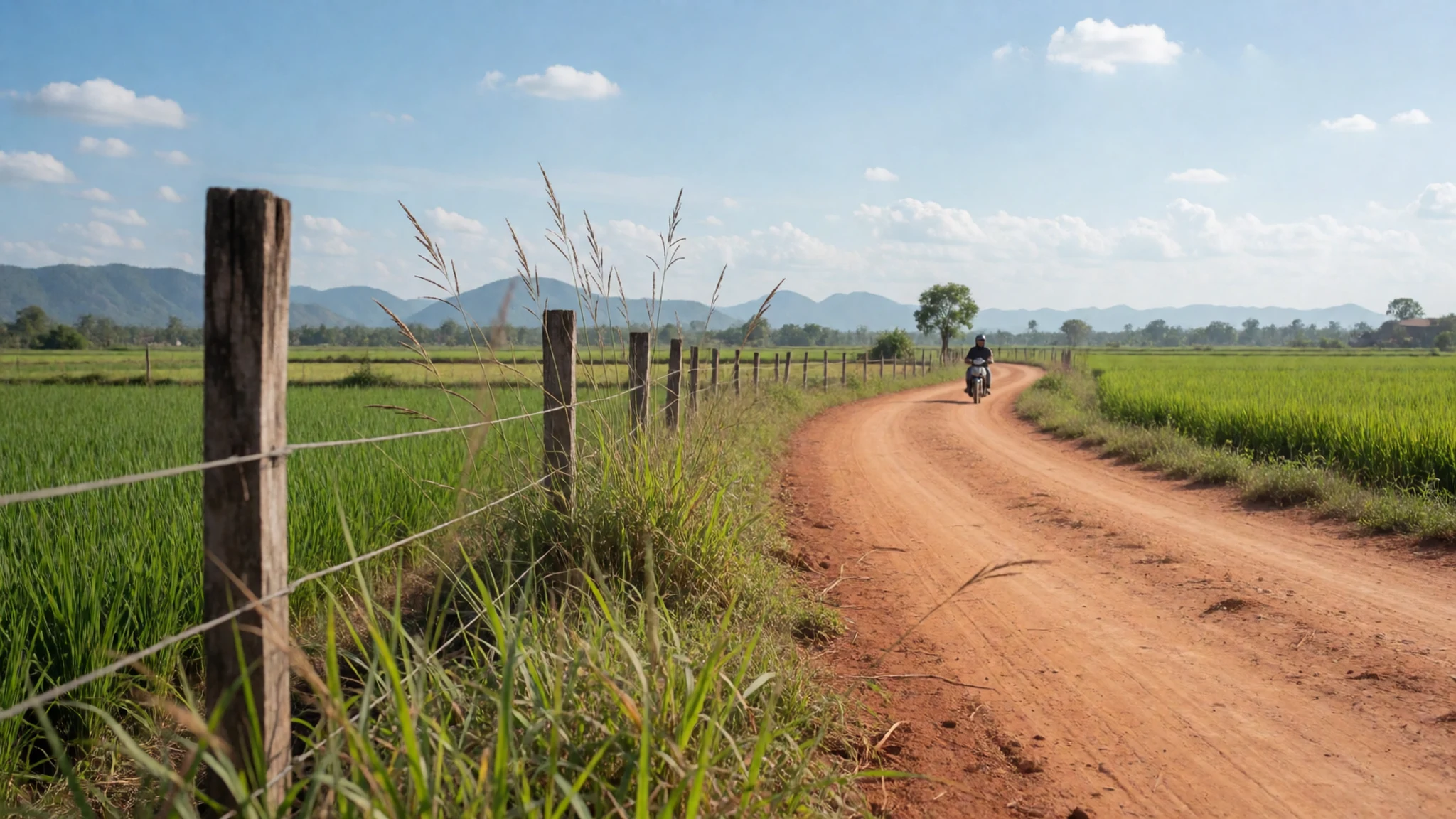
Culture
Khone Phapheng Falls and the wider Champasak region reflect a deeply spiritual culture where traditional Buddhist practices blend harmoniously with ancient animist beliefs concerning river spirits and sacred nature. Local communities along the Mekong maintain strong ties to communal traditions, celebrating seasonal festivals that honor the river's bounty and the ancestral spirits guarding the waters. Hospitality is considered a fundamental virtue among the Lao people, and visitors are met with gentle courtesy, warm smiles, and a generally relaxed pace of life. Traditional music, woven textiles, and family-centered village life remain central to the cultural identity of southern Laos. When visiting local communities, sacred sites, or rural temples near Khone Phapheng Falls, always dress modestly by covering your shoulders and knees to show respect for local customs and religious traditions.
What to wear
Khone Phapheng fashion blends practical tropical attire with traditional Lao garments worn during ceremonies and festivals. Traditional dress for women features the sinh, a tubular ankle-length silk or cotton skirt woven with intricate geometric patterns, paired with a fitted blouse and a decorative sash draped over one shoulder. Men typically wear simple trousers and shirts for daily work, donning traditional silk shirts or ceremonial tunics for weddings and religious holidays. In contemporary daily life across southern Laos, younger generations and urban residents dress in casual western-style clothing such as t-shirts, jeans, and lightweight shorts, though modesty remains valued in rural districts. Travellers visiting Khone Phapheng Falls and the surrounding region should prioritise lightweight, breathable fabrics like cotton and linen to cope with the tropical heat and high humidity. Sturdy walking shoes or sandals with good grip are essential for navigating damp wooden boardwalks, uneven stone steps, and muddy river paths near the cascades. Always pack a lightweight waterproof jacket or poncho during the rainy season, along with a wide-brimmed hat and effective sun protection for outdoor exploration.
What to eat
- Mekong River Fish — Riverside restaurants and village eateries
Khone Phapheng local cuisine heavily features freshwater fish caught directly from the turbulent Mekong channels. Prepared grilled with local lemongrass and herbs or simmered in aromatic broths, these dishes showcase the fresh, earthy flavors prized by river communities throughout southern Laos.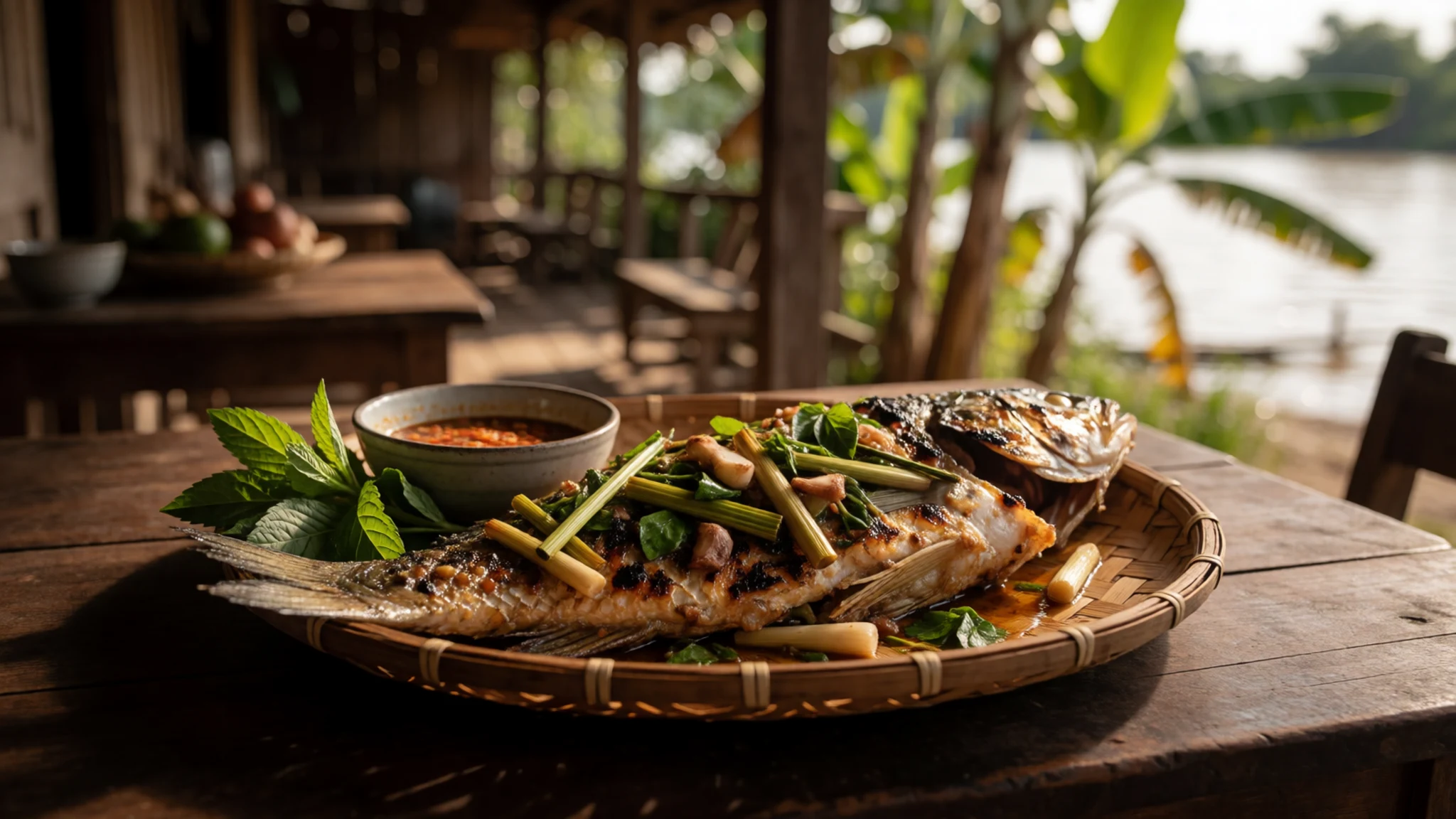
- Sticky Rice (Khao Niao) — Every local restaurant and roadside stall
Khone Phapheng meals are anchored by sticky rice, served warm in small woven bamboo baskets. Diners roll small portions into balls by hand and use them to scoop up spicy dips, curries, and savory local river preparations.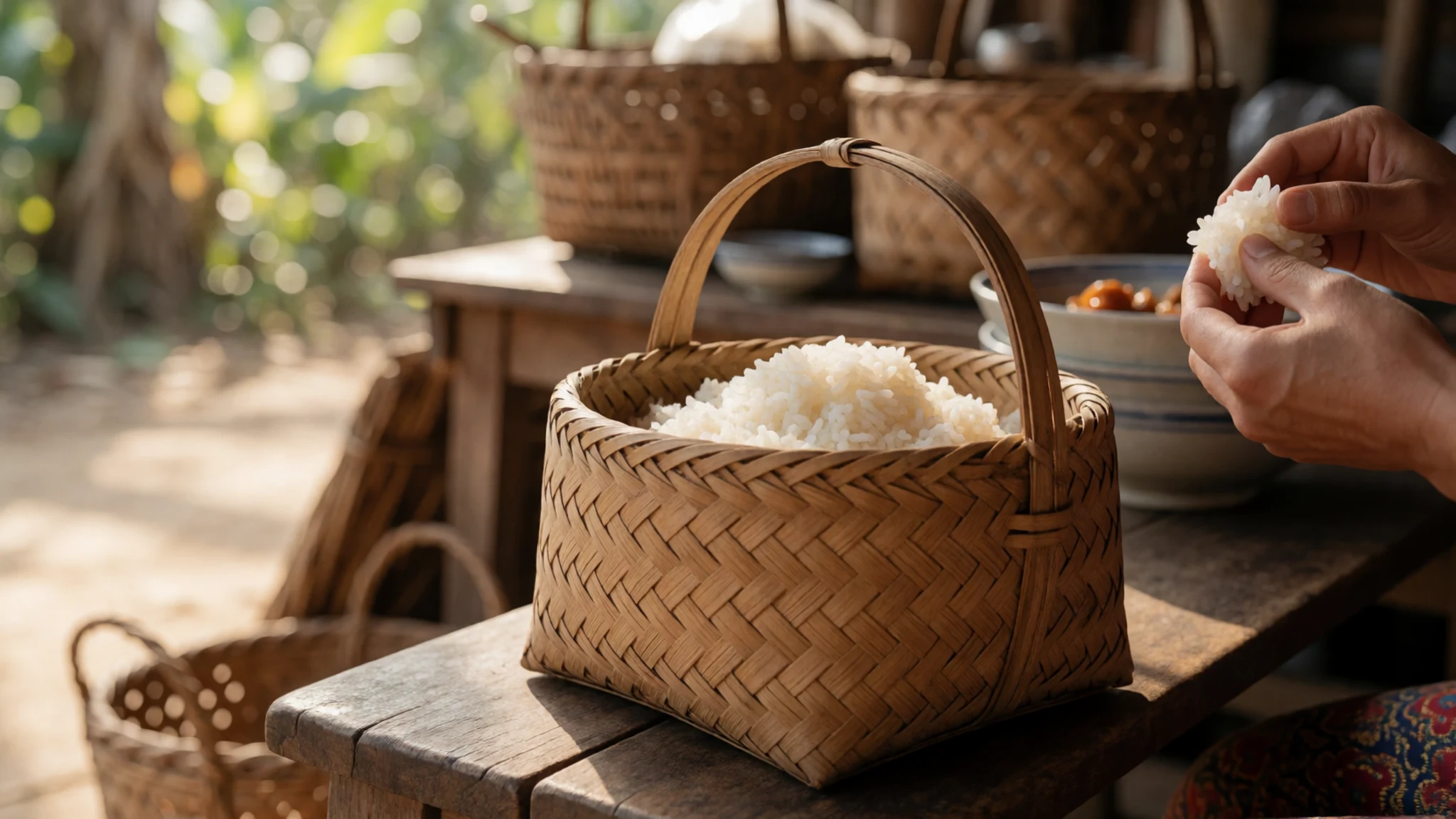
- Lao Herb Soups — Family-run noodle shops and markets
Khone Phapheng diners frequently enjoy hearty broths seasoned with galangal, kaffir lime leaves, fresh chilies, and wild local greens. These fragrant soups provide a warming, aromatic balance to rich grilled meats and sticky rice. - Roadside Grilled Snacks — Roadside stalls along the route to Wat Phu
Khone Phapheng travellers exploring rural Champasak roads will find vendors selling skewered meats, grilled river fish, and sticky rice treats wrapped in banana leaves. These quick bites offer an authentic taste of everyday roadside cooking.
Plan it
Best time. November to February offers the most comfortable weather with lower humidity and manageable temperatures following the rainy season.
How long. 2–3
Getting there. Fly into Pakse International Airport, then hire a minivan or rent a motorbike to travel south along the highway toward the border.
Budget. low
Tips
- Carry sufficient cash in Lao kip as card acceptance is limited outside major towns
- Start your journey early in the morning to beat the midday heat and tour groups
- Wear sturdy footwear with good grip for walking on slippery observation decks and rocks
- Protect electronics and camera gear from heavy mist and humidity near the falls
- Confirm whether local transport tickets include the necessary river ferry crossings
Etiquette
- Dress modestly with covered shoulders and knees when visiting temples and rural villages
- Remove your shoes before entering homes or sacred indoor spaces
- Ask permission before photographing local residents and monks
Nearby
Sources
- Wikidata Q38161 (CC0)
- Wikipedia (CC BY-SA 4.0)
- Wikivoyage (CC BY-SA 4.0)