Champasak
Champasak, Laos
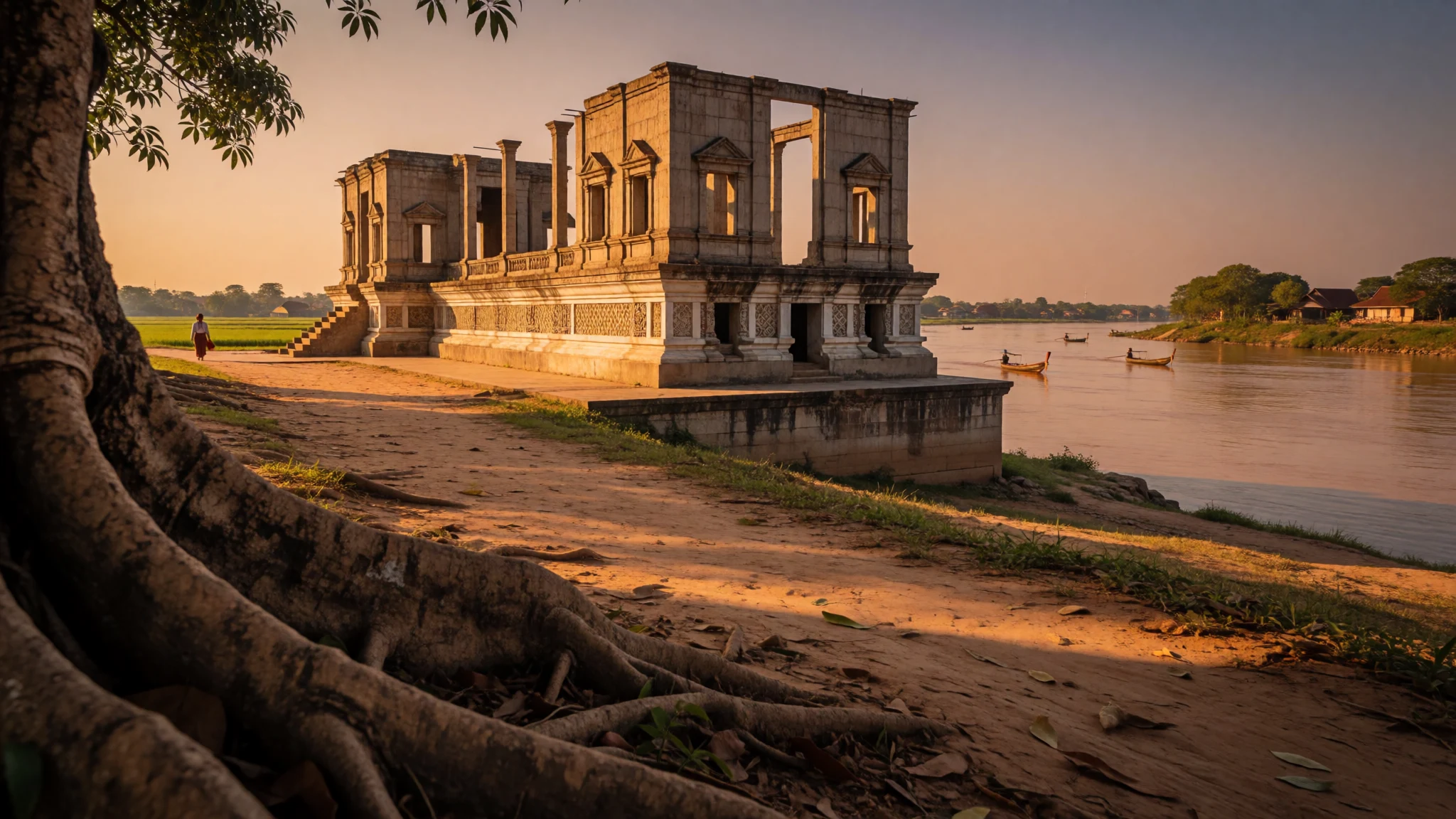
Champasak is a slow Mekong riverside town in southern Laos, with faded colonial villas and an ancient hill temple close by.
The place
Champasak sits on the west bank of the Mekong in southern Laos, about 30 kilometres south of the provincial hub of Pakse. It is a small place, more a long riverside road with side lanes than a grid of streets. Low shopfronts, French-era villas in various states of repair, guesthouses with verandas and a few temples line the water. Traffic is mostly bicycles, motorbikes and the occasional tuk-tuk, and the town is quiet by mid-evening.
The river shapes everything. Reaching Champasak from the main highway on the east bank means a ferry, usually a flat barge carrying motorbikes, pickups and passengers together. Sunsets are watched from the bank or from a guesthouse terrace, and the water is wide, silty and slow in the dry season, much fuller after the rains.
The surroundings are green and flat: rice fields, banana groves, buffalo, and low hills in the distance. Most visitors come for the Khmer-era temple complex of Wat Phou a short ride away, but the town itself rewards a day or two of doing little. Cycling the back lanes, sitting by the river and meeting the families who run the guesthouses is the point. Heat is real for much of the year, and electricity and mobile signal can be patchy, so the pace is set for you, whether you want it or not. Champasak suits travellers who like places that have not been polished for tourism.
Its story
Champasak's story begins long before the present town. The plain beside the Mekong was an important Khmer-influenced landscape, and the temple of Wat Phou on the hillside above it, with its terraces, causeway and sanctuary facing the river, was a place of Hindu worship before later centuries turned it towards Buddhism. Settlements in the area traded along the river and answered to larger powers to the south.
Later, Champasak became the seat of its own Lao kingdom, one of the successor states that emerged when the older Lao realm of Lan Xang broke apart. Its rulers held sway over a stretch of the southern Mekong, balancing the demands of neighbouring Siam and Vietnam. Siam in particular exercised close control for long periods.
The French arrived and drew the region into Indochina. Champasak was kept as a nominal royal seat, while Pakse, better placed on roads and rivers, grew into the real centre of commerce. After independence, the princely line continued to matter politically, and Prince Boun Oum na Champassak, its best-known figure, held high office. He began building a large palace on the riverbank, but the project was never completed. Its shell still stands, now partly used as a hotel-like guest property and partly left to the weeds.
The revolution that brought the current government ended royal power. Champasak slipped into quiet, and the lack of development is exactly why the old villas and temple still survive. Today the town is small, but the layers of Khmer, Lao and French history sit side by side in a walkable space.
What to see
- Wat Phou — Hillside south-west of the town
This ruined Khmer temple climbs a hill in stages: a long processional causeway, ponds, terraces and steep stairs to a sanctuary overlooking the plain. Frangipani trees shade the steps. Go early, before the heat, and allow time to rest at the top. The small museum at the entrance is worth a look. Check the official site or ask locally for current opening arrangements.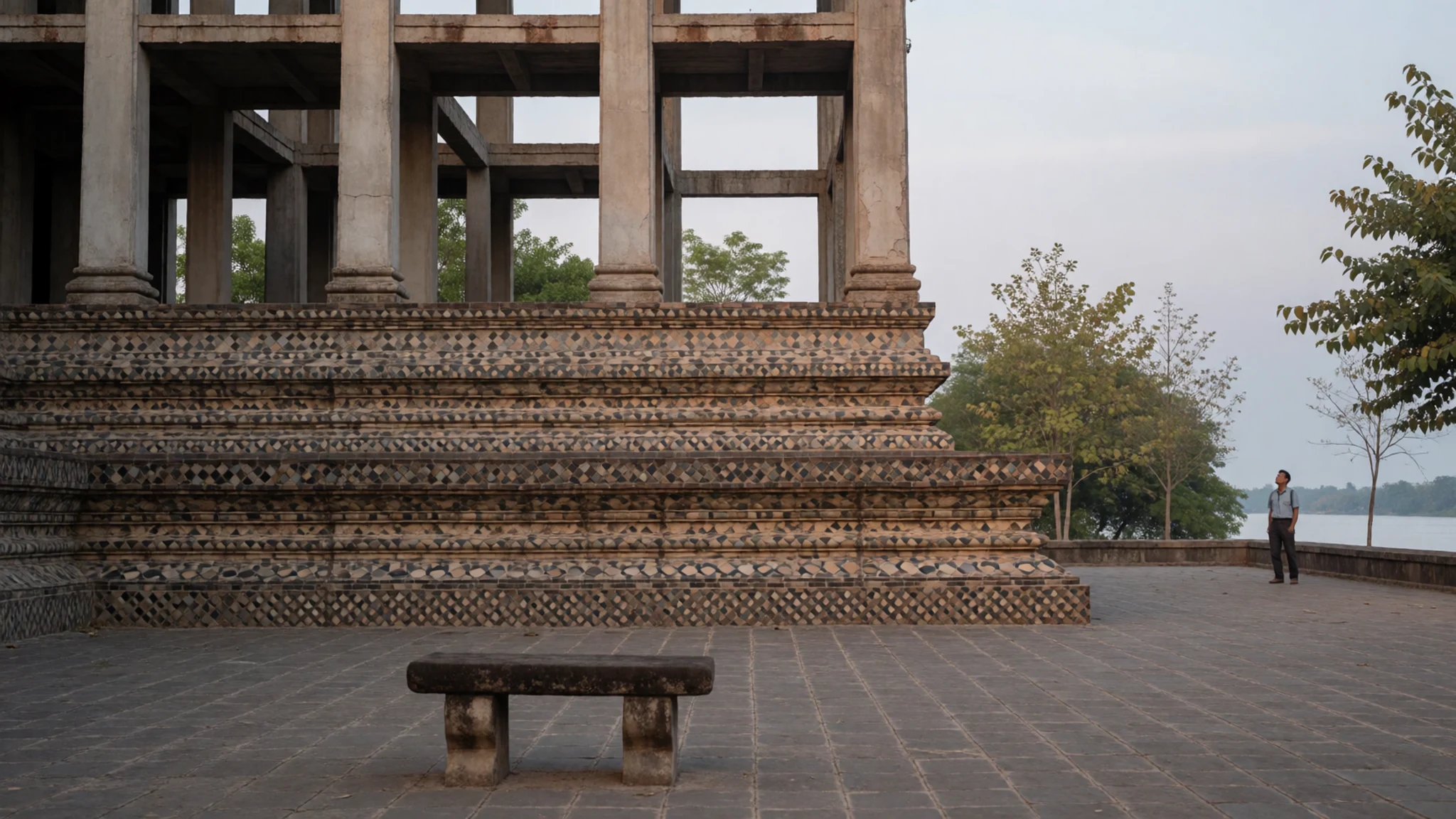
- The Unfinished Royal Palace — Riverbank, Champasak town
A large concrete-and-stucco shell started by the last prince of Champasak and never finished. Parts have been made into a guesthouse, and the rest is bare rooms, staircases and balconies facing the Mekong. It is a good place for a slow wander and a sense of how ambition and politics collided here.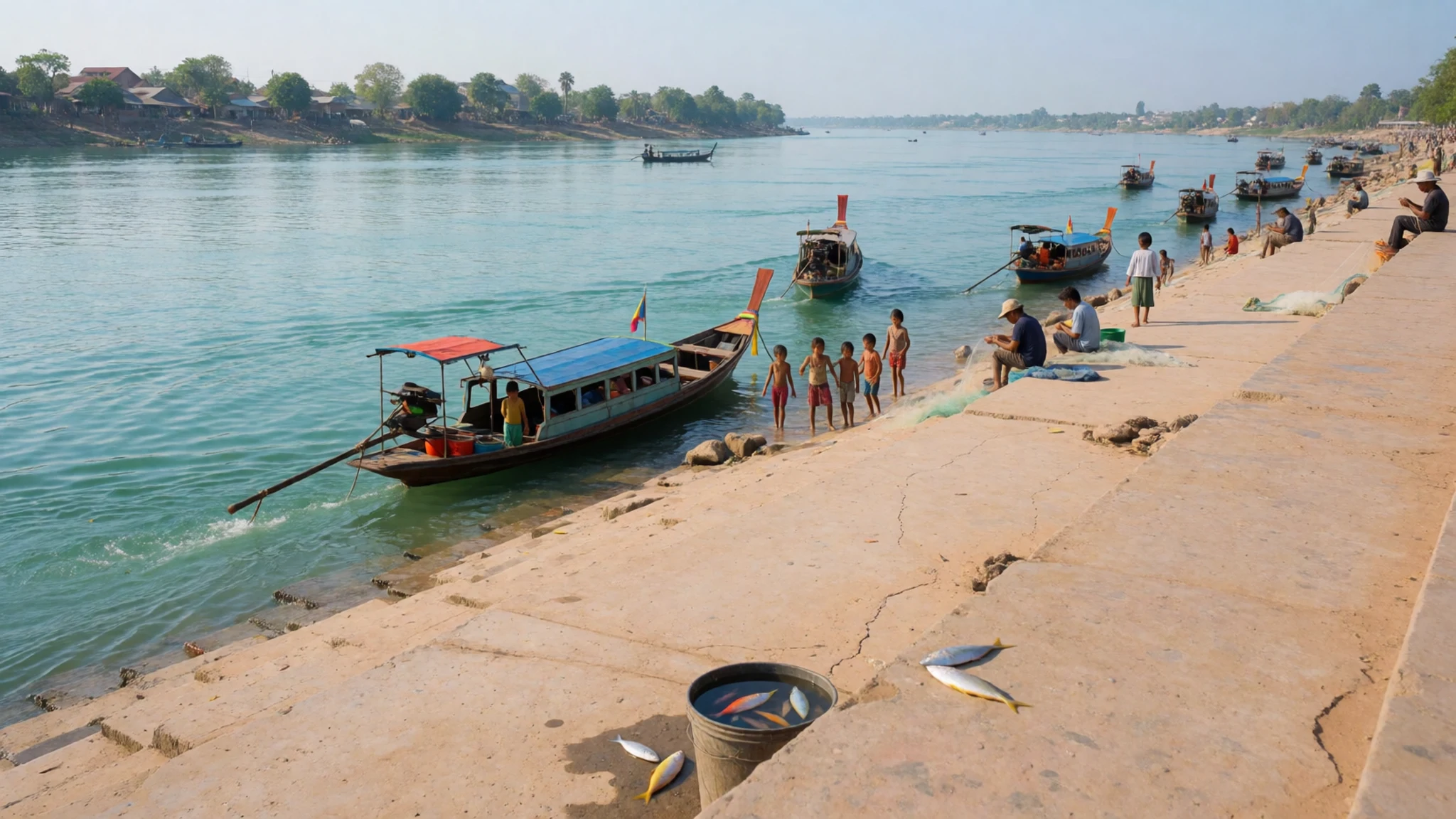
- The riverside road and ferry — Champasak town
Walking or cycling the main road gives the best sense of Champasak: shuttered shophouses, old villas, children heading to school, monks collecting alms in the early light. At the ferry landing, trucks and bikes cross on a flat barge. Sunset over the Mekong is the evening ritual.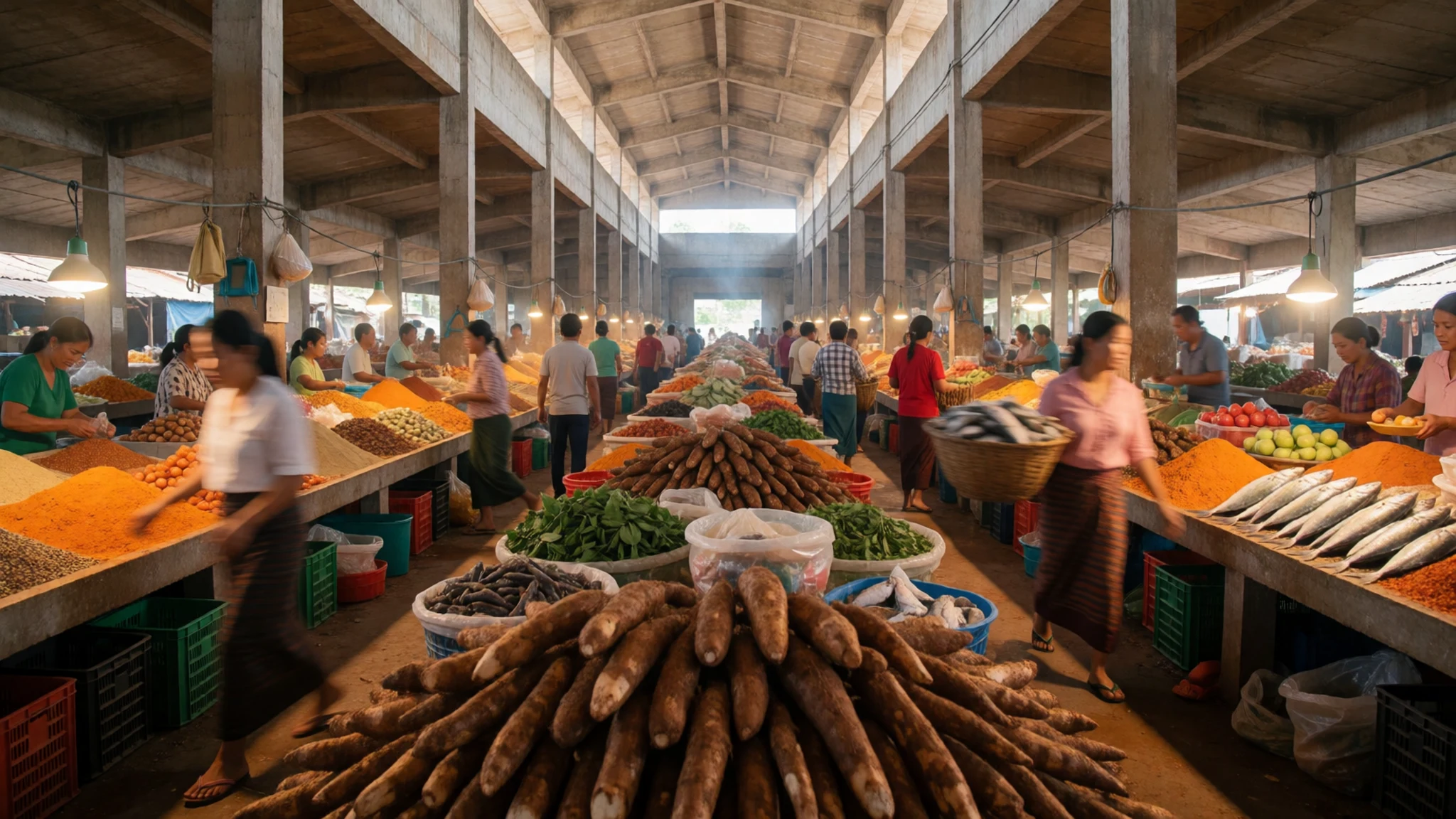
- Wat Muang Kang — Just outside the town centre
A working Buddhist monastery near the river, with a modest sim (ordination hall) and monks' quarters under shady trees. It gives a feel for daily temple life far from the ruins. Visit quietly, dress modestly, and treat it as a place of worship rather than a sight.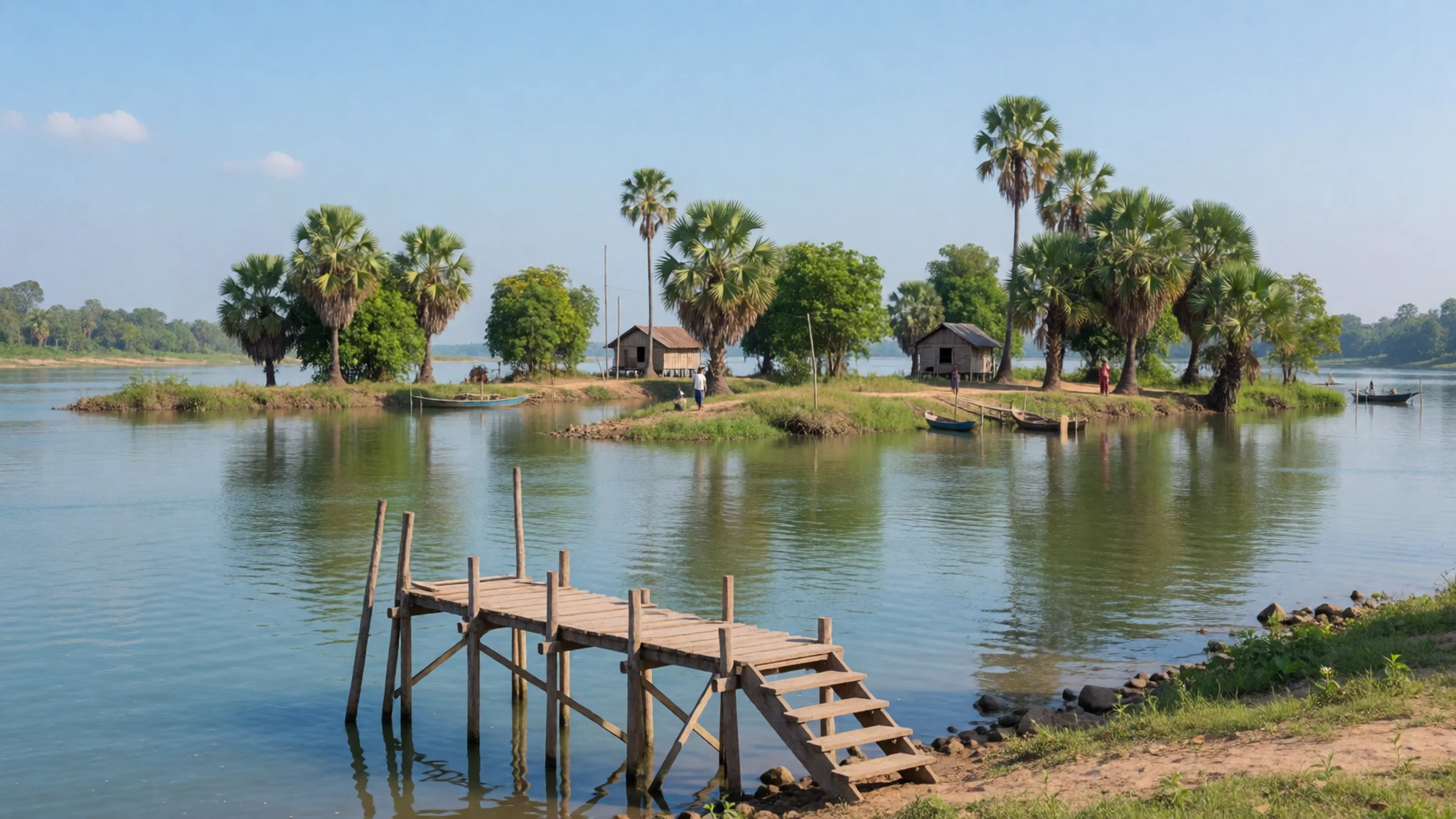
- Uo Moung (Tomo Temple) — Countryside south of the town, near the river
A small, weathered Khmer sanctuary in forest, older and far less visited than Wat Phou. It is reached by a rough road, and is best for those who enjoy an almost empty site. Check access locally, as roads and ferries can change with the season.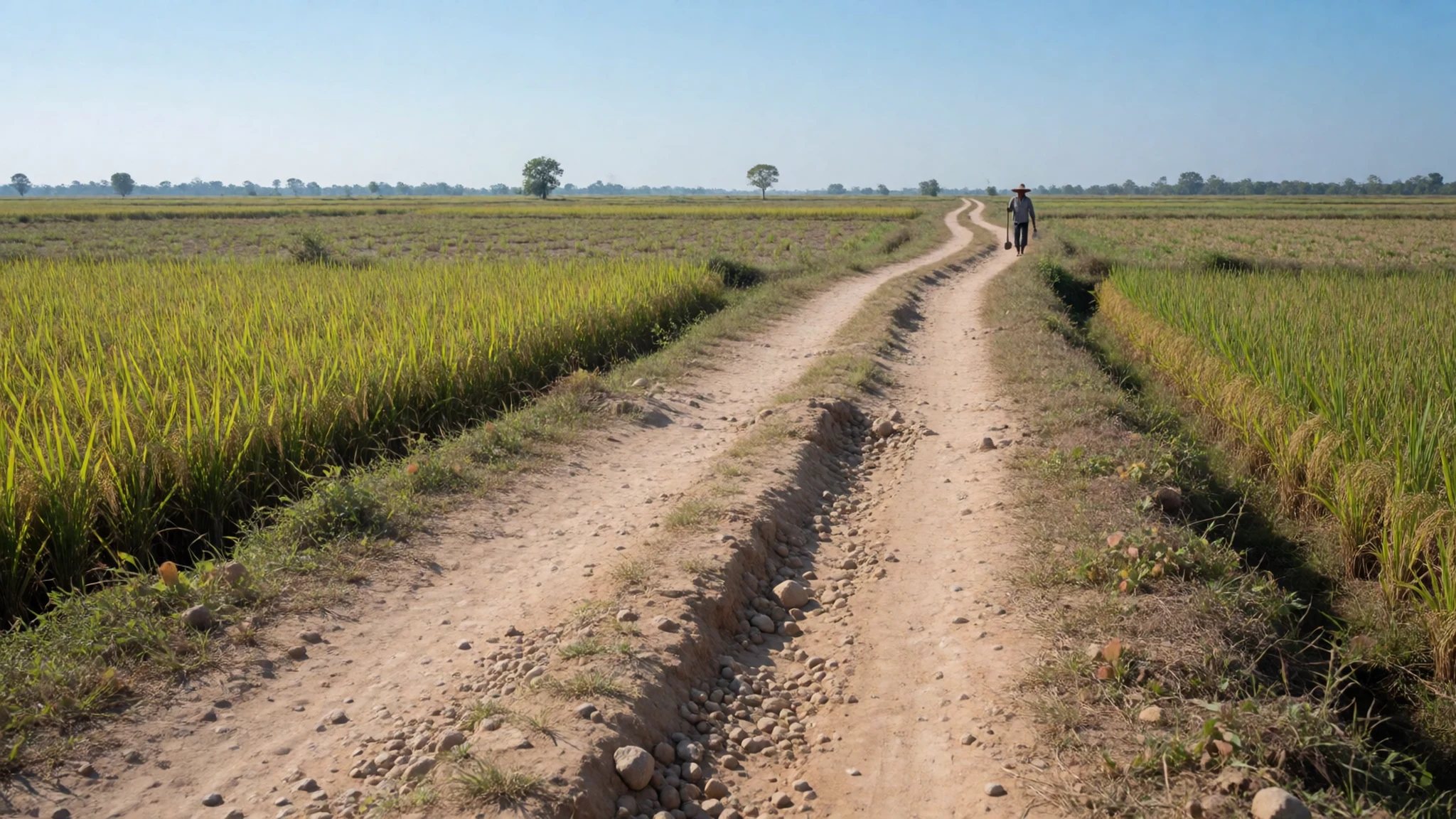
Culture
Champasak is a Theravada Buddhist town, and the rhythm of temple life is visible from early morning, when monks walk the riverside road collecting alms of sticky rice. Lao festivals follow the lunar calendar and mix Buddhist merit-making with older spirit beliefs. Offerings of flowers, incense and small food parcels appear at house shrines and temple gates. Around Wat Phou, a local festival at the full moon in the first months of the year draws pilgrims, music and fairs to the site, though dates vary and should be checked locally.
The Lao greeting, the nop, is a slight bow with palms pressed together, higher for elders and monks. Lao people tend to be soft-spoken and indirect; raising your voice or showing anger is considered poor form, and a smile resolves a surprising number of difficulties. The head is regarded as the highest part of the body and the feet as the lowest, so avoid touching anyone's head and avoid pointing your feet at people or at Buddha images. Life is unhurried, meals are shared, and a visitor who sits and chats will be welcomed.
The Khmer ruins sit within a living tradition, and Buddha images in the sanctuary still receive offerings. Respect for them is expected.
Cover your shoulders and knees at temples and at Wat Phou, take your shoes off before entering any temple building, and never touch or climb on a Buddha image or a monk, especially if you are a woman.
What to wear
Champasak and its surrounding villages keep the traditional Lao sinh, a tube skirt worn by women, often woven in silk or cotton with a patterned hem called a tin sinh. Southern Laos has a long weaving tradition, with designs in supplementary weft, ikat (mat mi) and natural dyes. A sinh is worn with a blouse and sometimes a shoulder cloth, the pha biang, especially at festivals, weddings and temple ceremonies. Men may wear a wrapped cloth, the sampot style, or a collarless shirt on formal occasions.
Day to day, people in Champasak dress simply and practically: cotton shirts, T-shirts, trousers, and for many women a sinh worn with a plain top to work or school. Rubber sandals or flip-flops are universal. Fine silk is kept for celebrations, and visitors may see it in shop windows and at weaving houses, where scarves and cloth can be bought directly from the makers.
Visitors should dress for heat and for temples. Light cotton or linen, long and loose, works best, with a hat and sun protection. Shoulders and knees should be covered when visiting monasteries and Wat Phou, so carry a scarf or light shirt. Shoes that slip off easily help at temple doors, but the Wat Phou stairs are uneven, so wear something with grip. In the rainy season, bring a light waterproof, since roads and paths turn muddy quickly.
What to eat
- Khao niao (sticky rice) — Any local eatery or morning market
The staple here, steamed in a bamboo basket and eaten by hand, rolled into small balls and dipped in sauces. It comes with almost every meal, and locals carry it to the fields. Eat it freshly steamed, while still warm and soft.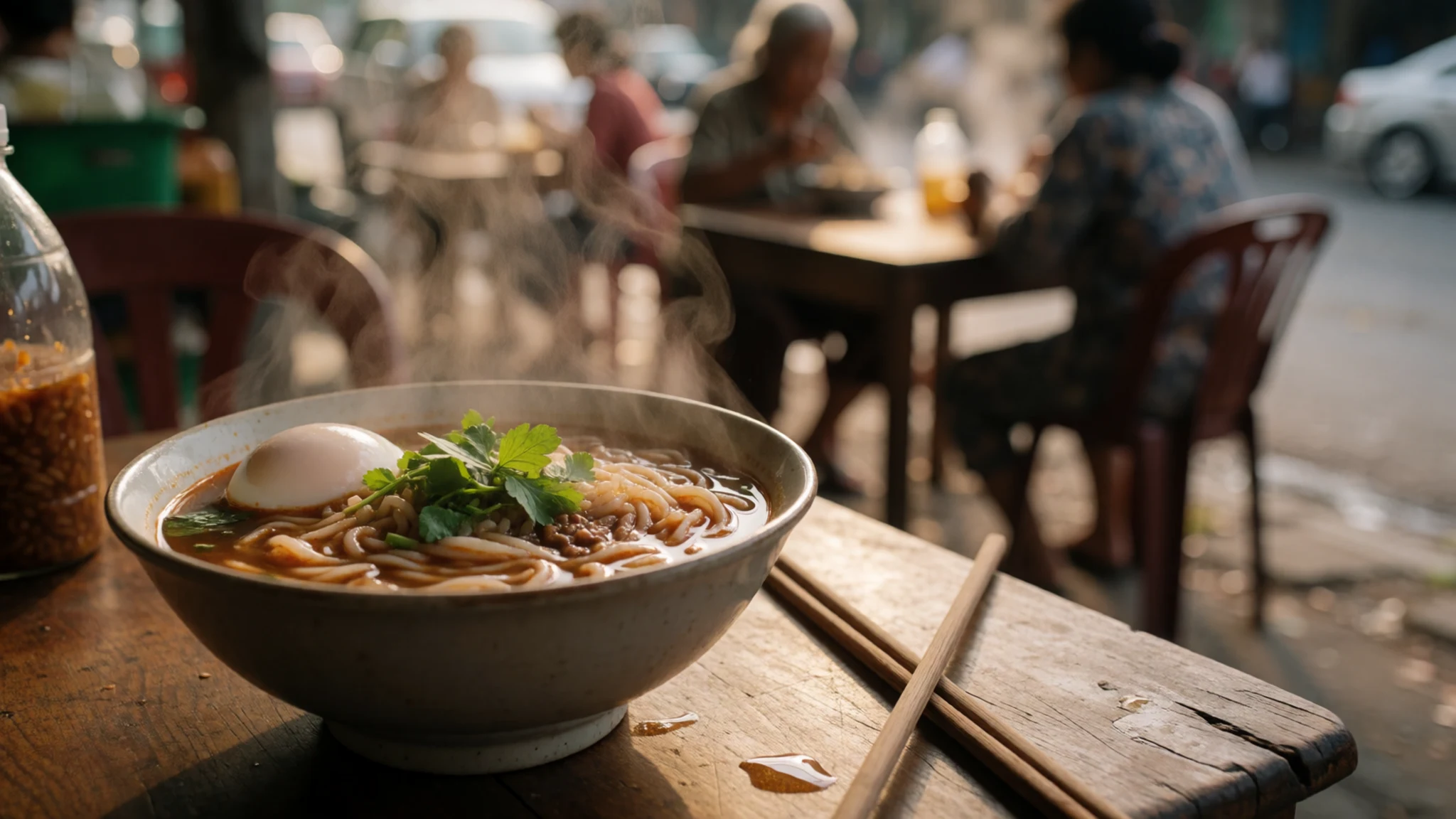
- Larb — Roadside restaurants and family eateries
A chopped meat or fish salad, tossed with lime juice, toasted ground rice, mint and chilli. Southern versions can be sharp and fiery. It is a central Lao dish, served at celebrations and everyday meals, and is best with sticky rice and raw vegetables.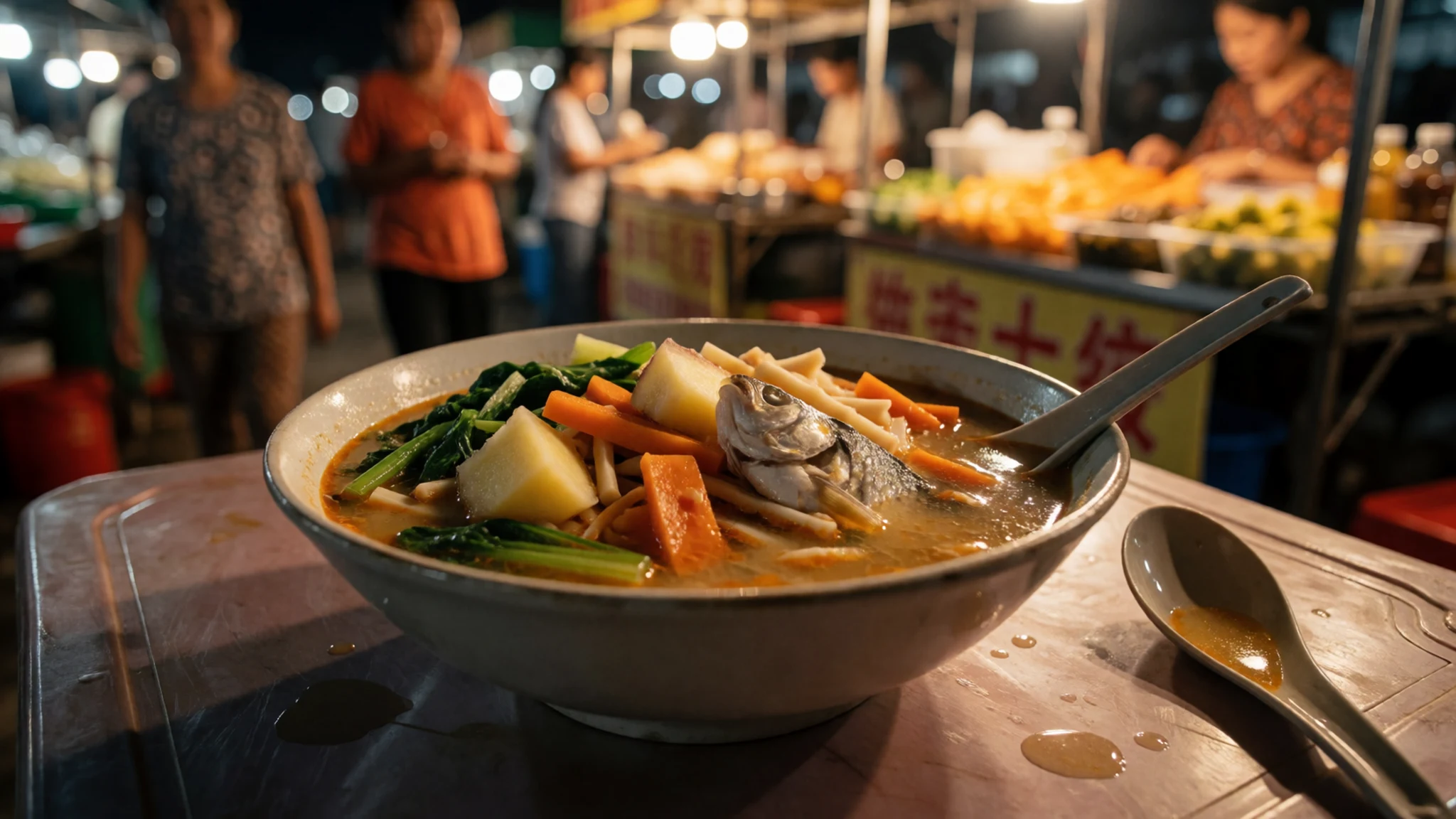
- Tam mak hoong (papaya salad) — Street stalls and market corners
Green papaya pounded in a mortar with chilli, lime, fish sauce and sometimes fermented fish, giving a deeper flavour than the Thai version. Ask for it mild if the heat worries you. Stallholders will adjust the chilli if asked. - Mekong river fish — Riverside restaurants in Champasak
Grilled, steamed or in soups with lemongrass and herbs, fish from the river is a local standby. A whole grilled fish with sticky rice and a dipping sauce makes a simple, filling meal. Ask what was caught that day. - Bolaven coffee — Cafes and guesthouses in town
Coffee grown on the Bolaven Plateau, a cool upland not far away, is a regional pride. Drunk strong, often with sweetened condensed milk over ice, it is the usual morning drink. Beans are sold in bags if you want to take some home.
Plan it
Best time. November to February is the cooler, drier season, with clear skies and comfortable mornings for Wat Phou. March to May is hot, sometimes oppressively so. June to October is the monsoon, with green fields and heavy showers, and some rural roads become difficult.
How long. 2
Getting there. Fly to Pakse International Airport, or reach Pakse by road or sleeper bus from other Lao cities. From Pakse, a road runs south to Champasak; the last stretch crosses the Mekong by ferry or bridge, depending on the route. Taxis, tuk-tuks and minibuses make the trip, and guesthouses can arrange transfers.
Budget. low
Tips
- Visit Wat Phou early in the morning to avoid the heat and the tour groups
- Carry cash in small notes; cards and cash machines are scarce in Champasak itself
- Rent a bicycle or scooter for the back lanes, but check the brakes and carry water
- Book guesthouses ahead during festival times and the cooler months, as the town has limited rooms
- Bring insect repellent and sun protection, and drink only bottled or filtered water
Etiquette
- Dress modestly and remove shoes at temples
- Do not touch monks or Buddha images, and keep your feet from pointing at them
- Ask before photographing people, and keep your voice calm even in a dispute
Nearby
Sources
- Wikidata: Champasak (CC0)
- Wikipedia: Champasak (CC BY-SA 4.0)
- Wikivoyage: Champasak (CC BY-SA 4.0)