Bokeo Nature Reserve
Bokeo Nature Reserve, Laos
Bokeo Nature Reserve is steep northern Lao forest where a gibbon thought extinct was found, and where visitors can sleep in the canopy.
The place
Bokeo Nature Reserve lies in Bokeo Province, in the far north-west of Laos, where hill country drops towards the Mekong and the river forms the border with Thailand. Officially the area is now called Nam Kan National Protected Area, but guides, tour operators and most maps still use the older Bokeo name. The forest is mixed deciduous: trees thin out and drop leaves in the dry months, then turn dense and loud with insects once the rains arrive. The terrain is mountainous and steep, rising from river valleys to high ridges, so even short distances take time on foot. The reserve was set up to protect the black-crested gibbon, a small ape that scientists had written off as extinct until it was found here in 1997. Gibbons are usually heard before they are seen, their calls carrying through the canopy around dawn. Larger animals also pass through. Asian elephants and wild water buffalo migrate across the reserve, and bears and tigers are listed as present, though any sighting is luck rather than a plan. The practical base is Huay Xai, a small riverside border town directly opposite Chiang Khong in Thailand. Boats and a truck ferry come and go from its wharf, guesthouses line the main street, and the forest trips leave from here. Most visitors enter the reserve through the conservation project that runs treks and treehouse stays, and the fees from those trips help pay for protecting the forest. Heat, leeches in the wet months and steep, slippery trails are part of the deal, and fitness matters more than people expect.
Its story
The story of Bokeo Nature Reserve is mostly the story of one animal that was not supposed to exist. Until 1997 the black-crested gibbon was believed to have vanished from Laos. When a population turned up in the forests of Bokeo, the discovery gave the province a strong reason to protect a large stretch of hill forest. The reserve was created around the animal, and the area has since been renamed Nam Kan National Protected Area. Protection on paper is one thing and paying for it is another, and the Gibbon Experience grew out of that problem. It is a conservation project that takes paying guests into the forest, with the fees going towards keeping the trees standing. Guests sleep in very large canopy huts and travel between them along zip lines, so the forest itself becomes the attraction rather than any single animal. The town beside the reserve has its own layers of history. Huay Xai grew as a Mekong crossing facing Thailand, and the French colonial period left Fort Carnot on a hill above the river, now worn and only partly conserved. More recently the provincial economy has tilted towards the Golden Triangle Special Economic Zone, which a Chinese-owned company began developing on the Mekong bank after signing a long lease in 2007. Conservation, a colonial relic and a large commercial zone share one short stretch of river, and travellers pass through all three on the way in or out.
What to see
- The Gibbon Experience — Huay Xai and the forest beyond
The Gibbon Experience is the main way into the reserve. Guests stay in large canopy huts built high in the forest and cross between them on zip lines, with the fees funding conservation. Gibbon calls are the draw, but sightings are never guaranteed. Book through the project itself and check its official site for current routes and rules.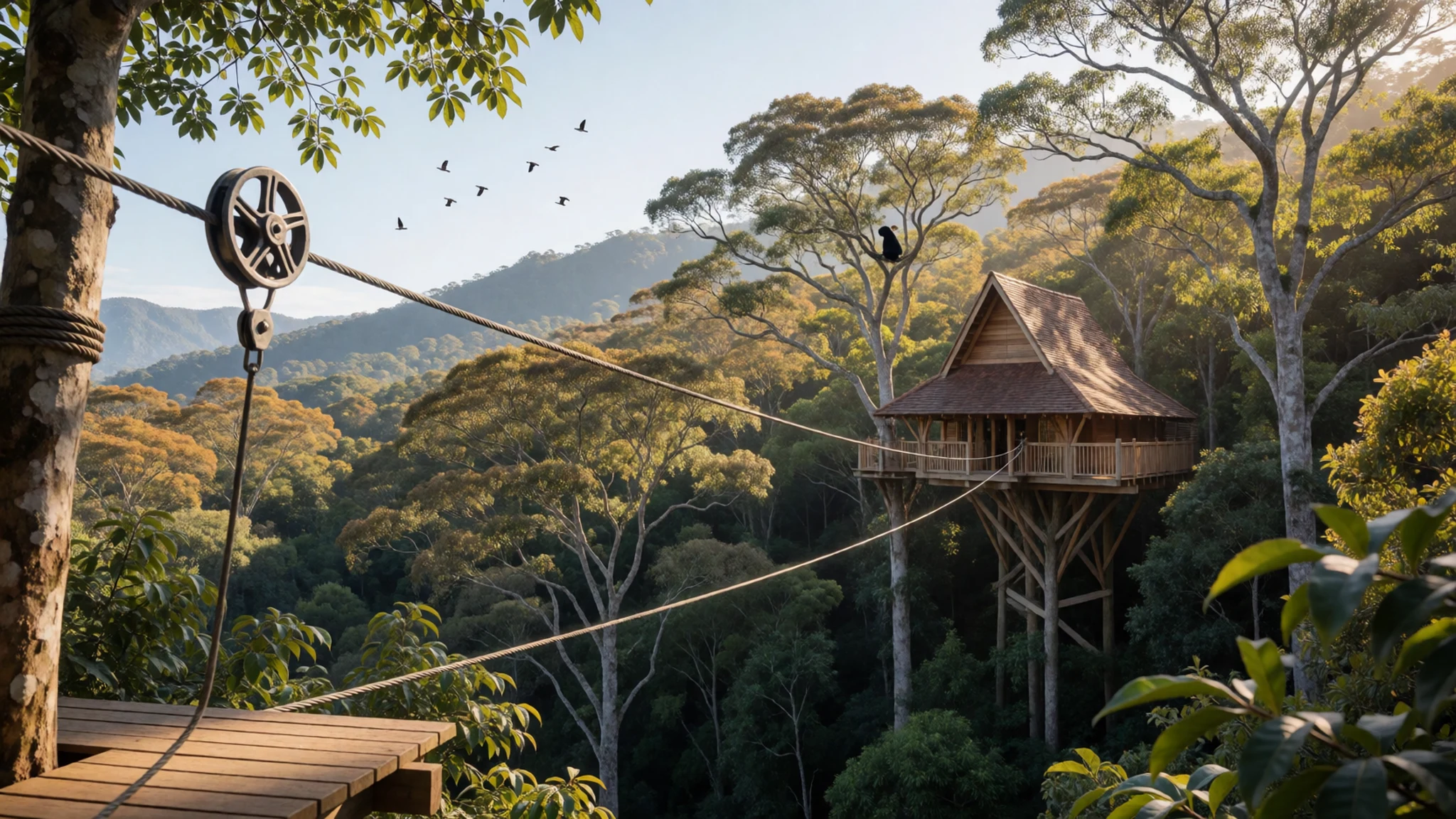
- Waterfall Gibbon Experience — Deep in the reserve, along the Nam Nga River
A second route goes deep into the reserve on foot, following the Nam Nga River for several hours of trekking before it reaches the waterfall. It suits people who would rather walk than ride zip lines and do not mind wet ground. Expect steep, slippery sections in the rains, and carry water and shoes with proper grip.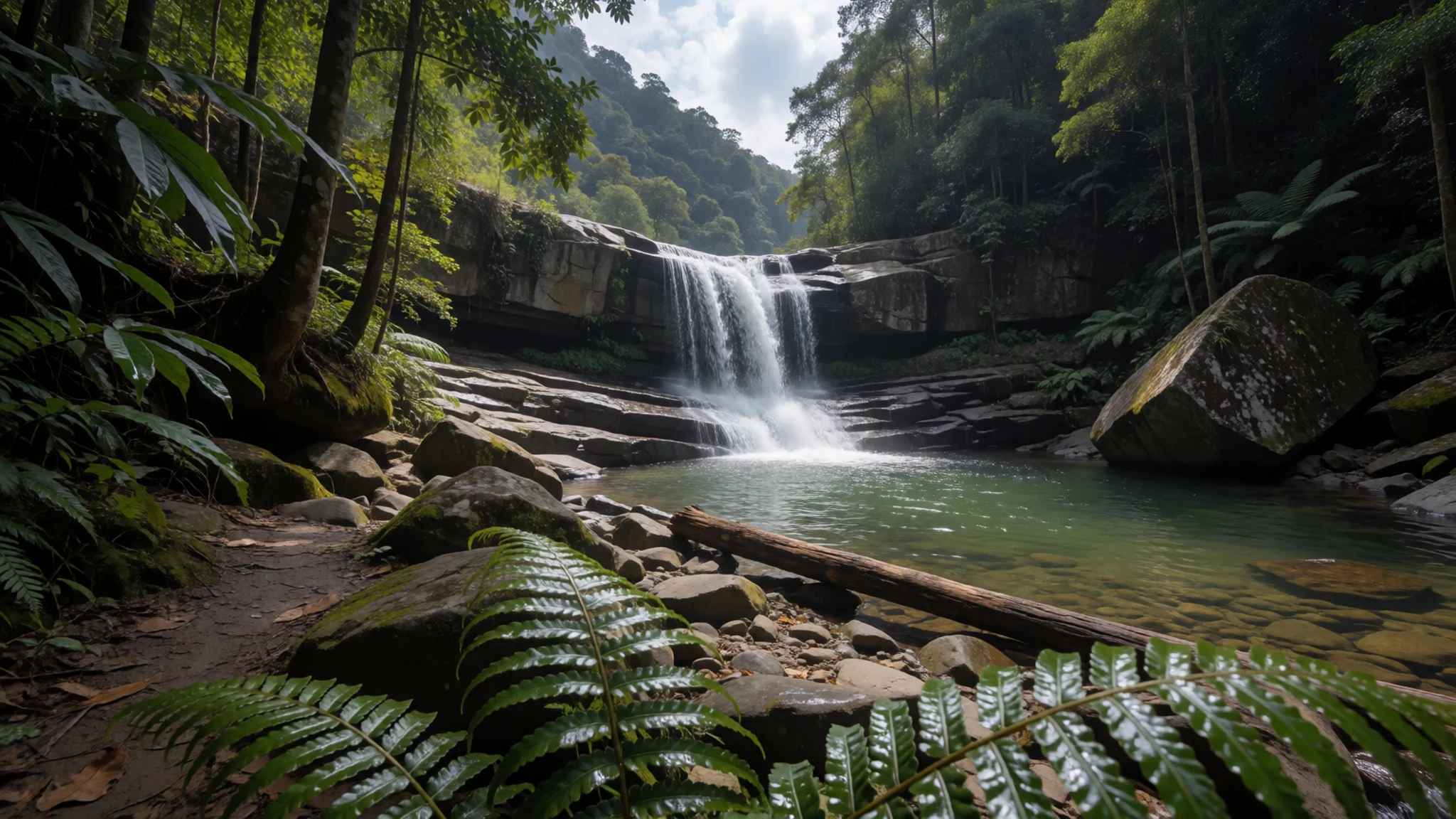
- Fort Carnot — Hilltop above the Mekong, Huay Xai
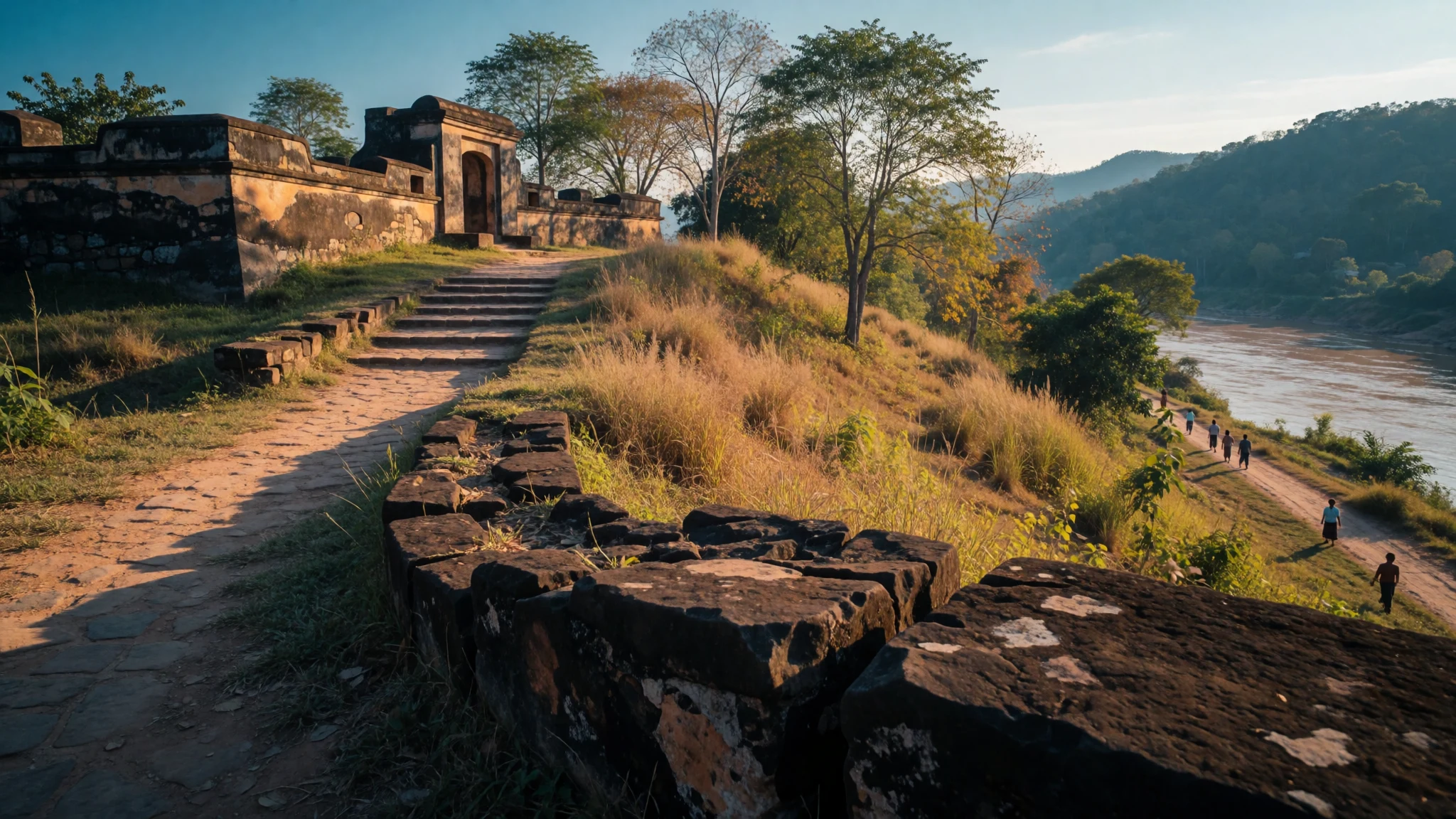
Fort Carnot is a French colonial-era fort on a hilltop in Huay Xai, looking down on the Mekong. It has had some conservation work but is still quite run-down, so it offers atmosphere more than museum-style explanation. Go for the river view and a short wander among old walls, ideally in the cooler part of the day.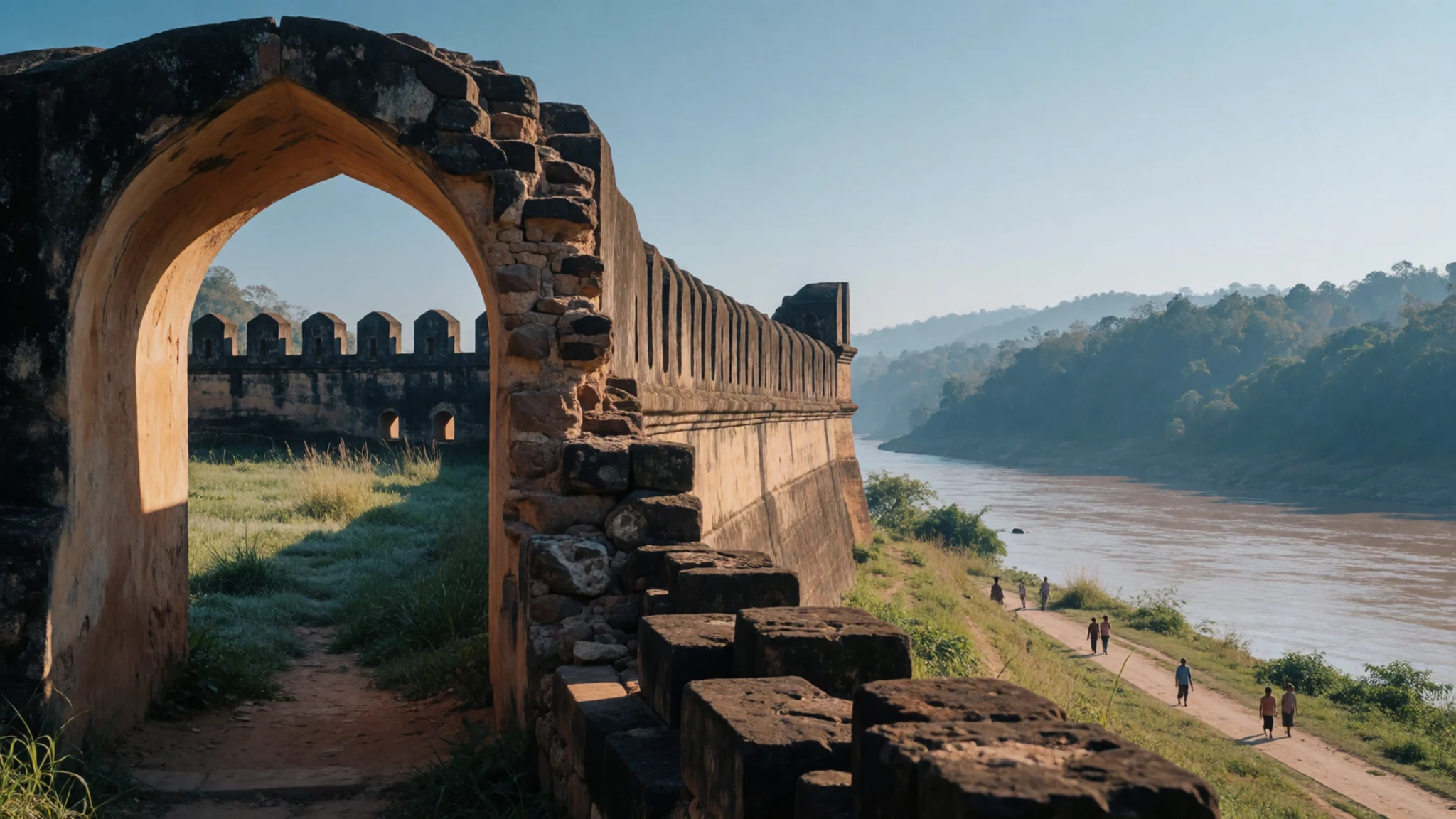
- Huay Xai morning market — Huay Xai town centre
The morning market is where daily life in Huay Xai is easiest to watch, with local produce, snacks and household goods laid out by the stalls. Early is better, since the best of it is gone by mid-morning. It is also a sensible place to buy fruit and water before a trek or a long boat journey.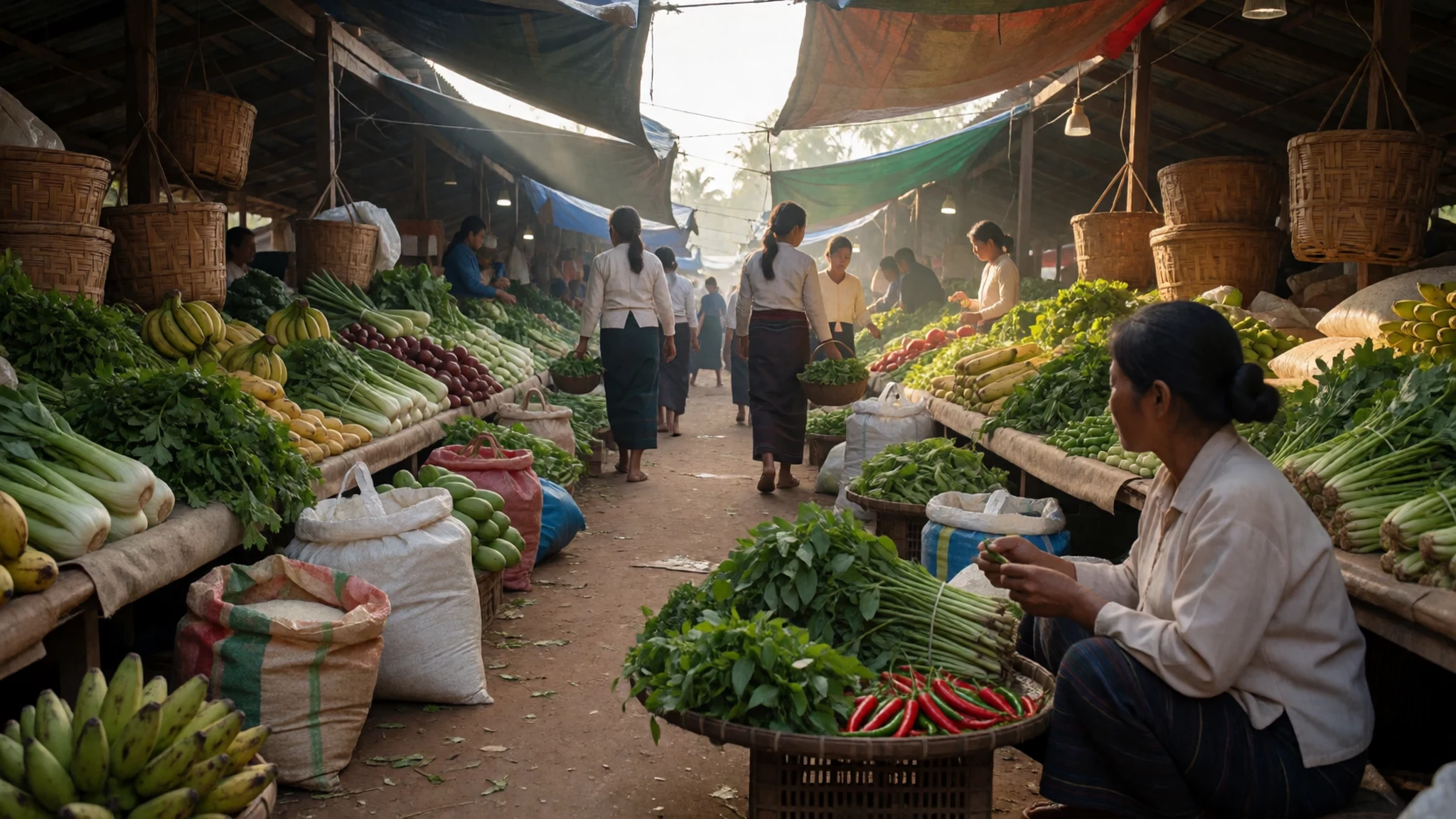
- Temple tower viewpoint — Top of the hill on Huay Xai's main street, near the border crossing
A temple tower stands at the top of the hill on Huay Xai's main street, close to the border crossing. The climb is short and the outlook takes in the town and the Mekong below. It is an easy stop to fit in around arriving or leaving, and a calm spot to get your bearings.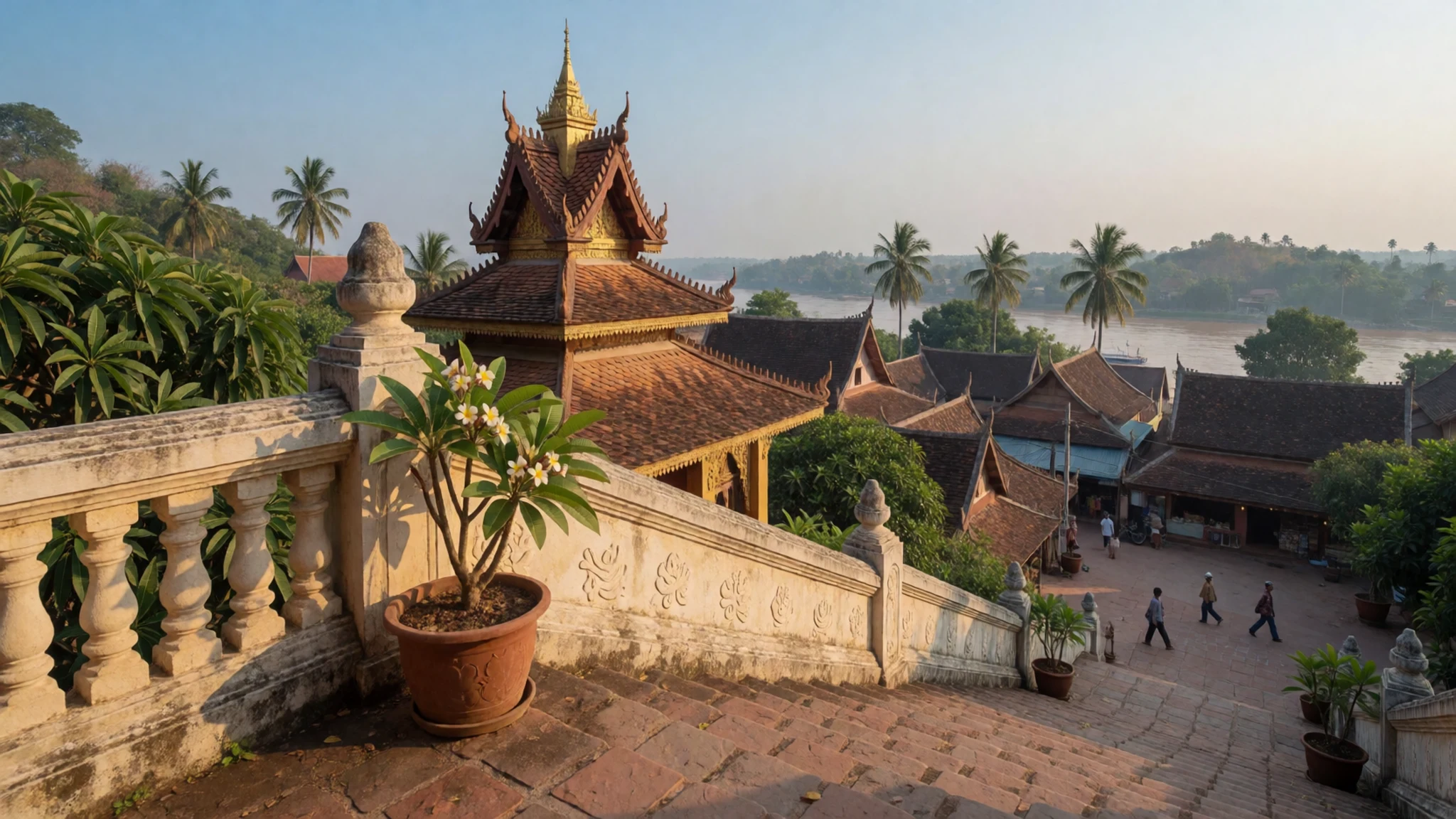
- Golden Triangle Special Economic Zone — Mekong bank, west of Huay Xai
The Golden Triangle Special Economic Zone now dominates the provincial economy. The Chinese-owned Kings Romans Group took a long lease on the Mekong bank here in 2007. It is a commercial development rather than a nature site, but worth knowing about for context on how quickly this corner of Laos is changing.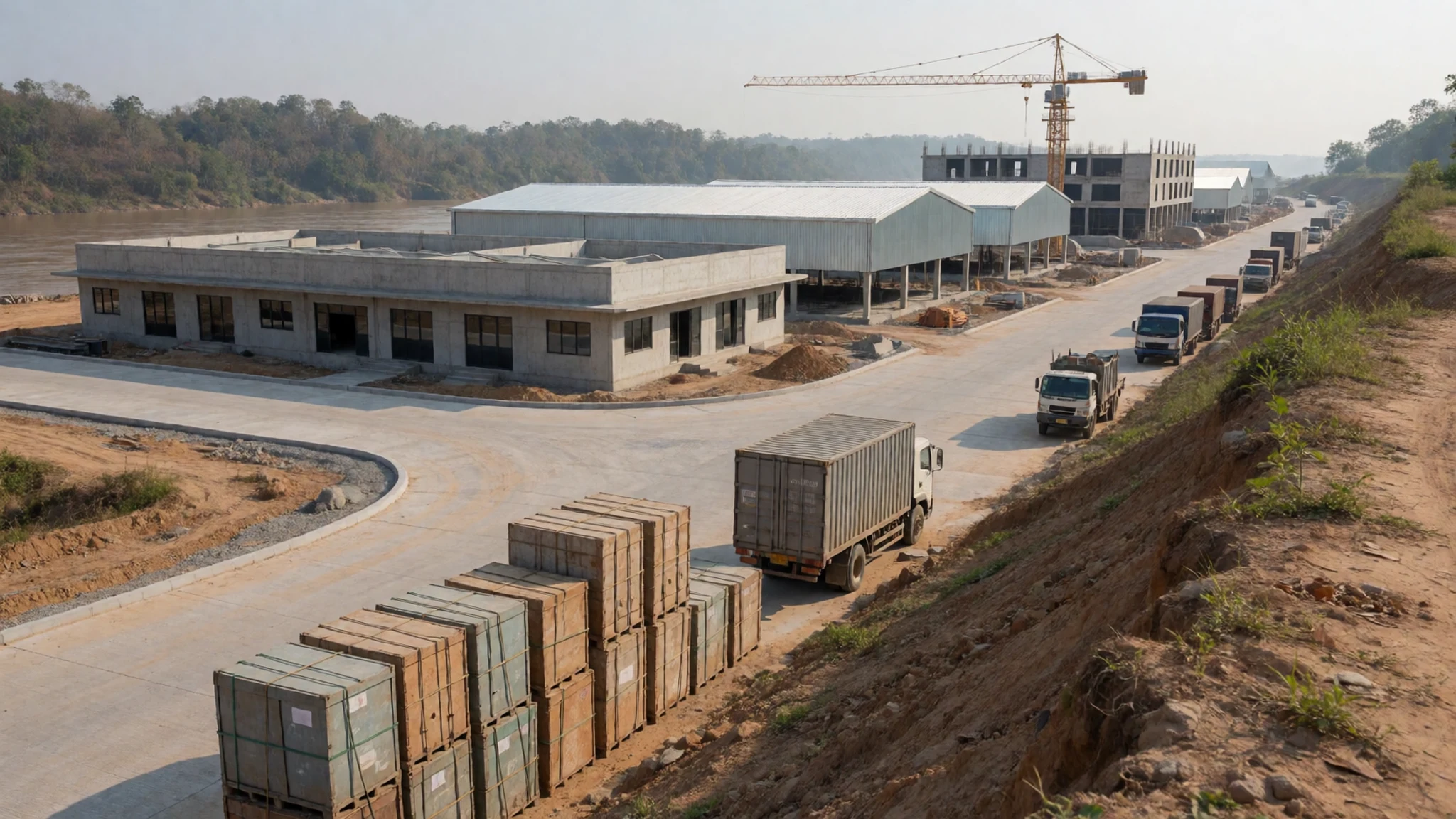
Culture
Bokeo Nature Reserve and the town of Huay Xai sit in a part of Laos where the Mekong is both a border and a meeting point. Most lowland Lao people are Theravada Buddhist, so temples, monks in saffron robes and small offerings at gates and trees are part of the everyday scenery. In the hills around the reserve, several upland communities live by farming and forest use, each with its own language, dress and customs, and village life follows the farming year more than any tourist calendar. Conservation here depends on those neighbours, because protecting a forest works best when the people living beside it benefit from it. Huay Xai itself is a crossing town. Thai and Lao traders, slow boats heading down to Luang Prabang, and backpackers arriving from Chiang Khong all pass through its wharf and main street, and the pace stays unhurried. Evenings are quiet, with a few riverside restaurants and little nightlife beyond a beer on a terrace. Social manners in Laos favour calm and patience, so delays at the border shuttle or the boat wharf are best met with good humour rather than argument. Cover your shoulders and knees and remove your shoes before entering a temple, and ask before photographing monks or villagers.
What to wear
Traditional dress around Bokeo Nature Reserve follows Lao custom in the towns and varies by community in the hills. Lowland Lao women wear the sinh, a wrapped tubular skirt woven from silk or cotton, with patterned bands near the hem, often paired with a fitted blouse and a shoulder scarf. It appears at weddings, festivals and temple ceremonies, and in schools and offices. Upland groups have their own textiles, commonly dark indigo-dyed cotton with embroidery or appliqué and silver jewellery, and the styles differ from one community to the next. Day to day, most people in Huay Xai wear what suits heat and work: T-shirts, shirts, trousers, jeans, and sandals or trainers, with the sinh still common among women in official jobs. Farmers favour long sleeves and hats against the sun. A visitor heading into the forest should dress for sweat, sun and scrapes: light long trousers and a quick-drying long-sleeved top, socks that can be tucked in against leeches in the wet months, and closed shoes with real grip, since trails and platforms are steep and slick. Cool dry-season mornings in the hills can bite, so a thin fleece is useful, and a light rain jacket belongs in the bag from June onwards. In town and at temples, cover shoulders and knees.
What to eat
- Barbecued duck — Grill-fronted eateries in Huay Xai, mostly in the afternoon
Barbecued duck is a Huay Xai favourite and a welcome change for anyone tired of chicken and pork. It is cooked over charcoal in the afternoon, and the smoke from the grill is the easiest way to find it. It is usually served with sticky rice.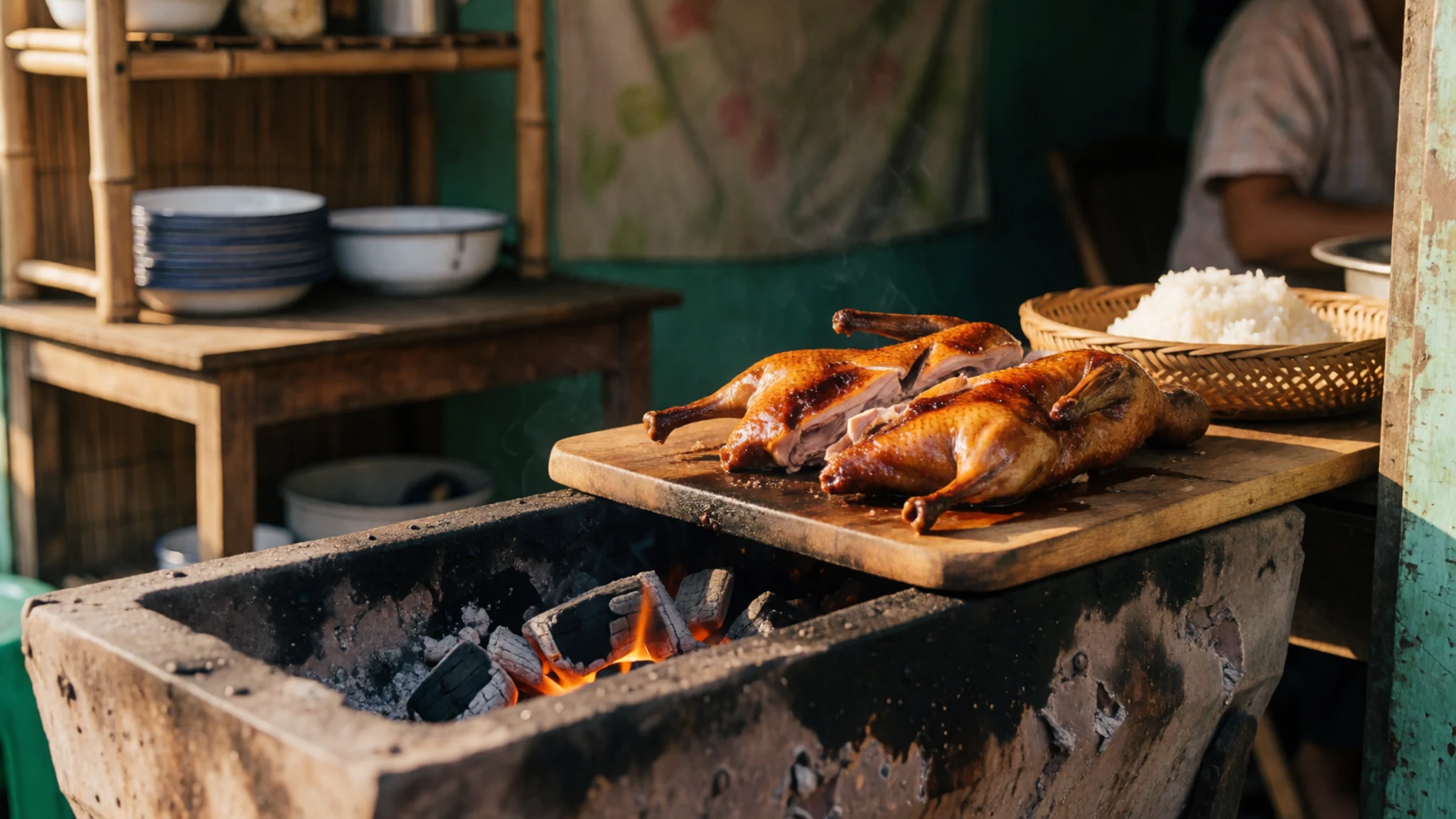
- Sticky rice with jeow — Guesthouse kitchens and the morning market
Khao niao, steamed glutinous rice eaten by hand, is the staple of northern Laos. It comes in small woven baskets beside jeow, spicy dips made from chilli, herbs and grilled vegetables or fish. Simple, filling and well suited to a trekking day.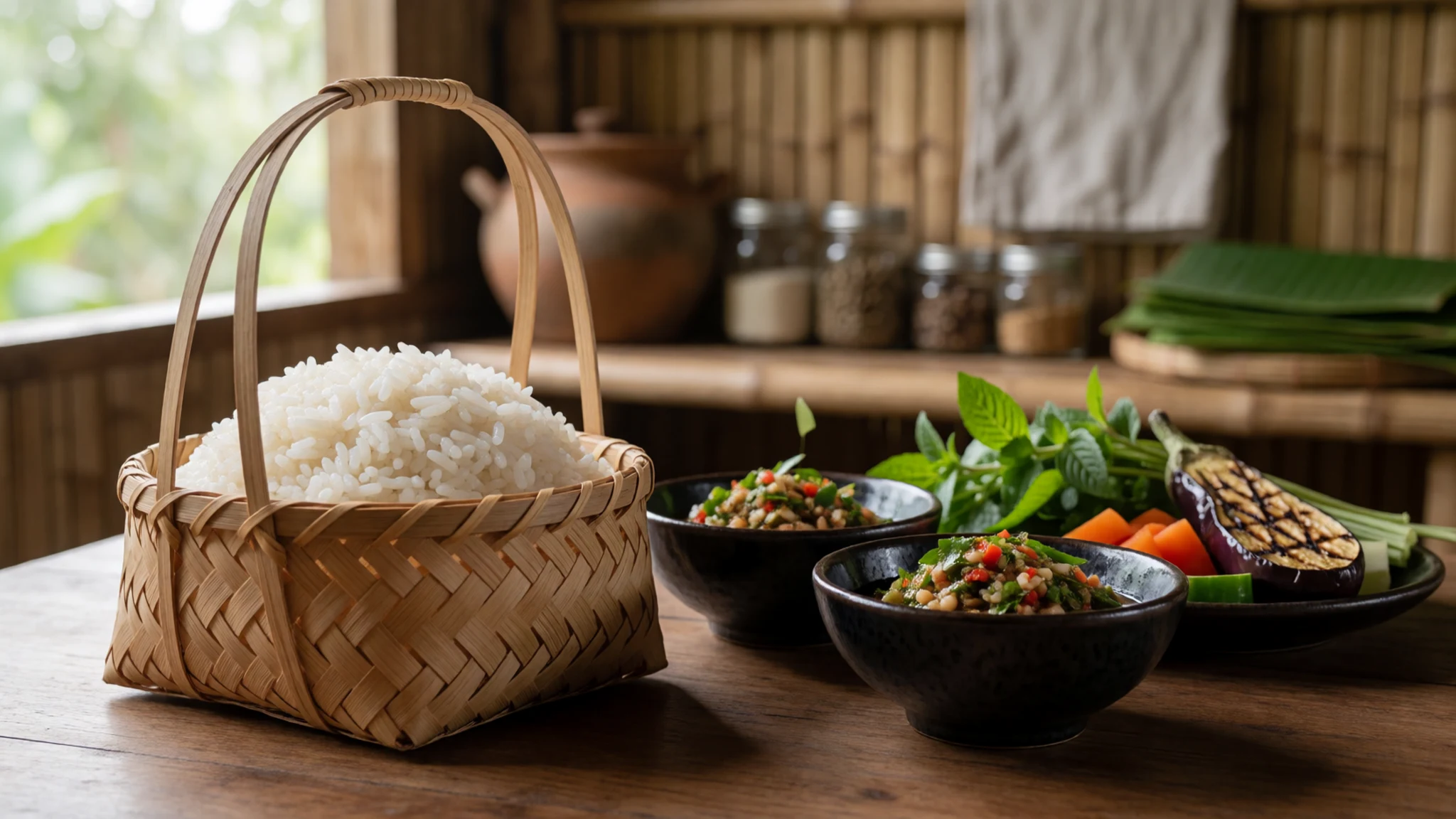
- Laap (larb) — Local eateries and market food stalls around town
Laap is minced meat or fish tossed with lime juice, toasted ground rice, mint and chilli, and served at room temperature. It tastes sharp and herby, and the heat varies, so ask for it mild if unsure. It is usually eaten with sticky rice and raw vegetables. - Grilled Mekong fish — Riverside restaurants near the slow-boat wharf and ferry
Fish from the Mekong is often grilled whole over charcoal with salt and lemongrass, then eaten with herbs and a dipping sauce. Quality depends on the day's catch, so ask what is fresh. Riverside terraces near the wharf are the natural setting. - Beerlao at sunset — Riverside terraces and corner shops
Beerlao is the Lao lager and the usual drink at the end of the day. Nightlife in Huay Xai is quiet, so a bottle on a riverside terrace while the light fades over the Mekong is the standard evening plan. Local shops also sell it to take away.
Plan it
Best time. November to February is cooler and drier, which suits treks and canopy stays. March to May gets hot, and the rainy season, roughly June to October, makes trails muddy and slippery, with leeches and swollen streams.
How long. 3–4
Getting there. The usual route is via Chiang Rai in Thailand: a bus to Chiang Khong, Thai immigration, then the shuttle bus over the bridge to Huay Xai, as walking or cycling across is not allowed. Most nationals can get a visa on arrival, but check the current rules for your passport before travelling. The reserve itself is reached by organised transfer from Huay Xai.
Budget. mid
Tips
- Book forest trips with the conservation project well ahead, especially in the cooler months, and check its official site for current availability and rules
- Carry cash: baht and kip are accepted in Huay Xai but card use is patchy, and exchange rates at the border are poor
- Bring a passport-sized photo for Lao immigration, otherwise the officials scan your passport photo for a fee
- Allow extra time at the border, as the shuttle bus leaves only when reasonably full
- For the slow boat to Luang Prabang, book directly rather than through border touts, and inspect rooms in Pak Beng before committing
Etiquette
- Remove your shoes and cover shoulders and knees at temples
- Ask before photographing monks, villagers or people at work
- Stay on marked trails and keep noise down in the forest so wildlife is not disturbed
Nearby
Sources
- Wikidata Q4938746 (CC0)
- Wikipedia: Bokeo Nature Reserve (rev 1295826963) (CC BY-SA 4.0)
- Wikivoyage: Bokeo Nature Reserve (rev 5243602) (CC BY-SA 4.0)
- Photo: White Cheeked Gibbon Male, Ruby 1x2 (Public domain)

Wildlife
- Black-crested gibbon (animal)
Think of a small ape, a distant cousin of ours, that the world once believed had gone for ever: that is the black-crested gibbon, and it is critically endangered. Scientists feared it was extinct until it was rediscovered in Bokeo in 1997, and the reserve was created to protect it. To watch it well, go with a local guide, keep your distance, and stay quiet so you do not frighten it. Never offer food; wild gibbons must stay wild.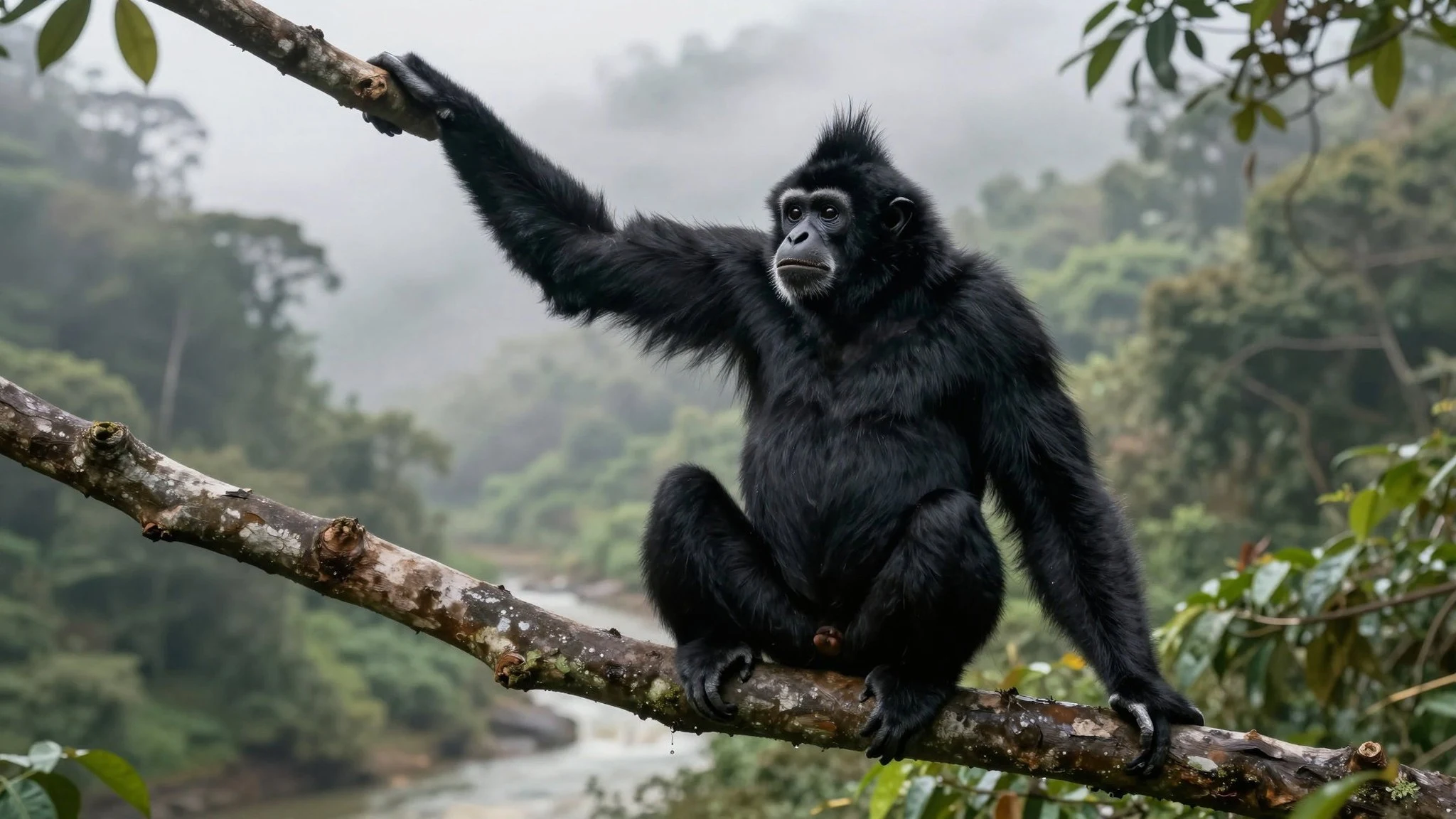
- Asian elephant (animal)
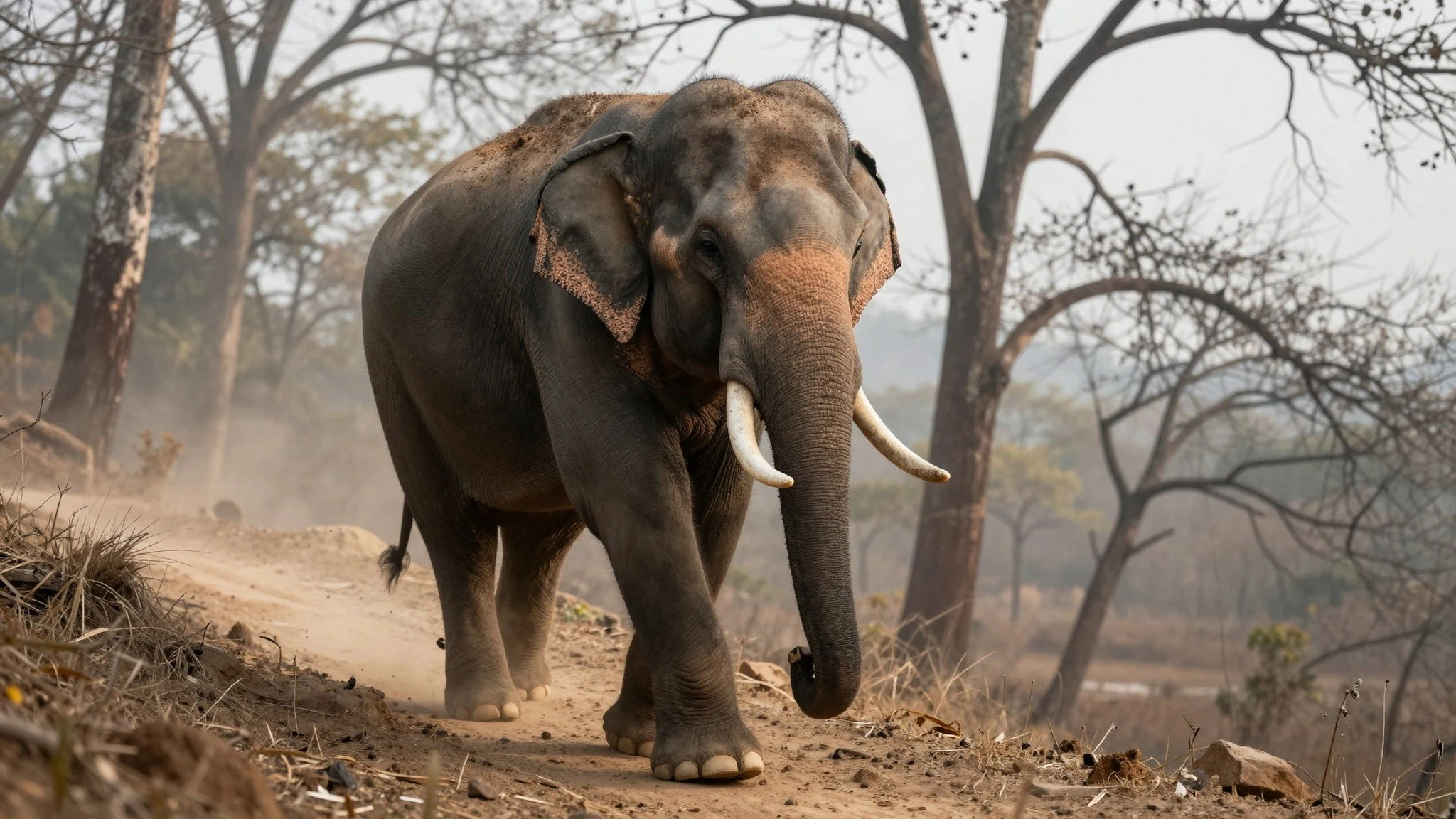
The Asian elephant is the biggest land animal in Asia, grey and wrinkled, with a long trunk that works almost like a hand. In Bokeo, elephants migrate across the reserve, alongside wild water buffalo, but seeing one is a matter of luck rather than planning, so enjoy the forest without expecting it. If you are lucky, stay well back, keep quiet, and follow your guide's lead. Never feed an elephant; a calm, distant view is best.