Sary-Chelek Nature Reserve
Sary-Chelek Nature Reserve, Kyrgyzstan
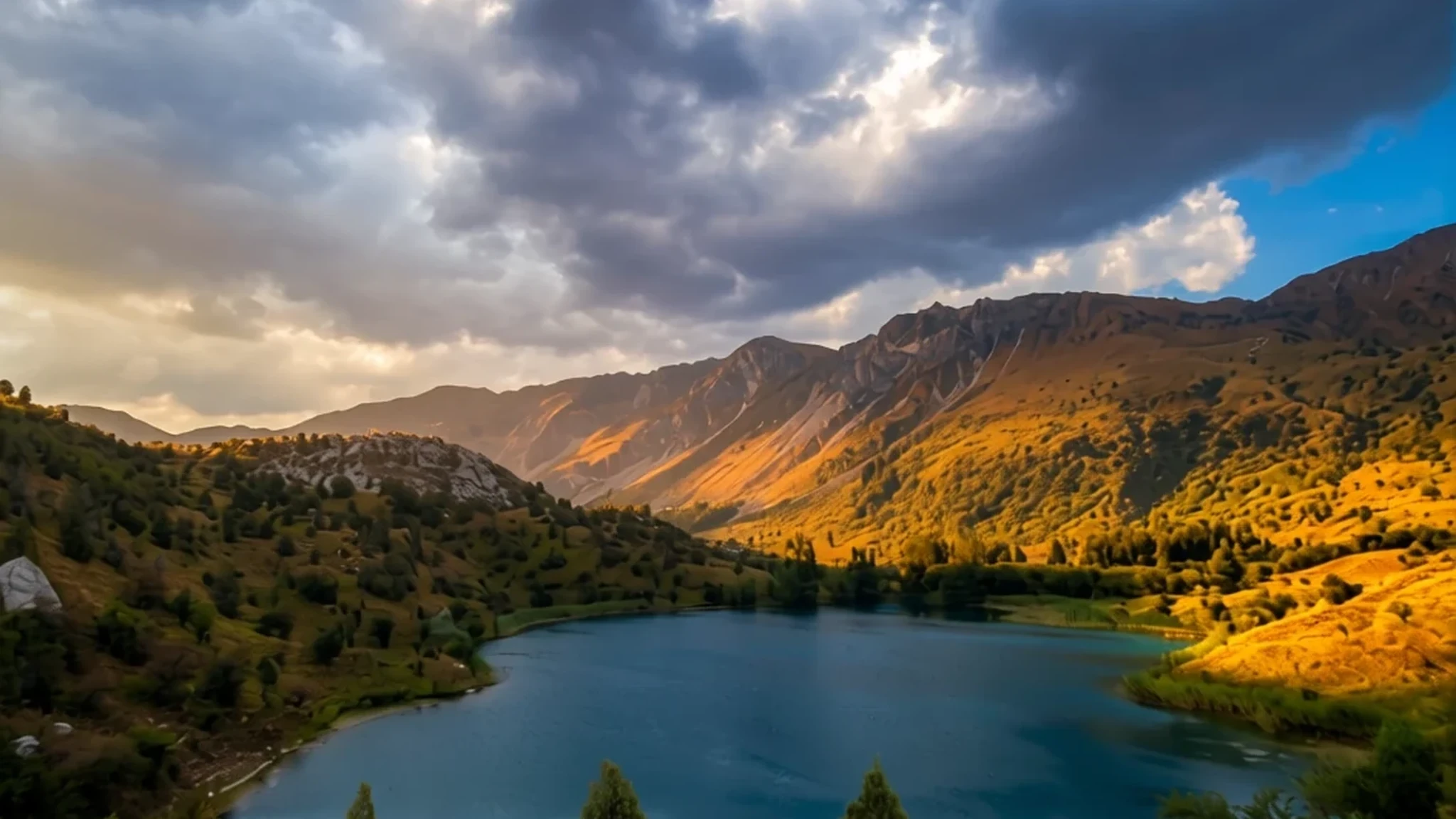
Sary-Chelek Nature Reserve is for people who want quiet lakeside walking, wild birds, and a serious sense of altitude.
The place
Sary-Chelek Nature Reserve (Сары-Челек государственный заповедник) sits in Aksy District of Jalal-Abad Region in western Kyrgyzstan. It was established in 1959 and is known as a biosphere reserve, which is a useful clue to the overall vibe: this is not about crowds or set-piece sights, but about habitat, water, and the rhythms of the seasons.
The landscape is big and vertical. Sary Chelek runs from lower valley areas up into high terrain, with altitudes spanning 1,200–4,247 metres. That jump matters because temperatures change fast, even when the day starts bright. The reserve’s name, Sary Chelek, is often translated as “Yellow bucket”, and you feel that local, place-based character when you’re out on the tracks.
The reserve is roughly 60 kilometres northwest of the town of Tash-Kömür, and the administrative centre is in the village of Arkyt. For travellers, that often means longer driving than you’d expect for a “nature day”, followed by a gentler pace: viewpoints over lakes such as Кылс-Кёль, slow walks by the water, and a chance to look closely at plants and birds rather than just chase panoramas.
Crowds tend to be light compared with Europe or Central Asia’s big-name resorts. The trade-off is logistics—transport is less frequent, and weather can turn quickly once you move between elevations. Plan for that, and the reserve delivers its real reward: quiet, wide skies, and water everywhere.
Its story
Sary-Chelek Nature Reserve tells a straightforward story: water holds the place together, and altitude writes the rest. Established in 1959, it became a protected area in a period when many parts of Kyrgyzstan were being mapped, named, and organised for conservation and research. Sary Chelek’s designation as a biosphere reserve reflects that long-term thinking—this is an “observe and protect” landscape as much as a “visit and enjoy” one.
Locally, the reserve sits within Aksy District, with headquarters in Arkyt. That detail helps you understand how travel works there: you’re visiting a system managed from the ground, not a theme park built for passing tourists. Routes often begin with getting out of towns and into the reserve’s valley-to-mountain gradient, where the air changes and the views open in stages.
The reserve’s name—“Yellow bucket”—feels like the sort of local label that comes from noticing how the land looks at certain times of day, not from outsiders. Out on the tracks, that translates into a lot of small moments: the colour of lake light, the texture of shore vegetation, and the way birds appear more often when you slow down.
The bigger historical backdrop is Kyrgyzstan’s long, shifting human story—Scythian-era inhabitants, later movements of Kyrgyz groups, and incorporation into the Russian Empire in the late 19th century. For a visitor, that history doesn’t need to be dramatic; it’s simply another layer in the wider setting, beside the quieter, more immediate narrative of seasons and water.
What to see
- Lake Кылс-Кёль viewpoints — around the reserve lakes
Sary-Chelek Nature Reserve’s signature scenery comes from lake Кылс-Кёль. Stop at safe lookout spots and take time for the light on the water—mornings can feel clear and cool, while afternoons shift the colour quickly. Expect calm stretches of shoreline and frequent bird activity when you keep your pace unhurried.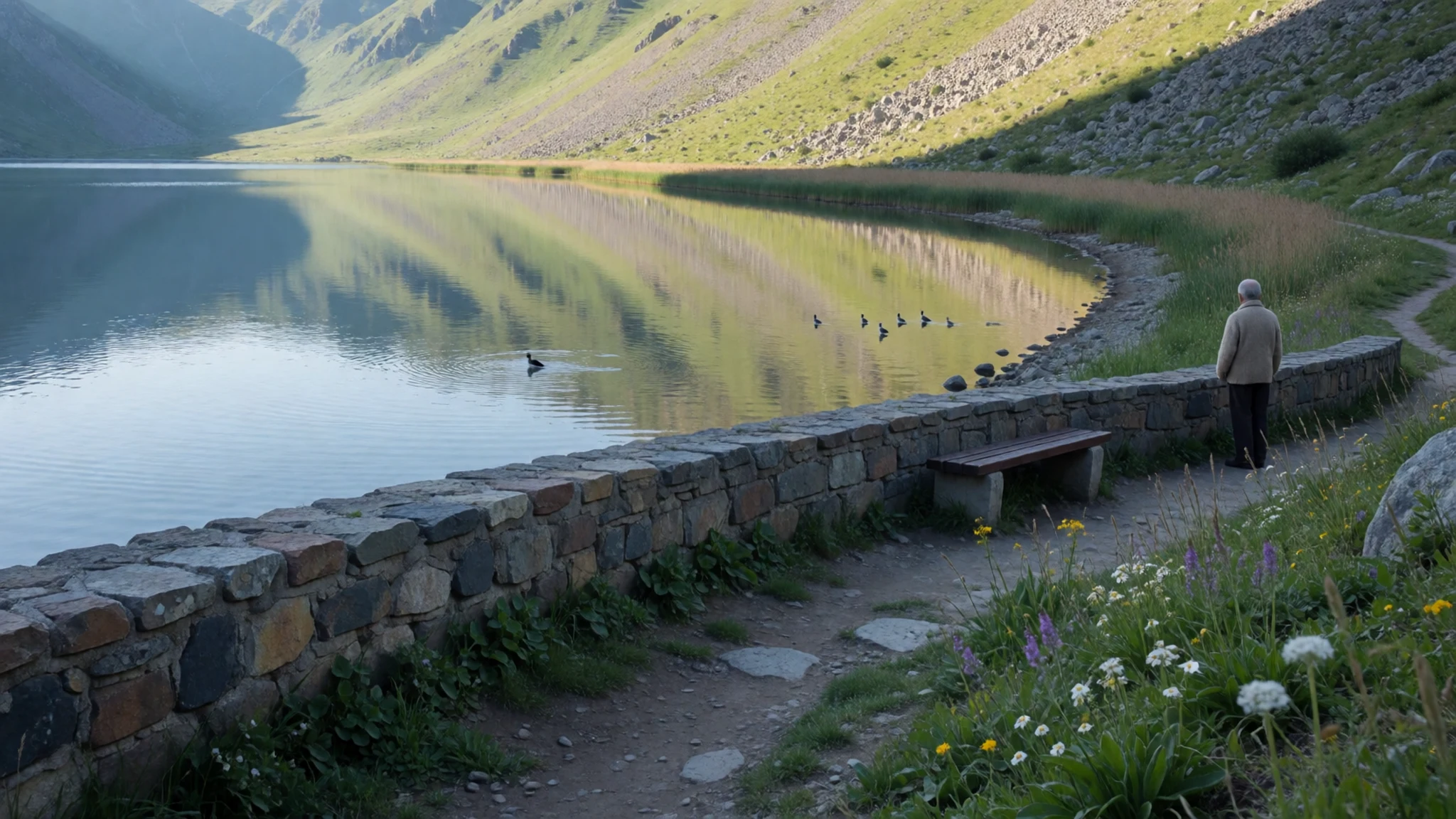
- Aram-Kol lake — lake country within the reserve
Aram-Kol is one of the lakes people use as a reference point inside the Sary-Chelek biosphere landscape. The attraction is the setting: water backed by slopes and vegetation, with viewpoints that vary depending on where the track drops you. Bring binoculars if you enjoy birds—quiet watching tends to pay off more than sprinting between spots.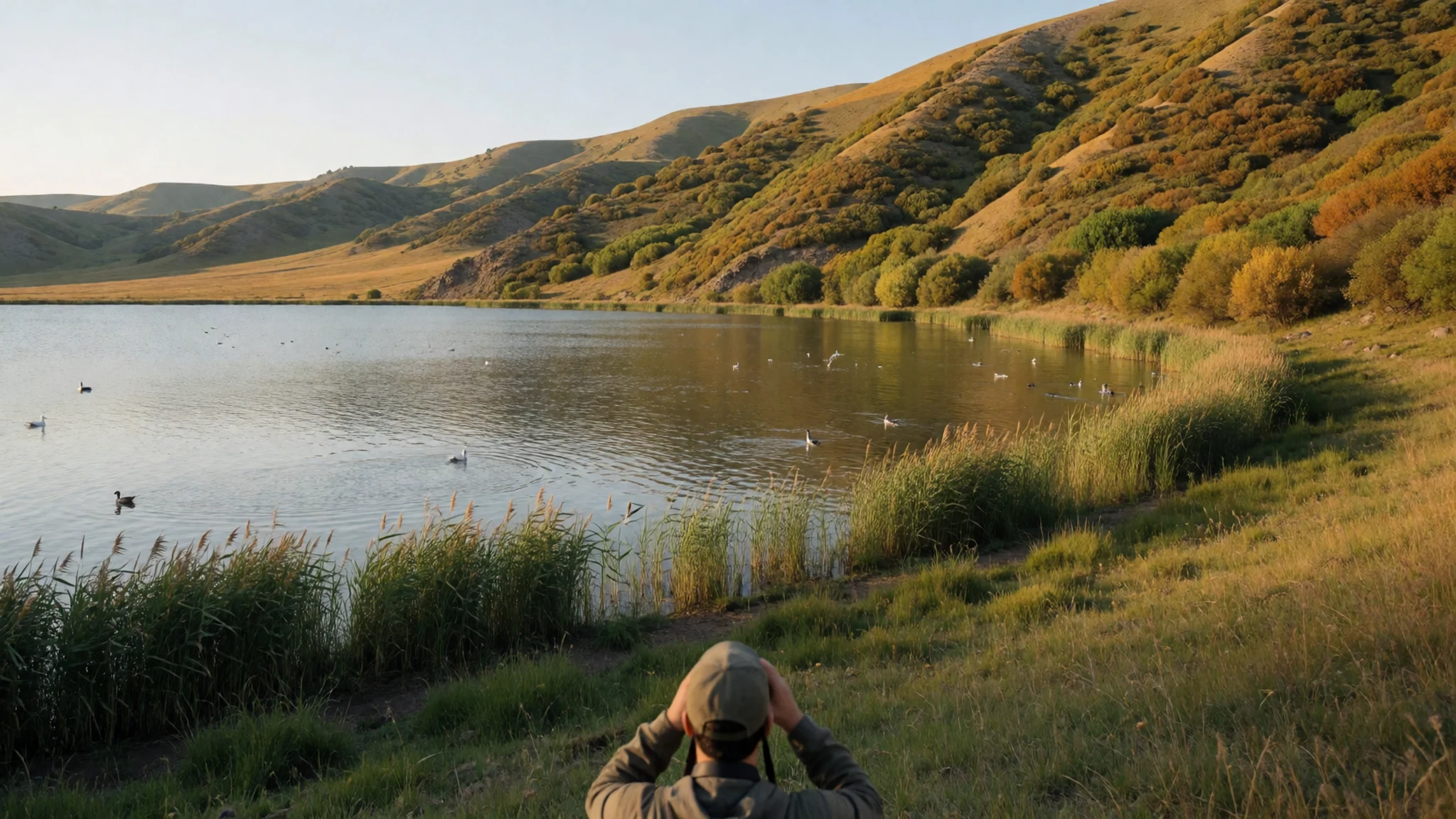
- Bakaly-Kol landscapes — around Bakaly-Kol within the reserve
Bakaly-Kol offers a different feel from the main lakes: more open views and a road-to-trail rhythm as you approach. You’ll often see a broad mix of grasses and flowering plants alongside the water edges. It’s a good place for slower photography and for checking how the wind changes across elevations.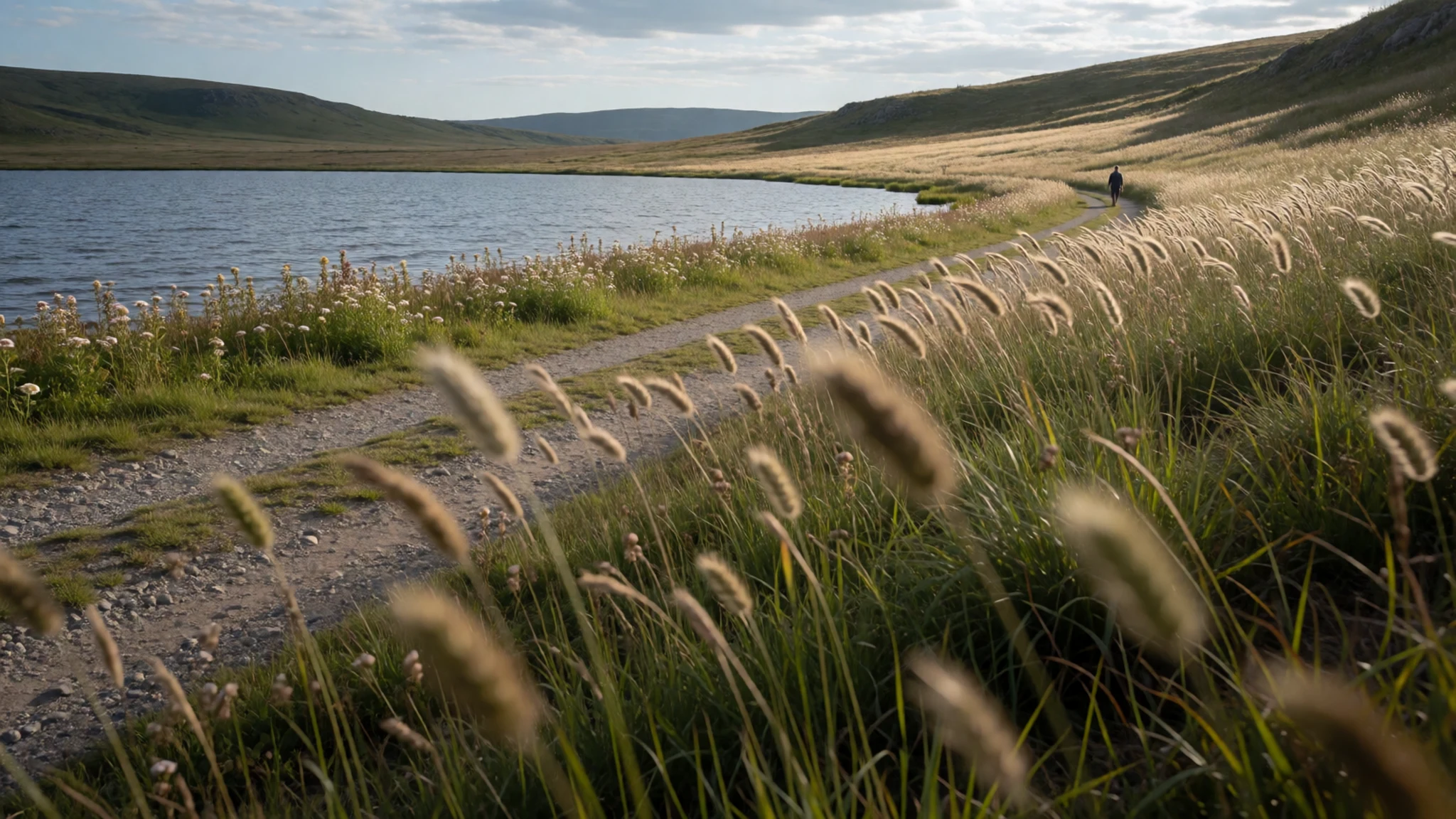
- Plant spotting on the reserve paths — trail margins and open patches
Sary-Chelek is also about botany. If a plant guide is part of the fun, look out for species documented from the reserve area, such as Bunias orientalis and Erigeron annuus. These are the moments where nature is more detailed than dramatic—use close, steady looking instead of only wide-angle shots, especially when the light is soft.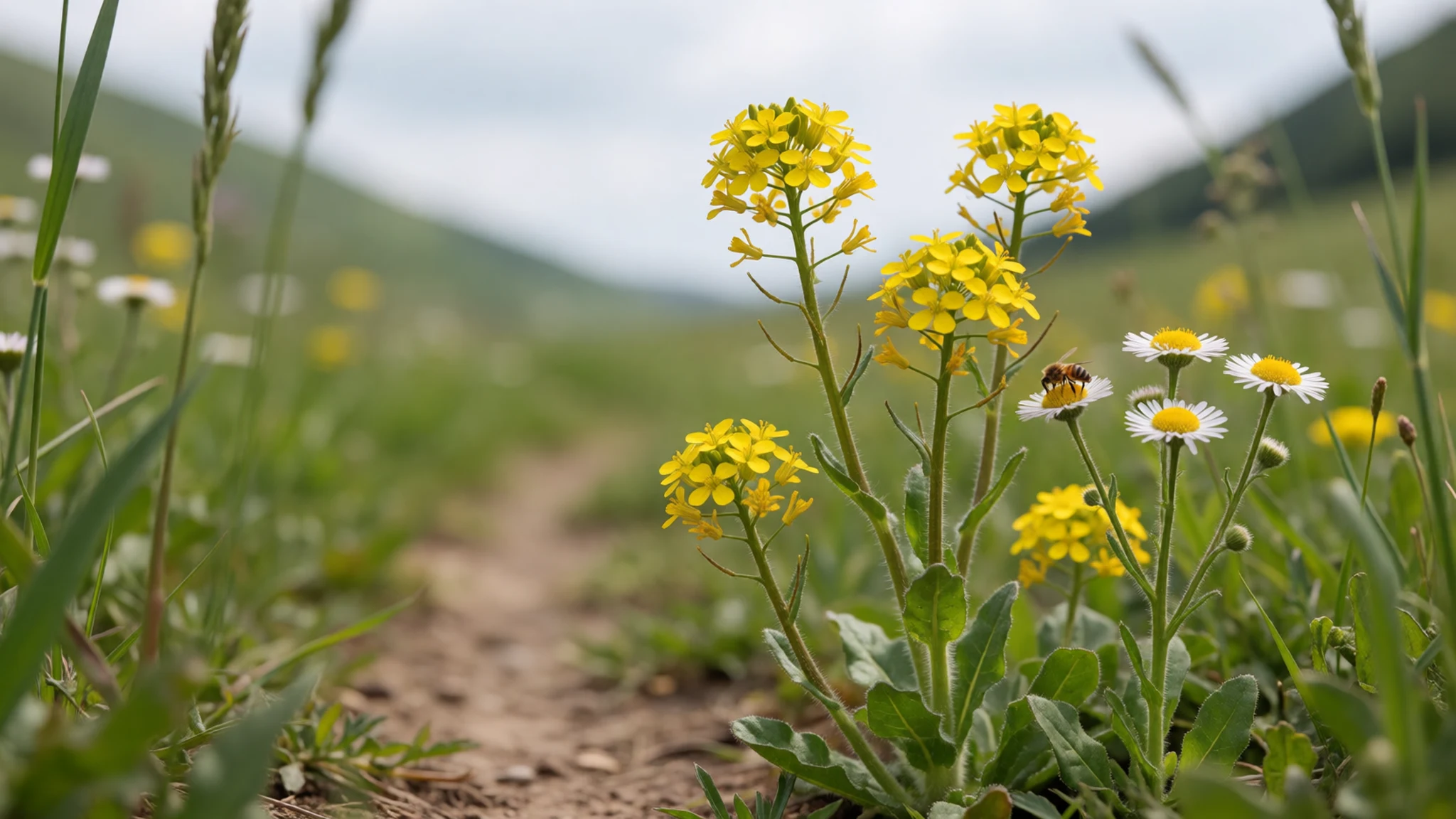
- Wildflower fields near Erigeron stands — sunny slopes and meadow edges
When conditions are right, Erigeron annuus can form noticeable stands, and the reserve landscape shifts from “walkable scenery” to “botanical calendar.” These areas are best explored slowly, letting your eyes adjust to small colour changes. If you’re travelling in cooler months, dress for wind and consider that paths can still be muddy near water.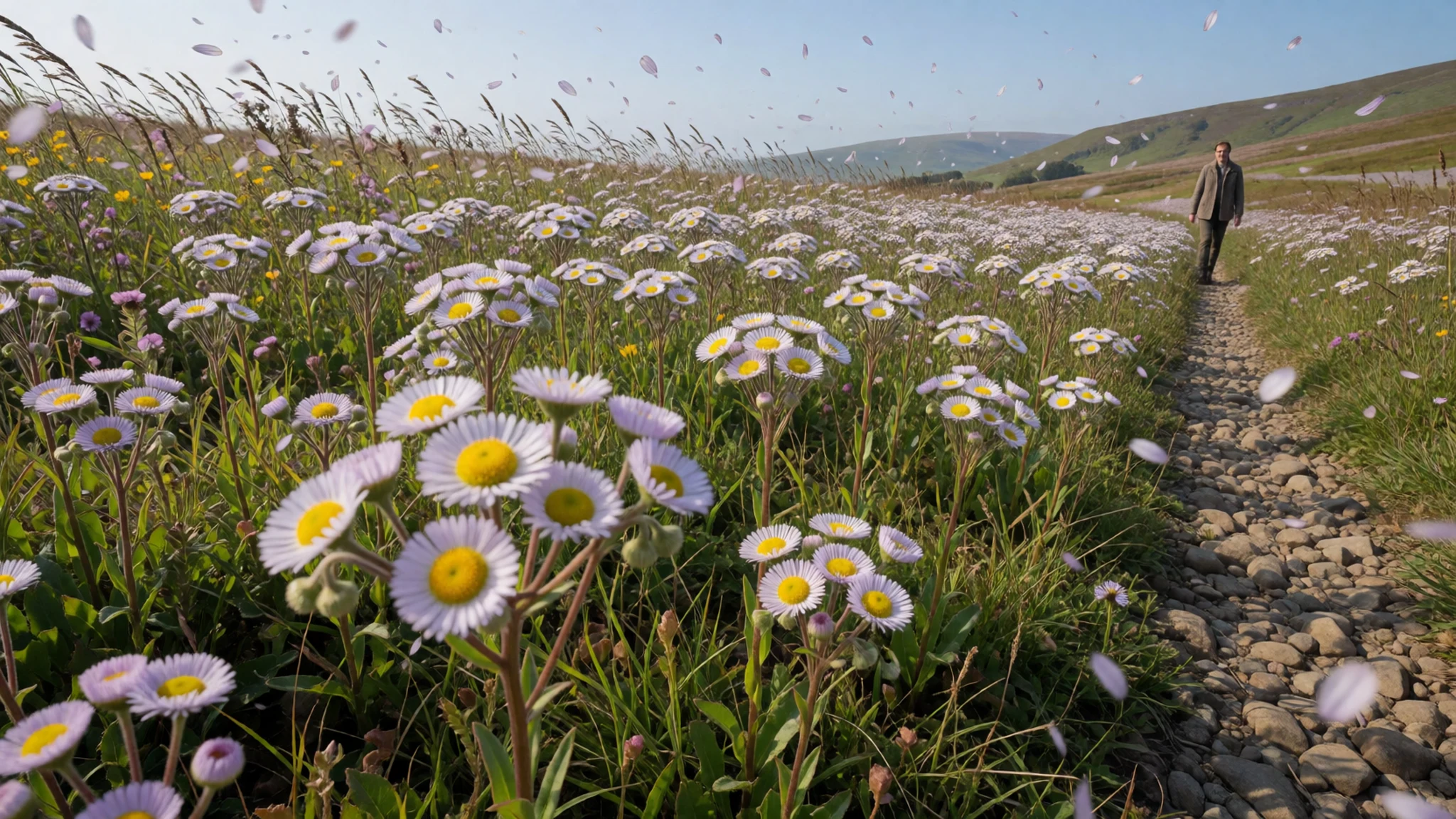
- Relief views to orient yourself — planning base
Even before you step onto trails, use a map-style perspective to understand how far the reserve spans vertically. A relief map of Kyrgyzstan helps link the reserve’s altitude range with what you’ll feel outdoors—cooler air at higher points and different vegetation zones. It’s a small prep habit that makes the landscape read more clearly once you’re there.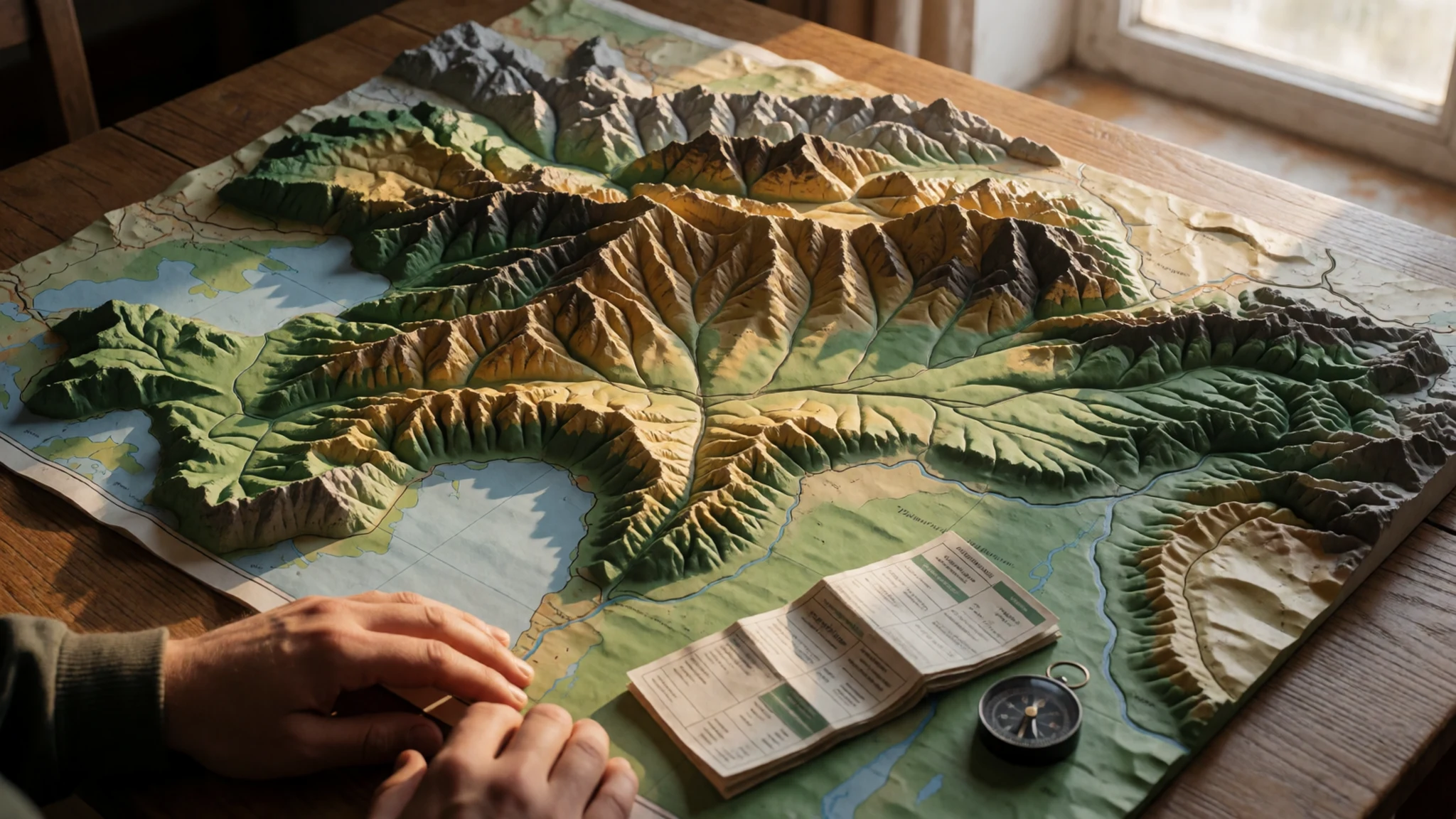
Culture
Kyrgyzstan’s social norms are often described as “Western” compared with many nearby countries, and that shows up in everyday interactions: people tend to be straightforward, and visitors usually don’t face complicated formality. In Sary-Chelek Nature Reserve specifically, the bigger cultural issue is less about dress code and more about how quietly people treat the outdoors and how respectfully they behave around local hospitality.
Dress codes are generally not strict in Kyrgyzstan, but in southern areas women are commonly advised to dress more conservatively than in the capital, where styles can be more revealing. Alcohol can also be a factor in the evening; it’s worth staying measured and choosing calm behaviour in shared spaces. If you’re invited to drink tea or other drinks, that invitation is part of hospitality culture—sit, accept the moment, and keep the conversation friendly.
For nature reserves like Sary-Chelek, the practical etiquette is to move gently, avoid trampling plants, and keep voices low. In a place where the main “attraction” is water and living habitat, being considerate becomes the difference between a pleasant walk and an unnecessary disturbance. Visitor etiquette: keep noise down and follow local guidance on where to walk and where not to disturb birds or plants.
What to wear
In Sary-Chelek Nature Reserve, clothing is driven by altitude range and changing weather rather than any strict religion-based dress code. The reserve spans from 1,200 to 4,247 metres, so temperatures and wind can change quickly—pack layers that you can add or shed during the day.
Traditional Kyrgyz dress is often built around felt and wool textures, with embroidered details and warm fabrics suited to mountain climates. Today, many people wear everyday western-style clothes in towns, while more traditional outfits may appear at cultural events or festivals. When you’re out around the reserve, you’ll most often see practical hiking gear and warm outer layers rather than ceremonial clothing.
For visitors, the “wear this” list is simple: a warm jacket (especially if you go higher), long trousers, and comfortable closed-toe shoes with grip for uneven, sometimes muddy ground near water. If the day turns windy, a hat and a light scarf make a real difference. For interactions in villages, modesty is appreciated: avoid overly revealing outfits, particularly for women in more conservative southern contexts. Visitor etiquette: dress in layers and choose footwear with grip for trails that can be wet around lakes.
What to eat
- Besh barmak — family tables and local Kyrgyz eateries in towns
Besh barmak is a classic Kyrgyz “five fingers” dish: a meat-based broth served with meat and noodles. It’s traditionally eaten from a large communal dish, though you may also see forks or spoons. Ask locally where it’s being served as home-style food or at a family-run eatery.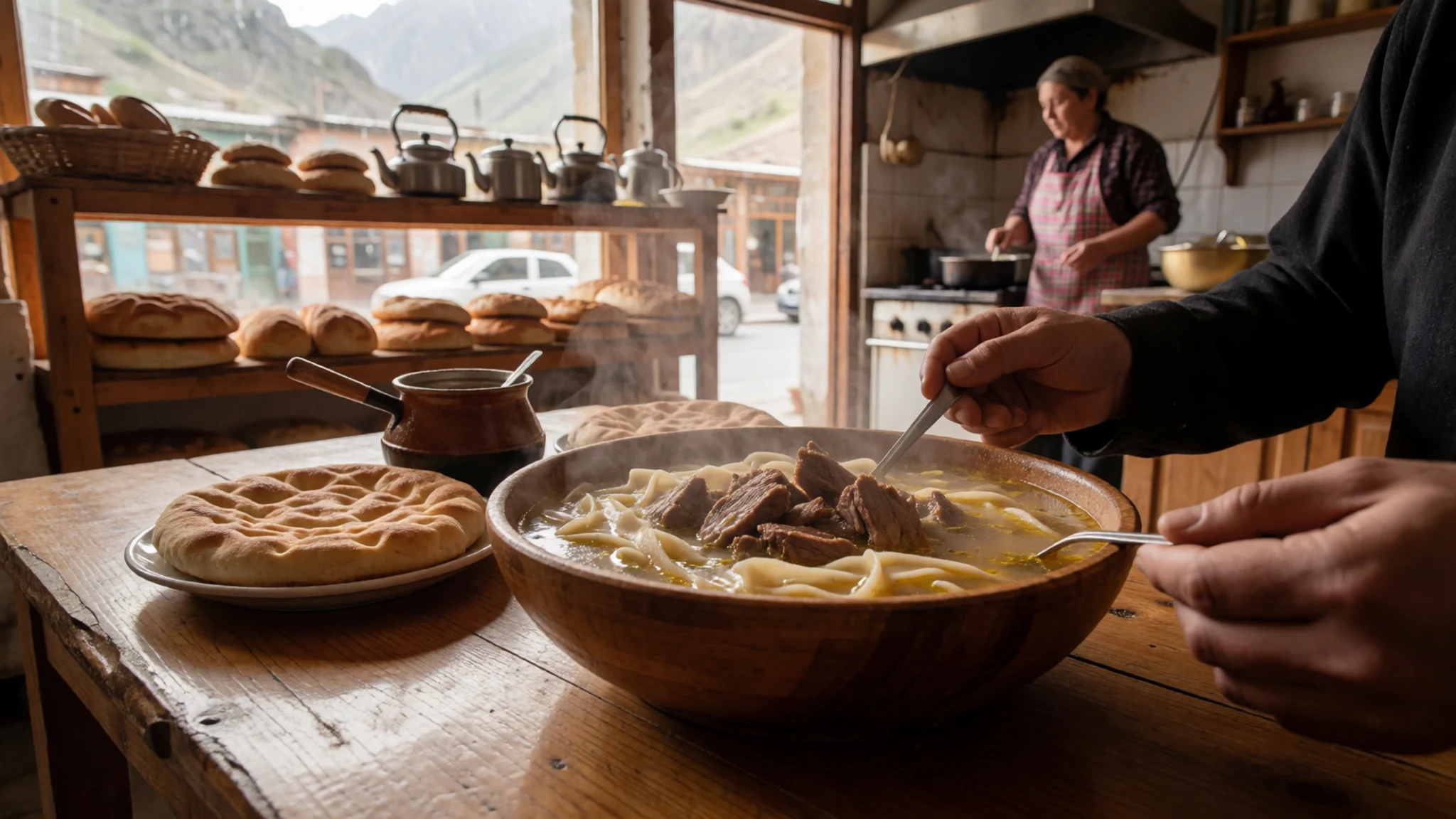
- Lagman-style noodle meals — local restaurants and street-area eateries in regional towns
In Kyrgyzstan, noodle dishes are common and often come with a meat sauce and vegetables. Look for lagman-style menus in everyday restaurants and meal spots near main roads, where you’ll usually get a warming bowl that suits cooler reserve days.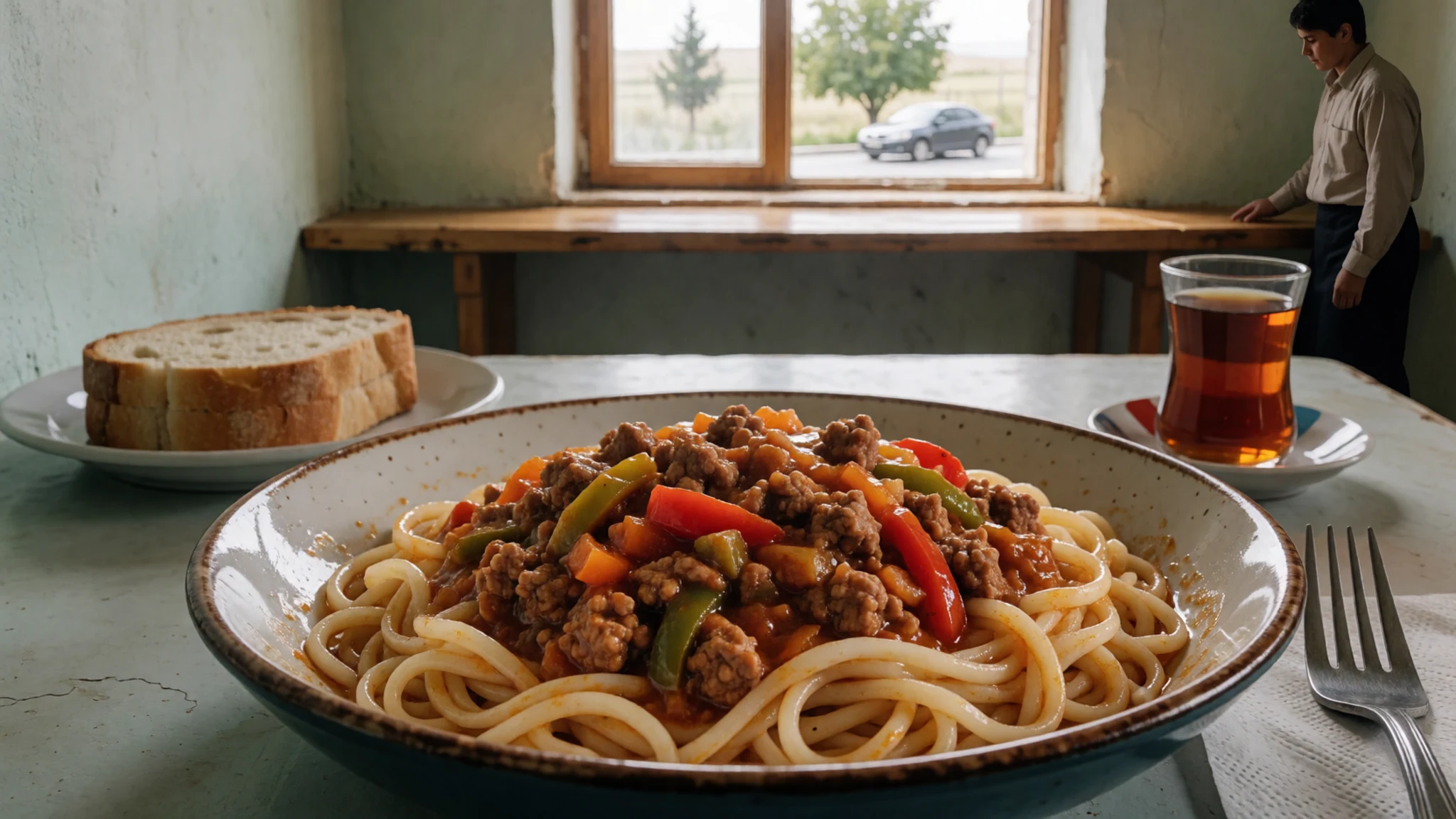
- Samsa (baked pastries) — bakeries and small food kiosks
Samsa are baked pastries that tend to show up across Central Asia, with fillings that can include meat and onions. They’re a handy travel snack when you’re between viewpoints or waiting on transport. Many people grab them from bakeries and small kiosks. - Kymys (fermented mare’s milk) — homes and hospitality-focused stops with local hosts
Kymys is a traditional fermented drink that’s served when you visit and share hospitality. If it’s offered, it’s usually presented as part of social bonding, not as a quick “tourist try.” Take it slowly and ask about how it’s prepared if you’re curious. - Tea served with local conversation — tea houses, guesthouses, and homes when invited
Tea is a daily social ritual, and you may be asked how strong you want it. It’s an easy way to warm up after walking by water or when the wind picks up. Seek it out in households, guesthouses, and simple teahouses. - Fresh fruit and bread from small stands — small stands and market edges in towns
Between treks, fresh bread and fruit stands are a practical option. In many places you can find small, low-cost stalls with local produce and simple baked goods—ideal for picnics before a lake or trail leg.
Plan it
Best time. March–April and October–November for more comfortable outdoor temperatures; the reserve can feel cooler at higher elevations.
How long. 3–4
Getting there. Fly into either Manas airport in Bishkek or Osh airport, then arrange ground transport towards Aksy District and the reserve area; for the last leg, expect local driving to the Arkyt side and onwards to trail access points.
Budget. mid
Tips
- Start early when you can, so the lake light and bird activity are easier to catch
- Pack layers for a rapid shift between lower and higher points—wind is often the real factor
- Bring cash for small purchases in towns and for any simple roadside stops
- Wear shoes with grip; paths near water can be uneven or damp
- Plan for long driving time before any trail, because getting into the reserve takes effort
Etiquette
- Keep voices low and avoid sudden movement near wildlife
- Follow any local guidance on where tracks are safe and where plants should not be disturbed
- If invited to drink tea or other drinks, sit and take the moment calmly
Nearby
Sources
- Wikidata Q4408855 (CC0)
- Wikipedia (rev 1362904631) — Sary-Chelek Nature Reserve (CC BY-SA 4.0)
- Wikivoyage (rev 5420229) — Kyrgyzstan (CC BY-SA 4.0)
- Photo photos/01-sary-chelek-nature-reserve.jpg (CC BY-SA 4.0)
- Photo photos/02-relief-map-of-kyrgyzstan.png (CC BY 3.0)
- Photo photos/03-sary-chelek-and-bird.jpg (CC BY 3.0)
- Photo photos/04-aram-kol-lake-is-located-in-the-sary-chelek-biosphere-reserv.jpg (CC BY-SA 4.0)
- Photo photos/05-bakaly-kol-26-05-2026.jpg (CC BY-SA 4.0)
- Photo photos/06-beautiful-landscapes-on-the-road-26-05-2026.jpg (CC BY-SA 4.0)
- Photo photos/07-bunias-orientalis-10-3897-bdj-9-e75590-figure-4.jpg (CC BY 4.0)
- Photo photos/08-erigeron-annuus-10-3897-bdj-9-e75590-figure-6.jpg (CC BY 4.0)


