Salar de Coipasa
Salar de Coipasa, Bolivia
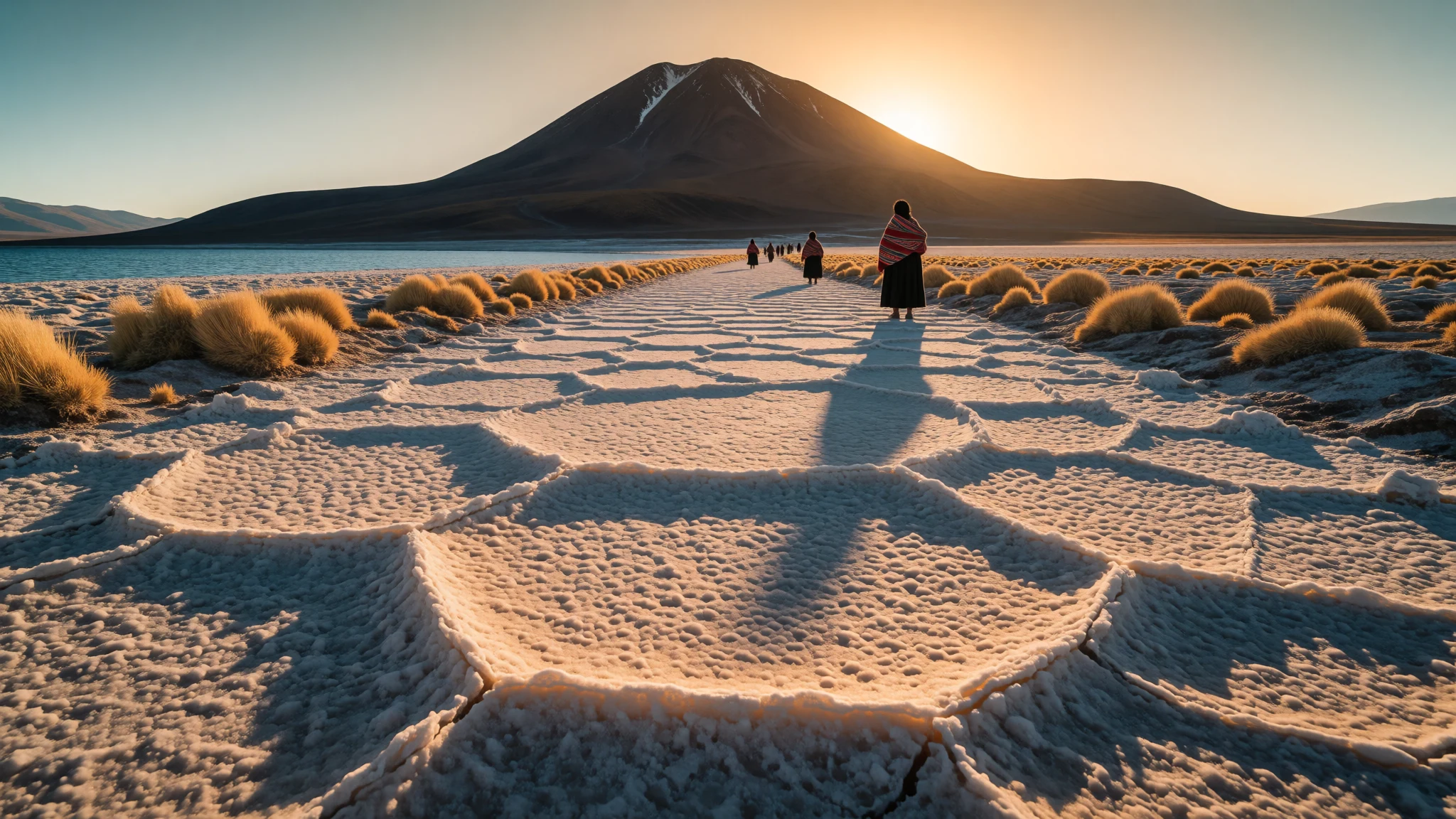
Salar de Coipasa is a quiet, high salt flat in western Bolivia where flamingos, a volcano and the Chipaya villages share one huge horizon.
The place
Salar de Coipasa sits on the Altiplano of western Bolivia, close to the Chilean border, at an elevation of 3666 m. It is a salt pan, a beach of crystalline crust and, in wet spells, a shallow lake all at once; the Wikidata record lists all three. The flat lies north of Salar de Uyuni, the far busier salt desert, and south of the main road that links Oruro with Huara in Chile. Most travellers who pass this way are heading somewhere else, which is much of its appeal.
In the middle of the salt, Lago Coipasa collects water after the rains. It is tectonic in origin, meaning it fills a basin shaped by movement of the earth's crust rather than by a glacier or a river. Around it the crust spreads out as a white, cracked plain, and a volcanic cone rises from the edge as the only real landmark. Flamingos gather on the shores in their thousands, and when the air is still the thin film of water mirrors the sky.
The surrounding country is thinly populated. Herders, quinoa growers and the Chipaya communities live along the margins of the flat. Services are scarce and there are no towns on the salt itself. The practical base for the region is Oruro, a mining and railway city a long day away by road. Visiting means a four-wheel-drive vehicle, a driver who knows the tracks, and an acceptance that the weather decides the itinerary.
Its story
Salar de Coipasa is what remains of water that once spread across much of the Altiplano. As the climate dried, the ancient lakes shrank, evaporation left salt behind, and a crust formed over the basin. Lago Coipasa, the shallow lake at its heart, is the last visible trace of that wetter past, and it changes size with the seasons.
People have lived around shores like these for a long time. The Chipaya, who still farm and herd near the salt, speak their own language and trace their ancestry to the Uru peoples, groups whose lives were built around lakes and rivers rather than high fields. Later arrivals, first Aymara neighbours and then Spanish colonial rule, pushed many Uru communities onto poorer, saltier land. The Chipaya held on at the edge of the Coipasa basin through that pressure and are still there.
The modern history of the area is tied to Oruro, the nearest city of any size. It grew as a mining and railway town, and for generations its mines and trains were the region's link to the wider world. As the mine closed and rail services thinned, the city lost some of its economic weight, though its carnival keeps it known across Bolivia. Coipasa itself has never had a boom. That absence of development is why the flat still feels like open country rather than a destination, and why a visitor is likely to meet herders, drivers and flamingos, in roughly that order.
What to see
- The salt shoreline and flamingos — Lago Coipasa, Sabaya Province
The edge of Lago Coipasa is where the salar becomes interesting. Flamingos feed in the shallows in large flocks, and the crust beside them is cracked into rough polygons. Go slowly, keep a respectful distance and use binoculars rather than walking towards the birds, which lift off easily when disturbed.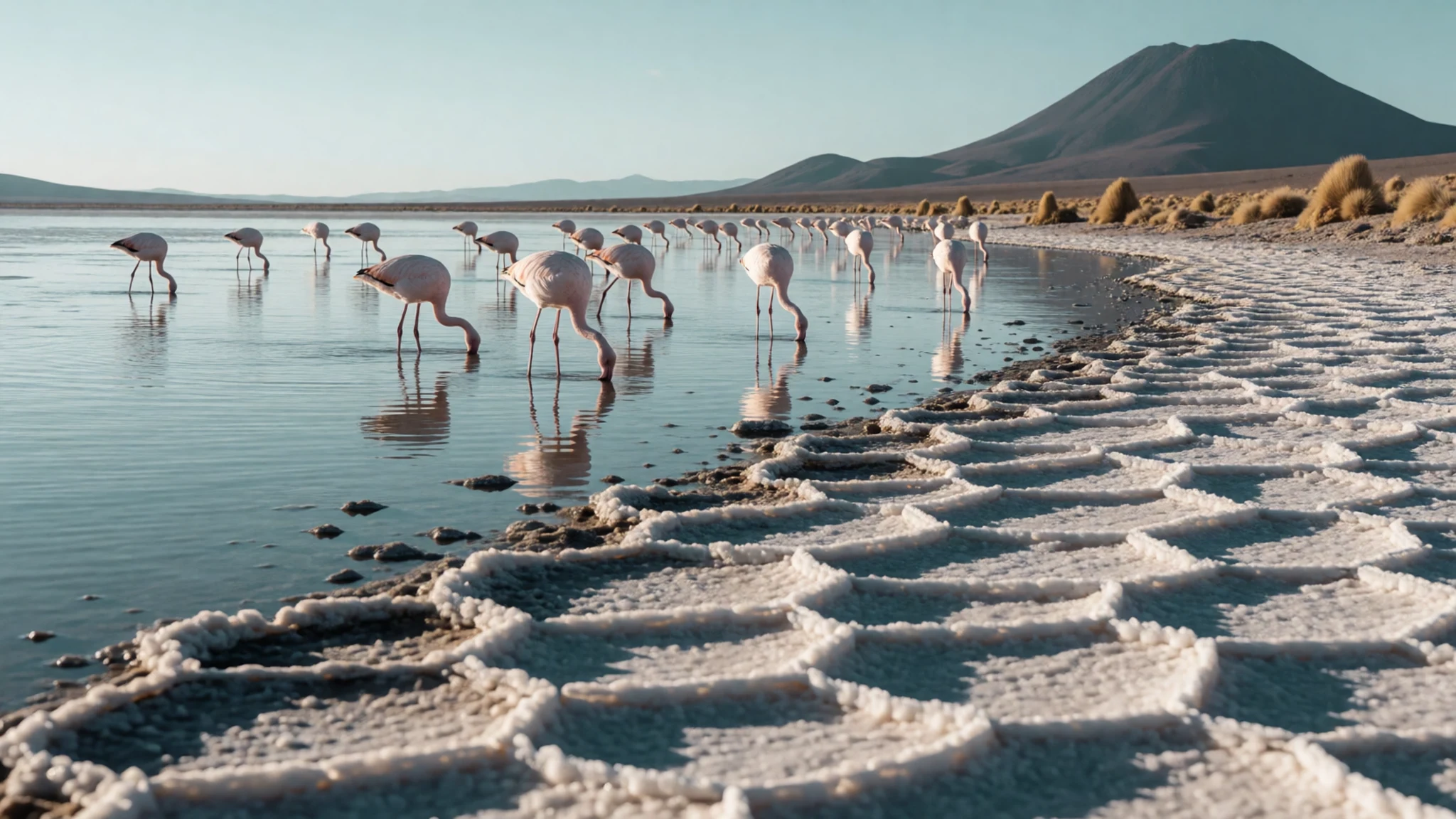
- Wila Pukarani volcano — Edge of the salar
A volcanic cone rises above the salt and gives the flat its one strong vertical line. From a distance it works as a compass for drivers crossing the crust. Nobody should treat it as a casual walk: the altitude is severe, the ground is loose, and a local guide is the sensible way to approach it.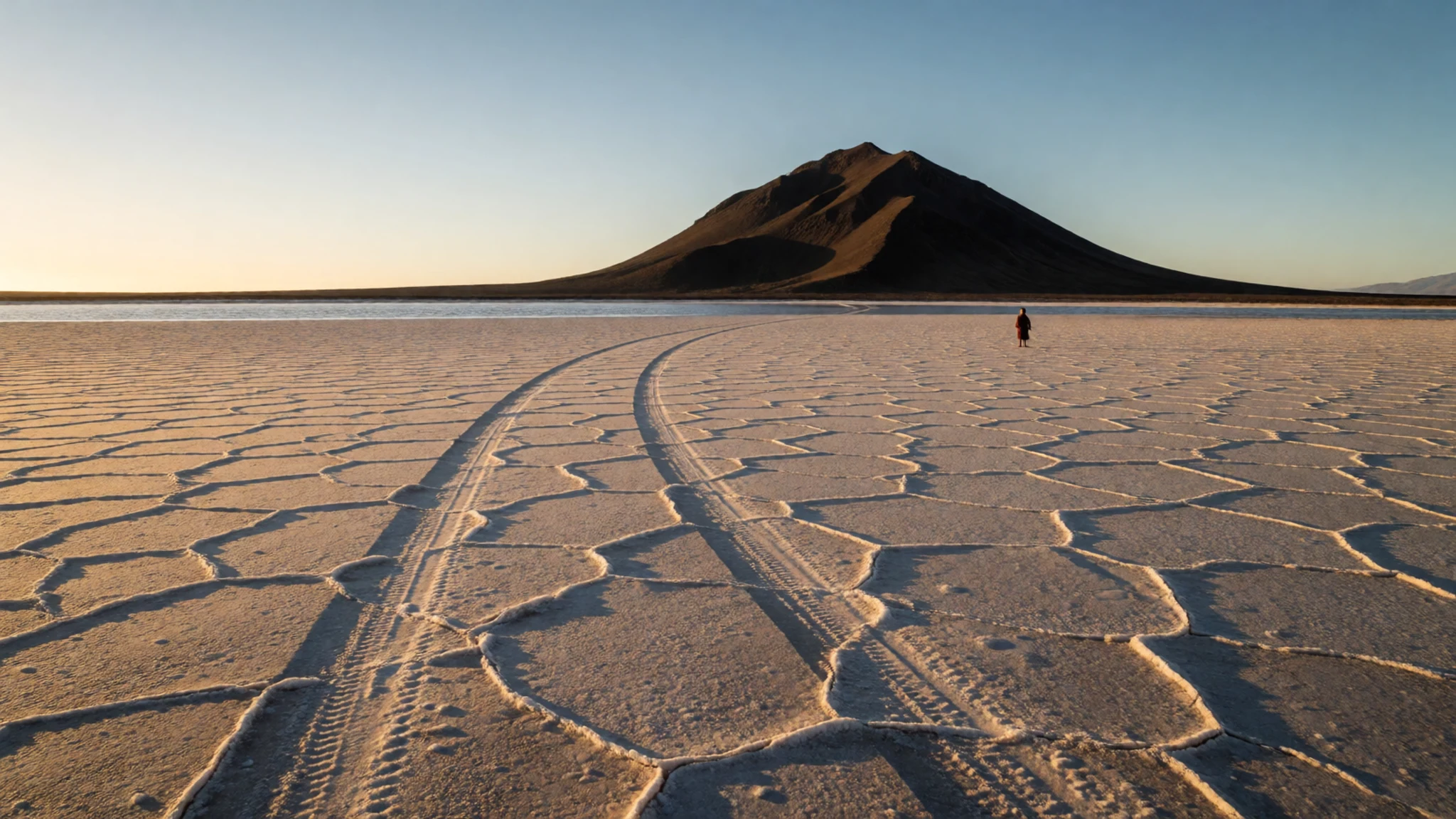
- Chipaya and the nearby lagoons — Chipaya, Oruro Department
Chipaya is the main community near the salar, and its surrounding wetlands and shallow lakes hold birdlife and reflect the sky on calm days. A visit is as much about meeting a living Uru-Chipaya culture as about scenery. Arrange it through a guide who has local contacts, and expect a quiet, working village.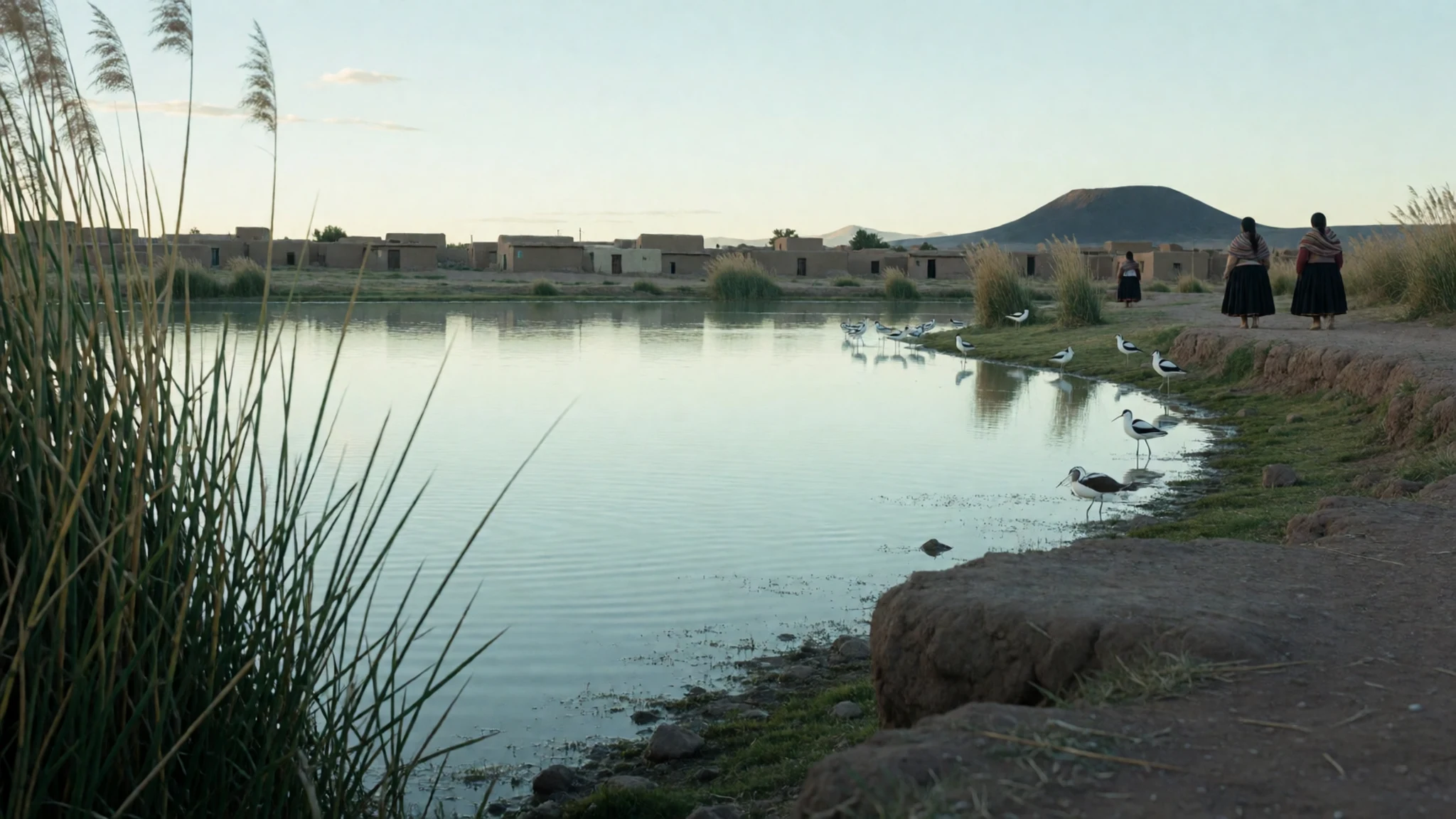
- Museum of ethnography and folklore, Oruro — Southern Oruro
In the south of Oruro, near the zoo, this museum explains how the Chipaya traditionally lived and holds a large collection of carnival outfits, including masks. It is the best preparation for the journey to the salar, because it puts faces and objects to the people whose land the flat borders.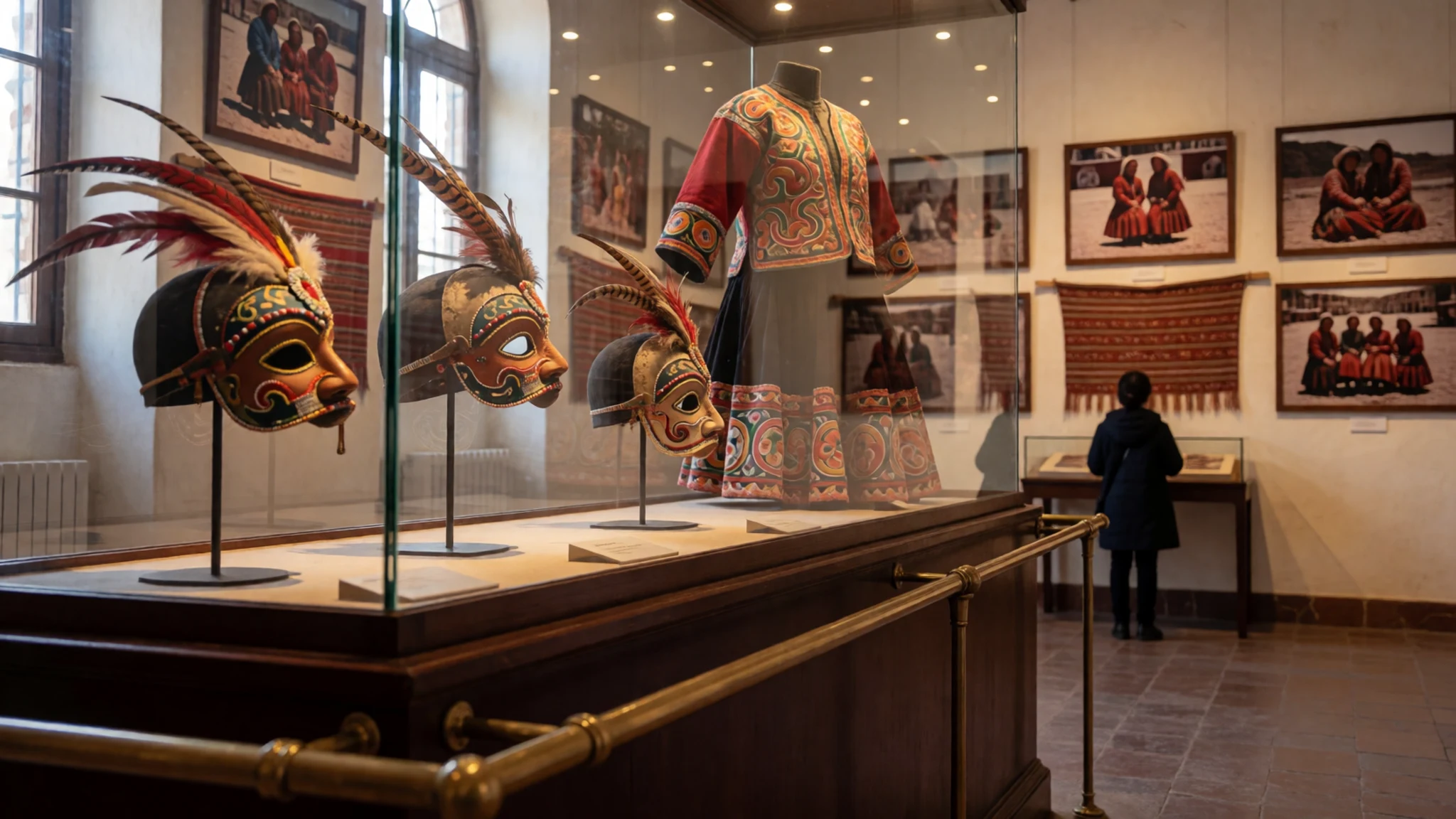
- Faro del Conchupata and the hills above Oruro — Oruro
The Faro del Conchupata is a lookout over Oruro, and the hills around town offer an easy walk with decent views. It is a gentle way to spend the first afternoon while the body adjusts to altitude, before the long drive out to the salt.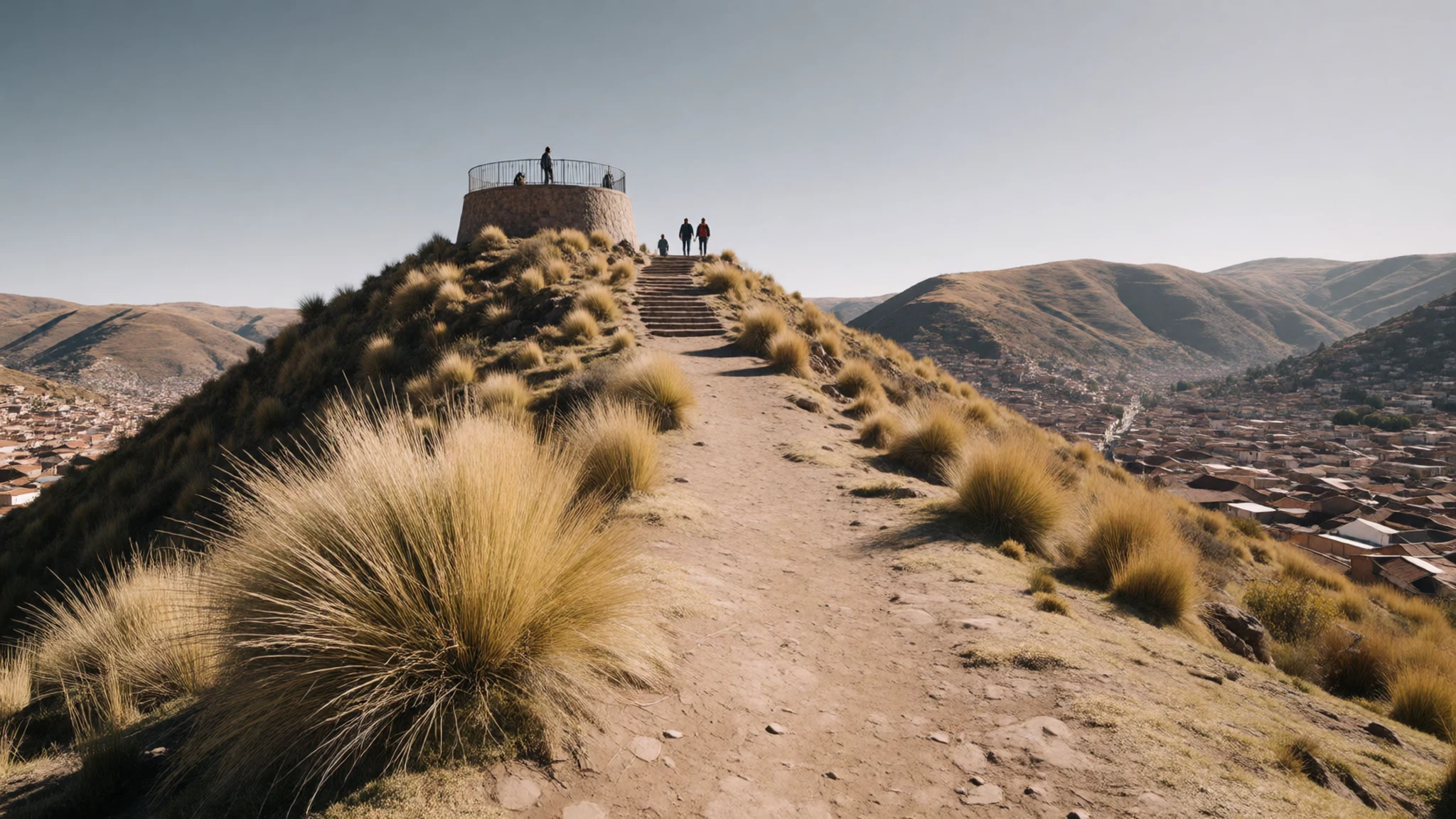
- Cala-Cala rock art — Near Oruro
A short drive from Oruro, the small town of Cala-Cala has the Señor de Lagunas temple and prehistoric art painted on stone. It is a modest stop rather than a headline sight, but it shows that people have been marking this landscape for a very long time.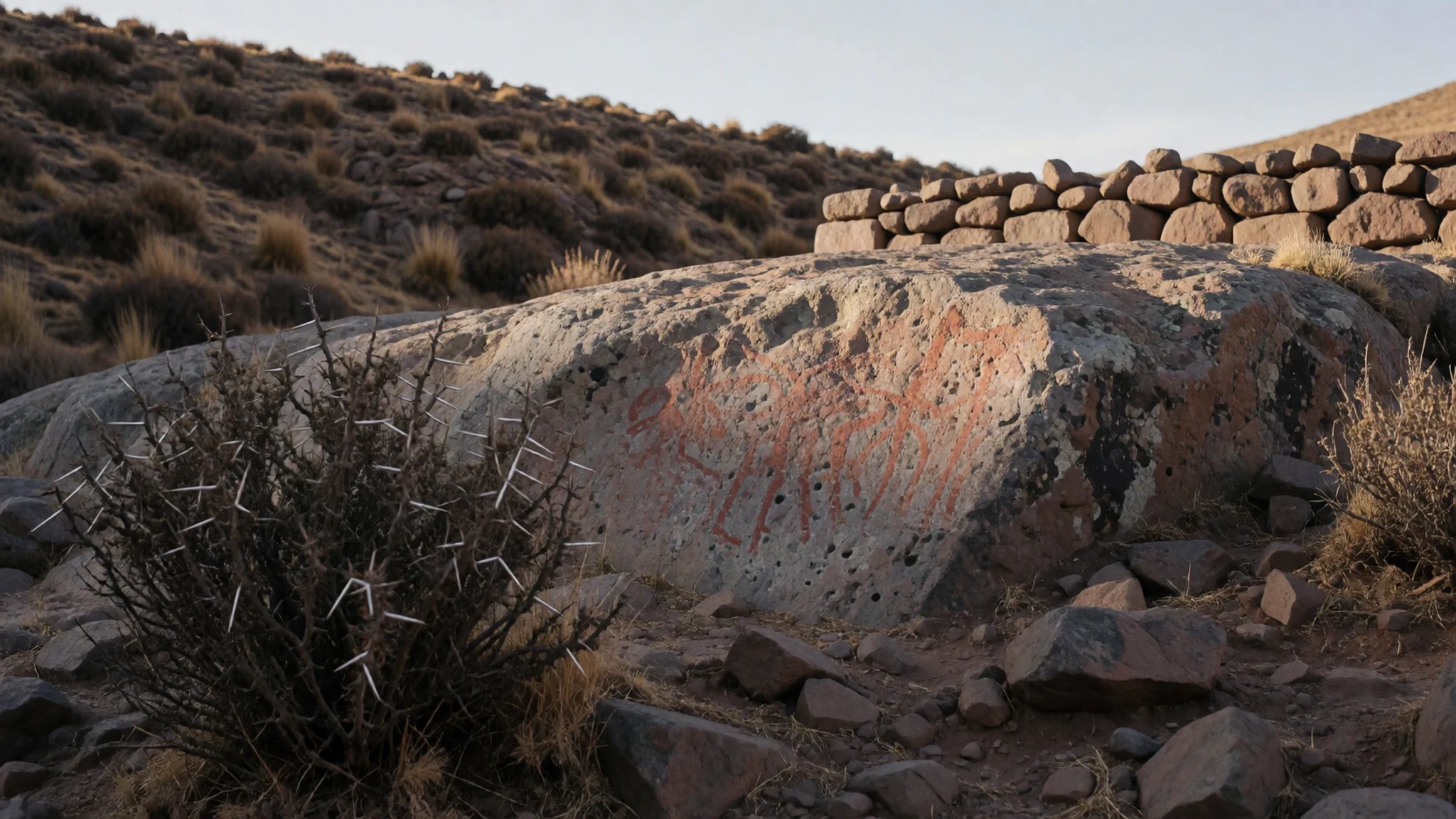
Culture
Salar de Coipasa lies in a landscape shaped by Aymara and Uru-Chipaya life, and the two traditions differ. Aymara communities around the Altiplano raise llamas and alpacas, grow quinoa and potatoes, and mark the farming year with offerings to Pachamama, the earth mother. The Chipaya are a smaller group with their own language, once tied to water and its birds, and their identity is closely guarded. Spanish is widely spoken, but a greeting in Aymara or a plain, patient manner counts for more than any phrase.
Community decisions in these villages are usually collective, and outsiders are guests of the community rather than customers. That affects how visits are arranged. Tours are best booked through operators who work with villages and pay them directly, and it is courteous to follow the guide's lead on where to walk and what to photograph.
Oruro, the usual base, has a different cultural register. Its carnival, held before Ash Wednesday, brings masked dancers, brass bands and embroidered costumes onto the streets, and the folklore museum there keeps examples of the outfits. Outside carnival time the city is quiet, practical and a good place to buy supplies. Ask before photographing anyone in Chipaya or other villages, and accept a refusal without argument.
What to wear
Around Salar de Coipasa, traditional dress is working clothing made from the wool of the animals that live on the Altiplano. Highland women commonly wear gathered skirts called polleras with shawls and, in many towns, a bowler hat, while men wear woollen ponchos and knitted ch'ullu caps with ear flaps. Chipaya families use heavy, handwoven sheep and alpaca wool in dark, earthy tones, made to keep out wind and cold. Brighter embroidered and beaded costumes appear at Oruro's carnival, when dancers wear elaborate masks.
Day to day, most people now mix those garments with fleeces, synthetic jackets, jeans, rubber boots and baseball caps, because the weather is harsh and cheap modern layers work. Traditional pieces tend to come out for festivals and in the older generation.
Visitors should dress for cold, wind, sun and altitude. Nights are freezing, especially from June to August, so bring a warm down or fleece layer, a hat, gloves and thermal underlayers. By day the sun is fierce and the salt reflects it, so wear sunglasses with good protection, a wide-brimmed hat and long sleeves. Sturdy closed shoes or boots are needed for rough tracks and crust, and waterproof boots help after rain. In villages, covered shoulders and knees are the polite choice.
What to eat
- Charquekan — Market-side eateries in Oruro
Charquekan is Oruro's signature plate: dried, shredded llama meat served with boiled maize, potato, cheese and a fried egg. It is salty, filling and made for cold weather. Order it at a market-side eatery in Oruro before heading out to the salar.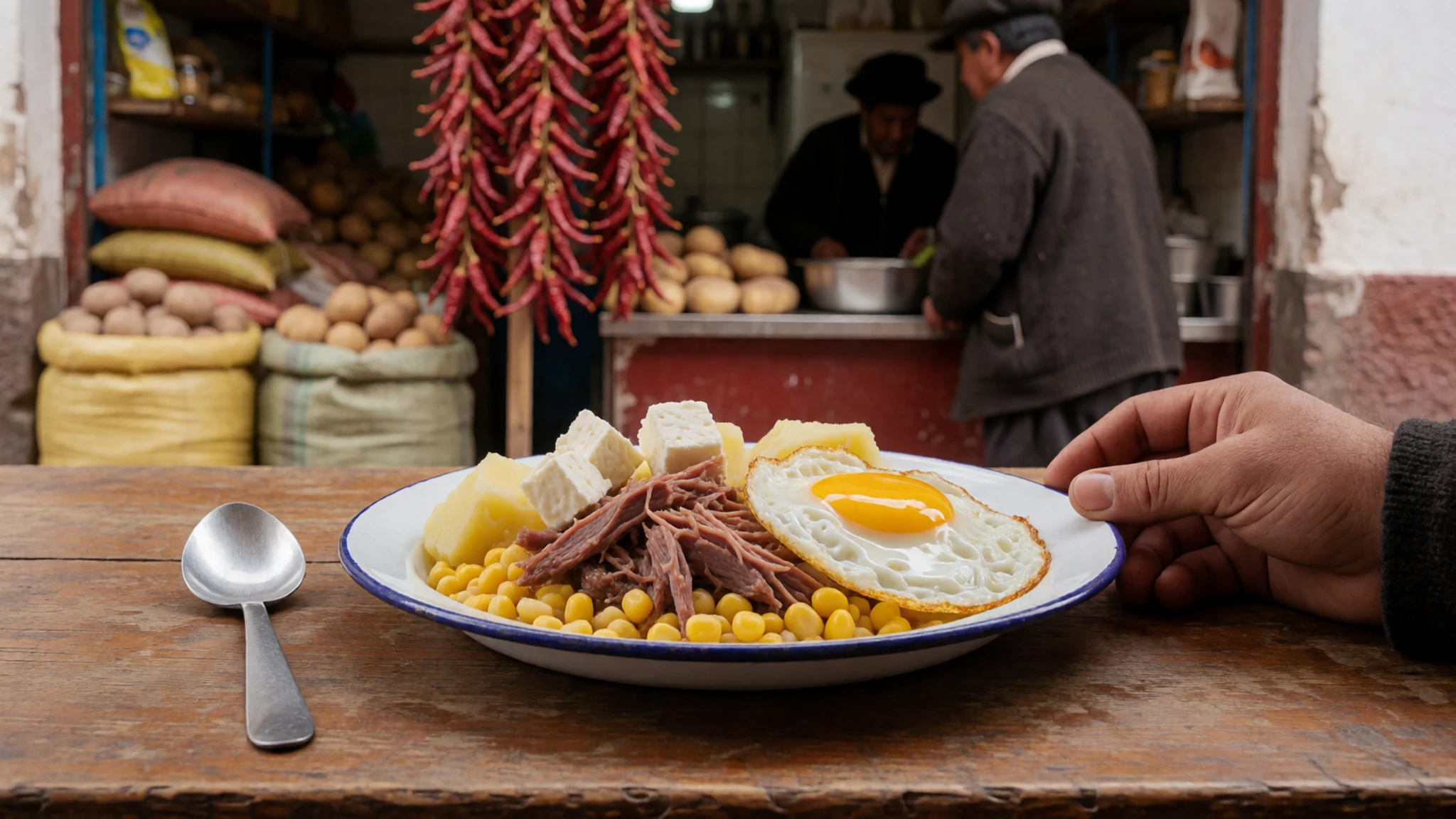
- Pique — Typical Bolivian restaurants in Oruro
Pique is a heaped Bolivian plate of fried beef and sausage with chips, onion, tomato and chilli. Portions are generous, so it suits a long bus or drive day. Look for it at ordinary Bolivian restaurants rather than tourist places.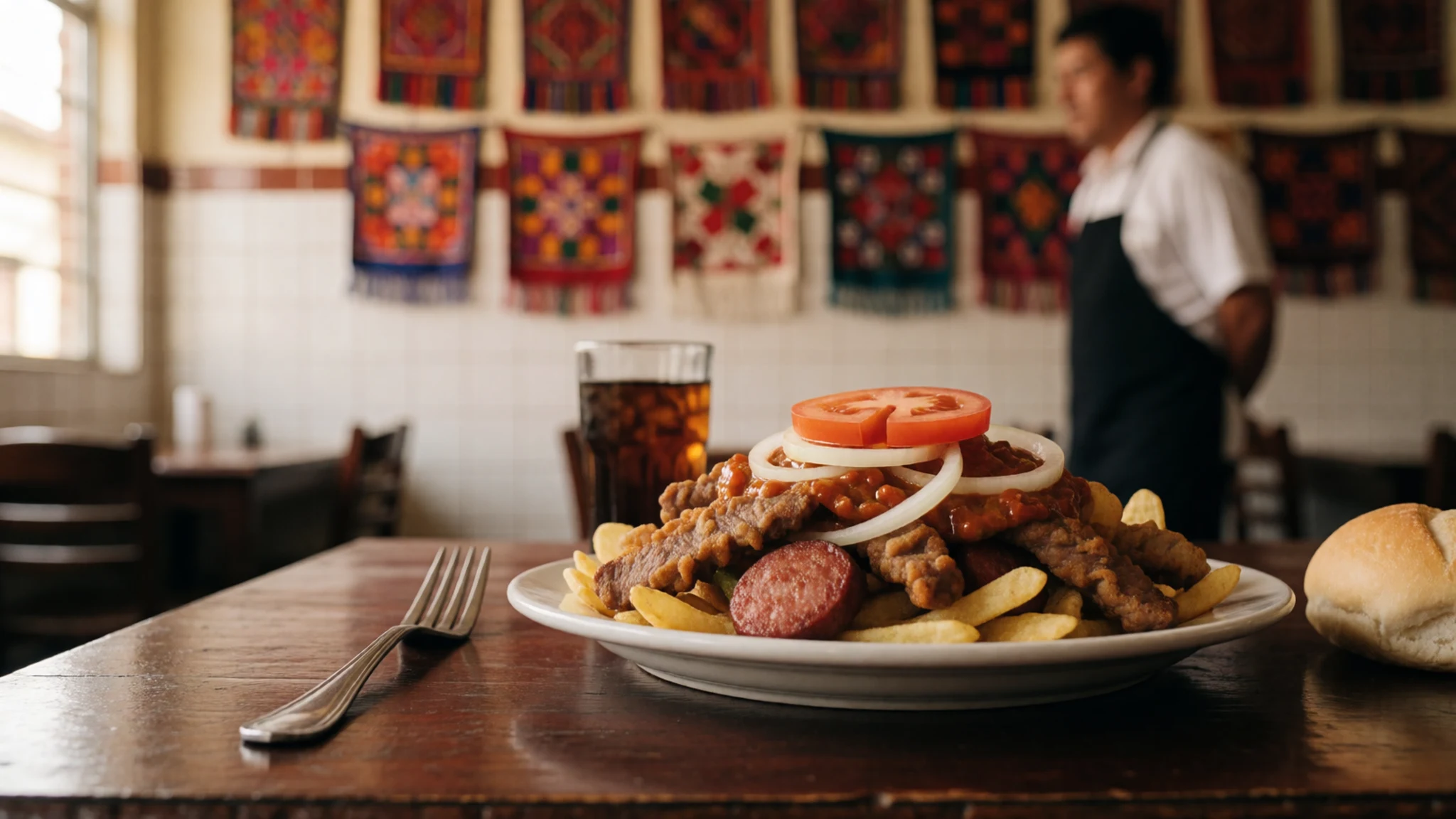
- Sopa de quinua — Market stalls and village kitchens
Quinoa soup is the everyday dish of the Altiplano, a warm broth thickened with the local grain and usually carrying potato, vegetables and a little meat. It is gentle on the stomach at altitude and a good first meal after arriving. - Salteñas — Bakeries and street stalls, mornings
A salteña is a baked pastry filled with a juicy, slightly sweet stew of meat or chicken, potato and peas. It is a mid-morning snack, eaten carefully so the sauce does not run. Buy them early, as bakeries often sell out by lunchtime. - Api con pastel — Morning market stalls in Oruro
Api is a hot, thick drink made from purple maize, spiced with cinnamon and clove, and served with a crisp fried cheese pastry. It is a cheap and warming breakfast on a freezing morning before an early departure for the salt.
Plan it
Best time. May to October is the dry season, with clear skies and passable tracks, though nights are freezing in June, July and August. The rainy months bring floods and can close tracks across the flat, so check conditions before committing.
How long. 2–3
Getting there. Fly to La Paz, then take a bus to Oruro (a few hours); from Oruro, arrange a four-wheel-drive vehicle and driver for the last leg towards Sabaya and the salar, on unsurfaced tracks. Buses also link Oruro with Uyuni, so the flat can be combined with a trip to Salar de Uyuni.
Budget. mid
Tips
- Book a driver or tour in Oruro in advance, because there is almost nothing to rent or buy near the salt
- Carry cash, as cards are not used outside Oruro
- Bring all the water and food you will need, plus a spare layer in case the vehicle breaks down
- Spend a night in Oruro or La Paz first to adjust to the altitude
- Start early, as winds and cold are gentlest in the morning and the salt glare builds by midday
Etiquette
- Ask before photographing people, homes or village ceremonies, and accept a no
- Stay on existing tracks and keep clear of flocks of flamingos
- Take all rubbish away with you
Nearby
Sources
- Wikidata Q1860815 (CC0)
- Wikipedia: Salar de Coipasa (rev 1365917899) (CC BY-SA 4.0)
- Wikivoyage: Oruro (rev 5413444) (CC BY-SA 4.0)
- View of Chile, ISS Expedition 15, Earth Science and Remote Sensing Unit, Lyndon B. Johnson Space Center (Public domain)
- Lago Uru Uru Chipaya 1, Viaje a Bolivia (CC BY 2.5)
- Lago Uru Uru Chipaya 4, Viaje a Bolivia (CC BY 2.5)
- Lago Uru Uru Chipaya 5, Viaje a Bolivia (CC BY 2.5)
- Lago Uru Uru Chipaya 7, Viaje a Bolivia (CC BY 2.5)
- Vista panorámica del salr de Coipasa, Tomas LOPEZ VILLARTE (CC BY 3.0)


Wildlife
- Flamingos (bird)
The Chilean flamingo is a large flamingo, paler and smaller than its American and greater cousins, and it is Near Threatened, so it deserves gentle care. At Salar de Coipasa, flocks gather along the shores, and on still days the thin film of water mirrors the sky, so the birds seem to stand among clouds. Ask your guide about the best season and hour. Watch from far back, stay quiet, and never feed them.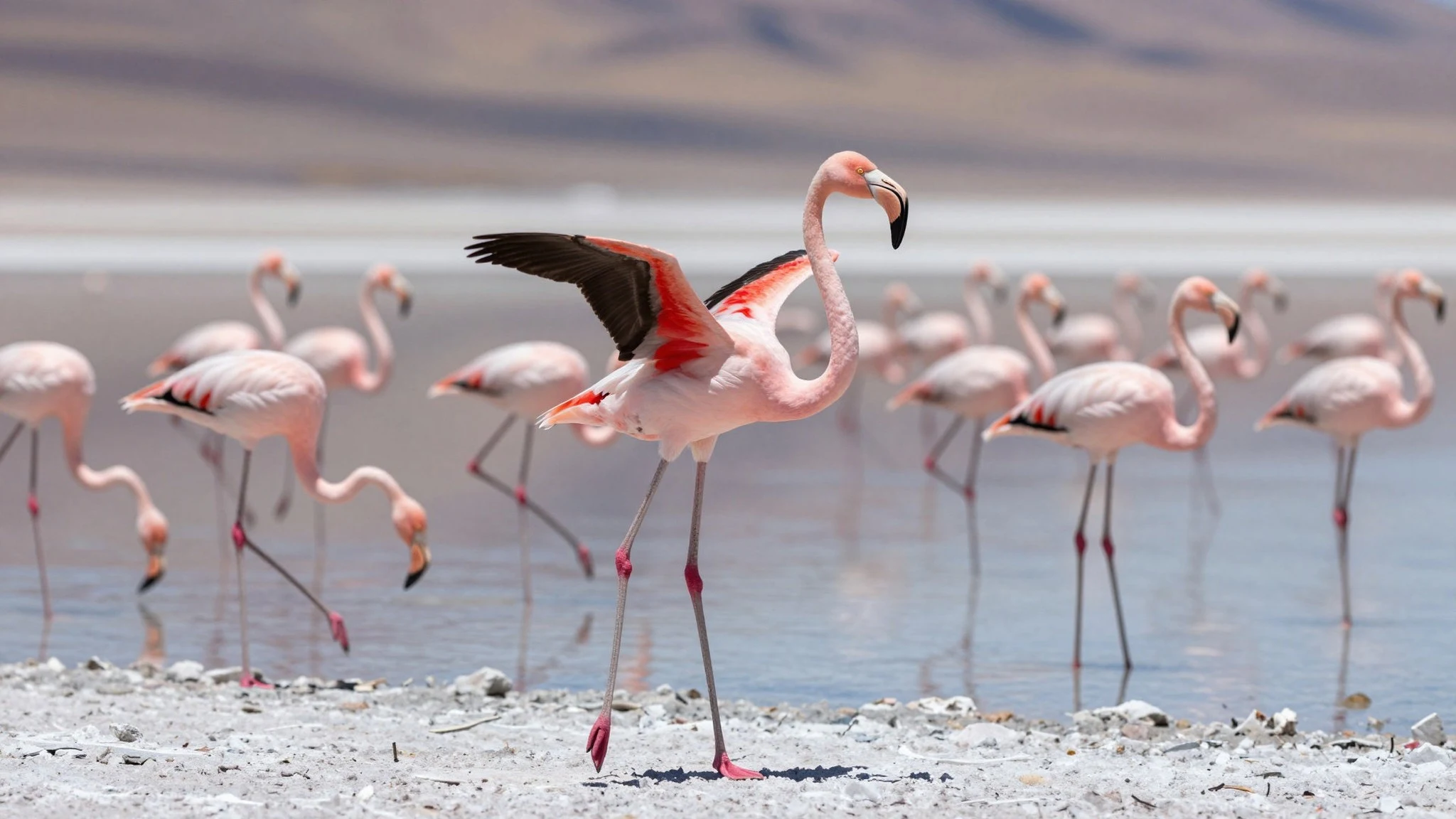
- Andean flamingo (animal)
The Andean flamingo is a flamingo of the Andes that likes to live in a crowd, a close cousin of James's flamingo. At Salar de Coipasa, look for big flocks feeding in the shallows, with the ground beside them split into rough many-sided shapes. Ask your guide about the best season and hour to visit. Keep a respectful distance, stay quiet so the flock stays calm, and never feed them.