Potosí
Potosí, Bolivia
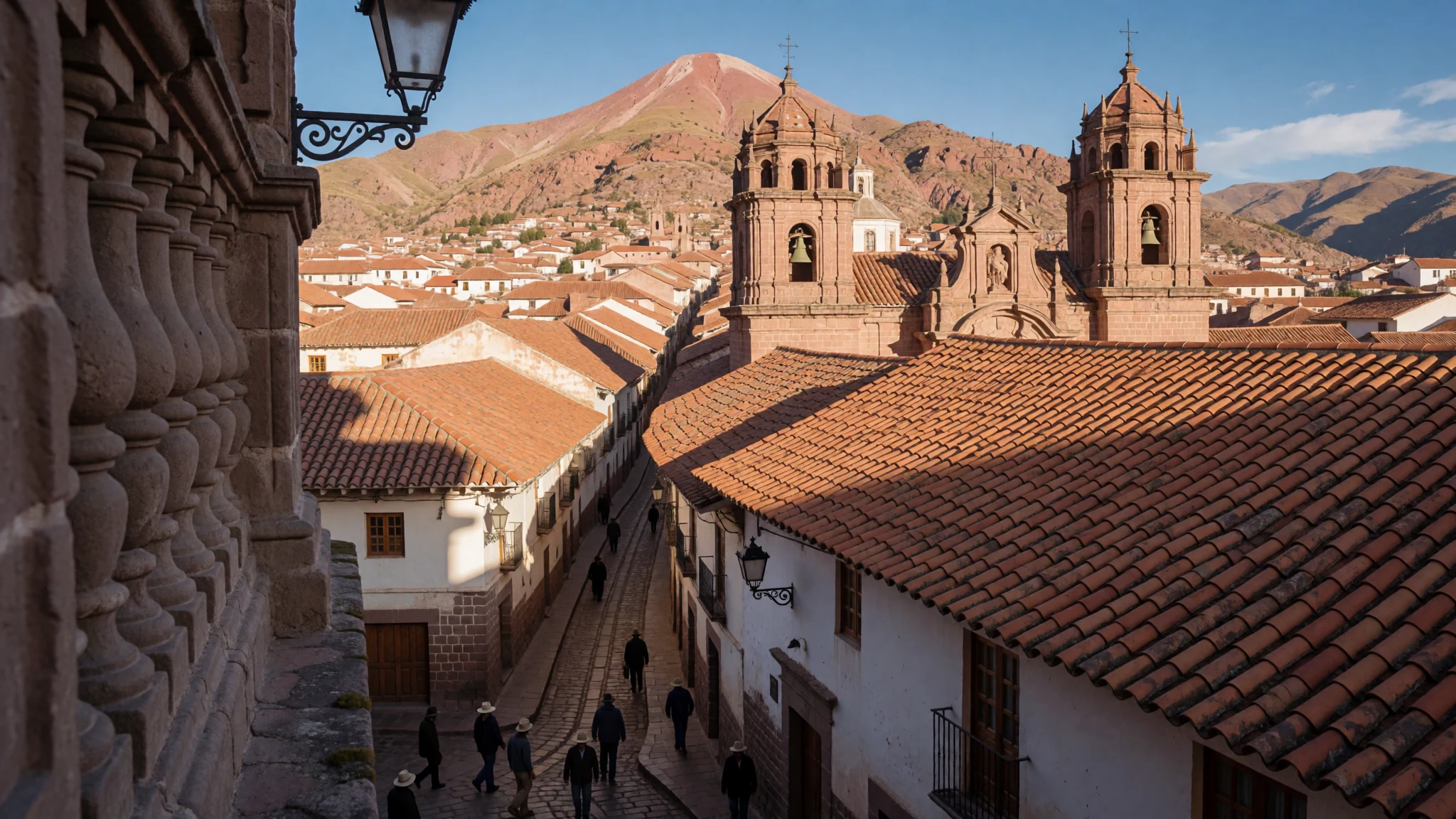
Potosí pairs striking high-altitude views with colonial buildings and the story of Cerro Rico’s silver.
The place
Potosí (Villa Imperial de Potosí) is a Bolivian city built in the shadow of Cerro Rico, the “rich mountain” that dominates the skyline and the imagination. It sits at an elevation of 4,070 m, so the air is thin and the streets feel steeper than they look on a map. The historic centre retains a lot of colonial architecture, and many streets frame that big conical hill—red and tan—like the mountain is the real landmark.
The layout is part practical, part atmospheric: walk through the centre and you’ll keep seeing Cerro Rico from courtyards, doorways, and long street stretches, which makes the city feel lived-in rather than staged. In the daytime, it can be bright and crisp with strong sun; in the evenings, temperatures drop quickly, and the altitude can turn “a quick walk” into an endurance test.
Crowds are usually concentrated around sightseeing blocks and organised visits. On tour-heavy days you’ll see camera-first groups; on quieter hours, the city slows down and you can hear more street life. Costs generally land in the middle of many South American destinations: organised activities (like mining tours) cost more than a simple museum loop or a market lunch, and you’ll want to budget for transport between viewpoints.
If Potosí feels heavy at first, it’s because the city’s identity is tied to extraction—both the wealth and the hardship. That weight is exactly what makes the place memorable: history is not a backdrop, it’s the organising principle.
Its story
Potosí’s story starts with silver, and with a mountain that’s hard to forget once you see it. The city was founded in 1545, and after Cerro Rico’s rich deposits were tapped, Potosí grew rapidly into a major mining centre. For a long stretch, the silver supply mattered to the Spanish colonial economy, and the city’s fame spread far beyond Bolivia—so far that “valer un Potosí” became a saying for something being extremely valuable.
Early mining focused on ores that were easier to work with, but those direct pathways didn’t last. As the most accessible material ran out, production shifted toward new extraction methods. One key change was the “patio process”, introduced in the 16th century, which relied on mercury to pull silver from lower-grade ores. Later, further amalgamation techniques were developed in Potosí, adapting to the chemistry deeper in the mountain.
That technical story is also a human story. Mining created intense demand for labour and infrastructure, while the physical reality of high altitude shaped daily life—breath, effort, and resilience. Even now, Cerro Rico is still the city’s reference point. Visitors often come for views, but the deeper pull is the way the buildings, the museums, and the streets all connect back to the same question: how did one mountain reshape an empire?
Colony-era mint buildings and preserved streets help you feel that timeline rather than just read it. Potosí doesn’t let the silver boom become abstract; the mountain remains right there, insisting on context.
What to see
- Casa Nacional de Moneda — Historic centre
Potosí’s former royal mint is the most direct “place-as-history” stop. It’s where coins tied to the colonial era were produced from locally mined silver. Even if you only do a short visit, the building helps you understand the city’s wealth mechanics.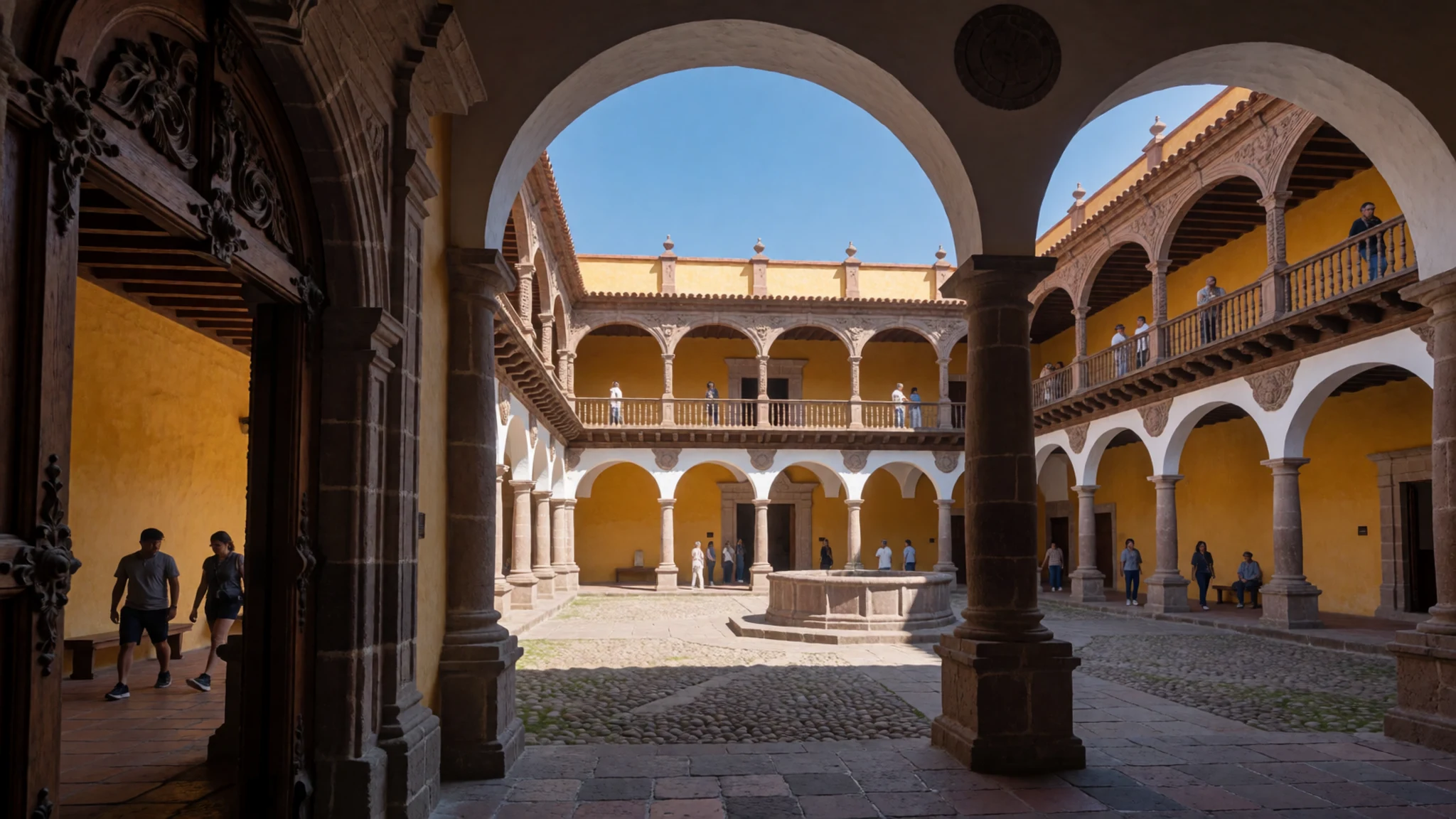
- Cerro Rico viewpoints — Around the historic centre
El Cerro Rico is visible from many points around the city, including streets in the historic centre. Look for angles where the conical shape fills the frame—especially for photos—then follow the sightline back into the streets to see how the city grew around it.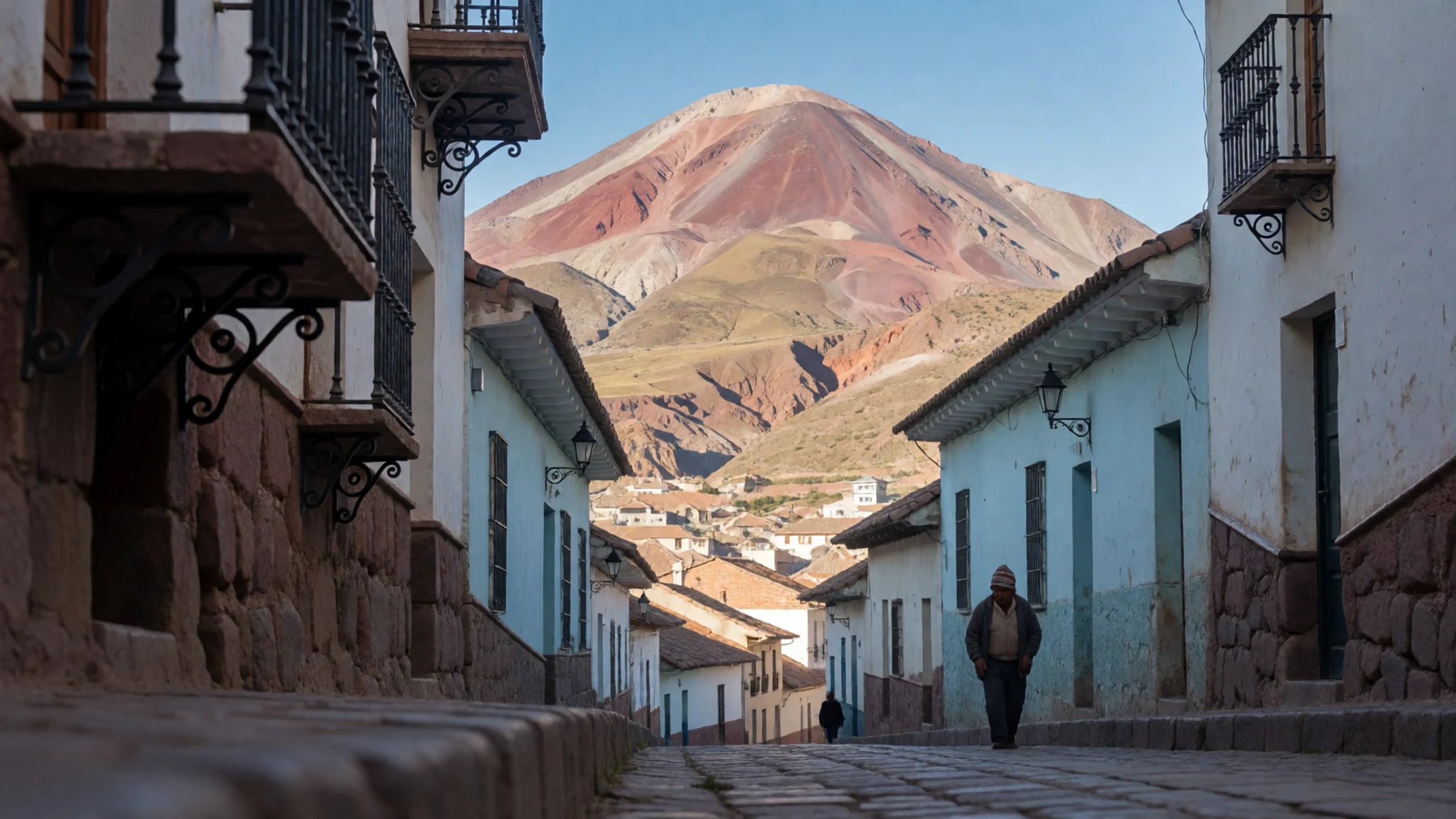
- Convento de Santa Teresa — Santa Teresa area
A monastery stop with tours that explain the life and work of the Carmelite nuns. The visit is practical and informational rather than flashy—good if you want a quieter cultural break from mining and colonial mint history.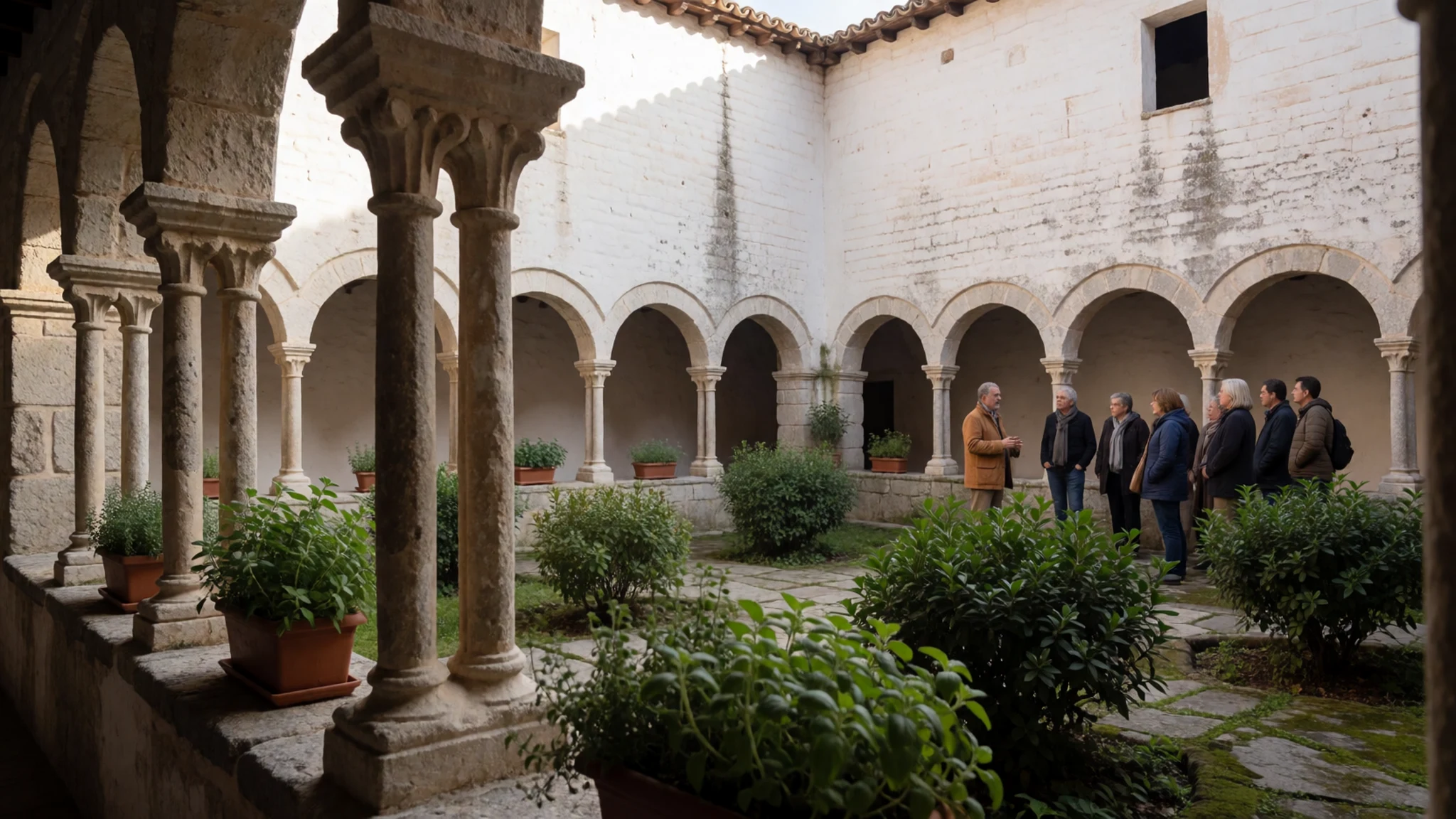
- Torre de la Compañía de Jesus — Compañía de Jesús area
Climb for views over the surrounding terrain. This is a straightforward, high-reward viewpoint: you can reconnect the city to the mountain and judge how much of Potosí’s character comes from its geography.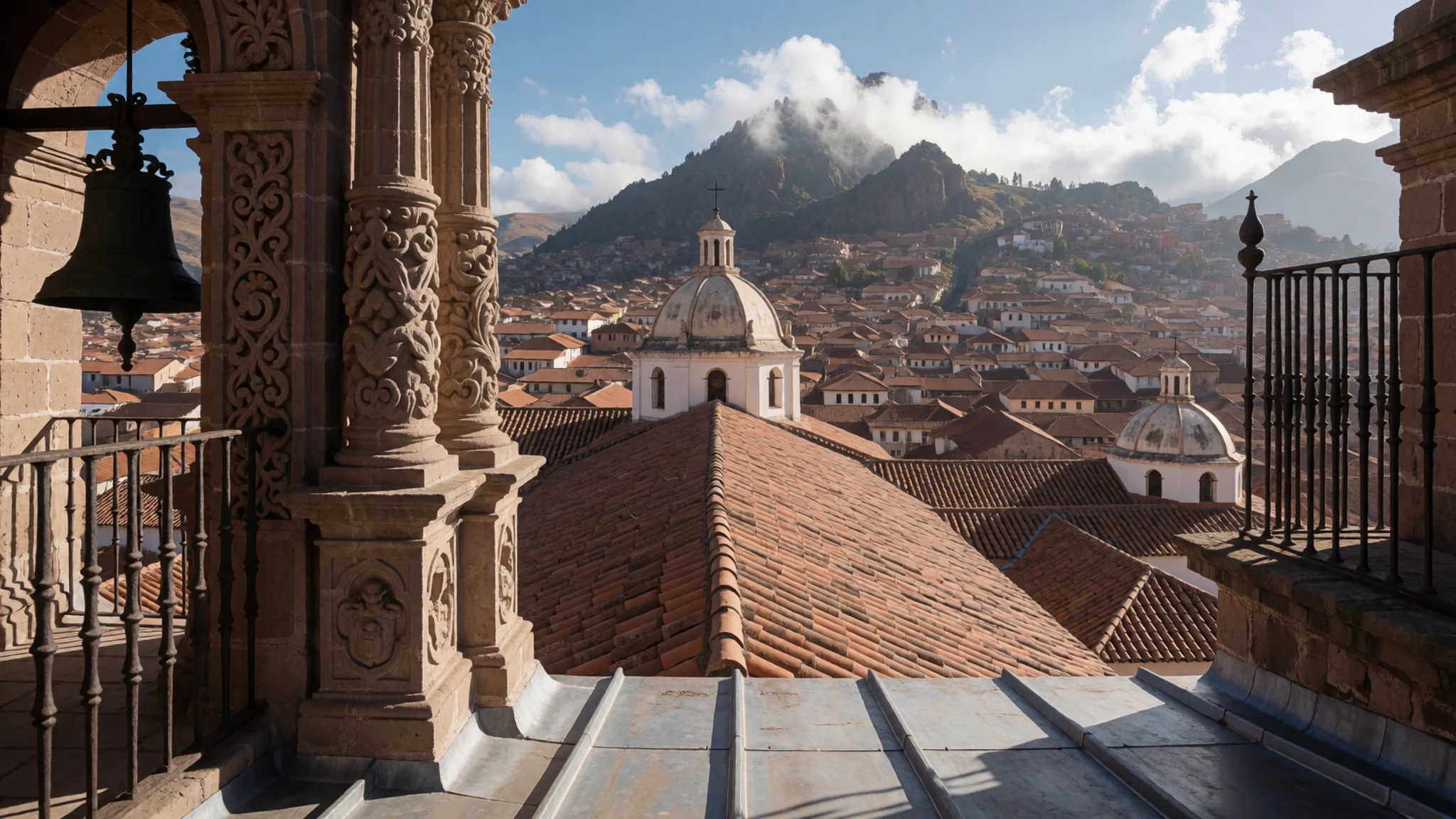
- Cathedral Basilica of Our Lady of Peace — Central Potosí
The cathedral basilica is a central anchor for the historic city. It’s worth visiting for the scale and for orienting yourself with a landmark that local life still revolves around.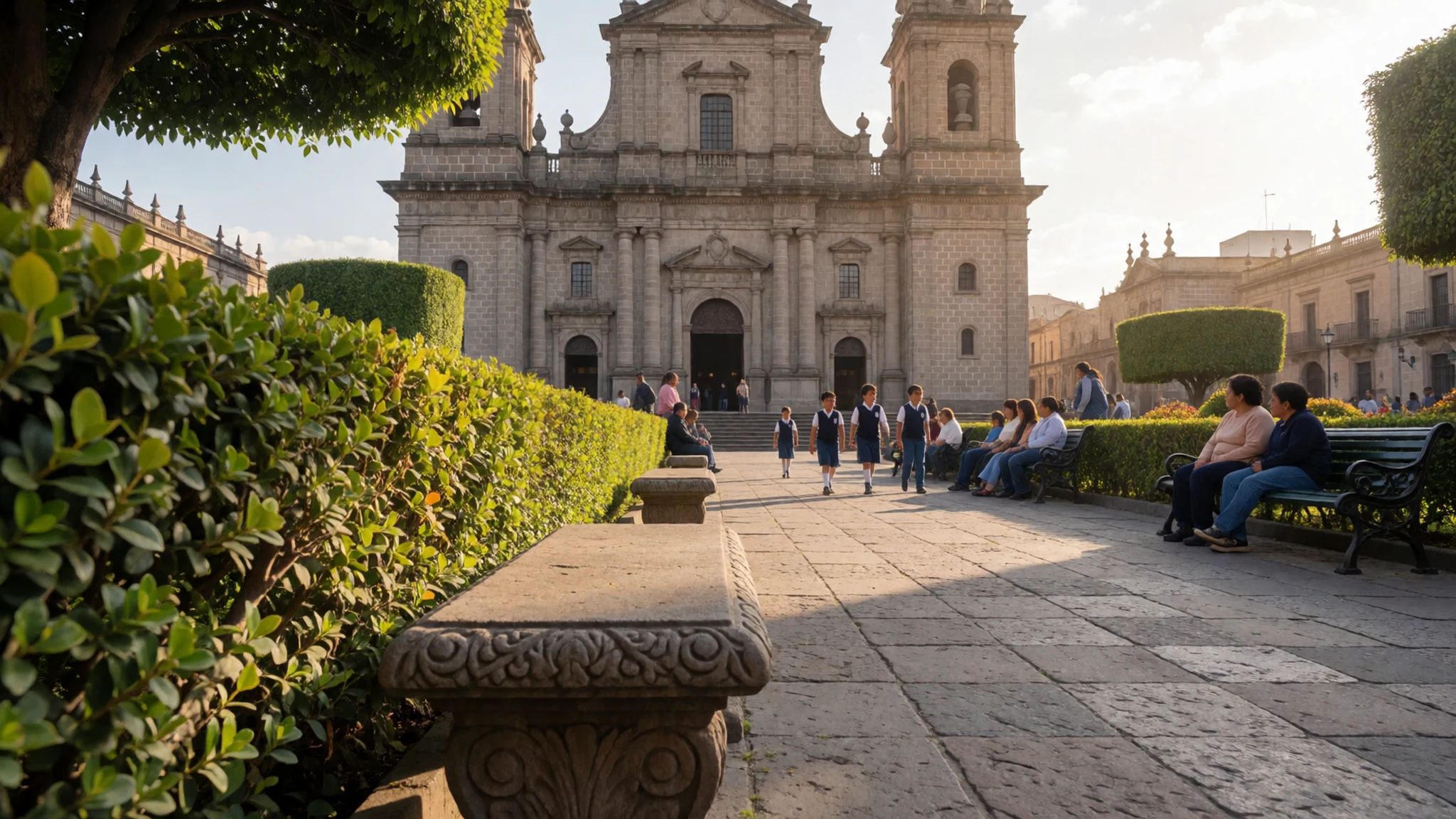
Culture
Potosí culture is shaped by a mix of high-altitude everyday life and the long shadow of mining history. The city can feel “serious” in the way it holds time—people aren’t performing history for visitors, they’re living with it. You’ll notice that many itineraries revolve around the mountain: even ordinary streets act like viewpoints.
Because Potosí is at 4,070 m, simple things matter more than usual. Take it slowly at the start of a trip, keep water in mind, and plan for rests in between sights. If you’re doing a mining tour, listen to the guide’s safety instructions and don’t treat the climb-down-and-back-up like a casual excursion.
On the streets, conversations can be warm, but the pace is not theme-park fast. Markets are where daily rhythms show up—where people buy food, exchange news, and move through the city with practical habits shaped by altitude. The best cultural moments often come from waiting for your turn: ordering, getting directions, and letting a stall owner finish a thought.
Visitor etiquette: dress warmly and move slowly near crowded viewpoints, keeping your eyes up for uneven steps and other people.
What to wear
In Potosí, clothing is mostly about temperature and altitude, more than trends. Traditional outfits in the region are often layered and textile-heavy, reflecting Andean clothing traditions, and you’ll see them more clearly during community occasions and in everyday street life where local dress is part of identity.
What people wear now is usually practical: warm layers, jackets, and hats or scarves are common because the air at elevation can feel sharp, especially after daylight. Even when the sun is strong, evenings cool quickly, so “light in the morning, heavy by dinner” is a real pattern.
For visitors, aim for layers you can adjust: a warm mid-layer, a wind-resistant outer, and comfortable shoes with grip for uneven paving and steep bits of the centre. If visiting churches or other formal interiors, choose clothes that are neat and modest; a scarf can help with comfort and coverage. In markets, avoid overly delicate fabrics that you’ll regret if you’re brushing past stalls and walking at altitude.
If you’re planning any time outdoors for viewpoints over Cerro Rico, pack for cold air even if it looks sunny when you step out.
What to eat
- Kalapurka soup (locally known as served with a volcanic rock) — Doña Eugenia (ask for Kalapurka) or similar local Potosí soup spots
A Potosí classic: a spicy hot soup that’s served with a volcanic rock as part of the tradition. It’s often recommended as an institution-level comfort dish when the altitude makes everything feel hearty. Try it through local eateries that specialise in regional meals.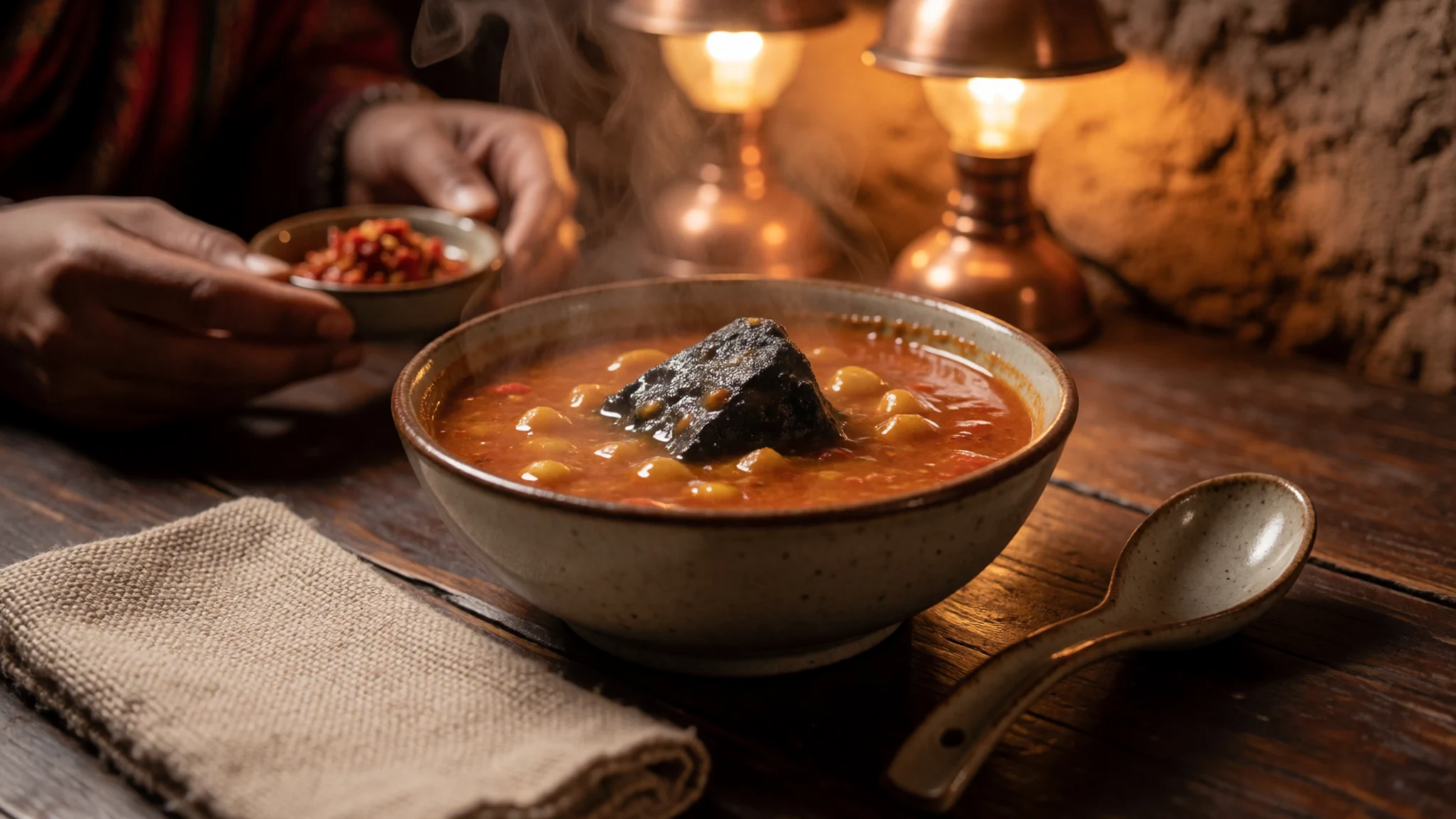
- Pastel (pastels) and breakfast pastries — Pasteleria Cherrys
Pastel-style pastries make an easy breakfast or snack between viewpoints. Look for places that focus on baked savoury items, where you can grab something quick and keep moving through the centre. It’s a practical choice when you don’t want a full sit-down meal at altitude.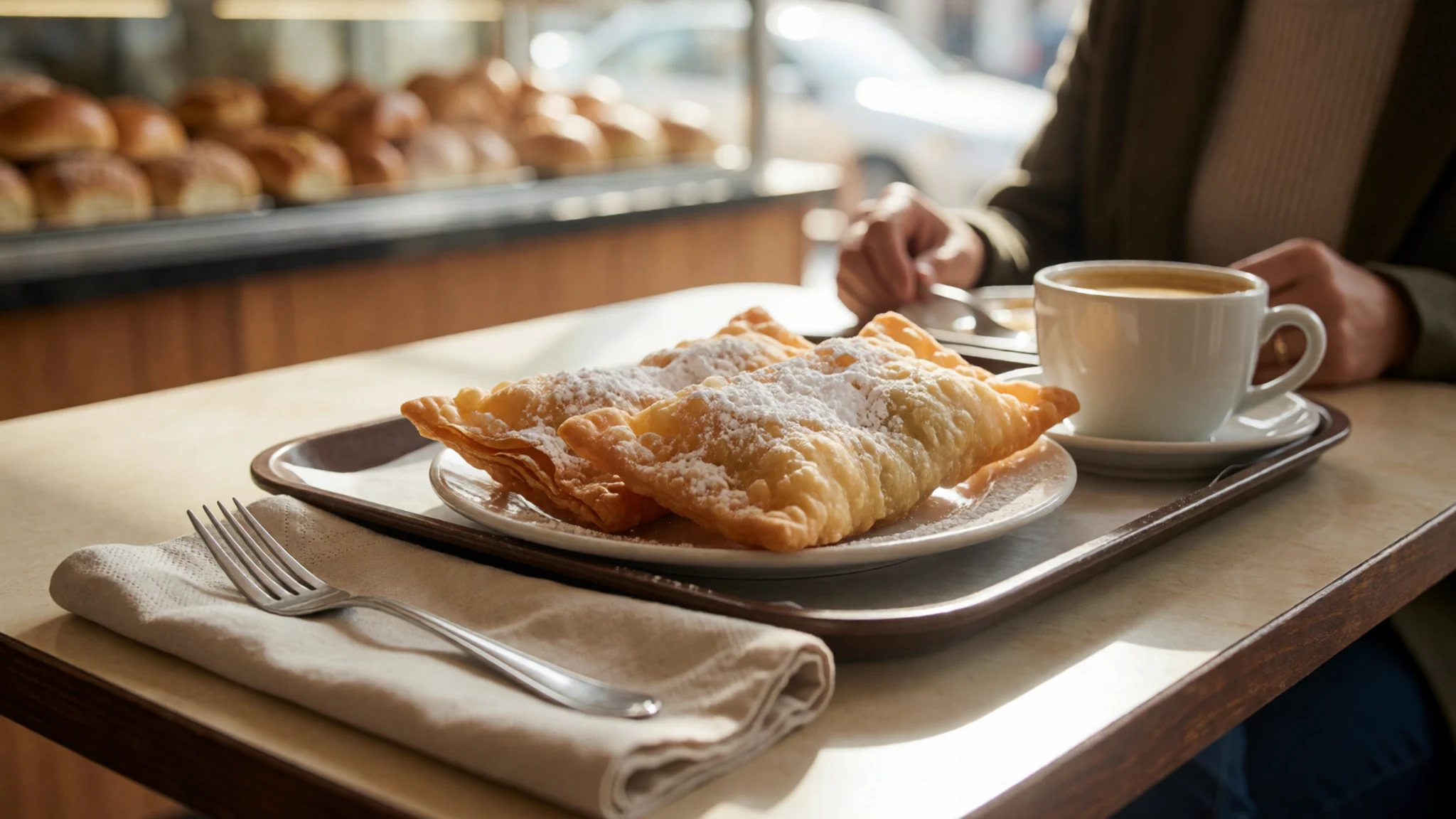
- Mercado Central lunches — Mercado Central
The simplest way to eat well locally is to start at the Mercado Central, where the cheapest meals are typically found. You can mix-and-match what looks good, and it’s a good place to watch how locals eat during the day, not just on tours. - Chifa (Chinese-style) food — Chifa Rosa
Chifa spots offer Chinese-style comfort food adapted locally. It’s usually reliable when you want familiar flavours without the regional spice profile. Chifa Rosa is one example visitors mention when they want something straightforward in Potosí. - Big-plate plates for lunch — Sumaj Orcko
Some restaurants in Potosí are known for generous portions that work as lunch after a morning of sightseeing. If the day’s been altitude-heavy, a big plate can be the difference between “we’ll see one more viewpoint” and “we’re done for the day”. - Upmarket sit-down meal — Tenedor de Plata
For a more polished meal, there are restaurants that are better for a longer dinner and a calmer pace. Tenedor de Plata is one option mentioned for good food without making the meal feel out of reach, especially when you’re planning an evening break.
Plan it
Best time. The warmest months are January and February, and the driest stretch is May through August; for the most comfortable daytime exploring, aim for June to August when daytime highs are cool but steadier and rain is lowest.
How long. 2–3
Getting there. Most travellers come by road. Buses run from Sucre, while multiple daily services operate from Oruro, taking roughly six hours. From La Paz, services run around 9 hr to Potosí at the new terminal. The final leg is typically the bus/van drop-off into the city centre, where taxis or shared options get you to your accommodation.
Budget. mid
Tips
- Plan for the first day to be slower than usual: Potosí’s altitude makes stairs and uphill walks more tiring than they look.
- Do Cerro Rico-focused viewpoints earlier in the day for clearer light before the city cools down.
- If you’re using buses, check which terminal you need—Potosí has more than one terminal for departures.
- If you’re travelling between towns, consider vans/servis for fewer delays, especially if buses are disrupted.
- Carry some cash for market-style meals and small purchases; cards aren’t always convenient in every corner.
Etiquette
- When visiting churches and monasteries, dress modestly and keep your voice low.
- For any mining tour, follow the guide’s safety rules without improvising.
- Avoid wandering alone at night outside the main Plaza.
Nearby
Sources
- Wikidata Q35045 (CC0)
- Wikipedia (rev 1379332472) (CC BY-SA 4.0)
- Wikivoyage (rev 5414890) (CC BY-SA 4.0)
- Photo 01-vista-de-la-villa-imperial-de-potos.jpg (CC BY-SA 4.0)
- Photo 02-cerro-rico-potos-bolivia-panoramio-cropped.jpg (CC BY 3.0)
- Photo 03-frontis-casademoneda-potosi.jpg (CC BY-SA 4.0)
- Photo 04-20170807-bolivia-1373-crop-potos-srgb-37270469644.jpg (CC BY-SA 2.0)
- Photo 05-20170808-bolivia-1409-crop-potos-srgb-26204037299.jpg (CC BY-SA 2.0)
- Photo 06-potos-con-la-catedral-bas-lica-al-fondo.jpg (CC BY-SA 4.0)
- Photo 07-calle-principal-de-potos.jpg (CC BY-SA 4.0)
- Photo 08-20170807-bolivia-1391-potos-srgb-37926109106.jpg (CC BY-SA 2.0)


