La Paz
La Paz, Bolivia
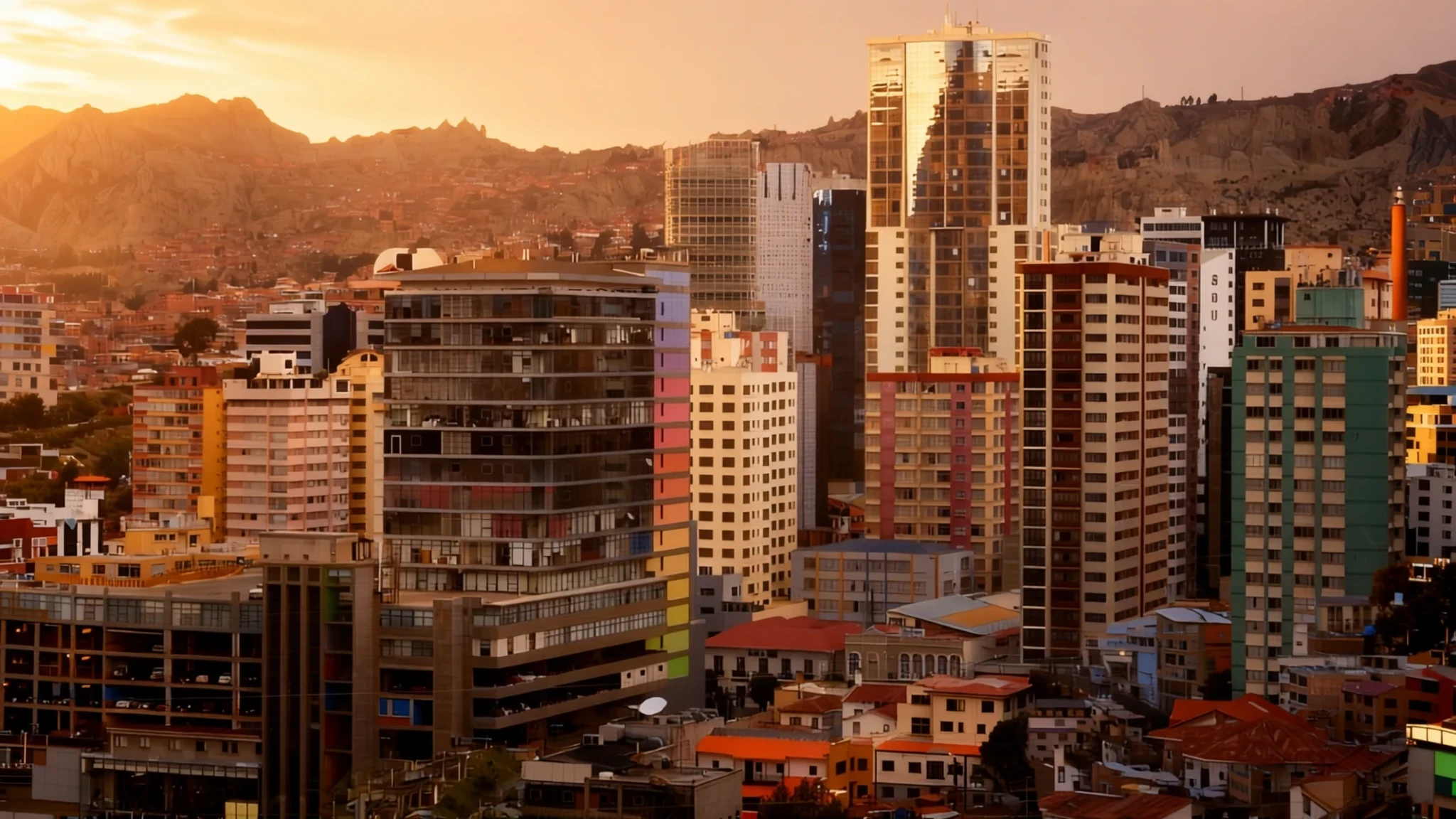
Come for a city built into a canyon at high altitude, where colonial streets, Andean markets and snow-capped peaks sit side by side.
The place
La Paz sits in a steep canyon cut by the Choqueyapu River, in a bowl of high Altiplano mountains in west-central Bolivia. It is the seat of government, so the main square, the cathedral and the official buildings cluster in the old centre, while the rest of the city climbs out of the canyon in every direction. The official name is Nuestra Señora de La Paz, meaning Our Lady of Peace, and the Aymara name Chuqi Yapu is still used alongside it.
Altitude shapes daily life here. At 3,640 metres, La Paz is higher than most visitors have ever slept, so the first day is best spent walking slowly and drinking plenty of water. Streets rise and fall sharply because the city is built on slopes, and the air is thinner than people expect. The snow-capped Illimani dominates the skyline to the south, and on clear mornings its peaks show above the rooftops.
The city itself has a population of around 750,000, and the wider metropolitan area, which takes in El Alto on the plateau rim, is much larger. Neighbourhoods range from colonial streets near the centre to newer districts on the edges, where markets spill onto the pavements. The centre gets crowded at lunchtime and on market days, and traffic crawls up the hills.
The climate is unusual for a city this high. Summers bring afternoon rain, while winters are dry and bright, though nights are cold whatever the season.
Its story
Before the Spanish arrived, the valley was already part of an Inca route, a stretch of ground where trade moved between the highlands and the lowlands. Spanish conquistadors entered the wider region in 1535, but it was 1548 before they settled here. They first planned a town at the Native settlement of Laja, then moved it a few days later to the Chuquiago valley, a milder spot.
The founding was tied to politics as much as to trade. Pedro de la Gasca held authority over the former Inca lands on behalf of the Spanish crown, and he ordered Alonso de Mendoza to found a city that would mark the end of civil war in Peru. La Paz was founded on 20 October 1548, and a first mayor was appointed soon after.
A planning brief followed in 1549. It set aside squares, public buildings and a cathedral, with government offices and the church grouped around the old Plaza de los Españoles, now the Plaza Murillo. That arrangement of colonial power still shapes the centre today.
Rule from Spain was firm but slow. Decisions could take months to travel by sea, and resentment among indigenous people kept surfacing. In 1781 Aymara forces under Tupac Katari laid siege to the city for six months, destroying churches and government property during the blockade. The events of that year remain one of the most vivid episodes in the city’s early history.
What to see
- Plaza Murillo — Centre, the old colonial square
The square is the civic heart of the city. Government buildings face the Metropolitan Cathedral of Our Lady of Peace, and a monument to Murillo stands at the centre of the plaza. The presidential residence, Palacio Quemado, is nearby, but visitors are not allowed inside. It is a good place to start a walk, and it is busiest around midday.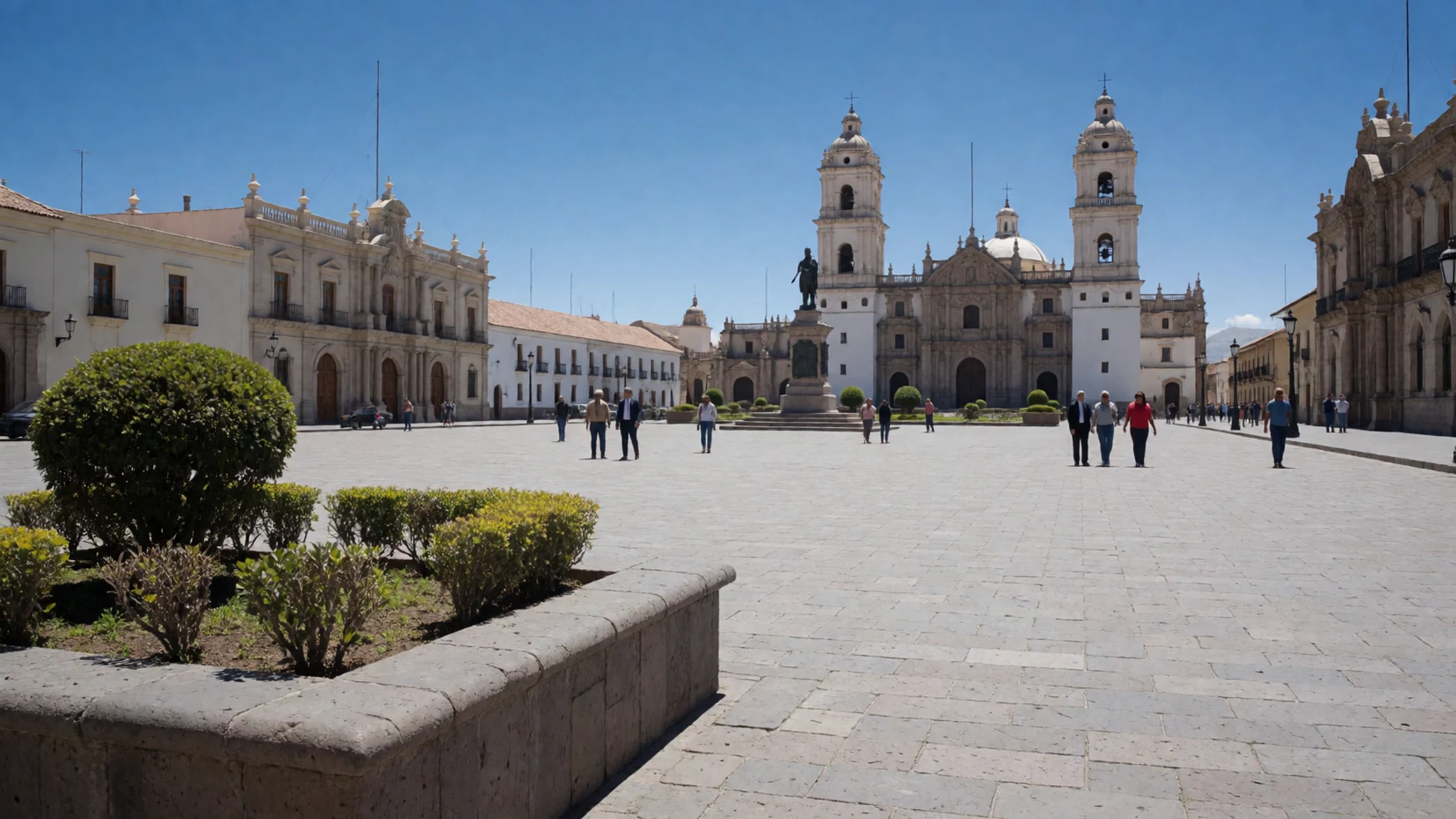
- Sagarnaga Street — Centre, near the main plaza
This is the main tourist strip, mostly a market street lined with craft and souvenir shops. Budget hostels, tour agencies and cafés fill the gaps between stalls, and backpackers gather here in numbers. It can feel more like a travel hub than a Bolivian street, but it is useful for woven textiles and knitwear. Compare prices before you buy.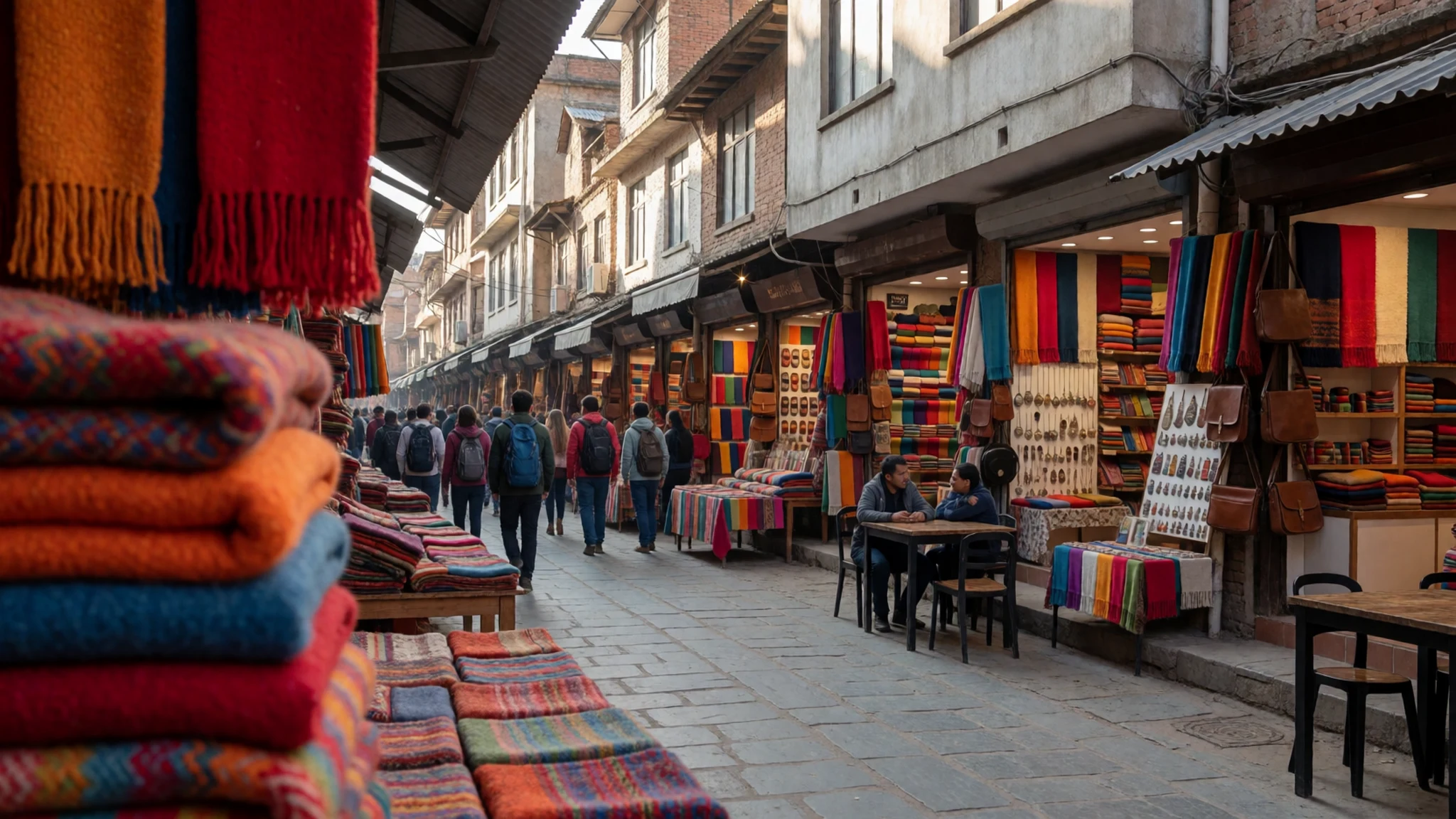
- The Witches’ Market — Centre, a short walk from Sagarnaga Street
Stalls sell dried llama foetuses and small dried frogs used in Aymara rituals, alongside soapstone figurines and charms. Many visitors find it striking rather than comfortable, so go with an open mind and no need to buy. It is also one of the best places in the city to look for a charango or another Bolivian instrument.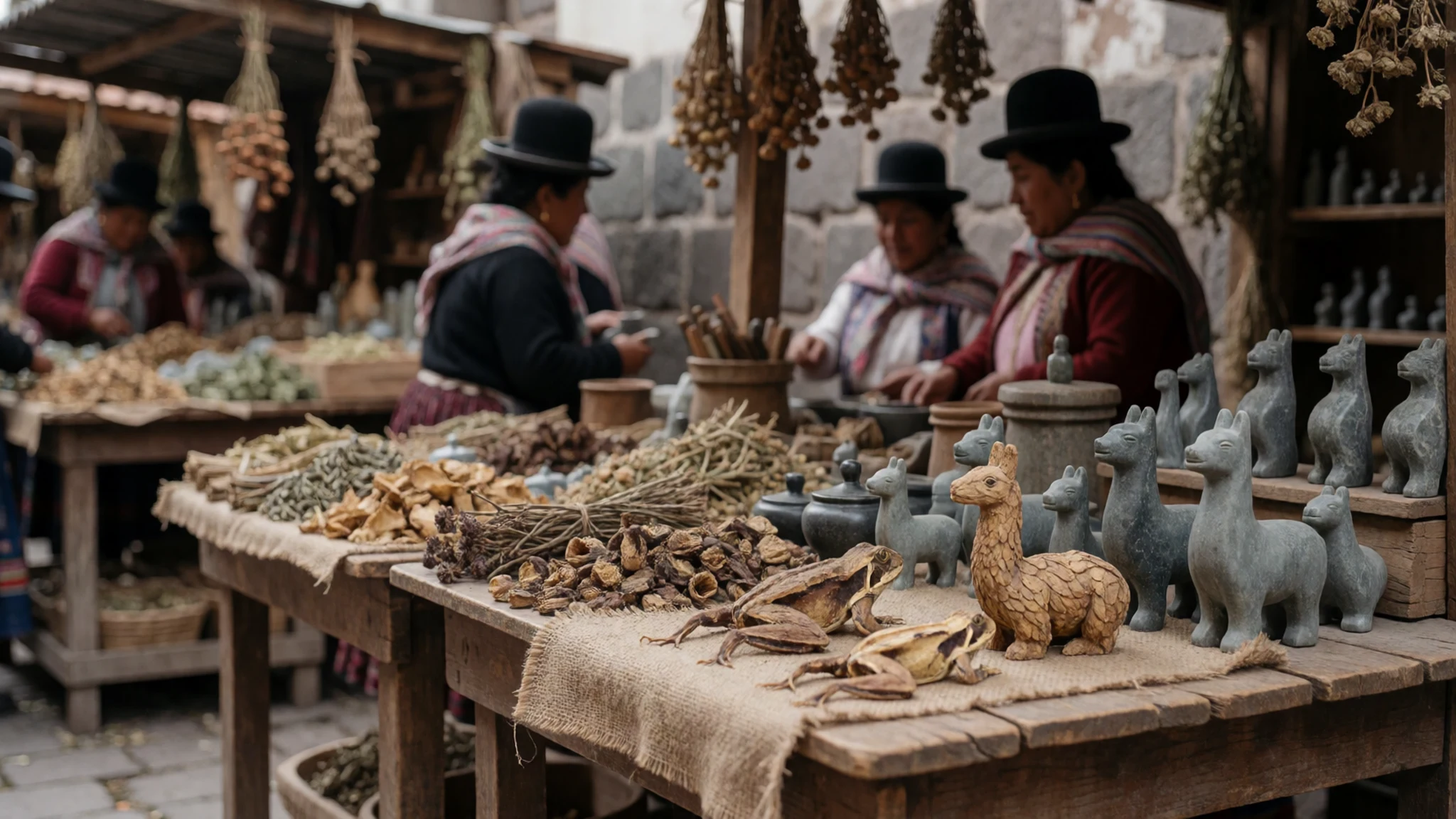
- Calle Jaén — Historic centre
This is one of the few streets in La Paz where colonial buildings survive in good condition. Several small museums now occupy restored houses along the lane. The street is narrow and steep in places, so allow time to wander between doorways. Opening times change, so check locally before you set out.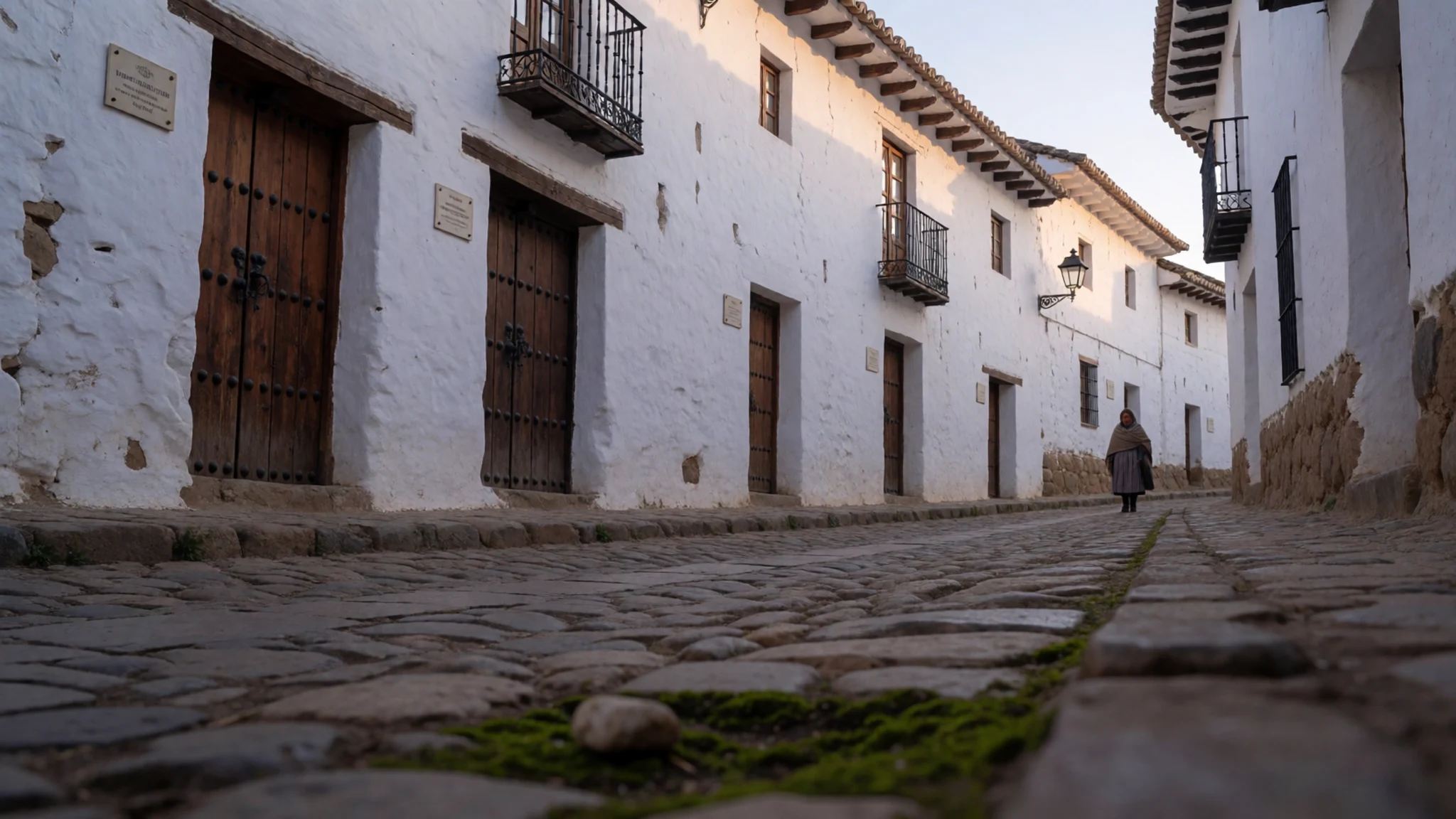
- Valle de la Luna — East of the centre, reached by a short trip out of town
Weathered rock formations rise from a dry, pale landscape, shaped over a long period into spires and ridges. The scene is a striking contrast to the city’s brick and concrete. Go in the morning or late afternoon for softer light, and carry water and a hat, because there is very little shade.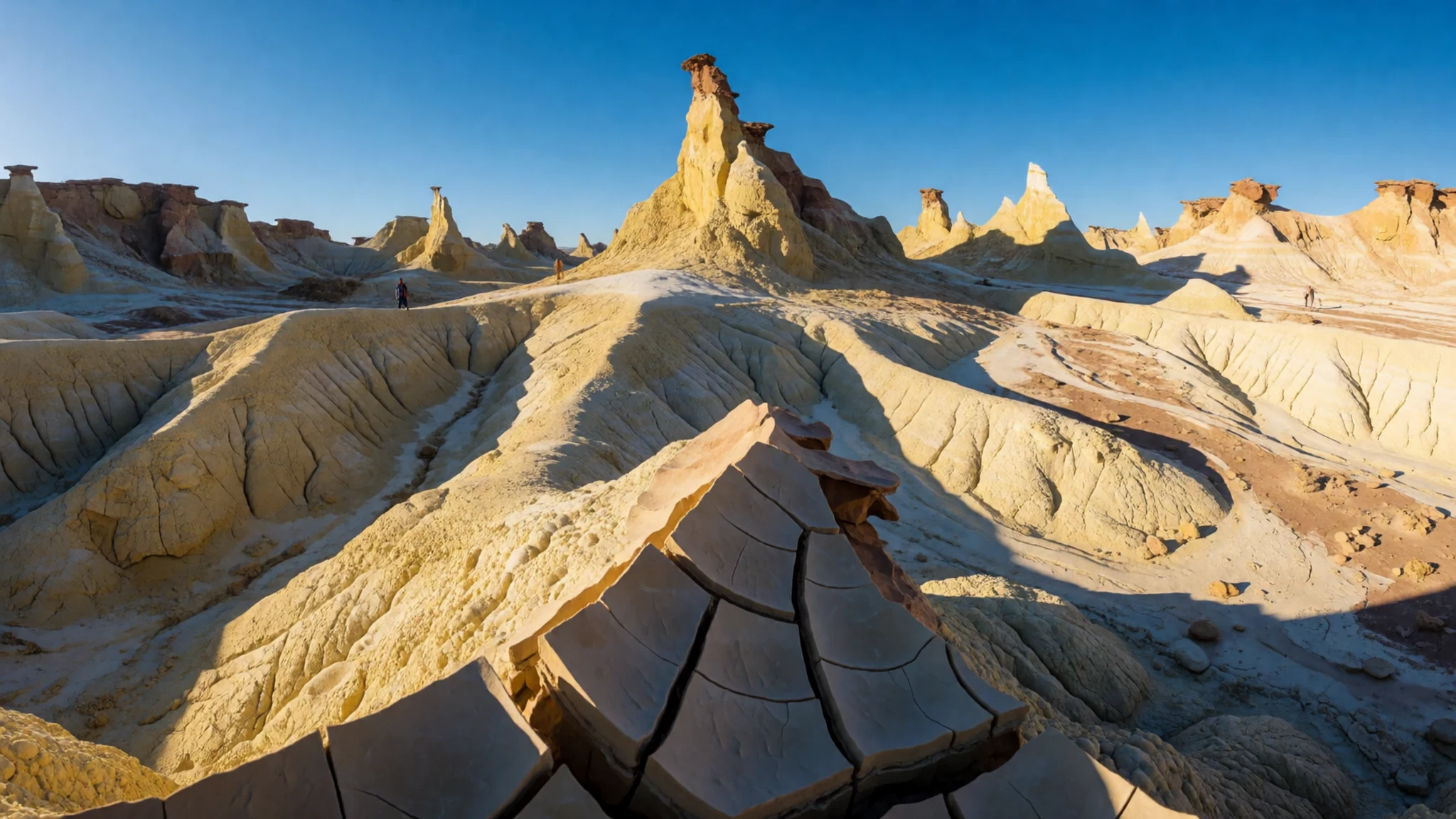
Culture
La Paz is a city where Aymara and Quechua traditions sit alongside Spanish colonial habits, and many residents are proud of that mix. Ritual life runs through everyday routines, and some markets sell items used in ceremonies. A polite greeting goes a long way in shops and offices. Bargaining is normal at the market stalls on Sagarnaga Street, but not in fixed-price shops. Many vendors wear traditional dress and expect courtesy, and public life is loud and busy around the markets, where pickpockets work the crowds. Dress modestly and keep your voice low when you visit a church during a service. Ask before photographing people at the markets, and never photograph a ritual offering or a stall without permission.
What to wear
The traditional dress of many Aymara and Quechua women in La Paz is built from layers: a wide, pleated skirt called a pollera, a fitted blouse, a woven shawl known as a manta or aguayo, and a bowler hat. Skirts are usually made from wool or cotton, and the shawls are woven in bright geometric patterns, often carried on the back to hold bundles or children. The bowler hat is a legacy of nineteenth-century fashion that became a distinctive local symbol. This dress is worn daily in the markets, at fiestas and on formal occasions, and it is still very much alive in the city.
What people wear now is a mix. Young people in the centre dress much like those in other cities, with jeans, jackets and trainers, while alpaca knitwear and hats remain popular with everyone. Warm layers are common because nights are cold at altitude.
For a visitor, layers are the sensible answer. Days can be warm in the sun and nights cold, and afternoon rain is common in summer. A windproof jacket, a warm layer and sun protection all matter, and sturdy shoes with good grip suit the steep streets. In churches and at religious sites, cover shoulders and knees, and avoid anything too revealing.
What to eat
- Almuerzo set lunch — Small almuerzo kitchens in the centre and around the markets
The midday almuerzo is the most local way to eat in La Paz. Small kitchens serve a soup, a main of meat or chicken with rice and potatoes, and a drink, usually at a fixed price. Look for places full of office workers around lunchtime.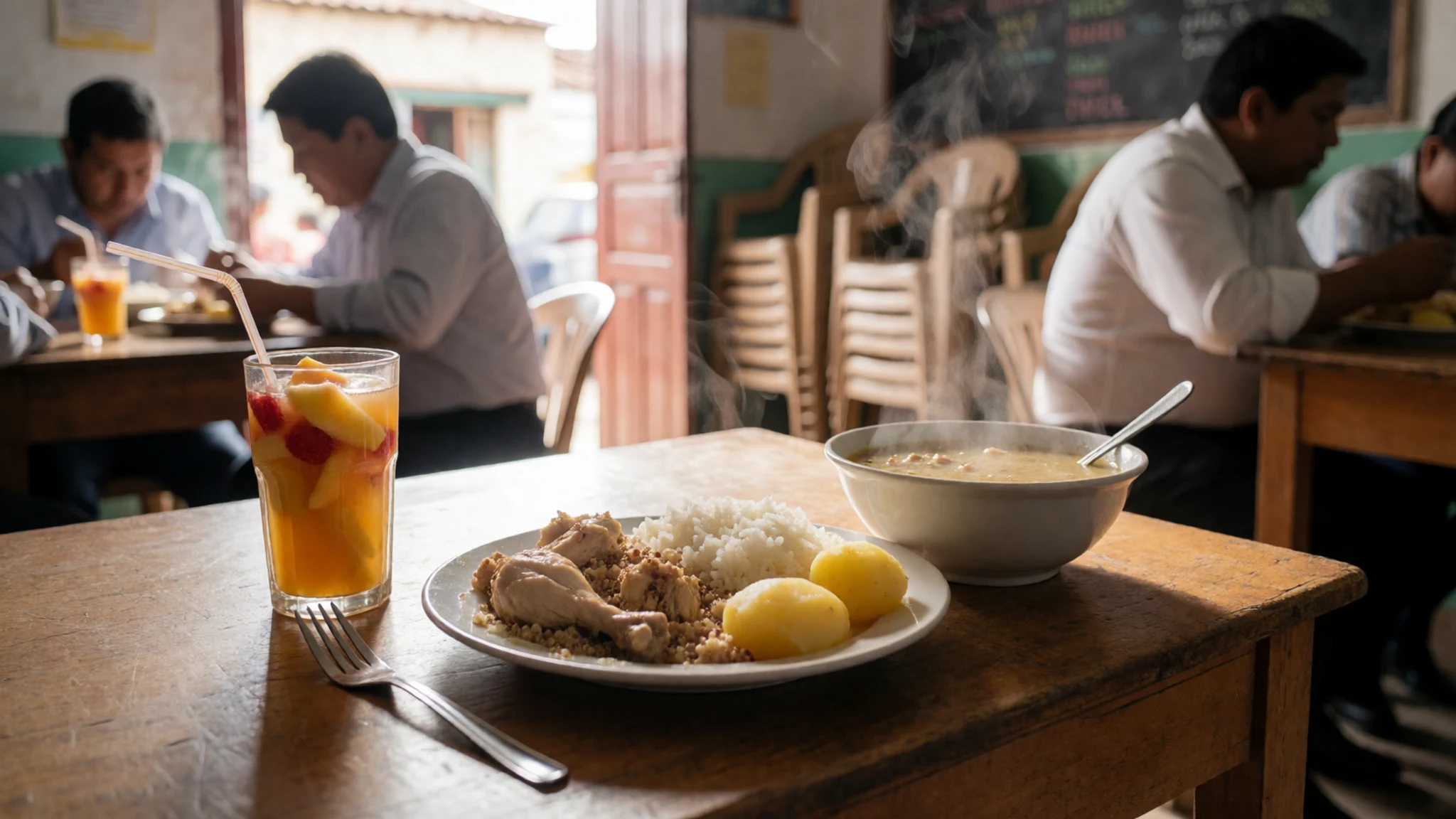
- Lake Titicaca trout — Mid-range Bolivian restaurants in the colonial centre
Trout from Lake Titicaca appears on many menus, often served with local almonds from the Beni lowlands. It is a good dish to try at a sit-down restaurant in a colonial building, where the local cooking is taken seriously.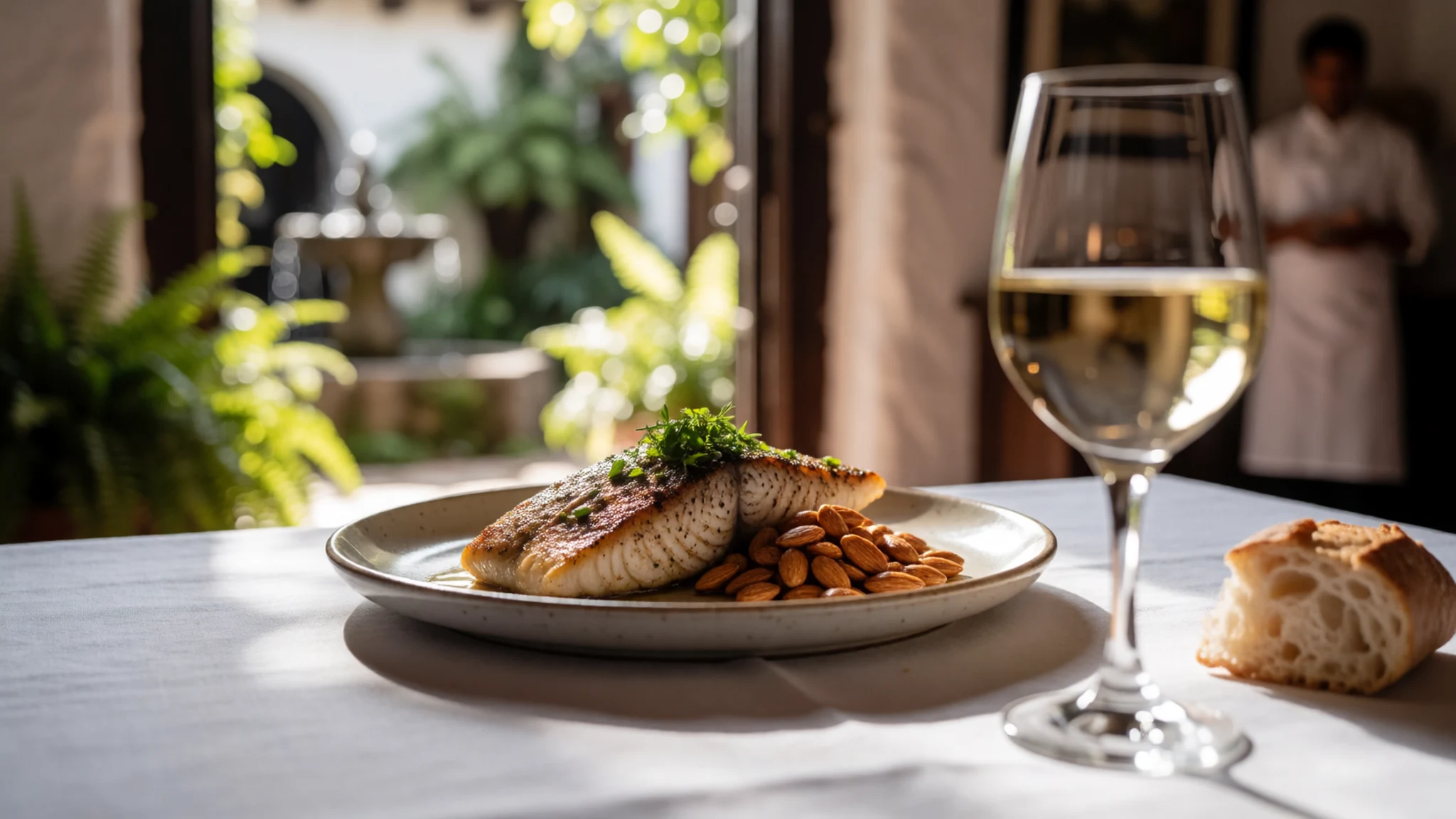
- Ceviche — Seafood restaurants in central neighbourhoods
Seafood ceviche in the Peruvian style is served here with fresh fish, citrus and onion. Dedicated seafood places are more reliable than general restaurants, so look for a kitchen that specialises in it.
- Garden brunch — Upmarket restaurants in the centre and nearby districts
The best brunch in town is found in restaurants set in leafy gardens, where kitchens work with Andean ingredients and organic coffee. Expect a relaxed pace and a menu that goes well beyond eggs. - Drip coffee in a colonial café — Cafés in restored colonial houses in the centre
Old mansions in the centre have been turned into dark, bohemian cafés filled with antiques. They are good places to sit for an afternoon, and the drip coffee is among the best in the city.
Plan it
Best time. May to September brings dry, bright days and clearer views of the peaks. November to March is the rainy season, with afternoon storms that can disrupt plans. Nights are cold at this altitude in every month.
How long. 2–3
Getting there. Fly into El Alto International Airport, which sits on the plateau above the city, then take a taxi or shared van down into the centre. The descent is steep, so allow extra time.
Budget. low
Tips
- Take the first day easy, as altitude catches many visitors out
- Use only radio taxis with a sign on the roof, and agree the fare before you get in
- Keep bags close in crowded streets and markets, where pickpockets operate
- Carry small notes for markets, almuerzo kitchens and small shrines
- Allow extra time for buses back to the airport, which fill up in the evening rush
Etiquette
- Do not photograph vendors or ritual items without asking
- Dress modestly and keep your voice low in churches
- Be wary of plain-clothes police scams and check identity before handing over money
Nearby
Sources
- Wikidata Q1491 (CC0)
- Wikipedia: La Paz (rev 1382540631) (CC BY-SA 4.0)
- Wikivoyage: La Paz (rev 5407904) (CC BY-SA 4.0)
- La Paz-center.jpg (CC BY 3.0)
- Vista del centro de La Paz (CC BY-SA 4.0)
- Plaza Murillo en La Paz - Bolivia (CC BY-SA 4.0)
- Palacio Consistorial La Paz (cropped) (CC0 1.0)
- Mi Teleférico, La Paz, Bolivia (CC BY-SA 4.0)
- HDR catedral de espaldas (cropped) (CC BY-SA 4.0)
- Barrio de Miraflores, La Paz (CC BY-SA 4.0)
- Basílica Menor Nuestra Señora de los Ángeles (San Francisco) (CC BY-SA 4.0)


