Madidi National Park
Madidi National Park, Bolivia
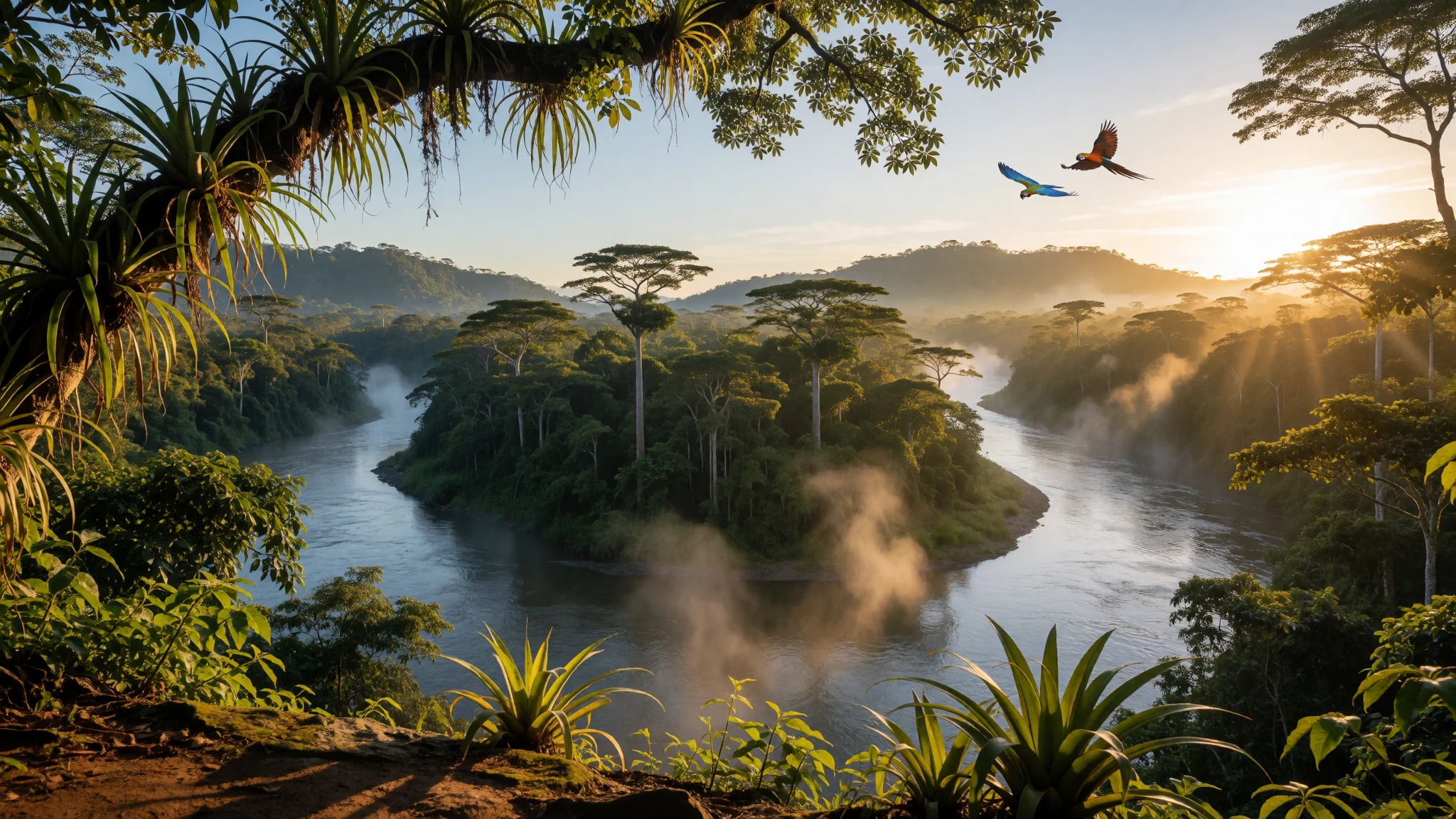
Madidi National Park drops from Andean peaks to Amazon lowland rainforest, a remote Bolivian wilderness reached by boat from Rurrenabaque.
The place
Madidi National Park sits in the north-west of Bolivia's La Paz department, where the Andes fall away into the upper Amazon basin. Its full official name adds "Integrated Management Natural Area", a clue that people live and work in parts of it as well as around it. The protected land covers 18,958 sq km, and the park was established in 1995. The ground changes dramatically across that area: glaciated peaks and cold alpine terrain in the south and west, cloud forest and dry montane forest at middle heights, and hot tropical lowland in the north, where the facts record an elevation of just 247 m. The Tuichi and Beni rivers do the work of roads. To the west the park meets reserves in Peru, and it belongs to a wider chain of protected land that includes Apolobamba, Manuripi-Heath and Peru's Manu. The gateway is the river town of Rurrenabaque. A passenger ferry crosses the Beni to San Buenaventura, and from there visitors continue with a guide by boat or on foot. Nothing inside behaves like a conventional destination. There are no independent shops, cafés or restaurants, mobile coverage is close to nonexistent, and serious medical care is hours away. Most people sleep in community-run or private eco-lodges along the rivers. In 2018 the Wildlife Conservation Society judged Madidi to be the most biologically diverse national park anywhere. The practical reward is quiet, scale and a great deal of wildlife, at the price of heat, insects and slow river travel.
Its story
Madidi National Park was created in 1995, but the forests it protects were never empty. The Tacana and Ese Ejja, the closely related Tsimané and Mosetén, and the Toromona, who have chosen to live in isolation, all have ties to this country. Many other residents are Quechua speakers whose families came down from the Andean highlands, so the park's human map is as layered as its slopes. That mix shapes how conservation works here. Protection is not only a matter of fences and rangers; it depends on whether communities gain something from keeping the forest standing. Chalalán Ecolodge, on the Tuichi River, is the best-known answer. It is a community-based enterprise, often cited as the oldest of the park's lodges, and it was set up so that tourism income reaches indigenous families directly. Other lodges, community-owned or private, followed along the Beni and Tuichi. The scientific story is just as big. Madidi runs from high Andean ecosystems down to lowland rainforest, and it covers parts of two distinct ecoregions, the Bolivian Yungas and the Bolivian montane dry forests. That range is why the Wildlife Conservation Society's 2018 recognition for biodiversity drew attention to a park few travellers had heard of. Today the tension is familiar from other remote reserves: more visitors bring income and awareness, but also pressure on trails, wildlife and small communities. Choosing guides and lodges that work with local people is the most direct way a traveller affects which side of that balance wins.
What to see
- Tuichi River and Lake Chalalán — Tuichi River, Chalalán
The Tuichi River leads into the park's primary rainforest, and the oxbow lagoon of Lake Chalalán sits deep inside it beside the community-run lodge. Paddling the still water at dawn gives good chances of caimans and hoatzins, and the surrounding forest trails are walked with local guides.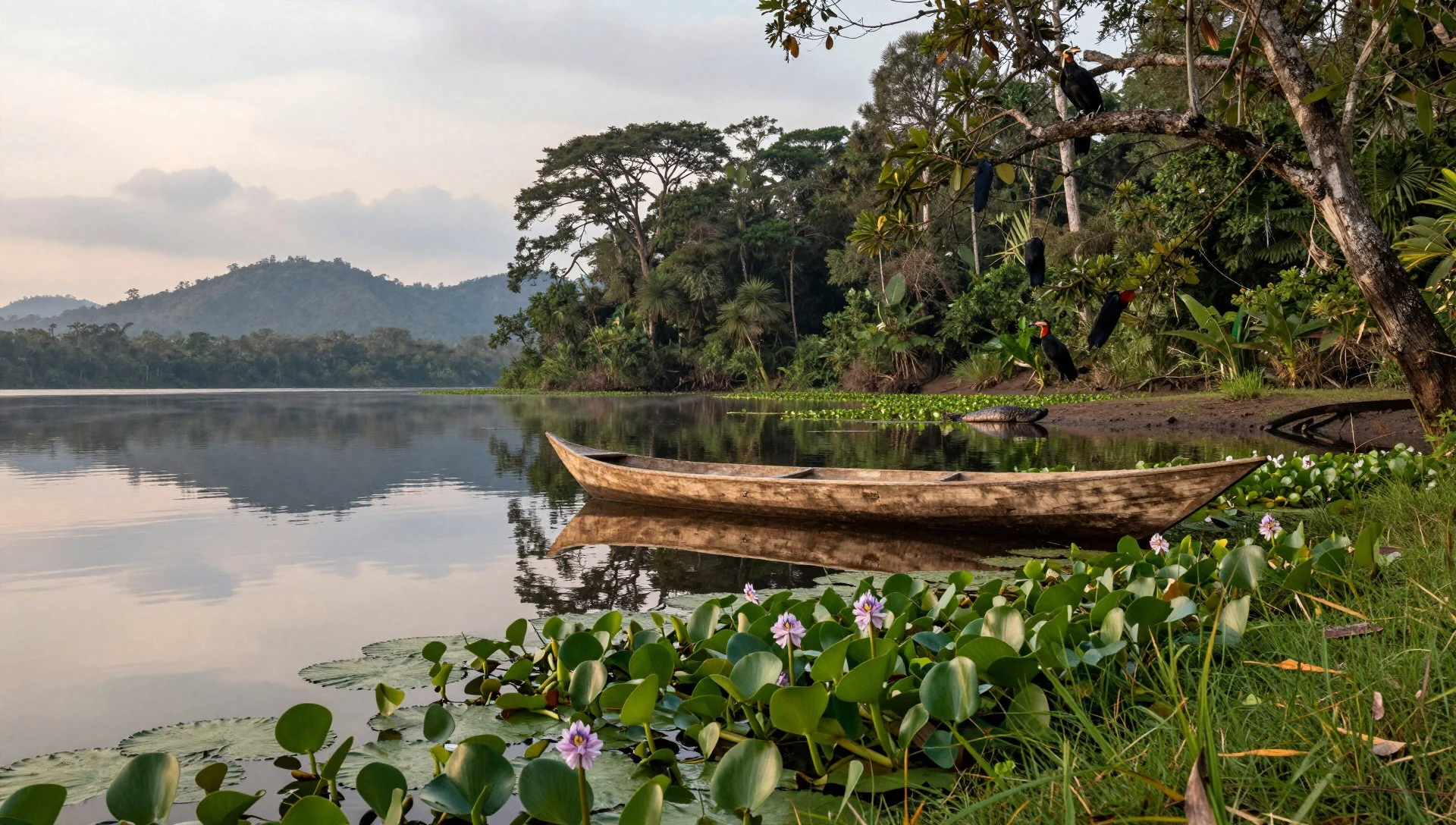
- Madidi River cliffs and Bala Gorge — Beni and Madidi rivers
Boat journeys on the Beni and Madidi rivers pass sandstone cliffs and canyon walls, including the Bala Gorge. Macaws often nest in the rock faces, and river beaches below are good places to spot capybaras, tapirs and wading birds from the boat.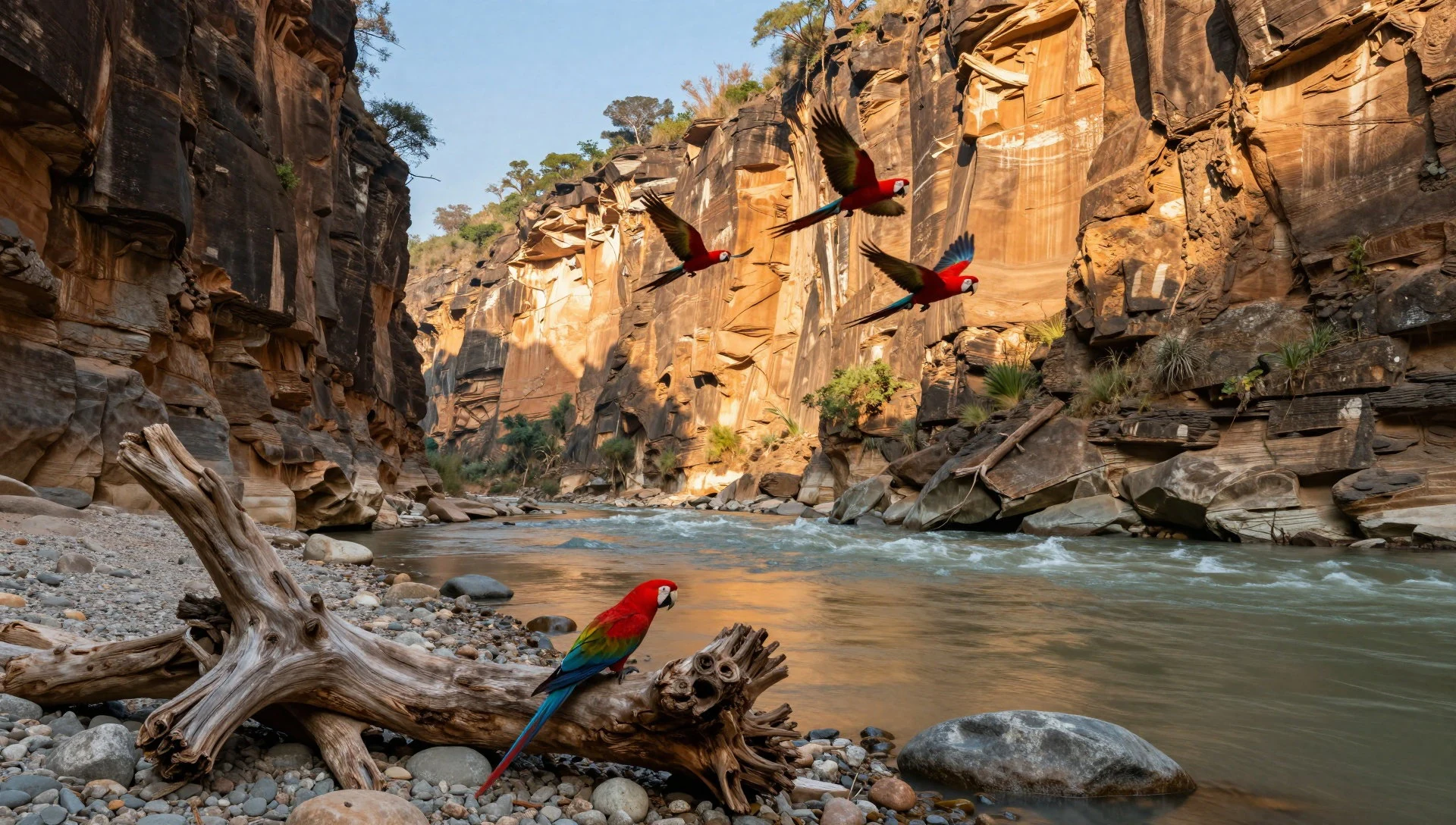
- Primates and mammals — Forest trails and riverbanks
The park shelters over 270 mammal species, from jaguars, pumas and ocelots to giant otters, tapirs and spectacled bears. Cats are rarely seen; monkeys are easier. Howler, squirrel and capuchin monkeys turn up along the banks, and the endemic Madidi titi lives here too.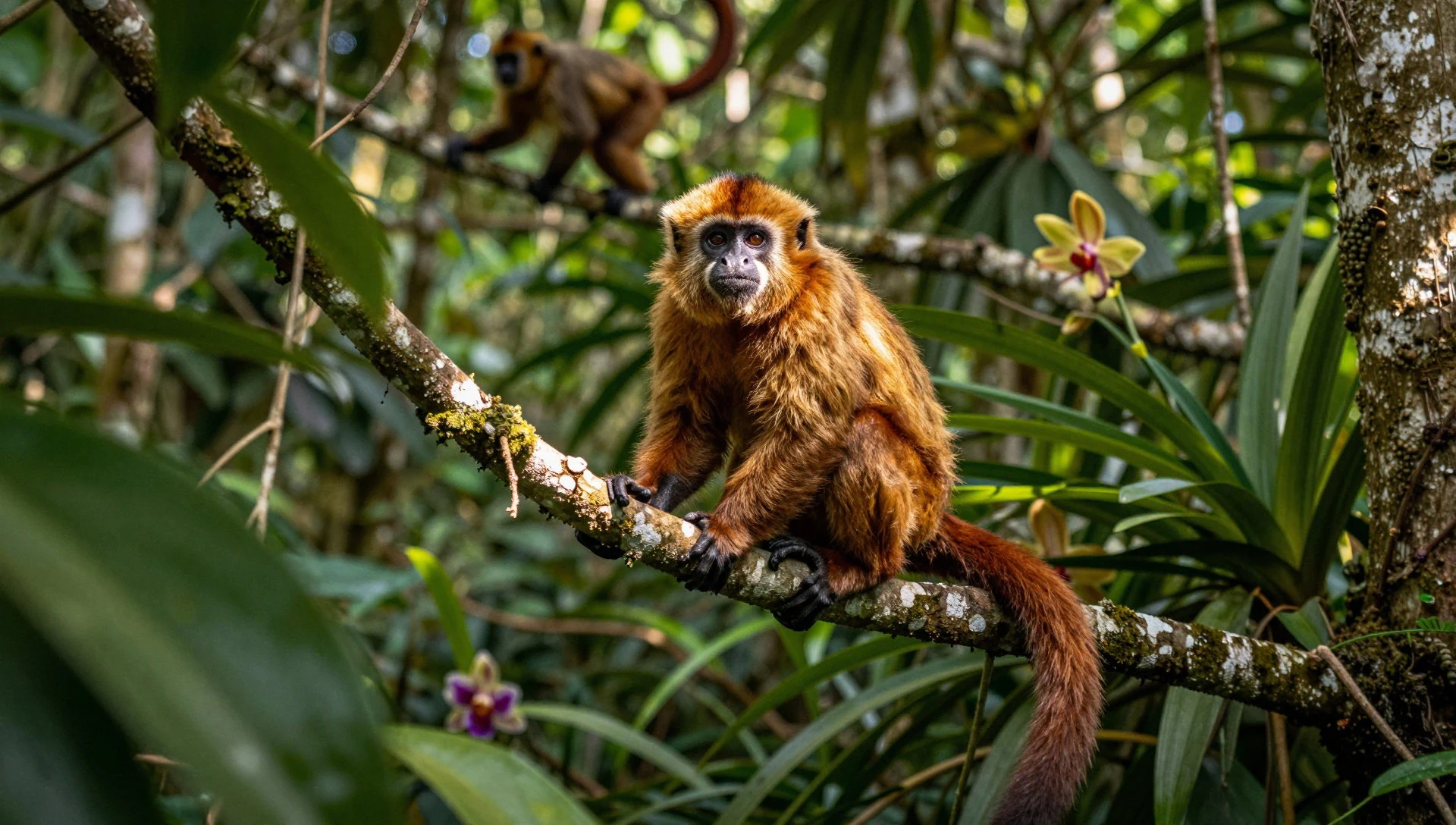
- Birdwatching — Lowland forest to cloud forest
More than 1,250 bird species have been recorded, over 14% of the world's total, so birders come with long lists. Macaws, toucans, harpy eagles and hoatzins live in the lowlands, while Andean cock-of-the-rock is found at higher elevations. Early mornings on the river or a forest trail are the best hours.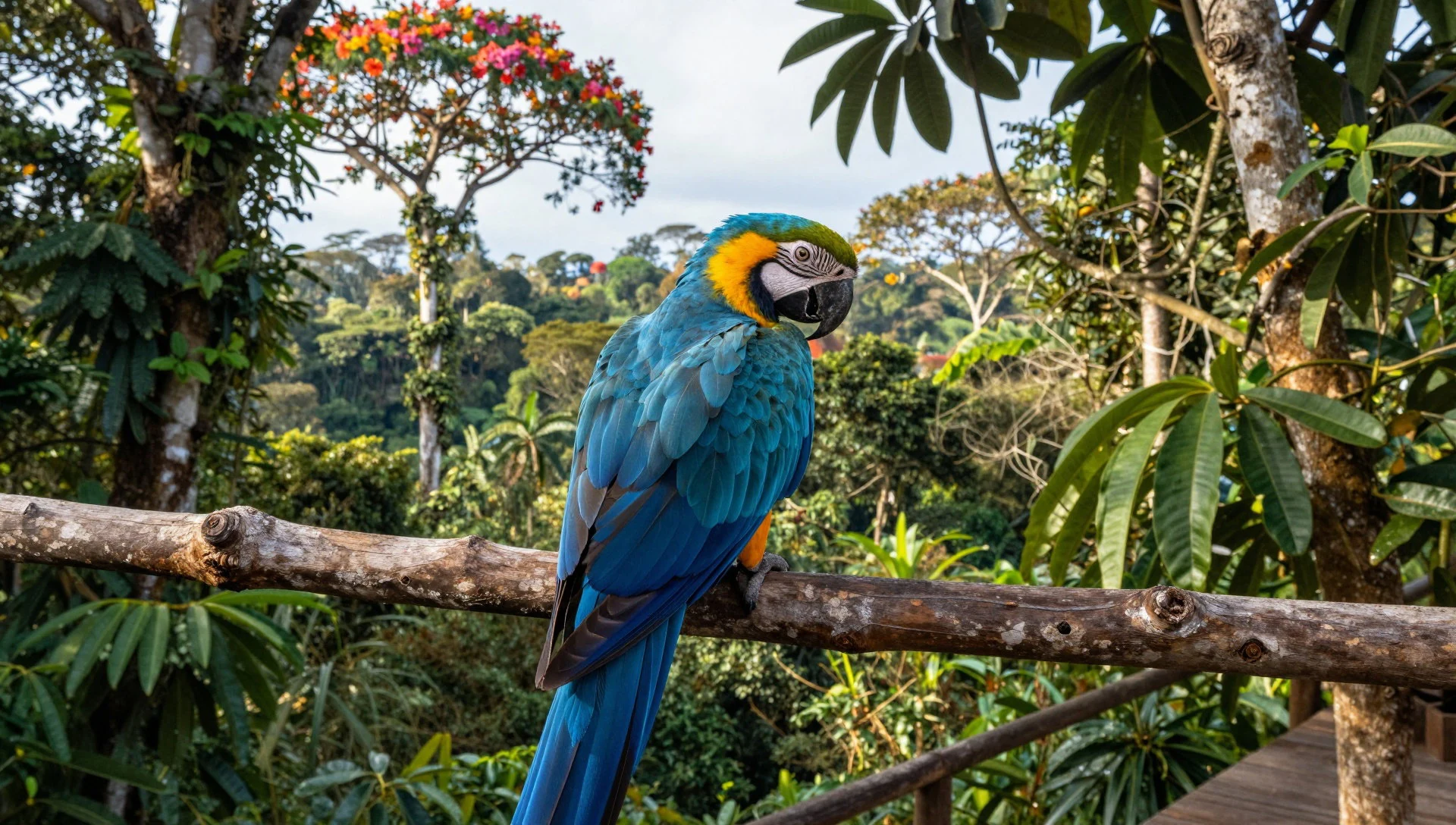
- Night walks and boat trips — Lodge trails and river margins
After dark, guided walks and slow boat trips turn up black and spectacled caimans, river turtles, anacondas and poison dart frogs. Frog and snake sightings need a trained guide, since venomous snakes and spiders are a genuine hazard off the marked trail.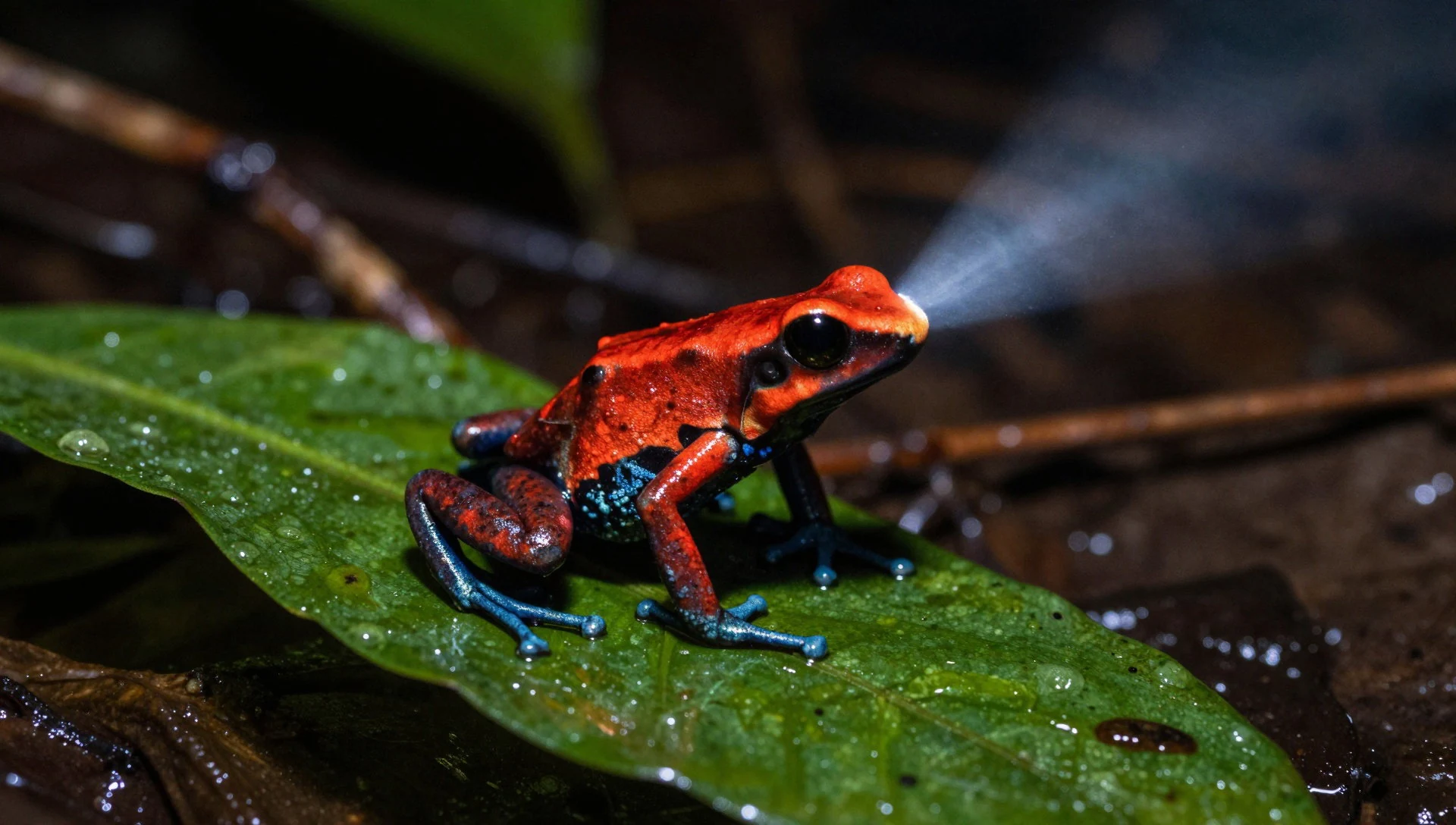
Culture
Madidi National Park is a protected area, but it is also home territory. Indigenous peoples including the Tacana, Ese Ejja, Tsimané and Mosetén live in and around it, and the Toromona live in voluntary isolation, which is a choice outsiders are expected to respect. Many other residents are Quechua speakers who migrated from the highlands, so Spanish, Quechua and several Amazonian languages may all be heard. Tourism is organised partly through community-owned lodges such as Chalalán, where guiding, cooking, boat work and trail maintenance are local jobs. That makes the guide more than a safety measure: the person leading a walk is often a resident sharing knowledge of plants, animal behaviour and river conditions built up over a lifetime. Meals are set by the lodge, schedules follow river levels and weather, and plans change when the water does. Patience is part of the experience. Forest products, fishing places and trails may belong to a particular community, so rules at a lodge reflect real land rights, not tourist formality. Visitors who treat the stay as a visit to someone's working landscape tend to have the warmest welcomes. Keep wildlife at a distance, carry out everything you bring in, and ask before photographing anyone in a community or at a lodge, because a camera pointed at people without permission is the quickest way to spoil a welcome.
What to wear
Madidi National Park has no single costume, because its communities come from different traditions. In Quechua-speaking families with highland roots, the classic dress is woven wool and the layered skirt called a pollera with a felt hat, worn mainly at higher altitude and on festival days. Among Amazonian communities such as the Tacana, Ese Ejja and Tsimané, traditional dress has largely given way to everyday clothes, though beadwork, woven fibre items and feather ornaments may still appear at celebrations or in craft displays; ask before photographing any of them. What people wear now is practical: cotton shirts, shorts or long skirts, rubber boots for mud and river landings, and wide-brimmed hats against sun. Visitors should dress for heat, insects and wet ground. Lightweight long sleeves and long trousers in quick-drying fabric protect against bites, scratches and sun better than shorts. Choose muted colours, bring a light rain jacket, and pack a warm layer for early boat rides and any higher-altitude stretch. Sturdy closed shoes with grip are essential for trails; check whether the lodge lends rubber boots. Modesty is relaxed in jungle lodges, but swimwear belongs by the water, and covering shoulders and knees is polite when visiting a community. Bring a hat, sunglasses, repellent and a dry bag for cameras, because river spray and sudden showers are routine.
What to eat
- Surubí — Eco-lodge dining rooms and riverside eateries in Rurrenabaque
Surubí is a large river fish served grilled, fried or in stews, and it appears regularly on lodge menus around Madidi National Park. Expect it with rice, yucca and salad at a set meal, or at a riverside eatery in Rurrenabaque.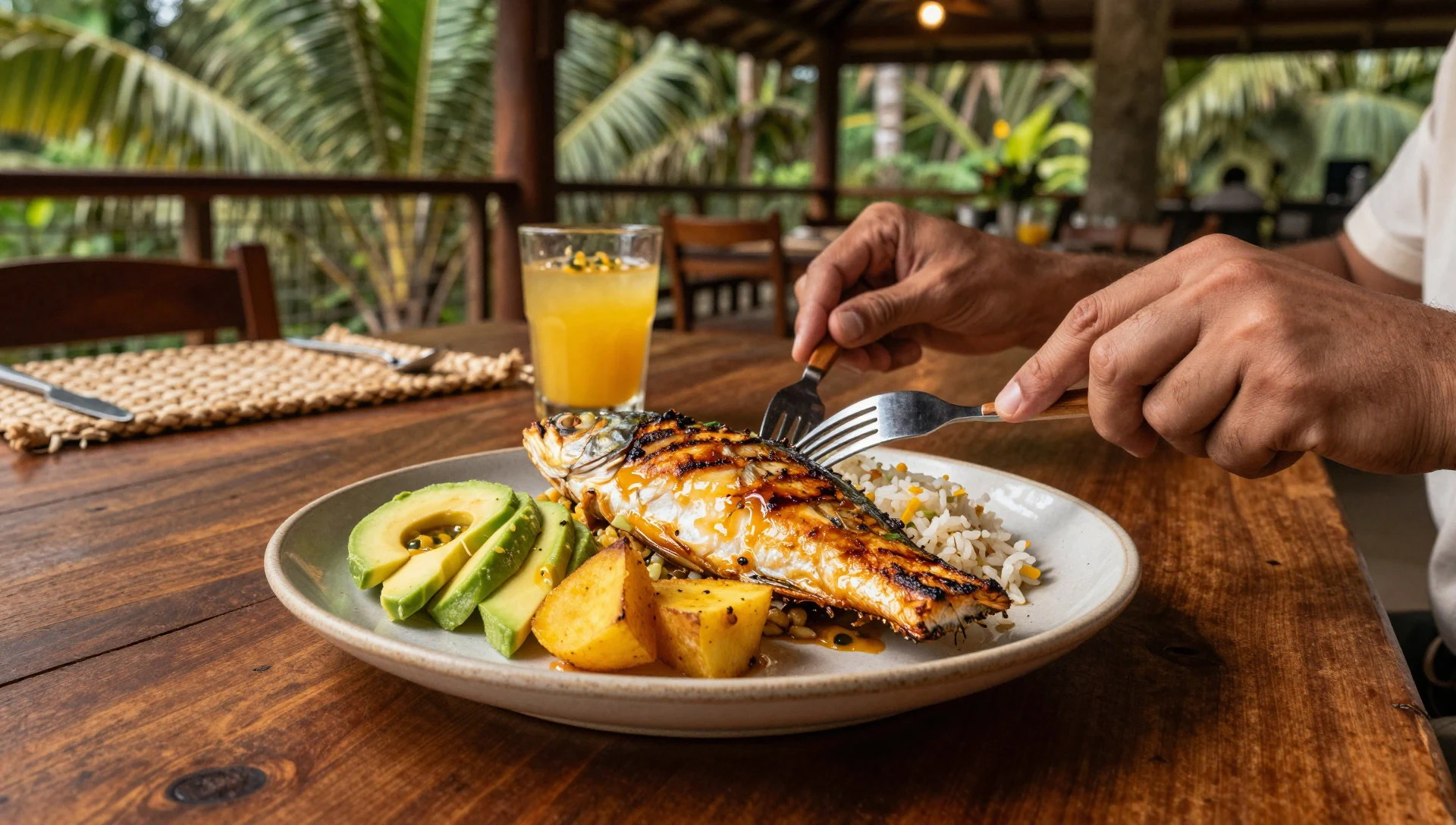
- Pacu — Eco-lodges on the Beni and Tuichi rivers
Pacu is another freshwater fish common in the lowlands. Lodges often grill it whole or cook it in a light sauce, and it gives a simple, filling dinner after a day of trails and boat travel.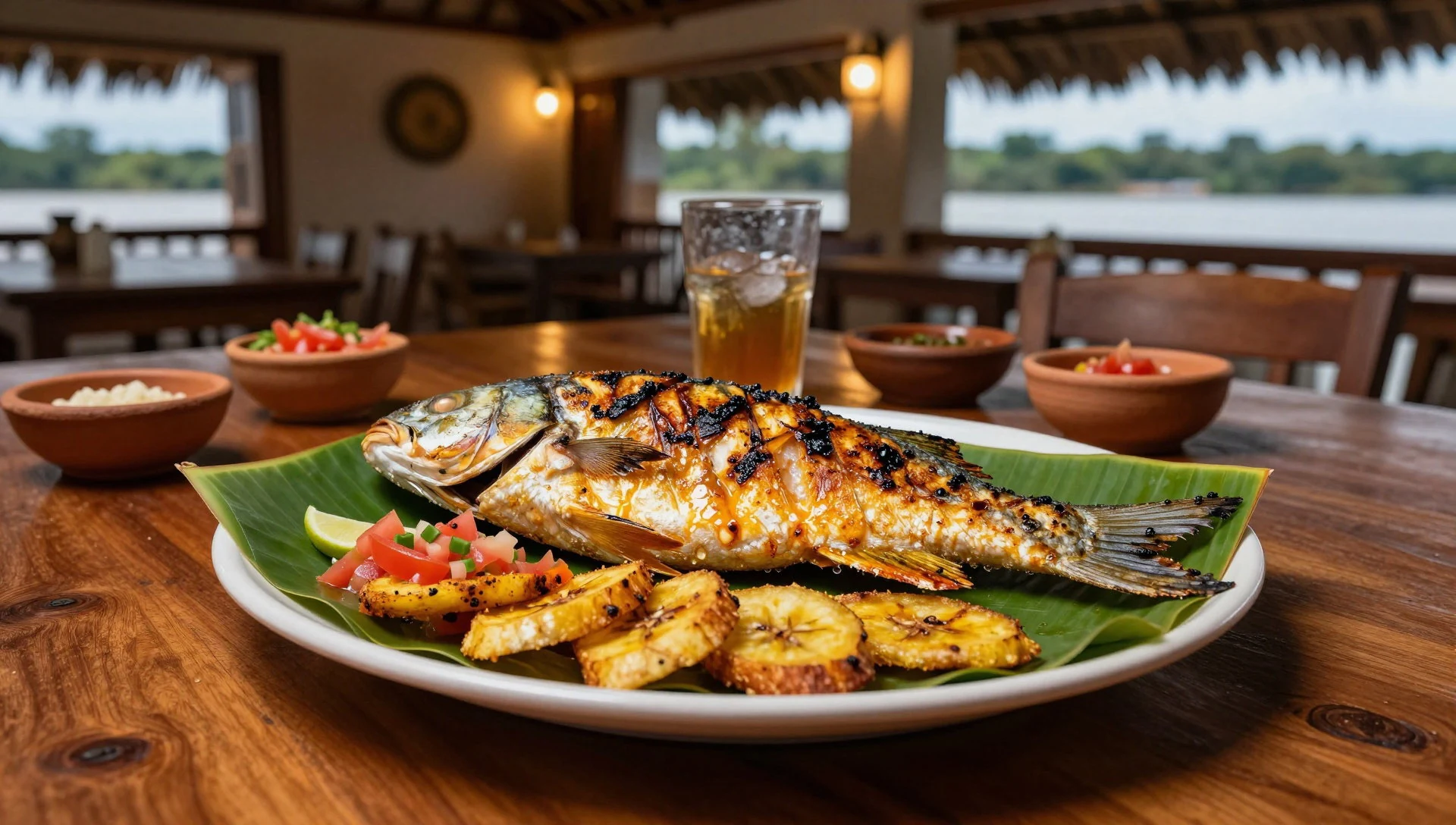
- Yucca and plantain — Lodge set meals and market stalls in Rurrenabaque
Boiled or fried yucca and plantain are the starchy staples beside most fish and meat plates in the lowlands. Plantain may be fried into slices or served ripe and sweet, and yucca is a dependable, filling side. - Lodge set meals — Chalalán, San Miguel del Bala and Madidi Jungle lodges
Full-board lodges serve multi-course set meals prepared by local staff, mixing Bolivian dishes with more international fare. Vegetarian, vegan and gluten-free diets can usually be handled if the operator is told well before leaving Rurrenabaque. - Camp-cook rice and eggs — Tent camps and basic shelters on guided tours
Budget and camping tours bring a camp cook who works over gas stoves or open fires. Meals are hearty and simple: rice, eggs, pasta and tinned goods, with a hot drink at dawn before the boat.
Plan it
Best time. May–September is the dry season and the easiest time for trails and boat travel, though river levels and temperatures still vary with altitude. October–March is the wet season, with heavy rain, mud and slower travel; annual rainfall averages around 716 mm and the average temperature is about 26°C.
How long. 3–5
Getting there. Most visitors base themselves in Rurrenabaque, reached from La Paz; check current flight and road options. From Rurrenabaque, a passenger ferry crosses the Beni to San Buenaventura, then river transport or a guided trek goes on into the park. For permits and official information, see http://www.sernap.gob.bo/madidi.
Budget. mid
Tips
- Choose your operator carefully in Rurrenabaque: compare tours, ask for testimonials and remember that price and quality are linked
- Never trek without a certified local guide, as off-trail navigation is dangerous
- Buy nuts, dried fruit and chocolate in Rurrenabaque, since nothing is sold inside the park
- Drink only treated or purified water, never tap, stream or river water
- Expect almost no mobile coverage and tell someone your itinerary before leaving
Etiquette
- Ask before photographing people in communities
- Keep a respectful distance from wildlife and never feed animals
- Follow lodge and community rules about trails, fishing places and rubbish
Nearby
Sources
- Wikidata Q647206 (CC0)
- Wikipedia: Madidi National Park (rev 1362852445) (CC BY-SA 4.0)
- Wikivoyage: Madidi National Park (rev 5402865) (CC BY-SA 4.0)
- Photo: Acantilados del río Madidi, Paul B (CC BY 2.5)
- Photo: Madidi park, Gareth Fabbro (CC BY 3.0)
- Photo: Plecturocebus aureipalatii, Carine06 (CC BY-SA 2.0)
- Photo: Amanecer amazonia, Ludwinsiles (CC BY-SA 4.0)
- Photo: Amanecer en el río Tuichi, Gabvia (CC BY-SA 4.0)
- Photo: Amaneciendo en el rio Yacuma, Ludwinsiles (CC BY-SA 4.0)
- Photo: Amazonia en la selva, Ludwinsiles (CC BY-SA 4.0)
- Photo: Animal salvaje, Ludwinsiles (CC BY-SA 4.0)


