Noel Kempff Mercado National Park
Noel Kempff Mercado National Park, Bolivia
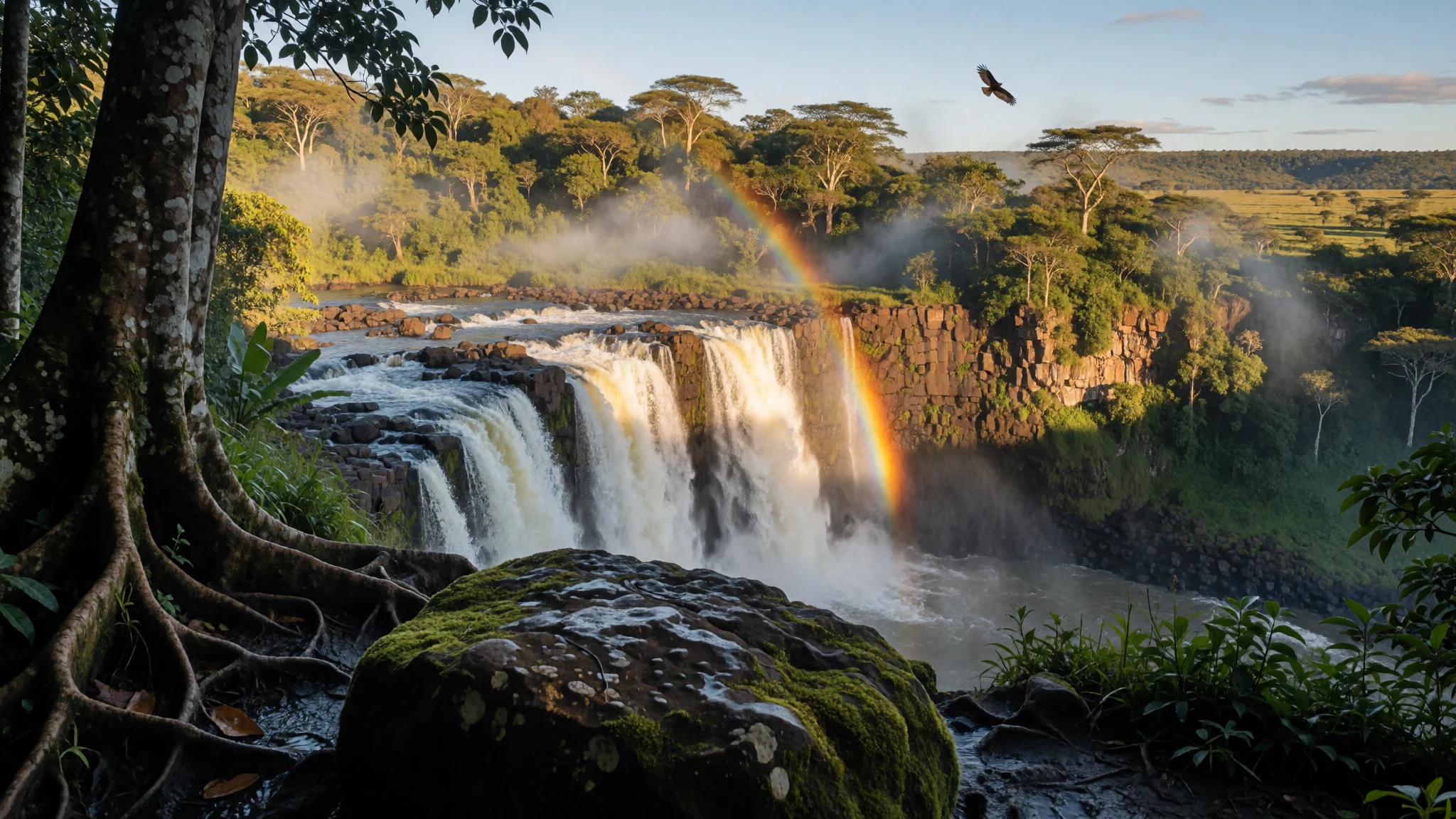
Noel Kempff Mercado National Park rewards patient travellers with big river scenery, rare wildlife, and serious forest-and-savanna variety.
The place
Noel Kempff Mercado National Park sits in northeast Santa Cruz Department in Bolivia, in a big pocket of protected land on the Brazilian border. The Iténez River forms the eastern and northern boundary, so the landscape is constantly changing between forested edges and wide river views.
The park is built around the Huanchaca Plateau (also called Huanchaca Meseta / Serrania de Huanchaca) and a patchwork of habitats. In practical terms, that means the walks and drives can feel like different ecosystems in the same trip: upland evergreen forest and upland savanna (cerrado), then savanna wetlands and forest wetlands. This is a transition zone where the Amazon rainforest influence meets the drier cerrado and dry-forest/savanna types.
Weather is seasonal. The park has a marked dry season during Bolivia’s winter months (around June to August), when rain is much lighter and days are generally more comfortable for trekking, though dry-season air can feel cool. Even so, the elevation is modest, so it’s the seasonal swings between wetter, warmer months and a cooler dry season that most affects plans.
What makes the place special is scale and remoteness. Large areas remain undisturbed, and in many seasons you can still feel the “deep wilderness” vibe—trees closing in, riverbirds calling, and the occasional flash of animal movement without crowds. The famous waterfall Arcoiris (Cascada Arcoíris) is a highlight, but the calmer value here is that the whole park feels like a living nature corridor rather than a single attraction.
Its story
The story of Noel Kempff Mercado National Park starts with exploration and later shifts into protection. In 1908, Percy Fawcett explored the area on a frontier survey for the Bolivian government. Later, his photographs in London helped spark Arthur Conan Doyle’s imagination for The Lost World.
The park’s formal timeline is more recent. It was founded on June 28, 1979, originally under the name Parque Nacional Huanchaca. It was renamed in 1988 for Noel Kempff Mercado, a Bolivian conservationist and pioneering biologist whose work and discoveries are linked to the park, and who died after being murdered in the area.
Today the park is also recognised internationally. UNESCO designated it a World Heritage Site in 2000, citing the way its habitat types support high biodiversity and the presence of many globally threatened large vertebrates.
For travellers, that history matters less as a timeline and more as an explanation for what you experience on the ground: a protected landscape that still supports multiple forest and savanna systems, with rivers shaping movement and sightings. The park’s conservation story is written into the routes—where access exists, the aim is less “tick off sights” and more “spend time in the right ecosystems” so animals and water can do their work.
What to see
- Arcoiris Falls (Cascada Arcoíris) — Huanchaca Plateau / main park access
Arcoiris Falls is the park’s signature drop, reached through rainforest and plateau scenery. The main cascade spreads wide enough to feel powerful even from vantage points, with mist drifting over the rocks and surrounding greenery.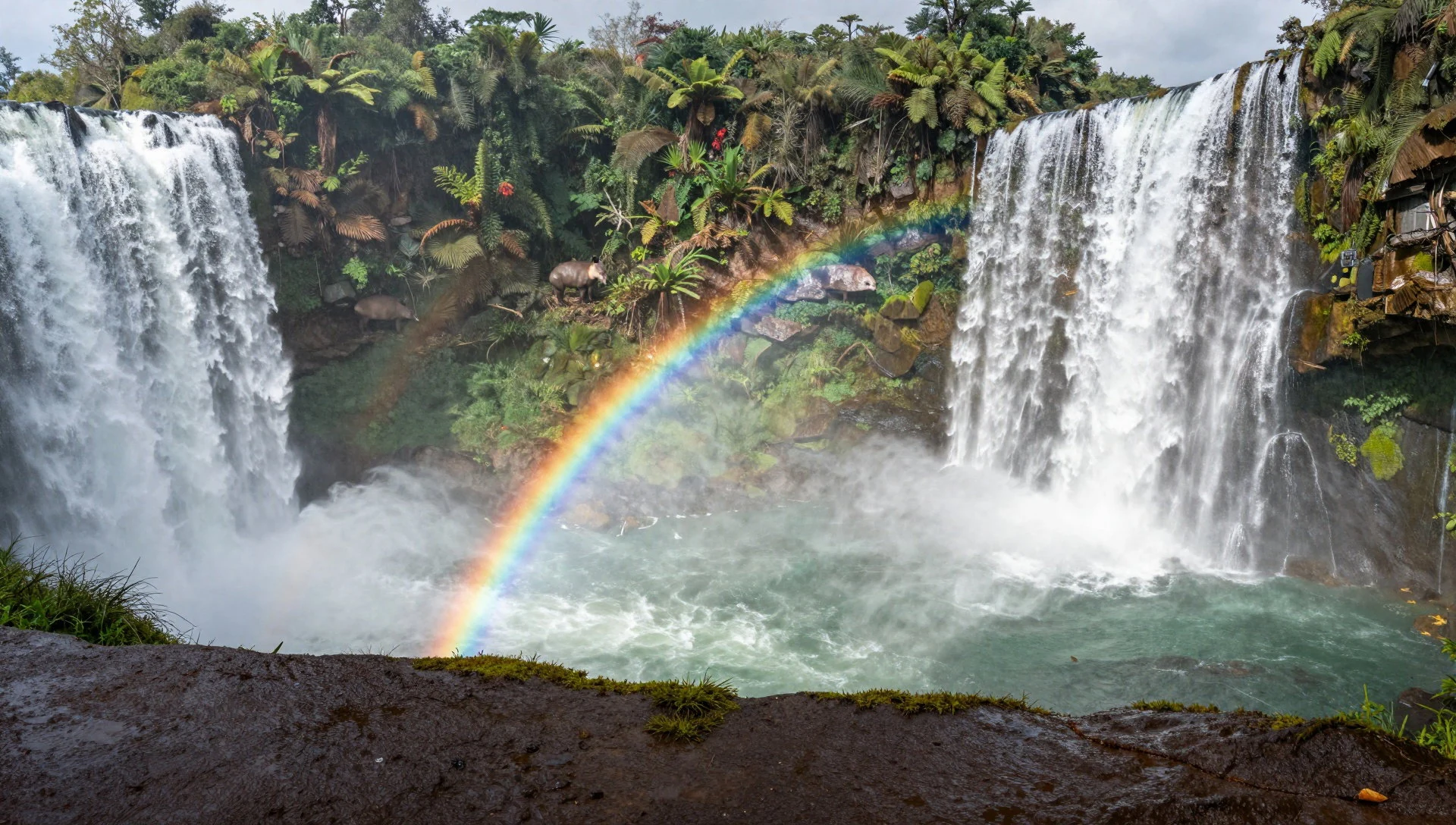
- Iténez River edge viewpoints — Eastern and northern border (Iténez River)
The Iténez River sets the rhythm of the park. River-edge trails and boat-like observation points offer changing colours—morning light, midday glare, then softer evening tones—often with birds appearing along the waterline.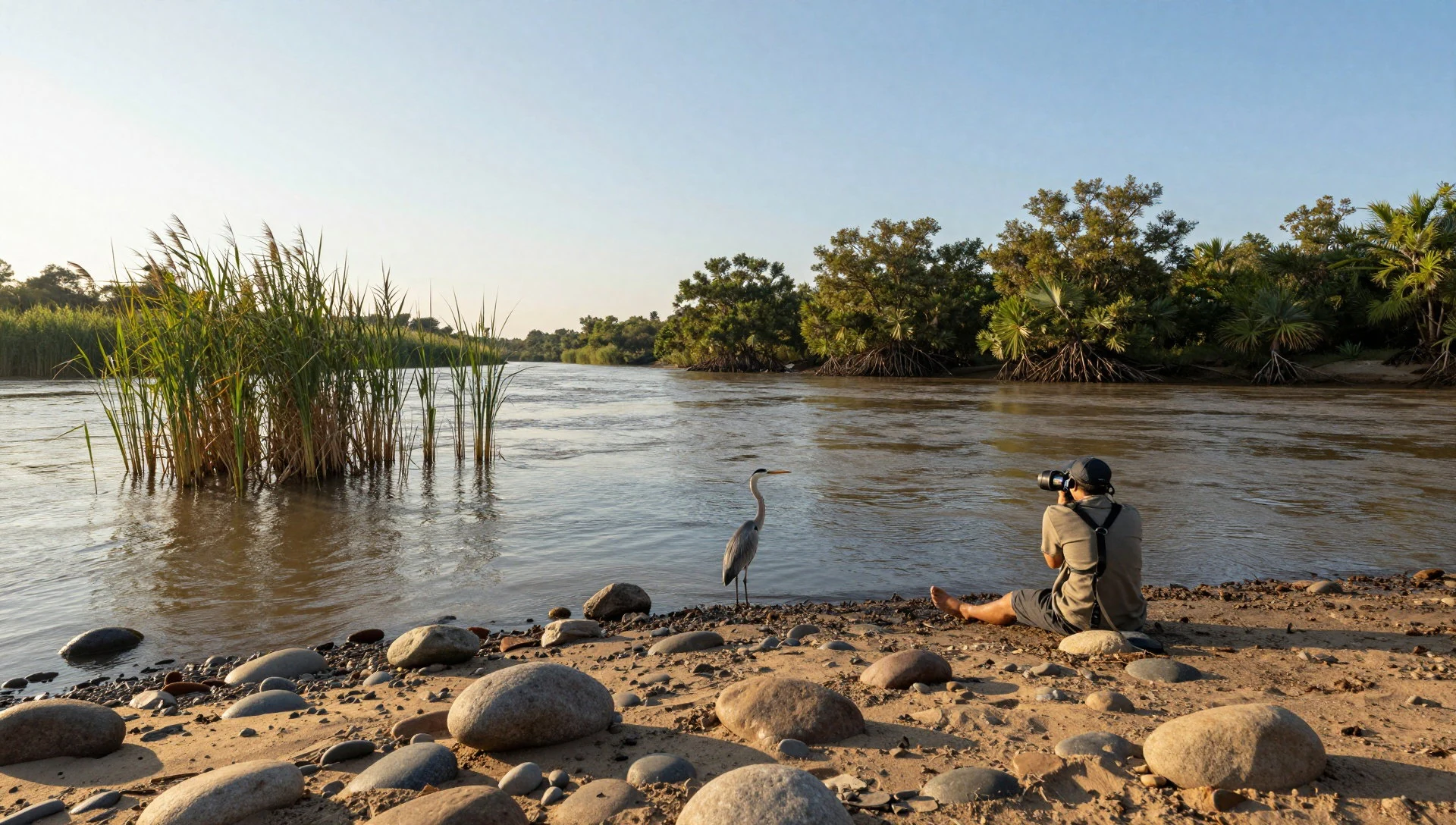
- Cerrado–Amazon transition habitats — Huanchaca Plateau and mosaic zones
Noel Kempff Mercado National Park sits where Amazon influence meets cerrado landscapes. Upland evergreen forest, deciduous patches, savanna wetlands and forest wetlands can all show up within the same travel day, making vegetation look “layered”.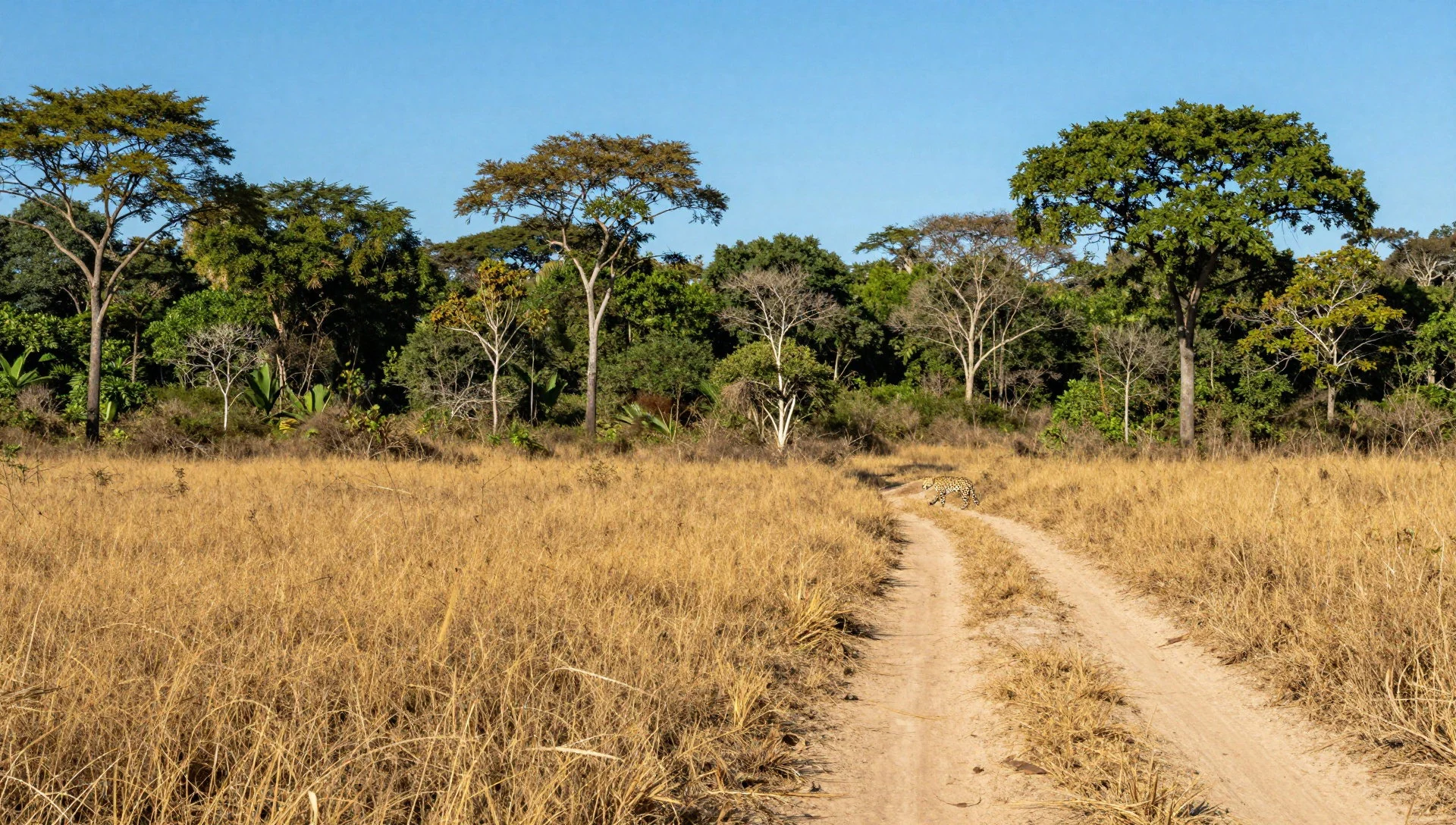
- River fauna watching — River systems and wetland edges
Along the Iténez and its connected waters, wildlife sightings often cluster around where food and shade meet. With patient scanning—especially near banks and quieter bends—you might catch signs of larger animals and lots of smaller riverlife.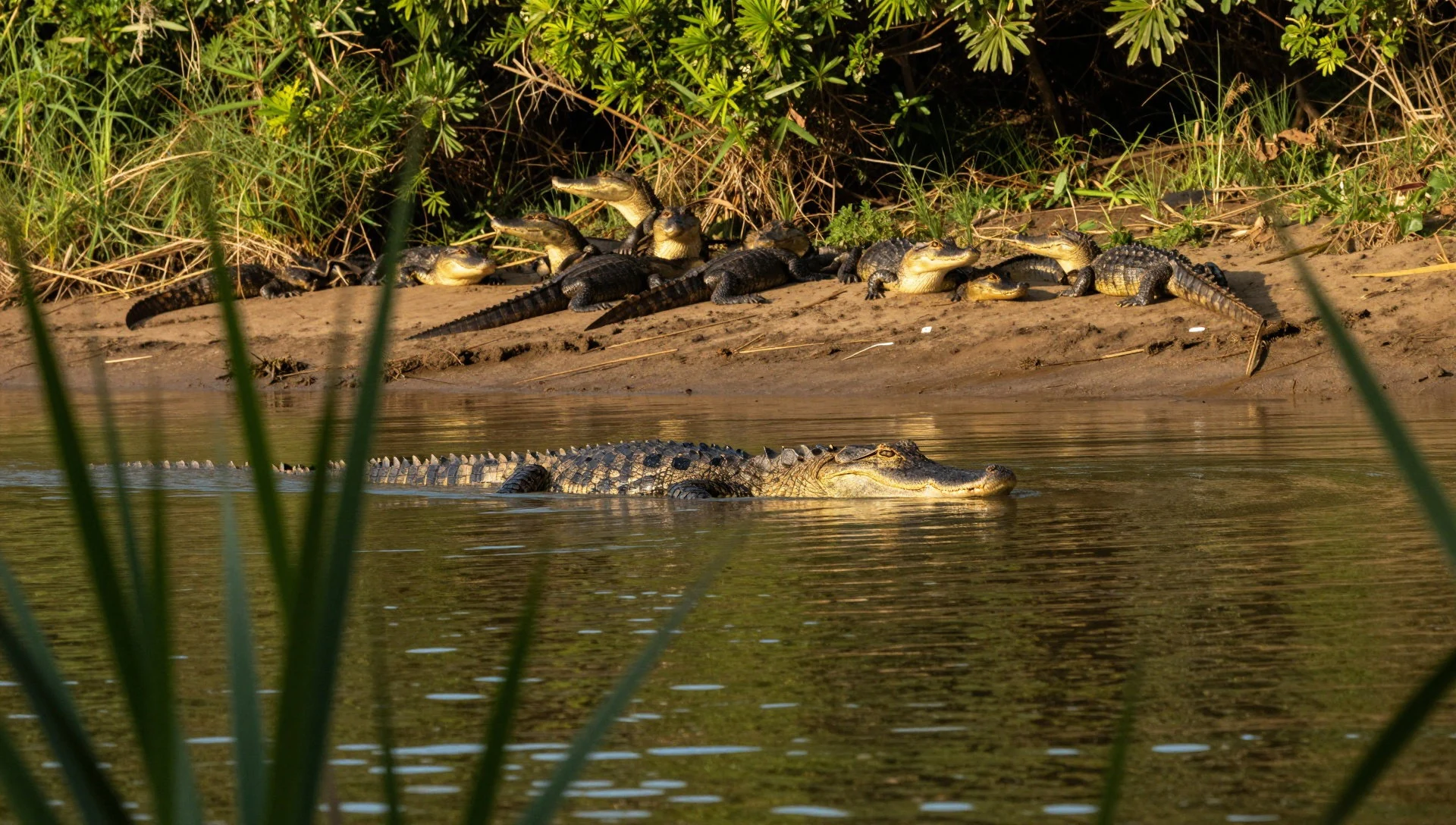
Culture
Noel Kempff Mercado National Park is fundamentally a wilderness destination, so “culture” here looks more like how people live with land and water than like a built-up heritage circuit. Along the river border, local communities and visiting guides operate with a respect-for-nature mindset: using access routes carefully, watching weather patterns, and prioritising time in the right habitats.
Because the park is remote and experiences vary by season, most visitor experiences are structured around guides and local logistics—especially for wildlife spotting and for moving between forest, plateau, and water. It’s also a place where the pace is slow by necessity. The best sightings and waterfall moments tend to happen when groups are quiet and attentive, not when everything is rushed.
Religious or ceremonial customs aren’t the point of the trip, but practical etiquette still matters. The park’s protection status means wildlife and habitat come first: keep to routes when marked, avoid stepping off-trail vegetation, and treat riverside areas as living spaces rather than picnic spots.
Visitor etiquette: keep noise down in wildlife areas and follow your guide’s directions so animals and fragile habitats aren’t disturbed.
What to wear
Noel Kempff Mercado National Park doesn’t have one “traditional dress” culture in the way a city festival might, but it does have clear practical clothing needs: this is a humid, rainy-season-capable region with lots of walking through forest edges, savanna paths, and wet ground.
For visitors now, most people dress for comfort and movement—light layers, breathable tops, and quick-drying trousers. In the wet months, many wear waterproof outer layers or carry them in a pack; in the drier period, lighter clothing is common but long sleeves help with insect protection.
If visiting religious or community spaces nearby (for example, small churches or homesteads en route), dress modestly—cover shoulders and wear something that doesn’t feel too revealing.
Footwear is the big decision. Choose sturdy closed shoes or hiking boots with good grip for muddy sections and river-walk conditions. Bring a spare pair or quick-dry socks if rain is likely. A hat and sunglasses help when the sun hits the river and open savanna, while a light rain jacket keeps your day workable when showers roll in.
What to eat
- River-edge simple snacks — On guided day walks and river viewpoints
In Noel Kempff Mercado National Park, meals and snacks often follow what’s easiest on trail and by water—fruit, simple sandwiches, and warm drinks during breaks between activities.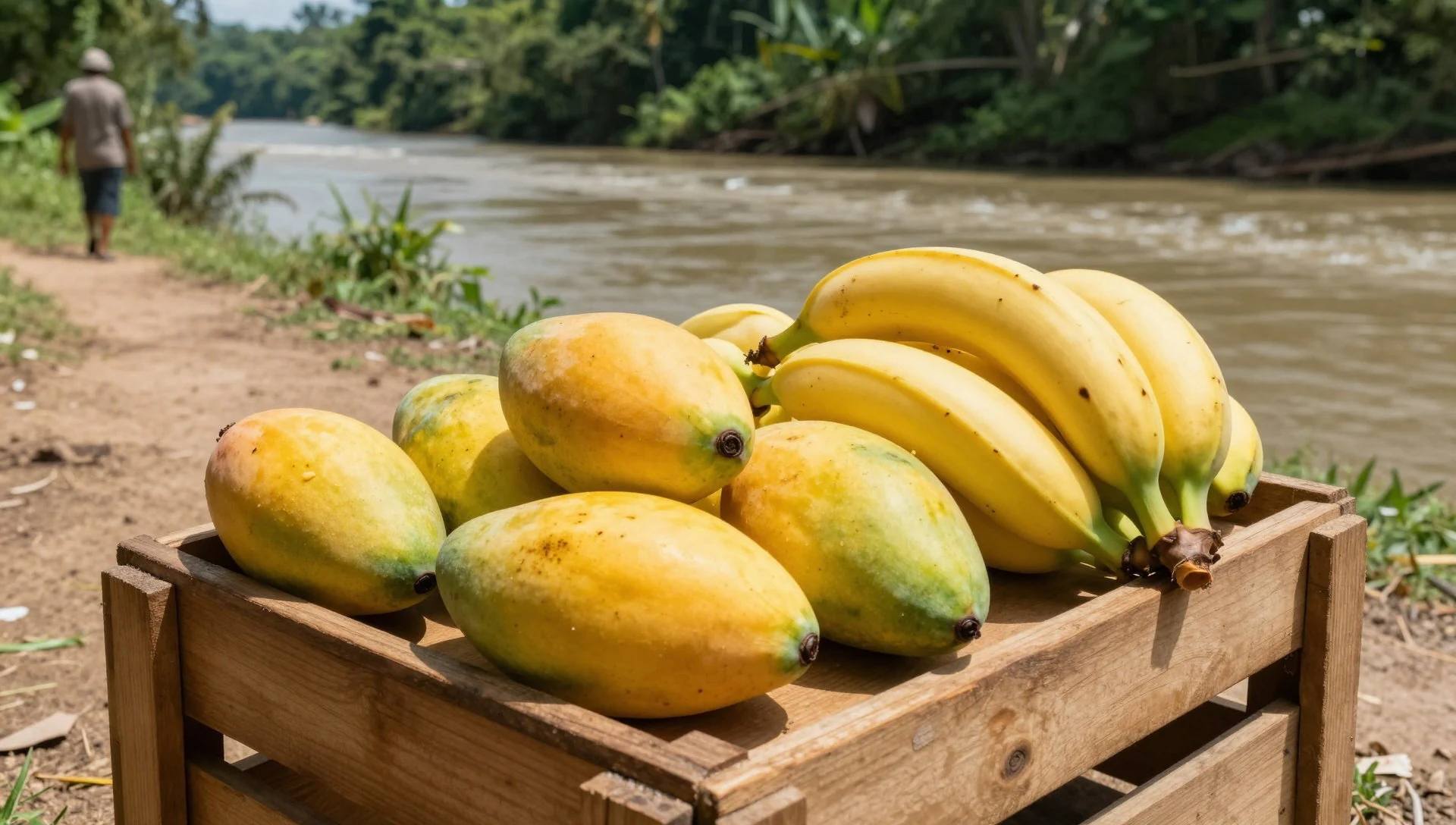
- Market-style breakfast basics — Local markets and roadside food stalls
In the wider area around park access, travellers commonly start with straightforward breakfast items like fresh fruit, bread/pastries, and local hot drinks from small food stalls or market counters.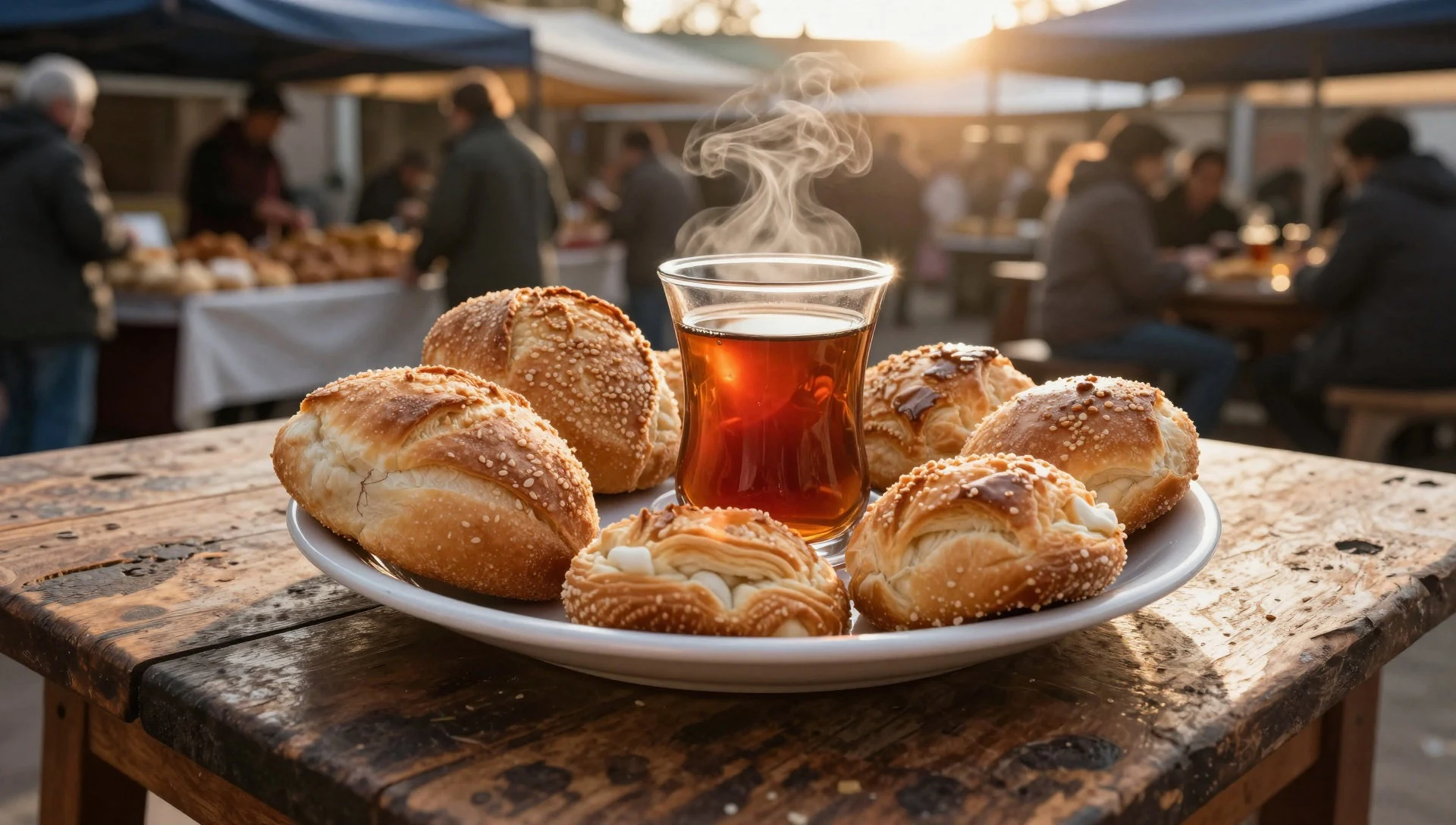
- Guided-camp dinner plates — Lodges and camps during multi-day visits
Many park trips include dinner at a lodge or camp, usually built around hearty, shareable dishes—roasted meats or stews, sides for filling up after long walks, and seasonal vegetables. - Coffee and tea breaks — Lodge common areas and regroup points
Between wildlife walks, waterfalls, and boat-style transfers, there’s usually time for a hot drink. Coffee or tea tends to appear when the group regathers—especially in cooler dry-season mornings.
Plan it
Best time. June–August for the driest period, when rainfall is lowest and trekking feels easiest; September can still be relatively comfortable. October to November are the wetter months, when showers are more likely.
How long. 3–4
Getting there. Fly into the nearest major access point for eastern Bolivia, then arrange road transfers to the park area; the final leg is typically by vehicle and on-the-ground logistics arranged with local guides and operators. For the exact route, confirm with your tour operator using the park’s official website.
Budget. mid
Tips
- Plan for humidity: start early, take water breaks, and pace longer walks for the hottest hours.
- If focusing on the waterfall, check with your operator about the best timing during your stay; conditions can change with rain.
- Pack a dry bag for electronics and change into dry clothes after wet hikes.
- Bring insect protection for forest and river-edge time, especially around dawn and late afternoon.
- Expect the itinerary to be guide-led: wildlife movement and river conditions can affect route choices.
Etiquette
- Stay on marked paths and avoid trampling wetland edges where animals feed.
- Keep voices low during fauna-watching—quick movement and loud chatter drives wildlife away.
- Follow local guidance on any community-area stops and respect private spaces.
Nearby
Sources
- Wikidata Q650710 (CC0)
- Wikipedia (rev 1362882172) (CC BY-SA 4.0)
- Wikivoyage (rev 5100555) (CC BY-SA 4.0)
- Photo photos/01-vista-a-rea-de-la-cascada-arco-ris-parque-nacional-noel-kemp.jpg (CC0 1.0)
- Photo photos/02-noel-kempff-mercado-national-park-banner.jpg (CC BY-SA 4.0)
- Photo photos/03-blue-sky-and-blue-water.jpg (CC BY-SA 4.0)
- Photo photos/04-bo-san-ignacio-de-velasco-1207-58-16606090974.jpg (CC BY-SA 2.0)
- Photo photos/05-bolivia-noel-kempff-mercado-national-park.png (CC BY-SA 4.0)
- Photo photos/06-caiman-and-river.jpg (CC BY-SA 4.0)
- Photo photos/07-chrysocyon-brachyurus-en-parque-nacional-noel-kempff-mercado.jpg (CC BY 4.0)
- Photo photos/08-comunidad-florida-parque-noel-kempf-mercado.jpg (CC BY-SA 4.0)


