Laguna Colorada
Laguna Colorada, Bolivia
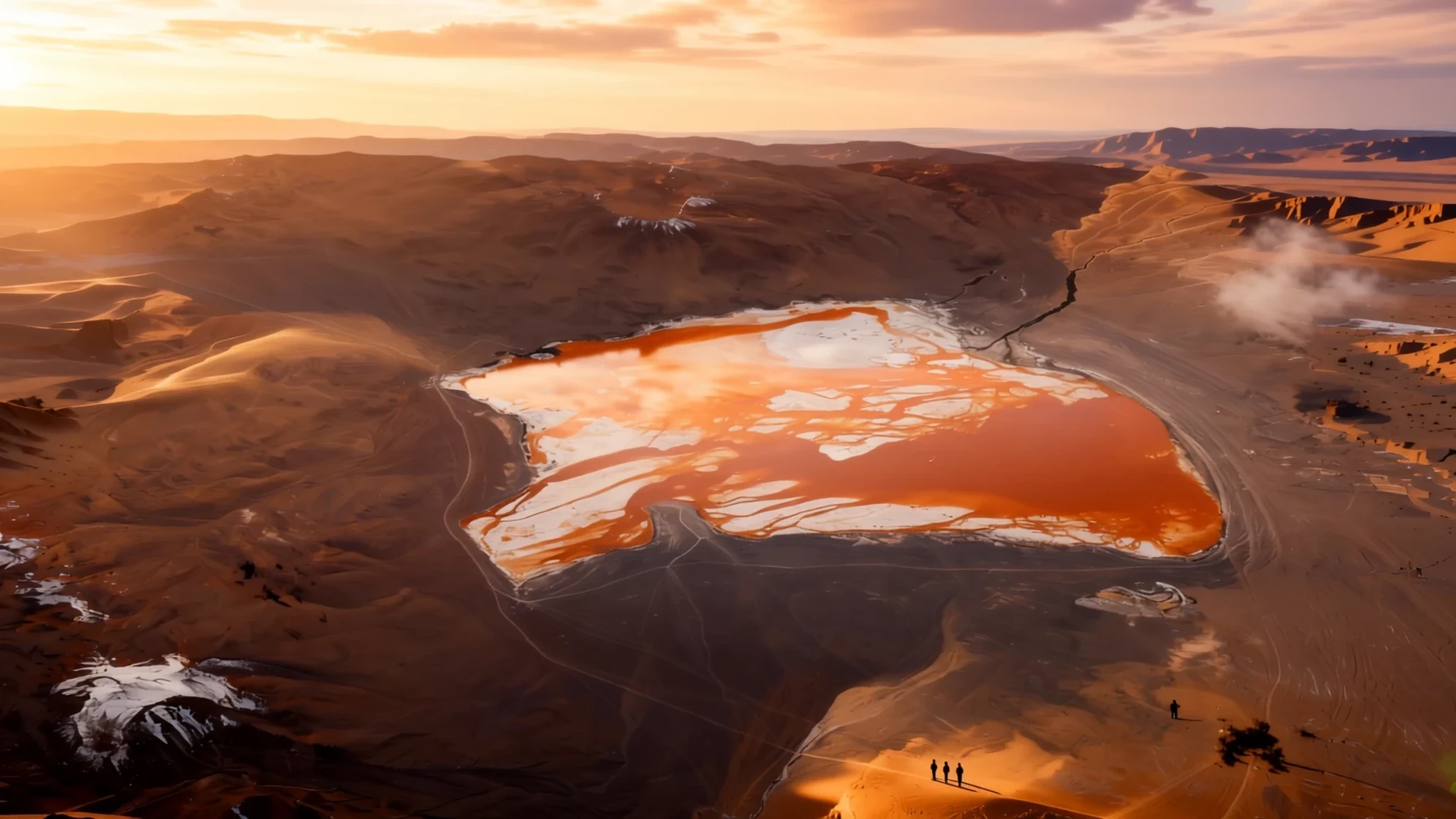
Go for a shallow lake that turns crimson under high Andean sun, with flamingos feeding in the shallows at 4,278 metres.
The place
Laguna Colorada is a shallow, very salty lake in the far southwest of Bolivia's Altiplano, the high plateau that stretches across the Andes. It sits inside the Eduardo Avaroa Andean Fauna National Reserve, at an elevation of 4,278 metres, and the surrounding land is dry, windswept and largely empty of towns. The lake gets its name from its colour. Red sediments on the bottom and a tiny green-tinged alga that thrives in very salty water give the surface a range of shades, from pale pink in calm, cool weather to deep red when the algae bloom. The colour shifts through the day and across the seasons, so two visits can look quite different. Scattered across the water are white islands of borax, a mineral that forms crusts where the lake dries at its edges. Against the red water they look almost like snow. Because the lake is so shallow and so salty, very little lives in it except specialised organisms, which is exactly why it suits flamingos. The land around it is home to vicuñas, llamas and high-altitude predators. Expect thin air, strong sun, cold nights and wind. The lake is reached by road rather than by any train, and the trip is part of the experience.
Its story
Laguna Colorada became a place of wider concern because of the birds that depend on it. The lake is a key breeding ground for several species of flamingo, including the Andean, Chilean and James's flamingos, and the abundance of plankton in its water gives these birds the food they need to feed and nest. In 1990 the lake was listed as a Ramsar Wetland of International Importance, a designation under the international treaty that protects wetlands. That listing recognised how rare and fragile the ecosystem is. Its water chemistry is extreme, and small changes in water levels, temperature or mineral content can alter both the colour and the food supply. The protected area that now surrounds it was built to keep these high-altitude habitats intact, including the bofedal wetlands that feed the lake and support grazing animals. For local communities, the lake and its wetlands are part of a working landscape where llama herding continues. Visitors have become part of that story too. Tours bring income to the region, but they also bring vehicles, litter and crowds to a place with very few services. The ongoing challenge is to let people see this extraordinary landscape without damaging the conditions that make it extraordinary in the first place.
What to see
- The lagoon shore — Eduardo Avaroa reserve, southern shore
The lake shore is where most visitors first stand, looking out over the red water with the white borax islands beyond. Walk slowly along the edge and watch how the colour changes with the light and the wind. Early mornings are often calmer, and the water can look more still and pink. Keep to the marked paths and avoid walking onto the soft crusts near the margins, where the ground can give way. Bring a warm layer, because the wind off the water feels cold even under strong sun.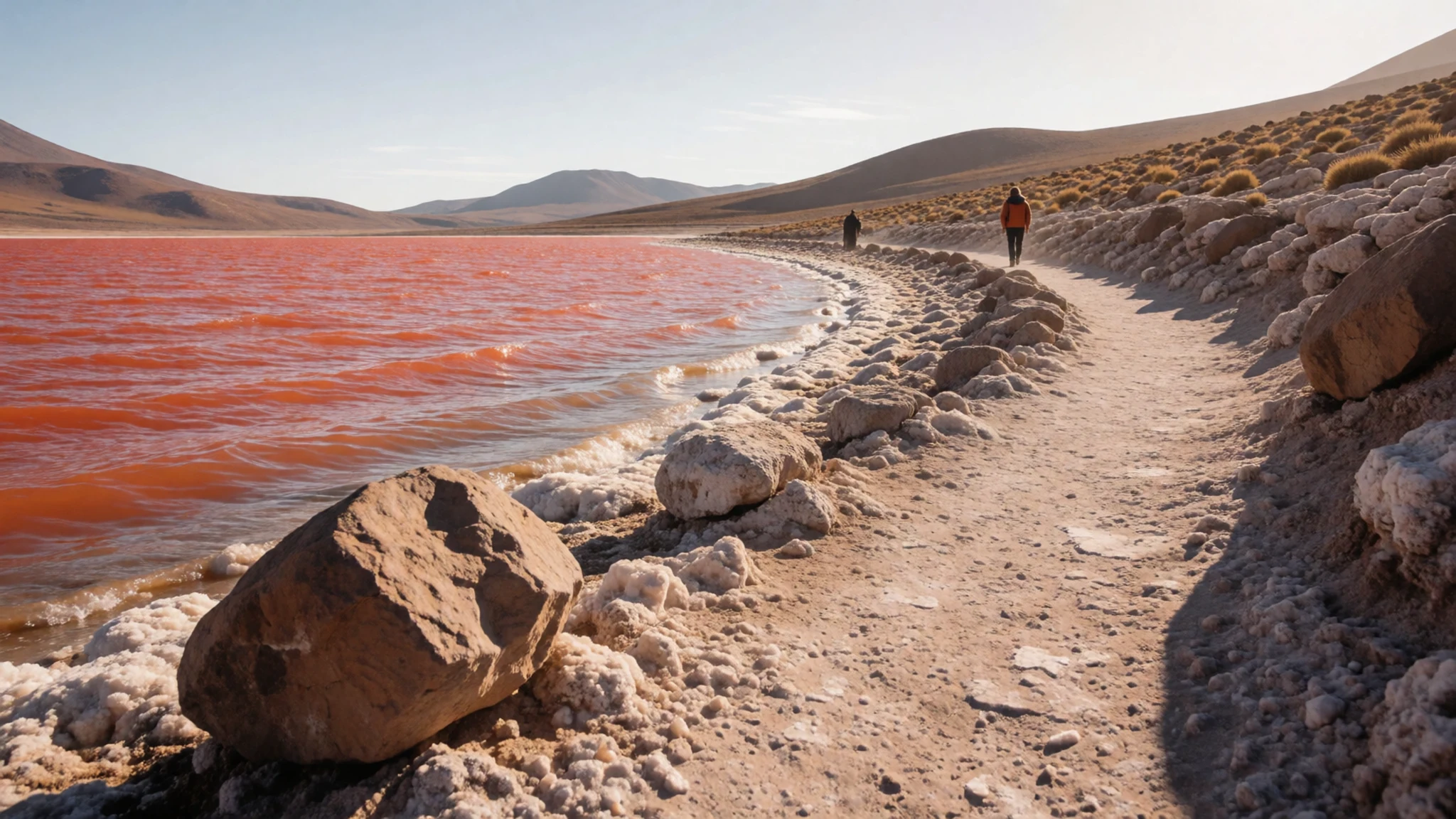
- Flamingo feeding and breeding area — Shallow margins of the lagoon
The shallow margins of the lake are where flamingos gather to feed and, in the breeding season, to nest. You will see several flamingo species here, including James's flamingo, which is known for its pale, yellowish legs and bill. Observe from a respectful distance and do not walk toward the birds, since disturbing nesting colonies can drive them away. Binoculars make a big difference, and a telephoto lens helps without any need to approach.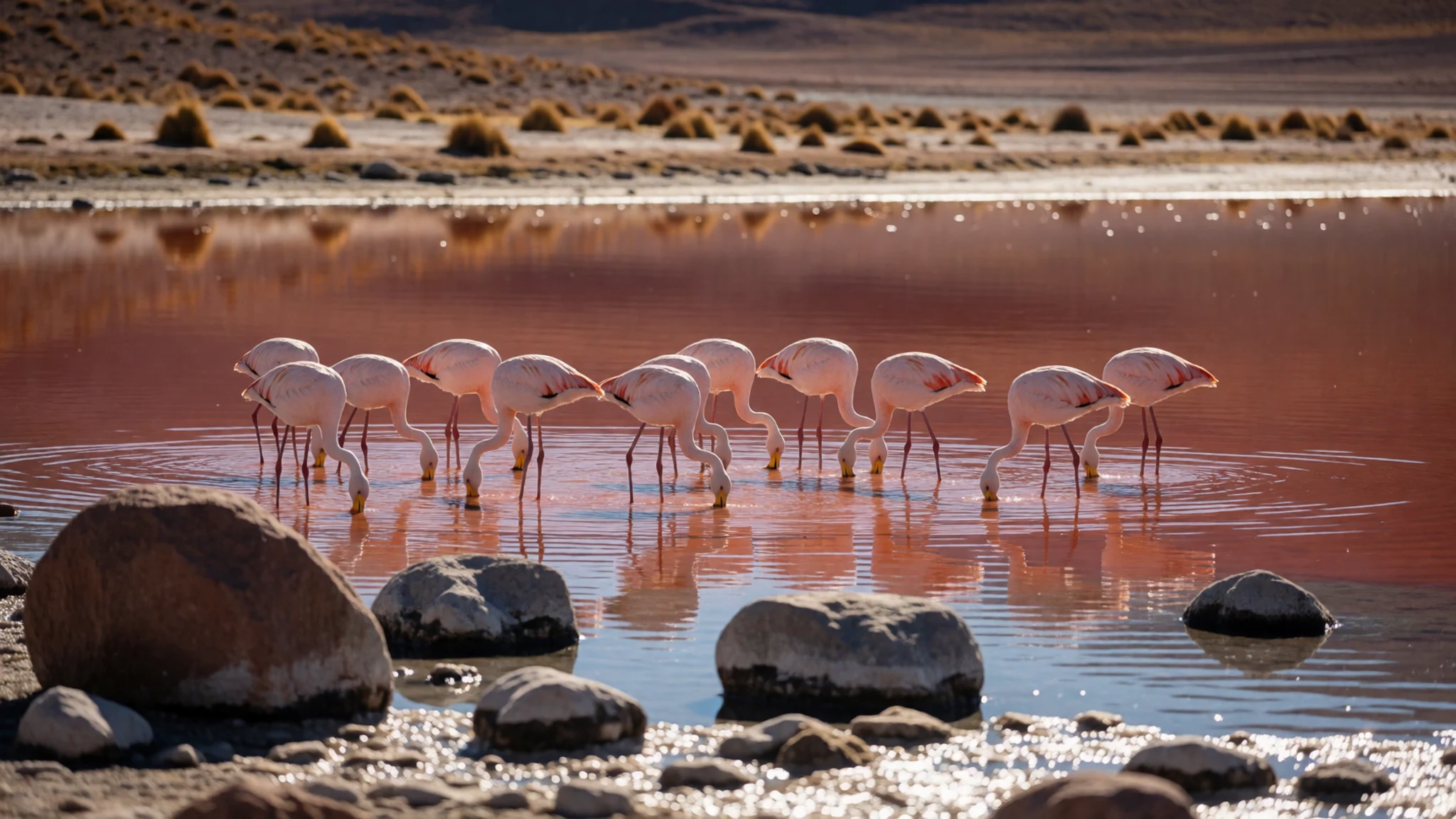
- Borax islands — Across the lagoon, visible from the shore
The white islands on the lake are formed from borax deposits left as the water evaporates and mineral crusts build up. They make a striking contrast with the red water and are best seen when the light is low, which brings out the texture of the crust. Do not climb onto them. The surface can be fragile and uneven, and the mineral deposits are part of the lake's natural structure. Viewing from the shore or from a designated viewpoint is enough to appreciate them.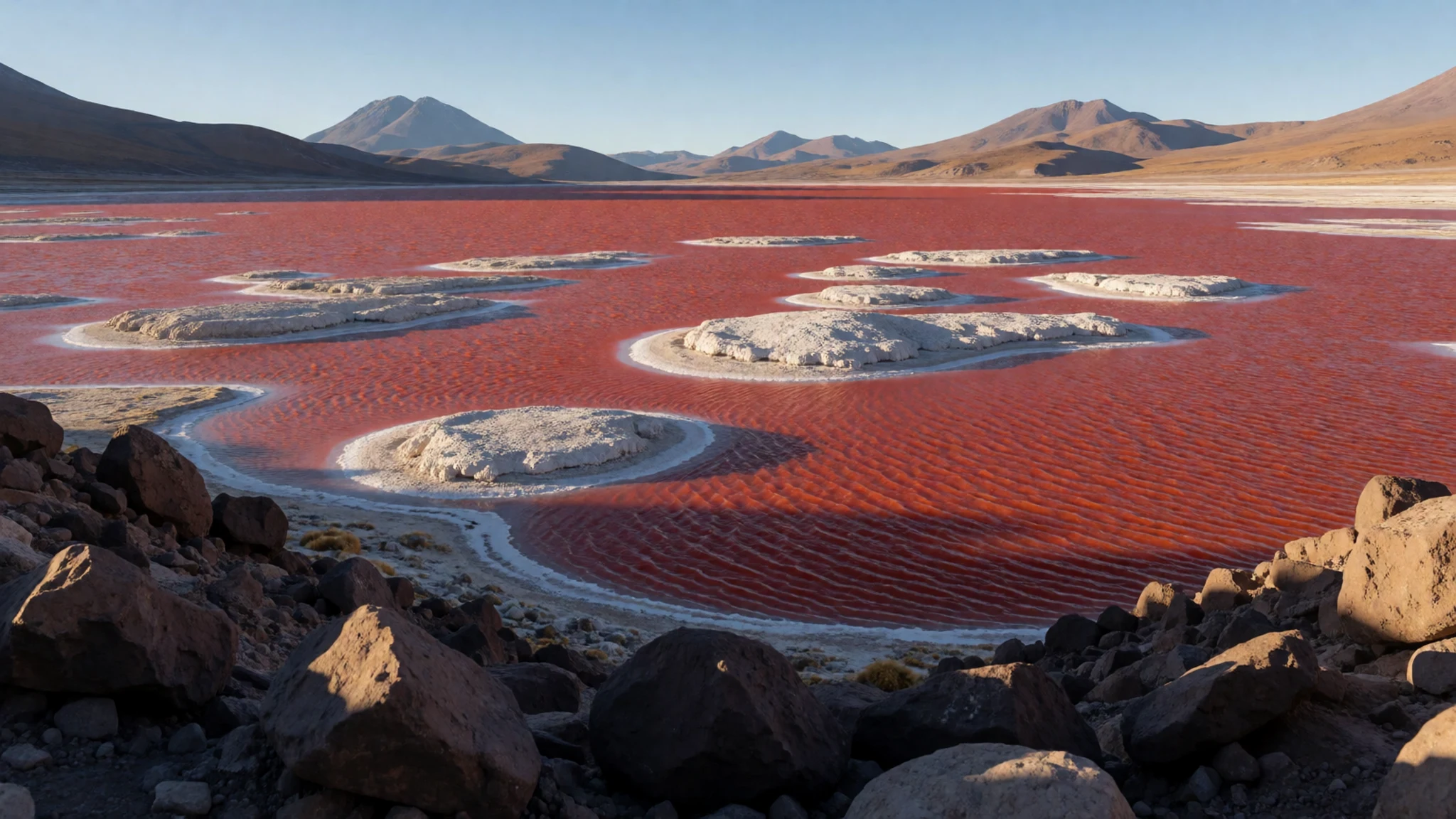
- Llamas and vicuñas on the plain — Grassland roads around the lake
The dry grassland around the lake is grazed by llamas and wild vicuñas, which are the smaller, wild relatives of the llama. Llamas are herded by local families and can be seen with their young, while vicuñas tend to keep their distance. Take photographs from afar and never chase or corner the animals. A calm approach on foot is the best way to see them without disturbing the herds.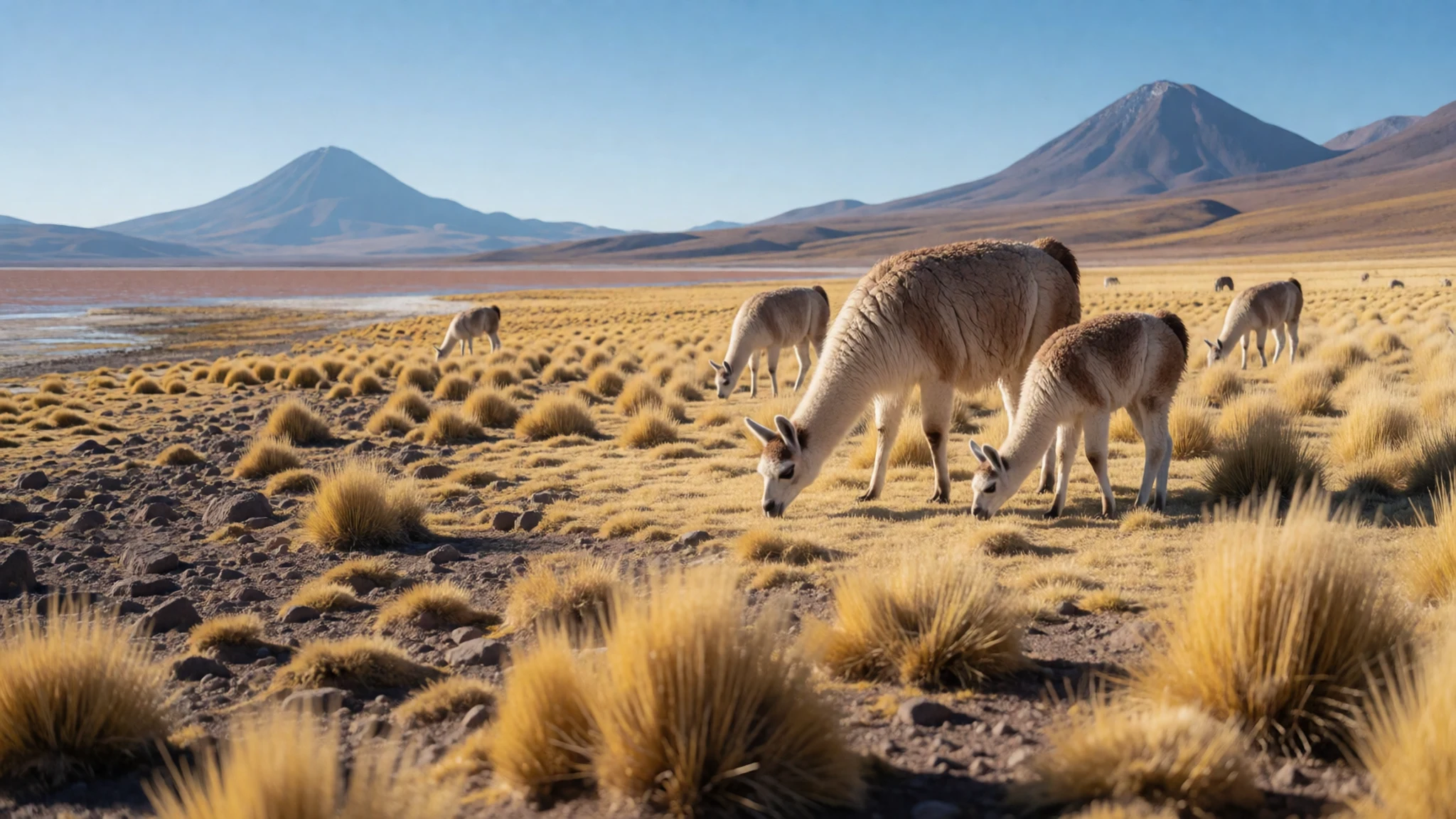
- The bofedal wetlands — Streams and springs feeding the lake
Bofedales are green, spongy wetlands fed by mountain streams and springs, and they sit in sharp contrast to the barren slopes nearby. They provide grazing for llamas and form part of the broader wetland system that feeds the lake. Walk only on the established tracks, since the wet ground is easily damaged by footprints and vehicle tracks. Their greenness on the high plateau is a useful reminder of how much life depends on water here.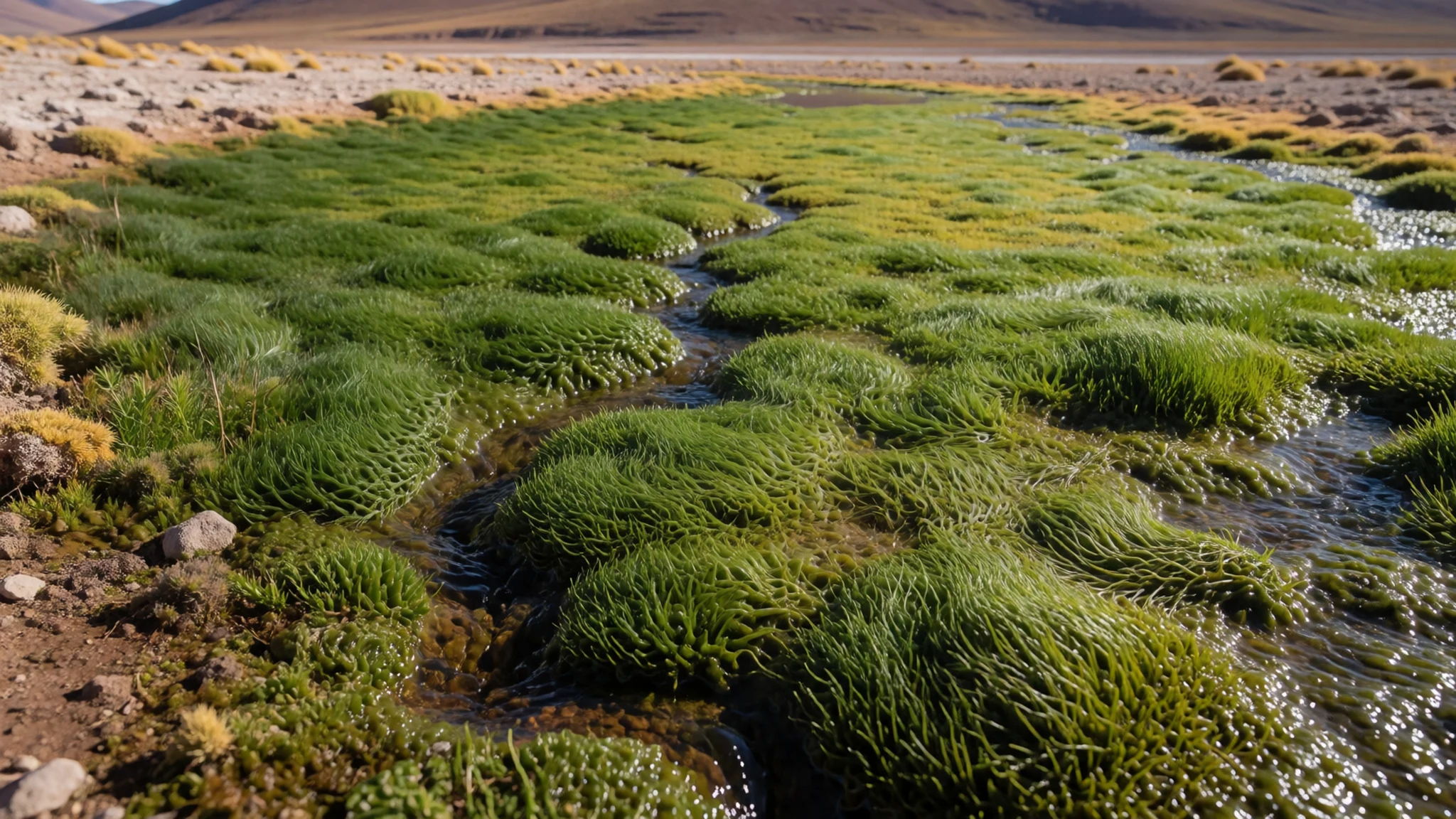
Culture
Laguna Colorada is not a place with a long tradition of visitor-facing ceremony, but it sits within the lives of Quechua and Aymara communities who have herded llamas and farmed the high plateau for generations. The reserve is run with local involvement, and many of the drivers, guides and cooks who work here come from nearby villages and towns. Greetings tend to be warm and direct, and a polite hello in Spanish goes a long way. Many people here speak Quechua or Aymara as their first language, so a few words of Spanish are helpful. Photographing people, especially herders and their families, should always be done with permission, and a small gesture of thanks is appreciated. Conversations about the land, animals and weather are a natural way to connect with people. The reserve is also a working environment, so keep to marked routes, respect fences and gates, and never disturb livestock. Do not leave rubbish behind, since there are few bins and the wind carries litter across the plain. Take everything you bring back out with you.
What to wear
Laguna Colorada sits in a region where the traditional dress of Andean communities is still a daily reality. Many women in the Altiplano wear wide, pleated skirts, layered blouses, shawls and bowler-style hats, with textiles often woven from sheep's wool or llama and alpaca fibres. These garments are practical as well as beautiful, designed to hold warmth in cold, dry air. Colour and pattern vary between communities, and the fabrics are often handwoven or knitted at home. In everyday life, many people now combine traditional elements with jackets, jeans, trainers and synthetic fleece, especially in towns and on the road. For a visitor, the most important thing is to dress for the altitude and the weather. Days can be bright and warm, but nights and early mornings are very cold, and wind across the lake is strong. Layer your clothes, bring a warm hat and gloves, and pack sunglasses and a high-factor sun cream, since UV exposure is intense at this height. Sturdy, closed shoes with good grip suit the rough tracks and the crusty ground near the water. Modest, practical clothing is always a good choice when visiting villages or herding families.
What to eat
- Salteñas — Bakeries and morning stalls in Uyuni town
Salteñas are baked pastries filled with a juicy, slightly spiced stew of meat and potato, and they are a favourite breakfast across Bolivia. They are best eaten early, when they are warm and the filling is at its juiciest. Eat them carefully, since the broth inside can be hot. Look for them at a morning market or a small bakery in Uyuni town before you head out to the reserve.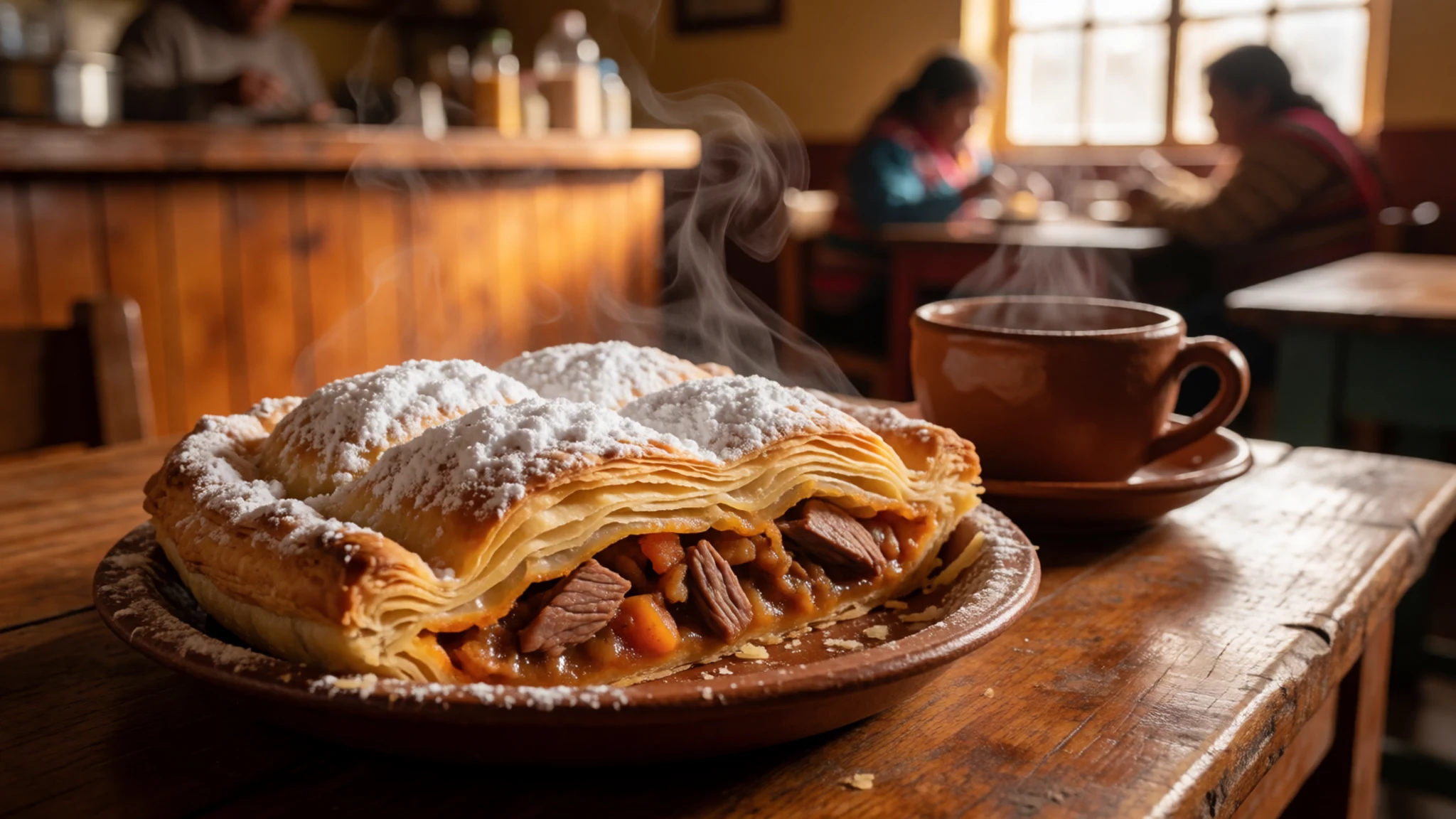
- Chairo — Simple eateries in Uyuni or Potosí
Chairo is a hearty soup made with dried meat, potatoes, and local grains, flavoured with herbs and sometimes chuño, the freeze-dried potato that is traditional on the high plateau. It is warming and filling, which suits the cold altitude. Ask for it at a simple eatery in town, where it is often served as a main course in winter.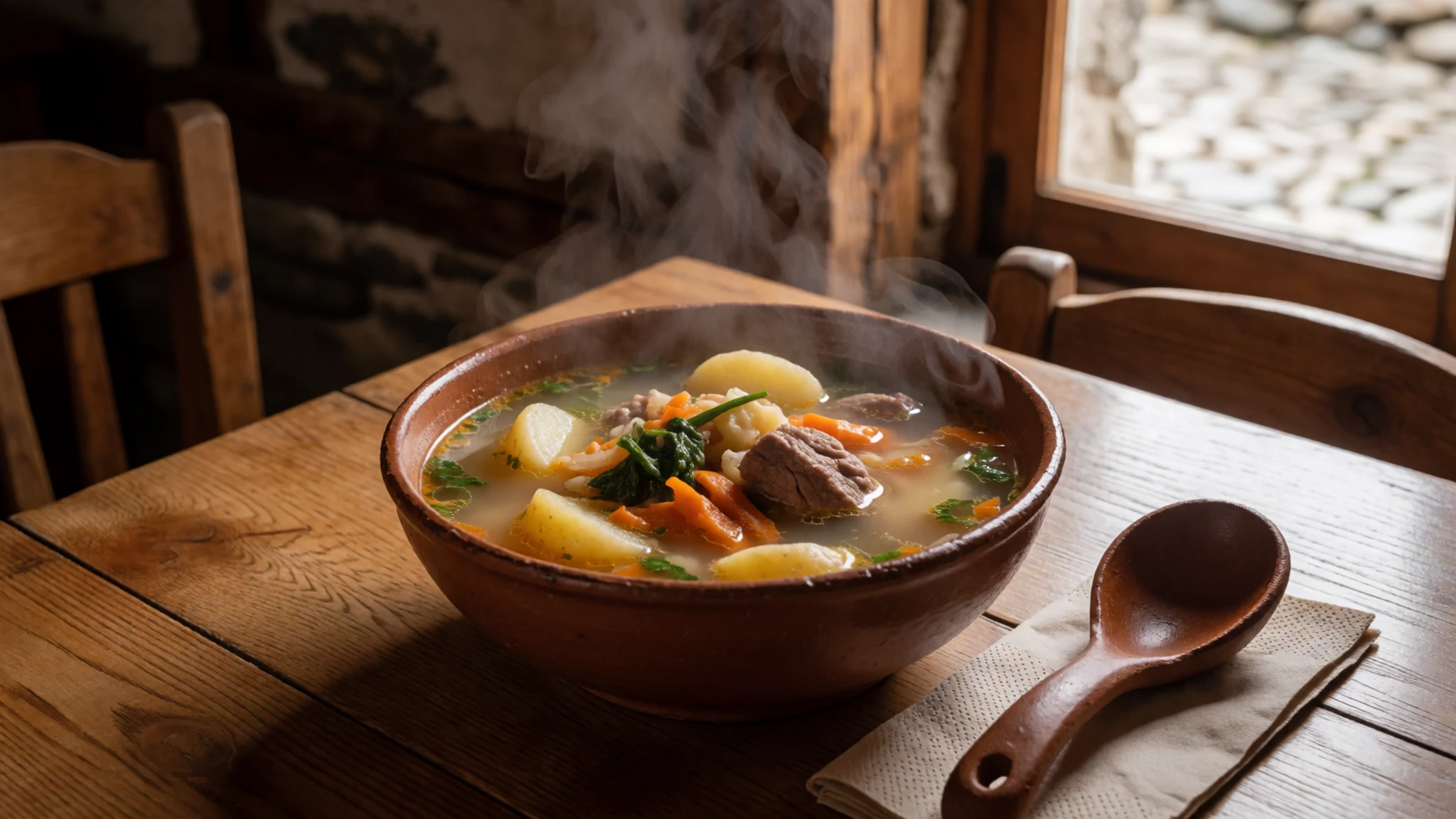
- Quinoa soup — Family-run eateries near the bus and tour pick-up points
Quinoa has been grown on the Altiplano for centuries, and soups made with it are a common, nourishing choice. The grain is light and nutty, and in soup it is often combined with vegetables and a little meat. It is a good, simple meal when you are tired from a long day on the road and want something gentle on the stomach. - Charque de llama — Local lunch spots in town markets
Charque is dried, salted meat, and llama charque is a traditional way of preserving meat on the high plateau. It is often rehydrated and cooked into stews or served with potatoes and sauce. The flavour is rich and gamey, and it reflects the herding traditions of the region. Try it at a local lunch spot, where it is cooked for regular customers. - Api con buñuelos — Morning market stalls in Uyuni or Potosí
Api is a warm, sweet drink made from purple maize, cinnamon and sugar, and it is traditionally served with buñuelos, small fried dough rings. The combination is a cosy breakfast or afternoon snack, especially welcome in the cold morning air. Look for it at a morning market stall or a bakery serving breakfast to travellers.
Plan it
Best time. Plan for the dry months from roughly May to October, when roads are easier and skies are usually clearer, though nights are very cold. The rainy season from around December to March can make tracks difficult and cloud can hide the colours. Colour intensity changes with the season and the algae, so the lake can look different on each visit.
How long. 2–3
Getting there. Fly into Uyuni Airport (UYU), then take a multi-day road transfer or jeep tour across the Altiplano to the reserve. Most visitors book through agencies in Uyuni town, and public transport to the lake itself is limited.
Budget. high
Tips
- Book your tour through a reputable agency in Uyuni, and check the itinerary includes the lake and the reserve entrance
- Start early in the morning for calmer water and softer light
- Carry plenty of water, snacks and cash, since services are sparse and card payments are not reliable in remote areas
- Allow time to acclimatise, because altitude can cause headaches and breathlessness, and take it easy on your first day
- Pack warm layers, sun protection and a hat, since the sun is strong by day and the nights are bitterly cold
Etiquette
- Keep to marked tracks and avoid walking on the fragile crusts near the water
- Ask permission before photographing herders and their families
- Take all your rubbish away with you, since there are few bins
Nearby
Sources
- Wikidata Q1327873 (CC0)
- Wikipedia: Laguna Colorada (rev 1366074702) (CC BY-SA 4.0)
- Wikivoyage: Potosí (department) (rev 4944078) (CC BY-SA 4.0)
- Laguna Colorada, Bolivia, 2016 (Diego Delso) (CC BY-SA 4.0)
- 4278m (madras91) (CC BY 2.5)
- James's Flamingoes in Laguna Colorada (Havardtl) (CC BY-SA 4.0)
- Lama glama Laguna Colorada 2 (kallerna) (CC BY-SA 4.0)
- 180A5338 (Gabvia) (CC BY-SA 4.0)
- Aguas de la Laguna Colorada (Owen Prior) (CC BY-SA 2.0)
- Andean Flamingos, Laguna Colorada (Luca Galuzzi) (CC BY-SA 2.5)
- Bolivia 19 (kallerna) (CC BY-SA 4.0)


